Luxor Day Trip from Marsa alam (Private)
Active
9h - 12h
For a full refund, cancel at least 24 hours before the scheduled departure time.
Instant confirmation
Mobile or paper ticket accepted
About this experience
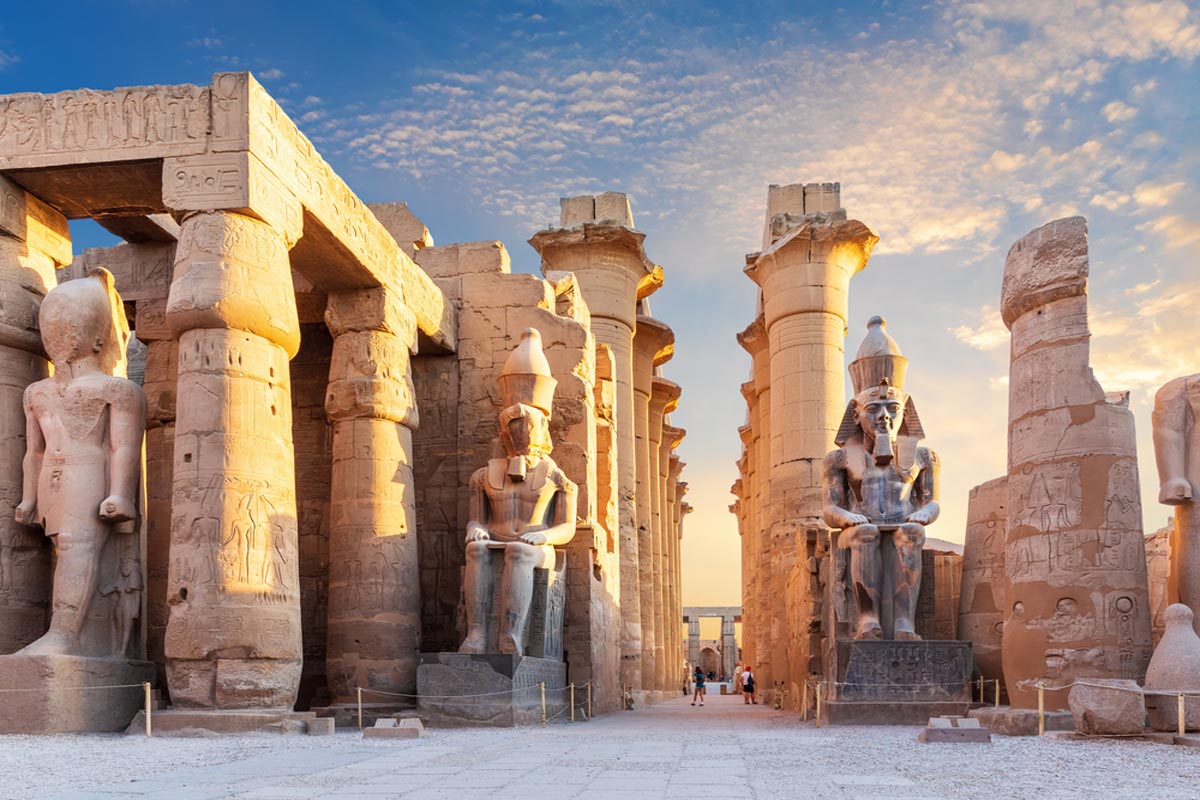
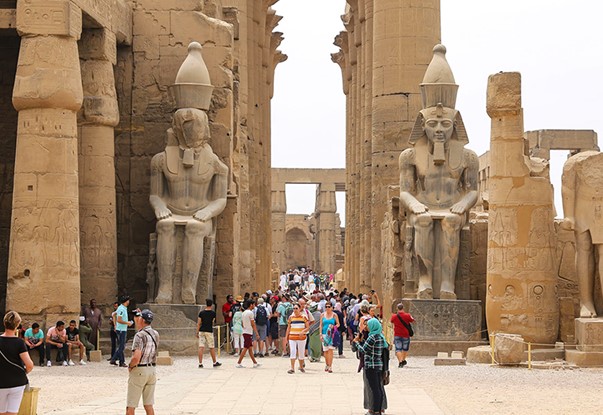
Luxor, often called the "world's greatest open-air museum," is an essential destination for anyone seeking to immerse themselves in the grandeur of ancient Egypt. On the Nile's West Bank, the Valley of the Kings offers a journey into the afterlife, with richly decorated tombs of pharaohs like Tutankhamun, revealing intricate funerary art and beliefs. Nearby, the majestic Temple of Hatshepsut at Deir el-Bahari stands as a testament to a powerful female pharaoh, its terraced architecture seamlessly blending with the dramatic cliffs. The enigmatic Colossi of Memnon, two colossal statues of Amenhotep III, quietly guard the remains of his once-grand mortuary temple. Crossing to the East Bank, the immense Temple of Karnak overwhelms with its sheer scale. This sprawling complex, built over centuries, is a labyrinth of colossal columns, towering obelisks, and sacred structures dedicated to the gods, serving as the spiritual heart of ancient Thebes.
Available options
Luxor Day Trip from Marsa alam (Private)
Pickup included
What's included
Qualified licensed driver
Round-trip transfer
Private Egyptologist tour guide
All transfers by a private air-conditioned vehicle
Pick-up and drop-off services
Detailed itinerary
1
Stop 1
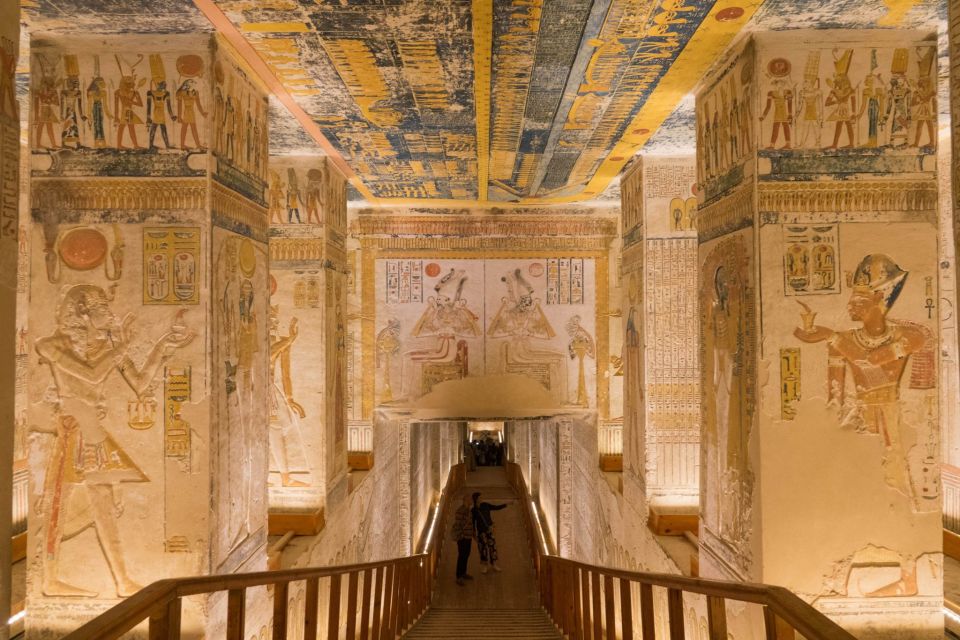
The Valley of the Kings, nestled in a desolate wadi on the Nile's West Bank, served as the primary burial ground for pharaohs and powerful nobles of the New Kingdom (c. 1550–1070 BCE). This secret necropolis, with over 60 known tombs, was chosen to protect royal resting places from tomb robbers, a stark contrast to the earlier, more visible pyramids. Each rock-cut tomb is a masterpiece of art and religious belief, adorned with intricate hieroglyphs and vibrant paintings depicting the deceased's journey through the afterlife, guided by texts like the Amduat and the Book of Gates
2
Stop 2
Dominating the landscape at Deir el-Bahari, the Temple of Hatshepsut is a striking example of ancient Egyptian architectural innovation. Built for the formidable female pharaoh Hatshepsut of the 18th Dynasty, this mortuary temple rises in three grand terraces, seamlessly blending with the towering limestone cliffs behind it. Its design, influenced by the adjacent temple of Mentuhotep II, features extensive colonnades and ramps. Detailed reliefs within the temple narrate Hatshepsut's divine birth, her famed expedition to the land of Punt, and various religious ceremonies, asserting her legitimacy as a ruler who effectively defied conventions.
3
Stop 3
Further east, standing as silent sentinels on the West Bank, are the Colossi of Memnon. These two colossal stone statues depict Pharaoh Amenhotep III (18th Dynasty) seated on his throne, hands resting on his knees, gazing eastward towards the Nile. Originally guarding the entrance to his vast mortuary temple—the largest ever built in Egypt, though now largely ruined—these 18-meter-high quartzite statues weighed over 700 tons each. T
4
Stop 4
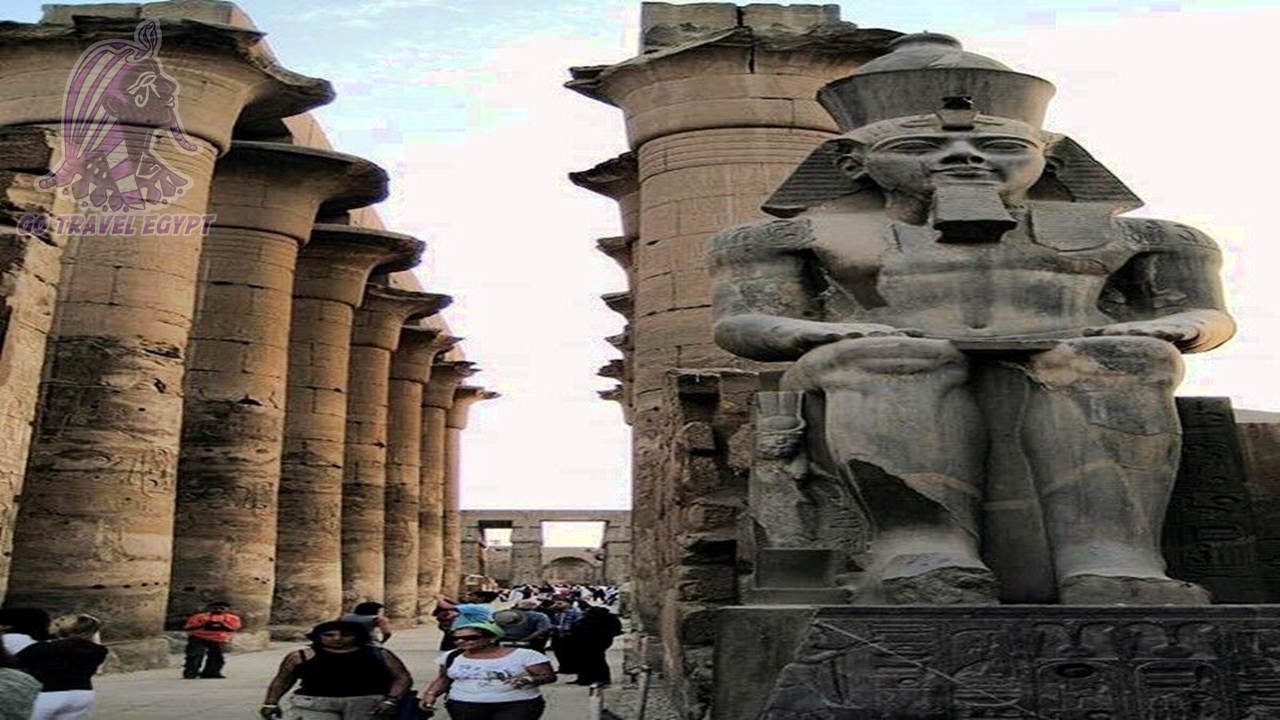
Finally, on the East Bank, lies the sprawling Temple of Karnak, a city of temples built over 2,000 years and dedicated primarily to the Theban triad of Amun, Mut, and Khonsu. As the largest religious building ever constructed, it served not only as a cult temple but also as a treasury, administrative center, and royal palace during the New Kingdom. Its awe-inspiring scale includes the colossal Great Hypostyle Hall with its 134 massive columns, towering obelisks, and a sacred lake. Karnak was the epicentre of ancient Egyptian faith and a testament to the continuous devotion and ambition of successive pharaohs who sought to leave their mark on this sacred site.
What's not included
Gratuities
Entrance fees
Available languages
Guide guide
EN
FR
Important information
Public transportation options are available nearby
Infants are required to sit on an adult’s lap
Suitable for all physical fitness levels
About Marsa Alam
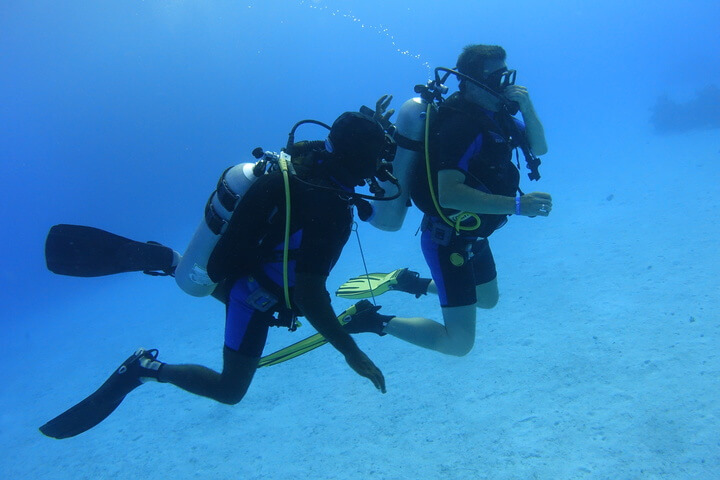
Marsa Alam is a beautiful coastal city in Egypt, known for its stunning beaches, vibrant coral reefs, and luxury resorts. It's a haven for diving, snorkeling, and relaxation, offering a more serene and less crowded alternative to other Red Sea destinations.
Top Attractions
Marsa Alam Beach
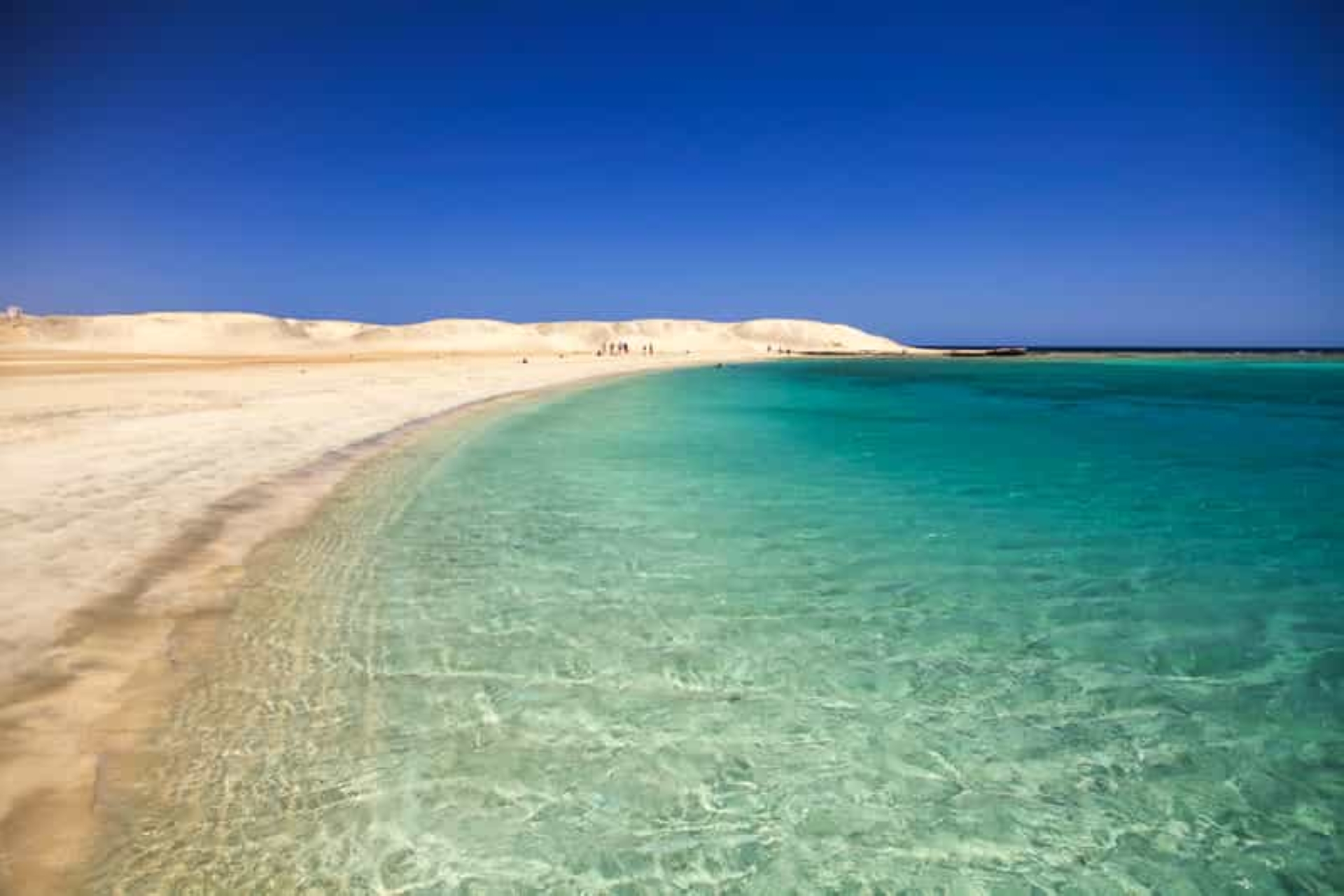
A stunning stretch of white sand and turquoise water, perfect for swimming, sunbathing, and water sports.
Beach
Half day
Free or resort access
Marsa Alam Marine Park
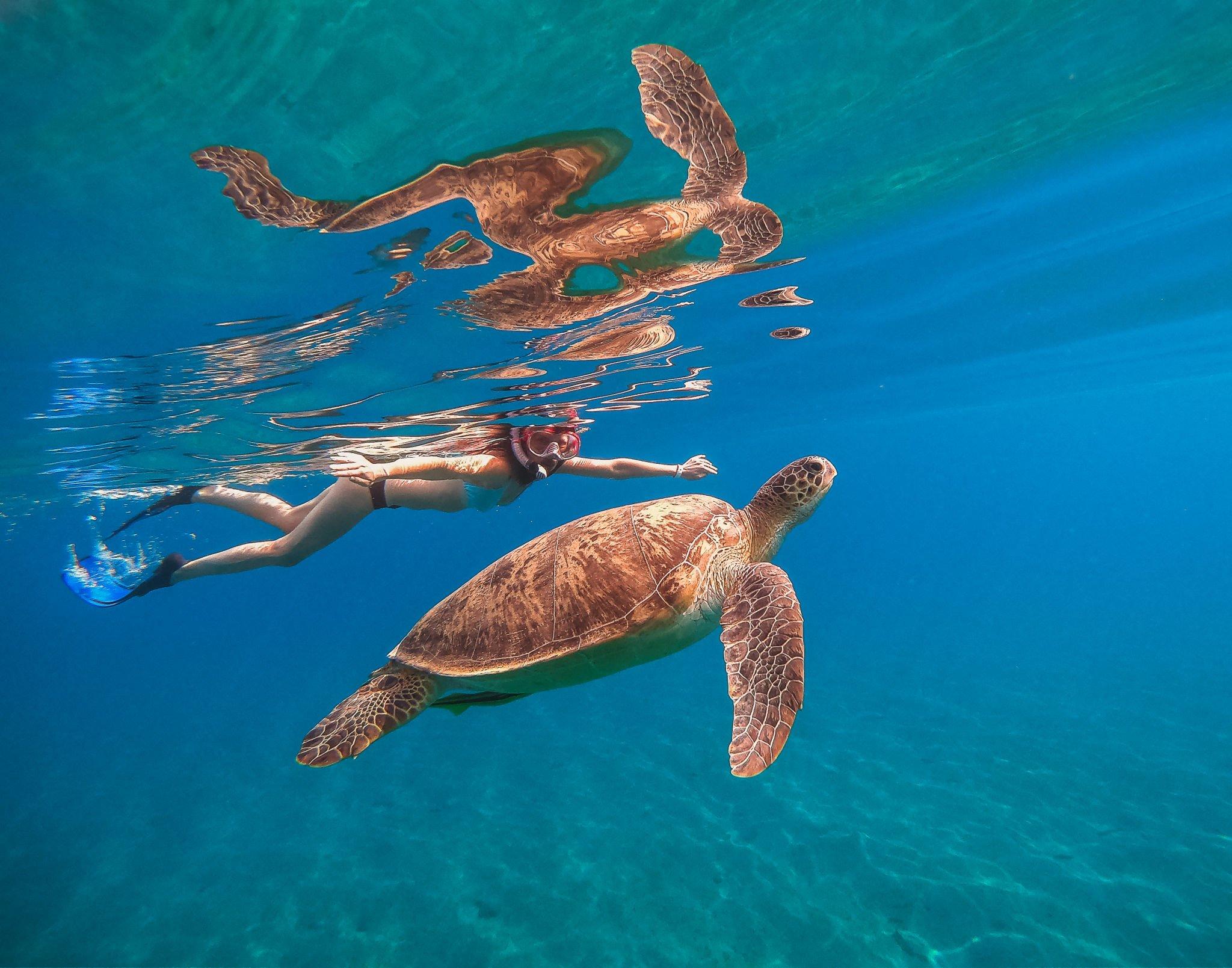
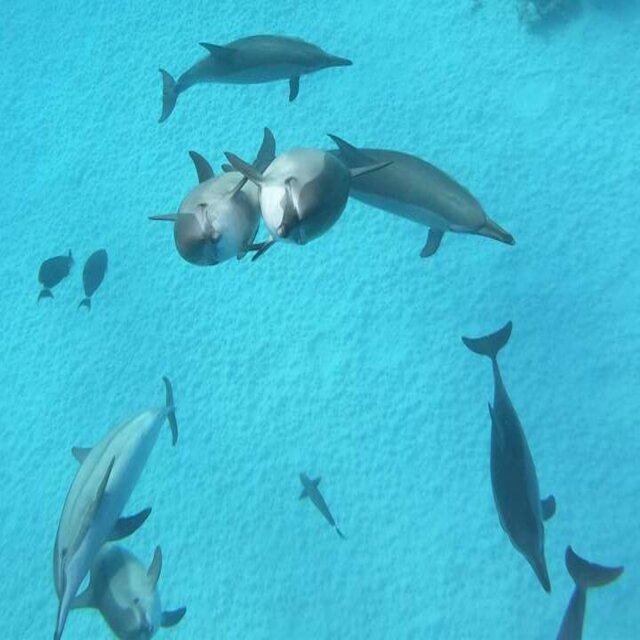
A protected area with incredible marine life, perfect for snorkeling and diving.
Nature
Half day to full day
Moderate (snorkeling/diving tours)
Temple of Seti I at Qantara
An ancient temple dedicated to the Pharaoh Seti I, located near Marsa Alam.
Historical
Half day
Moderate (entry fee and guided tours)
Must-Try Local Dishes
Grilled Seafood
Freshly caught seafood grilled to perfection, often served with rice or salad.
Dinner
Gluten-free options available
Koshari
A traditional Egyptian dish made with rice, lentils, pasta, and crispy onions, topped with spicy tomato sauce.
Lunch
Vegetarian
Popular Activities
Diving
Snorkeling
Desert safaris
Beach lounging
Spa treatments
Yoga
Historical tours
Local markets
Best Time to Visit
October to April
This is the most pleasant time to visit, with warm days and cool nights. It's perfect for beach activities, diving, and exploring the area.
20°C to 30°C
68°F to 86°F
Practical Information
Language
- Official: Arabic
- Widely spoken: English, German, Russian
- English: Moderately spoken
Currency
Egyptian Pound (EGP)
Time Zone
EET (UTC+2)
Electricity
220VV, 50HzHz
Safety Information
Overall Safety Rating: Generally safe
Marsa Alam is generally safe for tourists, but standard precautions should be taken.
Important Precautions:
- • Be cautious with valuables in crowded areas.
- • Avoid walking alone at night.
- • Use reputable tour operators.
Getting there
By air
- Marsa Alam International Airport • 10 km from city center
By bus
Marsa Alam Bus Station
Getting around
Public transport
Taxis are the most common form of public transport. They are affordable and widely available.
Taxis
Available • Apps: Uber, Careem
Rentals
Car
Neighborhoods
Port Ghalib
Marsa Alam Town
Day trips
Elba Island
30 km • Full day
A beautiful island known for its pristine beaches and diverse wildlife.
Wadi El Gemal National Park
50 km • Full day
A protected area with stunning landscapes, diverse wildlife, and ancient ruins.
Festivals
Marsa Alam International Diving Festival • April
Pro tips
- Visit the local markets for authentic souvenirs and experiences.
- Book diving and snorkeling tours in advance for the best spots.
- Learn a few basic Arabic phrases to enhance your interactions with locals.
- Stay hydrated and protect yourself from the sun.
- Respect local customs and traditions to ensure a positive experience.
From $25
per person
Price varies by option
Secure booking
Free cancellation available
Instant confirmation