Georgian Liverpool Walking Tour
Active
2h
For a full refund, cancel at least 24 hours before the scheduled departure time.
Instant confirmation
Mobile or paper ticket accepted
About this experience
Join this tour to learn about the history of Liverpool during the late Georgian and early Victorian periods and discover how some of the more famous residents changed and influenced world developments – many of which we take for granted today.
Liverpool was at its trading peak during the late Georgian and early Victorian periods and its affluent merchants were seeking grand houses outside of the town center.
It was during this period that Hope Street and Rodney Street were laid out and the building of fine houses began.
Take a journey back in time and learn about the famous residents and rich history of this era.
After the tour, you might want to visit the Victoria Museum housed in the original University of Liverpool building and displays a whole host of fascinating (and sometimes gruesome) medical artifacts from Victorian times. Please note that this is no longer part of our itinerary but our tour guide will be happy to show you how to get there.
Available options
Georgian Liverpool Walking Tour
What's included
Services of a Professional Guide
Detailed itinerary
1
Hope Street has developed as a bohemian area with trendy bars, restaurants, and a theatre but retains a fascinating history associated with its buildings and sculptures.
Hope Street is named after William Hope, a merchant whose house stood on the site now occupied by the Philharmonic Hall.
Hope Street was voted as the best street in the UK and Ireland by The Academy of Urbanism, who awarded it The Great Street 2013.
The award of the 2014 Stirling Architectural Prize for the renovation of the Everyman Theatre again turned the spotlight on Hope Street.
Famously linking the two cathedrals, it contains many cultural, social and public buildings. In addition to the Everyman, there’s the Philharmonic Hall, the Philharmonic Pub, and a Masonic Lodge. However, in its 200-year history, Hope Street’s 600-yard length has also seen a hospital and homeopathic dispensary, a number of churches, an art school, home of a slave trader and a high school for girls.
2
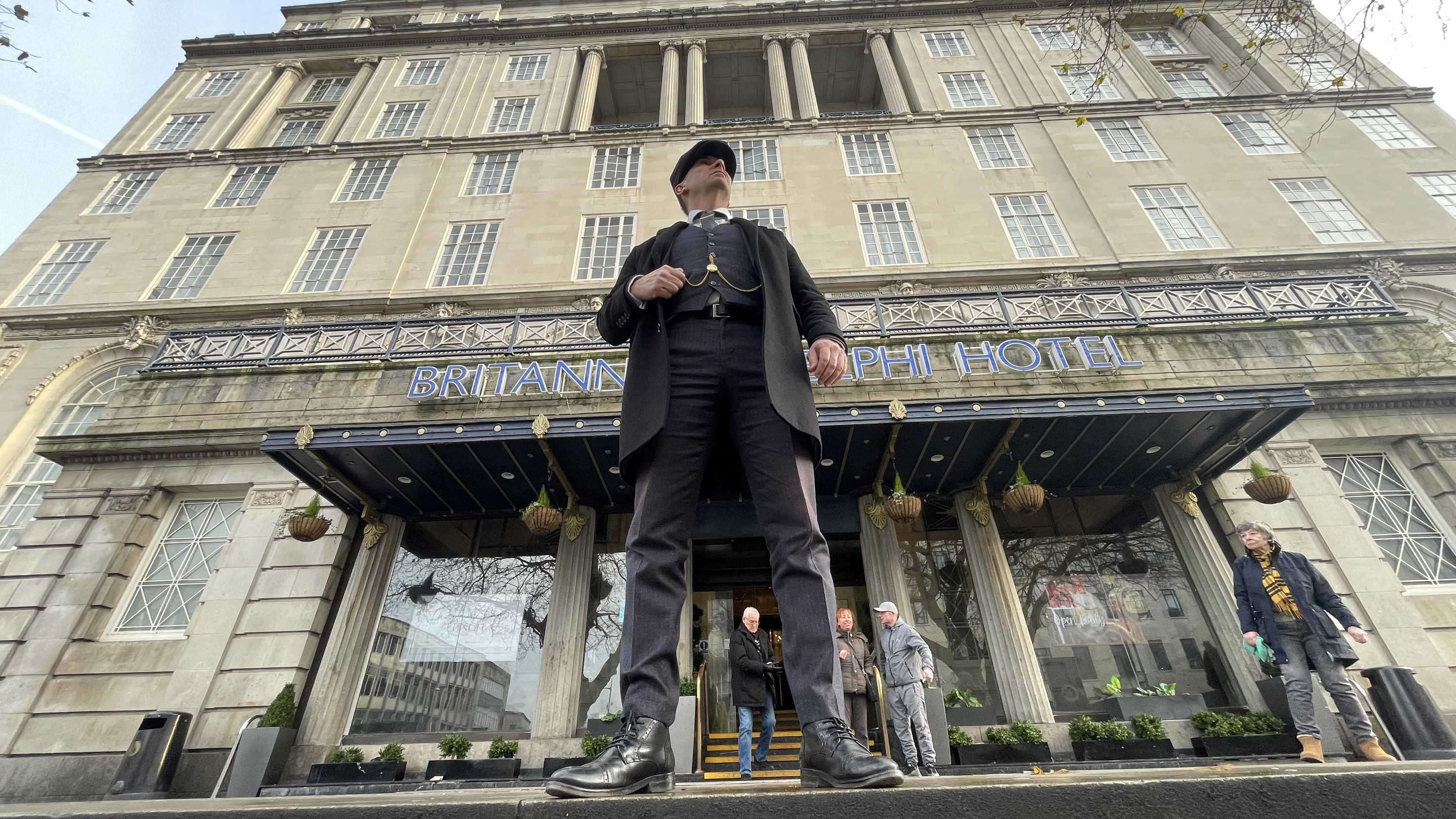
Rodney Street is one of the few streets that would still be recognisable by Liverpool’s 19th Century residents. It has been used as the backdrop for many big film productions as well as a whole load of TV series – Peaky Blinders being one. The street has been associated with Edinburgh’s resurrectionists (grave robbers). It has been home to a prime minister, famous merchants, industrialists and it even has its very own pyramid tomb.
Rodney Street is noted for the number of doctors who practice there and its Georgian architecture. It is sometimes referred to as the "Harley Street of the North". Together with Hope Street and Gambier Terrace, it forms the Rodney Street conservation area. There are over 60 Grade II listed buildings on the street and one Grade II* former church.
Some of the street's famous residents:
~ James Maury, the first United States consul from 1790 to 1829, lived at 4 Rodney Street
~ Brian Epstein, manager of The Beatles, was born at no 4 Rodney Street in 1934
What's not included
Gratuities
Available languages
Guide guide
EN
Reviews breakdown
Tripadvisor
5.0
2 reviews
5★
2
4★
0
3★
0
2★
0
1★
0
Important information
Wheelchair accessible
Infants and small children can ride in a pram or stroller
Service animals allowed
Public transportation options are available nearby
Transportation options are wheelchair accessible
Not recommended for travelers with poor cardiovascular health
Suitable for all physical fitness levels
Meeting point
Your tour guide will have signage indicating the meeting point of the tour.
About Liverpool
Liverpool is a vibrant maritime city known for its rich musical heritage, football culture, and significant role in maritime history. The city is home to iconic landmarks, world-class museums, and a thriving arts scene, making it a dynamic destination for travelers.
Top Attractions
Albert Dock
Albert Dock is a historic waterfront complex that houses museums, restaurants, and shops. It's a UNESCO World Heritage Site and a must-visit for its architectural beauty and cultural significance.
Historical/Architecture
2-3 hours
Free to explore, individual attractions have entry fees
Liverpool Cathedral
Liverpool Cathedral is one of the largest cathedrals in the UK and offers stunning views of the city from its tower. It's a masterpiece of Gothic architecture and a place of worship and cultural events.
Religious/Architecture
1-2 hours
Free entry, £8 for the Tower Experience
Anfield Stadium
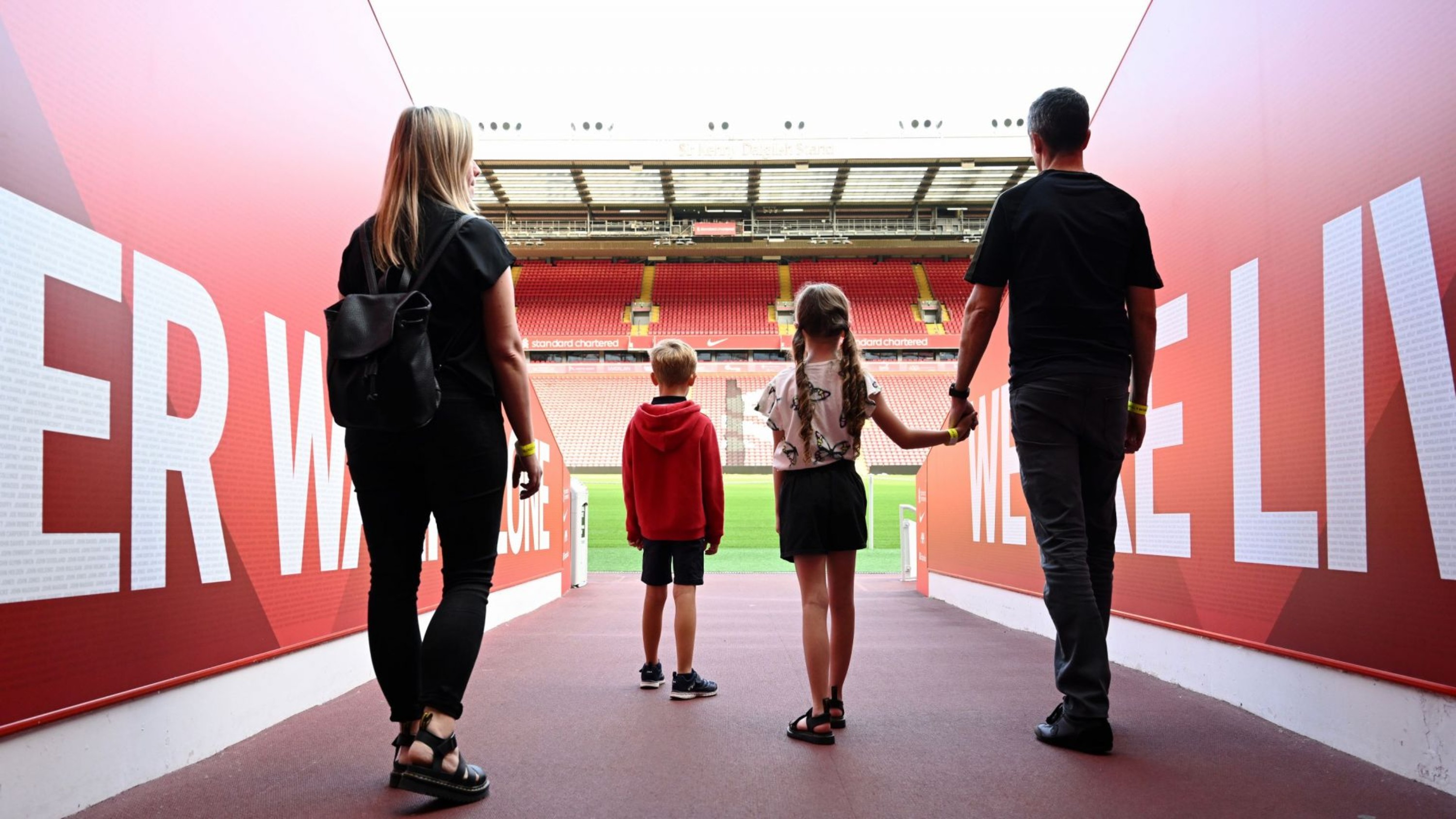
Anfield Stadium is the home of Liverpool Football Club and a pilgrimage site for football fans. The stadium tour offers a behind-the-scenes look at the club's history and facilities.
Sports
2-3 hours
£25 for the stadium tour and museum
Must-Try Local Dishes
Scouse
A traditional Liverpool dish made with lamb, potatoes, and onions, slow-cooked in a stew. It's a hearty and comforting meal, often served with pickled red cabbage.
Main Course
Contains meat, can be made with beef or lamb
Liverpool Tart
A sweet pastry filled with jam, coconut, and marshmallows. It's a popular dessert in the city and a must-try for those with a sweet tooth.
Dessert
Vegetarian
Popular Activities
Hiking in Sefton Park
Cycling along the Leeds-Liverpool Canal
Spas and wellness centers
Picnics in Croxteth Hall and Country Park
Visiting museums and galleries
Attending theater performances and concerts
Sailing and water sports on the River Mersey
Ice skating at the Winter Wonderland event
Best Time to Visit
June to August
This is the best time to visit Liverpool for warm weather and outdoor activities. The city hosts various festivals and events during this period.
15°C to 22°C
59°F to 72°F
Practical Information
Language
- Official: English
- Widely spoken: English
- English: Widely spoken
Currency
British Pound (GBP)
Time Zone
GMT (UTC+0) or BST (UTC+1) during daylight saving time
Electricity
230VV, 50HzHz
Safety Information
Overall Safety Rating: Generally safe
Liverpool is generally safe for tourists, with low crime rates compared to other UK cities. However, as with any destination, it's essential to stay vigilant and take precautions to ensure a safe and enjoyable visit.
Important Precautions:
- • Keep valuables secure and out of sight
- • Use licensed taxis or ride-sharing apps
- • Be cautious when using ATMs, especially at night
Getting there
By air
- Liverpool John Lennon Airport • 10 km (6 miles) from city center
By train
Liverpool Lime Street
By bus
Liverpool One Bus Station, Sandon Halfway
Getting around
Public transport
Buses are a convenient way to get around Liverpool. They cover most areas of the city and surrounding regions.
Taxis
Available • Apps: Uber, Bolt
Rentals
Car, Bike, Scooter
Neighborhoods
The Ropewalks
Cavern Quarter
Woolton
Day trips
Chester
30 km (19 miles) • Full day
Chester is a charming medieval city with a rich history and well-preserved Roman walls. It's known for its unique architecture, including the famous Chester Rows, and offers a variety of cultural attractions and shopping opportunities.
Port Sunlight
10 km (6 miles) • Half day
Port Sunlight is a picturesque village known for its beautiful architecture, gardens, and the Port Sunlight Museum. It's a peaceful retreat from the bustling city and offers a glimpse into the history of the Lever Brothers soap company.
Formby Beach
20 km (12 miles) • Half day to Full day
Formby Beach is a beautiful coastal area with sandy beaches, dunes, and woodland. It's part of the Sefton Coast and offers a variety of outdoor activities, including walking, birdwatching, and beachcombing.
Festivals
Liverpool International Music Festival • July
Liverpool Pride • July
Pro tips
- Visit the Beatles Story museum for an immersive experience of the Fab Four's history
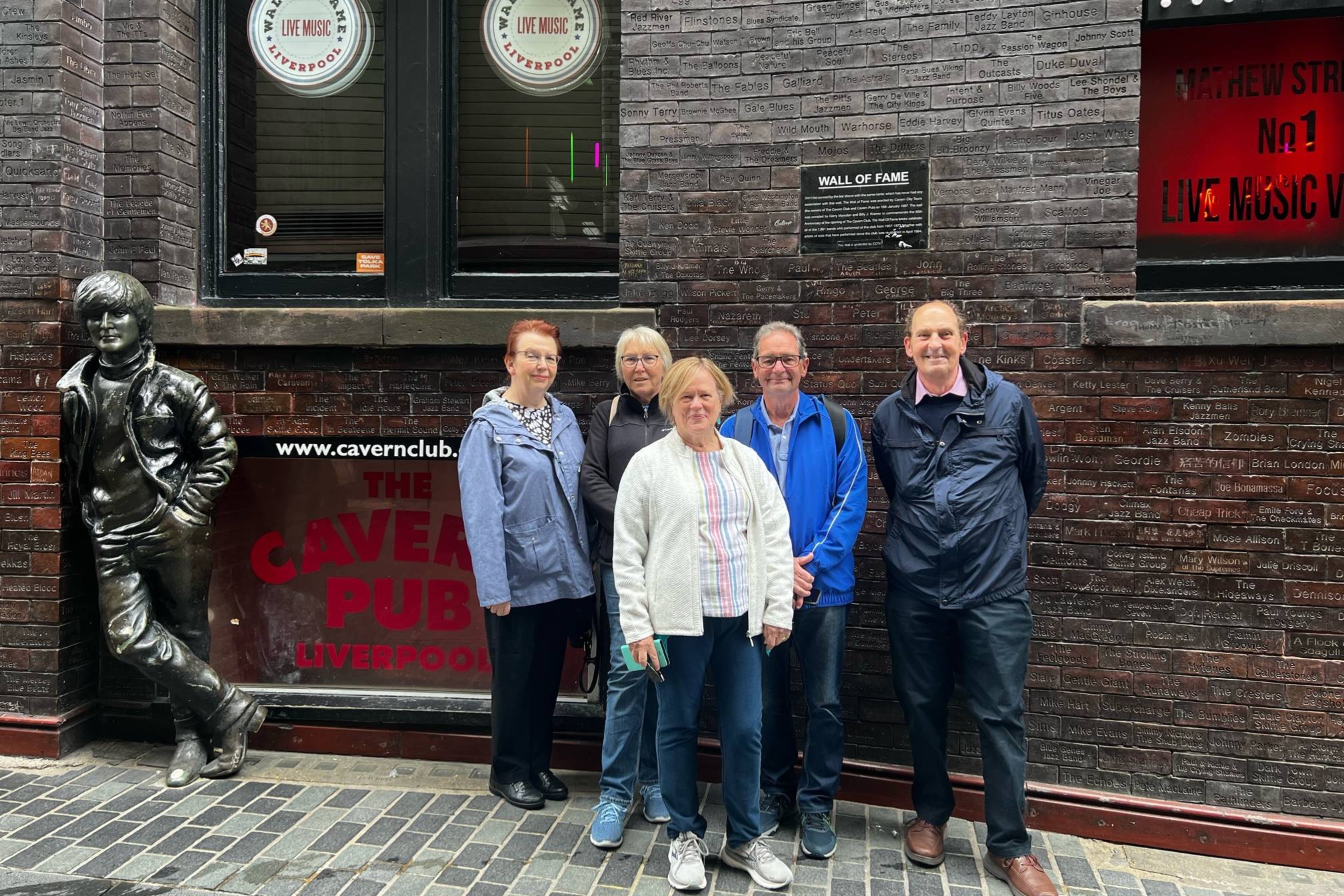
- Explore the Cavern Quarter and its various Beatles-themed attractions
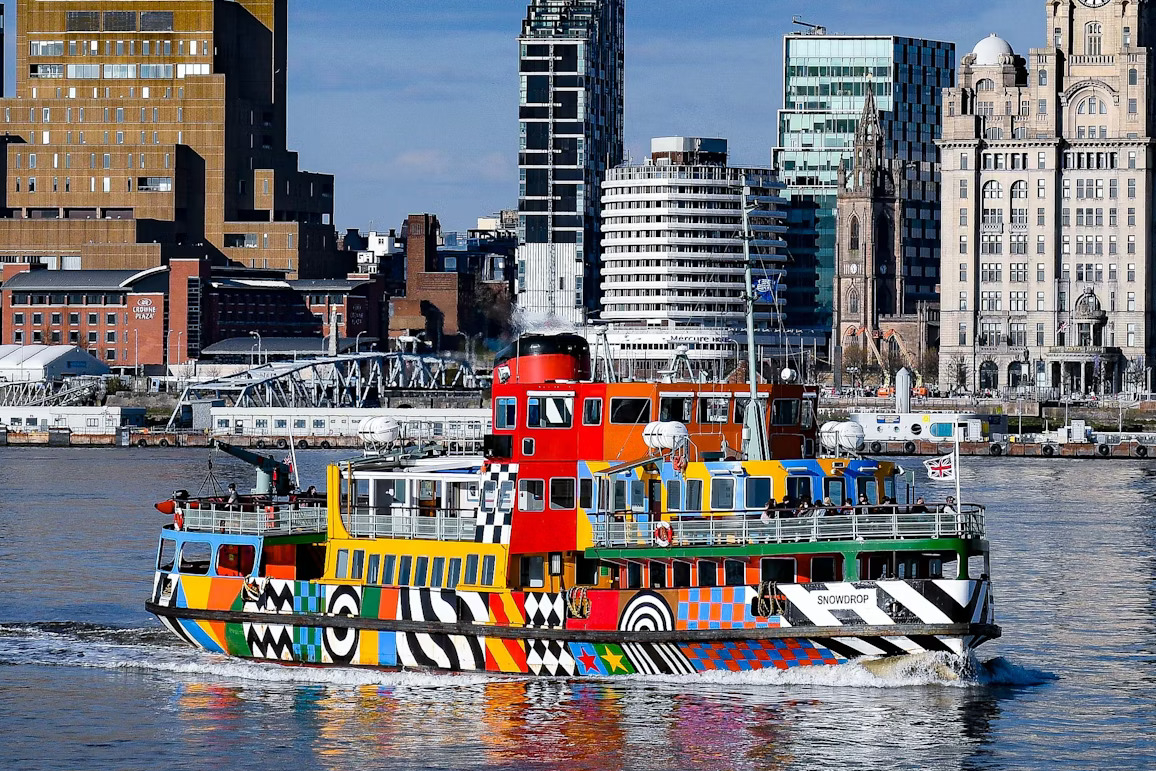
- Take a ferry across the Mersey for stunning views of the city's skyline
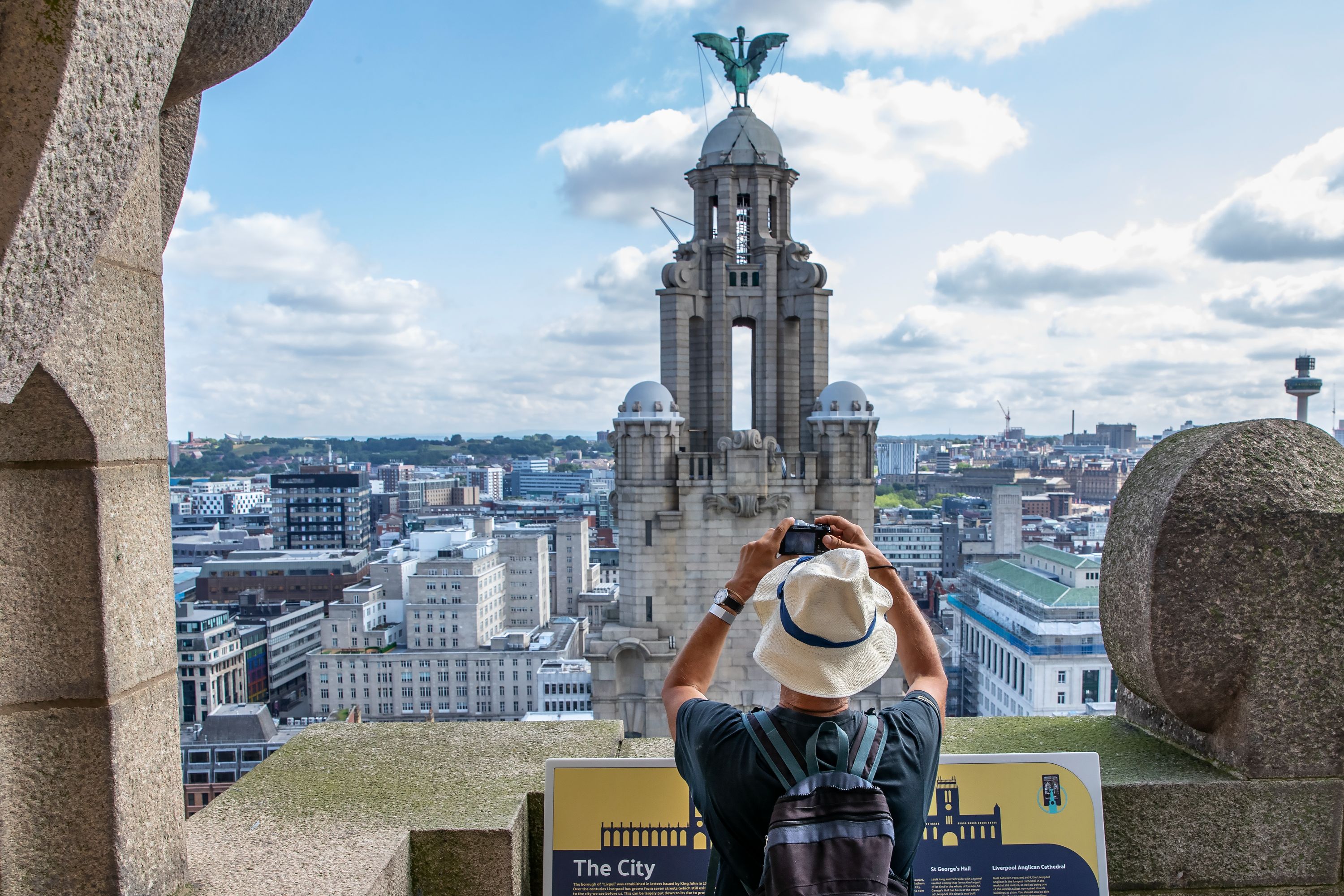
- Visit the Liverpool Cathedral for panoramic views of the city from its tower
- Attend a football match at Anfield Stadium for an unforgettable experience
From $25
per person
Price varies by option
Secure booking
Free cancellation available
Instant confirmation