Genuine Valencian tapas tour with a pinch of History
Active
3h
For a full refund, cancel at least 24 hours before the scheduled departure time.
Instant confirmation
Mobile or paper ticket accepted
About this experience
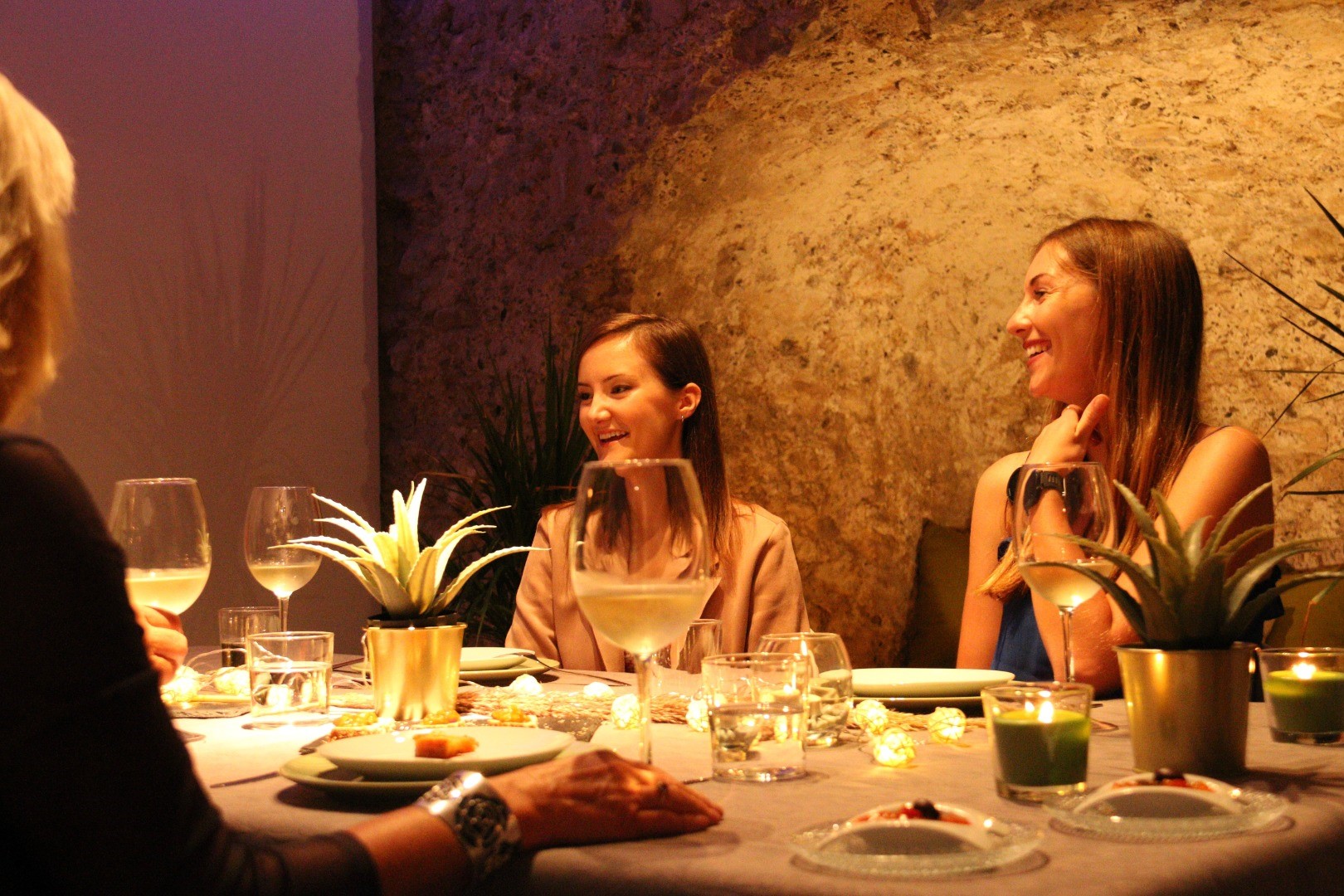
Mediterranean cuisine is full of delicacies. Undoubtedly, the maximum exponent of this tradition is rice and our most worldwide known dish: paella. But also sweets, stews with fish and, of course, Valencian tapas (patatas bravas, titaina, clotxines, cocas, esgarraets, aspencat,...) are very simple and autochthonous dishes that are not so well known outside the area, but that are part of what is already a social ritual of the Valencians: the aperitif (drink)/appetizer (food).
This tour will be a unique experience for several reasons: the choice of tapas you will taste, the legendary restaurants you will visit, the cooking tips I will share and the rich history of the city I will blend with the food stories.
Available options
Genuine Valencian tapas tour with a pinch of History
What's included
Beer or wine
Soda/Pop
Snacks
Detailed itinerary
1
This is our meeting point and first landmark we will visit. It´s one of the most beautiful train stations in Spain built in modernist architecture.
2
We´ll head to the first restaurant (close by the station) where I´ll tell you about the origin and meaning of tapas. I´ll share recipes and cooking tips. There´s a big surprise awaiting you regarding a rooted local sport.
We´ll taste 2 "tapas" (snacks) and a local drink, that can be a soft drink, beer or glass of wine
3
Stop 3
On our way to the second restaurant, we´ll stop at the spectacular Town Hall Square, where I´ll talk about some aspects of the rich history of Valencia (19th-20th century period).
4
Stop 4
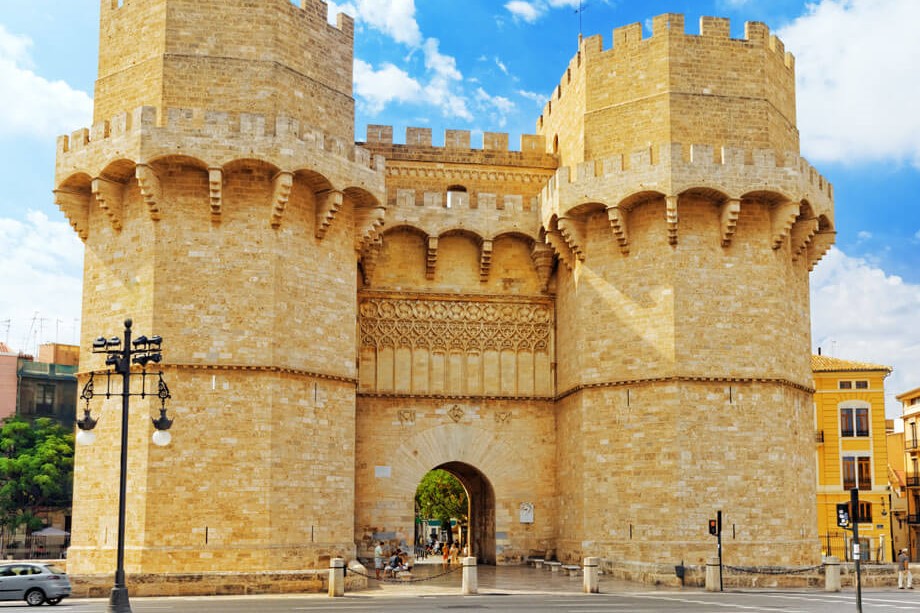
Our next stop will be at the iconic Silk Exchange Market, declared World Heritage Site by UNESCO. I´ll talk about the splendour of the city during the 14th-17th centuries and its importance in Europe.
5
Stop 5
The Central Market is a gem, one of the best examples of Modernism in Valencia, and a wonder for the senses. I´ll share some recommendations for tasting "paella valenciana" and other local delicacies.
6
Santos Juanes Church is the second most important Baroque church after Saint Nicholas Church, known as the Valencian Sixtine Chapel. Both are linked and I will tell visitors about it
7
Stop 7
We´ll taste 1 or 2 more tapas (depending on the number of participants) and one drink (soft drink, beer or wine) in one of the most legendary bars located in the heart of the Arab quarter, Barrio del Carmen.
Reviews breakdown
Viator
5.0
3 reviews
5★
3
4★
0
3★
0
2★
0
1★
0
Tripadvisor
4.9
17 reviews
5★
16
4★
1
3★
0
2★
0
1★
0
Important information
Wheelchair accessible
Service animals allowed
Public transportation options are available nearby
Infants are required to sit on an adult’s lap
Transportation options are wheelchair accessible
All areas and surfaces are wheelchair accessible
Suitable for all physical fitness levels
No es recomendable para personas vegetarianas, veganas y con alergias alimentarias..
Meeting point
Go to the main entrance and find the big clock outside the Railway Station. Find me there, I´ll be carrying a lilac umbrella.
About Valencia
Valencia is a vibrant city on Spain's eastern coast, known for its City of Arts and Sciences, beautiful beaches, and rich culinary traditions. The city blends modern architecture with historic charm, offering a unique Mediterranean experience.
Top Attractions
City of Arts and Sciences
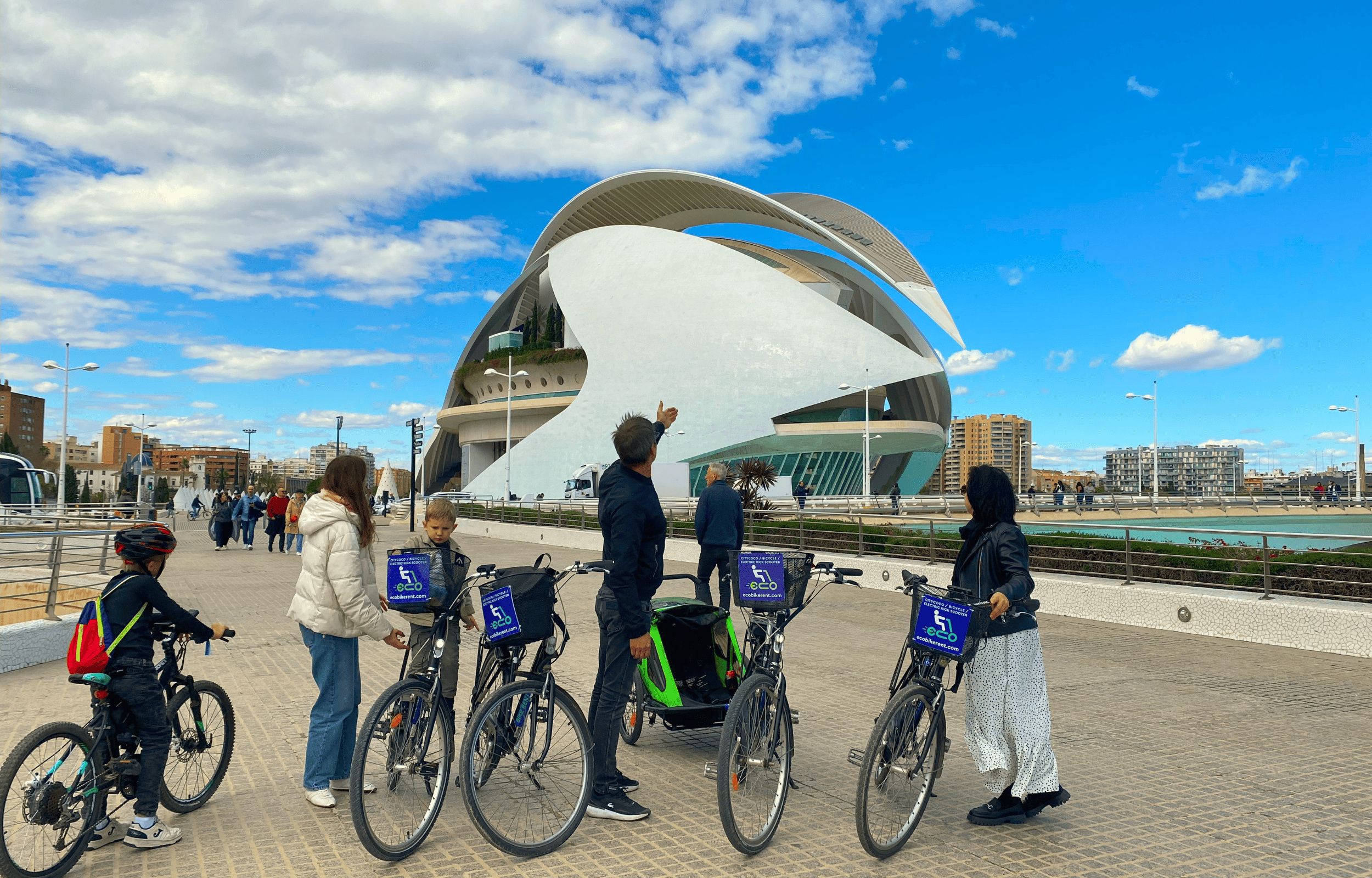
A futuristic complex featuring an opera house, science museum, and oceanographic park.
Architecture
Half day to full day
€30-€50 (depending on the attractions visited)
Valencia Cathedral
A stunning Gothic cathedral with a mix of architectural styles, home to the Holy Grail.
Historical
1-2 hours
€3-€5 (additional cost for tower access)
La Lonja de la Seda
A late Valencian Gothic-style civil building and a UNESCO World Heritage Site.
Historical
1 hour
€2-€4
Malvarrosa Beach
A popular urban beach with a long promenade, perfect for relaxation and water sports.
Beach
Half day to full day
Free
Central Market
One of the largest fresh produce markets in Europe, offering a variety of local and international products.
Market
1-2 hours
Free to enter, prices vary for purchases
Must-Try Local Dishes
Paella Valenciana
A traditional rice dish cooked with rabbit, chicken, and vegetables.
Main Course
Contains meat and vegetables
Fideuà
A noodle-based dish similar to paella, made with seafood.
Main Course
Contains seafood
Horchata
A sweet, milky drink made from tiger nuts, typically served with fartons (sweet pastries).
Drink
Vegan and gluten-free
All i Pebre
A traditional dish made with eel, garlic, and peppers.
Main Course
Contains fish and seafood
Popular Activities
Hiking in Albufera Natural Park
Water sports at Malvarrosa Beach
Beach lounging
Spa treatments
Visiting museums and historic sites
Attending local festivals
Boat tours in Albufera
Swimming and water sports
Best Time to Visit
March to May, September to November
These months offer pleasant weather and fewer tourists compared to the summer peak.
15-28°C
59-82°F
Practical Information
Language
- Official: Spanish
- Widely spoken: Valencian, English
- English: Moderately spoken
Currency
Euro (EUR)
Time Zone
GMT+1 (CET), GMT+2 (CEST during daylight saving time)
Electricity
230VV, 50HzHz
Safety Information
Overall Safety Rating: Generally safe
Valencia is generally safe for tourists, but it's important to be aware of pickpockets and scams in crowded areas.
Important Precautions:
- • Keep valuables secure and out of sight
- • Use licensed taxis or ride-sharing apps
- • Be cautious of strangers approaching you with offers or requests
Getting there
By air
- Valencia Airport • 8 km from city center
By train
Valencia Joaquín Sorolla Station
By bus
Valencia Bus Station
Getting around
Public transport
Efficient and affordable, with multiple lines connecting major attractions.
Taxis
Available • Apps: Cabify, Uber
Rentals
Car, Bike, Scooter
Neighborhoods
Ciutat Vella (Old Town)
El Carmen
Ruzafa
Malvarrosa
Day trips
Albufera Natural Park
10 km from Valencia • Half day to full day
A beautiful wetland area with a variety of birdlife and traditional fishing villages.
Sagunto
30 km from Valencia • Half day
A historic town with a Roman theater, castle, and medieval center.
Requena
100 km from Valencia • Full day
A picturesque town known for its wine production and historic center.
Festivals
Fallas Festival • March 15-19
Tomatina Festival • Last Wednesday of August
Las Fallas de Valencia • March 15-19
Pro tips
- Visit the City of Arts and Sciences early in the morning or late in the afternoon to avoid the midday sun and crowds
- Try local specialties like paella, fideuà, and horchata at traditional restaurants and markets
- Explore the city's neighborhoods, each with its unique character and attractions
- Use the Valencia Tourist Card for unlimited public transportation and discounts at major attractions
- Be cautious of pickpockets and scams in crowded areas, especially during festivals and peak tourist seasons
From $25
per person
Price varies by option
Secure booking
Free cancellation available
Instant confirmation