Small-Group Walking Tour with Udon Cooking Class in Hino
Active
2h
For a full refund, cancel at least 24 hours before the scheduled departure time.
Instant confirmation
Mobile or paper ticket accepted
About this experience
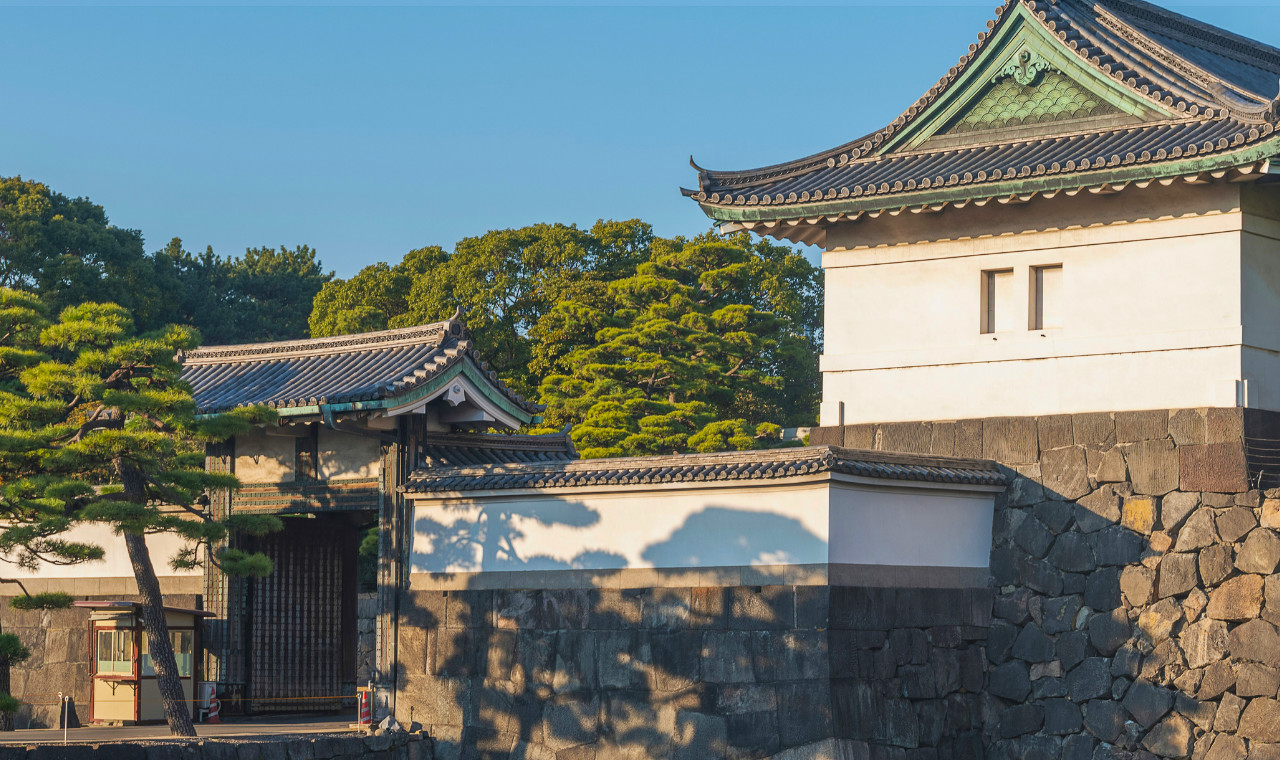
After picking up from the meeting place at Hino Station, we will head to Hosenji (Zenji) while walking, introducing ourselves and talking about Hino City. Inside, you can tour the garden while enjoying the atmosphere of a local Zen temple. The photo is okay. Next, we will walk to Yasaka Shrine while, and then I will introduce a little about the shrine's manners inside. After that, head to Honjin and go sightseeing inside, you can see the rooms, gardens, and daily necessities that the old samurai of the Edo period used to spend. After that, we will go to the, the handmade udon shop we experience, and actually experience and enjoy the meal.
I want you to feel and enjoy all of our experience resources of making traditional Japanese food in a private space, not just a cooking class.
Participants will be pleased with the face-to-face experience.
If you can make your own original noodles at this shop, it will be one of the world's flour arts.
Available options
Small-Group Walking Tour with Udon Cooking Class in Hino
What's included
Apron, cooking utensils
food and drinks (udon noodles, tempura, snacks and tea)
Admission ticket
Detailed itinerary
1
Only Hino remains in Honjin (Accommodation for high class people) the only one left in Tokyo. I can show you the rooms and tableware where the old people lived, the architecture of the Edo period, the garden, and feel the remnants of the old days.
・Honjin (本陣) is the Japanese word for an inn for government officials, generally located in post stations (shukuba) during the later part of the Edo period.
2
Zen temples in Japan are thought to be Kyoto for tourists, but they also exist in the city where I live, and they are quieter and can be seen more slowly than any other Zen temple. Let's walk the Zen temple together.
Hosenji is a Zen temple of the Rinzai sect Kenchoji school. The founder was Kenchoji Kamakura, and it was founded in the Mototoku era (around 1330).
3
I would like to introduce you to a local shrine. It's a very quiet shrine, and you can feel it as an oasis in the city. By telling tourists that there is such a culture, you can understand the difference between a shrine that has become a tourist destination and a local shrine.
I will introduce How to practice a shrine manner.
Visit a local shrine, the date of its foundation is unknown, but according to the company's biography, Fumonji Temple was built in 1398, and became a Betto of Gozu Tenno Shrine, and became Yasaka Shrine in 1869.
4
This tour is practiced in a real shop, so you will actually cook in the shop. In actual real, cuisine, shops, tableware, people, you can feel the Japanese culture from here.
we make udon from
・ Knead (crush)
・ Stretch (stretch with a stick)
・ Cut (cut with a special cutter)
・ boiling
The shop is a small space like a Japanese private shop. There is a sanctuary for making udon noodles called Teuchi-ba(a hand-made place)
What's not included
Private transportation
Available languages
Guide guide
AR
EN
FR
Reviews breakdown
Tripadvisor
5.0
1 reviews
5★
1
4★
0
3★
0
2★
0
1★
0
Important information
Infants and small children can ride in a pram or stroller
Public transportation options are available nearby
Infants are required to sit on an adult’s lap
Not recommended for travelers with spinal injuries
Not recommended for pregnant travelers
Suitable for all physical fitness levels
Meeting point
Meeting point is at Hino station (Tokyo JR Chuo Line )
* it takes 30 minutes by JR special express to get Hino station from Shinjuku station .
About Tokyo
Tokyo, the capital of Japan, is a bustling metropolis where ancient traditions blend seamlessly with cutting-edge technology. Known for its vibrant districts, world-class dining, and rich cultural heritage, Tokyo offers an unparalleled urban experience.
Top Attractions
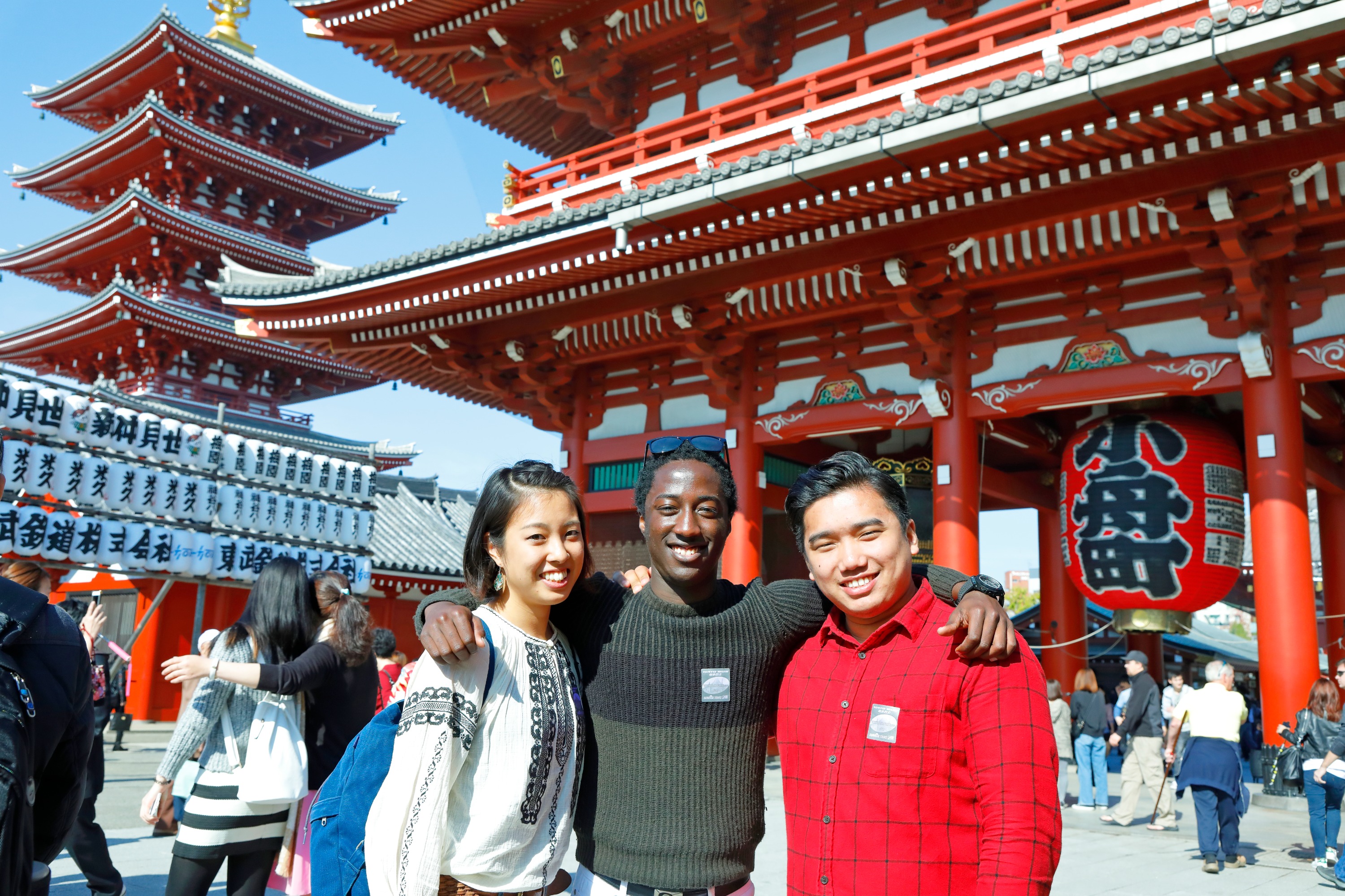
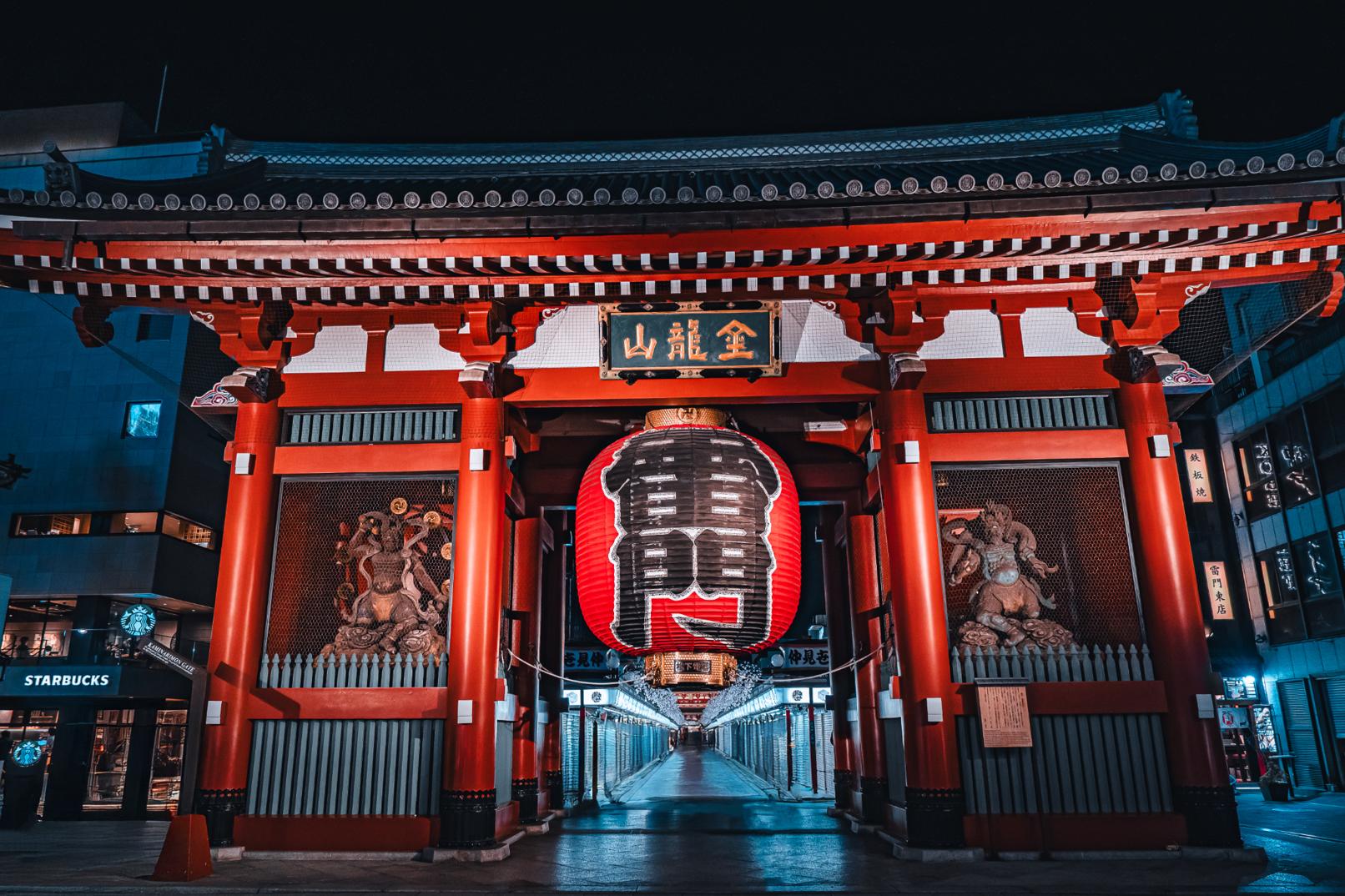
Senso-ji Temple
Tokyo's oldest temple, known for its impressive Kaminarimon Gate and bustling Nakamise shopping street.
Historical/Religious
1-2 hours
Free (small fee for some areas)
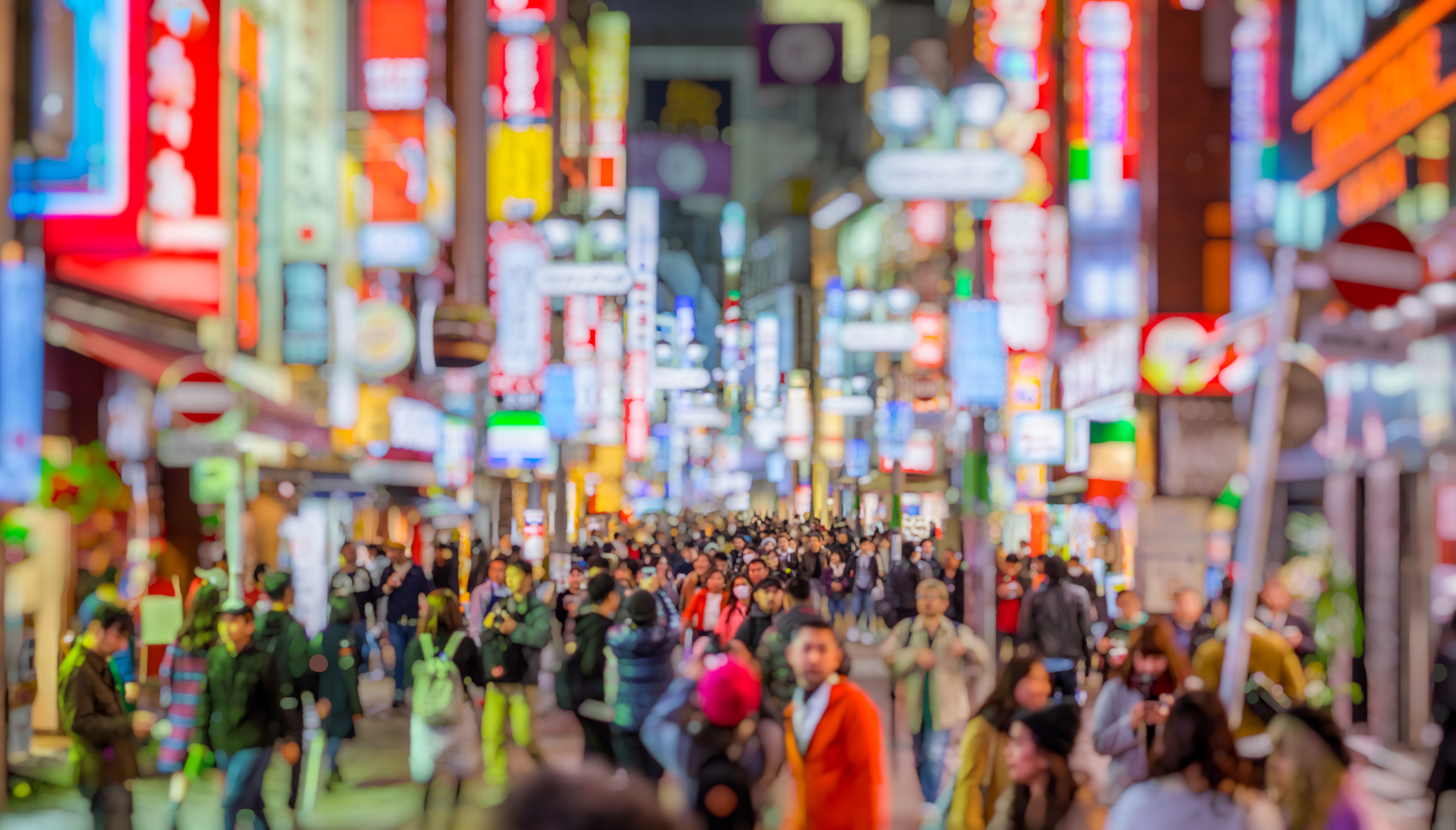
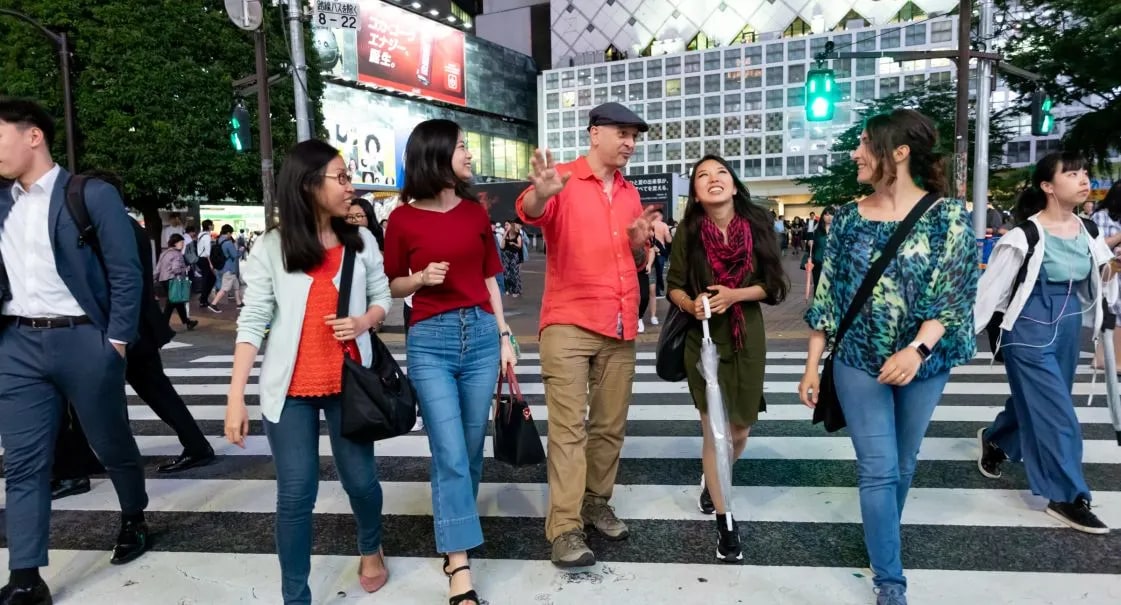
Shibuya Crossing
The world's busiest pedestrian crossing, surrounded by neon lights, shops, and restaurants.
Cultural/Entertainment
30 minutes to 1 hour
Free (¥2,200 for Shibuya Sky)
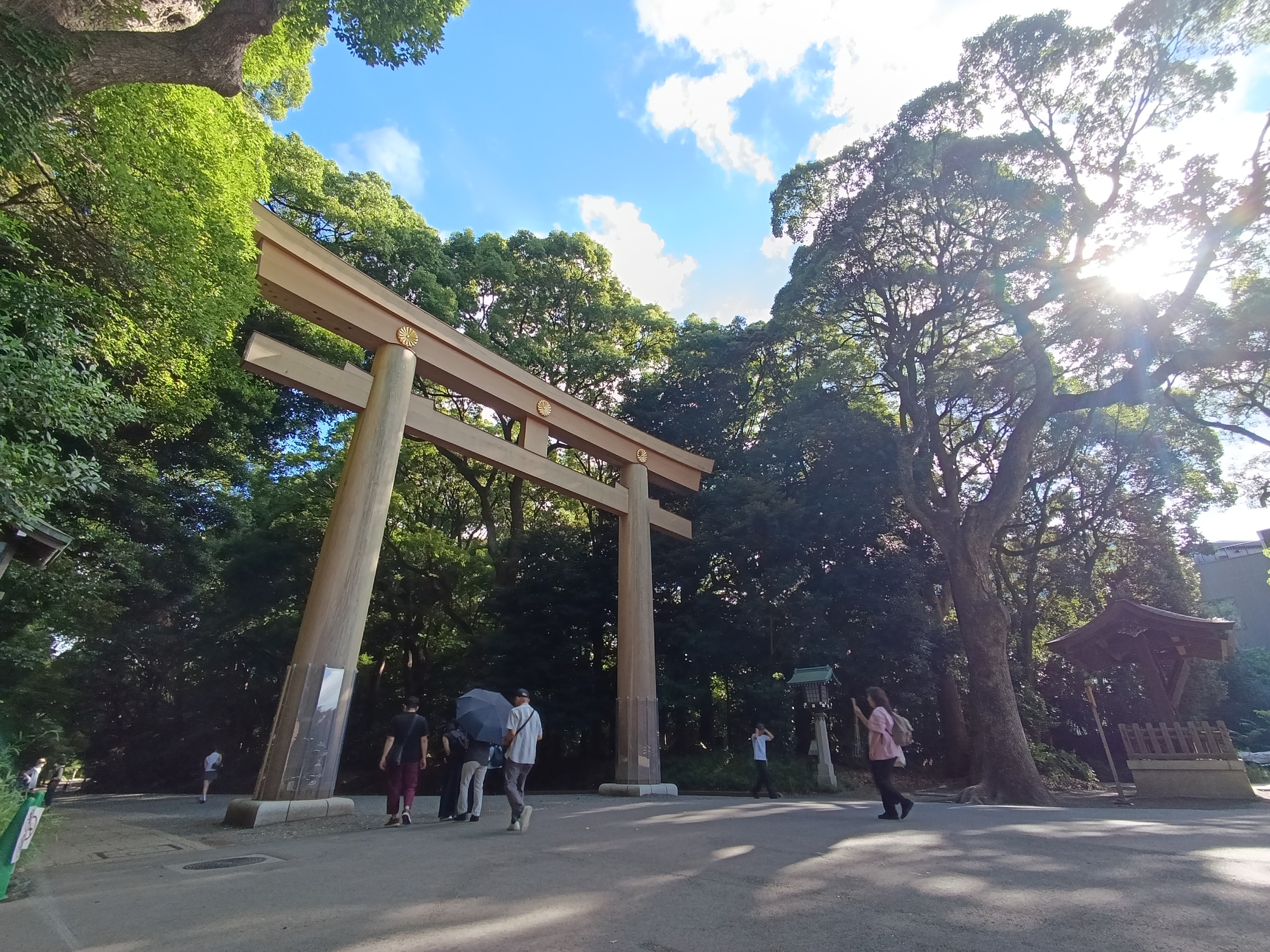
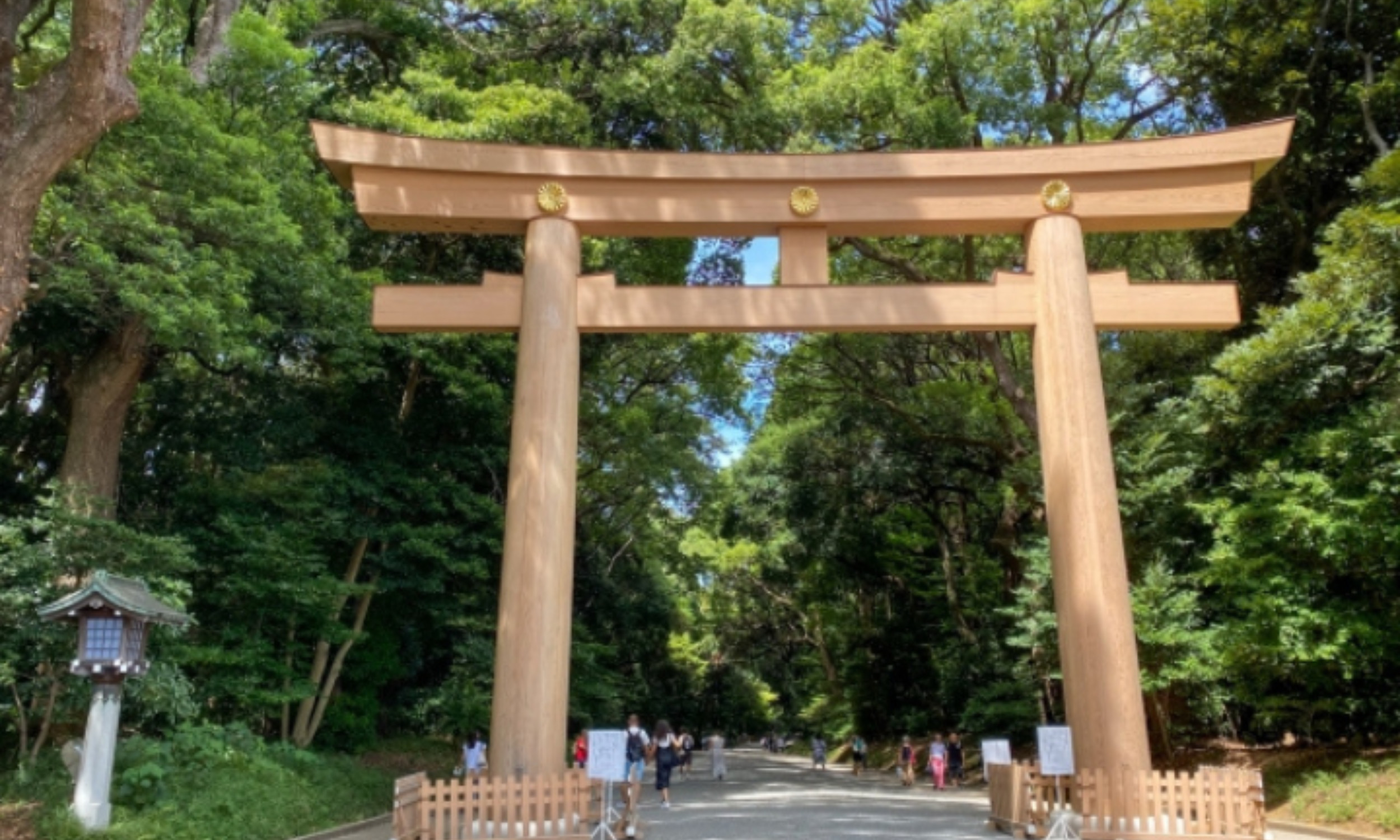
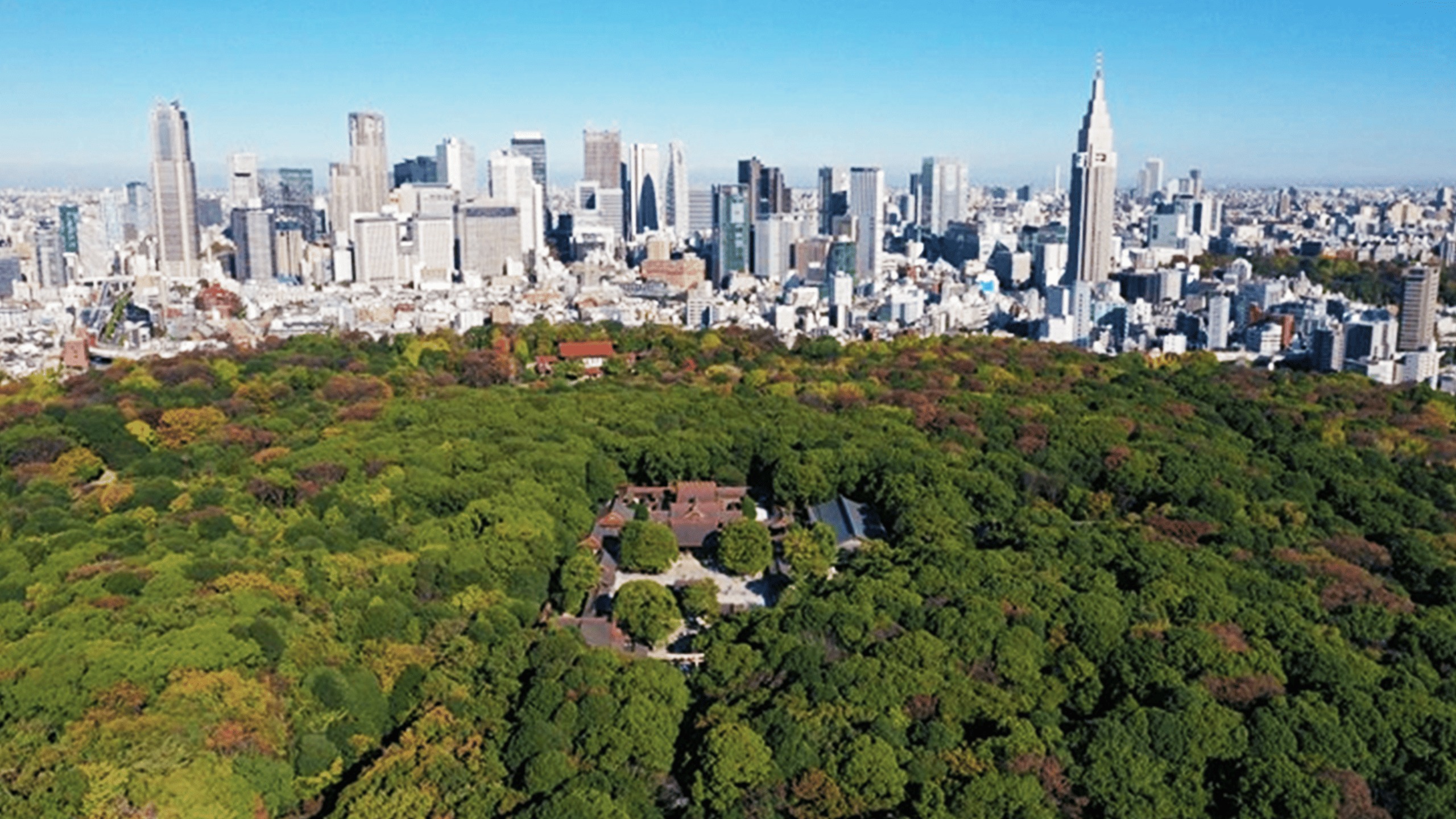
Meiji Shrine
A serene Shinto shrine dedicated to Emperor Meiji and Empress Shoken, surrounded by a beautiful forest.
Historical/Religious
1 hour
Free
Tokyo Skytree
The tallest tower in Japan, offering stunning views of the city from its observation decks.
Architecture/Entertainment
2-3 hours
¥2,100-¥3,100
Ueno Park
A large public park with museums, temples, and beautiful cherry blossom trees in spring.
Nature/Cultural
2-3 hours
Free (fees for attractions within the park)
Must-Try Local Dishes
Sushi
Fresh raw fish served over vinegared rice, a must-try in Tokyo.
Dinner
Contains fish and seafood, may contain allergens.
Ramen
Noodle soup with various broths and toppings, a popular comfort food.
Lunch/Dinner
Can be vegetarian/vegan-friendly with modifications.
Tempura
Deep-fried seafood and vegetables, known for its crispy texture.
Lunch/Dinner
Contains seafood, may contain allergens.
Sukiyaki
Hot pot dish with thinly sliced beef and vegetables cooked in a sweet soy-based broth.
Dinner
Contains beef, can be made vegetarian with tofu.
Popular Activities
Hiking in the nearby mountains
Biking along the Sumida River
Zorbing at Odaiba Seaside Park
Onsen (hot spring) bathing in Hakone
Tea ceremonies in traditional tea houses
Meditation at temples and shrines
Traditional tea ceremonies
Calligraphy and ikebana (flower arranging) workshops
Best Time to Visit
March to May (Spring) and September to November (Autumn)
These seasons offer comfortable temperatures and beautiful cherry blossoms in spring and vibrant foliage in autumn. However, these are also the busiest times with higher tourist volumes.
10°C to 25°C
50°F to 77°F
Practical Information
Language
- Official: Japanese
- Widely spoken: English, Chinese, Korean
- English: Moderately spoken in tourist areas, limited elsewhere
Currency
Japanese Yen (JPY)
Time Zone
GMT+9
Electricity
100VV, 50/60HzHz
Safety Information
Overall Safety Rating: Very safe
Tokyo is one of the safest major cities in the world, with low crime rates and a strong emphasis on public safety.
Important Precautions:
- • Keep valuables secure in crowded areas
- • Use licensed taxis and official guides
- • Be cautious of strangers offering help or services
Getting there
By air
- Narita International Airport • 57.5 km from city center
- Haneda Airport • 14.3 km from city center
By train
Tokyo Station, Shinagawa Station
By bus
Tokyo Station, Shinjuku Station
Getting around
Public transport
The subway system is efficient, clean, and covers most of the city. It is the best way to get around Tokyo.
Taxis
Available • Apps: JapanTaxi, DiDi
Rentals
Car, Bike, Scooter
Neighborhoods
Shibuya
Shinjuku
Asakusa
Ginza
Akihabara
Day trips
Nikko
120 km from Tokyo • Full day
A UNESCO World Heritage site known for its stunning shrines, temples, and natural beauty.
Kamakura
50 km from Tokyo • Full day
A coastal town known for its ancient temples, shrines, and the Great Buddha.
Hakone
90 km from Tokyo • Full day or overnight
A hot spring resort town known for its scenic views of Mount Fuji and traditional ryokan (inns).
Festivals
Sanno Matsuri • June (dates vary)
Sanja Matsuri • May (third weekend)
Sumidagawa Fireworks Festival • July (last Saturday)
Pro tips
- Get a Suica or Pasmo IC card for easy payments on public transportation and in convenience stores
- Learn basic Japanese phrases to enhance your experience and interact with locals
- Use Google Maps or Japan Transit Planner for navigation and real-time train schedules
- Carry cash for small shops, markets, and rural areas, as some places may not accept credit cards
- Respect local customs and etiquette, such as removing your shoes when entering a home or traditional restaurant
From $25
per person
Price varies by option
Secure booking
Free cancellation available
Instant confirmation