Full-day Tour: Gran Canaria in one day
Active
8h
For a full refund, cancel at least 24 hours before the scheduled departure time.
Instant confirmation
Mobile or paper ticket accepted
About this experience
We begin our tour southwest to visit Puerto de Mogán, a former fishing village turned one of Gran Canaria’s most picturesque spots, known for its bougainvillea, colonial architecture, and canals that earned it the nickname “Little Venice.”
We continue through colourful volcanic landscapes to San Nicolás, the heart of tomato cultivation, with greenhouses producing a variety of tomatoes and tropical fruits. The west coast cliffs lead us to Puerto de Las Nieves in Agaete, where you can see the remains of the “Finger of God” and enjoy an optional lunch in a traditional fish restaurant.
The tour follows the north coast through Gáldar, once a major aboriginal kingdom, and Guía, known for artisanal cheeses. We reach Arucas, land of bananas and birthplace of Canarian rum. In Las Palmas, you may stroll along Las Canteras beach, photograph the Alfredo Kraus Auditorium, or shop at Las Arenas
Available options
Full-day Tour: Gran Canaria in one day
Pickup included
What's included
Professional Guide
Insurence
Pick up/drop off in Southern Area (see pick-up details)
Detailed itinerary
1
Picturesque fishermen village of “Puerto de Mogán” known as “Little Venice”.
2
We stop at "Los Azulejos" (wall tiles), a mountain whose walls surprise us by its vivid colors green, terracotta, yellow among others.
3
We continue our tour until we reach the town of San Nicolás, centre of tomato growing in Gran Canaria and where you can see enormous greenhouses where there are many varieties of tomatoes and the most delicious tropical fruits of the island.
4
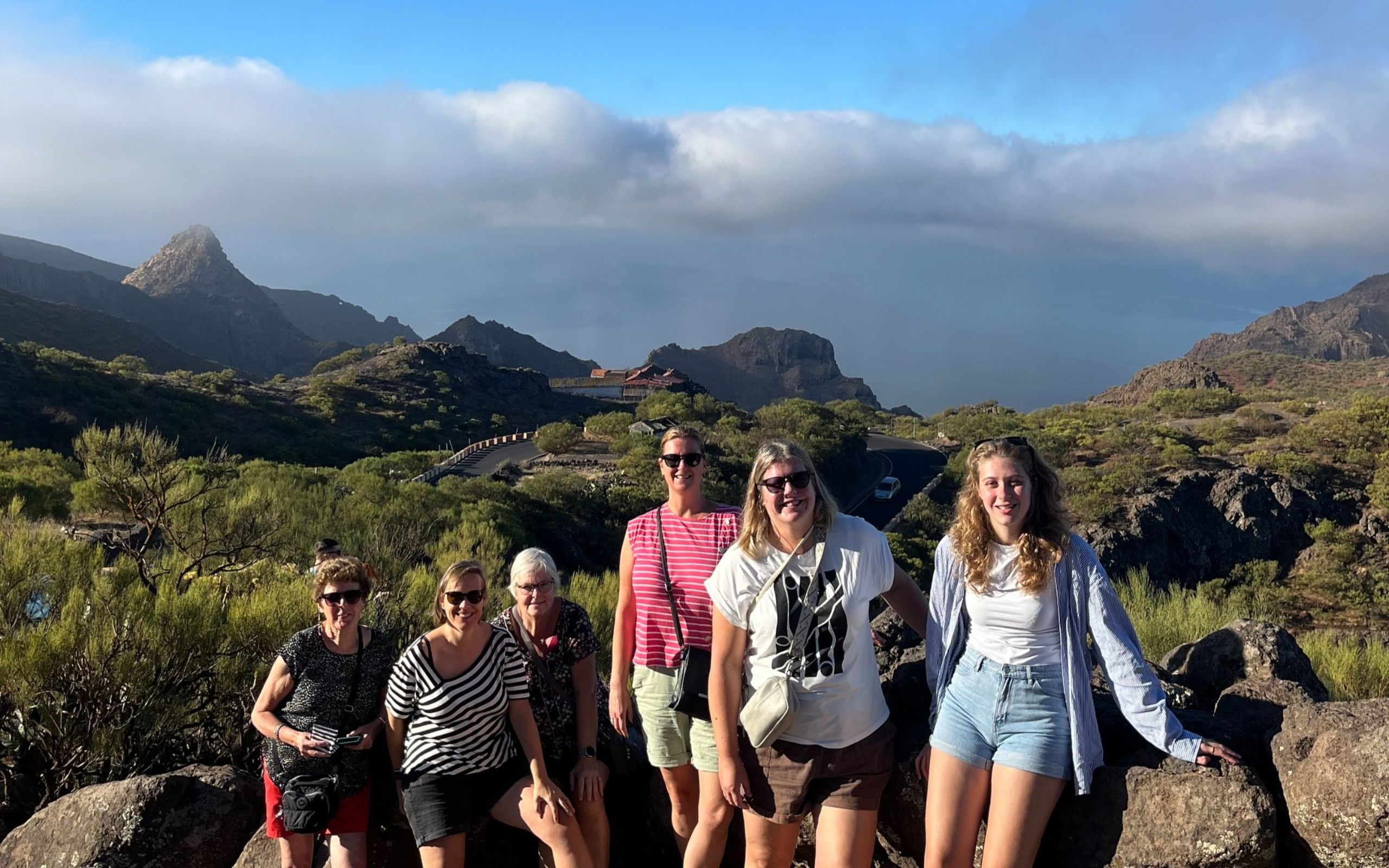
The west coast and its beautiful cliffs bring us to the Port of Las Nieves in Agaete where we will see the remains of the ancient "Finger of God". In the Port of Las Nieves you can have lunch in a typical fisherman's restaurant at a reasonable price. We recommend a walk along the coast until arriving after walking no more than 200 meters to the natural pools of Puerto de Las Nieves.
5
We arrive at Las Palmas, we’ll have the chance to stroll along the famous "Canteras" Beach and snap the “Alfredo Kraus” Auditorium. After an unforgettable day, we’ll return to the south via the east coast of Gran Canaria.
What's not included
Lunch and drinks
Entrance to Banana Plantation
Available languages
Guide guide
DE
EN
ES
Reviews breakdown
Viator
3.8
18 reviews
5★
8
4★
4
3★
3
2★
1
1★
2
Tripadvisor
3.8
4 reviews
5★
1
4★
1
3★
2
2★
0
1★
0
Important information
Infants and small children can ride in a pram or stroller
Suitable for all physical fitness levels
Important notes
Pick up details will be provided 24/48 hrs before the tour date by email
About Gran Canaria
Gran Canaria, known as 'The Miniature Continent' due to its diverse landscapes, is the third most populous island of the Canary Islands. It offers a unique blend of stunning beaches, lush mountains, and vibrant culture, making it a top destination for all types of travelers.
Top Attractions
Dunas de Maspalomas
A stunning desert-like dune system with golden sands, perfect for sunbathing, walking, and camel rides.
Nature
2-3 hours
Free
Roque Nublo
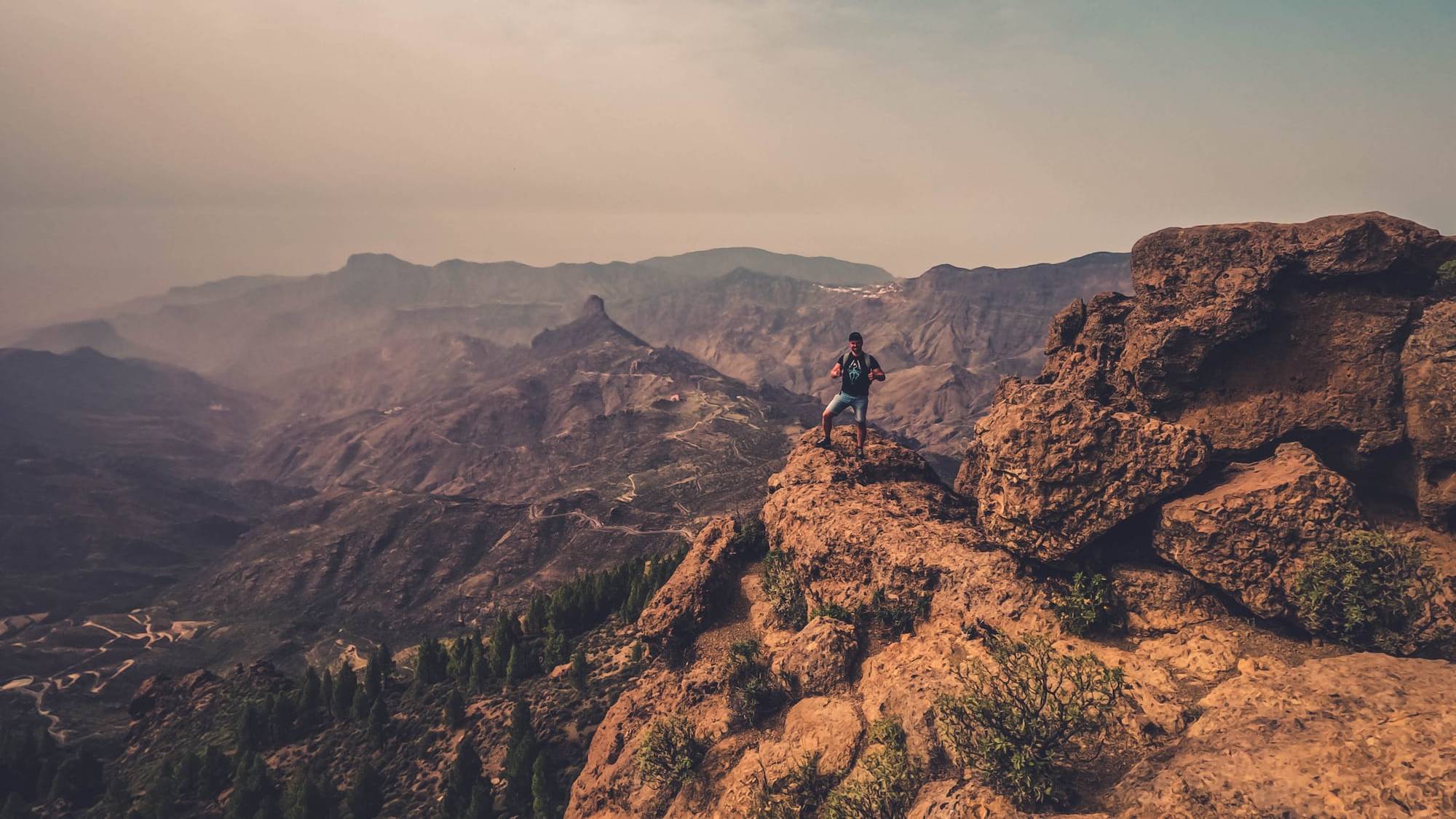
A iconic rock formation and a popular hiking destination with panoramic views of the island.
Nature
Half-day
Free
Vegueta
The historic quarter of Las Palmas, filled with colonial architecture, museums, and charming streets.
Historical
Half-day
Free to explore, museums may charge entry fees
Must-Try Local Dishes
Papas arrugadas con mojo
Wrinkled potatoes boiled in saltwater and served with a spicy mojo sauce.
Side Dish
Vegetarian
Sancocho Canario
A traditional fish stew made with salted fish, potatoes, and sweet potatoes.
Main Course
Contains fish
Bienmesabe
A sweet almond-based cream often served with ice cream or fruit.
Dessert
Vegetarian, contains nuts
Popular Activities
Hiking
Mountain biking
Paragliding
Beach lounging
Spa treatments
Yoga
Museum visits
Historical tours
Best Time to Visit
December to April
This is the most popular time to visit, with pleasant temperatures and minimal rain. Ideal for beachgoers and outdoor activities.
18-24°C
64-75°F
Practical Information
Language
- Official: Spanish
- Widely spoken: English, German
- English: Moderately spoken
Currency
Euro (EUR)
Time Zone
GMT+0 (WET) / GMT+1 (WEST during daylight saving time)
Electricity
230VV, 50HzHz
Safety Information
Overall Safety Rating: Generally safe
Gran Canaria is generally safe, but travelers should be aware of pickpockets and scams in tourist areas.
Important Precautions:
- • Keep valuables secure
- • Be cautious of strangers approaching you
- • Use licensed taxis or ride-sharing apps
Getting there
By air
- Gran Canaria Airport • 20 km from Las Palmas
By bus
Las Palmas, Maspalomas, Arucas
Getting around
Public transport
Buses are the primary public transport option. They are affordable but can be slow and infrequent.
Taxis
Available • Apps: Free Now
Rentals
Car, Bike, Scooter
Neighborhoods
Las Palmas de Gran Canaria
Maspalomas
Agaete
Day trips
Telde
15 km from Las Palmas • Half-day
A historic town with a rich cultural heritage and beautiful architecture.
Arucas
10 km from Las Palmas • Half-day
A charming town known for its beautiful church and rum distillery.
Teror
20 km from Las Palmas • Half-day
A picturesque town with a historic center and traditional Canarian architecture.
Festivals
Carnival of Las Palmas de Gran Canaria • February
Fiesta de la Rama • September
Fiesta de la Virgen del Pino • September
Pro tips
- Rent a car for flexibility and to explore the island's diverse landscapes
- Visit the Dunas de Maspalomas for a unique desert-like experience
- Try local dishes like papas arrugadas and sancocho for an authentic taste of Gran Canaria
- Explore the historic Vegueta district in Las Palmas for a glimpse into the island's rich history
- Hike to Roque Nublo for breathtaking views of the island
From $25
per person
Price varies by option
Secure booking
Free cancellation available
Instant confirmation