


Full-Day Tour to Veliko Tarnovo Reserve of Bozhentsi and Etar from Plovdiv
Active
10h - 12h
For a full refund, cancel at least 24 hours before the scheduled departure time.
Instant confirmation
Mobile or paper ticket accepted
About this experience
This one-day tour will take you on a journey to the heart of the Bulgarian countryside to visit one of the most significant monuments of culture.
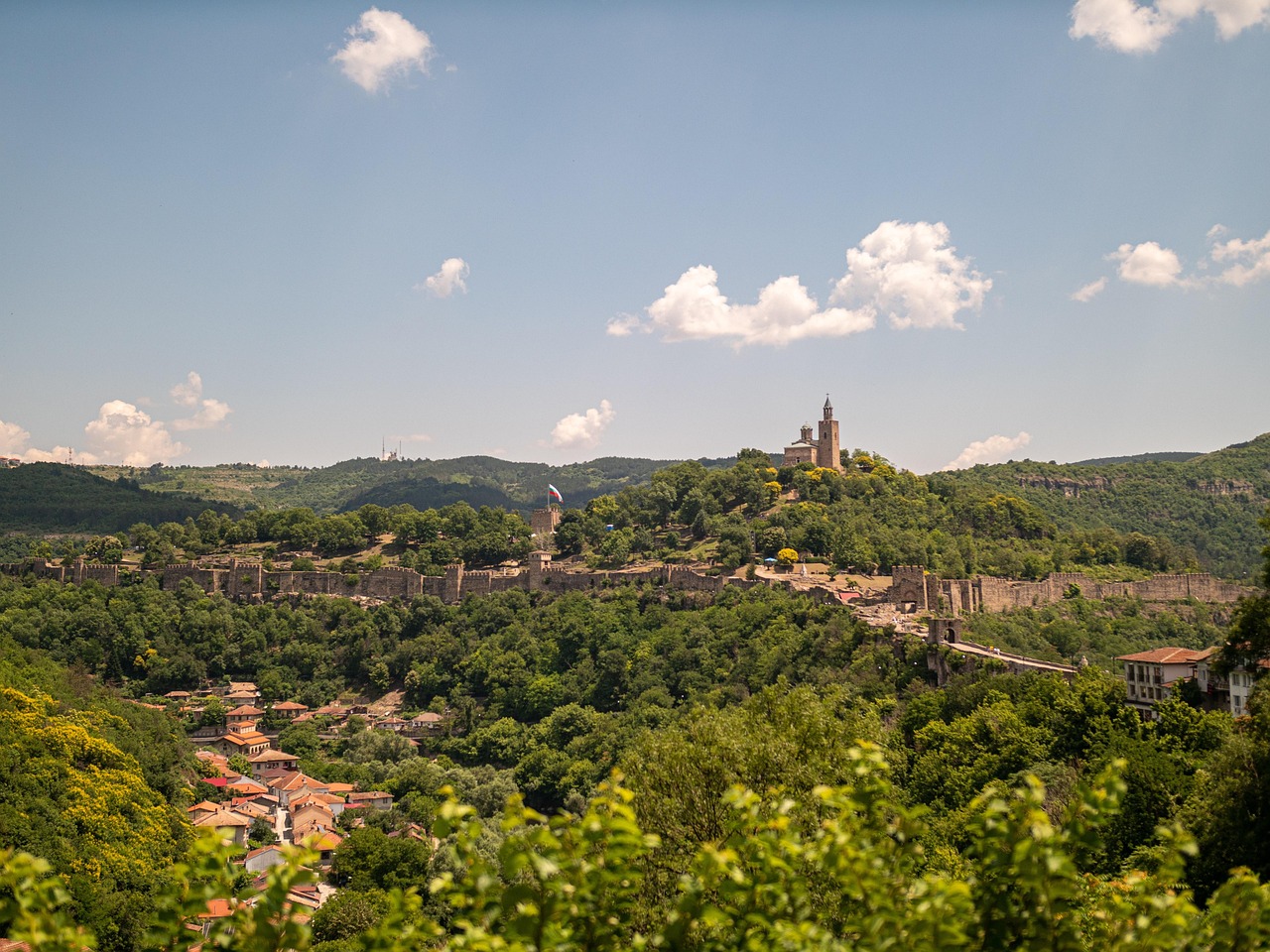
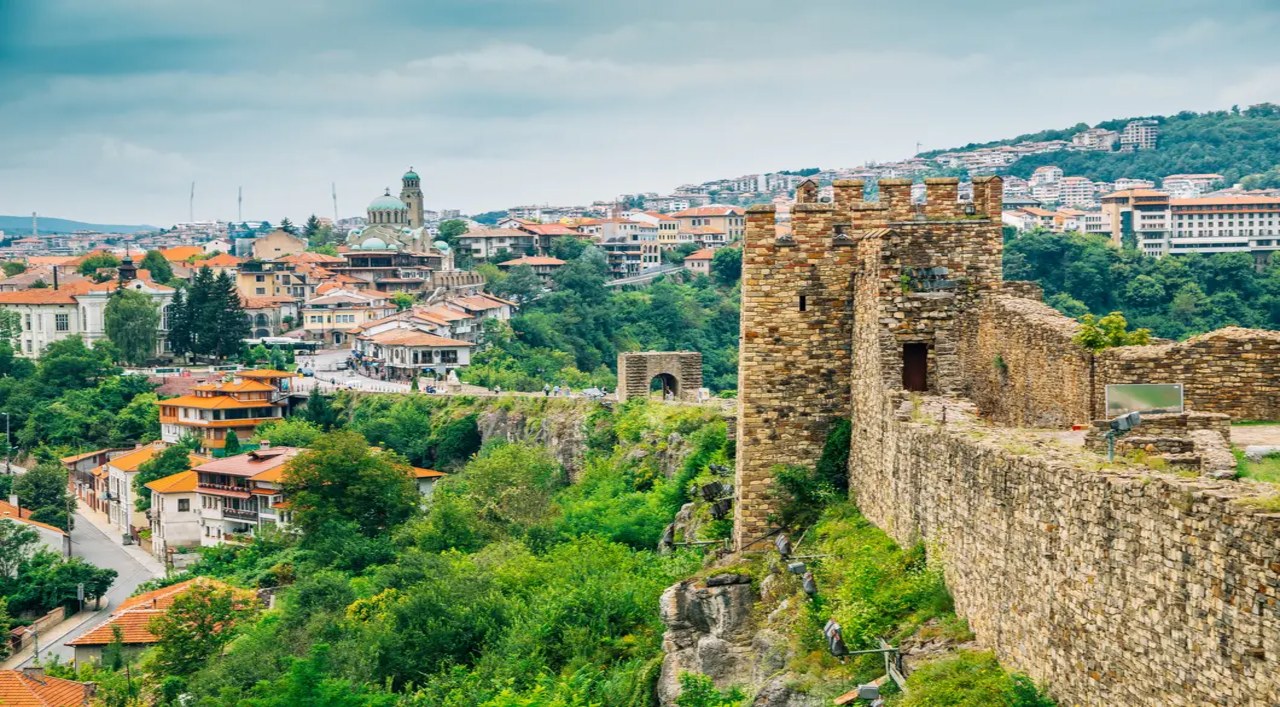
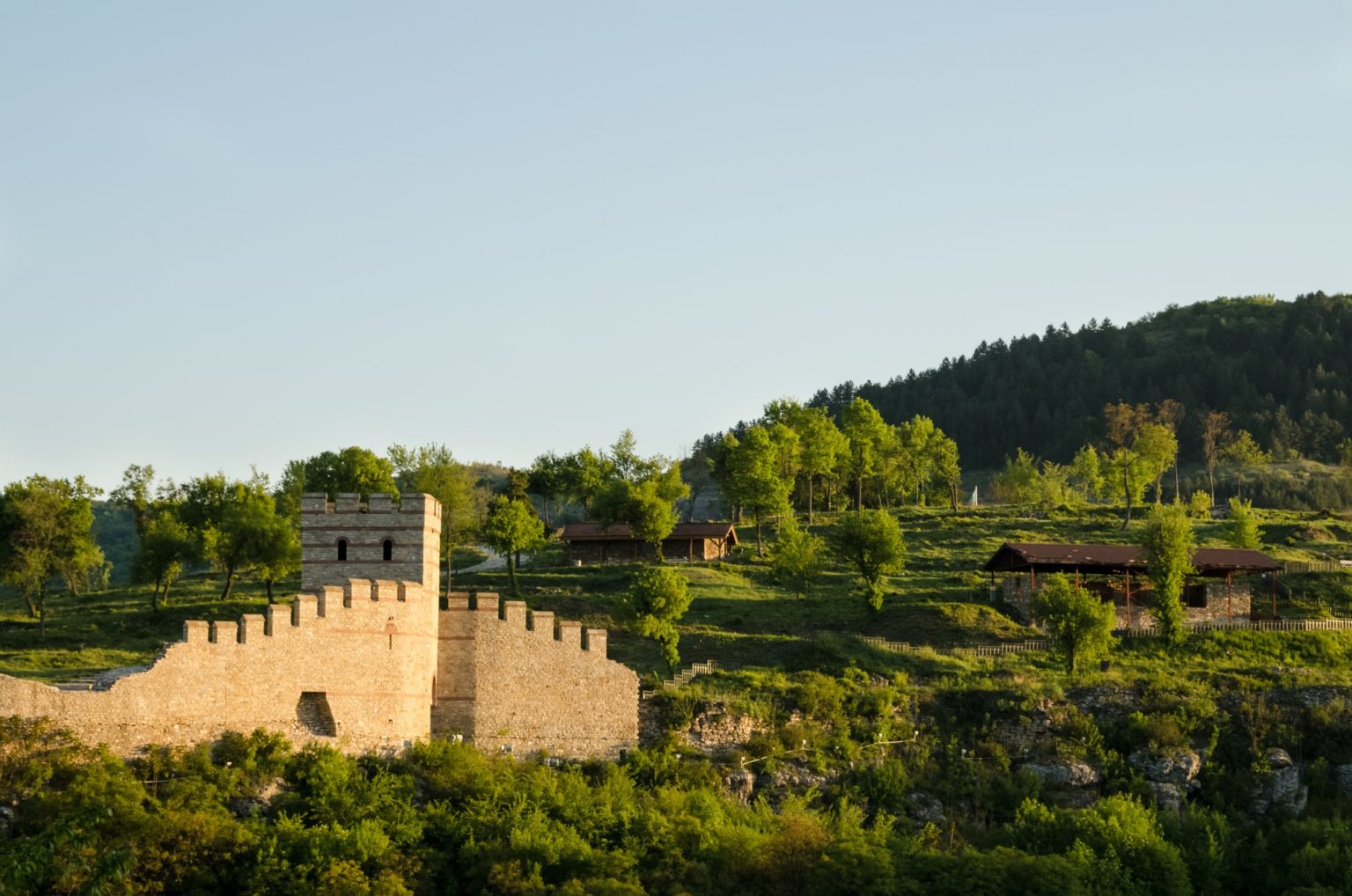
The medieval fortress Tsarevets, situated on the homonymous peak, is surrounded on three sides by the river Yantra. In fact, the fortress was built more than 5,000 years ago, which is proven by archaeological excavations.
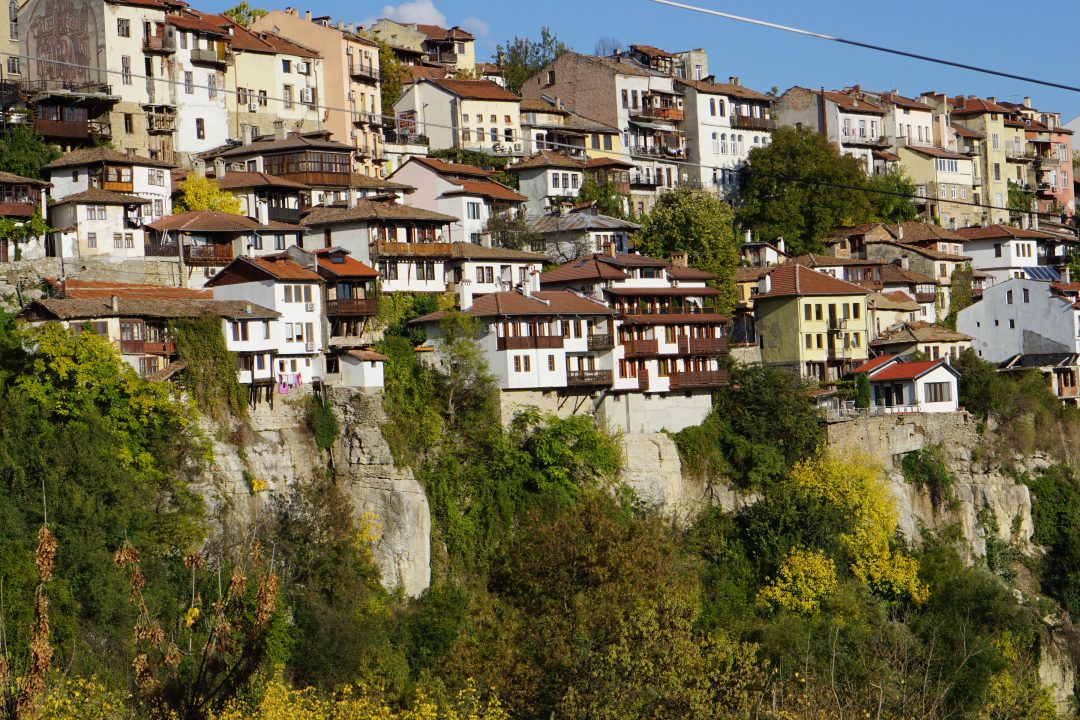
The village of Bozhentsi is one of the most beautiful architectural reserves in Bulgaria. It is located 15 kilometers east of Gabrovo and impresses with its well-preserved houses and public buildings.
Architectural and Ethnographic Complex Etar is an open-air museum, established in 1964. Its purpose is to present the architecture and the style of life in Gabrovo and the region during the second half of the 18th century and the beginning of the 19th century.
Available options
Full-Day Tour to Veliko Tarnovo Reserve of Bozhentsi and Etar from Plovdiv
Pickup included
What's included
All Fees and Taxes
Air-conditioned vehicle
Detailed itinerary
1
Discover the medieval fortress Tsarevets - The upsurge of Veliko Tarnovo is related to the period of the Second Bulgarian Empire (1185 – 1393). In 1185, the town was declared the capital of the restored Bulgarian State by the brothers Asen and Petar, who declared the end of the Byzantine dominion, which continued for 167 years. After its selection to be a capital, the town developed fast, as within the period 12th – 14th century it was the most unconquerable Bulgarian fortress, as well as the cultural and intellectual center of Bulgaria.
2
Architectural Reserve Bozhentsi - The village was proclaimed an architectural and historical reserve in 1964 and is part of UNESCO’s cultural monuments. The National Revival architecture has been preserved in the village and due to this, it is forbidden any construction of buildings that do not fit the village’s style.
3
rchitectural and Ethnographic Complex Etar - You will discover the only collection in Bulgaria of technical installations driven by water–filling mills, water mills, grindstones, etc., which is situated there. 16 houses can be seen on the crafts bazaar (the central commercial street) in the Etar, which are exact copies of buildings existing in the past in Gabrovo and the region. On the crafts street, the visitors can watch in real-time the work of the craftsmen. Multiple crafts are presented there – bell-making (manufacturing of wrought bells for animals), pottery-making, sugar-making (manufacturing of sugar articles), furriery, manufacturing of copper vessels, etc.
What's not included
Lunch
Available languages
Guide guide
EN
Important information
Public transportation options are available nearby
Suitable for all physical fitness levels
Meeting point
Our team will be waiting to greet you at the parking in front of the Hotel Princess (Trimoncium Hotel Plovdiv) Green Valleys meeting point Plovdiv or you can arrange your pick up point in advance with member of our booking team.
About Plovdiv
Plovdiv is one of the oldest continuously inhabited cities in Europe, known for its rich history, vibrant arts scene, and Roman ruins. Nestled in the Thracian Plain, it offers a unique blend of ancient heritage and modern culture.
Top Attractions
Ancient Theatre of Philippopolis
A remarkably preserved Roman theatre from the 2nd century AD, still used for performances today.
Historical
1-2 hours
5 EUR
Old Town
A charming district with well-preserved houses from the 19th century, museums, and art galleries.
Historical
Half day
Free to explore (museums have entry fees)
Kapana Creative District
A vibrant arts and crafts district with galleries, workshops, and trendy cafes.
Cultural
2-3 hours
Free to explore (shops and cafes vary)
Nebet Tepe
One of the seven hills of Plovdiv, offering panoramic views of the city and historical ruins.
Historical
1-2 hours
Free
Must-Try Local Dishes
Banitsa
A traditional pastry filled with cheese, often served for breakfast.
Breakfast
Vegetarian
Shopska Salad
A refreshing salad made with tomatoes, cucumbers, onions, and sirene cheese.
Lunch/Dinner
Vegetarian
Kebapche
Grilled minced meat sausages, a popular street food.
Lunch/Dinner
Contains meat
Popular Activities
Hiking in the Rhodope Mountains
Rock climbing
Spa treatments
Cafes in Kapana District
Visiting museums and galleries
Attending local festivals
Boating on the Maritsa River
Skiing in nearby resorts
Best Time to Visit
May to September
This is the warmest and sunniest time of the year, perfect for outdoor activities and festivals.
20°C to 35°C
68°F to 95°F
Practical Information
Language
- Official: Bulgarian
- Widely spoken: English, Russian
- English: Moderately spoken in tourist areas
Currency
Bulgarian Lev (BGN)
Time Zone
EET (GMT+2)
Electricity
220VV, 50HzHz
Safety Information
Overall Safety Rating: Generally safe
Plovdiv is generally safe for tourists, with low crime rates and a welcoming atmosphere.
Important Precautions:
- • Keep valuables secure in crowded areas.
- • Use licensed taxis and insist on the meter.
- • Be cautious when using ATMs, especially at night.
Getting there
By air
- Plovdiv International Airport • 10 km from city center
By train
Plovdiv Central Railway Station
By bus
South Bus Station, Central Bus Station
Getting around
Public transport
A network of buses covers the entire city, with frequent and reliable service.
Taxis
Available • Apps: Yellow Taxi, OK Taxi
Rentals
Car, Bike, Scooter
Neighborhoods
Old Town
Kapana District
City Center
Day trips
Bachkovo Monastery
30 km • Half day
One of the largest and most important monasteries in Bulgaria, known for its beautiful architecture and religious artifacts.
Asen's Fortress
25 km • Half day
A medieval fortress with stunning views of the Rhodope Mountains and the Asenitsa River.
Festivals
Kapana Fest • June
Plovdiv International Fair • September
Pro tips
- Visit the Roman Theatre for a performance to experience its incredible acoustics.
- Explore the Kapana District for unique souvenirs and local crafts.
- Try traditional Bulgarian dishes like banitsa and shopska salad.
- Take a day trip to Bachkovo Monastery for a glimpse into Bulgaria's religious history.
- Walk up to Nebet Tepe for stunning panoramic views of the city.
From $25
per person
Price varies by option
Secure booking
Free cancellation available
Instant confirmation





![[Futian Family Fun] MELAND CLUB (Shenzhen Futian Shenye Shangcheng Store)](https://res.klook.com/image/upload/activities/n5tyrvolvbuv3lhphneh.jpg)



![[Popular things to do in Longgang] Star Legend (Shenzhen Longgang Buji MixC store)](https://res.klook.com/image/upload/activities/vngricjpbfipnb65gpjz.jpg)