Half-Day Walking Tour about the African Presence in Lisbon
Active
3h - 4h
For a full refund, cancel at least 24 hours before the scheduled departure time.
Instant_then_manual confirmation
Mobile or paper ticket accepted
About this experience
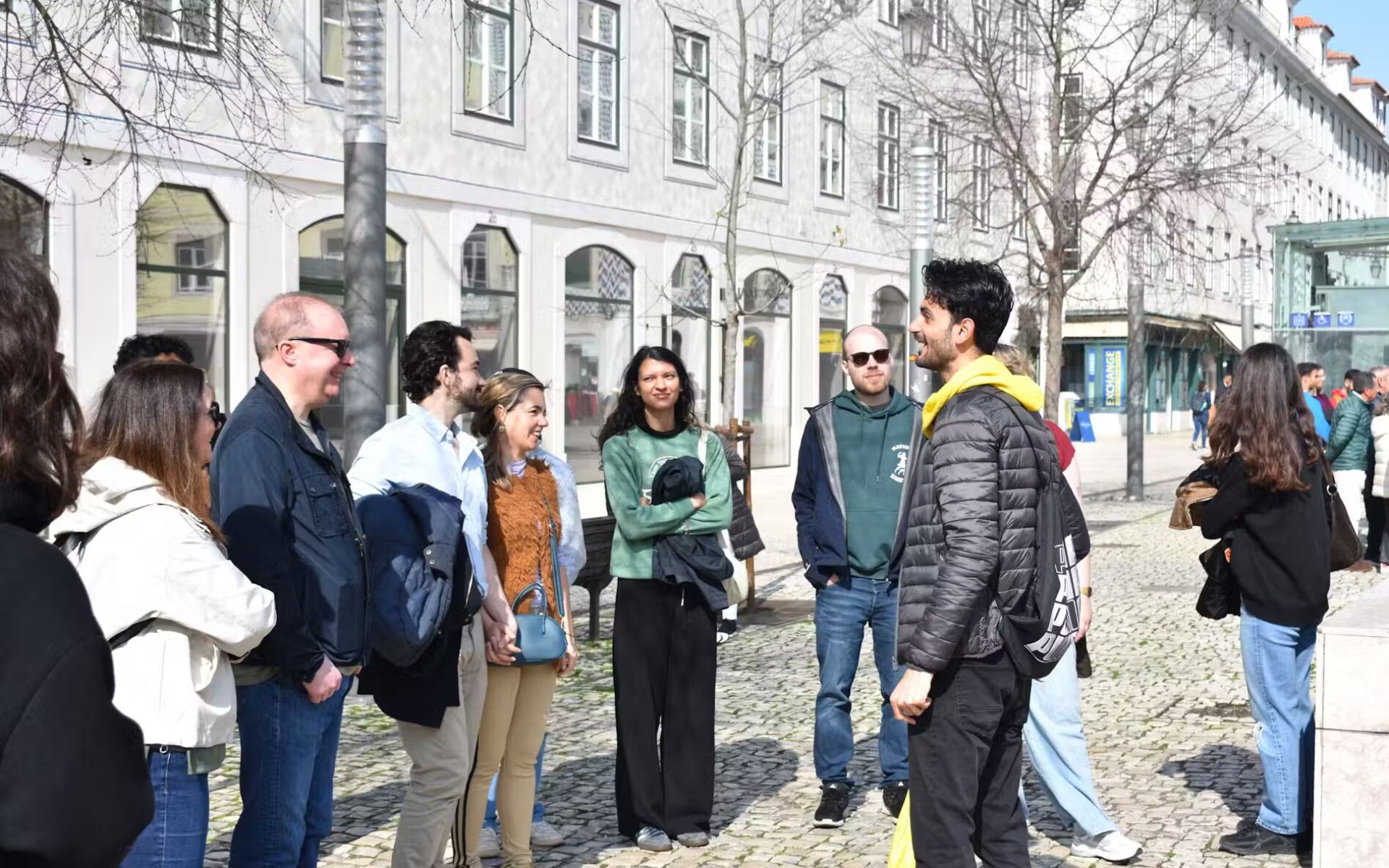
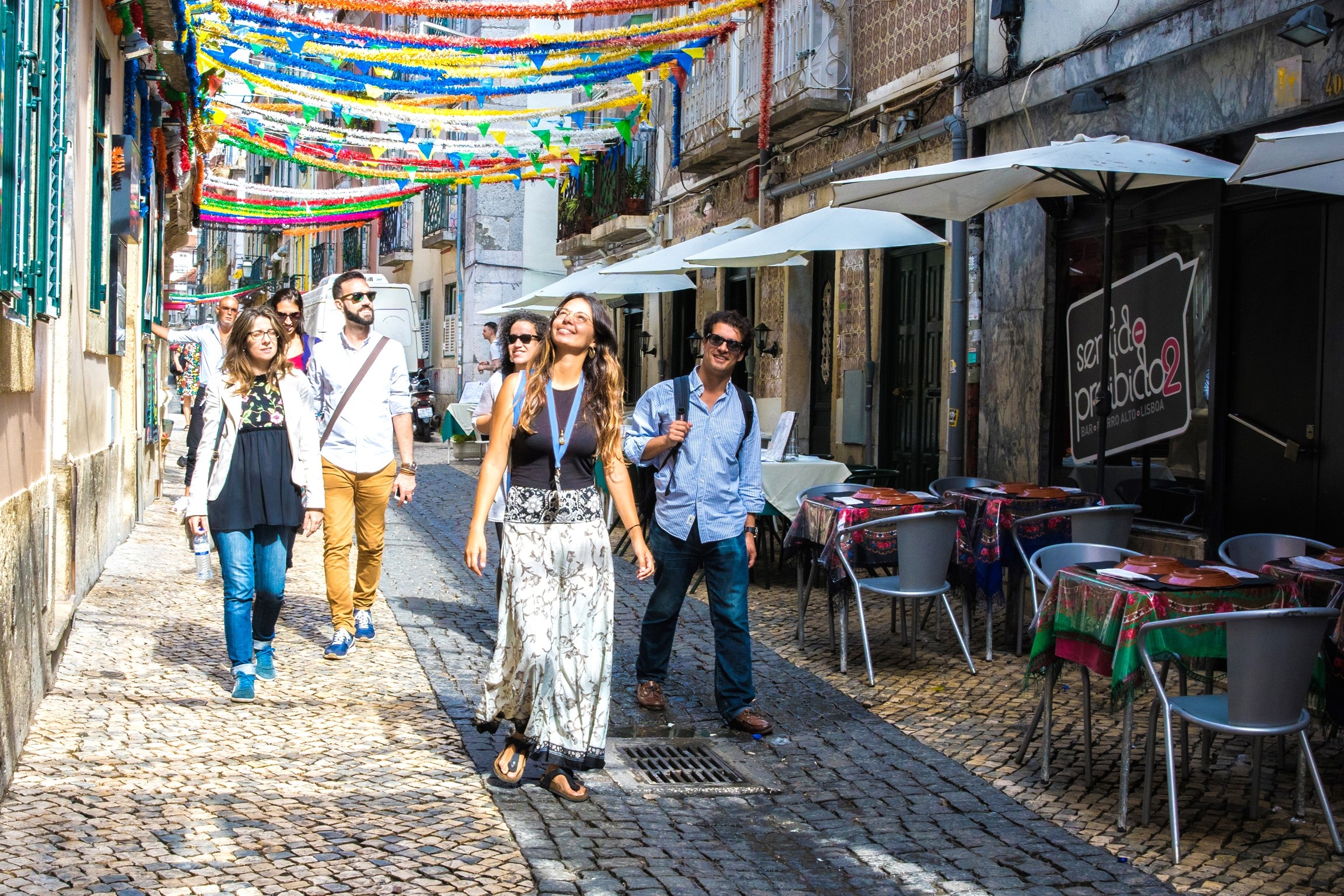
Discover the earlier African presence in Lisbon, through open and insightful conversation, while enjoying the wonderful scenery of the city.
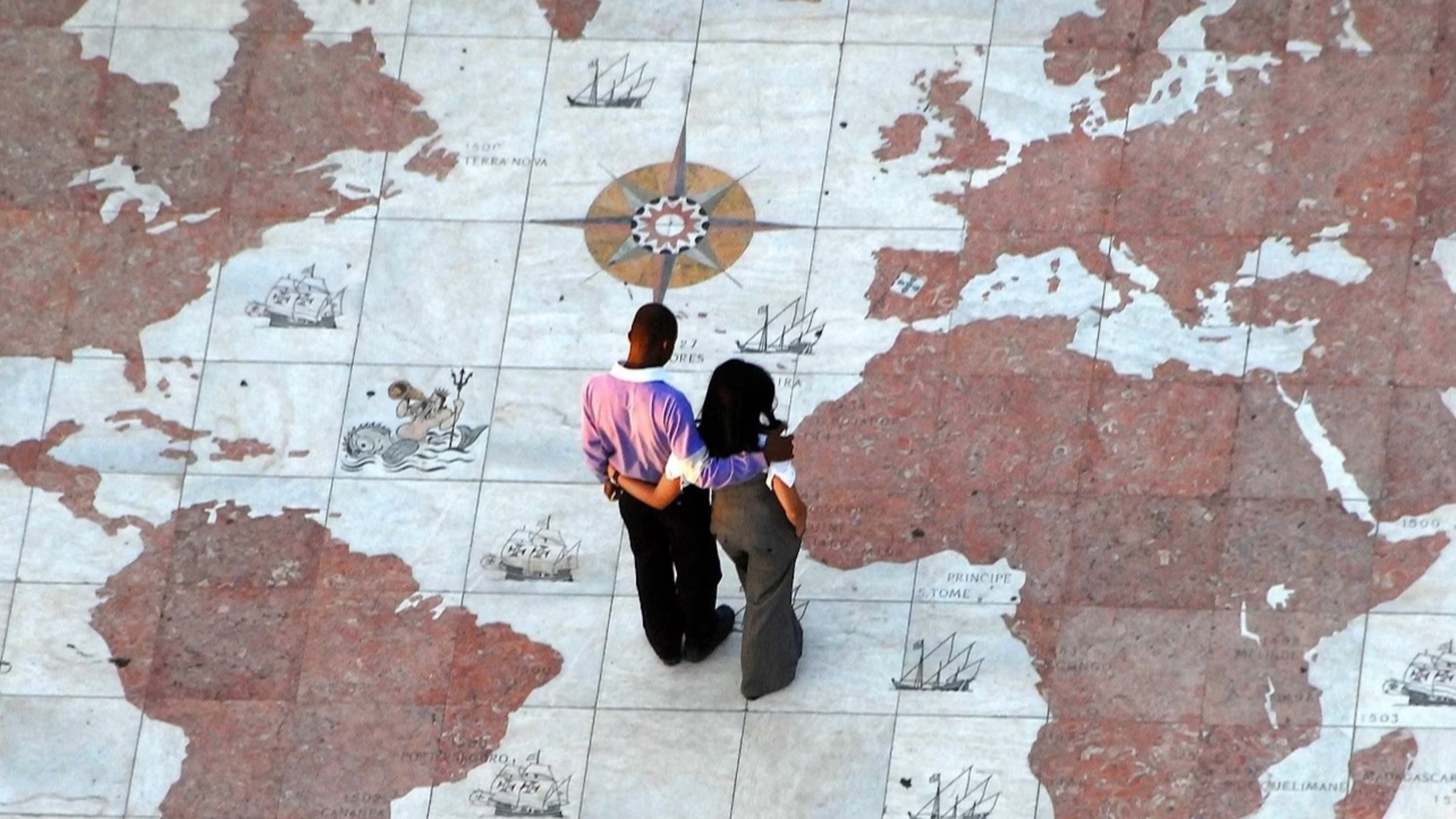
Get to know more about the first European capital to receive African slaves, the social relationships, miscegenation, colonization, and the overall participation of Africans in the discoveries together with their influence in the Portuguese culture.
Available options
Half-Day Walking Tour about the African Presence in Lisbon
What's included
Coffee/Tea or bottle of water
Detailed itinerary
1
Stop 1
Alfama, the oldest neighborhood in the city of Lisbon, founded by the Arabs. It will be a place to introduce Africa's history, roots, and connections with other people.
2
This fountain shows the division of social classes during the middle age, where Africans are also represented.
3
This place belonged to the old port of Lisbon, where the first African slaves arrived in Europe.
4
Stop 4
One of the most emblematic places in the Portuguese capital, where several events in the country's history took place. An important place in the slave trade.
5
Stop 5
Pass by
The central neighborhood of the capital, although destroyed by the 1755 earthquake. It will be a perfect place to talk about the interaction of Africans in Portuguese society.
6
The place were several African women provided services.
7
Stop 7
One of the best-known places in the capital today, but in the past, it was the place of work for many Africans.
8
In this beautiful Garden, it is where we have the statue of the Marquis Sá da Bandeira, responsible for the abolition of slavery in Portuguese territory and colonies.
9
Stop 9
Here in front of the Brazilian consulate, we will discuss the topic of transatlantic slave traffic and its consequences.
10
Stop 10
One of the central and busiest places in the city of Lisbon. Where we will talk about the integration of Africans and the creation of colonies.
11
Stop 11
Here we can understand the form of integration of Africans in the Catholic religion and the achievements.
12
Built during the 19th century, with Manueline architectonic style, that represents the country's golden times, a way to claim a place among the European countries that divided Africa into colonies, in the Berlin Conference of 1884.
13
Stop 13
Pass by
This square represents the restoration of Portugal's independence from Spain in which many African slaves fought.
Available languages
Guide guide
PT
EN
FR
ES
Reviews breakdown
Viator
4.7
15 reviews
5★
13
4★
0
3★
2
2★
0
1★
0
Tripadvisor
5.0
25 reviews
5★
24
4★
1
3★
0
2★
0
1★
0
Important information
Infants and small children can ride in a pram or stroller
Service animals allowed
Public transportation options are available nearby
Not recommended for travelers with spinal injuries
Travelers should have at least a moderate level of physical fitness
Meeting point
In front of the Tourist Office (Posto de Turismo dos Restauradores)
About Lisbon
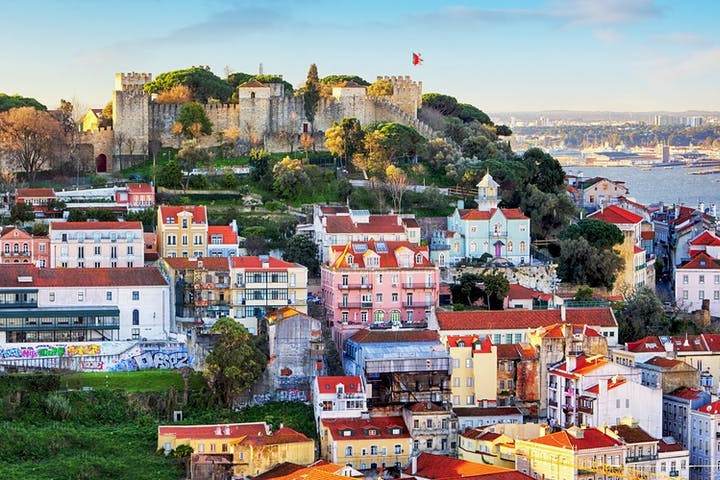
Lisbon, the capital of Portugal, is a vibrant city known for its rich history, stunning architecture, and warm climate. With its charming streets, historic trams, and breathtaking viewpoints, Lisbon offers a unique blend of old-world charm and modern energy.
Top Attractions
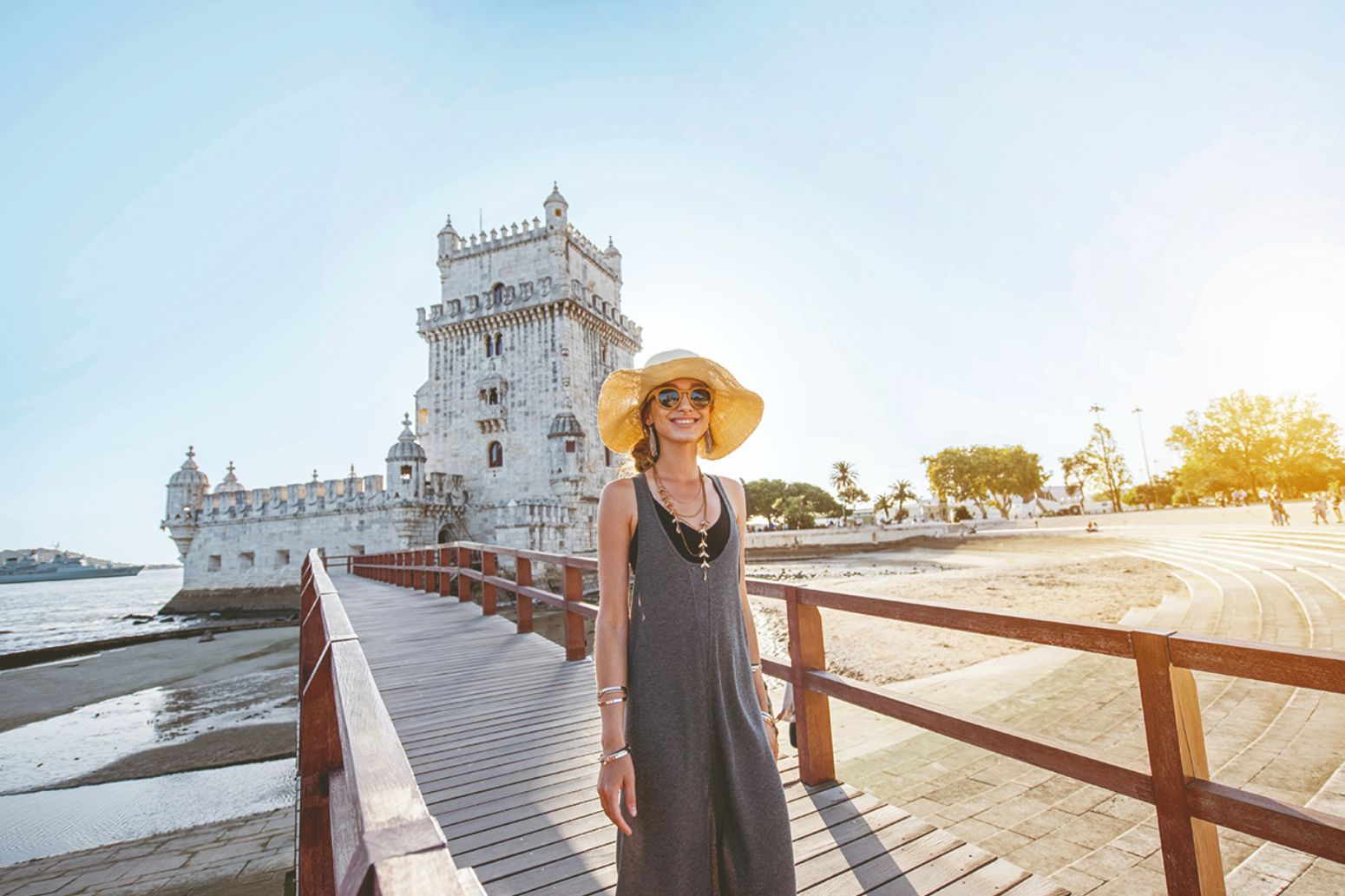
Belém Tower
A UNESCO World Heritage Site, this 16th-century tower is an iconic symbol of Lisbon's Age of Discoveries.
Historical
1-2 hours
€6
Alfama District
Lisbon's oldest district, known for its narrow, winding streets, Fado music, and historic charm.
Historical
Half day
Free to explore, attractions may have entry fees
Sintra
A UNESCO World Heritage Site, Sintra is a romantic town with stunning palaces and castles.
Historical
Full day
Varies by attraction, around €10-€15 per site
Must-Try Local Dishes
Bacalhau à Brás
Shredded codfish with eggs, potatoes, and onions
Main Dish
Contains fish and eggs
Pastel de Nata
Custard tart with a flaky pastry crust
Dessert
Contains dairy and eggs
Francesinha
A sandwich with meat, cheese, and a beer-based sauce
Main Dish
Contains meat, cheese, and gluten
Popular Activities
Hiking in Sintra
Surfing in Ericeira
Parasailing in Cascais
Beach lounging in Costa da Caparica
Spa day in a luxury hotel
Picnic in Jardim da Estrela
Visiting museums and galleries
Attending Fado performances
Best Time to Visit
March to May, September to October
These months offer pleasant weather and fewer crowds, making it ideal for sightseeing and outdoor activities.
15-25°C
59-77°F
Practical Information
Language
- Official: Portuguese
- Widely spoken: English, Spanish, French
- English: Moderately spoken
Currency
Euro (EUR)
Time Zone
GMT+1 (Western European Time, WET)
Electricity
230VV, 50HzHz
Safety Information
Overall Safety Rating: Generally safe
Lisbon is generally safe, but pickpocketing and petty theft can occur in crowded areas.
Important Precautions:
- • Be cautious of pickpockets in crowded areas
- • Use licensed taxis or ride-sharing apps
- • Avoid walking alone at night in less crowded areas
Getting there
By air
- Humberto Delgado Airport • 7 km from city center
By train
Santa Apolónia, Oriente
By bus
Sete Rios, Jardim do Campo Grande, Gare do Oriente
Getting around
Public transport
Efficient and clean, with four lines connecting major attractions.
Taxis
Available • Apps: Bolt, FreeNow
Rentals
Car, Bike, Scooter
Neighborhoods
Alfama
Baixa
Bairro Alto
Day trips
Sintra
25 km from Lisbon • Full day
A romantic town with stunning palaces, castles, and lush gardens.
Cascais
30 km from Lisbon • Half day to full day
A charming coastal town with beautiful beaches, historic sites, and a relaxed atmosphere.
Óbidos
80 km from Lisbon • Full day
A medieval town with a well-preserved castle, narrow streets, and charming shops.
Festivals
Santos Populares • June 13th
Festival dos Oceanos • June to September
Arraial do Alfoz • June to September
Pro tips
- Visit the Time Out Market for a variety of local and international cuisines
- Take a day trip to Sintra and Cascais for a mix of history and beach relaxation
- Explore the LX Factory for a unique shopping and dining experience
- Ride the historic Tram 28 for a scenic tour of the city
- Visit the MAAT museum for a blend of art, architecture, and technology
From $25
per person
Price varies by option
Secure booking
Free cancellation available