Private One Day Tour: Angkor Wat, Angkor Thom & Ta Prohm Temple
Active
7h - 9h
For a full refund, cancel at least 24 hours before the scheduled departure time.
Instant confirmation
Mobile or paper ticket accepted
About this experience
Discover the captivating wonders of Cambodia as you delve into its magnificent temples, stunning scenery, and vibrant culture. Begin mapping out your adventure now and immerse yourself in the mesmerizing allure of this extraordinary destination. With the assistance of English-speaking tour guides, you can explore Cambodia's awe-inspiring temples, breathtaking landscapes, and rich culture more deeply. These guides have in-depth knowledge of the area and can take you off the beaten path, away from the crowds, and into the heart of the country.
Available options
Private One Day Tour: Angkor Wat, Angkor Thom & Ta Prohm Temple
Pickup included
What's included
Private Tour Guide
Pick-up & Drop-off
Private Transportation
Pure Drinking Water
Travel Insurance
Detailed itinerary
1
Stop 1
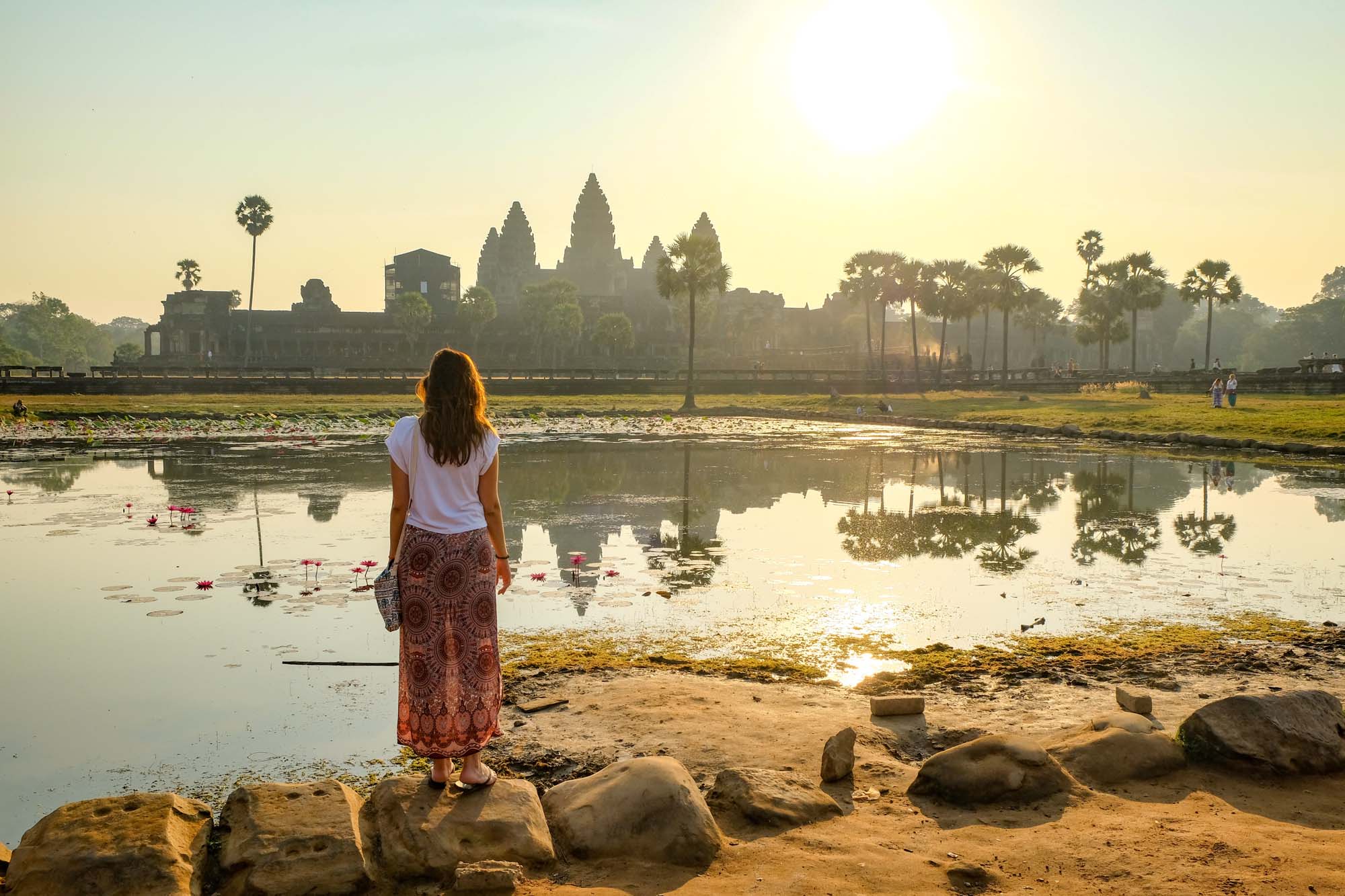
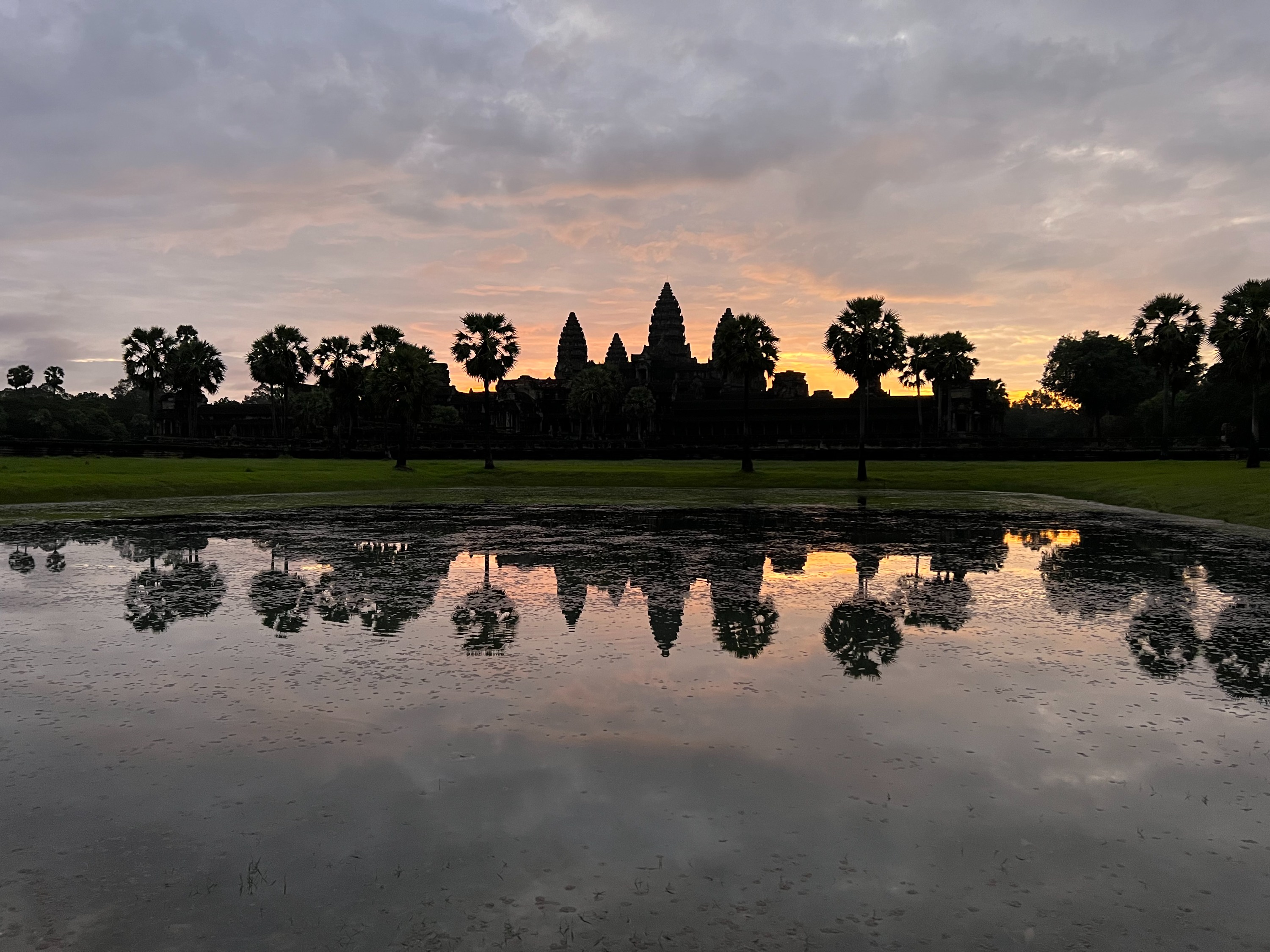
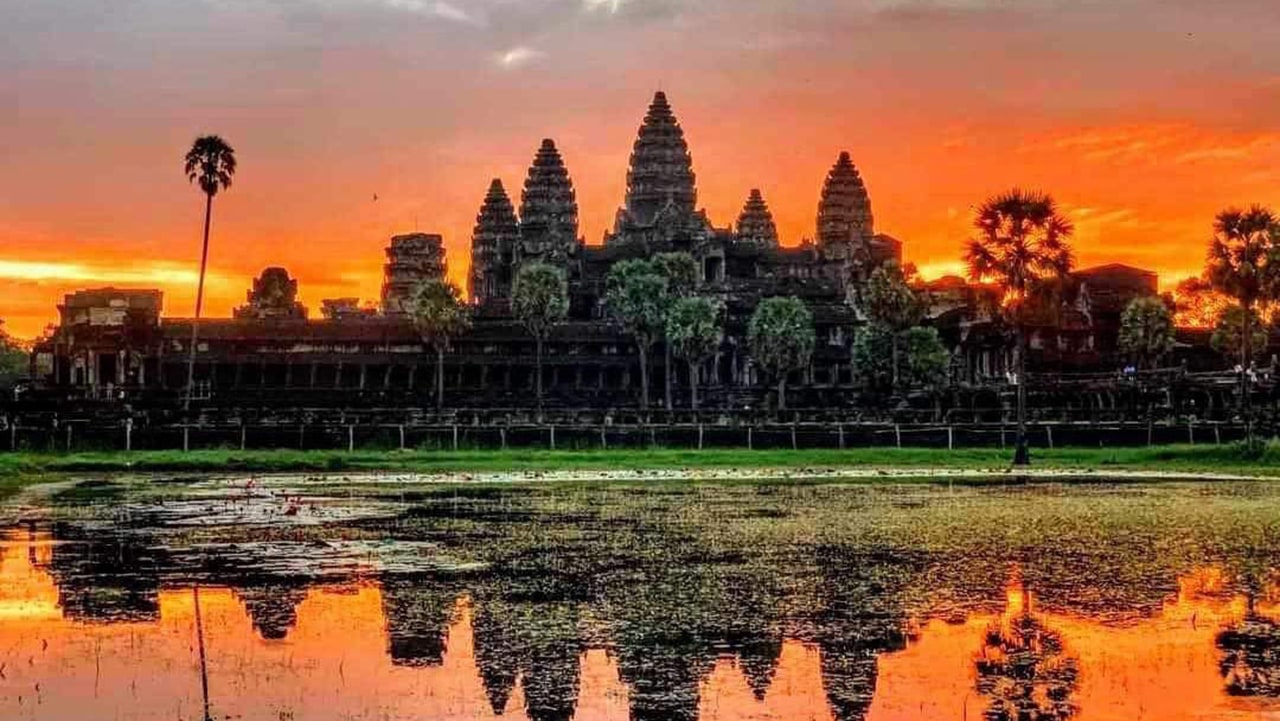
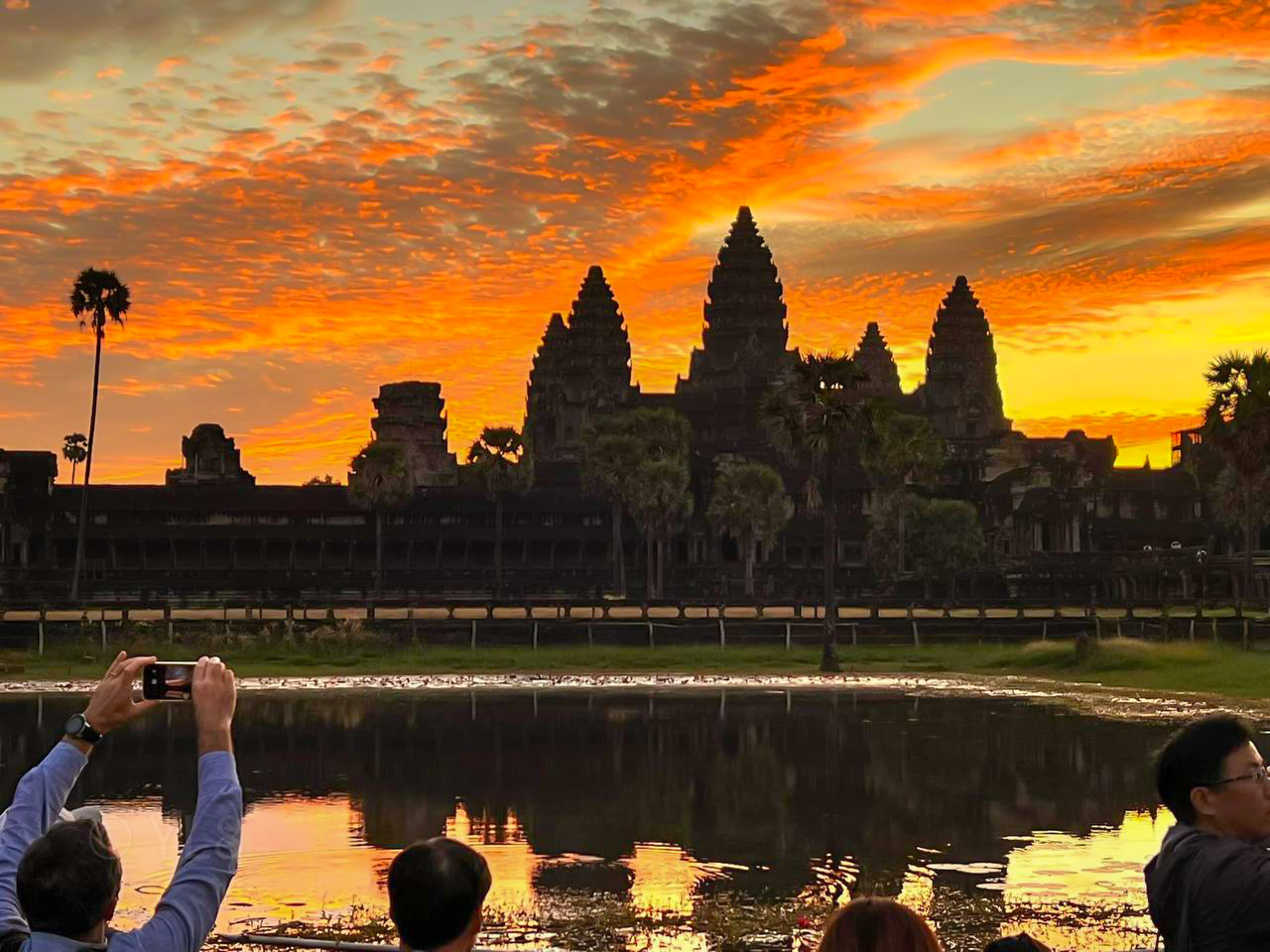
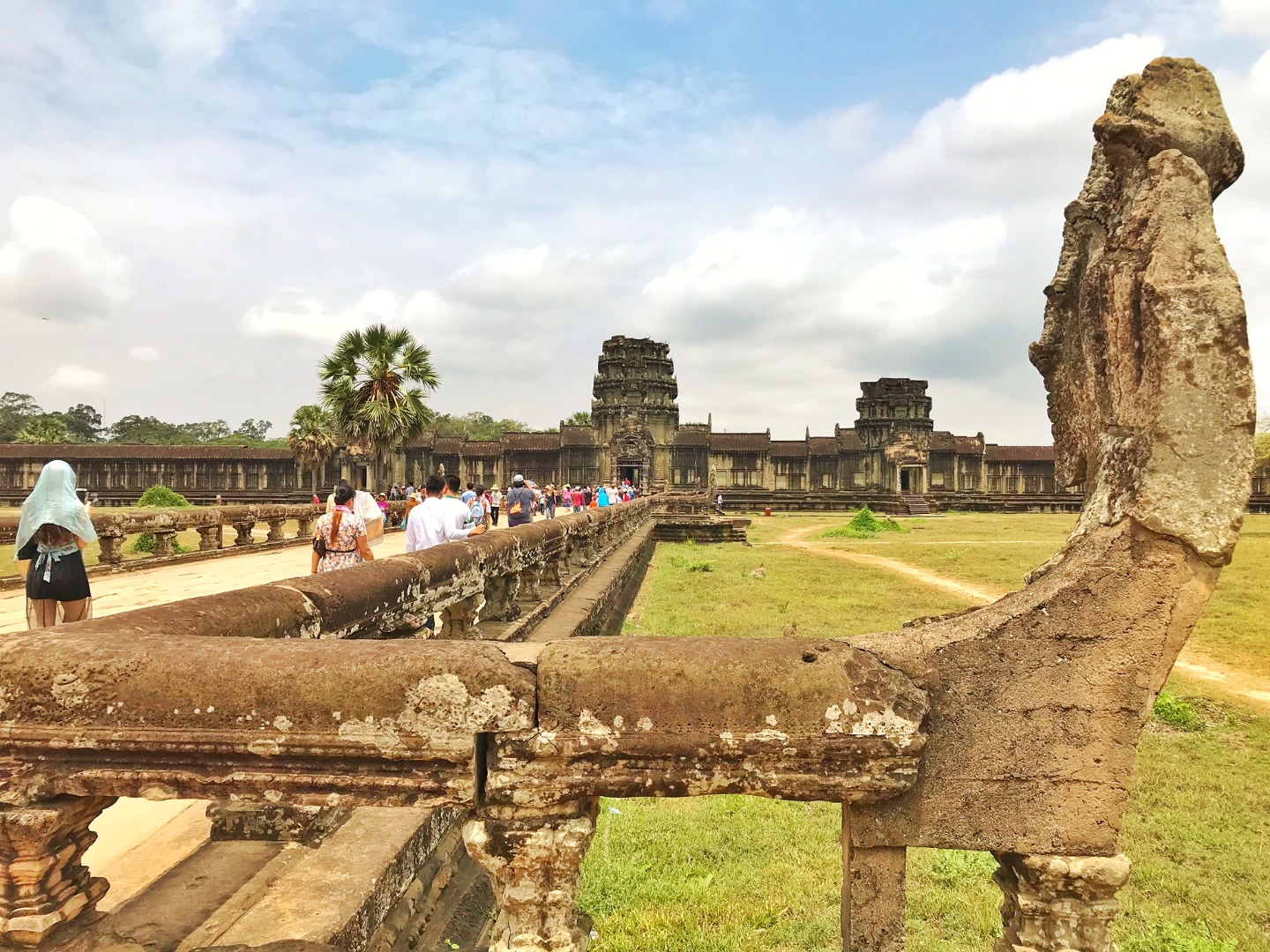
You will be picked up at the lobby of hotel. Then, transferred to visit Angkor Wat, first a Hindu, then subsequently a Buddhist, temple complex in Cambodia and the largest religious monument in the world. The temple was built by the Khmer King Suryavarman II in the early 12th century in Yasodharapura,
( present-day Angkor), the capital of the Khmer Empire, as his state temple and eventual mausoleum. Breaking from the Shaivism tradition of previous kings, Angkor Wat was instead dedicated to Vishnu. As the best-preserved temple at the site, it is the only one to have remained a significant religious center since its foundation. The temple is at the top of the high classical style of Khmer architecture. It has become a symbol of Cambodia, appearing on its national flag.
2
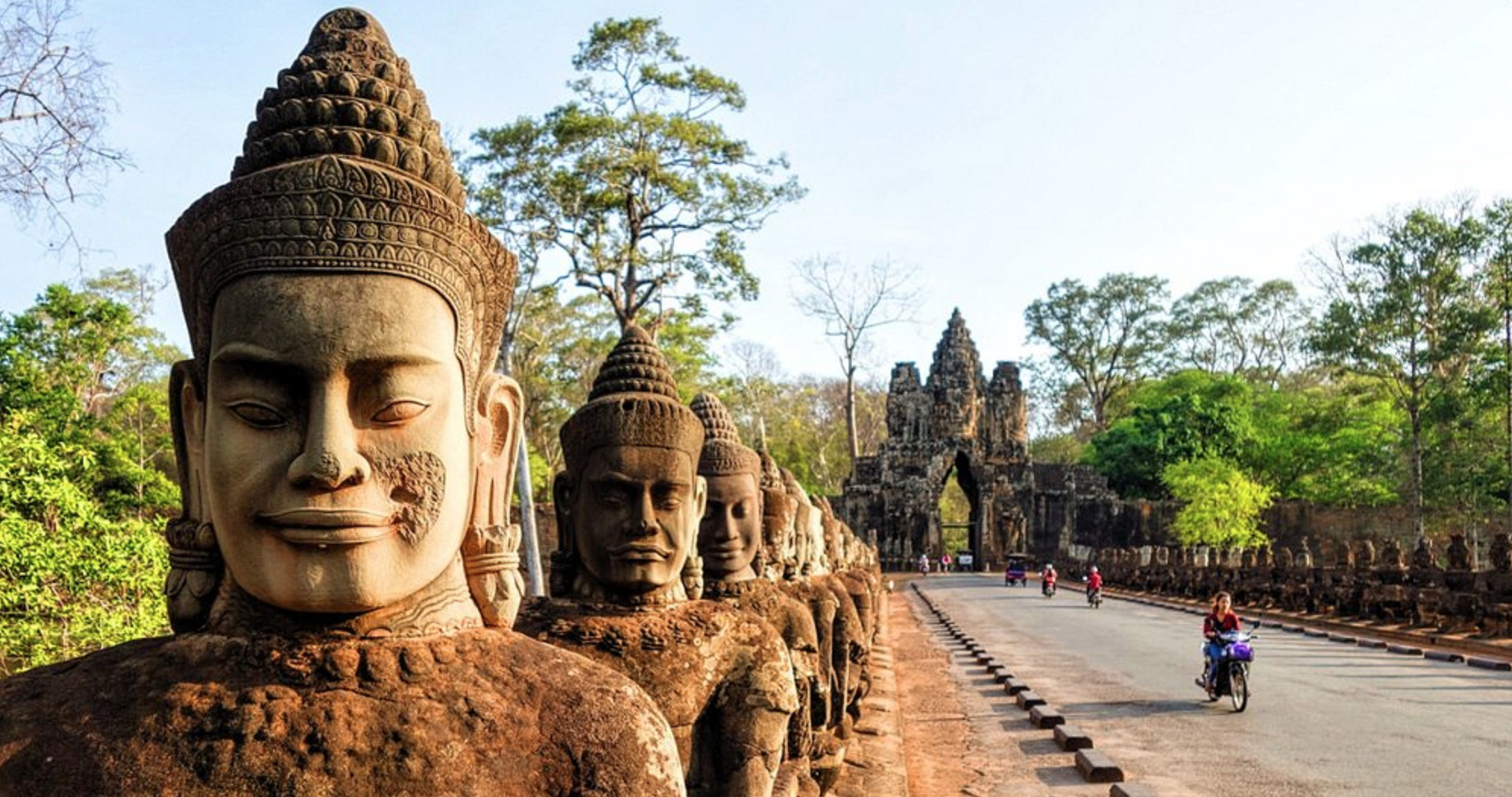
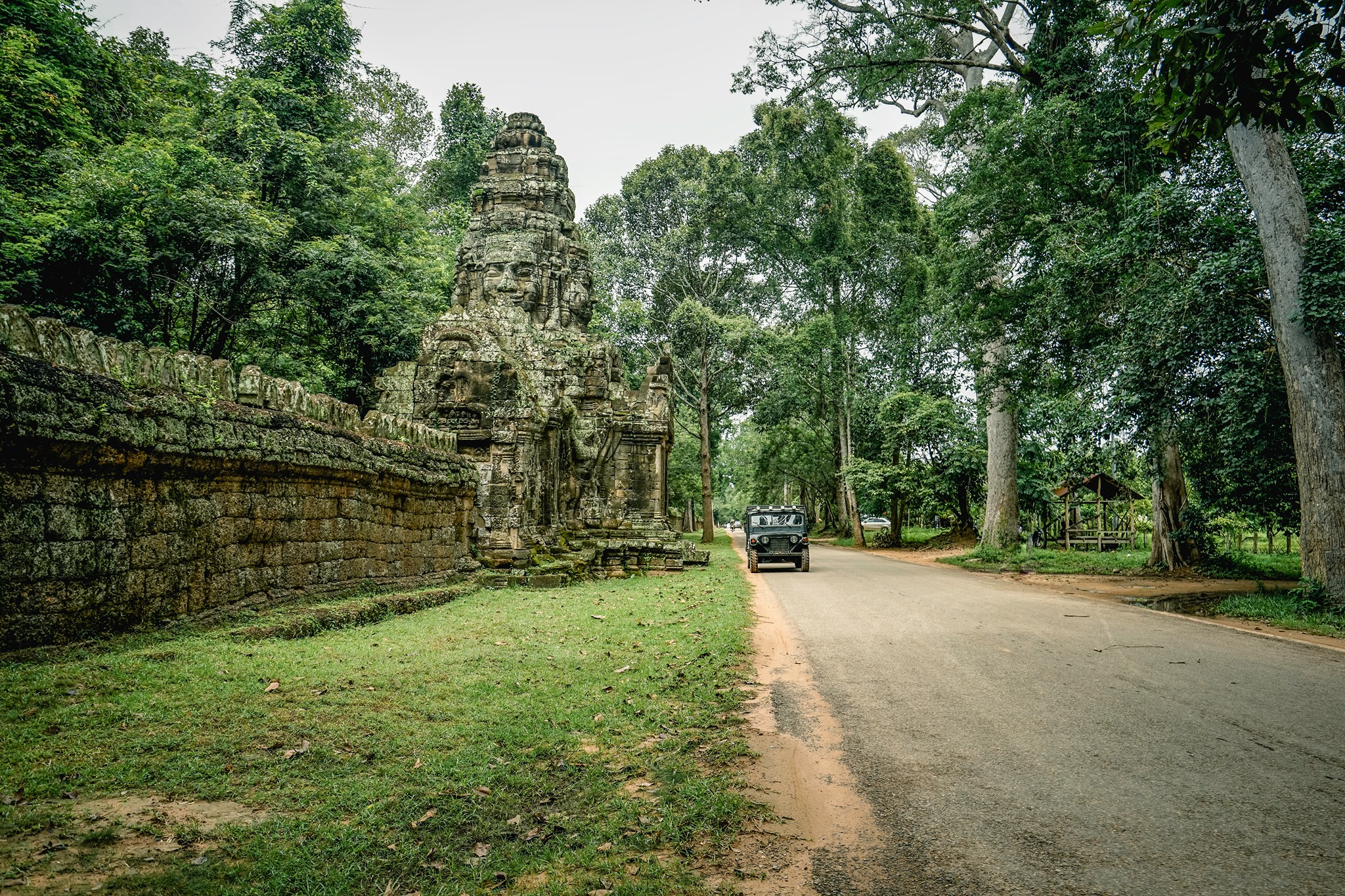
South Gate of Angkor Thom, on the left side of the moat, 54 'devas' (guardian gods) pull the head of the snake 'Shesha' while on the right side 54 'asuras' (demon gods) pull the snake's tail in the opposite direction.
3
Stop 3
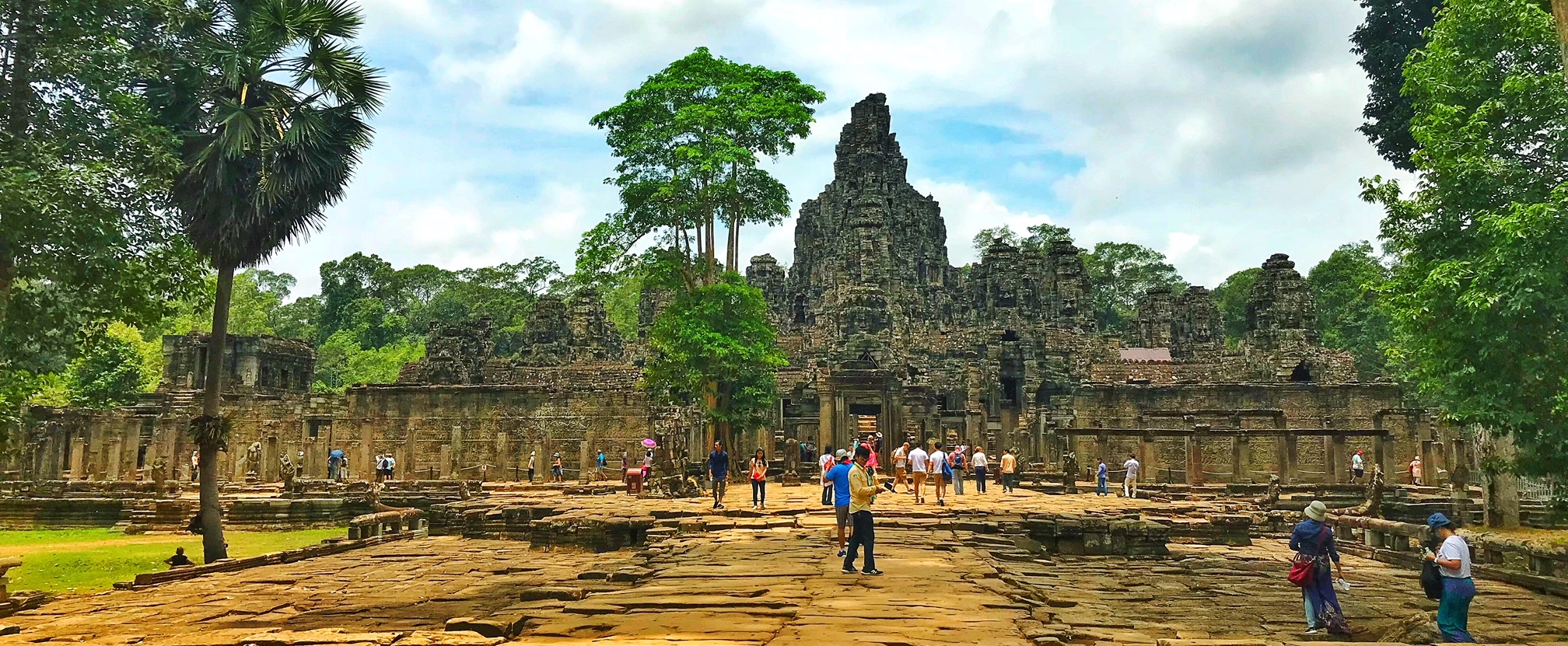
Bayon temple, located in the centre of Angkor Thom. This temple is one of the most popular sites in the Angkor complex. It was built in the late 12th and early 13th centuries by king Jataverman VII. The architectural composition of the Bayon exudes grandness in every aspect. Over 200 large faces are carved on the 54 towers giving this temple its majestic character, which at that time represented the 54 provinces of the Khmer Empire. The iconography of the four faces, has been widely debated by scholars and some think they represent the Bodhisattva Avalokiteshvara. In keeping with the Buddhist character of the temple, it is generally accepted that the four faces on each of the towers are images of king Jayavarman VII and signify the omnipresence of the king.
4
Stop 4
Baphuon, built in middle of the 11th century (1060) by king Udayadityavarman II, dedicated to Siva (Hindu).
5
Stop 5
Phimeanakas, built in late tenth century-beginning of the 11th century by King Jayavamen V and Udayadityavarman I and dedicated to Hindu.
6
Stop 6
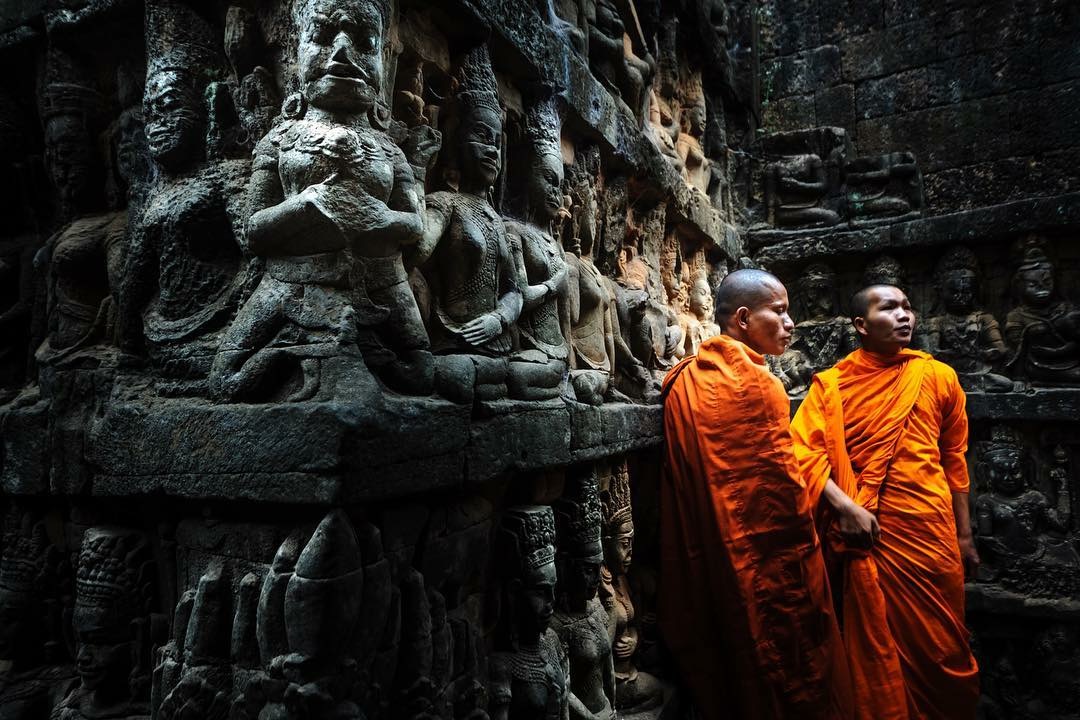
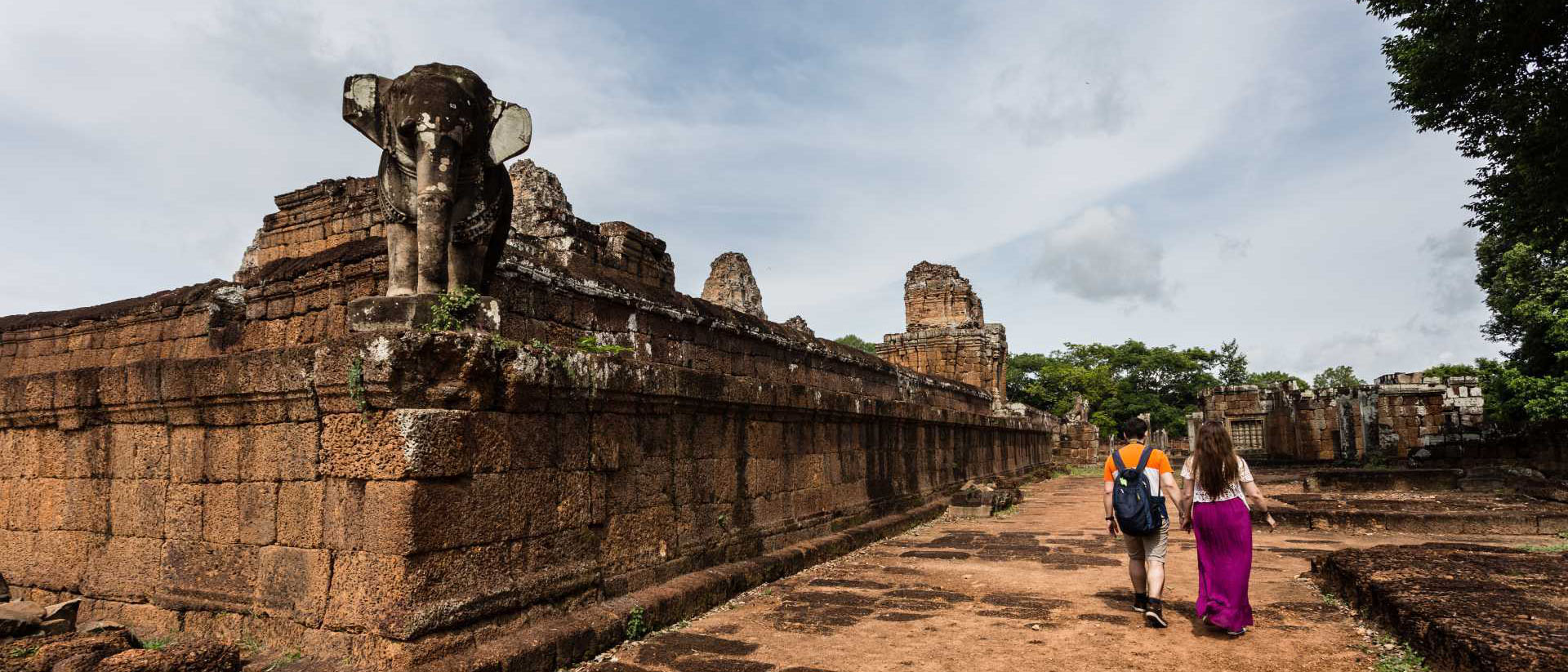
There are intricate carvings of elephants on the wall.
7
Stop 7
This place was used for treatment.
8
Ta Prohm ( The Ancestor Brahma, Jungle Temple ), Shrouded in dense jungle the temple of Ta Prohm is ethereal in aspect and conjures up a romantic aura. Fig, banyan and kapok trees spread their gigantic roots over stones, probing walls and terraces apart, as their branches and leaves intertwine to form a roof over the structures. Trunks of trees twist amongst stone pillars.
What's not included
Food & Drinks
Angkor Wat
Available languages
Guide guide
EN
Reviews breakdown
Viator
5.0
1 reviews
5★
1
4★
0
3★
0
2★
0
1★
0
Tripadvisor
5.0
1 reviews
5★
1
4★
0
3★
0
2★
0
1★
0
Important information
Wheelchair accessible
Infants and small children can ride in a pram or stroller
Public transportation options are available nearby
Specialized infant seats are available
Transportation options are wheelchair accessible
All areas and surfaces are wheelchair accessible
Suitable for all physical fitness levels
About Siem Reap
Siem Reap is the vibrant gateway to the ancient Angkor temples, a UNESCO World Heritage site. This charming city offers a blend of rich history, vibrant markets, and lush landscapes, making it a must-visit destination in Cambodia.
Top Attractions
Angkor Wat
Angkor Wat is the largest religious monument in the world and a UNESCO World Heritage site. This iconic temple complex is a masterpiece of Khmer architecture and a symbol of Cambodia.
Historical
Half to full day
USD 37 for 3-day pass
Angkor Thom
Angkor Thom is a walled city and the last capital of the Khmer Empire. It features several impressive temples, including the Bayon Temple with its famous smiling faces.
Historical
Half to full day
USD 37 for 3-day pass
Ta Prohm
Ta Prohm is a temple complex overgrown by jungle, featuring a unique blend of nature and architecture. It was famously used as a filming location for the movie 'Tomb Raider'.
Historical
1-2 hours
USD 37 for 3-day pass
Pub Street
Pub Street is the heart of Siem Reap's nightlife, offering a vibrant mix of bars, restaurants, and street food vendors. It's a great place to experience the city's lively atmosphere.
Entertainment
Evening
Free to explore, budget for food and drinks
Siem Reap Night Market
The Siem Reap Night Market is a bustling market offering a variety of local crafts, souvenirs, and street food. It's a great place to shop for unique gifts and experience local culture.
Shopping
1-2 hours
Budget to moderate
Must-Try Local Dishes
Amok
A creamy, coconut-based curry with fish, chicken, or tofu, steamed in banana leaves. It's a traditional Khmer dish with a unique flavor.
Main dish
Vegetarian options available
Nom Banh Chok
A popular breakfast dish consisting of rice noodles topped with a fish-based green curry gravy and fresh vegetables.
Breakfast
Vegetarian options available
Bai Sach Chrouk
Grilled pork served with broken rice and pickled vegetables. It's a popular breakfast dish in Cambodia.
Breakfast
Contains meat
Lok Lak
A stir-fried beef dish with a tangy lime and pepper sauce, served with rice and fresh vegetables.
Main dish
Contains meat
Popular Activities
Hiking in the Angkor Archaeological Park
Exploring the bamboo train in Battambang
Visiting spas and wellness centers
Enjoying a traditional Khmer massage
Exploring temples and historical sites
Attending traditional dance performances
Boat tours on Tonlé Sap Lake
Swimming in waterfalls
Best Time to Visit
November to February
The best time to visit Siem Reap is during the dry season when the weather is pleasant and ideal for exploring the temples. The cooler temperatures make it comfortable for long days of sightseeing.
20-30°C
68-86°F
Practical Information
Language
- Official: Khmer
- Widely spoken: English
- English: Moderately spoken in tourist areas
Currency
Cambodian Riel (KHR)
Time Zone
Indochina Time (ICT), GMT+7
Electricity
230VV, 50HzHz
Safety Information
Overall Safety Rating: Generally safe
Siem Reap is generally safe for tourists, but petty crime and scams can occur. Exercise caution and be aware of your surroundings.
Important Precautions:
- • Be cautious of scams and overcharging.
- • Avoid walking alone at night in isolated areas.
- • Use reputable tour operators and transportation services.
Getting there
By air
- Siem Reap International Airport • 5 km from city center
By bus
Siem Reap Virak Buntham Express Terminal, Siem Reap Giant Ibis Bus Terminal
Getting around
Public transport
Tuk-tuks are the most popular and affordable mode of transport in Siem Reap. They are widely available and can be negotiated for short or long trips.
Taxis
Available • Apps: PassApp, Grab
Rentals
Car, Bike, Scooter
Neighborhoods
Wat Bo
Wat Damnak
Sivatha
Day trips
Battambang
150 km from Siem Reap • Full day
Battambang is a charming colonial town known for its well-preserved French architecture, bamboo train, and nearby temples. It's a great destination for a day trip from Siem Reap.
Kampong Phluk
16 km from Siem Reap • Half day
Kampong Phluk is a floating village on the edge of the Tonlé Sap Lake. It offers a unique glimpse into the lives of the local community and the stunning natural beauty of the area.
Kbal Spean
25 km from Siem Reap • Half day
Kbal Spean is a remote archaeological site featuring ancient carvings and a beautiful river setting. It's a great destination for those looking to explore off-the-beaten-path attractions.
Festivals
Khmer New Year (Choul Chnam Thmey) • April 13-15 (dates vary)
Bon Om Touk (Water Festival) • November (dates vary)
Angkor Photo Festival • December (dates vary)
Pro tips
- Hire a local guide for the Angkor Archaeological Park to gain a deeper understanding of the temples' history and significance.
- Visit the temples early in the morning or late in the afternoon to avoid crowds and the heat.
- Try local street food like nom banh chok and bai sach chrouk for an authentic culinary experience.
- Bargain for better prices at markets and street stalls, but do so respectfully and with a smile.
- Use a map app like Google Maps for navigation, as street signs can be limited and confusing.
From $25
per person
Price varies by option
Secure booking
Free cancellation available
Instant confirmation