Full Day Tour Évora, Monsaraz, Esporão
Active
10h
For a full refund, cancel at least 24 hours before the scheduled departure time.
Instant confirmation
Mobile or paper ticket accepted
About this experience
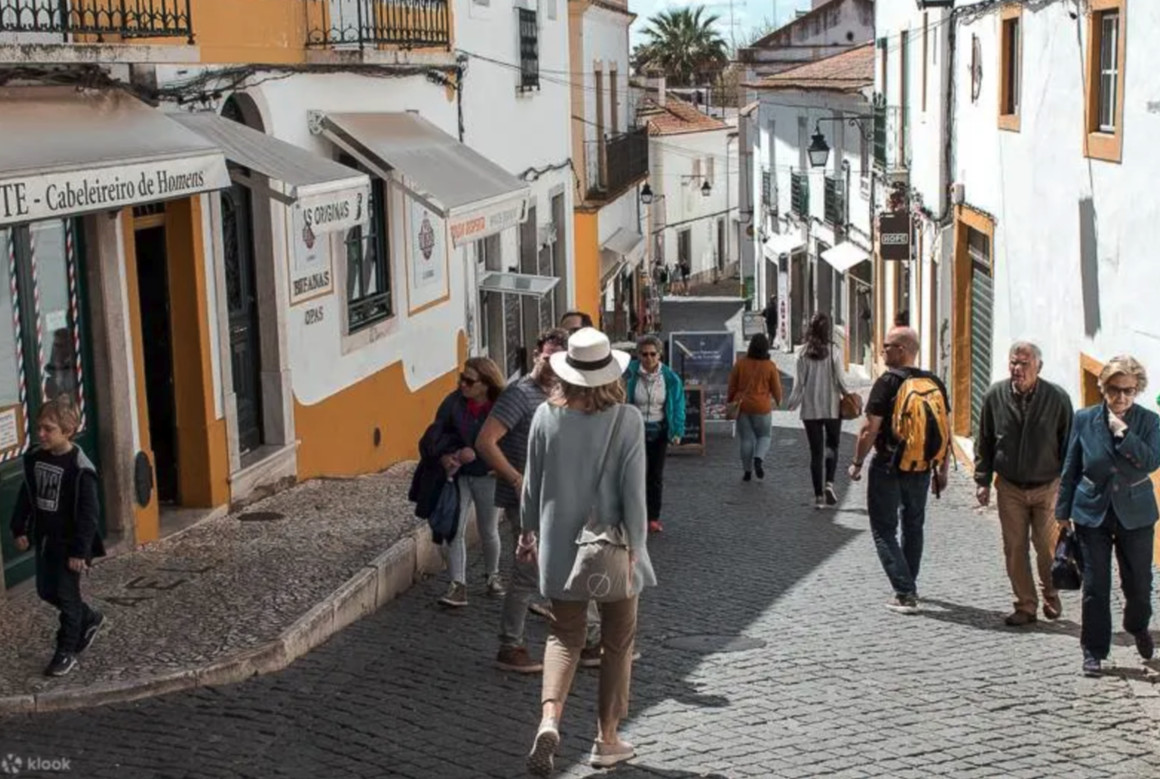
First, we will visit Évora, a city classified by UNESCO as a World Cultural Heritage and it was the stronghold that supported, in the Beyond-Tejo, the formation of the new kingdom of Portugal during the peninsular Christian reconquest.
Next, on the border with Spain, we will visit the Castle of Monsaraz, built on existing buildings since prehistoric times and later on by Roman, Visigothic and Arab buildings.
Our last attraction will be in one of the most traditional wine estates in Portugal, which had its geographic limits established in 1267. Herdade do Esporão has more than 700 hectares, where around 40 grape varieties, 4 olive varieties, orchards and vegetable gardens. The region has unique conditions for agricultural production in balance with the environment, through the Organic Production Mode. In addition to wines, vinegars and oils are also produced, all with a high standard of excellence, which can be seen at the end of our visit!
Available options
Full Day Tour Évora, Monsaraz, Esporão
What's included
Private transportation
Fresh water
WiFi on board
Air-conditioned vehicle
Wi-Fi throughout the pedestrian route
Detailed itinerary
1
Stop 1
Road route to Évora. Leaving Lisbon, we will cross the Tagus River to its south bank, in a very pleasant journey, enjoying the beautiful landscapes of the Alentejo, among the vineyards, holm oaks and cork oaks (the tree that produces cork).
2
Stop 2
Visit to the Church of São Francisco and Chapel of Bones. National Monument and Ex-libris of Évora, the Capela dos Ossos is a truly unique place, whose intention is to lead us to reflect on the transience of our earthly life and lead it in accordance with Christian values.
3
Stop 3
The Roman Temple is one of the largest and best preserved in the Iberian Peninsula. Built in the 1st century, it is classified as a UNESCO World Heritage Site and Ex-libris of Évora. Opposite, we will be able to appreciate Jardim Diana, a beautiful green space, at the top of the hill, where you can breathe the pure air of Alentejo and enjoy a beautiful view!
4
Stop 4
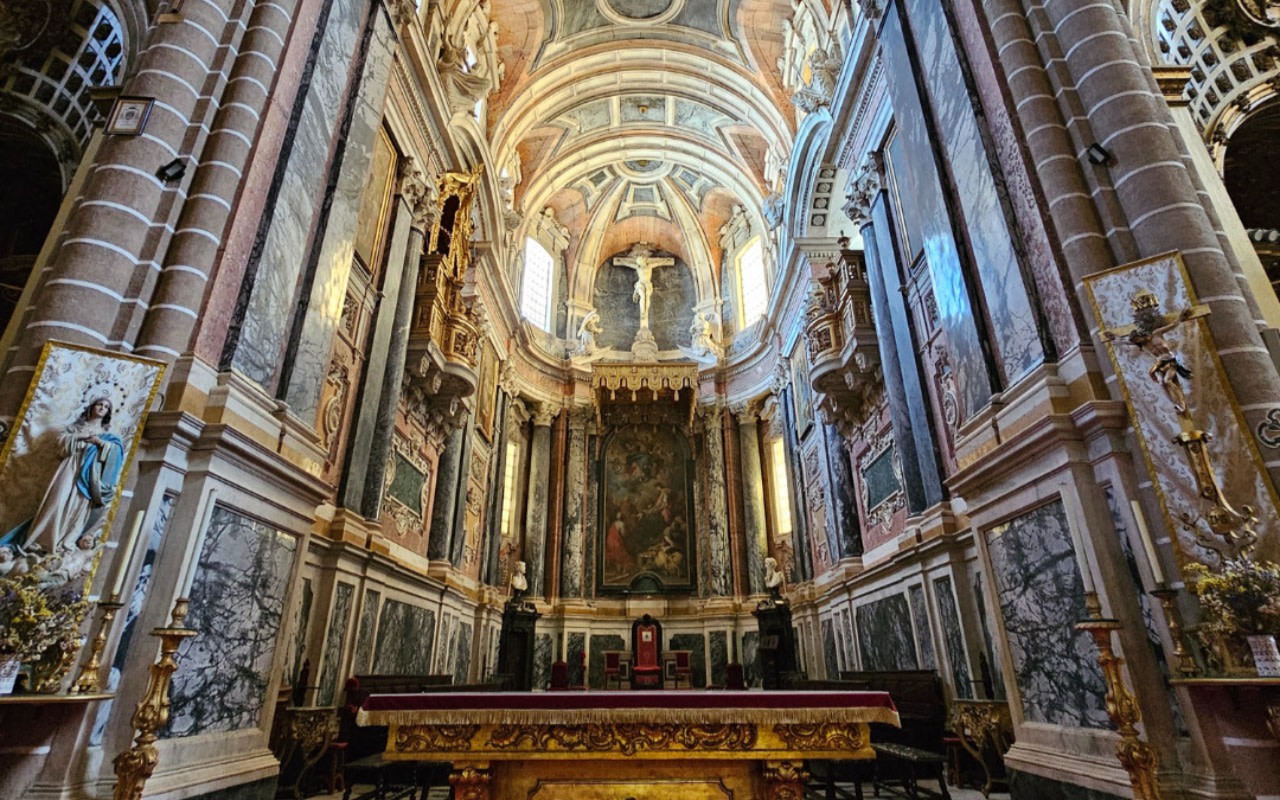
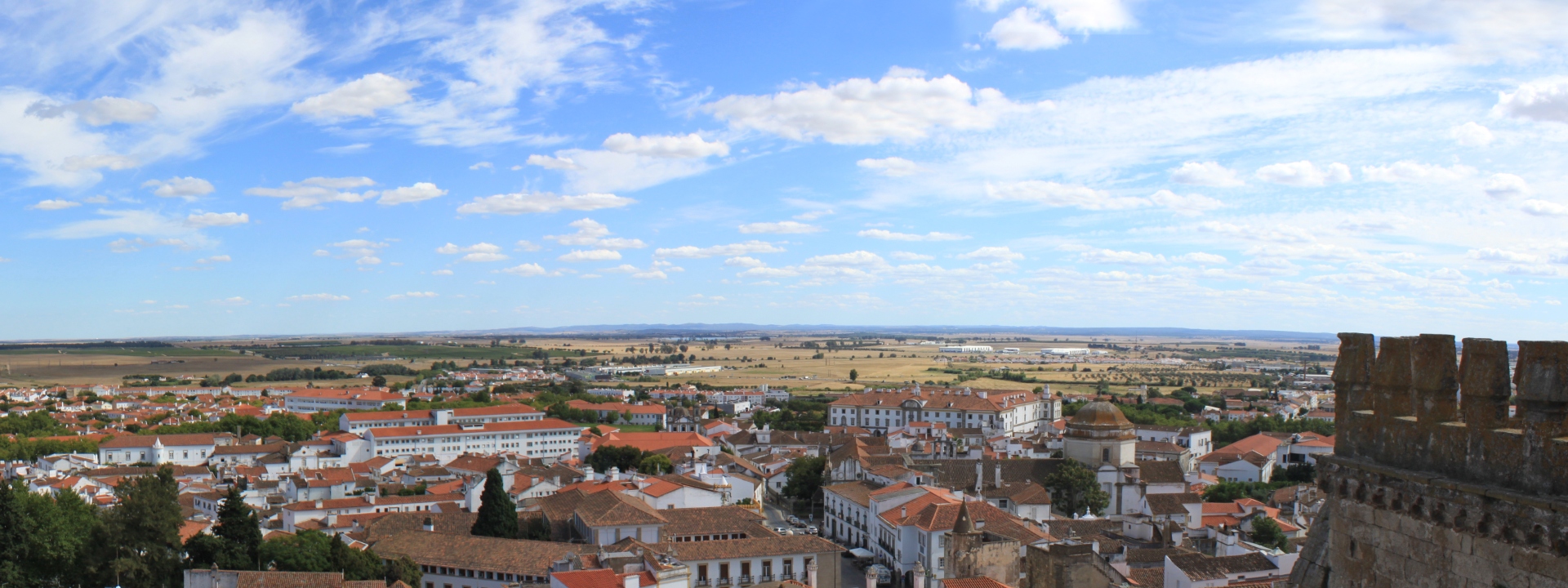
Built in Roman-Gothic style, it is the largest medieval Cathedral and unparalleled in the rest of the country. It has an oak pipe organ in the high choir and several magnificent architectural elements, notably the "lantern tower". In addition to all this, its terrace is the highest point in Évora, where you have an incredible view of the city and the entire region around it!
5
Stop 5
After a short walk, we will arrive at the esplanade, where you can see the Church of Santo Antão and a marble fountain crowned in baroque style, with 8 spouts, each associated with each main street of the square.
6
Leaving towards the border with Spain, we will arrive at Monsaraz, a medieval village suspended in time, inside a castle that is classified as a National Monument, full of history and a privileged viewpoint!
Passing through Porta da Vila and walking through its shale streets, there are several options of places and styles to have lunch in Monsaraz, offering a variety of typical dishes, seafood and an excellent drinks menu.
7
Based on the Renaissance style, the current Igreja Matriz was built in the 16th century. XVI, has a panel of tiles representing Nossa Senhora da Conceição, artistic decorations and eight side chapels. The main altar, in gilded carving, features two large wooden sculptures, of Saint Augustine and Saint Mónica.
8
Within the walls, in addition to other historical points, such as the Clock Tower, the Pelourinho, the Fresco Museum, there are many places, such as cellars, souvenir shops, curiosities and interesting articles, with emphasis on handicrafts in various forms, such as ceramics, tapestry, horn, cork, leather and wickerwork.
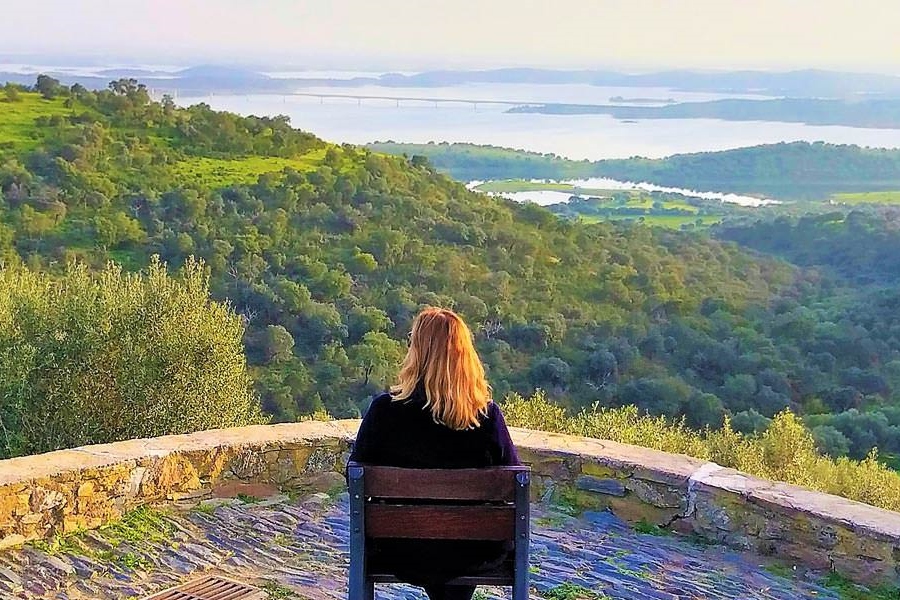
In the back part of the castle, it is where you have the best view of the region and where you can take beautiful photographs, with the Alqueva lake as a backdrop (one of the largest artificial lakes in Europe, formed by the Guadiana River dam). and Spain, which is on the other side.
9
Passing through beautiful landscapes, where the vineyards stand out, we will arrive at one of the hallmarks of the estate, which is Torre do Esporão. Considered as one of the most important towers built in the passage from the Middle Ages to the Modern, it is constituted in the old manor on the estate of Mendes de Vasconcelos, a noble family, linked to the House of Bragança.
Integrated in the World Wine Route, Wine Tourism at Herdade do Esporão was the first certified in Portugal.
After getting to know the tunnel of the barrels and the wine cellar, the highlight of the visit is the Wine Tasting, with the presentation of 3 different samples, to close the day with a golden key!
10
Stop 10
Road route to Lisbon
What's not included
Lunch
Snacks
From 18 years old
Tickets for adults: Capela dos Ossos: €6.00; Évora Cathedral: €3.50; Esporão (visit and tasting): €18.00
Any expenses not previously described.
Available languages
Guide guide
EN
ES
Important information
Infants and small children can ride in a pram or stroller
Service animals allowed
Specialized infant seats are available
Suitable for all physical fitness levels
We have monitoring by a health professional.
Meeting point
Lisbon Tourist Office
About Lisbon
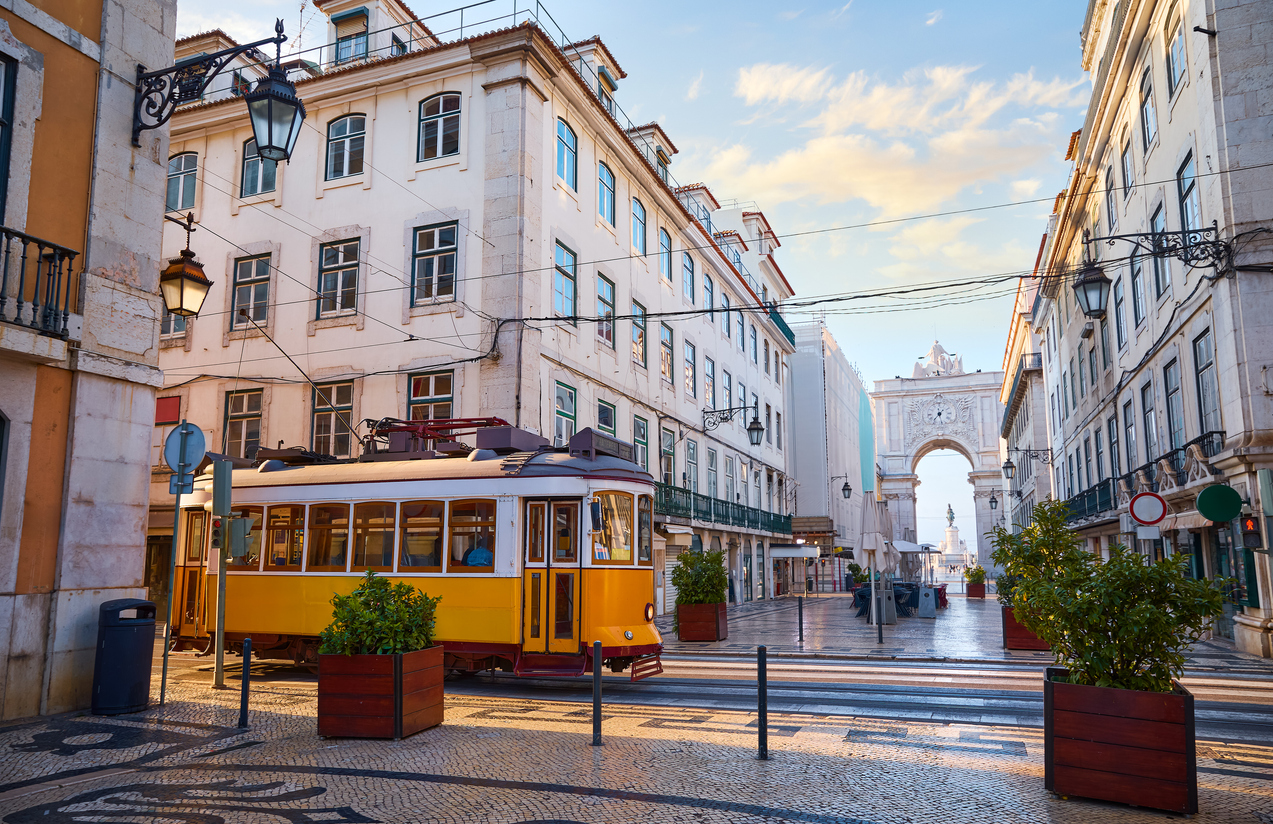
Lisbon, the capital of Portugal, is a vibrant city known for its rich history, stunning architecture, and warm climate. With its charming streets, historic trams, and breathtaking viewpoints, Lisbon offers a unique blend of old-world charm and modern energy.
Top Attractions
Belém Tower
A UNESCO World Heritage Site, this 16th-century tower is an iconic symbol of Lisbon's Age of Discoveries.
Historical
1-2 hours
€6
Alfama District
Lisbon's oldest district, known for its narrow, winding streets, Fado music, and historic charm.
Historical
Half day
Free to explore, attractions may have entry fees
Sintra
A UNESCO World Heritage Site, Sintra is a romantic town with stunning palaces and castles.
Historical
Full day
Varies by attraction, around €10-€15 per site
Must-Try Local Dishes
Bacalhau à Brás
Shredded codfish with eggs, potatoes, and onions
Main Dish
Contains fish and eggs
Pastel de Nata
Custard tart with a flaky pastry crust
Dessert
Contains dairy and eggs
Francesinha
A sandwich with meat, cheese, and a beer-based sauce
Main Dish
Contains meat, cheese, and gluten
Popular Activities
Hiking in Sintra
Surfing in Ericeira
Parasailing in Cascais
Beach lounging in Costa da Caparica
Spa day in a luxury hotel
Picnic in Jardim da Estrela
Visiting museums and galleries
Attending Fado performances
Best Time to Visit
March to May, September to October
These months offer pleasant weather and fewer crowds, making it ideal for sightseeing and outdoor activities.
15-25°C
59-77°F
Practical Information
Language
- Official: Portuguese
- Widely spoken: English, Spanish, French
- English: Moderately spoken
Currency
Euro (EUR)
Time Zone
GMT+1 (Western European Time, WET)
Electricity
230VV, 50HzHz
Safety Information
Overall Safety Rating: Generally safe
Lisbon is generally safe, but pickpocketing and petty theft can occur in crowded areas.
Important Precautions:
- • Be cautious of pickpockets in crowded areas
- • Use licensed taxis or ride-sharing apps
- • Avoid walking alone at night in less crowded areas
Getting there
By air
- Humberto Delgado Airport • 7 km from city center
By train
Santa Apolónia, Oriente
By bus
Sete Rios, Jardim do Campo Grande, Gare do Oriente
Getting around
Public transport
Efficient and clean, with four lines connecting major attractions.
Taxis
Available • Apps: Bolt, FreeNow
Rentals
Car, Bike, Scooter
Neighborhoods
Alfama
Baixa
Bairro Alto
Day trips
Sintra
25 km from Lisbon • Full day
A romantic town with stunning palaces, castles, and lush gardens.
Cascais
30 km from Lisbon • Half day to full day
A charming coastal town with beautiful beaches, historic sites, and a relaxed atmosphere.
Óbidos
80 km from Lisbon • Full day
A medieval town with a well-preserved castle, narrow streets, and charming shops.
Festivals
Santos Populares • June 13th
Festival dos Oceanos • June to September
Arraial do Alfoz • June to September
Pro tips
- Visit the Time Out Market for a variety of local and international cuisines
- Take a day trip to Sintra and Cascais for a mix of history and beach relaxation
- Explore the LX Factory for a unique shopping and dining experience
- Ride the historic Tram 28 for a scenic tour of the city
- Visit the MAAT museum for a blend of art, architecture, and technology
From $25
per person
Price varies by option
Secure booking
Free cancellation available
Instant confirmation