Echoes of War Exploring Milan’s WWII History
Active
2h
All sales are final. No refund is available for cancellations.
Manual confirmation
Mobile or paper ticket accepted
About this experience
Embark on a fascinating 2-hour walking tour through the historic center of Milan that will take you back in time to discover the harrowing days of World War II. We will uncover hidden scars of a past that shaped the Milan we know today, discovering how everyday landmarks hide the history of those turbulent times. From the air shelters that once protected citizens to the buildings that survived the bombings, you’ll see Milan with fresh eyes. Along the way, your guide will share compelling tales of courageous men and women, from the antifascist resistance to the impact of Nazi-fascist oppression, hearing about the tragic fate of the Jewish community in Milan. This is a journey of memory and reflection—a chance to witness how Milan, battered by war, rose from the ashes to become the vibrant, resilient city it is today. The tour will conclude with a delightful aperitif, offering a chance to relax and reflect on the stories you’ve heard while enjoying the vibrant atmosphere of Milan today.
Available options
Echoes of War Exploring Milan’s WWII History
What's included
Delicious Italian Aperitif
Receive personalised attention in a small group limited to 12
Friendly English speaking tour guide
Detailed itinerary
1
March 23, 1919, is a pivotal date in Italian history. That day, in Milan’s Piazza San Sepolcro, on the first floor of the 15th-century Palazzo Castani, former socialist Benito Mussolini founded the Italian Fascist Combat Groups (Fasci italiani di combattimento).
2
Stop 2
Pass by
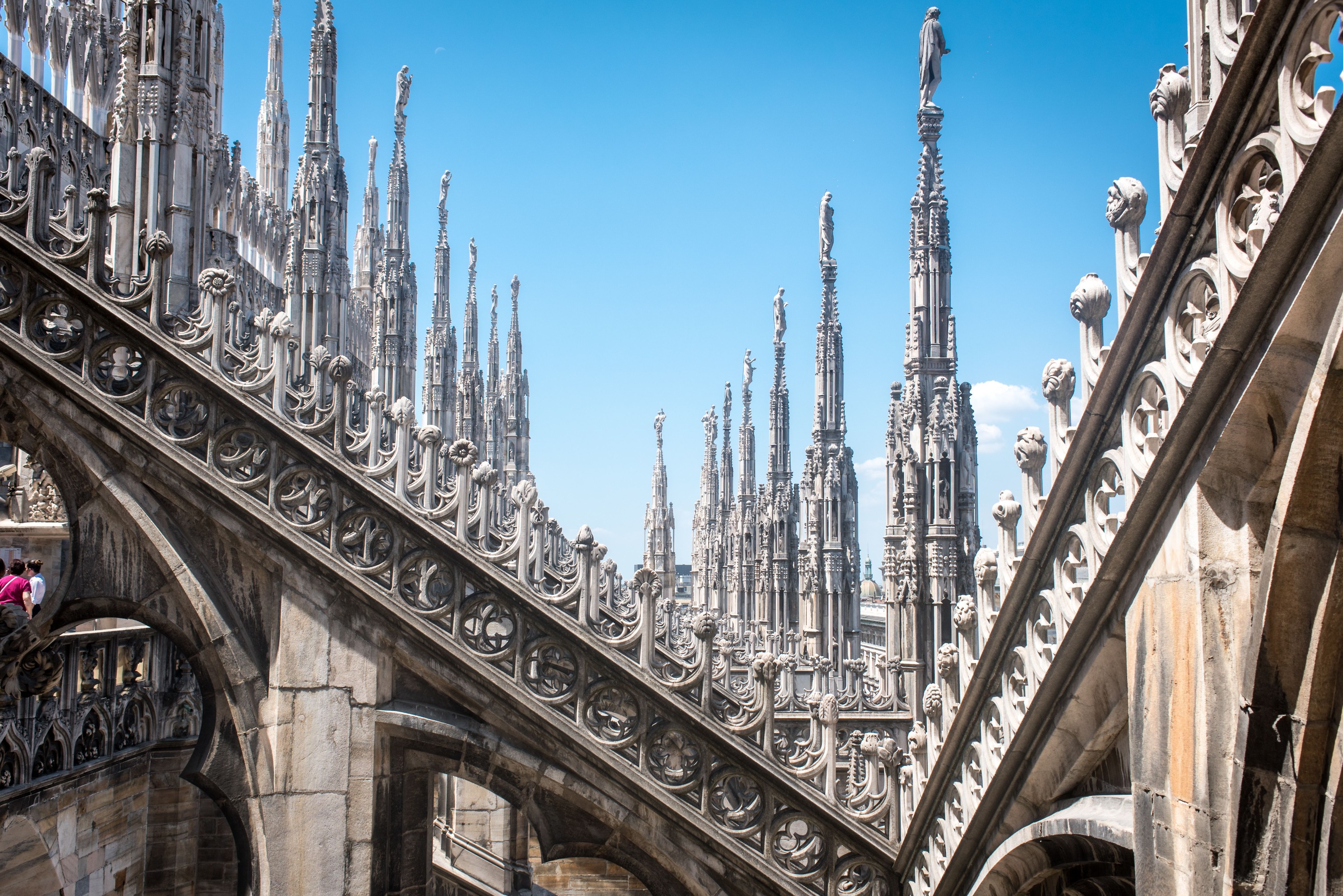
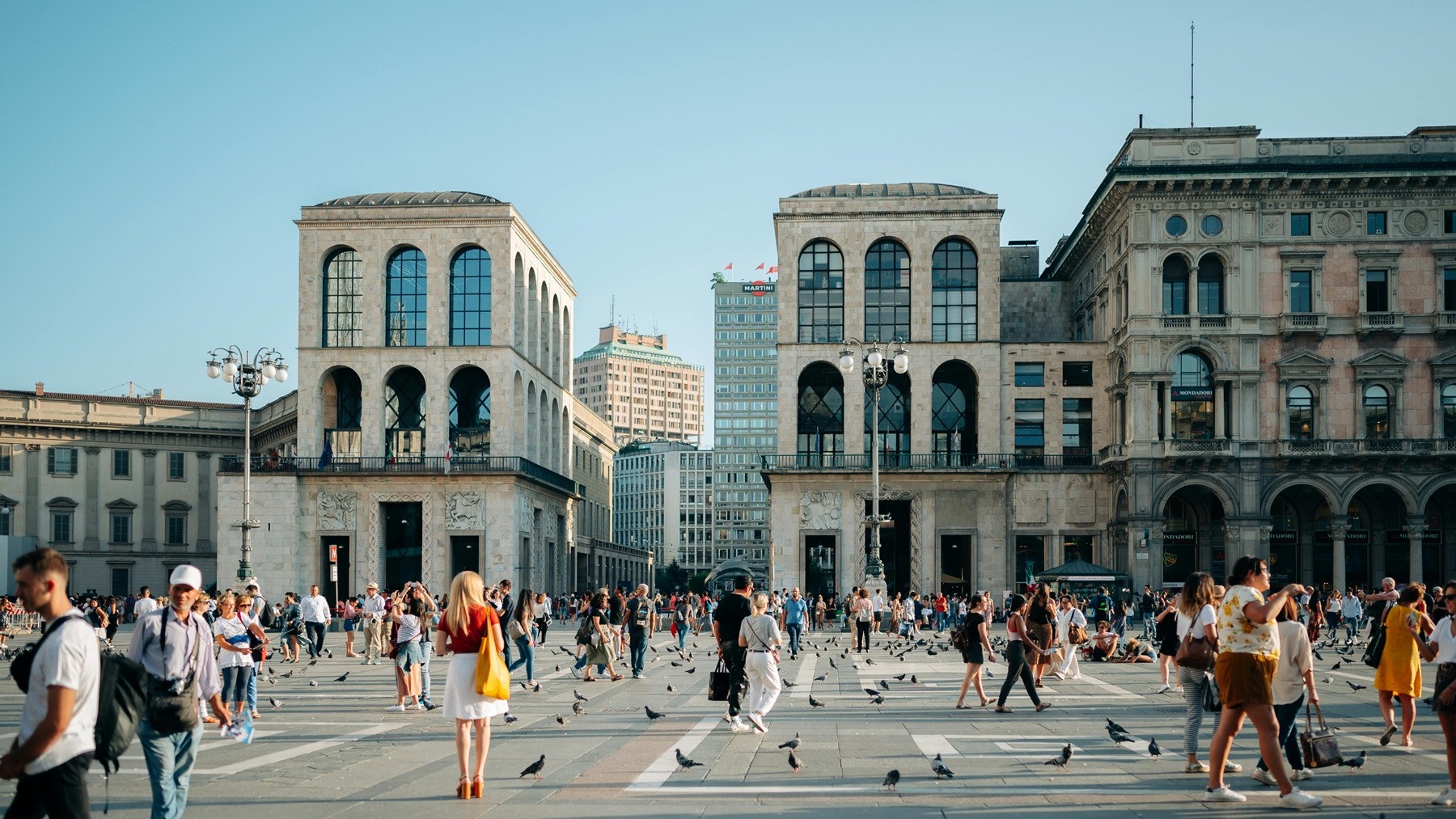
During World War II, Milan was bombed multiple times, with the most catastrophic raid taking place on the night of August 1943. In a single night, the city was struck three times, reducing large areas to rubble. Even the iconic Duomo was not spared from the destruction. In total, 504 aircraft were sent to devastate Milan, leaving an indelible mark on the city's history.
3
Stop 3
Pass by
The Merchant's Loggia stands as a powerful symbol of Milanese resistance. Here, you will discover the poignant stories of the fallen partisans, their names commemorated on 19 plaques, each representing a chapter of courage and sacrifice in the fight for freedom.
4
Stop 4
Pass by
Just a short walk from the Galleria, the Albergo Regina is a luxurious hotel built in the late 19th century within an aristocratic palace on Via dei Librai. In 1943, it was occupied by the Waffen-SS Adolf Hitler division and became a notorious detention center for partisans, Jews, and civilians suspected of aiding the Resistance, earning the infamous nickname 'Hotel Gestapo' among the Milanese.
5
The square is named after the 16th-century Church of San Fedele, which overlooks it. It was heavily damaged during World War II by Anglo-American bombings and was destroyed on three sides. Only the monument to Alessandro Manzoni (1883), whose family home was in nearby Piazza Belgiojoso, survived in the center.
6
Palazzo Marino, a 16th-century masterpiece, has been the seat of the Municipality of Milan since September 1861, the year of Italy's Unification. During World War II, it was heavily bombed.
7
Stop 7
Pass by
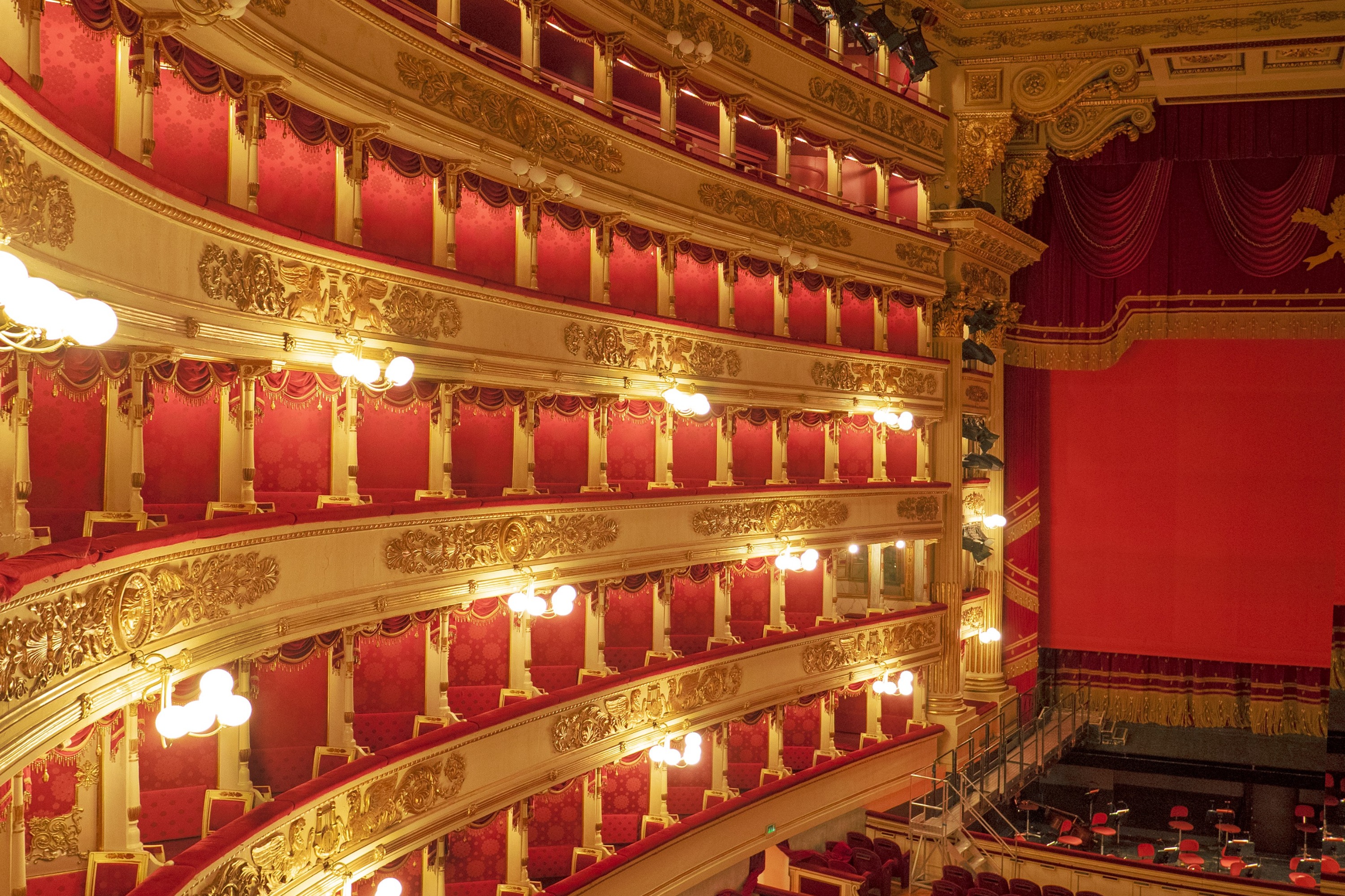
Teatro alla Scala is one of the most significant cultural landmarks in Italy and Europe. It was severely damaged during the Royal Air Force's Allied bombing raids on the night of August 15-16, 1943. Its roof was shattered and covered with temporary roofing until restoration work began.
What's not included
Gratuities
Extra drinks and meals not included in the program
Available languages
Guide guide
EN
IT
Important information
Not recommended for travelers with poor cardiovascular health
Public transportation options are available nearby
Suitable for all physical fitness levels
Operates in all weather conditions; please dress appropriately.
We highly recommend you bring a reusable bottle of water on this walking tour as we are on the way to reducing single plastic.
Meeting point
Meet us outside the Chiesa di San Sepolcro in Milan and look for our 'Taste & Travel Italy' tour guide.
About Milan
Milan, the vibrant capital of Lombardy, is a city where ancient history meets modern luxury. Known for its fashion, art, and design, Milan is a dynamic metropolis that offers a rich cultural experience and a thriving culinary scene.
Top Attractions
Duomo di Milano
The Milan Cathedral is a stunning example of Gothic architecture and the third-largest church in the world. It took nearly six centuries to complete and is a symbol of the city.
Architecture/Religious
1-2 hours
€10-€15
Galleria Vittorio Emanuele II
This historic shopping gallery is one of the world's oldest and most beautiful. It features luxury boutiques, cafes, and the famous mosaic floor of the bull.
Architecture/Shopping
1 hour
Free to enter, shopping varies
Santa Maria delle Grazie
This church and convent house Leonardo da Vinci's famous mural, The Last Supper. The painting is a masterpiece of Renaissance art and a must-see for art lovers.
Historical/Religious
1-2 hours
€10-€15 (advance booking required)
Castello Sforzesco
This medieval castle was built by the Duke of Milan and later renovated by Ludovico Sforza. It houses several museums and art collections, including works by Michelangelo and Leonardo da Vinci.
Historical/Architecture
2-3 hours
€5-€10
Teatro alla Scala
One of the world's most famous opera houses, Teatro alla Scala is a symbol of Milan's rich musical heritage. Guided tours are available to explore the historic theater and museum.
Cultural/Entertainment
1 hour
€10-€15
Must-Try Local Dishes
Risotto alla Milanese
A creamy saffron risotto, a staple of Milanese cuisine.
Main Course
Contains dairy, can be made vegetarian.
Ossobuco
Braised veal shanks, traditionally served with gremolata.
Main Course
Contains meat, can be made gluten-free.
Panzerotti
Fried dough pockets filled with tomato sauce, mozzarella, and other ingredients.
Snack
Contains dairy, can be made vegetarian or vegan.
Cotoletta alla Milanese
A breaded and fried veal cutlet, similar to schnitzel.
Main Course
Contains meat, can be made gluten-free.
Popular Activities
Hiking in the nearby Alps
Cycling along the Navigli canals
Aperitivo in Navigli
Shopping in Galleria Vittorio Emanuele II
Visiting museums and historic sites
Attending opera or ballet performances
Boat tours on Lake Como
Swimming in Lake Como
Best Time to Visit
April to June, September to October
The best time to visit Milan is during the spring and fall when the weather is pleasant, and the city is less crowded. These months offer ideal conditions for exploring the city's attractions.
15-28°C
59-82°F
Practical Information
Language
- Official: Italian
- Widely spoken: English, French, Spanish
- English: Moderately spoken
Currency
Euro (EUR)
Time Zone
GMT+1 (Central European Time, CET), GMT+2 (Central European Summer Time, CEST)
Electricity
230VV, 50HzHz
Safety Information
Overall Safety Rating: Generally safe
Milan is generally safe for tourists, but pickpocketing and petty theft can occur, especially in crowded areas and on public transportation. Be cautious with your belongings and stay alert.
Important Precautions:
- • Keep valuables secure and out of sight
- • Use official taxis or ride-sharing services
- • Be cautious of distractions and common scams
Getting there
By air
- Milano Malpensa Airport • 50 km from city center
- Milano Linate Airport • 7 km from city center
By train
Milano Centrale, Milano Rogoredo
By bus
Lampugnano Bus Station, San Donato Milanese
Getting around
Public transport
The Milano Metro system consists of four lines (M1, M2, M3, M5) and is efficient and easy to use. It is the quickest way to get around the city.
Taxis
Available • Apps: Uber, FreeNow
Rentals
Car, Bike, Scooter
Neighborhoods
Brera
Navigli
Quartiere della Moda
Isola
Day trips
Lake Como
50 km • Full day
Lake Como is a stunning alpine lake known for its beautiful villas, gardens, and scenic views. It is a popular destination for relaxation and outdoor activities.
Bergamo
50 km • Half day
Bergamo is a charming medieval city with a well-preserved old town and a rich history. It offers a mix of historic sites, museums, and local cuisine.
Verona
150 km • Full day
Verona is a romantic city known for its association with Shakespeare's Romeo and Juliet. It offers a mix of historic sites, romantic landmarks, and cultural attractions.
Festivals
Milan Fashion Week • February and September
Milan Design Week • April
Milan Film Festival • September
Pro tips
- Visit the Duomo early in the morning to avoid crowds and long queues
- Explore the Navigli district in the evening for a vibrant aperitivo experience
- Use the ATM Milano app for real-time public transportation schedules and maps
- Consider purchasing a Milan Card for discounts on attractions, transportation, and dining
- Try local specialties like risotto alla Milanese and panzerotti
From $25
per person
Price varies by option
Secure booking
Free cancellation available