

Cliffs of Moher, Galway - Private Shore Excursion
Active
11h - 12h
All sales are final. No refund is available for cancellations.
Instant confirmation
Mobile or paper ticket accepted
About this experience
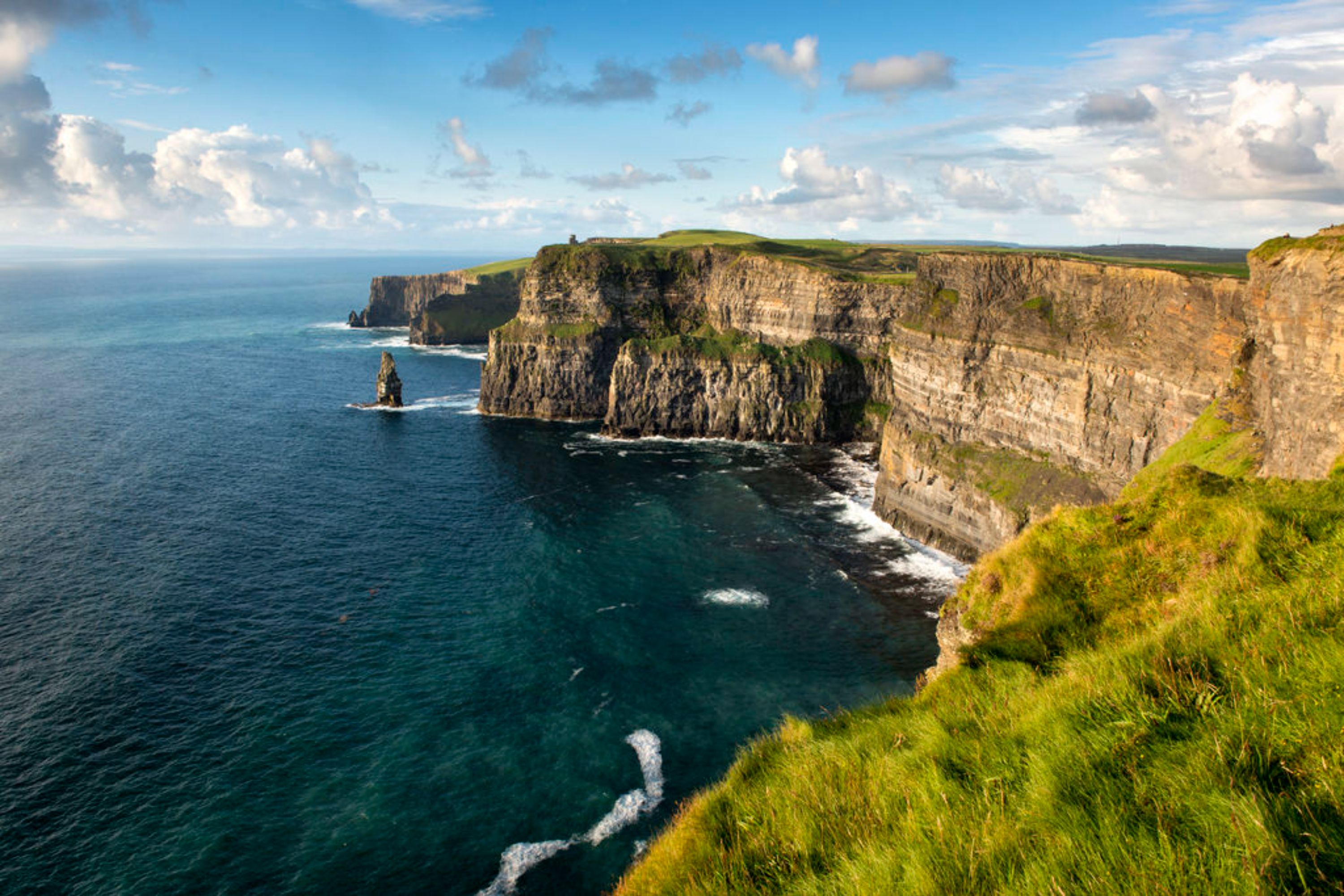
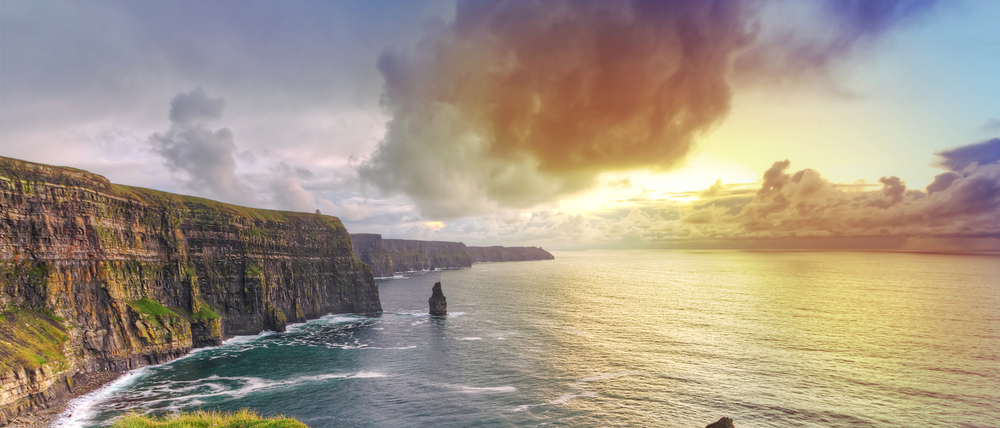
Nothing can compare to that first time when you excitedly walk towards the viewing point at the Cliffs of Moher. Your gasp of astonishment will cement that incredible spectacle in your memory for decades to come. We can enjoy lunch with ample choice at the visitor centre or at a pub in Doolin - a place that’s famous for its traditional music (at night, naturally).
We’ll caress the jagged coastline along The Wild Atlantic Way, one of the world’s most scenic drives, looking out to Galway Bay. Before you realise, we’ve ventured into The Burren, a surreal landscape of bright grey limestone.
There is such an energy to Galway city that sets it apart. It is regarded as the most ‘Irish’ city, due to its isolation in western Ireland and the high number of Irish-speakers.
We’ll return to Dublin directly. Lying in your bed later, you’ll reminisce over the stories, history, culture you heard raccounted, the medieval castles, and your first glimpse of the Cliffs of Moher.
Available options
Cliffs of Moher, Galway - Private Shore Excursion
Pickup included
What's included
Private transportation
Air-conditioned vehicle
Fuel surcharge
Parking Fees
Detailed itinerary
1
Stop 1
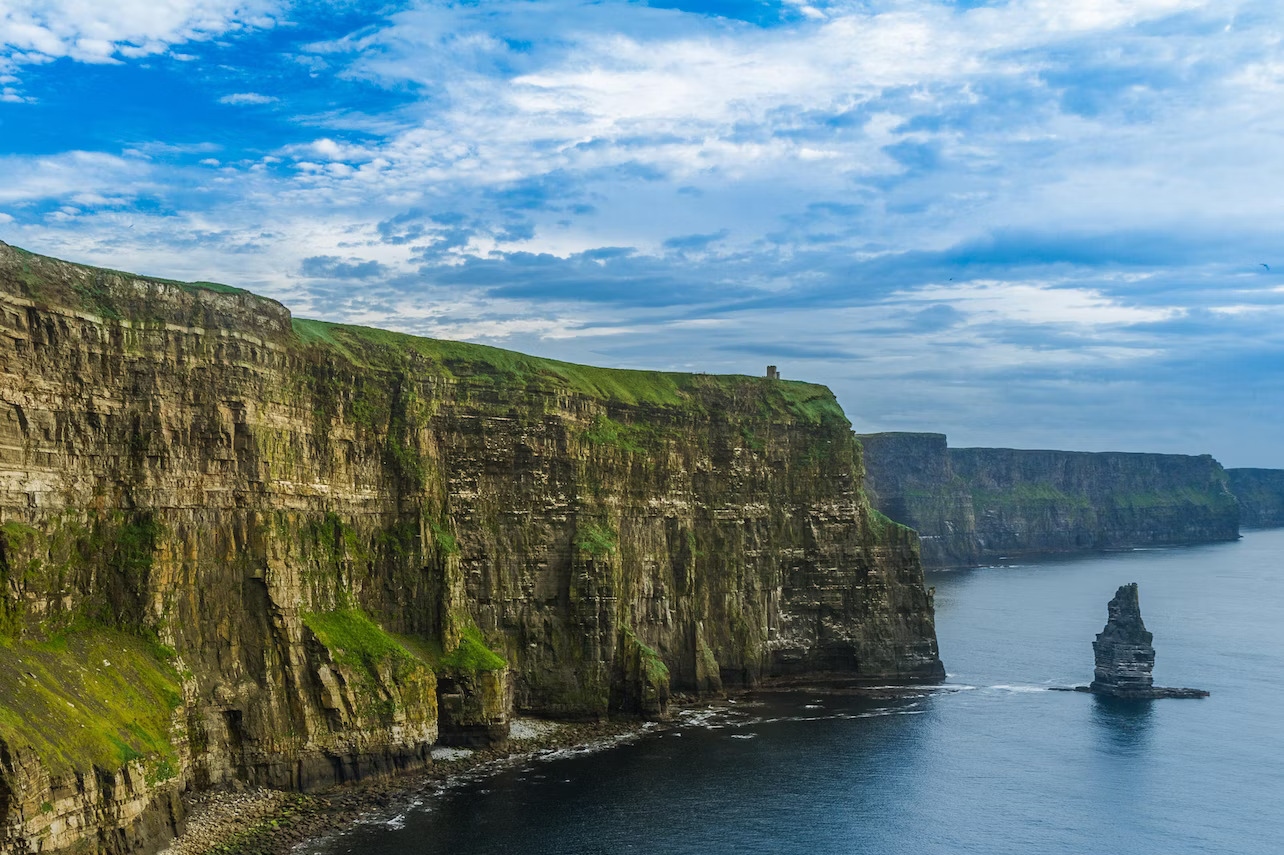
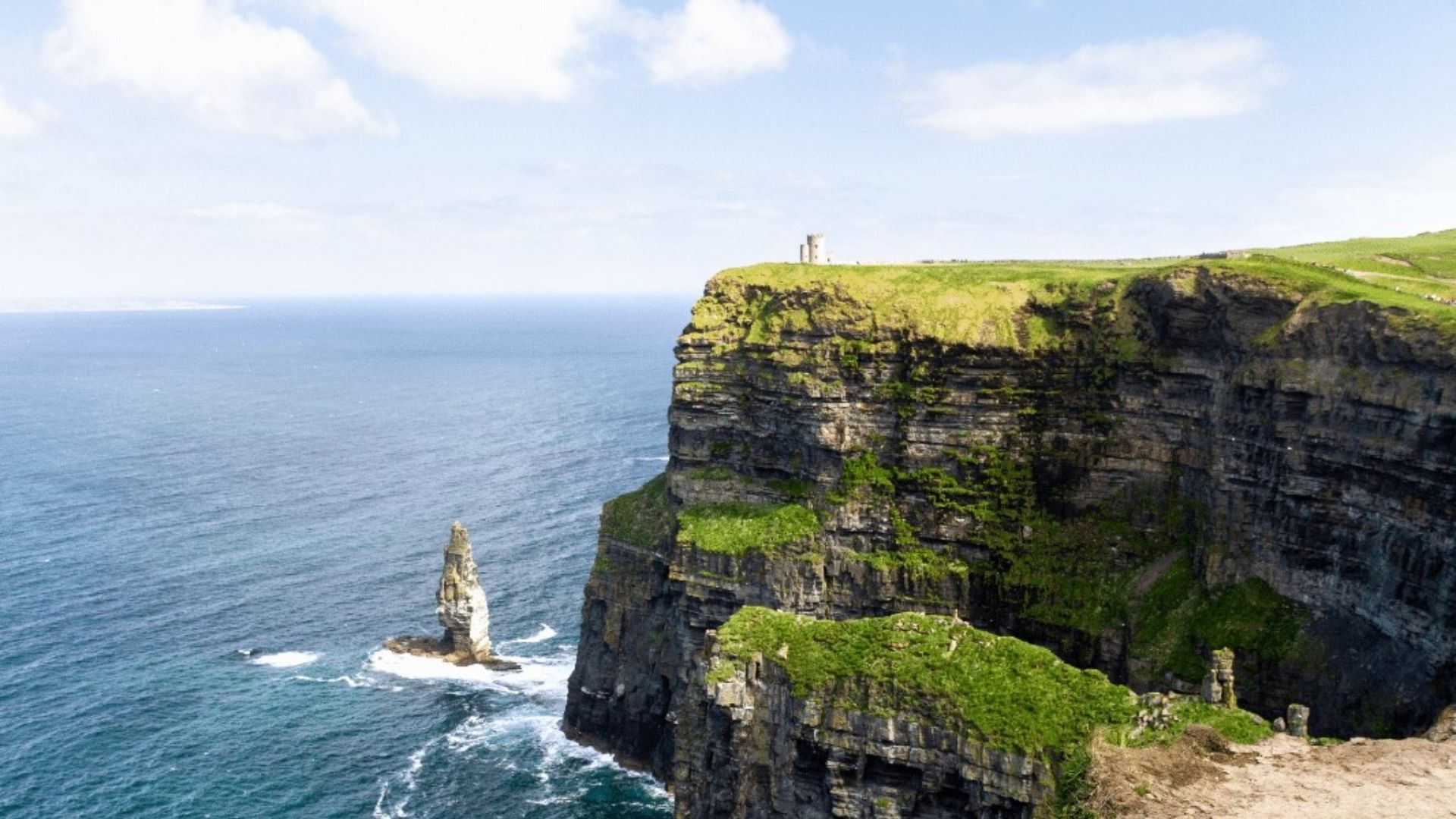
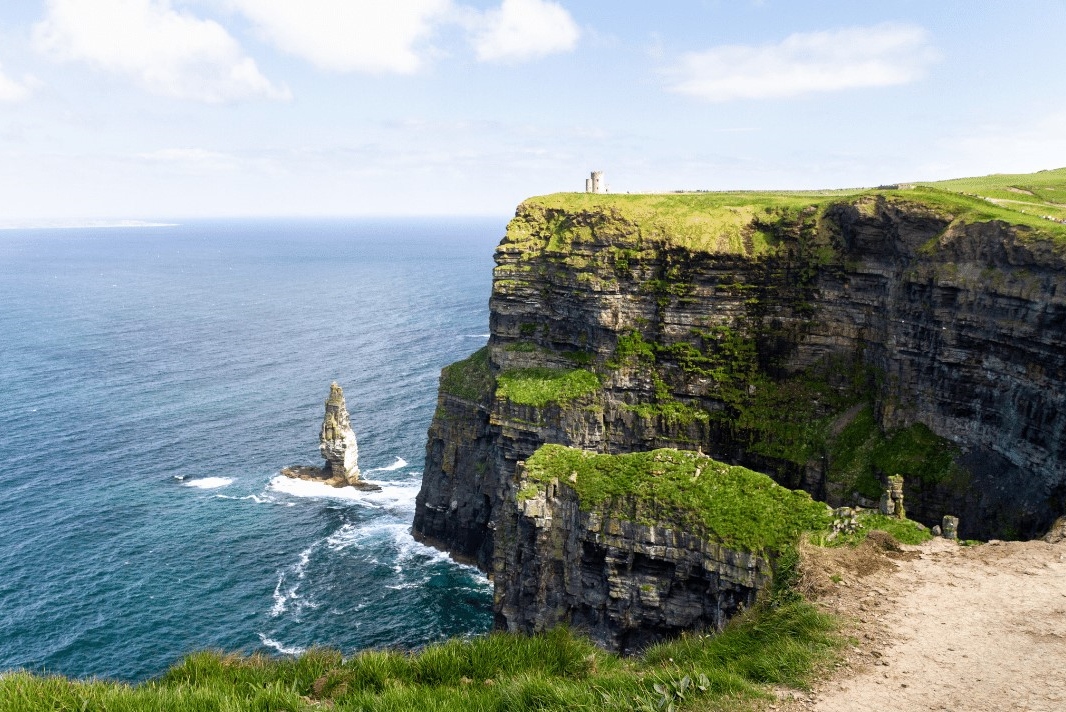
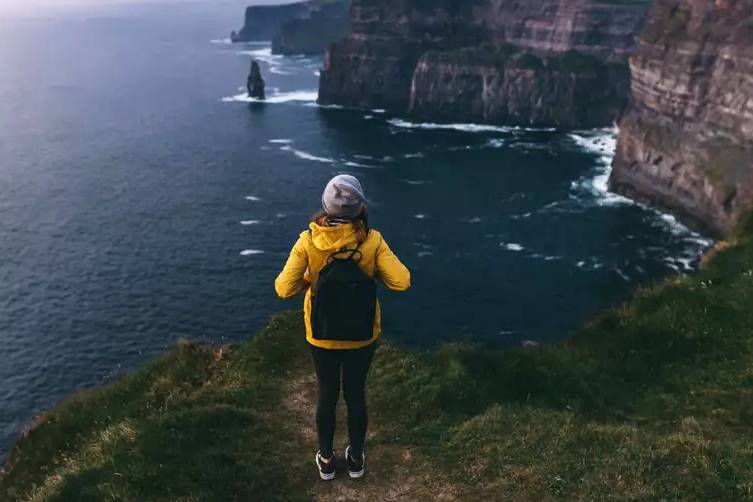
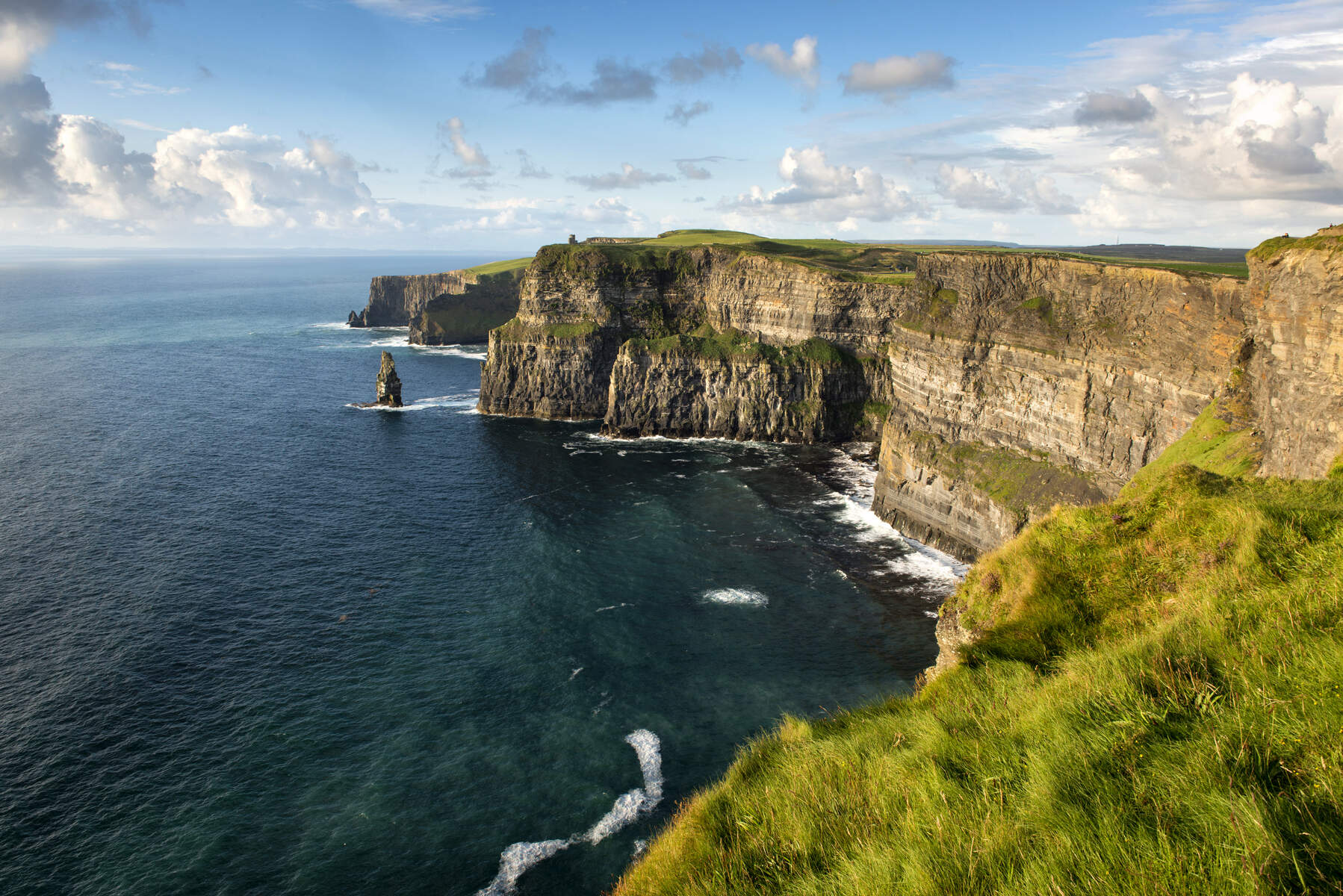
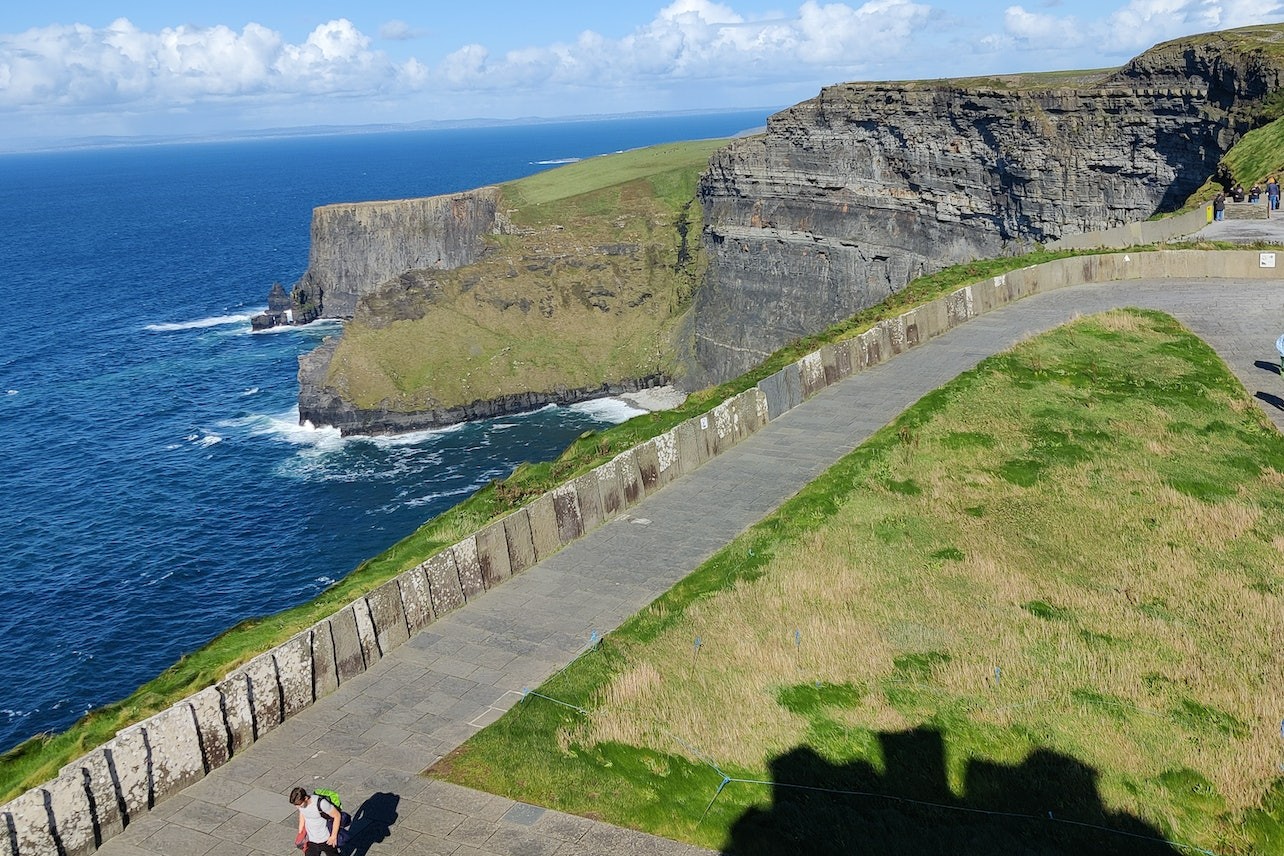
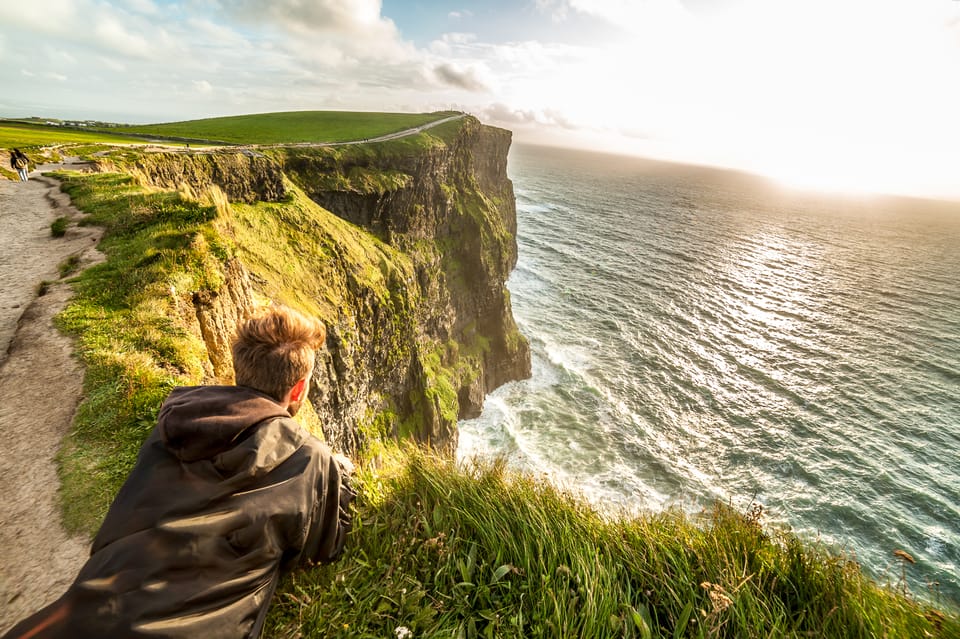
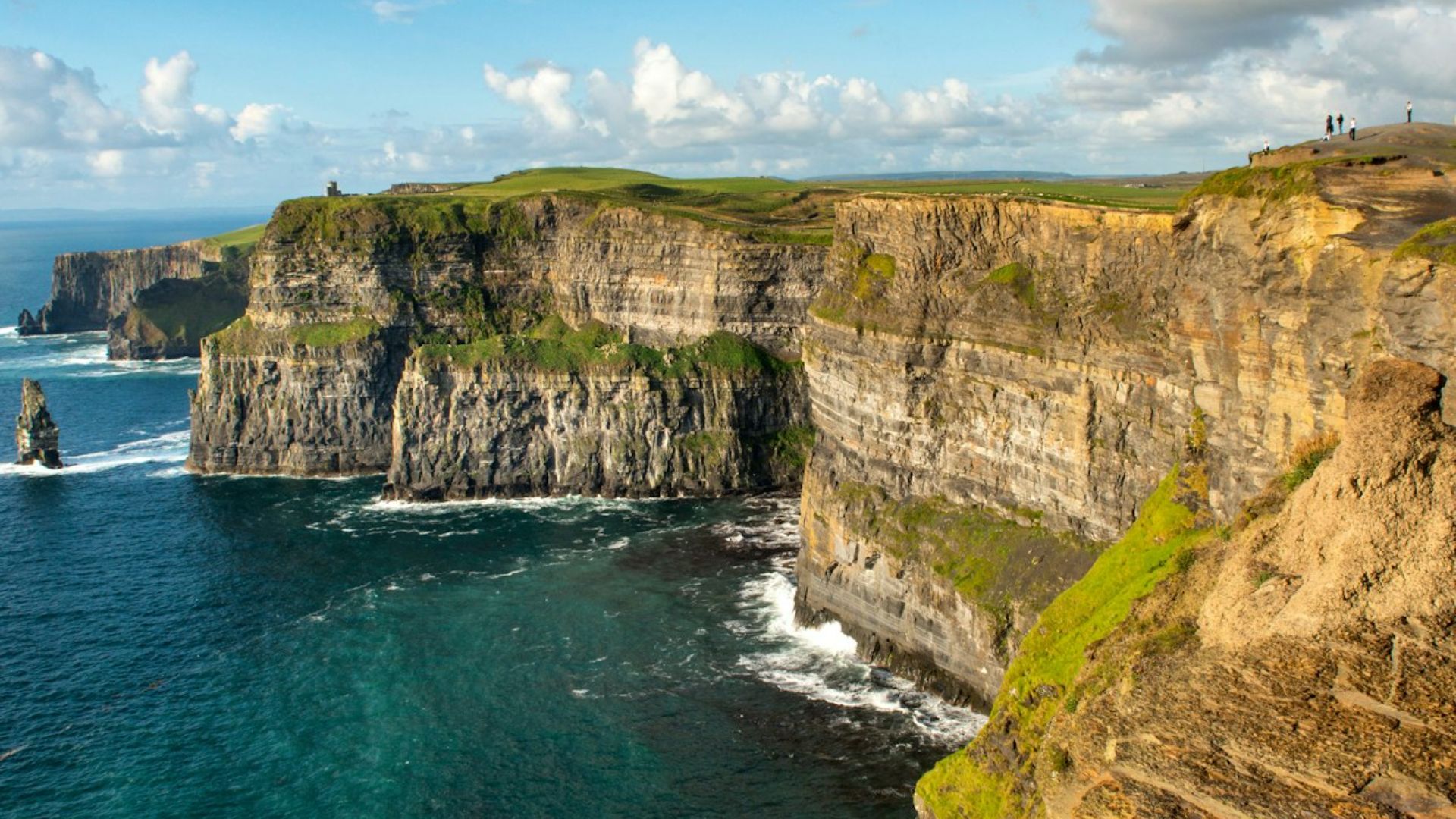
One of the must-see attractions of the Emerald Isle, these enormous cliffs hug the North Atlantic with all its ferocity. It’s difficult for your eyes to comprehend their height as drop down to the foamy waters below, but they say the cliffs are 120 metres (390 ft) on average, with a maximum height of 214 metres (702 ft). Now, this is impressive enough, but the fact that they extend for as long as 14 kilometres (9 miles) makes this a bucket list item.
Look out and you’ll see the Aran Islands and Galway Bay. Gaze deeper and you might see a very distant island floating on the horizon - Hy Breasail or St. Brendan’s Island - a fictional island that inspires who knows how many dreamers to travel west to ‘the island of promise’.
Once the wind has refreshed you well enough, seek shelter in The Atlantic Edge interpretive centre, to gain a deeper understanding of the topology, flora and fauna of the area. Then warm up with some snacks, beverages or even a meal.
2
Stop 2
(optional) Built by the MacNamaras around 1425, but later the seat of the O’Brien family, this impressive castle appeases most expectations of a stereotypical ‘medieval castle’.
Today, adjoining the castle is "Bunratty Folk Park" that demonstrates life in 19th century Ireland. It’s an open-air museum featuring around 30 buildings.
In the evenings, the castle itself holds banquets that are as true to the medieval format as is practical.
3
Meaning ‘Rocky Place’ in Irish, you might think that there’s not much to this place but a load of bright grey rocks. But look a bit closer and you’ll find treasures. In fact, the protected area is quite unique in that naturally hosts flowers from sub-arctic, mountainous and Mediterranean areas. 23 of Ireland’s 27 orchid species can be found in the Park. 75% of Ireland’s native plant species can be found in this ostensibly barren landscape.
This is a surreal karst landscape that has been compared to the moon for its blanket of nearly endless limestone.
4
Stop 4
(optional) Dolmens are one of Ireland’s icons. They’ve been a part of the native architecture of Ireland for longer than the existence of the Egyptian pyramids. Few of them are more epic than the Poulnabrone Dolmen. It the best known and most widely photographed of the approximately 172 dolmens in Ireland.
Dolmens are not only impressive megalithic arrangements, they are burial sites. The remains underneath this dolmen date from between 3800 BC and 3200 BC, though the construction could have happened anytime between 4200 BC and 2900 BC.
5
Stop 5
Pass by
A picturesque setting is carved by the medieval fortification right beside Galway Bay. Built in the 1520s by Rory Mor O'Shaughnessy, the castle has been and continues to be an inspiration for historians, writers, musicians and poets.
6
(optional) Galway is renowned in Ireland for being the most vibrant and cultured city in the country. Regarded as the most ‘Irish’ city, due to its isolation in western Ireland and the high number of Irish-speakers, Galway has a refreshing and energetic air. Architecturally, Galway has a unique feel thanks to the preservation of townhouses from the 17th and even 16th centuries.
The best place for a proper ‘session’ (Traditional Irish Music session), Galway has no shortage of authentic and charming pubs. But even during the day, you’ll hear talented buskers breathing music into the narrow streets. Learn about the famous Claddagh ring, Arran Sweater or Galway Hooker (it’s a boat!).
7
One of the most stunning coastal drives in the world, the Wild Atlantic Way stretches the entire west coast of the island of Ireland.
The untamable Irish coastline has stood defiantly against the north Atlantic’s storms for millenia. It shows us just how beautiful yet powerful and unforgiving the mighty sea can be.
8
Stop 8
(optional) An Early Christian site founded by St. Ciarán in the mid-6th century on the eastern bank of the River Shannon. The site includes the ruins of a cathedral, seven churches (10th-13th century), two round towers, three high crosses and the largest collection of Early Christian graveslabs in Western Europe. The original high crosses and a selection of graveslabs are on display in the visitor centre.
The long and varied history of Clonmacnoise is recounted in an audiovisual presentation shown in the visitor centre. There are also exhibitions that deal with the flora, fauna and landscape of the region.
What's not included
Tips
Purchase your own lunch
Entry to Cliffs of Moher Visitor Centre
Available languages
Guide guide
EN
Reviews breakdown
Viator
5.0
1 reviews
5★
1
4★
0
3★
0
2★
0
1★
0
Tripadvisor
5.0
1 reviews
5★
1
4★
0
3★
0
2★
0
1★
0
Important information
Infants and small children can ride in a pram or stroller
Travelers should have at least a moderate level of physical fitness
About Dublin
Dublin, the capital of Ireland, is a vibrant city rich in history, culture, and charm. Known for its welcoming atmosphere, literary heritage, and lively pub scene, Dublin offers a unique blend of medieval architecture, modern amenities, and stunning coastal landscapes.
Top Attractions
Trinity College and the Book of Kells
Trinity College is Ireland's oldest university and home to the famous Book of Kells, a beautifully illustrated manuscript from the 9th century.
Historical
1-2 hours
€16 (Book of Kells exhibition)
Guinness Storehouse
The Guinness Storehouse is a seven-story interactive experience dedicated to the history and brewing process of Ireland's most famous beer.
Cultural
2-3 hours
€25-€30
Kilmainham Gaol
Kilmainham Gaol is a former prison that played a significant role in Irish history, particularly during the struggle for independence.
Historical
1-2 hours
€8
Dublin Castle
Dublin Castle has been a symbol of British rule in Ireland for centuries and is now a major government complex and tourist attraction.
Historical
1-2 hours
€10-€12
St. Patrick's Cathedral
St. Patrick's Cathedral is one of Dublin's most impressive churches, known for its stunning architecture and historical significance.
Religious
1 hour
€7.50
Phoenix Park
Phoenix Park is one of the largest urban parks in Europe, offering a peaceful escape from the city with its lush greenery and wildlife.
Nature
2-3 hours
Free
Must-Try Local Dishes
Irish Stew
A hearty dish made with lamb or beef, potatoes, carrots, and onions, slow-cooked to perfection.
Main Course
Contains meat, can be made vegetarian
Boxty
A traditional Irish potato pancake made with grated and mashed potatoes, flour, and buttermilk.
Side Dish
Vegetarian
Coddle
A comforting dish made with sausages, bacon, potatoes, and onions, slow-cooked in a rich broth.
Main Course
Contains meat
Soda Bread
A traditional Irish bread made with flour, baking soda, and buttermilk, known for its dense texture and slightly tangy flavor.
Bread
Vegetarian
Popular Activities
Hiking in the Wicklow Mountains
Kayaking on the River Liffey
Rock climbing at Dublin Rock Climbing Centre
Spa day at a luxury hotel
Strolling through St. Stephen's Green
Enjoying a pint in a cozy pub
Visiting museums and galleries
Attending a traditional music session
Best Time to Visit
June to August
Summer is the peak tourist season with the warmest weather and longest daylight hours. This is the best time for outdoor activities and festivals.
15°C to 20°C
59°F to 68°F
Practical Information
Language
- Official: Irish, English
- Widely spoken: English
- English: Widely spoken
Currency
Euro (EUR)
Time Zone
GMT (UTC+0) or GMT+1 during daylight saving time
Electricity
230VV, 50HzHz
Safety Information
Overall Safety Rating: Generally safe
Dublin is generally safe, with low levels of violent crime. However, petty crime such as pickpocketing and bag snatching can occur, especially in tourist areas and on public transport.
Getting there
By air
- Dublin Airport • 10 km (6 miles) north of the city center
By train
Heuston Station, Connolly Station
By bus
Busáras Central Bus Station
Getting around
Public transport
Dublin Bus offers a comprehensive network covering the entire city and surrounding areas.
Taxis
Available • Apps: Free Now, Uber
Rentals
Car, Bike, Scooter
Neighborhoods
Temple Bar
Dublin 2 (City Center)
Dublin 4 (Ballsbridge and Sandymount)
Dublin 7 (Smithfield and Stoneybatter)
Dublin 8 (The Liberties)
Day trips
Howth
13 km (8 miles) from Dublin • Half day to full day
A charming coastal village known for its scenic cliffs, fishing harbor, and fresh seafood.
Malahide Castle and Gardens
14 km (9 miles) from Dublin • Half day
A historic castle and beautiful gardens offering a glimpse into Ireland's medieval past.
Glendalough
50 km (31 miles) from Dublin • Full day
A scenic monastic site and glacial valley in the Wicklow Mountains, known for its ancient ruins and hiking trails.
Festivals
St. Patrick's Festival • March 17
Dublin Theatre Festival • September-October
Temple Bar Traditional Music Festival • March
Pro tips
- Visit the Guinness Storehouse for a complimentary pint and stunning views of the city
- Explore the historic Trinity College and the Book of Kells, but book tickets in advance to avoid long queues
- Take a stroll through St. Stephen's Green, a beautiful urban park in the heart of the city
- Experience traditional Irish music in a cozy pub, such as The Brazen Head or The Cobblestone
- Try Irish stew, a hearty and comforting dish made with lamb or beef, potatoes, and onions
From $25
per person
Price varies by option
Secure booking
Free cancellation available
Instant confirmation