Flavours of Istria Tasting Experience from Rijeka
Active
8h
For a full refund, cancel at least 24 hours before the scheduled departure time.
Instant confirmation
Mobile or paper ticket accepted
About this experience
Experience Mediterranean flavours in their purest form, the product of imagination and nature. Let these new tastes reveal themselves to you, intensifying your senses and dismissing the stress of the outside world, replacing it with new friendships and experiences to treasure and share. Istria, a wonderful peninsula that lies near the clear blue waters of the Mediterranean Sea, is famous for its coastal sights and its vibrant green inland vegetation, with numerous cultural-historic attractions and memorable natural vistas viewed from village hilltops. Additionally, it is a treasure trove of culinary delights. Istrian cuisine is a reflection of the climatic, geographical, and historical wonders of the area, combining multiple local culinary traditions based on olive oil, seafood, seasonal vegetables, aromatic spices, and indigenous plants. Hidden beneath your Istrian host’s smile is an on-going invitation to taste and discover the real features of this idyllic coastal land.
Available options
Flavours of Istria Tasting Experience from Rijeka
Pickup included
What's included
Pickup and drop-off
Driver/guide
Tasting of wine, local liquors and food
Insurance
Transportation
Detailed itinerary
1
Your guide will pick you up at the agreed starting point in Rijeka - hotel, cruise terminal, train station etc. (please contact us after the booking so the appropriate arrangements can be made).
2
Hum, the smallest town in the world, is located in the heart of Istria that claims only 20 inhabitants. Your visit to Hum will be like a beautiful fairy tale of small Istrian towns. This hidden, picturesque region of Istria is extremely friendly to all visitors who come to marvel in the sights the town has to offer. According to local legend, Hum was built with the stones left over when giants were building towns in the Mirna River valley, an area in central Istria that includes wonderful mountain towns such as Motovun, Roč, and Bale. Apart from being famous for being the smallest town in the world, Hum recently became popular for biska, a spiced brandy made with mistletoe according to an old Hum recipe.
3
Northern Istria, located high above the Mirna River, is home to arguably the most attractive and famous medieval town in the country - Motovun. This fascinating city that lies on top of a hill is the characteristic symbol for the inner heart of Istria. The bell tower, which was built in the 13th century in a Romanesque-Gothic style, dominates the center of the historic town from its position adjacent to St Stephen’s 17th century parish church. There are many other beautiful historic buildings that surround it. Motovun’s forest is a particularly good hunting ground for truffles, the alleged aphrodisiac fungus which grows underground and is prized for its distinctive aroma. Vineyards surround the town from all sides; Istria’s finest wines are produced from the grapes of these vineyards. The whole region is sprinkled with superb restaurants and “konobe.”
4
Grožnjan is a small Istrian town that holds a great cultural significance not only to Croatia but worldwide. Surrounded by green hills and magical white soil, this town is a must-see for those who want to discover the treasure trove that is Istria. Because of its interesting history, Grožnjan is rich in ancient churches, prehistoric sites, medieval castles, magnificent palaces, and many other historic structures whose past glory was recovered once again through restoration. Its white soil feeds the many neighboring vineyards and olive groves. Because of all this, the area of Grožnjan is ripe with agritourism and many taverns and restaurants offer traditional Istrian cuisine to their guests. Grožnjan is also home to several national and international artists. There are as many as 28 ateliers in this small town; there is also the City Art Gallery which hosts artists’ works from around the world (even the well-known Imaginary Film Academy found its home here). In the summer, all of Grožnjan becomes a stage for world renowned jazz and classical musicians, as well as many of the other artists who have discovered the true joy of creation here.
What's not included
Gratuities
Available languages
Guide guide
DE
EN
IT
Important information
Infants and small children can ride in a pram or stroller
Service animals allowed
Public transportation options are available nearby
Infants are required to sit on an adult’s lap
Specialized infant seats are available
Suitable for all physical fitness levels
Hotel Guests must advise supplier as soon as possible: hotel details or any other preferred pickup location.
Cruise Passengers must advise supplier as soon as possible: ship name, arrival time and departure time.
A minimum drinking age is 18 years.
Important notes
• After the booking please advise supplier as soon as possible your pickup details.
About Rovinj
Rovinj is a charming coastal town in Istria, known for its Venetian architecture, narrow cobbled streets, and stunning Adriatic views. It's a blend of Italian and Croatian cultures, offering a rich historical tapestry, vibrant art scene, and beautiful natural surroundings.
Top Attractions
St. Euphemia's Basilica
A stunning 18th-century Baroque church dedicated to Rovinj's patron saint, offering panoramic views of the town and the Adriatic Sea.
Historical/Religious
1-2 hours
Free entry to the church, €3 for the bell tower
Rovinj Old Town
A labyrinth of narrow, cobbled streets filled with Venetian-style buildings, charming squares, and hidden gems.
Historical/Cultural
Half-day to full-day
Free to explore
Golden Cape Forest Park
A beautiful forested park with walking trails, picnic areas, and stunning views of the Adriatic Sea.
Nature
2-3 hours
Free entry
Rovinj Aquarium
A small but fascinating aquarium showcasing the marine life of the Adriatic Sea.
Museum
1-2 hours
€5 for adults, €3 for children
Must-Try Local Dishes
Fuži with Truffles
Handmade pasta with a creamy truffle sauce, a specialty of the Istrian region.
Main Course
Contains gluten and dairy
Brodet
A traditional fish stew made with a variety of local seafood and flavored with garlic and vinegar.
Main Course
Contains seafood and dairy (optional)
Peka
A slow-cooked dish of meat or seafood with vegetables, cooked under a bell-like lid with hot coals.
Main Course
Can be made with various proteins and vegetables
Istrian Prošek
A sweet dessert wine made from local grapes, often paired with cheese or desserts.
Drink
Contains sulfites
Popular Activities
Hiking in Golden Cape Forest Park
Kayaking and paddleboarding in the Adriatic Sea
Beach relaxation at Porton Brio
Spa and wellness treatments
Exploring the old town
Visiting local art galleries and museums
Swimming and snorkeling
Boat tours and fishing
Best Time to Visit
June to August
This is the peak tourist season with warm, sunny weather perfect for beach activities and exploring the town. The sea is at its warmest, ideal for swimming and water sports.
25°C to 35°C
77°F to 95°F
Practical Information
Language
- Official: Croatian
- Widely spoken: Italian, English, German
- English: Moderately spoken
Currency
Euro (EUR)
Time Zone
CET (UTC+1), CEST (UTC+2 during daylight saving time)
Electricity
230VV, 50HzHz
Safety Information
Overall Safety Rating: Generally safe
Rovinj is generally a safe destination with low crime rates. However, it's important to take basic precautions to protect yourself and your belongings, especially in tourist areas and during the peak summer season.
Important Precautions:
- • Keep valuables secure and out of sight
- • Be cautious of strangers and avoid walking alone at night in poorly lit areas
- • Use licensed taxis and agree on a price before starting your journey
Getting there
By air
- Pula Airport • 40 km
- Trieste Airport • 70 km
By bus
Rovinj Bus Station
Getting around
Public transport
Buses are the primary mode of public transport. They are affordable and frequent, but schedules can be irregular.
Taxis
Available • Apps: Camme, Bolt
Rentals
Car, Bike, Scooter
Neighborhoods
Old Town
Carera
Porton Brio
Day trips
Pula
35 km • Half-day to full-day
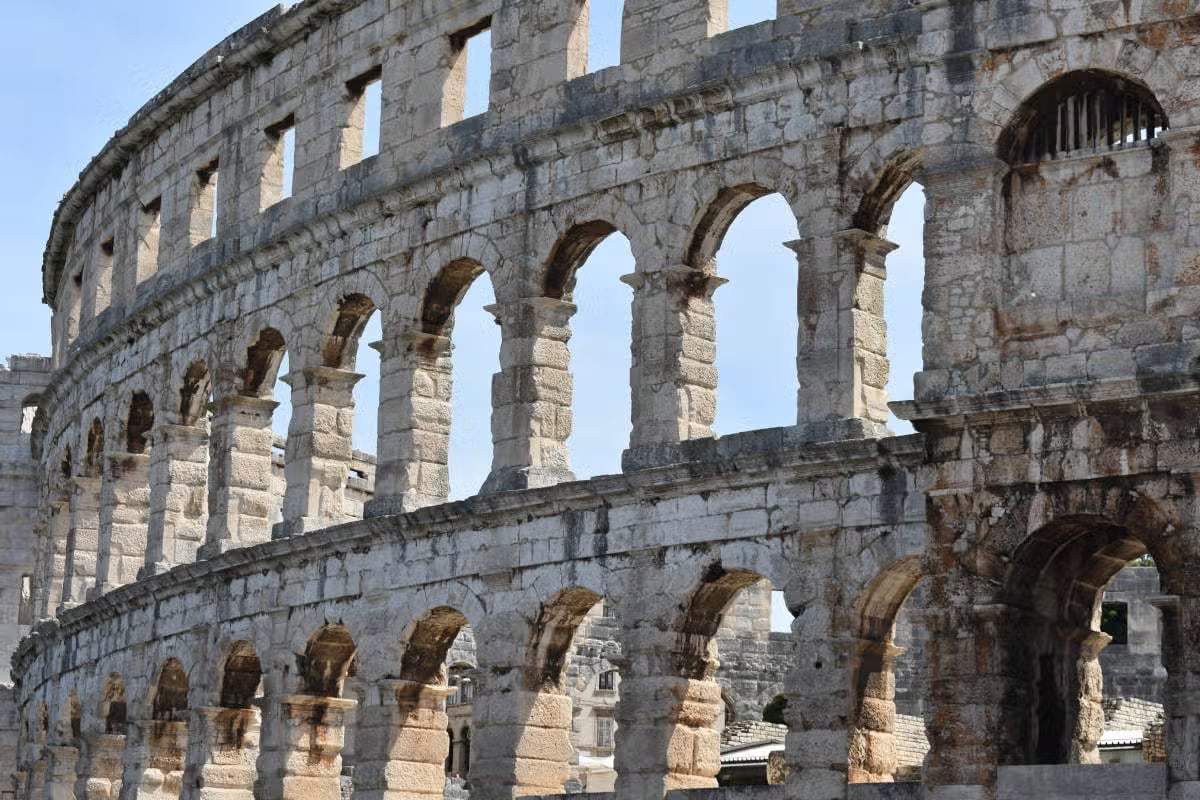
A historic Roman city with well-preserved amphitheaters, temples, and a beautiful coastline.
Lim Fjord
15 km • Half-day
A scenic fjord-like inlet with clear waters, surrounded by lush greenery and picturesque villages.
Brijuni National Park
10 km • Full-day
A group of 14 islands with a rich history, beautiful beaches, and diverse wildlife.
Festivals
Rovinj International Film Festival • July
Rovinj Jazz Festival • July
Pro tips
- Visit the old town in the morning or late afternoon to avoid the midday heat and crowds
- Explore the narrow cobbled streets and hidden squares to discover local art galleries, shops, and cafes
- Try local Istrian dishes, such as fuži with truffles, brodet, and peka, paired with local wines
- Take a boat tour to nearby islands and beaches, or rent a kayak or paddleboard to explore the Adriatic Sea
- Visit the Golden Cape Forest Park for scenic walking trails, picnic spots, and panoramic views of the town and the sea
From $25
per person
Price varies by option
Secure booking
Free cancellation available
Instant confirmation