Kuala Lumpur City Tour with 21 Attraction (Private)
Active
8h
For a full refund, cancel at least 24 hours before the scheduled departure time.
Instant confirmation
Mobile or paper ticket accepted
About this experience
Discover Kuala Lumpur on an 8-hours city tour that includes top attractions such as the Twin Towers, Golden Triangle Business District, National Monument, National Mosque, Independence Square, KL Gallery, River Confluence, Kings Palace, Batu Caves and KL Tower (photo stop).
Available options
Private Tour
Private Tour: Complimentary Pick Up from Hotel located within 7 km radius from Twin Towers . You will be dropped at Twin Towers after tour.<br/>Pickup included
What's included
Shared Tour & Transfers
Air-conditioned vehicle
Driver Guided Tour in English
Detailed itinerary
1
Stop 1
Perched atop Robson Hill, Thean Hou Temple is a six-tiered sanctuary that harmoniously blends Buddhist, Taoist, and Confucian elements, offering visitors intricate carvings, dragon-adorned columns, and panoramic views of Kuala Lumpur's skyline. Travelers can explore its vibrant prayer halls dedicated to deities like Thean Hou (Goddess of Heaven) and Guan Yin (Goddess of Mercy), stroll through the Chinese Zodiac garden, make wishes at the Wishing Well, and, during festivals like Chinese New Year, witness the temple illuminated by thousands of lanterns, creating a mesmerizing nighttime spectacle.
2
Brickfields, often referred to as Little India, is a vibrant neighborhood in Kuala Lumpur known for its bustling streets filled with Indian shops, restaurants, and cultural attractions. It is renowned for its colorful markets, where visitors can find traditional Indian clothing, spices, and handicrafts. Brickfields is also home to several Hindu temples, adding to its cultural richness and making it a popular destination for both locals and tourists.
3
Stop 3
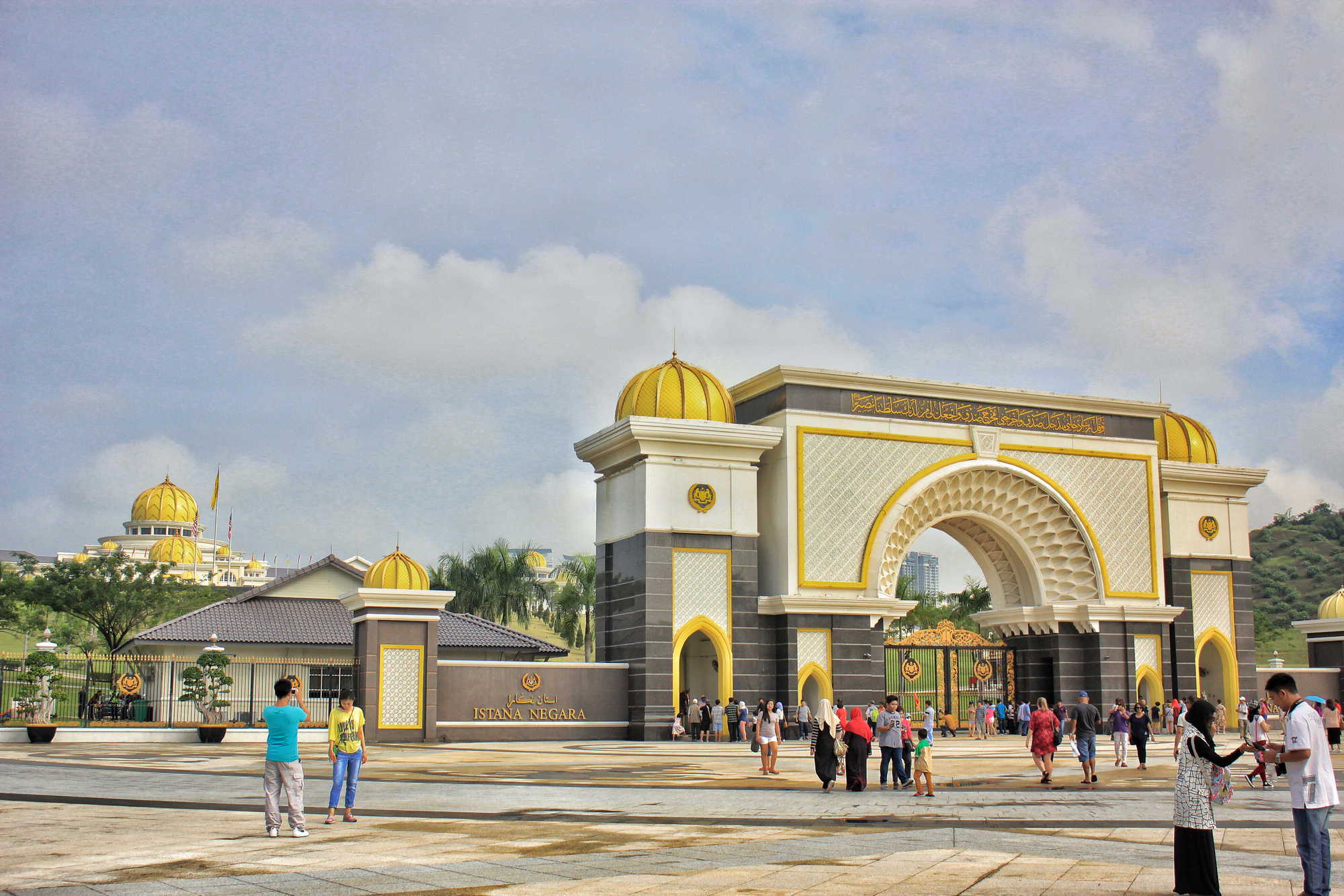
The Istana Negara, located in Kuala Lumpur, is the official residence of the King of Malaysia, known as the Yang di-Pertuan Agong. The palace, which opened in 2011, features an impressive blend of traditional Malay and contemporary architectural styles. It is not open to the public, but visitors can view the grand exterior and witness the ceremonial changing of the guard at the main gate. The Istana Negara symbolizes Malaysia's monarchy and serves as a prominent landmark in the nation's capital.
4
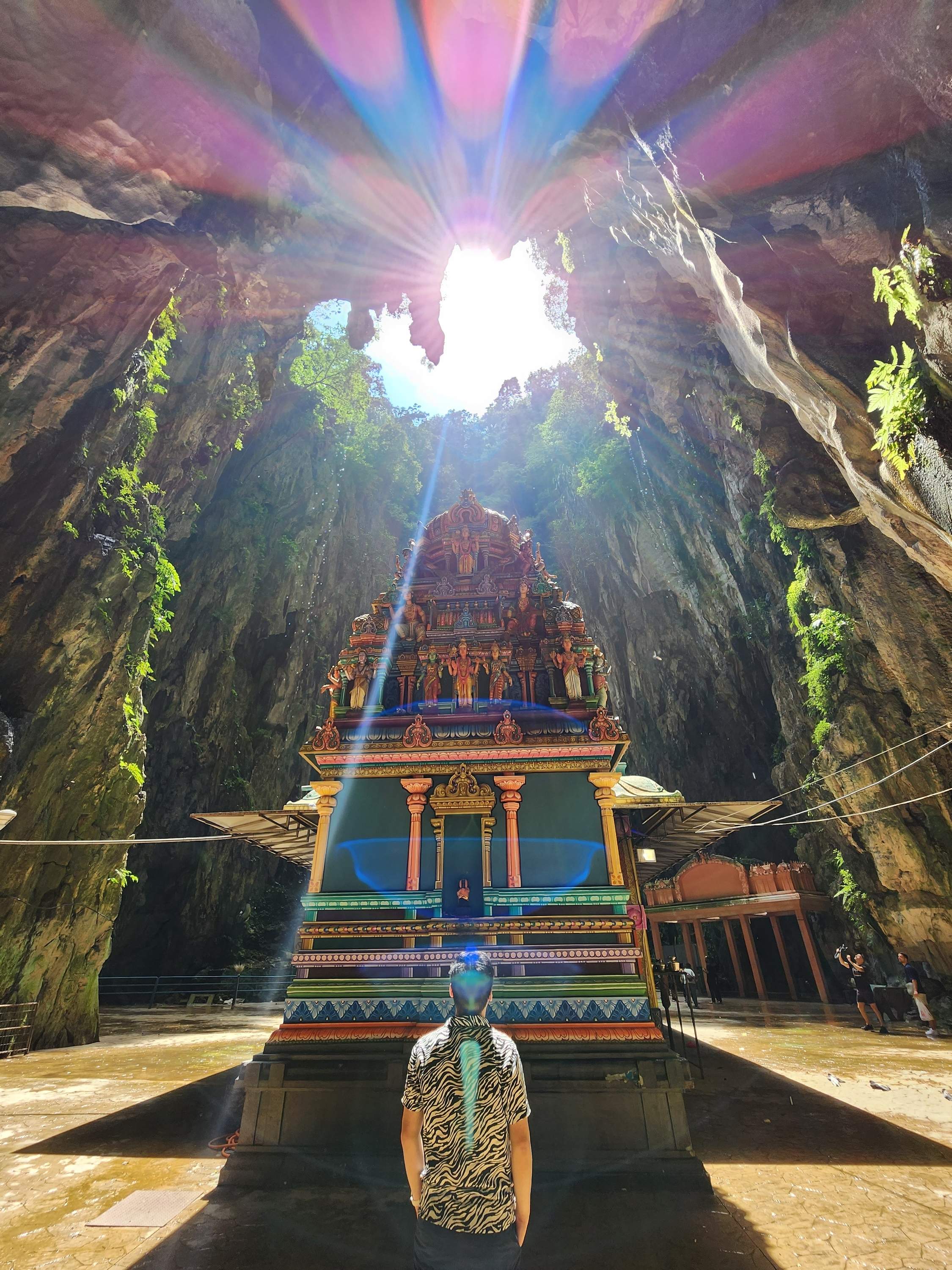
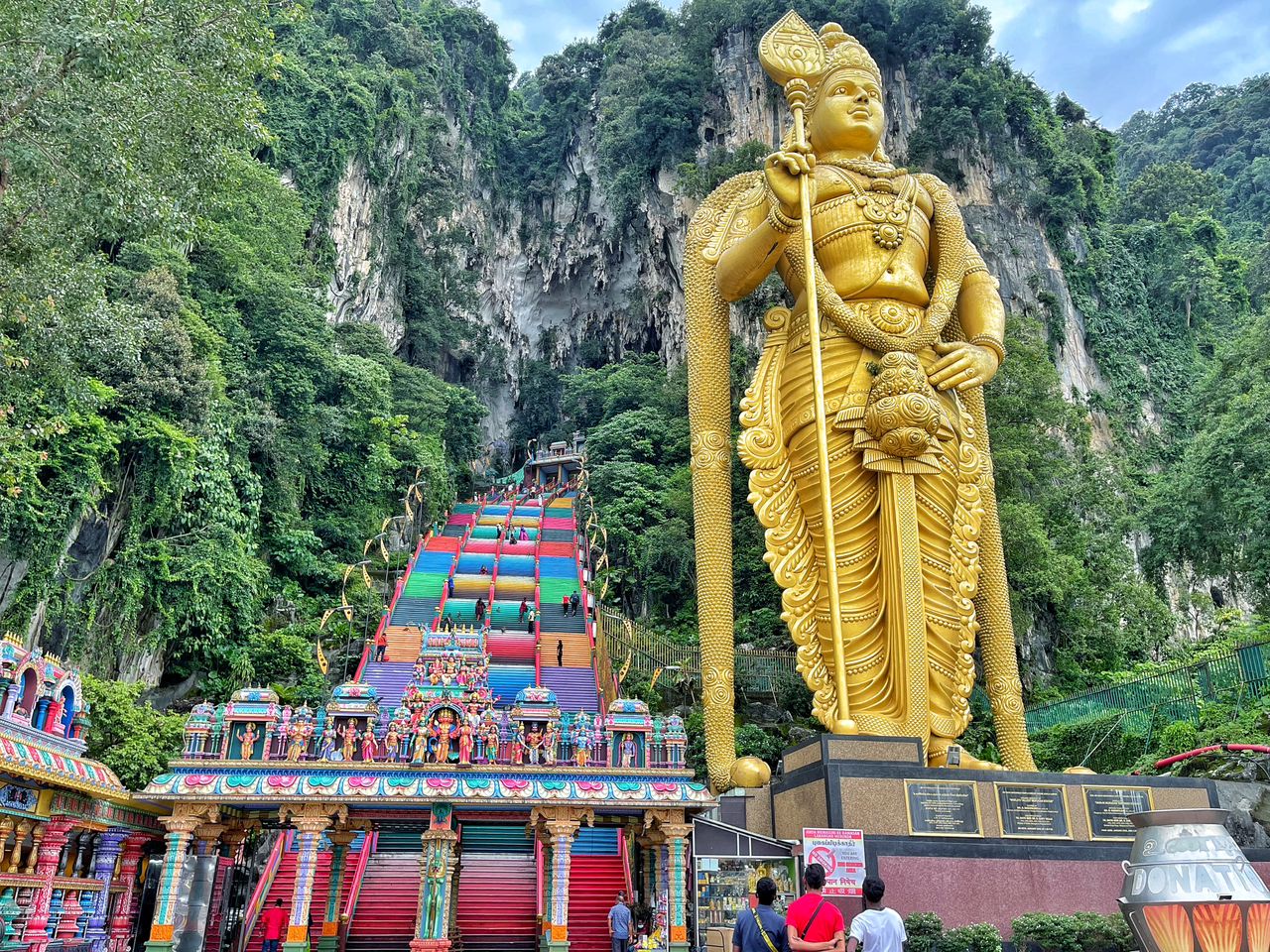
The Batu Caves are a limestone hill comprising a series of caves and cave temples in Gombak, Malaysia, just north of Kuala Lumpur. They are renowned for the large, golden statue of Lord Murugan at the entrance and the 272 colourful steps leading up to the main cave. The site is a significant Hindu religious landmark and a popular tourist attraction, particularly during the Thaipusam festival.
5
The Jadi Batek Gallery in Malaysia is renowned for its traditional hand-painted batik, a centuries-old art form that involves intricate designs and vibrant colors. Visitors to the factory can observe skilled artisans at work, using wax and dye to create elaborate patterns on fabric. The factory offers a hands-on experience where guests can try their hand at batik painting, gaining a deeper appreciation for this unique cultural heritage.
6
Stop 6
The Tugu Negara, or National Monument, is a bronze sculpture in Kuala Lumpur that commemorates the Malaysian soldiers who died fighting for the country's freedom. Designed by American sculptor Felix de Weldon and inaugurated in 1966, the monument stands 15 meters tall and features seven figures representing leadership, unity, strength, courage, suffering, sacrifice, and vigilance. It is located within the Lake Gardens, offering a peaceful setting for reflection and remembrance. The Tugu Negara is a significant symbol of Malaysia's independence and the sacrifices made to achieve it.
7
Stop 7
Pass by
The Perdana Botanical Garden, located in the heart of Kuala Lumpur, is the city's oldest and most picturesque park, established in 1888. Spanning over 91 hectares, it features diverse themed gardens, including an Orchid Garden and a Hibiscus Garden, along with a variety of tropical plants and trees. The garden provides a serene escape from the urban hustle, offering scenic walking paths, a large lake, and spaces for recreational activities.
8
Stop 8
The National Mosque of Malaysia, also known as Masjid Negara, is an iconic symbol of Islamic faith located in Kuala Lumpur. Completed in 1965, the mosque features a unique, contemporary design with a 73-meter-high minaret and a striking 16-pointed star-shaped main roof. Accommodating up to 15,000 worshippers, the mosque serves as a central place of worship and a significant landmark for both locals and tourists.
9
Nestled beside Kuala Lumpur's National Monument, the ASEAN Sculpture Garden is a serene park showcasing six distinctive sculptures crafted by artists from Malaysia, Singapore, Indonesia, Thailand, the Philippines, and Brunei. Each piece, such as Malaysia’s "Growth," symbolizing dynamic regional development, and Indonesia’s "The Gate of Harmony," representing inter-nation communication; embodies themes of unity, peace, and cultural identity, inviting visitors to reflect on Southeast Asia's shared heritage amid lush greenery.
10
The Kuala Lumpur Railway Station, built in 1910, is a stunning example of colonial architecture with its distinctive Moorish-inspired design, featuring arched windows, spires, and minarets. Designed by British architect Arthur Benison Hubback, the station served as the city's main railway hub until the modern KL Sentral station took over in 2001. Today, it remains a historical landmark, reflecting Kuala Lumpur's rich architectural heritage and colonial past.
11
Stop 11
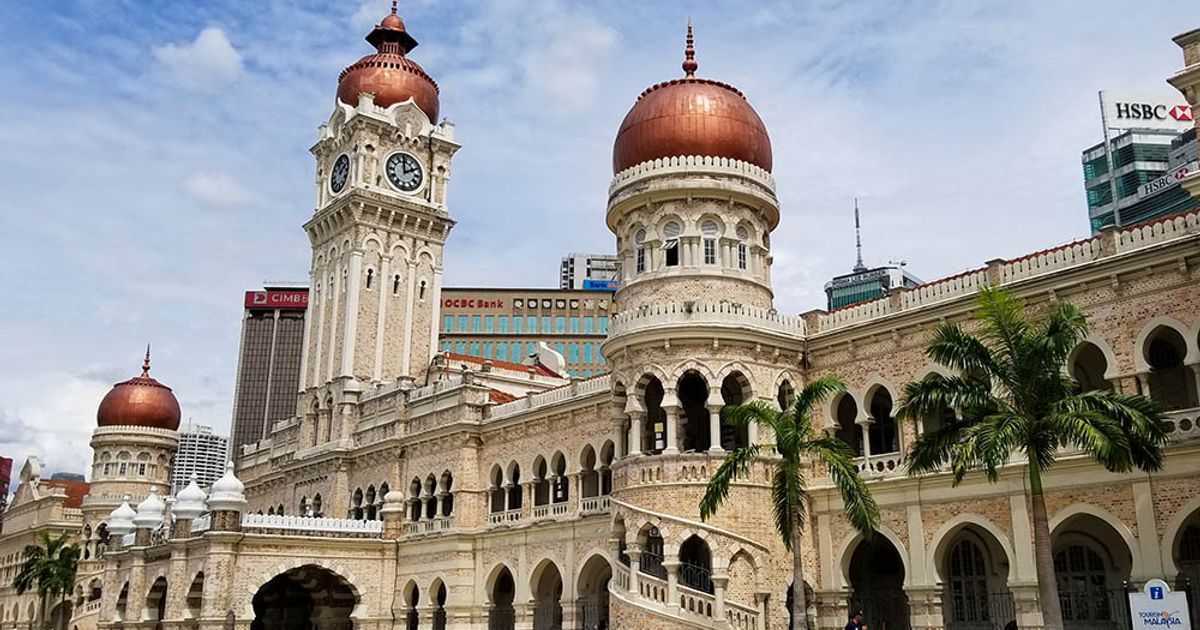
Independence Square, or Dataran Merdeka, is a historic site in Kuala Lumpur where Malaysia's independence was declared on August 31, 1957. The square is surrounded by colonial-era buildings, including the iconic Sultan Abdul Samad Building, and features a 100-meter-high flagpole, one of the tallest in the world. It serves as a central venue for national celebrations and events, symbolizing Malaysia's journey to independence and its cultural heritage.
12
The River Confluence in Kuala Lumpur is where the Klang and Gombak rivers meet, marking the historical heart of the city. This significant site is considered the birthplace of Kuala Lumpur, as it was here that the city's early settlers established their tin mining operations. The area has been revitalized with modern developments and scenic promenades, blending the city's rich heritage with contemporary urban life.
13
Merdeka 118 is the tallest building in Southeast Asia and the second-tallest in the world, soaring at 678.9 meters with a design inspired by Malaysia’s rich heritage and independence. While the observation deck is not yet open to the public, travelers can still admire and photograph the tower’s striking architecture and shimmering glass façade from various vantage points around Kuala Lumpur.
14
Stop 14
Kuala Lumpur’s Chinatown is a vibrant district where travelers can explore the bustling Petaling Street Market, renowned for its lively atmosphere and a plethora of stalls offering everything from local handicrafts to delicious street food like Hokkien mee and curry noodles . Visitors can also immerse themselves in the area's rich cultural heritage by visiting historic temples such as the Sri Mahamariamman Temple, the oldest Hindu temple in Kuala Lumpur , and the Sin Sze Si Ya Temple, the city's oldest Taoist temple , as well as exploring the vibrant art scene at places like the Central Market and the Kwai Chai Hong alleyway, known for its vivid murals and interactive art installations .
15
Stop 15
Central Market KL, established in 1888, is a cultural and heritage site located in Kuala Lumpur, Malaysia. Originally a wet market, it has been transformed into a bustling arts and crafts center, featuring Malaysian handicrafts, textiles, souvenirs, and traditional food stalls. The market's architecture blends Art Deco and Malaysian styles, making it a popular destination for both shopping and cultural experiences.
16
The Guan Di Temple in Kuala Lumpur, also known as the Kwong Siew Association Temple, is dedicated to Guan Di, the Chinese God of War and Literature. Built in the late 19th century by early Chinese settlers, the temple is adorned with intricate wood carvings, ornate roof decorations, and traditional Chinese architectural elements. It serves as a place of worship and cultural preservation, attracting both worshippers and visitors interested in Chinese religious and architectural traditions.
17
Stop 17
Masjid Jamek Lookout Point, situated at the confluence of the Klang and Gombak rivers, offers a serene vantage point to admire the historic Masjid Jamek Sultan Abdul Samad, the oldest mosque in Kuala Lumpur, renowned for its Moorish and Mughal-inspired architecture. Visitors can enjoy leisurely strolls along the beautifully landscaped River of Life promenade, capturing stunning photographs of the mosque and city skyline, especially enchanting during sunset and the nightly light shows that illuminate the area.
18
Beryl's Chocolate Kingdom is a popular attraction in Kuala Lumpur known for its delectable chocolates and confections. Visitors can explore the chocolate factory to witness the chocolate-making process, and sample a wide range of chocolate products. It offers a delightful experience for chocolate enthusiasts and a chance to purchase high-quality Malaysian chocolates as souvenirs.
19
Stop 19
The Maha Mariamman Temple in Kuala Lumpur is the oldest Hindu temple in the city, dating back to 1873. Dedicated to the goddess Mariamman, the temple is renowned for its vibrant and intricate Dravidian architecture, adorned with colorful statues and decorations. It serves as a significant religious and cultural center for the Hindu community in Malaysia, attracting worshippers and visitors alike with its ornate beauty and spiritual ambiance.
20
Stop 20
The KL Tower, officially known as Menara Kuala Lumpur, is a prominent telecommunications and observation tower in Kuala Lumpur, Malaysia. Standing at 421 meters, it is one of the tallest freestanding towers in the world and a significant architectural landmark. Visitors can enjoy panoramic views of the city from its observation deck, dine in its revolving restaurant, and participate in various cultural and adventure activities hosted at the tower.
21
Stop 21
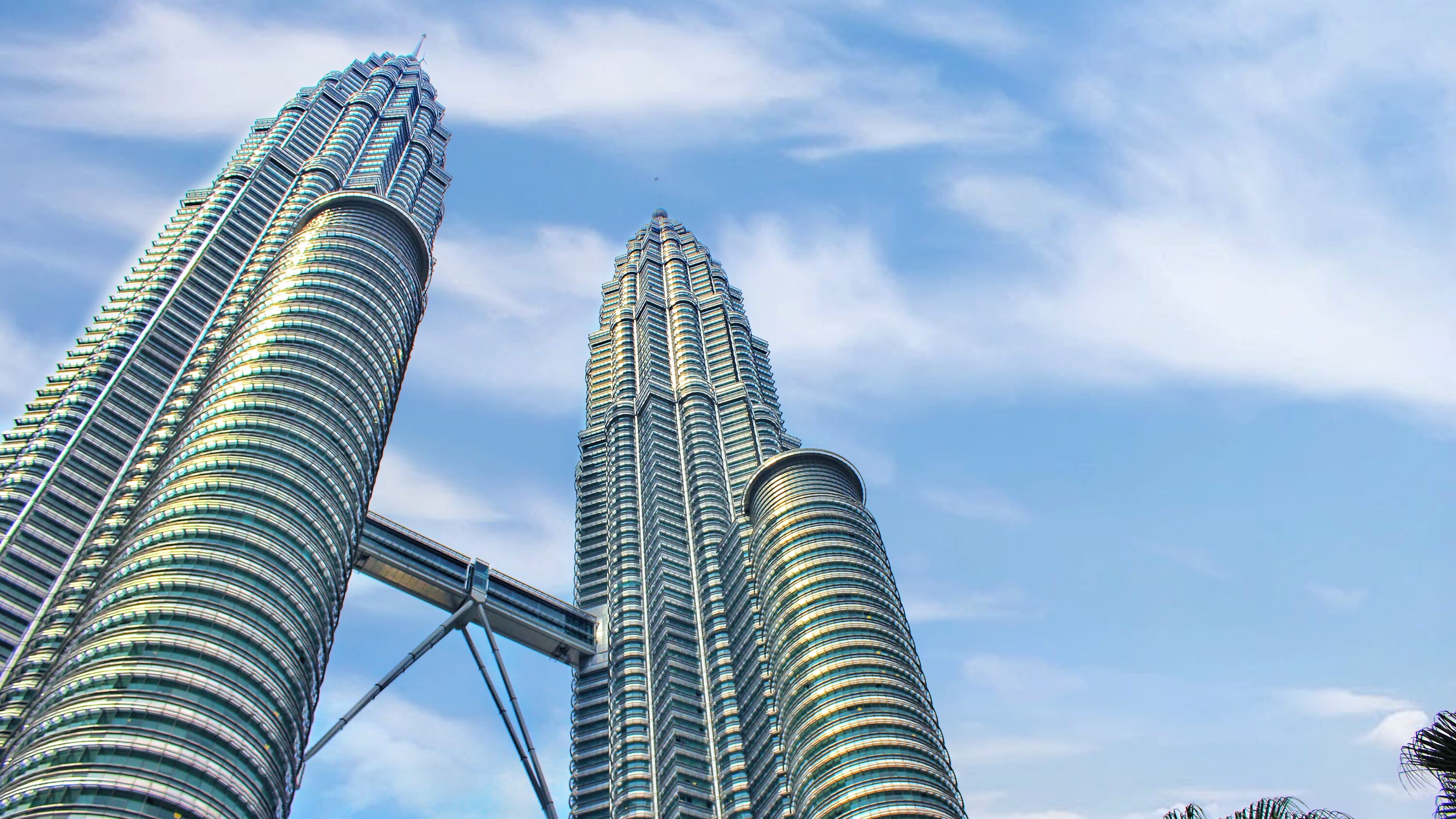
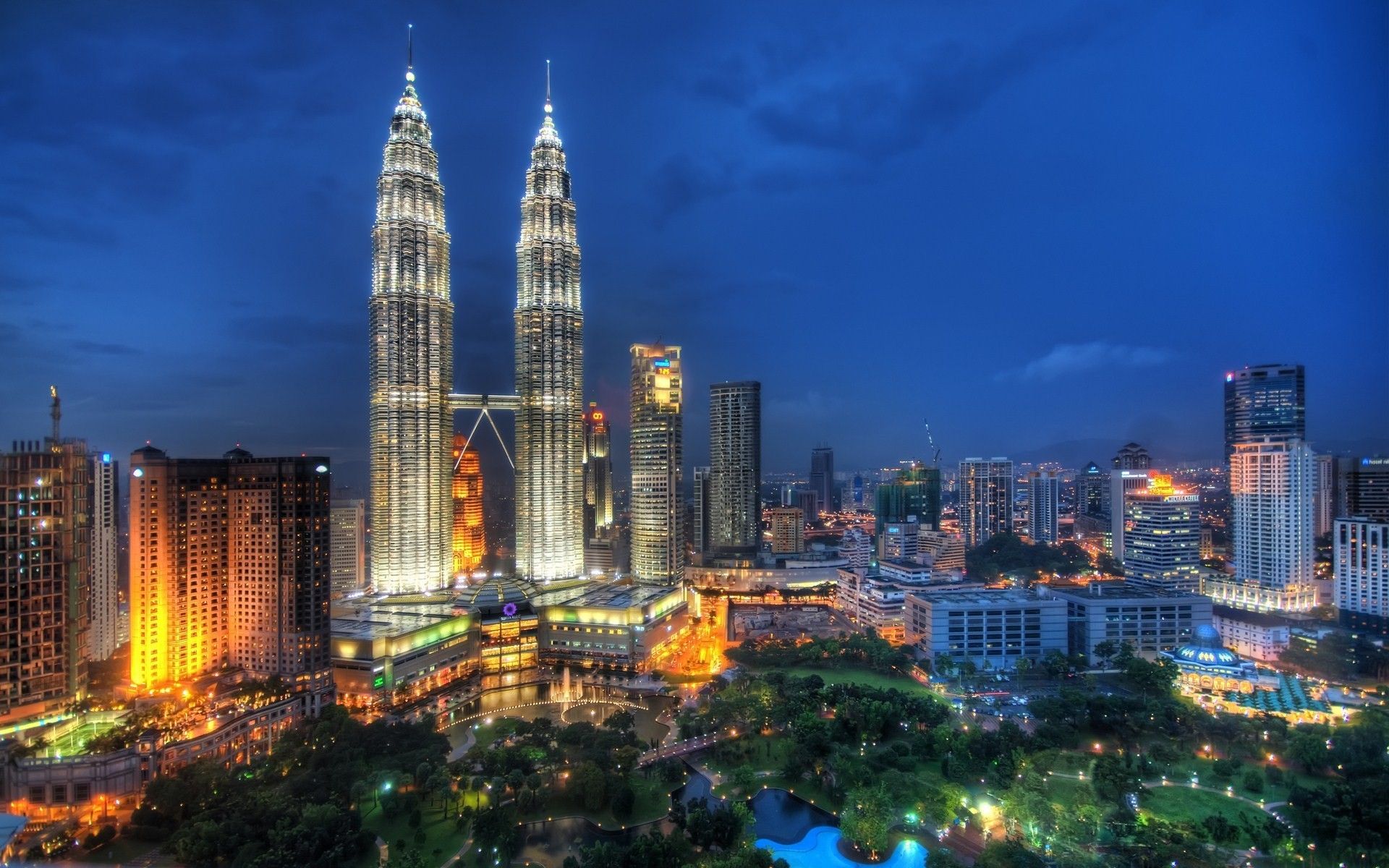
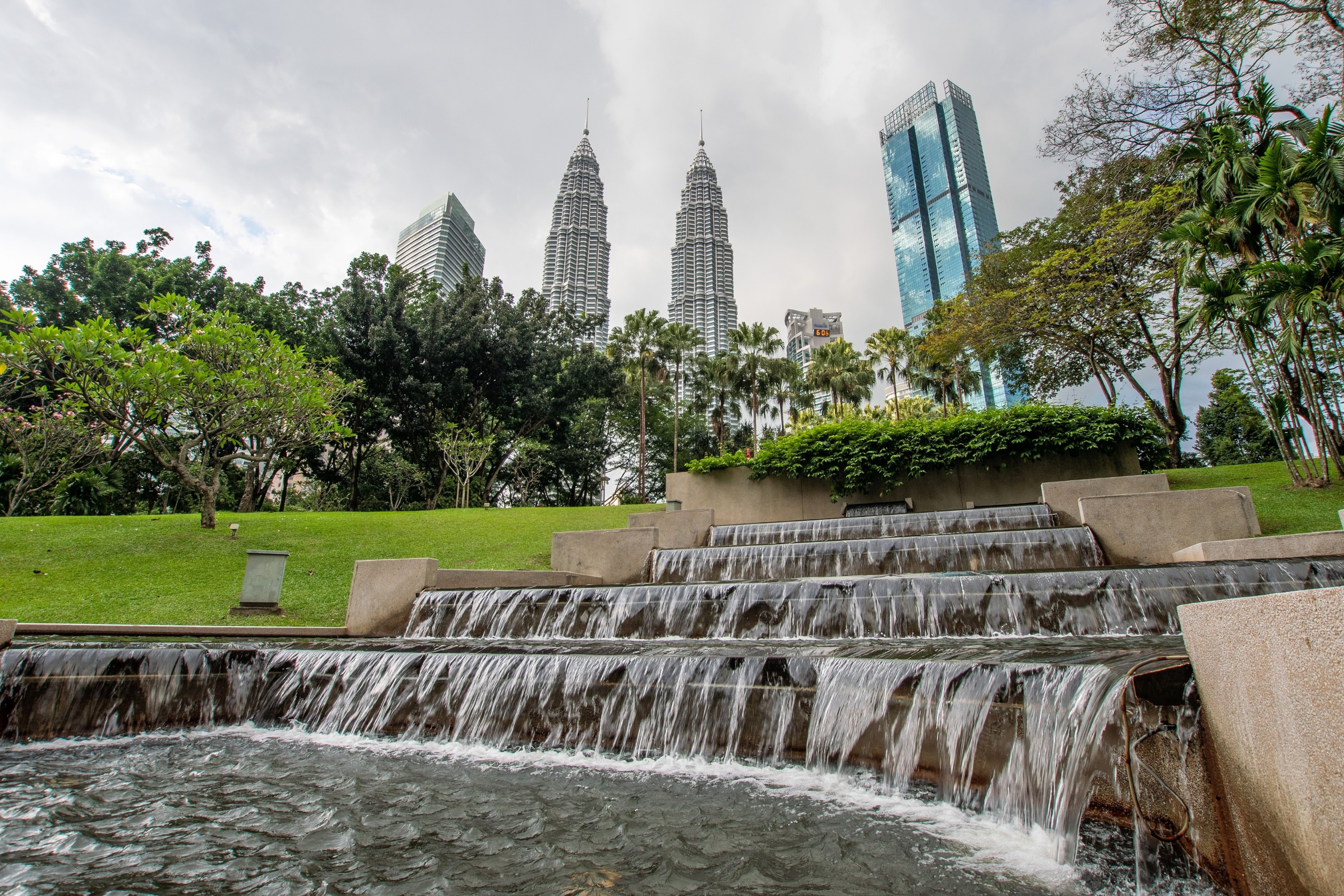
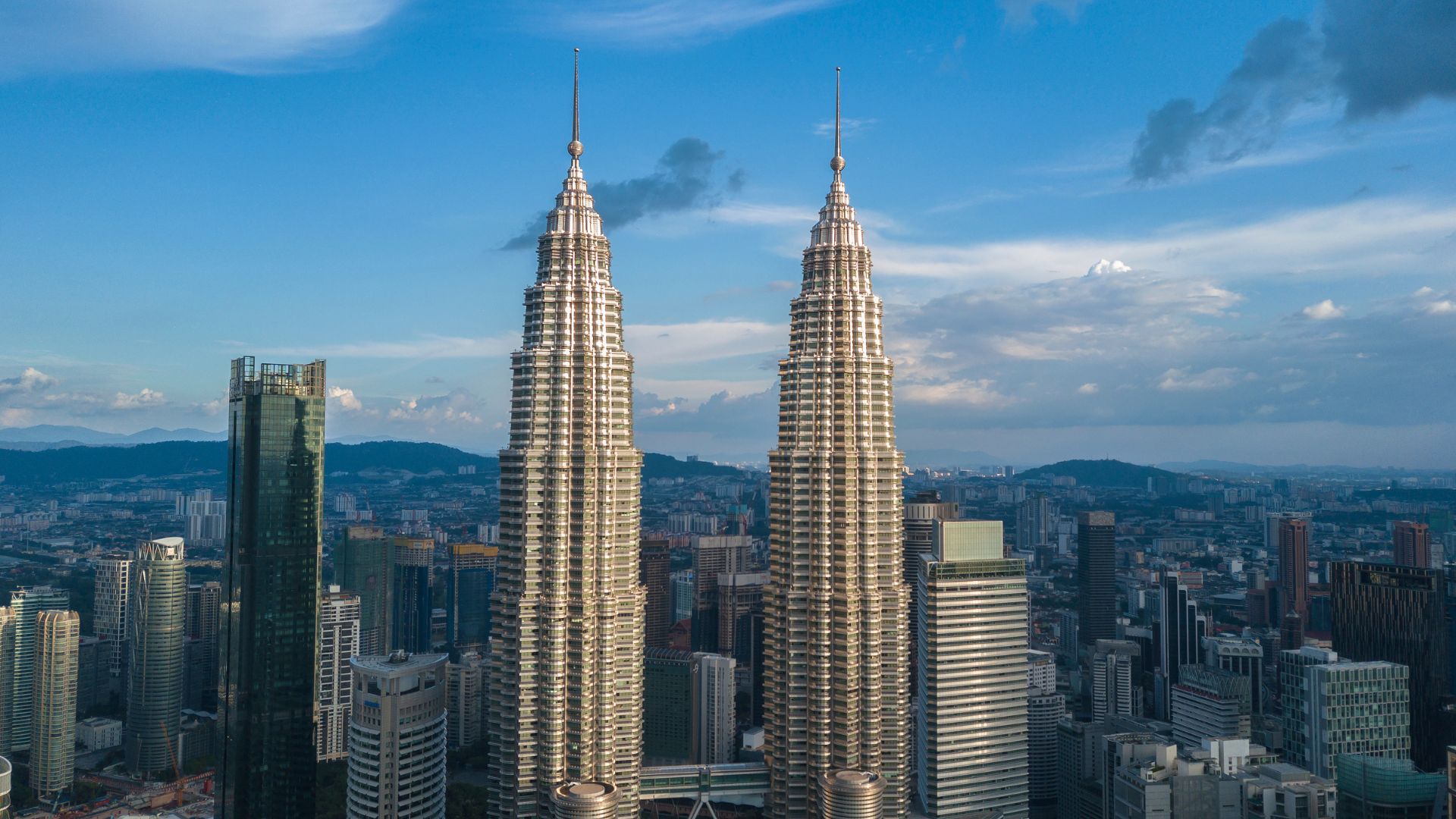
The Petronas Twin Towers, located in Kuala Lumpur, Malaysia, were once the tallest buildings in the world from 1998 to 2004. Standing at 451.9 meters tall, these iconic towers are connected by a sky bridge at the 41st and 42nd floors and are renowned for their sleek, modern design and Islamic-inspired motifs. They serve as a symbol of Malaysia's economic growth and architectural achievement, attracting millions of visitors annually.
What's not included
Gratuities
Travel insurance coverage
Personal Expenses
Available languages
Guide guide
EN
Reviews breakdown
Viator
5.0
1 reviews
5★
1
4★
0
3★
0
2★
0
1★
0
Tripadvisor
4.7
3 reviews
5★
2
4★
1
3★
0
2★
0
1★
0
Important information
Infants and small children can ride in a pram or stroller
Infants are required to sit on an adult’s lap
Not recommended for travelers with poor cardiovascular health
Suitable for all physical fitness levels
The remaining duration from the itinerary will be allotted for the travel time from pick up until drop off.
A minimum of two (2) adults is required for this booking.
You are advised to wear sunscreen, and caps or hats.
Ladies need to wear long dresses or pants with their shoulders covered.
Sleeveless shirts and open-toed shoes are not permitted when visiting Batu Caves.
Certain parts of the terrain are steep and slippery; hence, kindly wear proper shoes.
About Kuala Lumpur
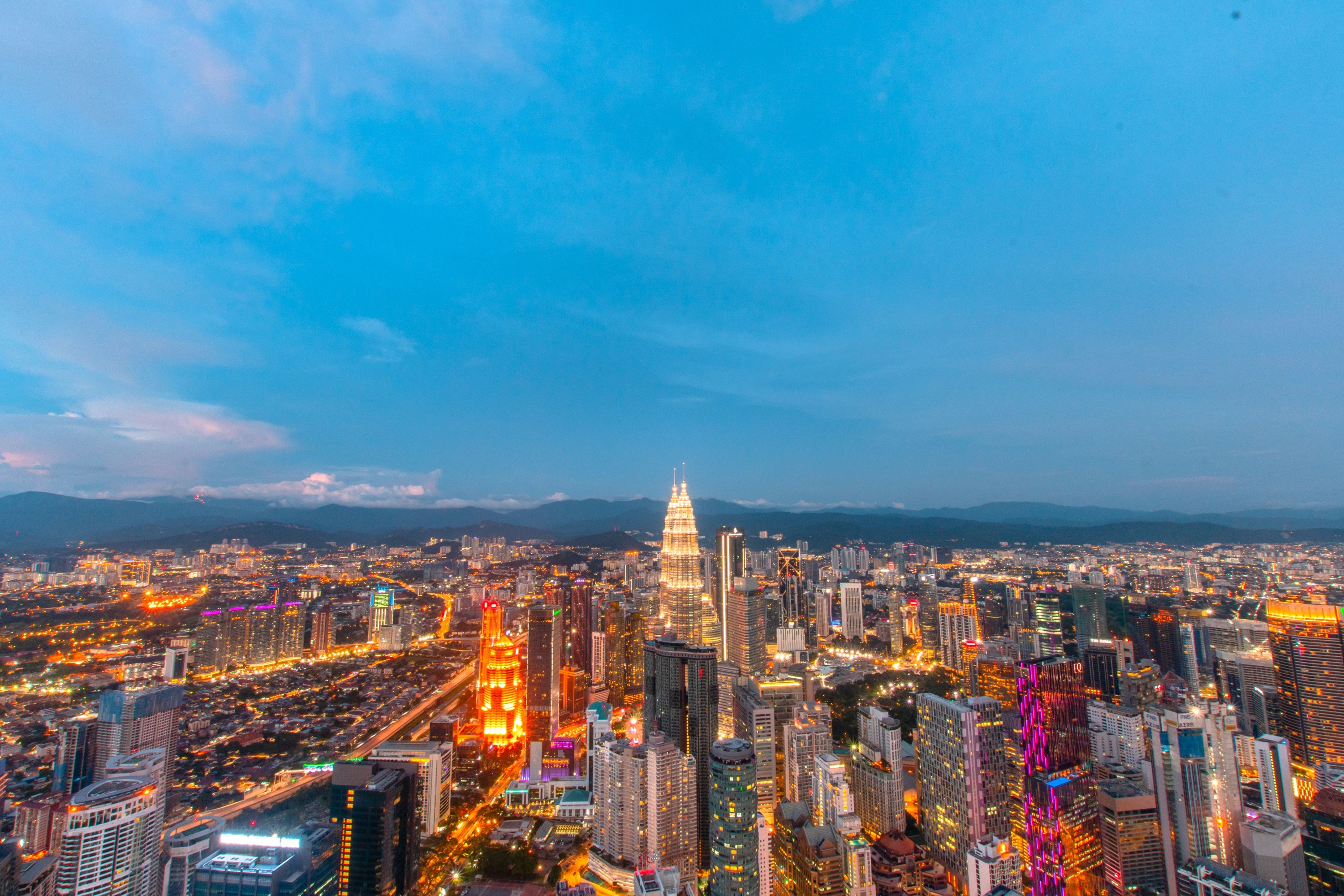
Kuala Lumpur is a vibrant metropolis where modern skyscrapers stand alongside historic mosques and colonial-era buildings. Known for its multicultural diversity, bustling street markets, and iconic landmarks like the Petronas Twin Towers, KL offers a unique blend of tradition and modernity.
Top Attractions
Petronas Twin Towers
The iconic Petronas Twin Towers were the tallest buildings in the world from 1998 to 2004. The towers feature a skybridge and a shopping mall at the base.
Architecture
1-2 hours
MYR 83 (adult), MYR 33 (child)
Batu Caves
Batu Caves is a Hindu shrine and temple complex located in a limestone hill. It is known for its colorful statues and the annual Thaipusam festival.
Religious
2-3 hours
Free (donations welcome)
Kuala Lumpur Tower
The Kuala Lumpur Tower is the second-tallest freestanding tower in the world. It offers panoramic views of the city from its observation deck.
Architecture
1-2 hours
MYR 50 (adult), MYR 30 (child)
Must-Try Local Dishes
Nasi Lemak
Coconut milk-infused rice served with spicy sambal, fried anchovies, peanuts, and boiled egg.
Breakfast/Lunch
Vegetarian options available
Roti Canai
Flaky, layered flatbread served with curry.
Lunch/Dinner
Vegetarian options available
Satay
Grilled skewered meat served with peanut sauce.
Snack
Vegetarian options available
Popular Activities
Hiking in the highlands
Water sports in Port Dickson
Spa treatments
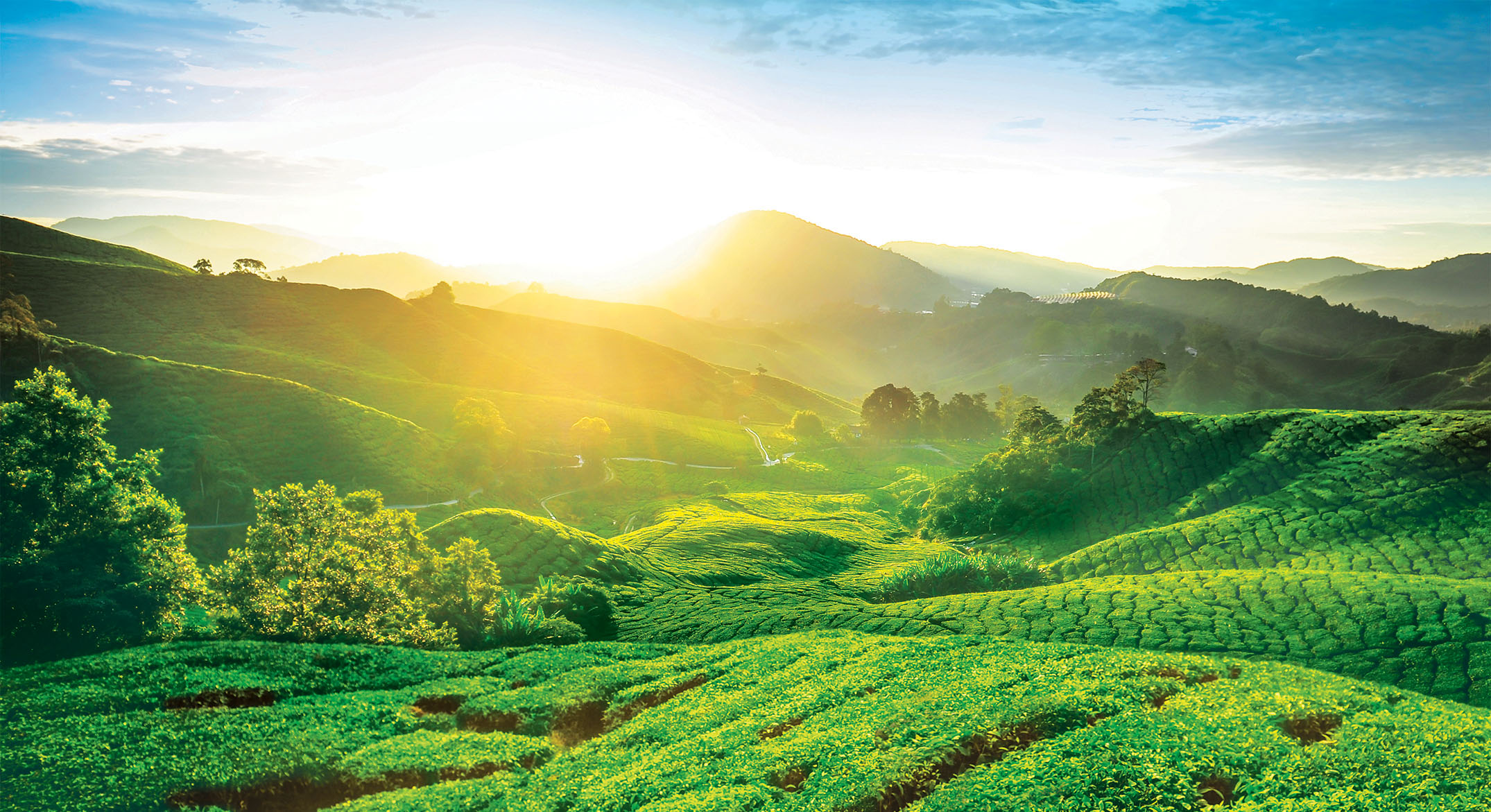
Tea tasting in Cameron Highlands
Visiting temples and mosques
Exploring Chinatown
Swimming
Boat rides
Best Time to Visit
December to February
This period offers cooler temperatures and lower humidity, making it ideal for outdoor activities and sightseeing. The city is lively with various festivals and events.
26-31°C
79-88°F
Practical Information
Language
- Official: Malay
- Widely spoken: English, Chinese, Tamil
- English: Widely spoken
Currency
Malaysian Ringgit (MYR)
Time Zone
GMT+8
Electricity
240VV, 50HzHz
Safety Information
Overall Safety Rating: Generally safe
Kuala Lumpur is generally safe for travelers, with low crime rates and a strong police presence. However, petty crimes like pickpocketing and scams can occur in crowded areas.
Important Precautions:
- • Be cautious of your surroundings
- • Keep valuables secure
- • Use reputable tour operators and transport services
Getting there
By air
- Kuala Lumpur International Airport • 50 km south of the city
By train
Kuala Lumpur Sentral
By bus
Pudu Sentral, Titiwangsa Bus Station
Getting around
Public transport
RapidKL is the main public transport system, including LRT (Light Rail Transit), MRT (Mass Rapid Transit), Monorail, and BRT (Bus Rapid Transit).
Taxis
Available • Apps: Grab
Rentals
Car, Bike, Scooter
Neighborhoods
Bukit Bintang
Chinatown
KLCC
Day trips
Cameron Highlands
200 km north of KL • Full day
A scenic highland region known for its tea plantations, cool climate, and lush landscapes.
Port Dickson
100 km south of KL • Full day
A popular beach destination with beautiful sandy beaches and water sports activities.
Putrajaya
30 km south of KL • Half day
A planned administrative and judicial center with beautiful architecture and landscaped gardens.
Festivals
Thaipusam • January/February (based on the Hindu calendar)
Chinese New Year • January/February (based on the lunar calendar)
Hari Raya Aidilfitri • Varies (based on the Islamic calendar)
Pro tips
- Visit Batu Caves during the Thaipusam festival for a unique cultural experience
- Explore the city's street food scene for authentic and affordable dining options
- Use the RapidKL public transport system to avoid traffic congestion
- Visit the KL Tower Sky Box for a unique and thrilling experience
- Experience the city's nightlife in areas like Changkat Bukit Bintang and Jalan Alor
From $25
per person
Price varies by option
Secure booking
Free cancellation available
Instant confirmation