Exclusive Day Trip - Sofia - Plovdiv - Boyana Church
Active
7h
All sales are final. No refund is available for cancellations.
Instant confirmation
Mobile or paper ticket accepted
About this experience
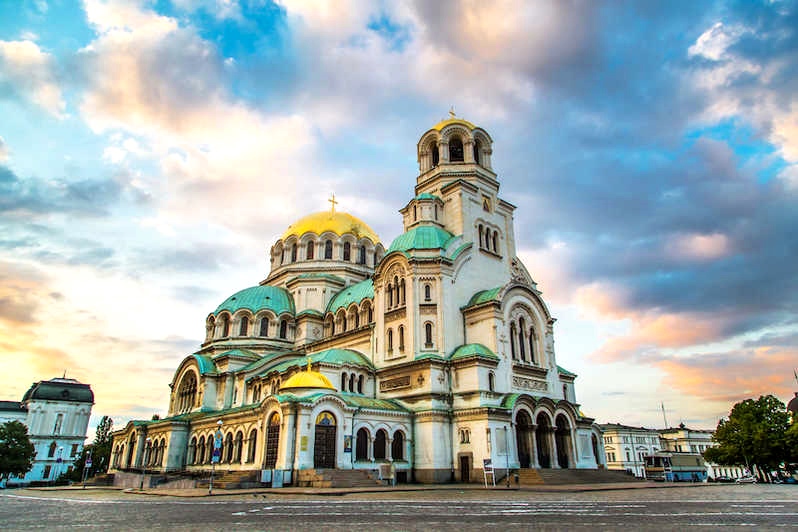
This is truly a spectacular, exclusive day tour, visiting some of the "must-see" UNESCO Heritage sites in Bulgaria: Alexander Nevski Cathedral, the Ancient City of Plovdiv, and Boyana Church!
You will see really amazing places and landmarks, starting from our meeting point, St. Alexander Nevsky Cathedral, and then going by luxury SUV to the ancient city of Plovdiv, one of the oldest centers of European civilization. You will have the unique opportunity to explore the hidden treasures of the city with a professional guide on a two-hour walking tour. We will have lunch at a very nice traditional Bulgarian restaurant. Next stop will be another UNESCO heritage site, about 900 years old: Boyana Church.
You will see and learn a lot about Bulgarian history and culture!
Available options
Exclusive Day Trip - Sofia - Plovdiv - Boyana Church
Pickup included
What's included
WiFi on board
All Fees and Taxes
Luxury SUV Audi Q7 with ultra fast WiFi
Detailed itinerary
1
Stop 1
Iconic Bulgarian Orthodox church with Neo-Byzantine architecture & an underground museum.
2
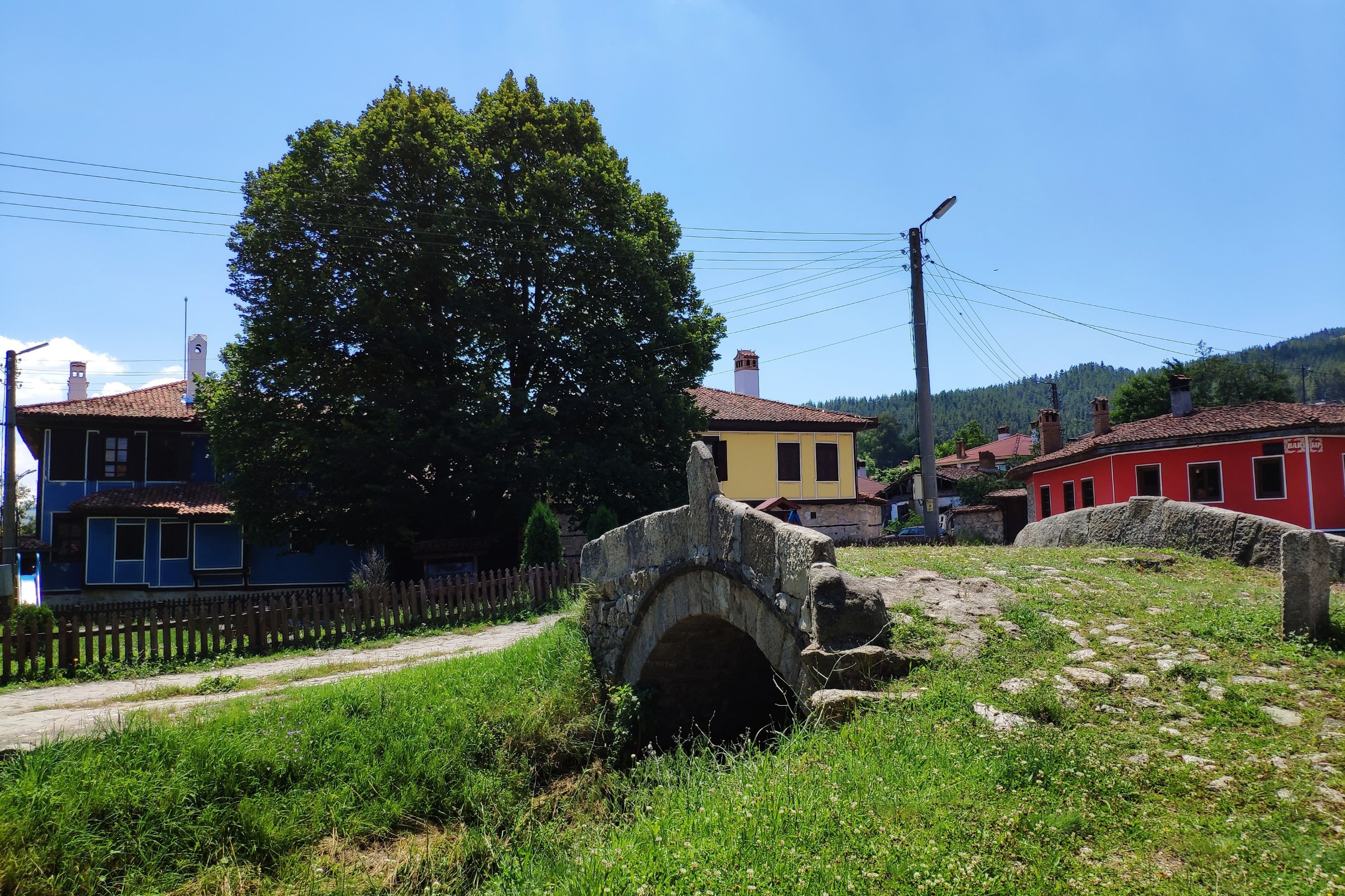
Plovdiv is the second-largest city in Bulgaria and is one of the oldest cities in Europe – the beginning of its history dates back to 4,000 years BC.
3
The 100-year old building of the Plovdiv City Hall is one of the most beautiful in the city center. In the past, it used to house a jail in its basement, while nowadays it is used for administrative purposes only. There are magnolia trees in front of it with a small fountain.
4
The sculpture was made in memoriam of Milyo The Crazy – Plovdiv’s joker who was mentally unstable. People still remember him and he has become a symbol of the city’s spirit. You can whisper your dreams and true desires to Milyo and hopefully they will become true.
5
The Stadium of Philippopolis was the ancient Roman stadium of Philippopolis (modern Plovdiv), built in the 2nd century AD, during the Roman imperial period. It is among the largest and best preserved buildings from the time of the Roman Empire in the Balkan peninsula. At the time the stadium was built, Philippopolis was the capital of the Roman province of Thracia.
6
Dzhumaya Mosque is the main Muslim temple in Plovdiv. Its Turkish name is Hüdavendigâr Camii or Cuma Camii. The mosque is located in the centre of Plovdiv and was built in the place of Sveta Petka Tarnovska Cathedral Church soon after the town was conquered by the Ottoman army (1363 – 1364). During the reign of Sultan Murad II (1421 – 1451) the old building was demolished and replaced by the modern-day mosque. It was called Ulu Dzhumaya Mosque.
7
As Bulgaria’s first dedicated creative district, Kapana is a charming arts and cultural destination where cobblestone streets give way to restored buildings with art galleries and specialty shops. Patrons flock to sidewalk patios at an array of bakeries, diverse eateries and gastropubs that serve everything from classic regional eats to French cuisine.
8
Stop 8
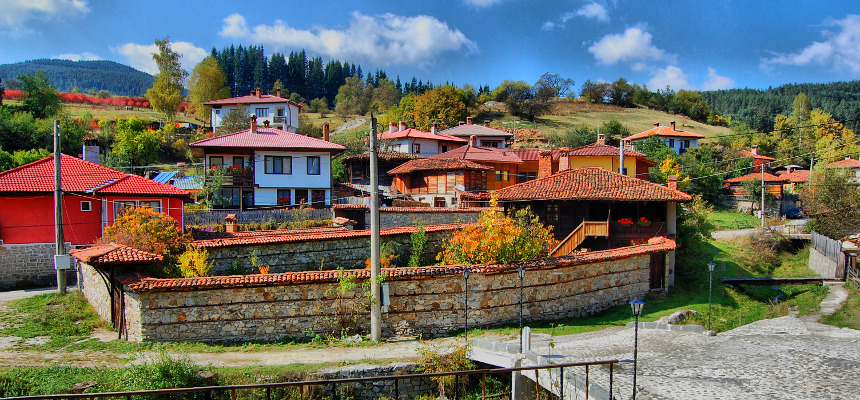
The Old Town of Plovdiv is a unique city within the city of Plovdiv with its own rhythm and lifestyle. The architectural reserve features archaeological sites, museums, art galleries, old houses and public buildings, religious temples, cafes and restaurants, romantic courtyards and picturesque cobblestone streets. The Old Plovdiv is a popular venue for concerts and exhibitions, casual and business meetings, sightseeing or just strolling around.
9
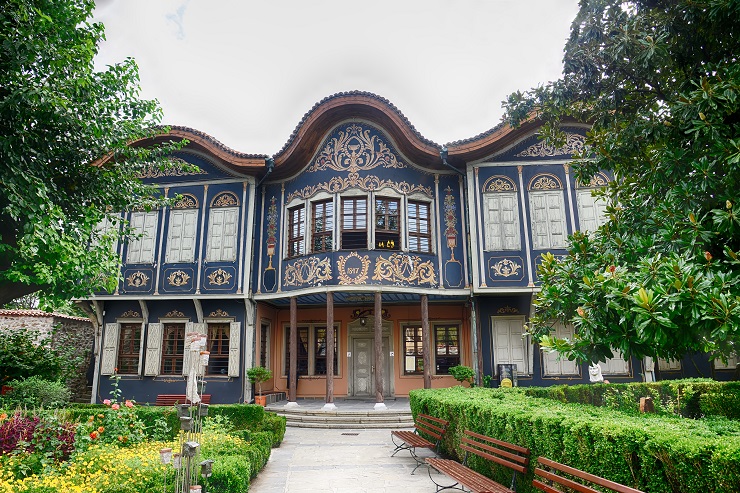
Established to delight the eye, Plovdiv Regional Ethnographic museum has always been opened for those who are eager to learn and seek knowledge. The museum houses over 60 000 artifacts which mostly relate to the traditions of Plovdiv city population and its cultural and economic environment as well. The most significant ones among the collections are those of copper utensils, pottery, ancient weapons, shepherd’s wood-carving, adornments and religious items; point lace and knitted lace, costumes from all the Bulgarian ethnic territory; musical instruments and urban interior.
10
The Roman theatre of Philippopolis is one of the world's best-preserved ancient Roman theatres, located in the city center of modern Plovdiv, Bulgaria, once the ancient city of Philippopolis. It was constructed in the 1st century AD, probably during the reign of Domitian.
11
Smokini restaurant blends inspiring dishes from around the globe with traditional Bulgarian recipes. Lunch is not included in the tour price!
12
Stop 12
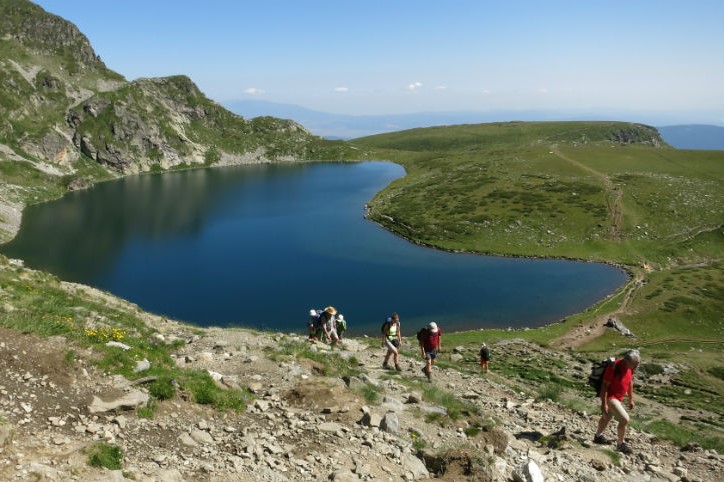
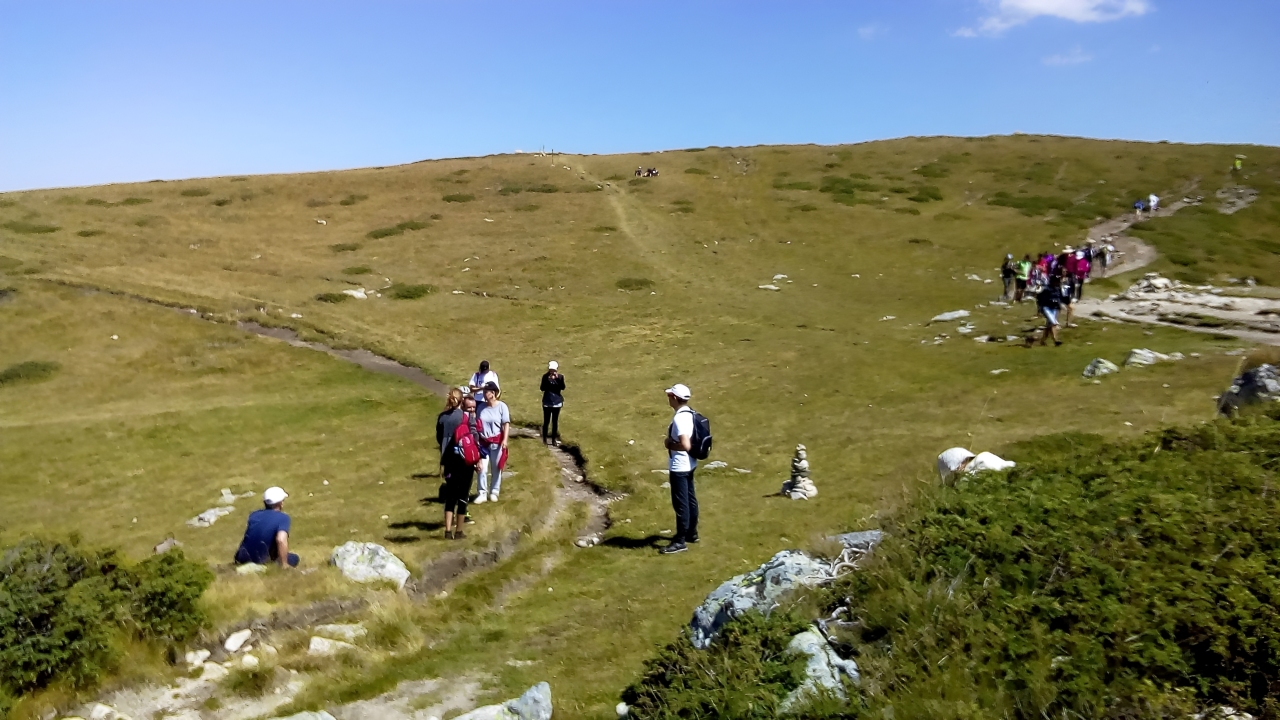
Vitosha, the ancient Scomius or Scombrus, is a mountain massif, on the outskirts of Sofia, the capital of Bulgaria. Vitosha is one of the symbols of Sofia and the closest site for hiking, alpinism and skiing.
13
Stop 13
The Boyana Church is a medieval Bulgarian Orthodox church situated on the outskirts of Sofia, the capital of Bulgaria, in the Boyana quarter. In 1979, the building was added to the UNESCO World Heritage List.
What's not included
Lunch
Private pick up from any location is possible with advance notice and will be charged additionally!
Available languages
Guide guide
EN
Reviews breakdown
Tripadvisor
5.0
2 reviews
5★
2
4★
0
3★
0
2★
0
1★
0
Important information
Public transportation options are available nearby
Infants are required to sit on an adult’s lap
Suitable for all physical fitness levels
Meeting point
Meeting point is in front of the main entrance of Alexander Nevsky Cathedral!
About Sofia
Sofia is the vibrant capital of Bulgaria, nestled at the foot of the Vitosha Mountain. Known for its rich history, stunning architecture, and lively cultural scene, it offers a unique blend of ancient and modern attractions. The city is a treasure trove of Roman ruins, Orthodox churches, and Soviet-era landmarks, all set against the backdrop of beautiful natural surroundings.
Top Attractions
Alexander Nevsky Cathedral
This iconic cathedral is one of Sofia's most famous landmarks. It was built in honor of the Russian soldiers who died during the Russo-Turkish War.
Religious
1-2 hours
Free (small fee for the museum and bell tower)
Vitosha Mountain
Vitosha Mountain offers a stunning backdrop to Sofia and is a popular destination for hiking, skiing, and enjoying nature.
Nature
Half day to full day
Free (lift tickets for skiing cost around €10-€20)
National History Museum
This museum houses a vast collection of artifacts that tell the story of Bulgaria's rich history.
Museum
2-3 hours
€5
Boyana Church
A UNESCO World Heritage site, Boyana Church is known for its stunning frescoes dating back to the 13th century.
Historical
1 hour
€4
Sofia Central Mineral Baths
This historic building was once a public bathhouse and is now a popular spot for shopping and dining.
Historical
1-2 hours
Free to explore
Must-Try Local Dishes
Banitsa
A traditional Bulgarian pastry made with layers of filo dough, cheese, and eggs. It's often served for breakfast with a side of yogurt.
Breakfast
Vegetarian
Shopska Salad
A refreshing salad made with tomatoes, cucumbers, onions, and grated sirene cheese. It's a staple in Bulgarian cuisine and is often served as a side dish.
Appetizer
Vegetarian
Kebapche
A grilled minced meat sausage made with a mix of pork and beef, seasoned with spices like black pepper, cumin, and coriander. It's often served with french fries or lyutenitsa (a spicy pepper and tomato spread).
Main Course
Contains meat
Tarator
A cold soup made with yogurt, cucumbers, garlic, and dill. It's a refreshing dish, especially during the hot summer months.
Appetizer
Vegetarian, Vegan (if made with plant-based yogurt)
Popular Activities
Hiking in Vitosha Mountain
Skiing in Bansko or nearby resorts
Mountain biking and other outdoor activities
Visiting spas and wellness centers
Strolling through parks and gardens
Enjoying a meal or drink at a rooftop bar
Exploring museums and galleries
Attending concerts and performances
Best Time to Visit
May to September
This is the best time to visit Sofia for warm weather and outdoor activities. The city is lively with festivals and cultural events.
15°C to 30°C (59°F to 86°F)
59°F to 86°F
Practical Information
Language
- Official: Bulgarian
- Widely spoken: English, Russian, Romanian
- English: Moderately spoken in tourist areas, limited in other places
Currency
Bulgarian Lev (BGN)
Time Zone
GMT+2 (EET)
Electricity
220VV, 50HzHz
Safety Information
Overall Safety Rating: Generally safe
Sofia is generally a safe city for travelers, but petty crime and pickpocketing can occur in crowded tourist areas. It's important to take basic precautions to protect yourself and your belongings.
Important Precautions:
- • Keep valuables secure and out of sight
- • Use licensed taxis or ride-sharing apps
- • Be cautious of strangers approaching you with petitions or surveys
Getting there
By air
- Sofia Airport • 10 km (6 miles) from city center
By train
Central Railway Station
By bus
Central Bus Station, South Bus Station
Getting around
Public transport
The metro is efficient, clean, and affordable. It's the fastest way to get around Sofia.
Taxis
Available • Apps: Yellow Taxi, OK Taxi
Rentals
Car, Bike, Scooter
Neighborhoods
City Center
Lozenets
Studentski Grad
Orlov Most
Day trips
Rila Monastery
120 km (75 miles) • Full day
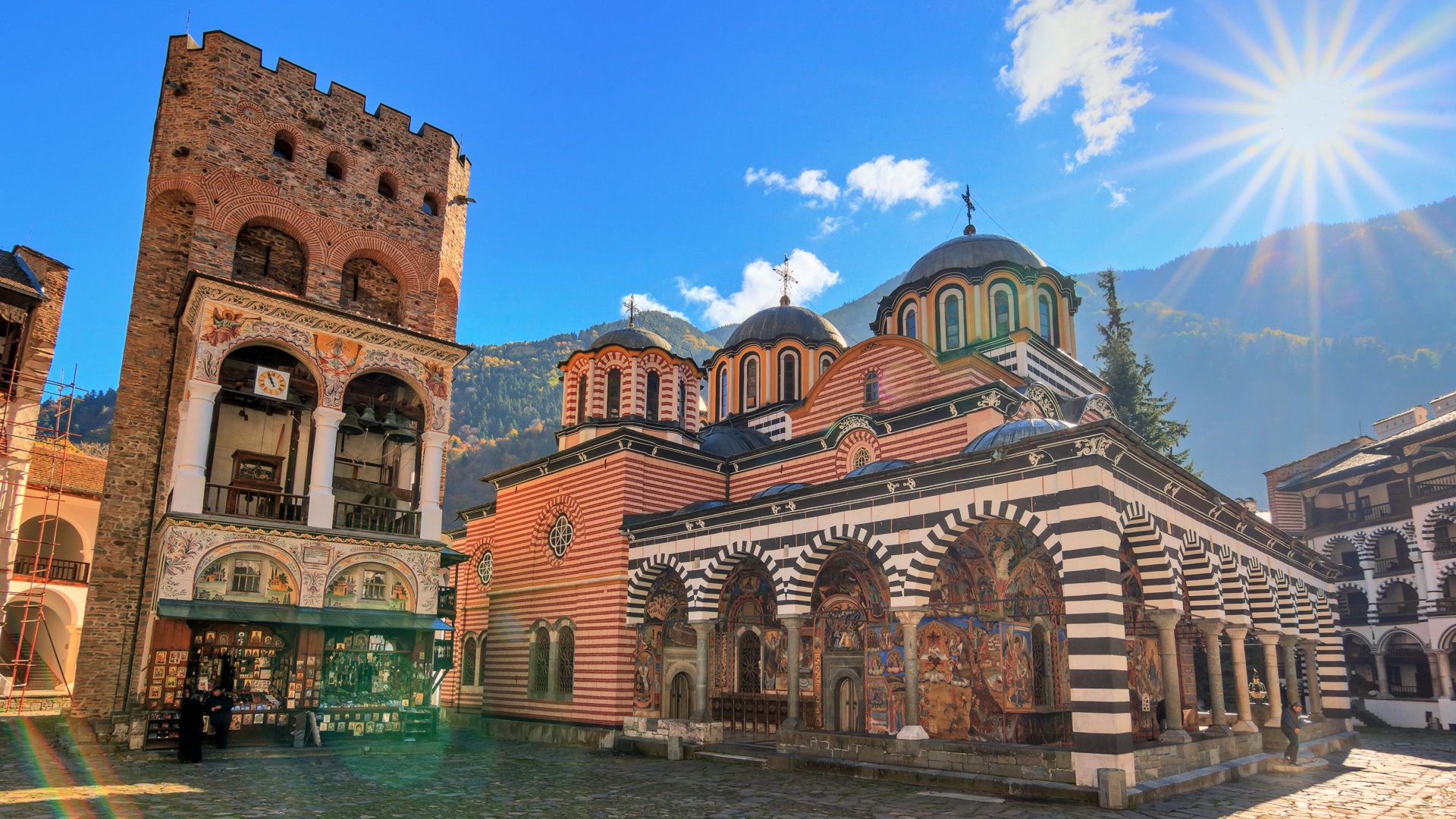
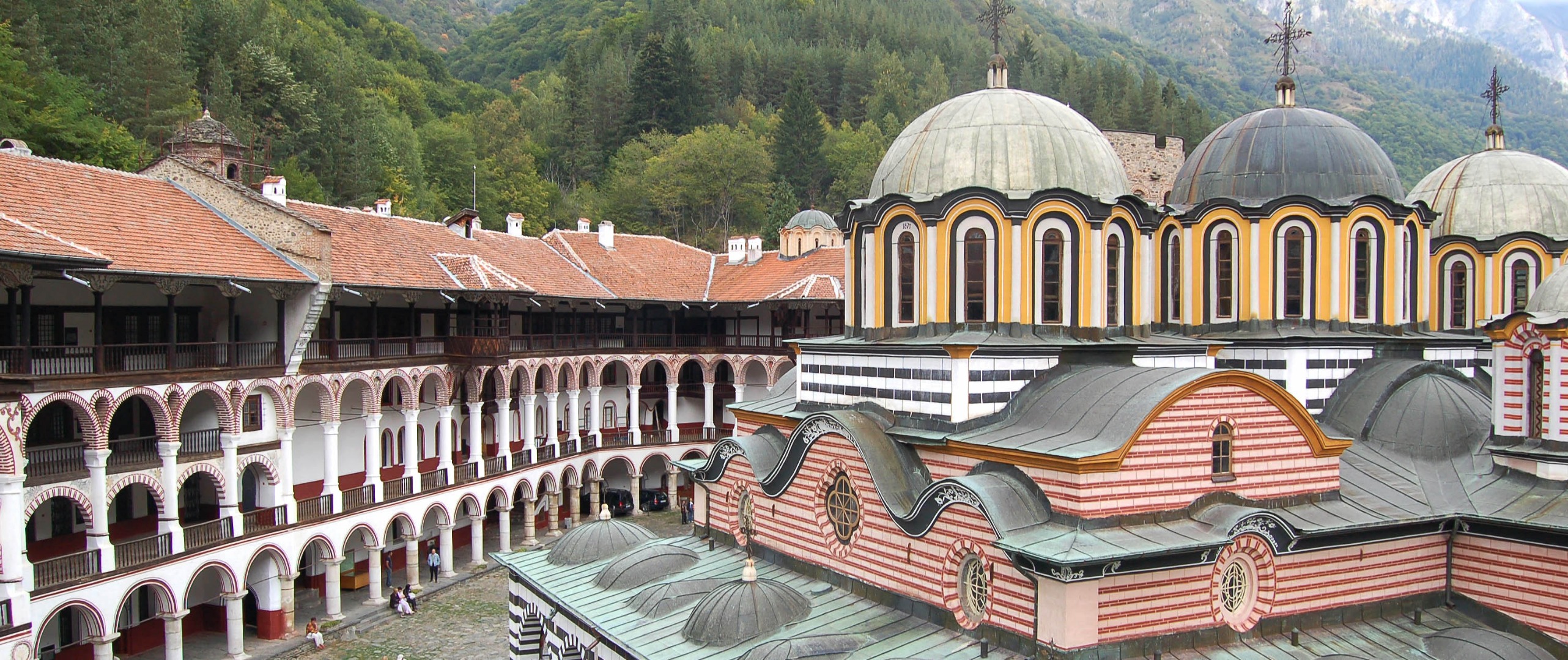
The Rila Monastery is one of the most important cultural and historical sites in Bulgaria. It's a UNESCO World Heritage site and is known for its stunning architecture and beautiful frescoes.
Plovdiv
150 km (93 miles) • Full day
Plovdiv is one of the oldest continuously inhabited cities in the world. It's known for its rich history, beautiful architecture, and vibrant cultural scene.
Bansko
160 km (100 miles) • Full day or overnight
Bansko is a popular ski resort in the winter and a great destination for hiking and outdoor activities in the summer. It's known for its stunning mountain scenery and traditional Bulgarian charm.
Festivals
Sofia Film Fest • March
Sofia Pride • June
Sofia International Film Festival • October
Pro tips
- Visit the Alexander Nevsky Cathedral early in the morning or late in the afternoon to avoid crowds and enjoy the beautiful light.
- Try traditional Bulgarian rakia and meze at a local bar for an authentic experience.
- Explore the underground caves and tunnels of Sofia for a unique and fascinating look at the city's history.
- Take a day trip to the Rila Monastery or Plovdiv for a taste of Bulgaria's rich history and culture.
- Visit the National Palace of Culture for concerts, performances, and other cultural events.
From $25
per person
Price varies by option
Secure booking
Free cancellation available
Instant confirmation