Évora Private Tour - Cork Factory Visit Included
Active
8h
For a full refund, cancel at least 24 hours before the scheduled departure time.
Instant_then_manual confirmation
Mobile or paper ticket accepted
About this experience
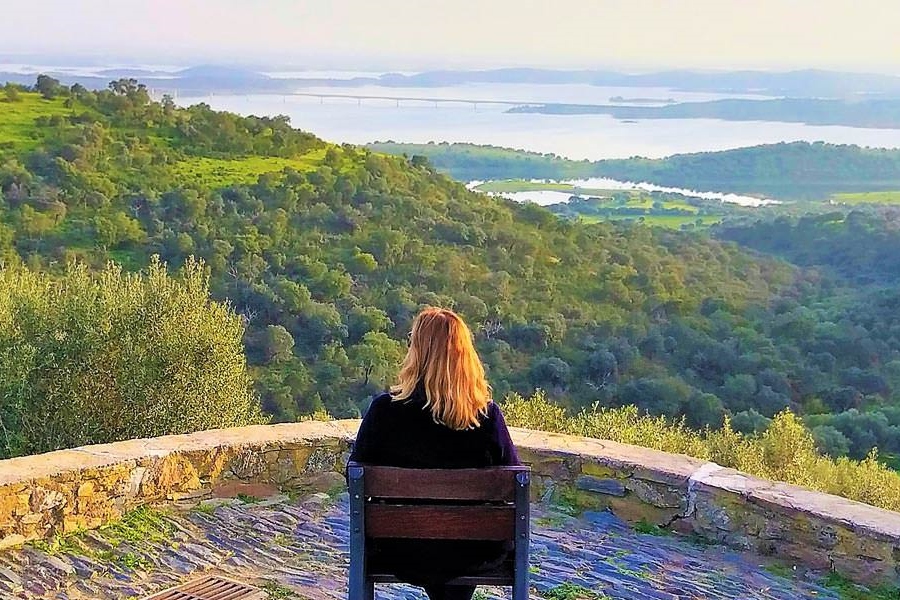
This private tour is based on the concept of allying your wishes with our professional suggestions and thus spending a fantastic day traveling through our beautiful Alentejo, Évora, and its surroundings.
The first stop will be in a familiar Cork Factory near Évora village.
After, we will take you to enjoy the beatiful Évora, a historic city that is walled and has great religious influence. The entire city of Évora has been a World Heritage Site and an open-air museum, according to UNESCO.
In the historic center it is perfectly possible to wander through all the narrow streets and alleys that lead to beautiful squares, such as the well-known Giraldo Square. Let yourself be surprised by the Roman Temple, also known as Diana’s Temple, which is around 2000 years old.
Also, visit the public garden, Fake Ruins, and D. Manuel Palace. Find distant times in Évora’s many museums and follow the Água de Prata Aqueduct to the fields or to reach the city.
Available options
Évora Private Tour - Cork Factory Visit Included
Pickup included
What's included
Mandatory insurances
Hotel Pickup and Drop-off
Private Tour
Detailed itinerary
1
Stop 1
Pass by
The main passage that reunites the south with the center of Portugal.
Finished in 1966, it shares the project concept with the San Francisco - Oakland Bay Bridge and is one of the most popular and photographed monuments in Lisbon.
This is a private tour; all of our suggested timings and stops can be adapted to your preferences or needs; just let us know, and we'll do it.
2
Time travel between Lisbon and Évora
3
Évora center, where you can walk through Giraldo Plaza, taste the local gastronomy, and explore this World Heritage of UNESCO.
With a key role in different eras of the Portuguese monarchy, Évora has an immense legacy of historical references.
The Roman temple is believed to have been constructed around the first century A.D. in honor of Augustus, who was venerated as a god during and after his rule, and was built in the main public square of Évora, at the time called Liberalitas Iulia.
This is a private tour; all of our suggested timings and stops can be adapted to your preferences or needs; just let us know, and we'll do it.
4
Stop 4
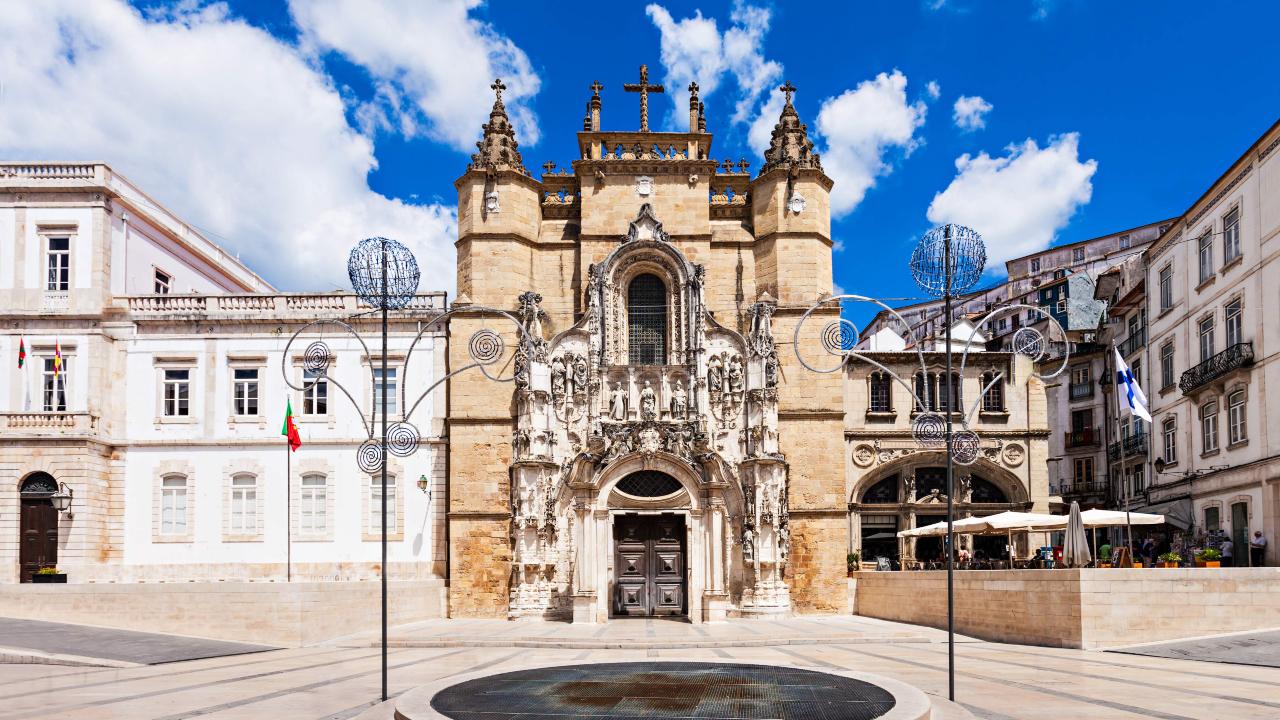
A church of Gothic-Manueline architecture. Built between 1480 and 1510 by masters of Pedraria Martim Lourenço and Pero de Trilho and decorated by the royal painters Francisco Henriques, Jorge Afonso and Garcia Fernandes, it is closely linked to the historical events that marked the period of maritime expansion in Portugal. This is evident in the symbols of the monumental nave of the vaulting vault: the cross of the Order of Christ and the emblems of the founding kings, D. João II and D. Manuel I.
According to tradition, Gil Vicente was buried in this church in 1536.
This is a private tour; all of our suggested timings and stops can be adapted to your preferences or needs; just let us know, and we'll do it.
5
Stop 5
The chapel was built in the sixteenth and seventeenth centuries in the place of the primitive dormitory of the friars. Its construction was based on the initiative of three Franciscan friars who wanted to provide a better reflection on the brevity of human life. The chapel consists of bones from the graves of the convent church and other churches and cemeteries in the city. The walls and part of the vaults of the chapel are covered with thousands of human bones, which illustrate the idea of the founding monks, expressed in the phrase above the porch of the chapel: We bone that we are here, for your hope.
This is a private tour; all of our suggested timings and stops can be adapted to your preferences or needs; just let us know, and we'll do it.
6
Stop 6
The Cathedral Basilica of Our Lady of the Assumption, better known as the Cathedral of Évora, or simply Sé de Évora, although begun in 1186 and consecrated in 1204, was only completed in 1250. It is a monument marked by the transition of style Romanesque to Gothic, marked by three majestic ships. A sight to see.
This is a private tour; all of our suggested timings and stops can be adapted to your preferences or needs; just let us know, and we'll do it.
7
Stop 7
Pass by
A Tagus River passage where architecture embraces nature.
Opened to traffic in 1998, right before the world EXPO 98 in Lisbon, it still has the title of Longest Bridge in Europe, with more than 12 kilometers over the river estuary.
This is a private tour; all of our suggested timings and stops can be adapted to your preferences or needs; just let us know, and we'll do it.
8
Stop 8
Time Travel between Évora and Lisbon
Available languages
Guide guide
EN
IT
FR
ES
Reviews breakdown
Tripadvisor
5.0
3 reviews
5★
3
4★
0
3★
0
2★
0
1★
0
Important information
Wheelchair accessible
Infants and small children can ride in a pram or stroller
Public transportation options are available nearby
Specialized infant seats are available
Suitable for all physical fitness levels
About Lisbon
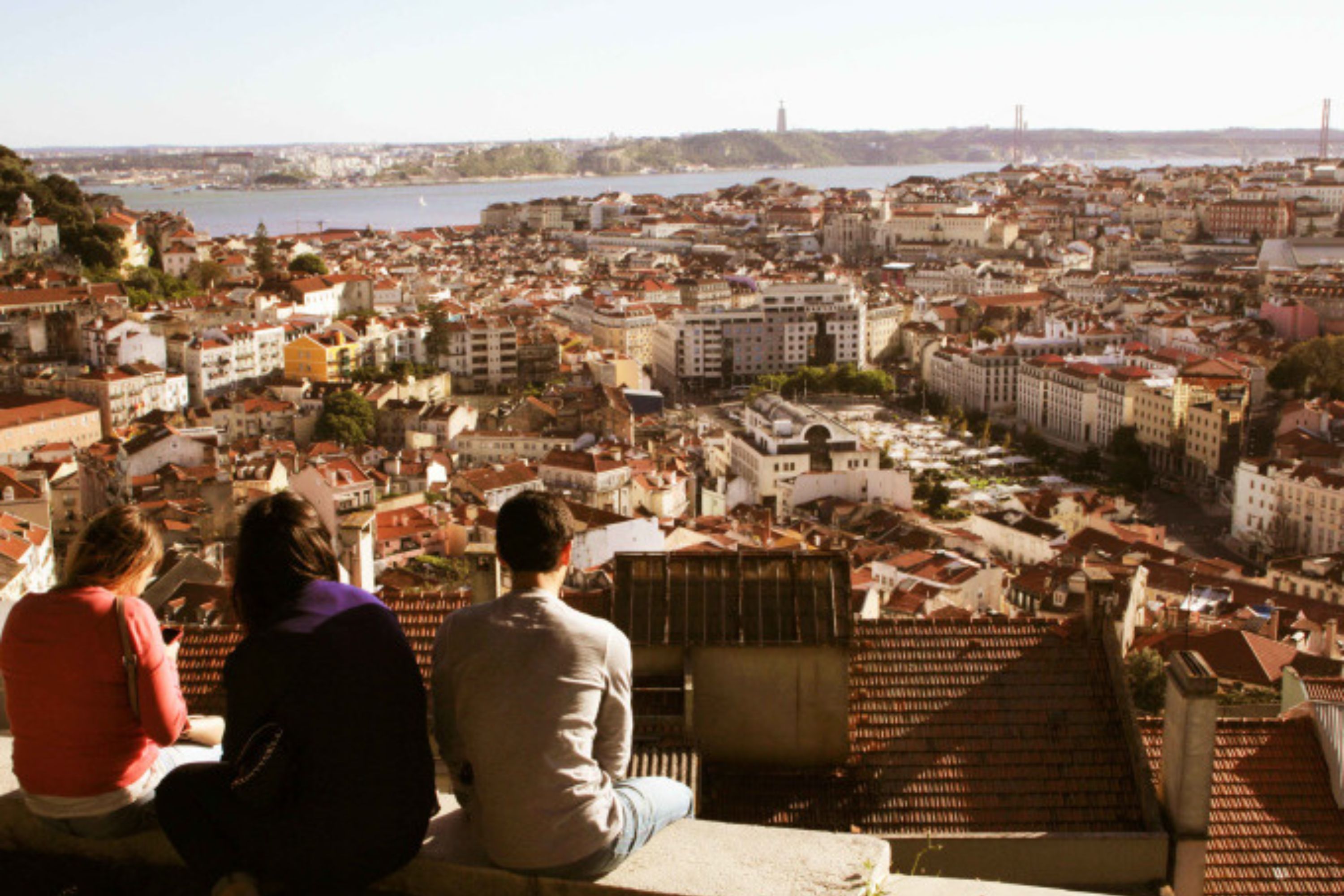
Lisbon, the capital of Portugal, is a vibrant city known for its rich history, stunning architecture, and warm climate. With its charming streets, historic trams, and breathtaking viewpoints, Lisbon offers a unique blend of old-world charm and modern energy.
Top Attractions
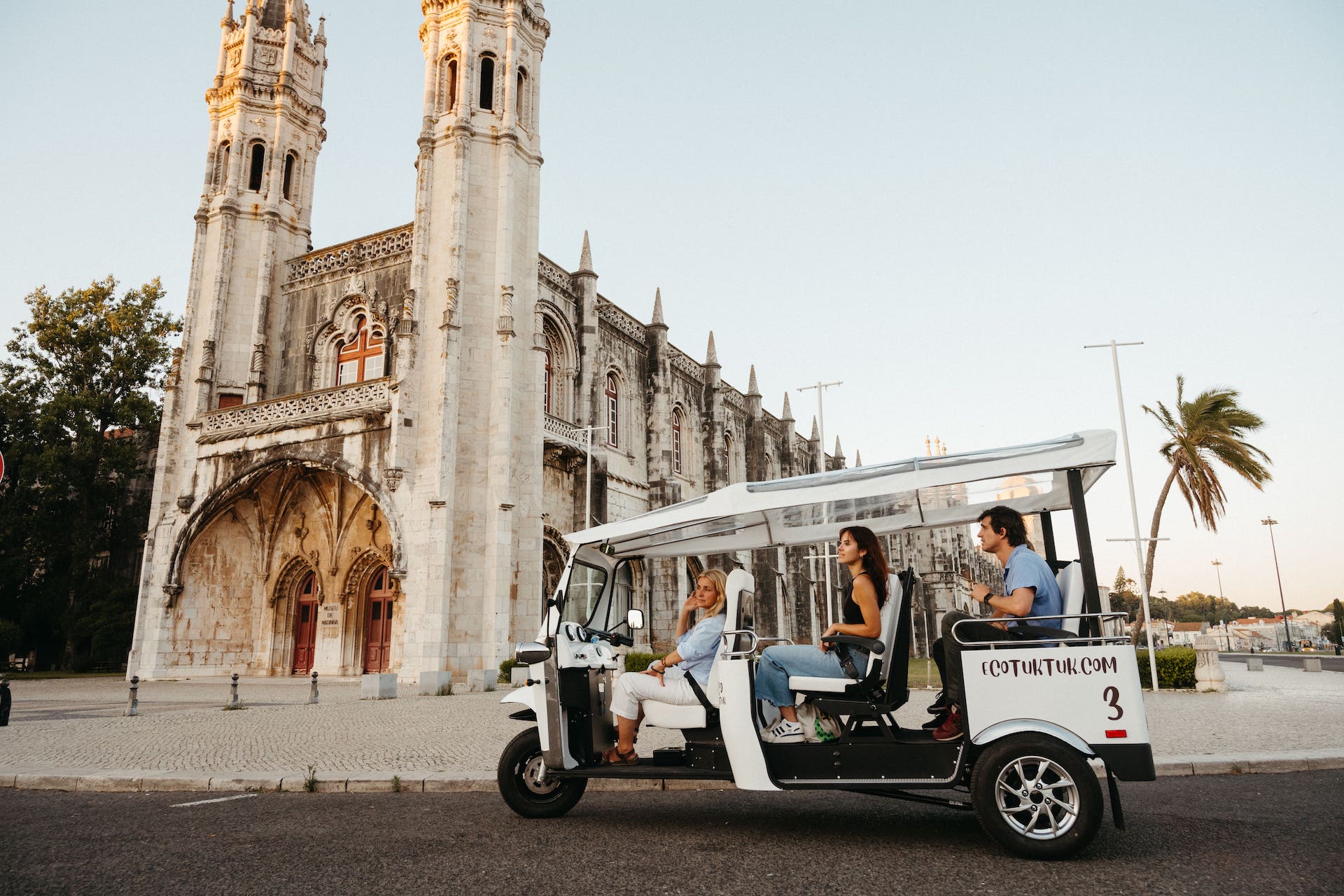
Belém Tower
A UNESCO World Heritage Site, this 16th-century tower is an iconic symbol of Lisbon's Age of Discoveries.
Historical
1-2 hours
€6
Alfama District
Lisbon's oldest district, known for its narrow, winding streets, Fado music, and historic charm.
Historical
Half day
Free to explore, attractions may have entry fees
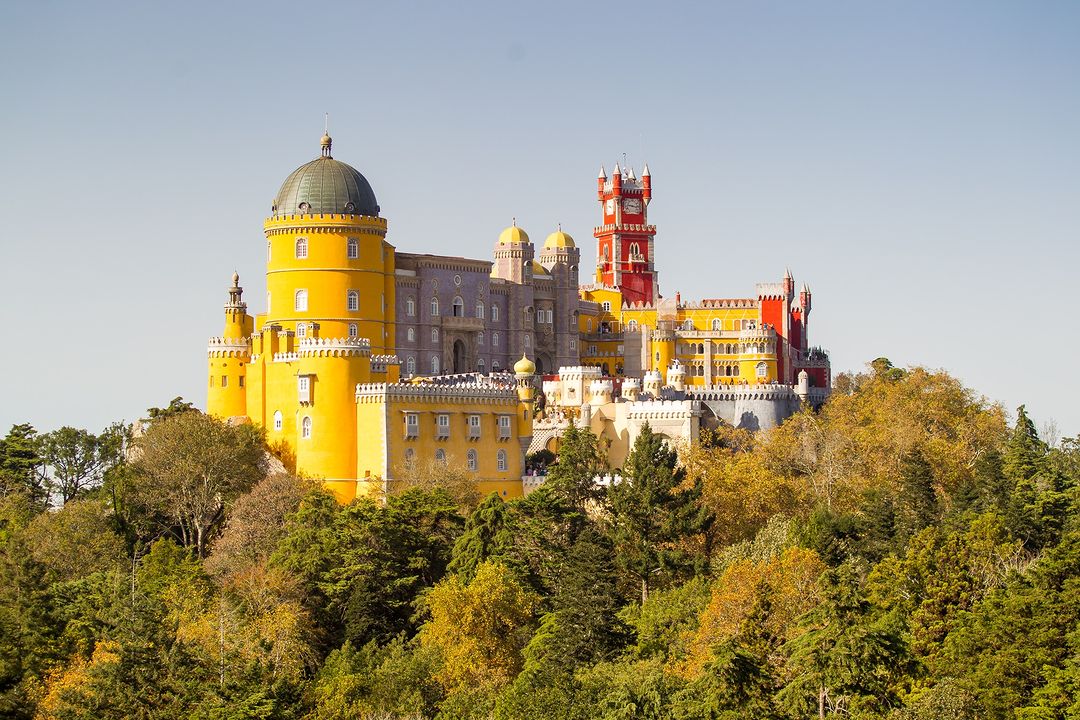
Sintra
A UNESCO World Heritage Site, Sintra is a romantic town with stunning palaces and castles.
Historical
Full day
Varies by attraction, around €10-€15 per site
Must-Try Local Dishes
Bacalhau à Brás
Shredded codfish with eggs, potatoes, and onions
Main Dish
Contains fish and eggs
Pastel de Nata
Custard tart with a flaky pastry crust
Dessert
Contains dairy and eggs
Francesinha
A sandwich with meat, cheese, and a beer-based sauce
Main Dish
Contains meat, cheese, and gluten
Popular Activities
Hiking in Sintra
Surfing in Ericeira
Parasailing in Cascais
Beach lounging in Costa da Caparica
Spa day in a luxury hotel
Picnic in Jardim da Estrela
Visiting museums and galleries
Attending Fado performances
Best Time to Visit
March to May, September to October
These months offer pleasant weather and fewer crowds, making it ideal for sightseeing and outdoor activities.
15-25°C
59-77°F
Practical Information
Language
- Official: Portuguese
- Widely spoken: English, Spanish, French
- English: Moderately spoken
Currency
Euro (EUR)
Time Zone
GMT+1 (Western European Time, WET)
Electricity
230VV, 50HzHz
Safety Information
Overall Safety Rating: Generally safe
Lisbon is generally safe, but pickpocketing and petty theft can occur in crowded areas.
Important Precautions:
- • Be cautious of pickpockets in crowded areas
- • Use licensed taxis or ride-sharing apps
- • Avoid walking alone at night in less crowded areas
Getting there
By air
- Humberto Delgado Airport • 7 km from city center
By train
Santa Apolónia, Oriente
By bus
Sete Rios, Jardim do Campo Grande, Gare do Oriente
Getting around
Public transport
Efficient and clean, with four lines connecting major attractions.
Taxis
Available • Apps: Bolt, FreeNow
Rentals
Car, Bike, Scooter
Neighborhoods
Alfama
Baixa
Bairro Alto
Day trips
Sintra
25 km from Lisbon • Full day
A romantic town with stunning palaces, castles, and lush gardens.
Cascais
30 km from Lisbon • Half day to full day
A charming coastal town with beautiful beaches, historic sites, and a relaxed atmosphere.
Óbidos
80 km from Lisbon • Full day
A medieval town with a well-preserved castle, narrow streets, and charming shops.
Festivals
Santos Populares • June 13th
Festival dos Oceanos • June to September
Arraial do Alfoz • June to September
Pro tips
- Visit the Time Out Market for a variety of local and international cuisines
- Take a day trip to Sintra and Cascais for a mix of history and beach relaxation
- Explore the LX Factory for a unique shopping and dining experience
- Ride the historic Tram 28 for a scenic tour of the city
- Visit the MAAT museum for a blend of art, architecture, and technology
From $25
per person
Price varies by option
Secure booking
Free cancellation available