

Santiago de Compostela: Finisterre, Muxía & Costa da Morte
Active
9h
For a full refund, cancel at least 24 hours before the scheduled departure time.
Instant confirmation
Mobile or paper ticket accepted
About this experience
Essential tour to know, without haste, the most significant and spectacular corners of the "Costa da Morte".
From the hand of professional guides you will discover impressive waterfalls, lighthouses, an impressive coast and you will have time to enjoy the best local gastronomy.
Available options
Santiago de Compostela: Finisterre, Muxía & Costa da Morte
What's included
Air-conditioned vehicle
Detailed itinerary
1
Beautiful village in the vicinity of Santiago de Compostela. Its famous 14th century bridge over the Tambre river stands out. We will also see here an interesting set of mills of medieval origin and the town itself with its cobbled streets. All in the midst of an environment of surprising natural beauty.
2
We stop at this beautiful fishing village where we can walk through its beautiful 16th century historic center or through its fishing port
3
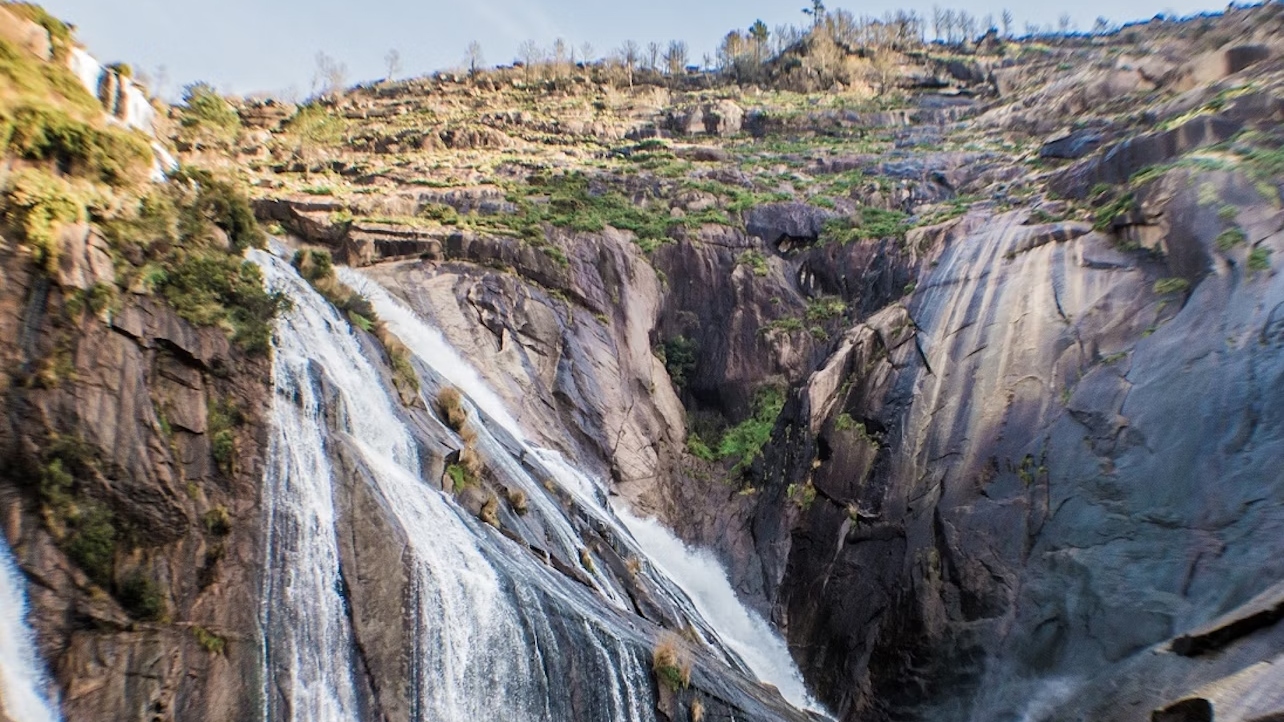
In the last stretch of the course of the Xallas River, it runs through the foothills of Monte Pindo, until it ends up plunging into the sea from about 40 meters high in what we know as Cascada del Ézaro. A unique show in Europe.
4
Cape Finisterre, or Fisterra, is the place where ancient Greeks and Romans placed the End of the World.
It is one of the most emblematic places in Galicia, which has given rise to all kinds of legends, in which religious, maritime and pagan elements are intertwined.
Many of those who venture into the Camino de Santiago decide to extend their path precisely to this place, always considered a magical and mysterious place, traveling the 98 kilometers that separate Santiago de Compostela from Finisterre.
From the surroundings of the Lighthouse of Fisterra we will observe impressive panoramic views of the Ría de Corcubión and the Carnota Coast, on which the granite complex of the O Pindo Mountains stands out.
5
Famous fishing village.
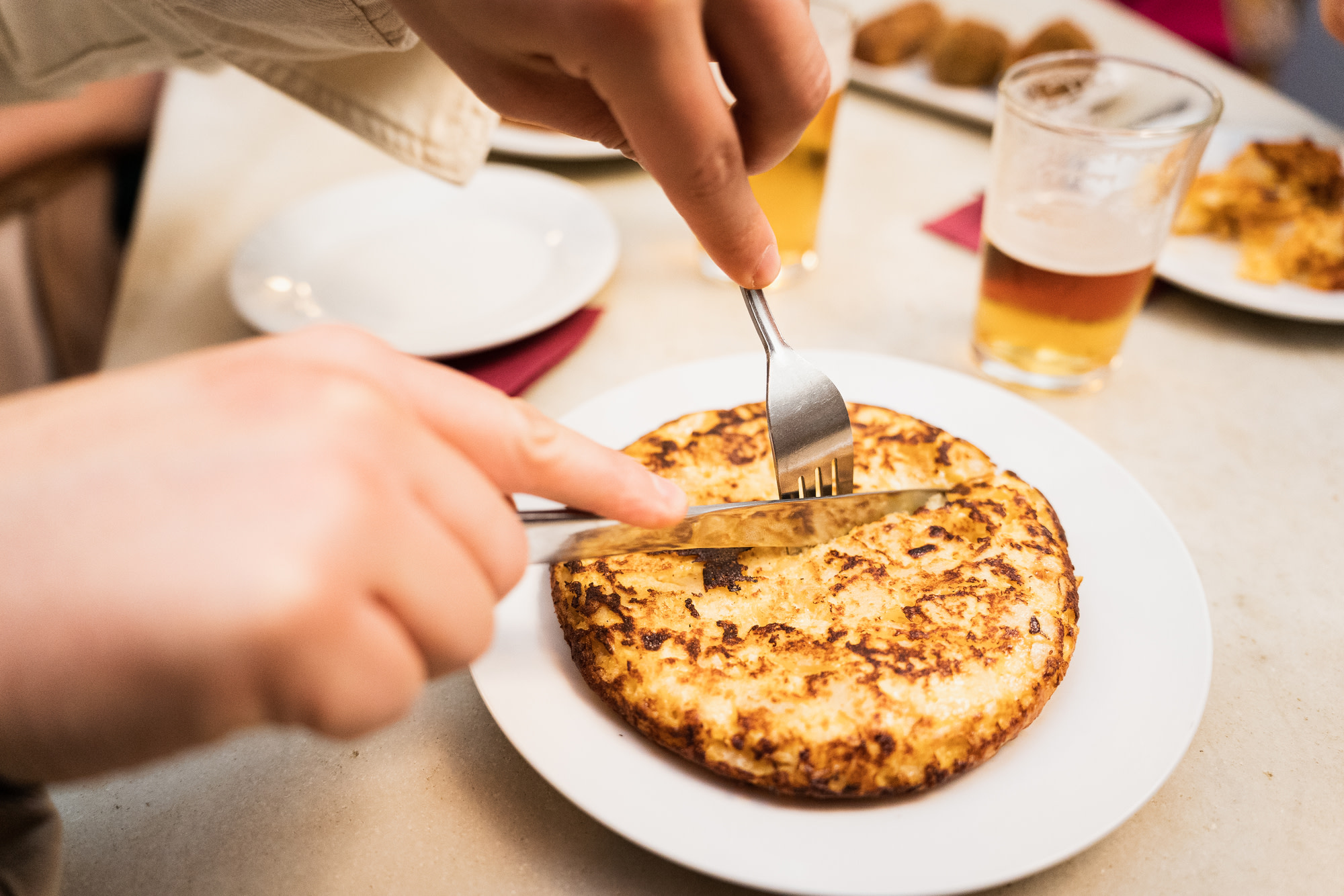
In the town of Finisterre we will have free time to enjoy Galician gastronomy, visit the fishing port and explore its charming alleys
6
For many, the road and the experience extend to the town of Muxía, located a little further north of Finisterre, a spectacular place with an important cultural heritage
The history of the town of Muxía is linked to the Sanctuary of the Boat raised at the foot of the sea and the surrounding stones; the “Pedra de Abalar”, the “Pedra dos Cadrís” and the Piedra del Timón.
From the Sanctuary, a small path leads us to the summit of Monte Corpiño that offers magnificent views of the estuary and the Cabo Vilán, the beaches of Leis and Lago and Monte Facho.
What's not included
Lunch
Available languages
Audio guide
DE
KO
FR
Guide guide
EN
ES
Reviews breakdown
Viator
4.8
118 reviews
5★
98
4★
15
3★
3
2★
2
1★
0
Tripadvisor
4.8
117 reviews
5★
105
4★
7
3★
1
2★
2
1★
2
Important information
Infants and small children can ride in a pram or stroller
Service animals allowed
Public transportation options are available nearby
Suitable for all physical fitness levels
Meeting point
Toxo Travel Office
About Santiago de Compostela
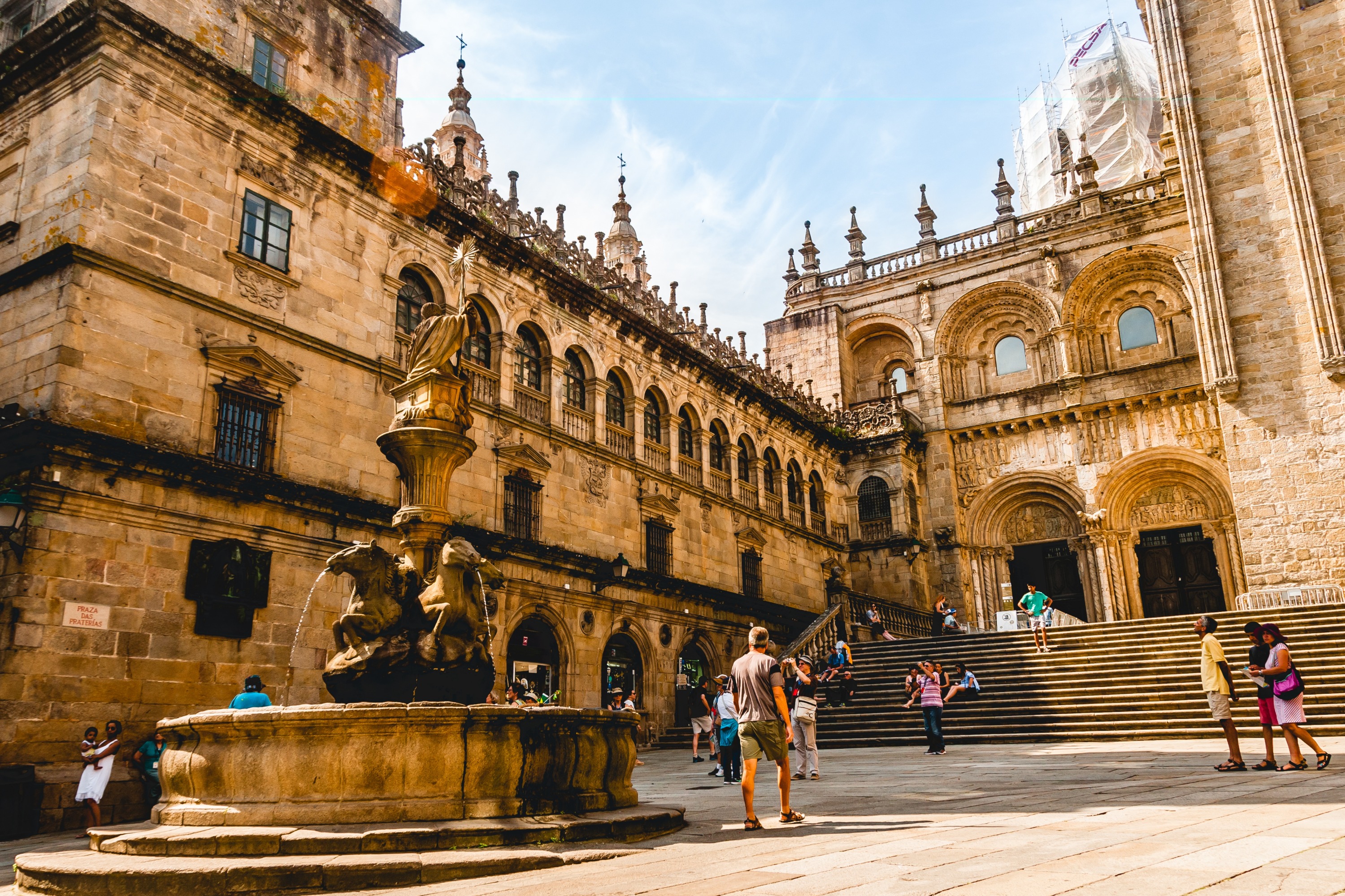
Santiago de Compostela is a historic city in northwestern Spain, renowned as the endpoint of the Camino de Santiago pilgrimage route. It is famous for its stunning cathedral, which houses the remains of St. James the Apostle, and its rich cultural heritage. The city's medieval old town is a UNESCO World Heritage Site, offering a blend of history, architecture, and vibrant Galician culture.
Top Attractions
Santiago de Compostela Cathedral
This iconic cathedral is the final destination of the Camino de Santiago pilgrimage. It houses the remains of St. James the Apostle and is a masterpiece of Romanesque and Baroque architecture.
Historical/Religious
1-2 hours
Free (donations welcome)
Old Town (Zona Vella)
The Old Town is a UNESCO World Heritage Site with narrow medieval streets, historic buildings, and vibrant plazas. It's the heart of the city and a must-visit for its architectural and cultural charm.
Historical/Cultural
Half-day
Free to explore
Alameda Park
This beautiful park offers stunning views of the cathedral and the city. It's a great place for a leisurely stroll, picnic, or simply relaxing and enjoying the scenery.
Nature/Scenic
30 minutes to 1 hour
Free
Museo das Peregrinacións e de Santiago
This museum is dedicated to the history of the Camino de Santiago pilgrimage and the city of Santiago de Compostela. It offers a fascinating look into the cultural and religious significance of the pilgrimage.
Museum
1 hour
€3
Must-Try Local Dishes
Pulpo a la gallega
Galician-style octopus served with potatoes, paprika, and olive oil.
Main Dish
Contains seafood, gluten-free
Empanada gallega
A savory pastry filled with various ingredients like tuna, meat, or vegetables.
Snack
Can be vegetarian or vegan, contains gluten
Caldo gallego
A traditional Galician soup made with white beans, potatoes, kale, and chorizo.
Soup
Contains meat, gluten-free
Popular Activities
Hiking the Camino de Santiago
Cycling tours
Kayaking in the surrounding rivers
Visiting Alameda Park
Relaxing at local cafes
Enjoying a spa day
Visiting museums
Attending local festivals
Best Time to Visit
June to September
This is the peak tourist season with warm weather and numerous festivals. The city is bustling with pilgrims and tourists, and outdoor activities are at their best.
18°C to 28°C
64°F to 82°F
Practical Information
Language
- Official: Spanish
- Widely spoken: Galician, English (in tourist areas)
- English: Moderately spoken in tourist areas, limited elsewhere
Currency
Euro (EUR)
Time Zone
GMT+1 (CET), GMT+2 (CEST during daylight saving time)
Electricity
230VV, 50HzHz
Safety Information
Overall Safety Rating: Generally safe
Santiago de Compostela is generally safe, with low crime rates. However, as with any tourist destination, it's important to be aware of your surroundings and take basic precautions.
Important Precautions:
- • Keep valuables secure
- • Use licensed taxis
- • Be cautious of distractions and scams
Getting there
By air
- Santiago de Compostela Airport • 12 km from city center
By train
Santiago de Compostela Railway Station
By bus
Santiago de Compostela Bus Station
Getting around
Public transport
The bus system is efficient and affordable, with frequent services connecting major attractions and neighborhoods.
Taxis
Available • Apps: Free Now, Cabify
Rentals
Car, Bike, Scooter
Neighborhoods
Old Town (Zona Vella)
New Town (Zona Nova)
Day trips
A Coruña
75 km (47 miles) • Full day
A Coruña is a coastal city known for its Roman lighthouse, beautiful beaches, and historic architecture. It offers a mix of history, culture, and relaxation.
Rías Baixas Wine Region
50 km (31 miles) • Full day
The Rías Baixas region is famous for its Albariño wine, a crisp and refreshing white wine. Visitors can tour vineyards, taste local wines, and enjoy the beautiful coastal scenery.
Festivals
Festival of Saint James • July 24-25
Arts Festival (Festival de Arte Sacro) • April
Pro tips
- Visit the cathedral's rooftop for stunning views of the city
- Try pulpo a la gallega (Galician-style octopus) at a local tavern
- Explore the Old Town's narrow streets and hidden gems
- Attend the Pilgrim's Mass at the cathedral for a unique cultural experience
- Take a day trip to the Rías Baixas wine region for wine tasting and coastal scenery
From $25
per person
Price varies by option
Secure booking
Free cancellation available
Instant confirmation