Join-in Shore Excursion: Berlin Highlights and Sachsenhausen
Active
12h
All sales are final. No refund is available for cancellations.
Instant confirmation
Mobile or paper ticket accepted
About this experience
Sightseeing tour with a round-trip transfer, which includes a visit to the memorial of the concentration camp Sachsenhausen (45 - 60 min) and a sightseeing tour of Berlin (4.5 hours). During a tour of Berlin you will see the Bundestag building, Brandenburg Gate, Kaiser Wilhelm Memorial Church, Victory Column, Bellevue Palace, Museum Island, Unter den Linden, Berlin Cathedral, the building of the former German Ministry of Aviation. Goering, Potsdamer Platz, Berlin Wall, Alexanderplatz, Rotes Rathaus, Humboldt University, Checkpoint Charlie, etc.
Upon arrival in Berlin you will have 1 hour of free time for lunch.
Available options
Join-in Shore Excursion: Berlin Highlights and Sachsenhausen
Pickup included
What's included
Roundtrip port transfer in a comfortable a/c bus or mini-bus appropriate for the group size.
Short visit to the Sachsenhausen Concentration Camp Memorial (approximately 45-60 min)
Very Quick stop (30 min) for a sandwich & drink ( meal is not included)
Transfer to Sachsenhausen (2.5 hours)
Professional English-speaking tour guide (4.5 hours in Berlin)
1 hr drive to Berlin in your bus
Detailed itinerary
1
Stop 1
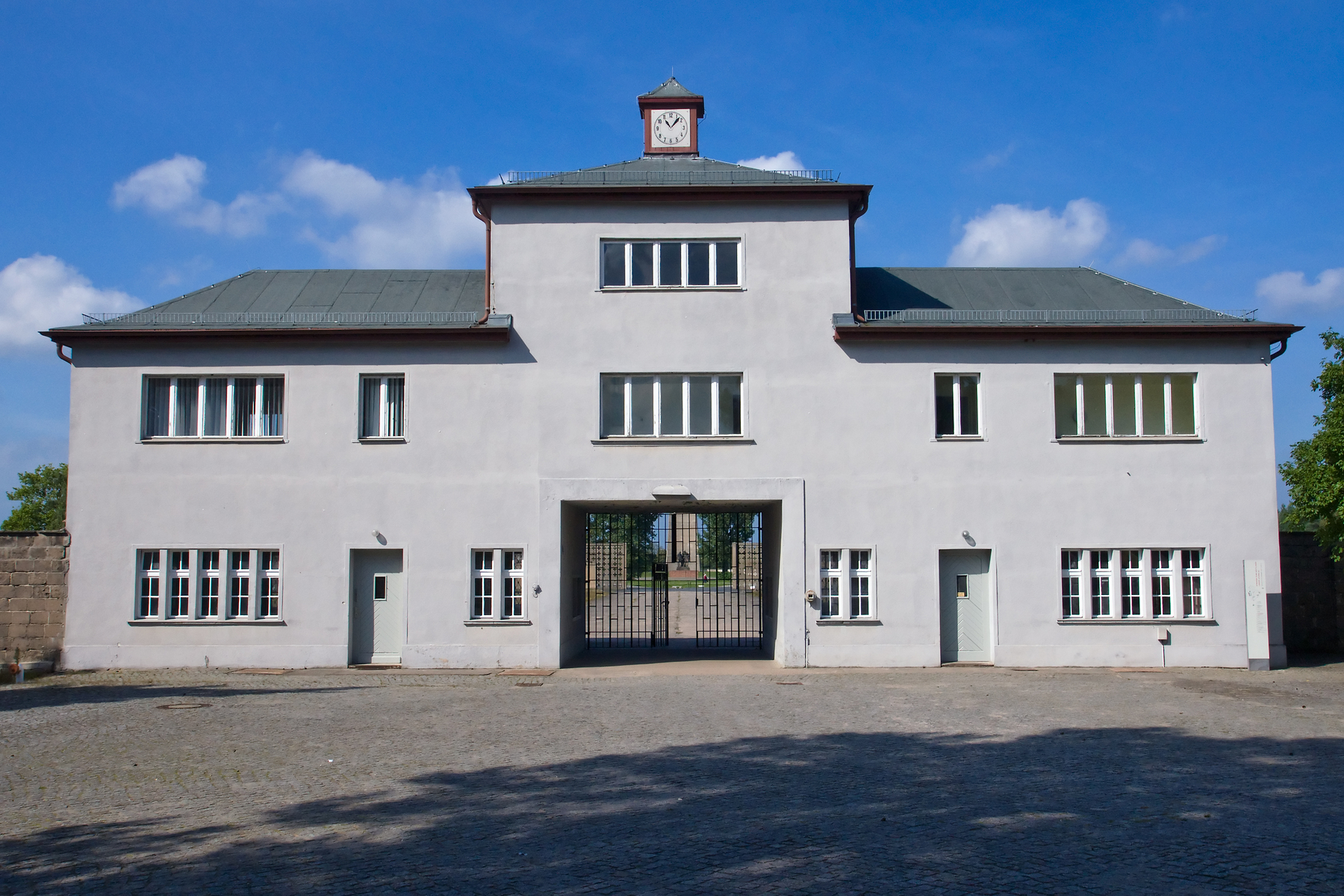
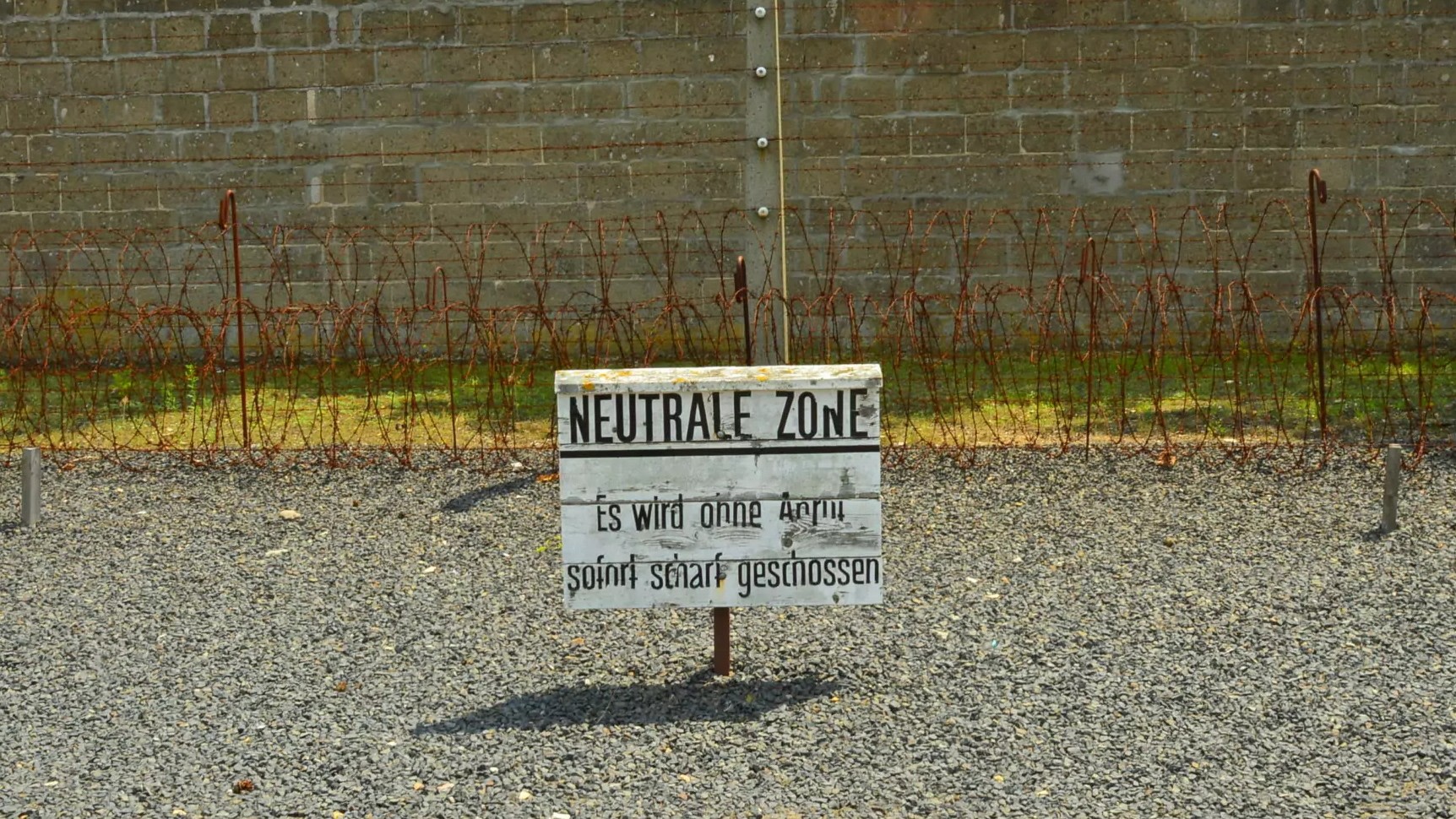
The memorial site Sachsenhausen is a former concentration camp in Oranienburg, about 30 minutes north of Berlin. The camp was erected in 1936 and until 1945 more than 200,000 people were imprisoned here by the Nazis. The camp today is open to the public as a memorial site. It clearly shows how different governments left their political imprint on the camp.
2
Stop 2
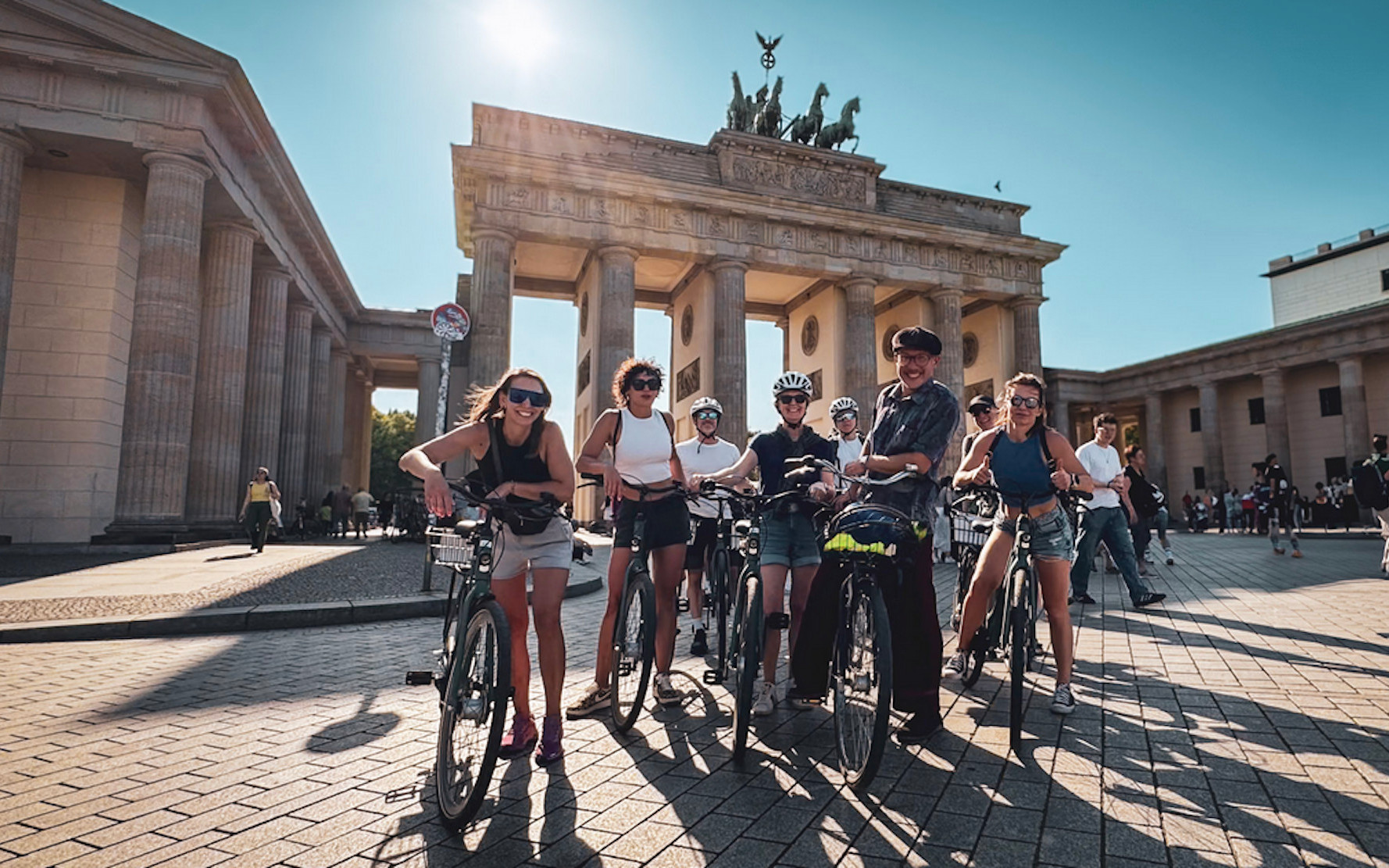
Brandenburg gate is the main symbol of Berlin and Germany itself. Located at the beginning of Unter den Linden street, and the boarder of the Tiergarten, it's the only remaining 18th century city gate of Berlin. Brandenburg gate was the important landmark of the cold war time as the most significant border of the Soviet and British sections of the divided city.
3
Stop 3
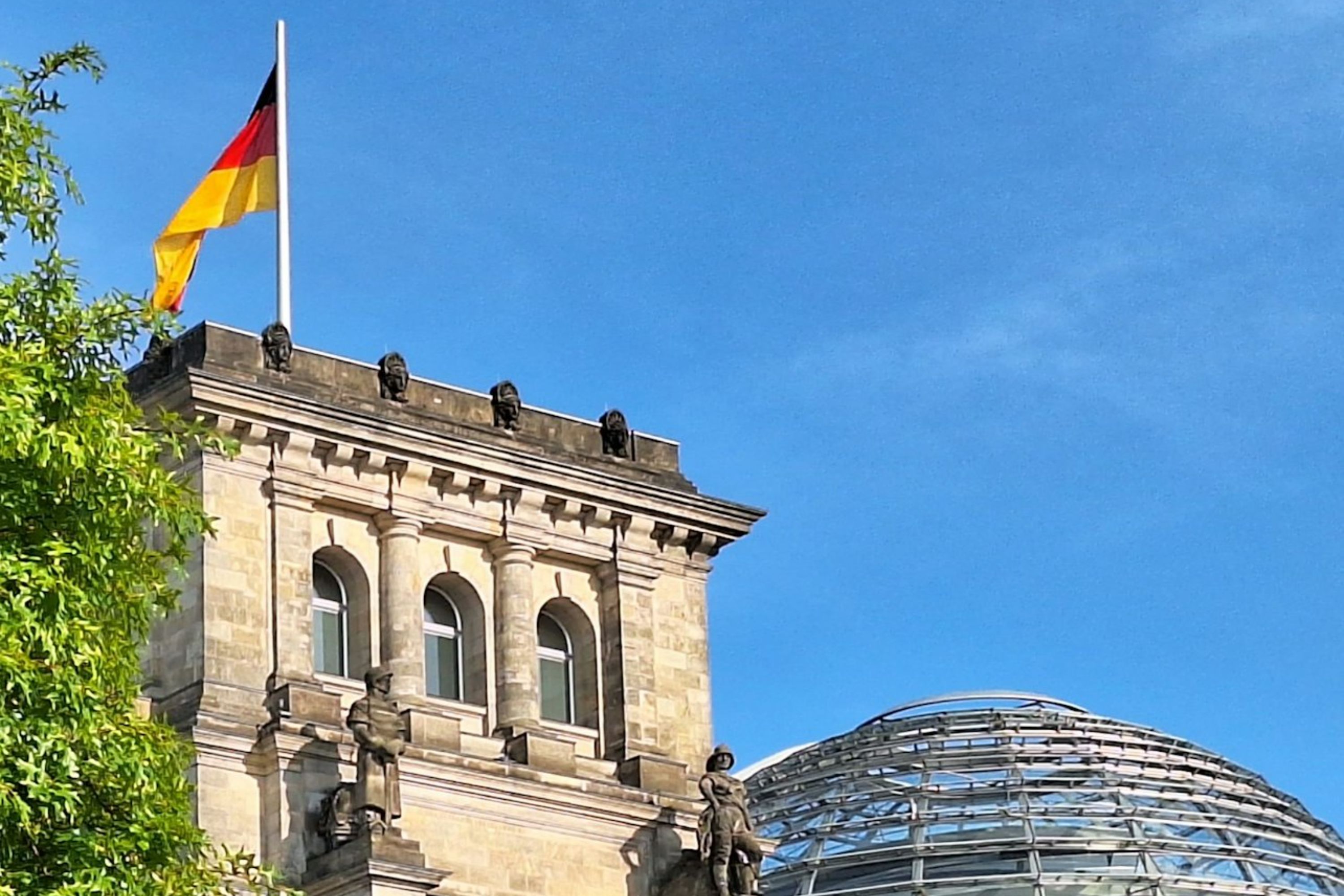
Reichstag building was and is the meeting center of the Bundestag, the German parliament. The building was opened in 1894. It was the arena for the culmination of the Battle of Berlin of WW2, when Soviet army put the red flag above the damaged building. Shortly after the demolition of the Berlin wall, in 1995 reconstruction, the huge glass dome appeared on the top of the building, as the observation spot for tourist with the brilliant views of Tiergarten, Spree and the center of Berlin.
4
Stop 4
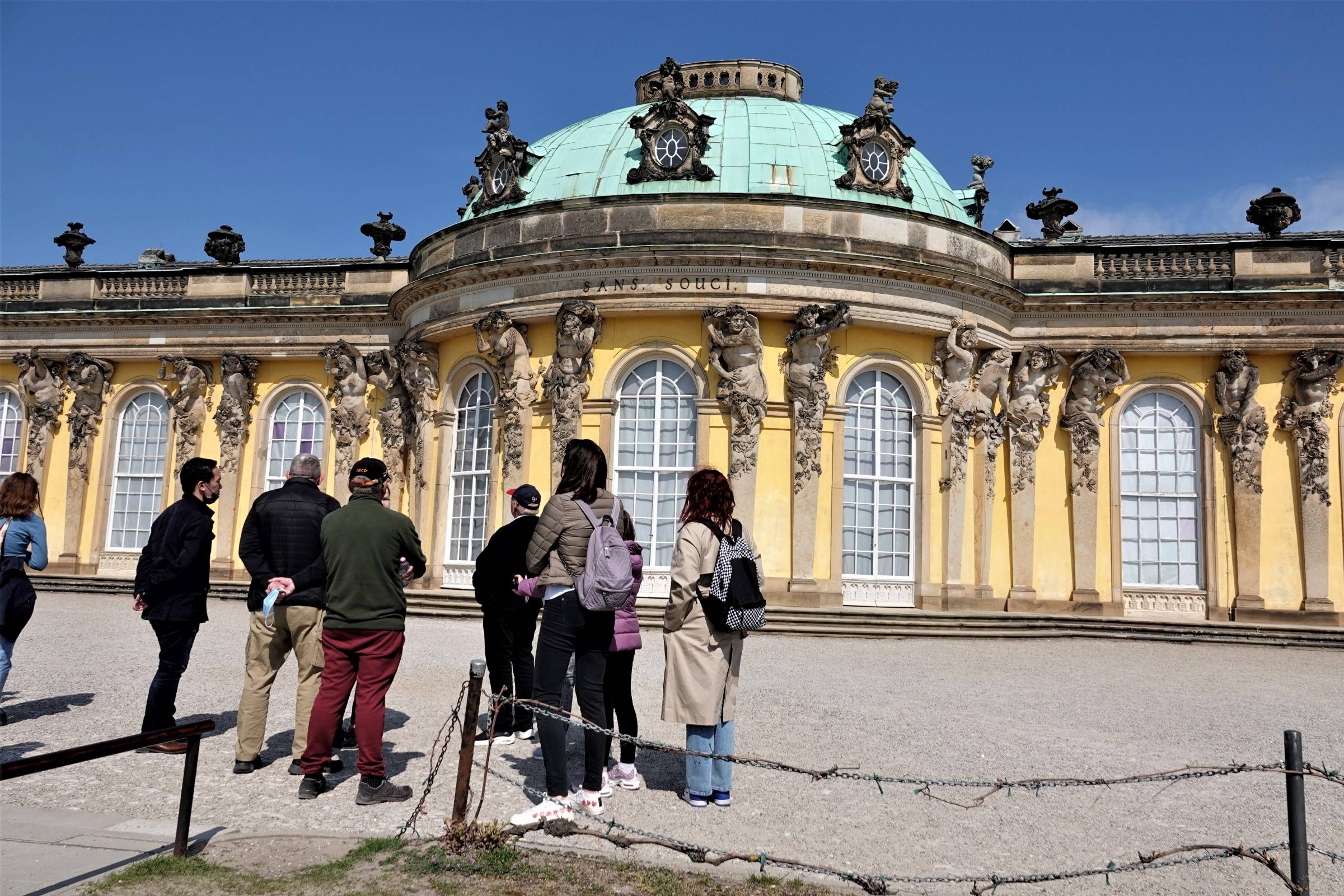
Charlottenburg is the most beautiful baroque palace of Berlin dating 1699. Named after Charlotte, the wife of Friedrich I, this palace and the palace park along the Spree river are one of three Prussian royal residences, located in Berlin itself and the earliest of those. It's the significant landmark and a beautiful place for a walk.
5
Stop 5
Kaiser Wilhelm Memorial Church mostly just known as Gedächtniskirche is a charming, but very much damaged church, located not far from Kudam street and Berlin Zoo. The original church on the site was built in the 1890s. It was badly damaged in a bombing raid in 1943. The present building, which consists of a church with an attached foyer and a separate belfry with an attached chapel, was built between 1959 and 1963. The damaged spire of the old church has been retained and its ground floor has been made into a memorial hall.
6
Stop 6
Berlin Victory Column is a special memorial, dedicated to the 19th century wars that helped the unification of Germany. It's located on the Great Star square - the intersection of the numerous road in the middle of the Teirgarten. Before taking its final place in the Tiergarten, the column was relocated several times, and even stood in front of the Reichstag for a while. The viewing platform on the top, for which a ticket is required, offers a great view over Berlin.
7
Bellevue Palace is located in the middle of the Tiergarten park. Formerly a summer palace of the Prussian kings, since 1994 it has been the official residence of the president of Germany. Its name – the French for "beautiful view" – derives from its scenic prospect over the Spree's course. No visits inside the palace are allowed for public.
8
Stop 8
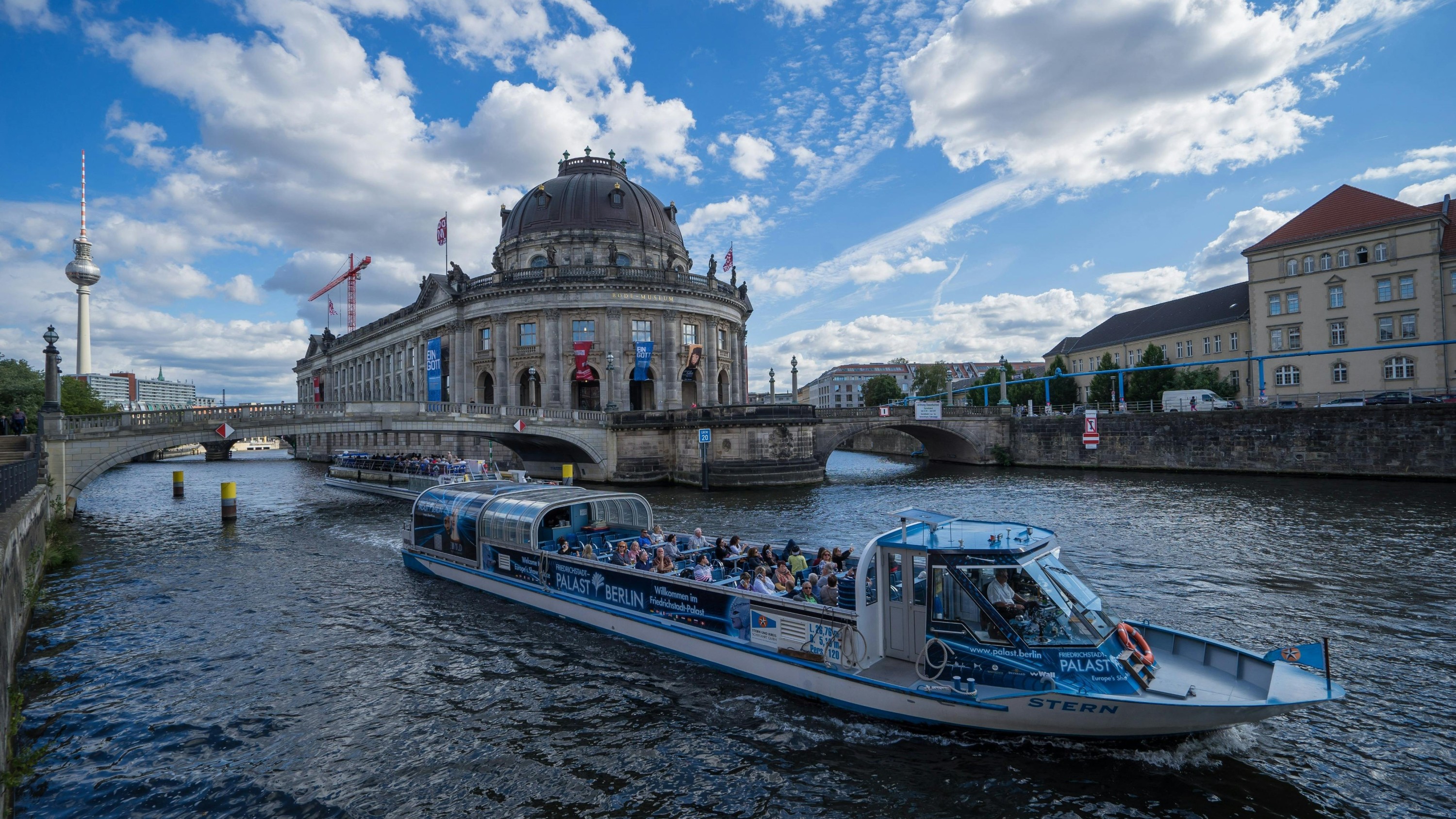
Museum Island is the name of the northern half of an island in the Spree river. It is called so for the complex of five internationally significant museums located there: The Altes Museum (Old Museum) features the Collection of Classical Antiquities. The Neues Museum (New Museum) finished in 1859. Destroyed in World War II, it was re-opened in 2009.
9
Stop 9
Unter den Linden is a main street of Berlin. It begins at the Pariser Plaz and Brandenburg gate and goes East through the most significant part of Berlin historical center to the Schlossbrucke on Spree. The name of the street means "Under the Linden trees", as the lindens were planted here back in the 17th century to decorate Prussian king's ride to the royal hunt at the Tiergarten.
10
Stop 10
Berlin Cathedral is an impressive baroque structure, dating though to 1905. The park in front of the palace is a quiet area, just 10 footsteps away from the busy street. The cathedral operates as the museum with the guided tours and the admission charge through most of the day, but it's free of charge during the worship time at noon and 6 pm. Dome walkway 270 steps above the ground is worth a visit with the magnificent panorama of the city from the top.
11
Constructed between 1935 and 1936 according to plans designed by the architec Ernst Sagebiel, the building in the Wilhelmstraße was one of the Nazi regime’s prestige projects in Berlin. It served as the headquarters of the Reich Aviation Ministry until the end of the war and was Herman Göring’s centre of power. The building is used today for the Department of Finance of the Federal Republic of Germany.
12
Stop 12
Potsdamer Platz is a large square at the South-East corner of the Tiergarten. Prior to the WW2 it was the major transportation and market intersection of Berlin. The square was badly damaged in WW2 battles. Later it became the border of Berlin's Soviet, American and British sectors. Now Potsdamer Platz is a contemporary business district with tall office towers by the best contemporary architects, impressive buildings and large Sony center complex.
13
Stop 13
Berlin wall was a 155 km structure that 1961-1989 separated the West Berlin from the surrounding pro-Soviet GDR and East Berlin. It is one of the major cold war symbols. The wall is covered with graffiti, including the famous "Kiss of Brezhnev and Honecker".
14
Stop 14
Berlin's most famous boulevard, Kurfürstendamm, is the heart of the western city center. The train in Berlin should not go without a walk along this street, which is always full of Berliners and guests in the city who are hunting for the latest fashion and designer things or delicious food.
15
Stop 15
Alexanderplatz looks very 20th century, so it's hard to believe that this square witnessed all Berlin's history. It was first mentioned in 14th century. The square is named after Russian emperor Alexander the 1st for the anti-Napoleon treaty was signed here. The World Time clock, showing the current time in 144 destinations is a must see.
16
Stop 16
The Rotes Rathaus or the Red City Hall is the official city hall of Berlin, located near the Alexanderplaz. It is the home to the governing mayor and the Senate of Berlin. The red brick building appeared in the middle of 19th century. It was rebuilt to the original plans after WW2. The square in front of the City Hall brings you to the charming atmosphere of 19th century Berlin with Marienkirche, Belin's oldest church and the Neptune, one of Germany's oldest fountains.
17
Stop 17
Humboldt University of Berlin in located on Unter den Linden street. It's an impressive structure that feels like a school at the first sight. It is one of Berlin's oldest universities, founded on 15 October 1811 by the liberal Prussian educational reformer and linguist Wilhelm von Humboldt. His statue can be seen in front of the main building. It's an active school with thousands of students from all over world.
18
Stop 18
Checkpoint Charlie is one of 3 checkpoints on the border of Soviet and American sectors of Berlin during the cold war, located on Friederichstrasse. The checkpoints were indicated by letters - Alfa, Bravo, Charlie. With the Berlin wall demolition, the checkpoints were removed as well. Checkpoint Charlie stayed as a memory.
What's not included
Food during Meal Break
Tips/Gratuity
Any admissions/donations
Available languages
Guide guide
EN
Important information
Public transportation options are available nearby
Travelers should have at least a moderate level of physical fitness
About Rostock
Rostock is a vibrant coastal city in northern Germany, known for its rich maritime history, stunning medieval architecture, and beautiful beaches. As one of Germany's oldest Hanseatic cities, it offers a unique blend of cultural heritage, modern attractions, and scenic natural beauty.
Top Attractions
Rostock Altstadt (Old Town)
The medieval old town is the heart of Rostock, featuring stunning architecture, cobblestone streets, and historic landmarks.
Historical
2-3 hours
Free to explore
Warnemünde
A popular seaside resort known for its long sandy beaches, vibrant marina, and historic lighthouse.
Beach
Half day to full day
Free to explore, beach activities may have costs
Rostock Zoo
One of the oldest and most popular zoos in Germany, featuring a wide variety of animals and beautiful gardens.
Nature
2-3 hours
€15-€20 for adults, discounts for children and families
Must-Try Local Dishes
Rostocker Fischbrötchen
A popular local dish featuring fresh fish, usually herring or mackerel, served in a roll with onions and remoulade.
Snack
Contains fish, not suitable for vegetarians or those with fish allergies.
Bratwurst mit Sauerkraut
A classic German dish featuring grilled sausage served with sauerkraut and mustard.
Main Course
Contains pork, not suitable for vegetarians or those with pork allergies.
Rostocker Rustikale
A traditional Rostock dessert made with layers of sponge cake, cream, and fruit, often topped with whipped cream.
Dessert
Contains dairy and gluten, not suitable for those with dairy or gluten allergies.
Popular Activities
Hiking in Jasmund National Park
Sailing and boating in the Baltic Sea
Beach relaxation in Warnemünde
Spa treatments in Heiligendamm
Exploring the Rostock Altstadt
Visiting the Ozeaneum in Stralsund
Swimming and sunbathing at Warnemünde Beach
Fishing trips in the Baltic Sea
Best Time to Visit
June to August
This is the peak tourist season with warm weather, long daylight hours, and various outdoor events and festivals. The beaches are particularly popular during this time.
18°C to 24°C
64°F to 75°F
Practical Information
Language
- Official: German
- Widely spoken: English
- English: Moderately spoken, especially among younger people and in tourist areas
Currency
Euro (EUR)
Time Zone
GMT+1 (CET), GMT+2 (CEST) during daylight saving time
Electricity
230VV, 50HzHz
Safety Information
Overall Safety Rating: Generally safe
Rostock is generally a safe city for travelers, with low crime rates and a welcoming atmosphere. However, as with any destination, it's important to take basic precautions to ensure a safe and enjoyable trip.
Important Precautions:
- • Keep valuables secure and out of sight.
- • Use licensed taxis or ride-sharing apps.
- • Be cautious of strangers approaching you with unsolicited offers or requests.
Getting there
By air
- Rostock-Laage Airport • 25 km from city center
By train
Rostock Hauptbahnhof
By bus
ZOB Rostock
Getting around
Public transport
The tram system is efficient and user-friendly, with frequent services and clear signage.
Taxis
Available • Apps: Free Now, Taxi Rostock
Rentals
Car, Bike, Scooter
Neighborhoods
Altstadt (Old Town)
Warnemünde
Kreuzkogvorstadt
Day trips
Heiligendamm
30 km • Half day to full day
A historic seaside resort known for its beautiful white buildings and luxurious spa facilities.
Stralsund
60 km • Full day
A historic city known for its well-preserved medieval architecture and the famous Ozeaneum, a marine museum.
Rügen Island
80 km • Full day to overnight
Germany's largest island, known for its stunning natural landscapes, including the famous chalk cliffs of Jasmund National Park.
Festivals
Hanse Sail Rostock • First weekend of August
Warnemünde Carnival • February/March (varies each year)
Rostock Christmas Market • Late November to December 23
Pro tips
- Visit the historic lighthouse in Warnemünde for stunning views of the Baltic Sea.
- Explore the Rostock Altstadt (Old Town) on foot to discover its charming cobblestone streets and historic landmarks.
- Try local specialties like fish brötchen and Baltic Porter for an authentic taste of Rostock.
- Take a ferry to nearby islands like Rügen or Hiddensee for a unique day trip experience.
- Attend the Hanse Sail festival in August for a memorable maritime celebration with tall ships, live music, and cultural events.
From $25
per person
Price varies by option
Secure booking
Free cancellation available
Instant confirmation