Private Tour to Evora and Cork Experience from Lisbon
Active
8h
For a full refund, cancel at least 24 hours before the scheduled departure time.
Instant confirmation
Mobile or paper ticket accepted
About this experience
Évora, the Pearl of the Alentejo!
Known as the Museum-City, Évora stands out for its rich historical heritage and university tradition.
Did you know that…
Portugal is the main cork producer on the planet?
Responsible for more than 60% the world exports it has an area of cork oak forests corresponding to 25% of the area of cork oak forests of the whole world.
Each cork oak take 25 years to be harvested for the first time?
Its shell is removed every nine years.
Cork is the bark of the cork oak (Quercus Suber L.)? This means that it is a 100% natural and highly versatile vegetal fabric, allowing you to do incredible things?
Some curiosities about this natural, versatile and sustainable product:
It has an excellent thermal and acoustic insulation capacity. NASA uses cork as insulation solutions in its missions.
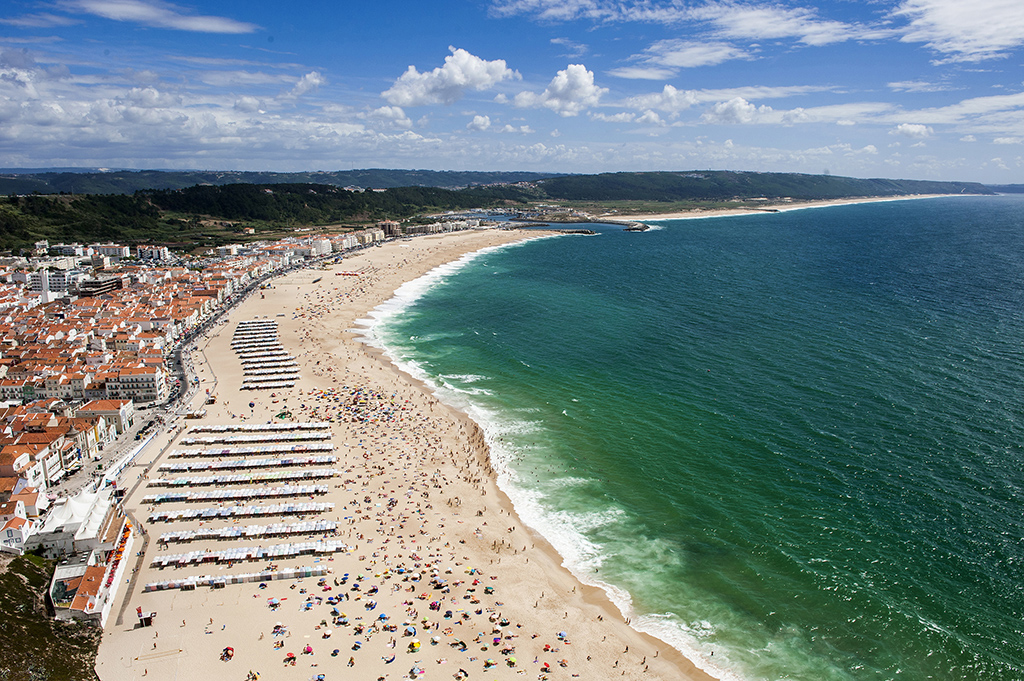
A Surfboard made entirely of Portuguese cork was created for the Hawaiian surfer Garrett McNamara, who surfed one of the biggest waves in the world at Nazaré.
Available options
Private Tour to Evora and Cork Experience from Lisbon
Pickup included
What's included
Guided tour a Cork Factory with a specialized guide
Private transportation
Bottled water
Air-conditioned vehicle
Pickup and drop-off at Hotel/Accommodation in Lisbon
Driver/Guide
Detailed itinerary
1
Avoid the stress of traveling by public transport or a shared tour and choose the comfort and safety in the company of your private guide who will pick you up at your hotel in a comfortable vehicle with the Clean & Safe Seal guarantee.
Travel time from Lisbon to Évora approximately 1h30 (138km)
2
From the bark of the cork oak to the stopper of the bottle, cork travels a fascinating path where human beings, nature and technology intertwine and support each other. Come with us on this guided tour of a cork factory and learn about the process of stripping and transforming cork, ancestral manual process that requires experienced and very careful hands to avoid damaging the bark or the tree, through the testimony of a specialized guide.
3
Stop 3
Be amazed by the Roman Temple, popularly known as Tempo Diana, which is one of the symbols of the Roman occupation in Portugal. It dates from the 1st century and is built at the dominant point of the acropolis, in the city forum. It is one of the best preserved Roman temples in the Iberian Peninsula. Declared a World Heritage Site by UNESCO, it is certainly the oldest of all monuments in Évora
4
Stop 4
The largest medieval cathedral in Portugal, its construction started in 1186, on the foundations of an Arab mosque, is an example of the transition from Romanesque to Gothic style. Declared a National Monument in 1910.
5
Stop 5
Built in the 15th and 16th centuries, in Manueline-Mudejar and Renaissance style, to replace an earlier Gothic temple, of which there are still some remnants. It was adjacent to the Royal Palace, and seen as a Royal Church therefore important ceremonies were held there such as the marriage of Prince Afonso to Isabel of Castilla in 1490.
The interior has a single nave, rectangular in shape and in the form of a Latin cross, emphasizing the Baroque high-altar and the Third Order of Saint Francis Chapel. The greatest popular curiosity resides in the Bones Chapel, of three naves completely covered in human bones (17th century).
6
Stop 6
This site was the scene of numerous autos-da-fé (ritual of public penance), which took place during the period of the Inquisition. It has a rectangular shape. The houses that surround it are white and have medieval arches.
7
Stop 7
Be impressed by one of the most sinister monuments in Portugal: The Chapel of Bones built in the 17th century. Upon entering, note the ominous warning, intended for visitors to meditate on the ephemeral of life: "We bones that here are, for yours await". Built by three naves, the chapel is covered with bones and skulls from 5000 skeletons from church and convent cemeteries throughout the city.
8
Stop 8
It was a great day and it is time to return to your hotel in Lisbon. We hope to see you again soon on another visit in Portugal.
You will be able to choose a Drop-off location different from the Pick up one, provided it is in Lisbon.
See you soon!
What's not included
Any additional expenses not covered and agreed in advance
Entrance tickets to monuments
Lunch
Available languages
Guide guide
DE
PT
EN
Reviews breakdown
Viator
5.0
2 reviews
5★
2
4★
0
3★
0
2★
0
1★
0
Important information
Specialized infant seats are available
Service animals allowed
Public transportation options are available nearby
Infants and small children can ride in a pram or stroller
Suitable for all physical fitness levels
Wheelchair accessible
Folding Wheelchair accessible
About Lisbon
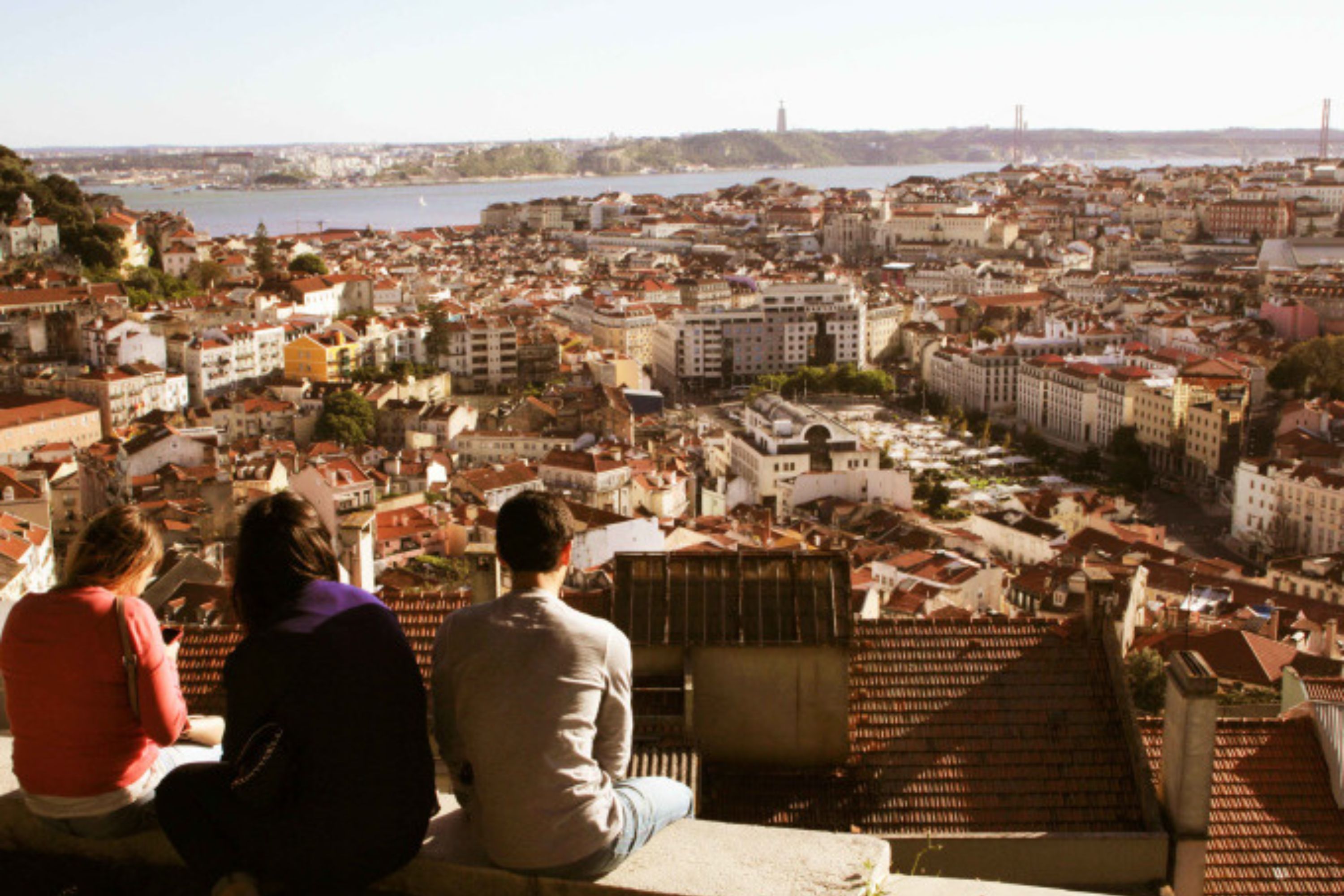
Lisbon, the capital of Portugal, is a vibrant city known for its rich history, stunning architecture, and warm climate. With its charming streets, historic trams, and breathtaking viewpoints, Lisbon offers a unique blend of old-world charm and modern energy.
Top Attractions
Belém Tower
A UNESCO World Heritage Site, this 16th-century tower is an iconic symbol of Lisbon's Age of Discoveries.
Historical
1-2 hours
€6
Alfama District
Lisbon's oldest district, known for its narrow, winding streets, Fado music, and historic charm.
Historical
Half day
Free to explore, attractions may have entry fees
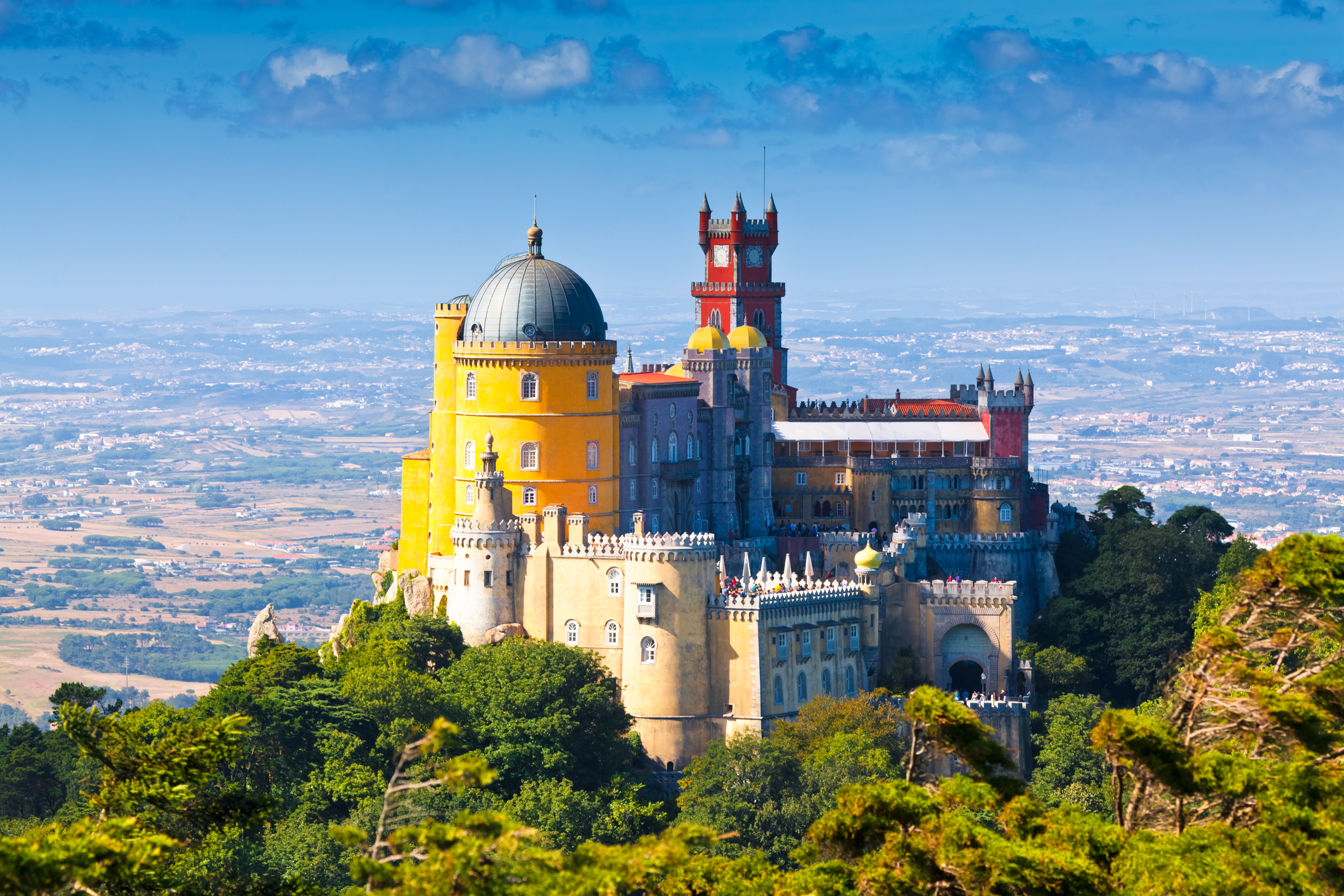
Sintra
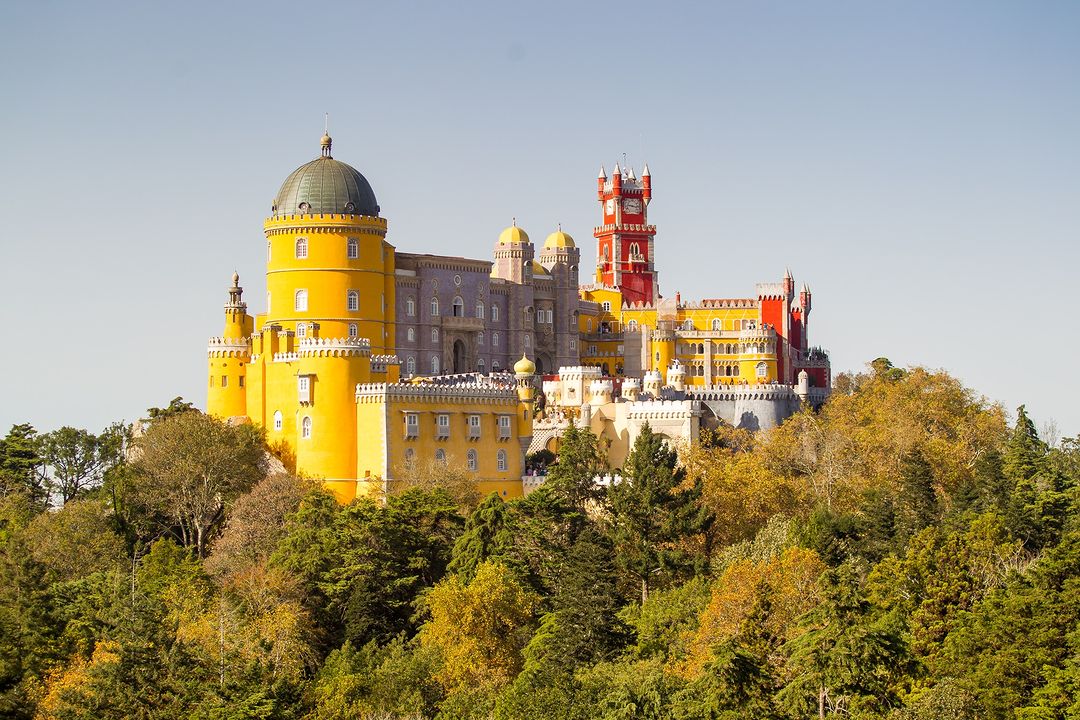
A UNESCO World Heritage Site, Sintra is a romantic town with stunning palaces and castles.
Historical
Full day
Varies by attraction, around €10-€15 per site
Must-Try Local Dishes
Bacalhau à Brás
Shredded codfish with eggs, potatoes, and onions
Main Dish
Contains fish and eggs
Pastel de Nata
Custard tart with a flaky pastry crust
Dessert
Contains dairy and eggs
Francesinha
A sandwich with meat, cheese, and a beer-based sauce
Main Dish
Contains meat, cheese, and gluten
Popular Activities
Hiking in Sintra
Surfing in Ericeira
Parasailing in Cascais
Beach lounging in Costa da Caparica
Spa day in a luxury hotel
Picnic in Jardim da Estrela
Visiting museums and galleries
Attending Fado performances
Best Time to Visit
March to May, September to October
These months offer pleasant weather and fewer crowds, making it ideal for sightseeing and outdoor activities.
15-25°C
59-77°F
Practical Information
Language
- Official: Portuguese
- Widely spoken: English, Spanish, French
- English: Moderately spoken
Currency
Euro (EUR)
Time Zone
GMT+1 (Western European Time, WET)
Electricity
230VV, 50HzHz
Safety Information
Overall Safety Rating: Generally safe
Lisbon is generally safe, but pickpocketing and petty theft can occur in crowded areas.
Important Precautions:
- • Be cautious of pickpockets in crowded areas
- • Use licensed taxis or ride-sharing apps
- • Avoid walking alone at night in less crowded areas
Getting there
By air
- Humberto Delgado Airport • 7 km from city center
By train
Santa Apolónia, Oriente
By bus
Sete Rios, Jardim do Campo Grande, Gare do Oriente
Getting around
Public transport
Efficient and clean, with four lines connecting major attractions.
Taxis
Available • Apps: Bolt, FreeNow
Rentals
Car, Bike, Scooter
Neighborhoods
Alfama
Baixa
Bairro Alto
Day trips
Sintra
25 km from Lisbon • Full day
A romantic town with stunning palaces, castles, and lush gardens.
Cascais
30 km from Lisbon • Half day to full day
A charming coastal town with beautiful beaches, historic sites, and a relaxed atmosphere.
Óbidos
80 km from Lisbon • Full day
A medieval town with a well-preserved castle, narrow streets, and charming shops.
Festivals
Santos Populares • June 13th
Festival dos Oceanos • June to September
Arraial do Alfoz • June to September
Pro tips
- Visit the Time Out Market for a variety of local and international cuisines
- Take a day trip to Sintra and Cascais for a mix of history and beach relaxation
- Explore the LX Factory for a unique shopping and dining experience
- Ride the historic Tram 28 for a scenic tour of the city
- Visit the MAAT museum for a blend of art, architecture, and technology
From $25
per person
Price varies by option
Secure booking
Free cancellation available
Instant confirmation