Explore Jigokudani Snow Monkey Park with a Local Guide
Active
3h
For a full refund, cancel at least 24 hours before the scheduled departure time.
Manual confirmation
Mobile or paper ticket accepted
About this experience
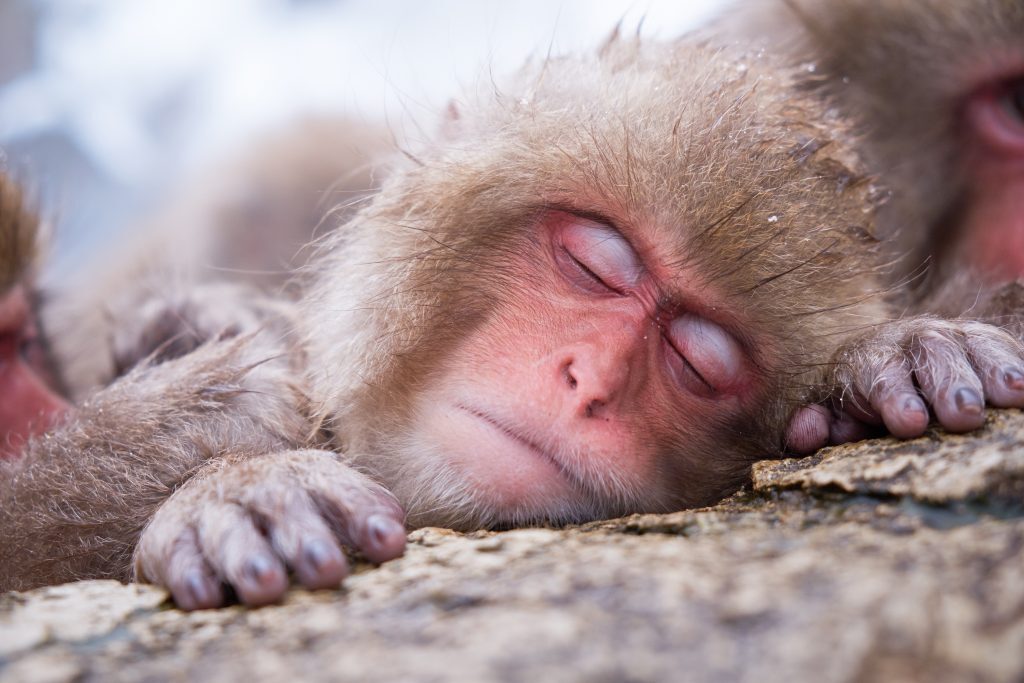
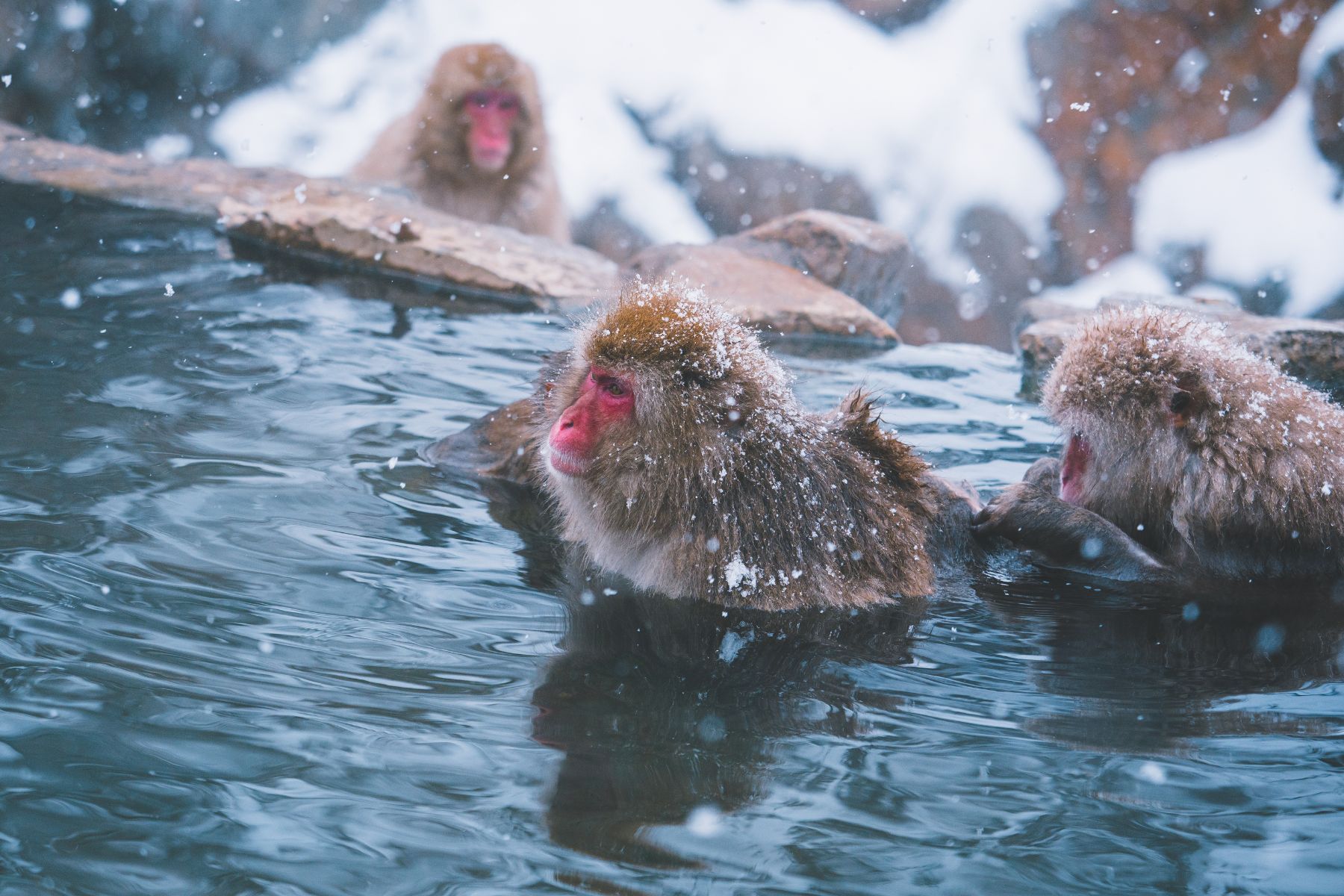
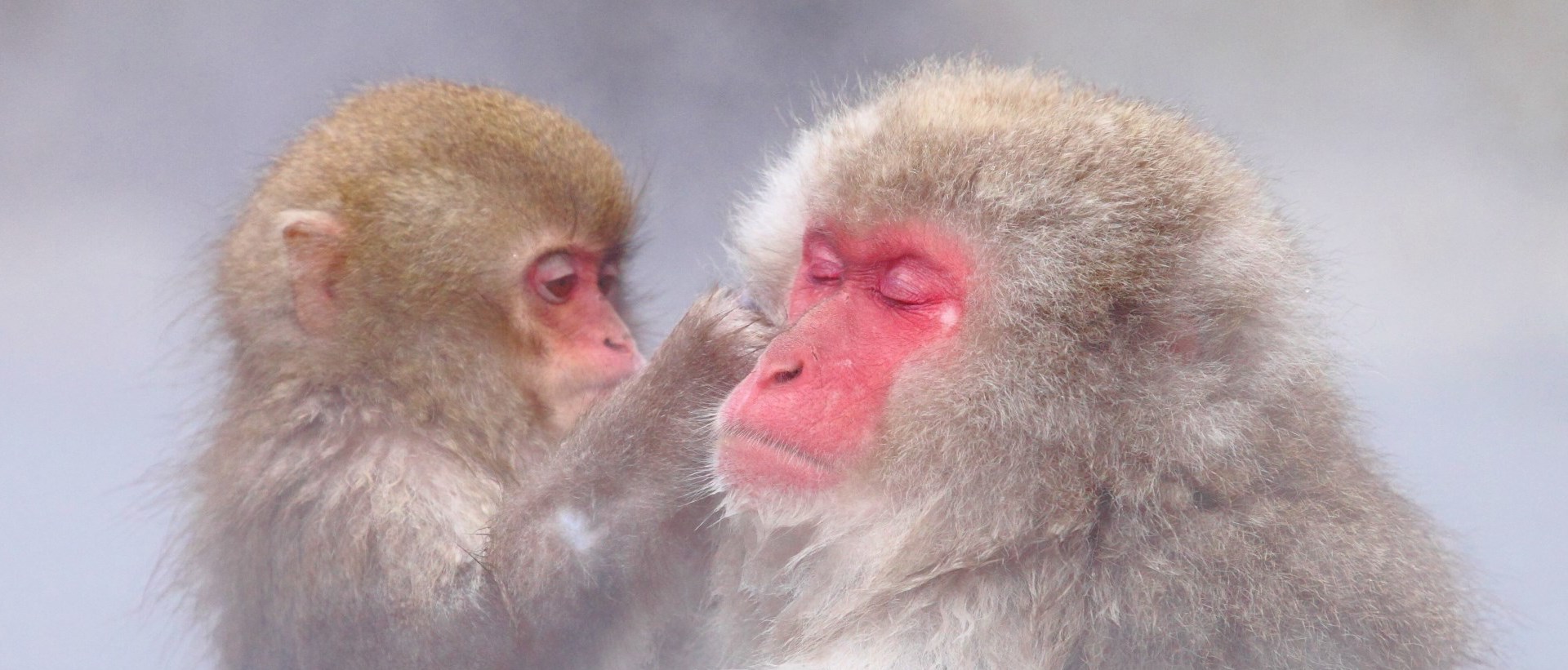
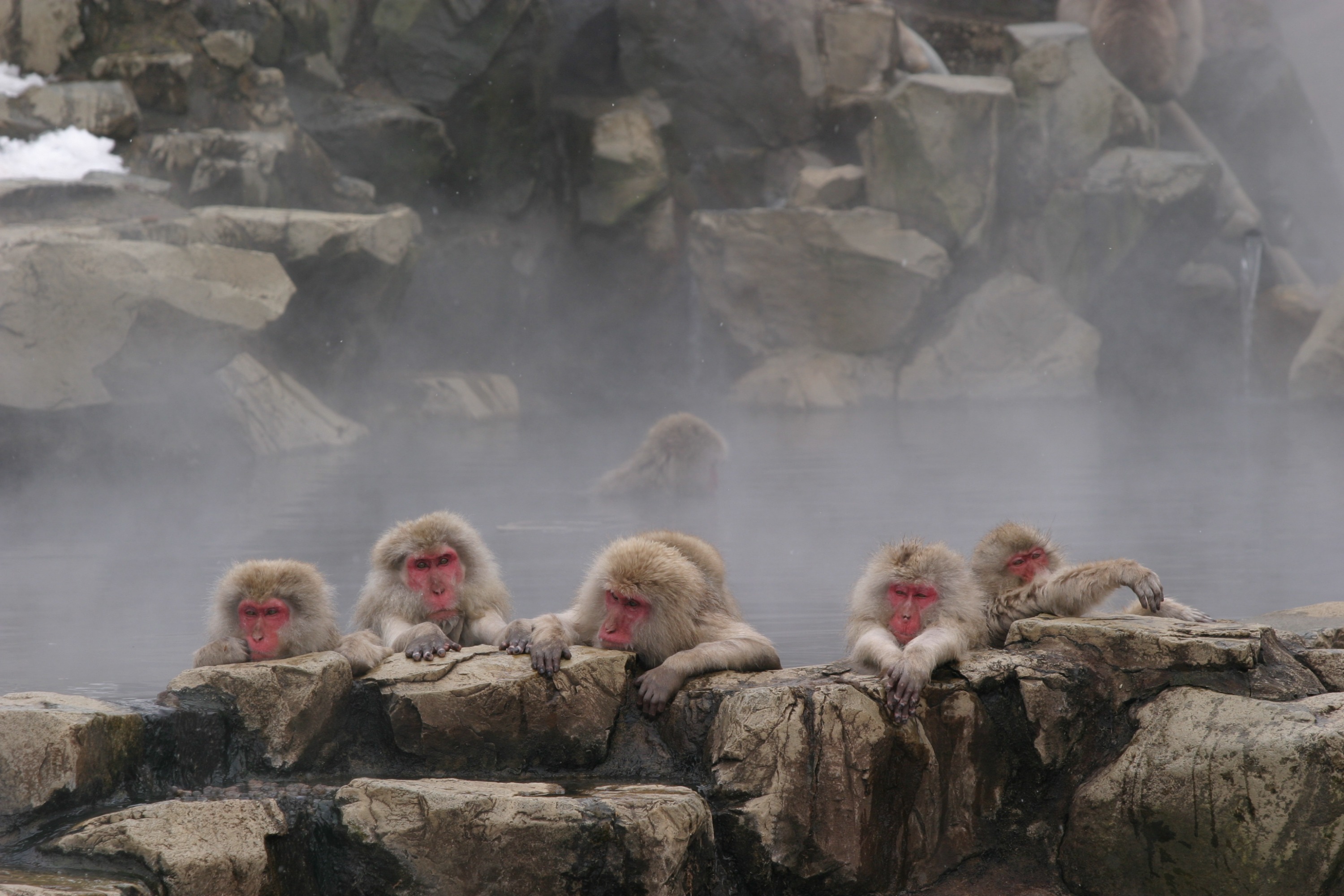
Jigokudani Yaen-koen is home to hundreds of “snow monkeys”, known as such because they spend their days soaking in the mountainous hot springs. In 1970 they appeared on the cover of Life magazine in the U.S. due to this unique behaviour. Furthermore, in 1998, when the winter Olympic Games was held in Nagano, lots of athletes, media, and tourists from foreign countries visited.
Monkeys don’t soak in the hot spring in the warm season because they bathe in order to prevent from the severe coldness in winter. Soaking in the hot spring is only one part of the monkeys’ life. You can also see them lazing or frolicking on the nearby mountain and forest.
Available options
Explore Jigokudani Snow Monkey Park with a Local Guide
What's included
Professional guide
Round trip bus tickets from Yudanaka station
All Fees and Taxes
Foot Spa
Detailed itinerary
1
The tour starts from this station.
2
This tourist information center is pretty small, but interesting and has quite good information for tourists. You can take a map or brochure for free.
3
Jigokudani Fountain is blowing high. Jigokudani means Hell Valley in Japanese, Jigokudani Fountain is designated as a national natural monument. The hot spring that gushes from the bottom of the river is a natural fountain that can be up to 20 meters high. It’s dynamic landscape is also great!
4
Stop 4
Located in the Yokoyu River Valley at an altitude of 850m, the Jigokudani Yaen Koen is known as "Hell Valley" due to the steep cliffs and steam emitting from the springs. It's buried in snow for a third of the year but is a paradise for the monkeys of Nagano area as they enjoy bathing in the hot springs to warm up.
5
If you're feeling a bit peckish while waiting for the bus to Yudanaka Station, we recommend grabbing some coffee or apple pie for takeout at this café here.
6
Known as ‘ashi-yu’ in Japanese, the foot spa can be used free of charge and offers simple relaxation when awaiting your train. Simply take your shoes and socks off, roll-up your pants and rest your feet in the thermal water. After a day of exploring the monkey park, it’s amazing how much this simple action refreshes your body and reinvigorates you for the journey ahead.
What's not included
Hotel pickup and drop-off
Food and drinks, unless specified
Taxi / Private Car or Bus
Available languages
Guide guide
EN
Reviews breakdown
Viator
4.3
12 reviews
5★
9
4★
1
3★
0
2★
1
1★
1
Tripadvisor
5.0
17 reviews
5★
17
4★
0
3★
0
2★
0
1★
0
Important information
Not recommended for travelers with poor cardiovascular health
Public transportation options are available nearby
Infants are required to sit on an adult’s lap
Not recommended for travelers with spinal injuries
Not recommended for pregnant travelers
Travelers should have at least a moderate level of physical fitness
Please join us wearing shoes that are easy to walk in and do not bring heavy baggage because you will walk the mountain paths
A maximum of 8 people per booking
Passport name, number, expiry and country is required at time of booking for all participants
Meeting point
The guide will waiting for you at the ticket gate of Yudanaka station.
Important notes
Times are subject to change due to local traffic conditions.
About Nagano
Nagano, the capital of Nagano Prefecture, is a city rich in history and natural beauty. Known for its role in the 1998 Winter Olympics, Nagano offers a blend of traditional Japanese culture, stunning mountain landscapes, and world-class ski resorts. The city is a gateway to some of Japan's most famous hot springs and ancient temples.
Top Attractions
Zenko-ji Temple
Zenko-ji is one of Japan's most important Buddhist temples, dating back to the 7th century. It is a significant pilgrimage site and a symbol of Nagano's spiritual heritage.
Religious
1-2 hours
Free (donations appreciated)
Snow Monkeys of Jigokudani
The Snow Monkeys of Jigokudani are a famous attraction, known for their unique behavior of bathing in hot springs during the winter months.
Nature
Half day to full day
¥800 (adults) or ¥400 (children)
Nagano Olympic Museum
This museum commemorates the 1998 Winter Olympics held in Nagano. It features exhibits on the history of the Olympics, the events held in Nagano, and the athletes who participated.
Historical
1-2 hours
¥500 (adults) or ¥200 (children)
Togakushi Shrine
Togakushi Shrine is a complex of three shrines dedicated to the Shinto goddess of archery. It is a popular destination for both spiritual and cultural tourism.
Religious
Half day
Free (donations appreciated)
Shiga Kogen
Shiga Kogen is one of Japan's largest and most popular ski resorts, known for its extensive ski runs, modern facilities, and beautiful mountain scenery.
Adventure
Full day or overnight
¥4,000 - ¥6,000 (lift tickets)
Must-Try Local Dishes
Soba Noodles
Soba noodles are made from buckwheat flour and are a staple of Nagano's cuisine. They can be served hot or cold, with various toppings and dipping sauces.
Dish
Vegetarian (if no meat or fish toppings are added)
Oyaki
Oyaki are dumplings filled with various ingredients, such as vegetables, meat, or cheese. They are a popular snack in Nagano and are often served with meals.
Dish
Vegetarian options available
Sake
Nagano is known for its high-quality sake, made from locally grown rice. The region has numerous sake breweries, offering a variety of flavors and styles.
Drink
Contains alcohol
Onsen Ryori
Onsen Ryori is a type of cuisine served in hot spring resorts. It typically consists of dishes made with local ingredients, such as vegetables, fish, and tofu, cooked in the hot spring water.
Dish
Vegetarian options available
Popular Activities
Skiing
Snowboarding
Hiking
Mountain biking
Hot air ballooning
Hot spring bathing
Temple visiting
Shopping
Best Time to Visit
Winter (December to February)
Winter is the peak season for skiing, snowboarding, and other winter sports. The city hosts numerous winter festivals and events. Expect heavy snowfall and cold temperatures.
-2°C to 5°C (28°F to 41°F)
28°F to 41°F
Practical Information
Language
- Official: Japanese
- Widely spoken: English (limited)
- English: Limited
Currency
Japanese Yen (JPY)
Time Zone
GMT+9
Electricity
100VV, 50/60HzHz
Safety Information
Overall Safety Rating: Generally safe
Nagano is a generally safe destination for travelers. Violent crime is rare, and petty crime, such as pickpocketing, is uncommon. However, travelers should still take precautions to protect their belongings and be aware of their surroundings.
Important Precautions:
- • Keep valuables secure and out of sight.
- • Be cautious of your surroundings, especially at night.
- • Use reputable taxis and tour services.
Getting there
By air
- Nagano Airport • 10 km (6 miles) from the city center
- Chubu Centrair International Airport • 200 km (124 miles) from the city center
By train
Nagano Station
By bus
Nagano Station Bus Terminal, Zenko-ji Temple Bus Stop
Getting around
Public transport
The city bus system is the primary mode of public transport in Nagano, covering most areas of the city and connecting to major attractions. Buses are frequent and affordable.
Taxis
Available • Apps: JapanTaxi, DiDi
Rentals
Car, Bike, Scooter
Neighborhoods
Central Nagano
Togakushi
Shiga Kogen
Day trips
Shiga Kogen
50 km (31 miles) from Nagano • Full day or overnight
Shiga Kogen is one of Japan's largest and most popular ski resorts, offering a wide range of winter and summer activities. It is a great destination for outdoor enthusiasts and nature lovers.
Togakushi
20 km (12 miles) from Nagano • Half day
Togakushi is a rural area known for its ancient shrines, soba noodles, and hiking trails. It is a popular destination for both spiritual and cultural tourism.
Jigokudani Monkey Park
60 km (37 miles) from Nagano • Half day to full day
Jigokudani Monkey Park is a popular destination for observing wild Japanese macaques, known as snow monkeys, in their natural habitat. The park is especially famous for the monkeys' unique behavior of bathing in hot springs during the winter months.
Festivals
Nagano Winter Festival • February
Nagano Summer Festival • August
Togakushi Fire Festival • February 3rd
Pro tips
- Visit Zenko-ji Temple early in the morning to avoid crowds and experience the temple's serene atmosphere.
- Try Togakushi's famous soba noodles at a local restaurant, such as Soba Koenji or Soba Nagano.
- Take a day trip to Shiga Kogen for skiing, snowboarding, or hiking, depending on the season.
- Experience the Nagano Winter Festival in February for a unique and memorable cultural event.
- Visit the Snow Monkeys of Jigokudani in winter to see the monkeys bathing in the hot springs.
From $25
per person
Price varies by option
Secure booking
Free cancellation available


![[Nagano Day Trip] Togakushi Shrine & Jigokudani Monkey Park: Snow Monkey Walk & Sake Culture Experience (From Nagano)](https://res.klook.com/image/upload/activities/ukyhyhpy5wizkkwfpvyg.jpg)