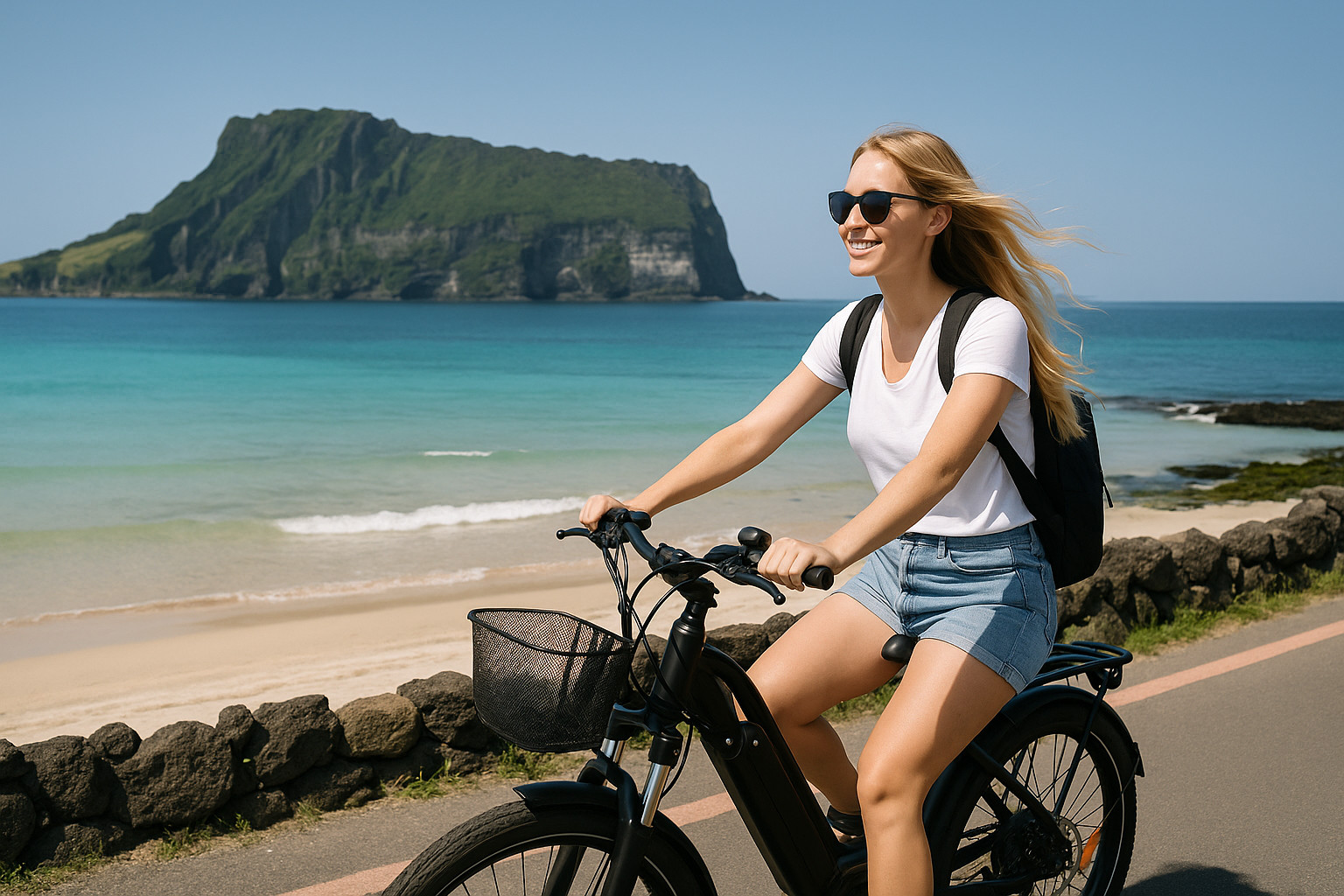
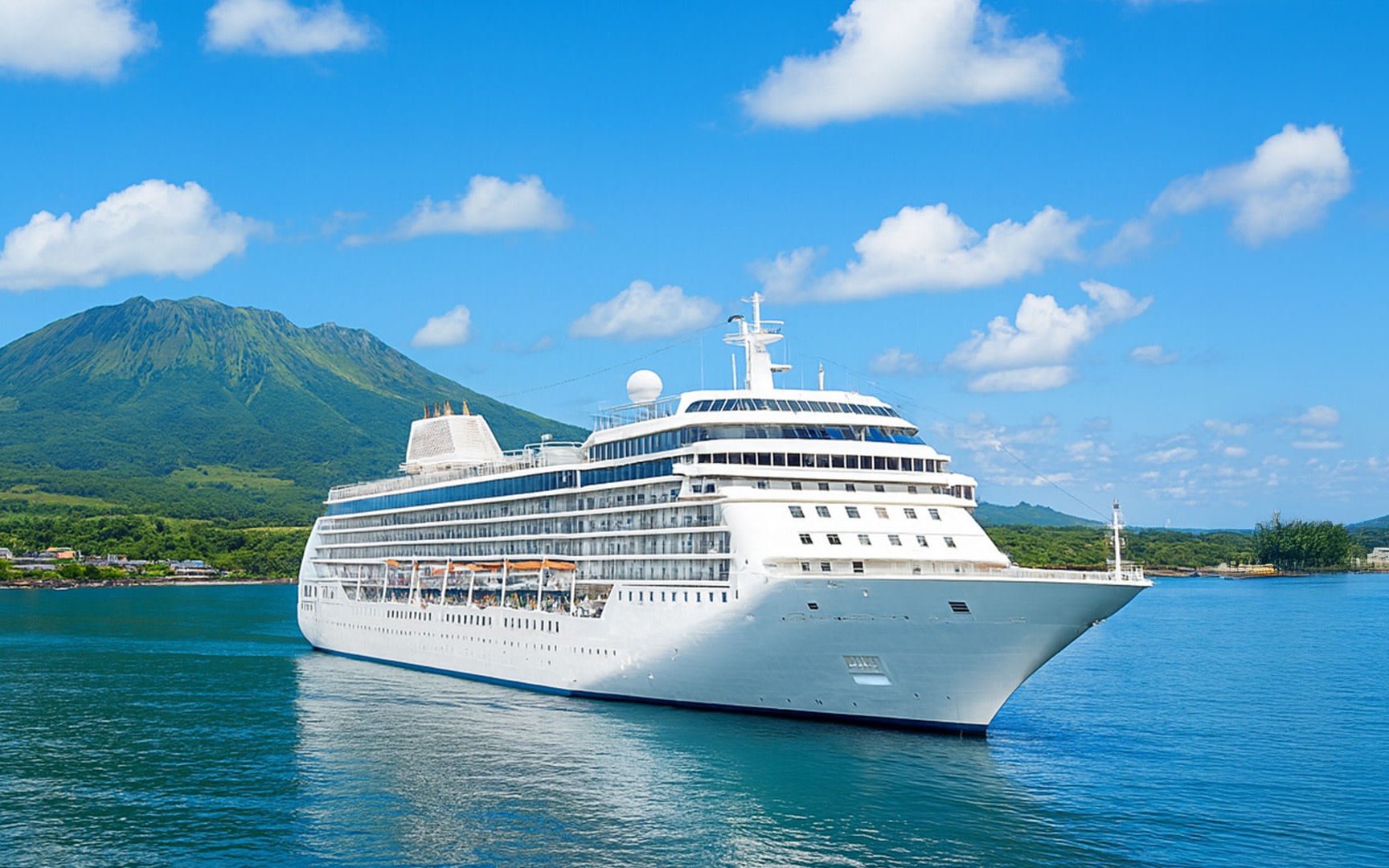
Jeju Adventure for Cruise Passengers with UNESCO Highlights
Active
6h - 10h
For a full refund, cancel at least 24 hours before the scheduled departure time.
Instant confirmation
Mobile or paper ticket accepted
About this experience
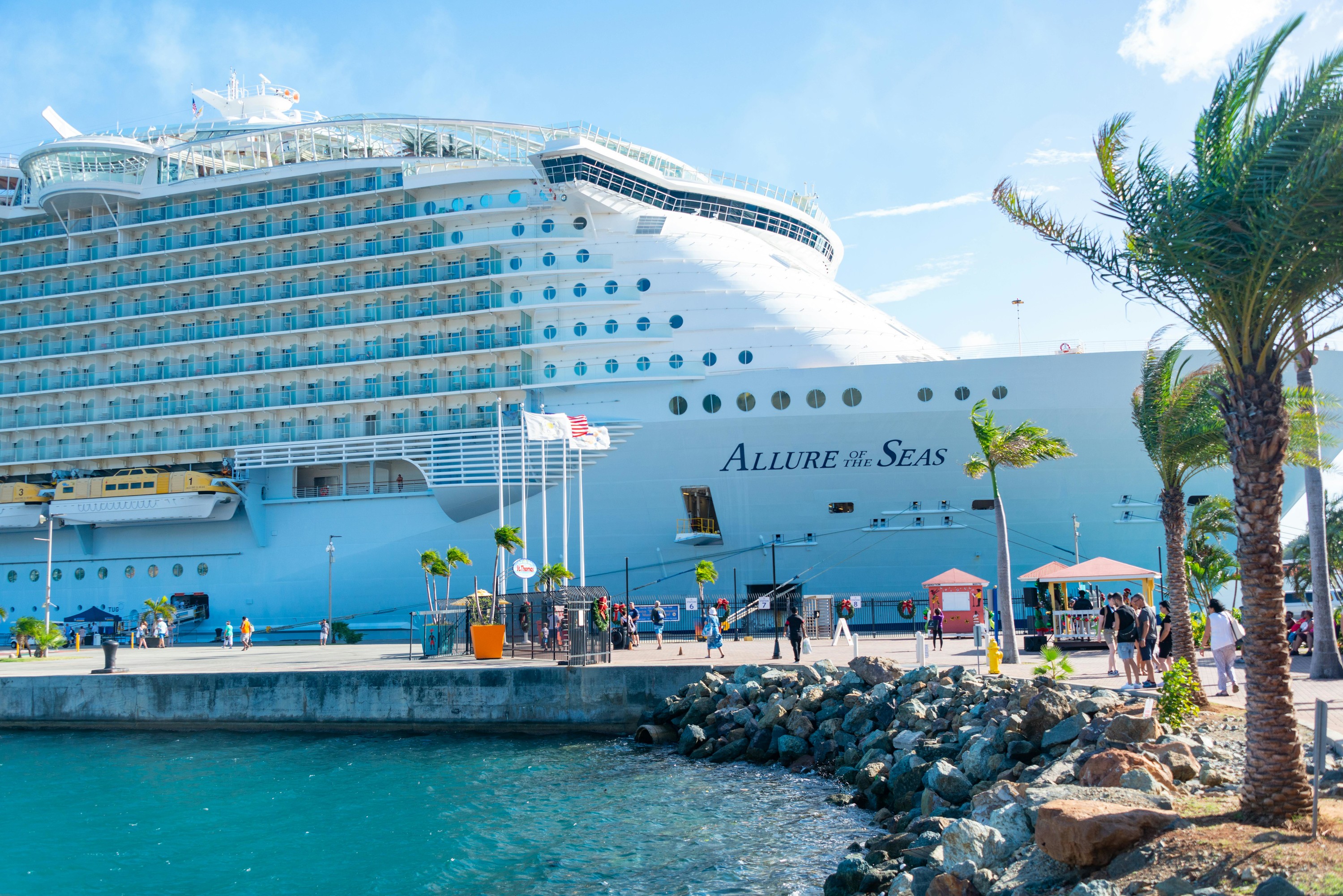
Enjoy a full-day shore excursion designed for cruise travelers, with timely port pickup, UNESCO highlights, and expert local guides. Depending on whether you dock at Jeju Port or Gangjeong Port, the itinerary is customized, and adjusted flexibly to match your ship’s arrival and departure times, ensuring the best Jeju experience within your schedule.
Available options
Departure from Gangjeong Port
Departure from Gangjeong Port<br/>Pickup included
Departure from Jeju Port
Departure from Jeju Port<br/>Pickup included
What's included
Licensed English tour guide
Entrance fee
Pick-up and drop-off service at the cruise port
Air-conditioned vehicle
Detailed itinerary
1
Explore Jeju’s unique theme park featuring Micheon Cave, a natural lava cave with fascinating rock formations. Travelers can stroll through beautifully landscaped gardens, enjoy cultural exhibits, and experience the blend of nature and tradition in a serene setting.
2
During the Jeju Traditional Liquor Experience, you can taste Omegisul, a local millet rice wine, and Omegi-tteok, a traditional Jeju rice cake made with millet.
3
Step back in time at Seongeup Folk Village, a well-preserved traditional village that showcases Jeju’s unique culture and history. Travelers can see thatched-roof houses, stone walls, and artifacts while learning about the island’s heritage and the daily life of past generations.
4
Stop 4
Marvel at Seongsan Ilchulbong, a UNESCO World Heritage site formed by volcanic eruptions thousands of years ago. Travelers can hike to the crater’s edge for panoramic views of the sea and nearby islands, making it one of Jeju’s most iconic landmarks.
5
The Jeju Haenyeo Museum is dedicated to the lives and culture of Jeju’s female divers. It showcases their history, tools, and community life, and lets visitors experience the unique value of this rare female maritime culture through real diving gear, songs, and videos.
6
Explore Dongmun Traditional Market, Jeju’s most famous local market. Travelers can sample street food, shop for fresh seafood, tropical fruits, and local specialties, and experience the lively atmosphere of daily Jeju life.
7
Visit Yakcheonsa Temple, one of the largest Buddhist temples in Asia, known for its impressive main hall and serene coastal setting. Travelers can admire traditional architecture, intricate carvings, and experience the peaceful atmosphere of Jeju’s spiritual heritage.
8
Stop 8
Discover the world of Korean tea at O’sulloc Tea Museum, surrounded by scenic green tea fields. Travelers can learn about Jeju’s tea culture, taste a variety of teas and desserts, and enjoy a relaxing stroll through the picturesque landscape.
9
Experience the beauty of Cheonjiyeon Waterfall, where water cascades 22 meters into a crystal-clear pool surrounded by lush subtropical forest. This serene site is perfect for photography and a leisurely walk along the scenic trail.
10
Stroll through Seogwipo Maeil Olle Market, the island’s largest traditional market. Travelers can taste local delicacies such as Jeju black pork, fresh seafood, and tangerine desserts, while browsing stalls filled with souvenirs, crafts, and regional specialties.
11
Admire the striking Jusangjeolli Cliff, a natural wonder formed by volcanic lava solidifying into dramatic hexagonal stone pillars along the coast. Travelers can enjoy breathtaking ocean views and the power of Jeju’s volcanic origins.
What's not included
Lunch is not included. You can enjoy a local Jeju meal by paying $10 directly to the guide on the day.
Anything not mentioned in the inclusions
Available languages
Guide guide
EN
Reviews breakdown
Viator
5.0
1 reviews
5★
1
4★
0
3★
0
2★
0
1★
0
Important information
Service animals allowed
Infants are required to sit on an adult’s lap
Not recommended for travelers with spinal injuries
Not recommended for pregnant travelers
Not recommended for travelers with poor cardiovascular health
Suitable for all physical fitness levels
About Jeju Island
Jeju Island, a volcanic island off the coast of the Korean Peninsula, is known for its stunning natural landscapes, unique cultural heritage, and mild climate. It's a UNESCO World Heritage site, offering a mix of volcanic landscapes, lush greenery, and beautiful beaches, making it a perfect destination for nature lovers and adventure seekers.
Top Attractions
Hallasan Mountain
Hallasan is a dormant volcano and the highest mountain in South Korea, offering stunning views and diverse ecosystems. It's a UNESCO World Heritage site and a great spot for hiking and nature lovers.
Nature
Half day to full day
Free
Jeju Loveland
An adult-themed amusement park with sculptures and exhibits focused on human sexuality and relationships. It's a unique and educational experience for adults.
Entertainment
2-3 hours
KRW 12,000
Manjanggul Cave
A UNESCO World Heritage site, Manjanggul is one of the longest lava tubes in the world. It offers a fascinating glimpse into the volcanic history of Jeju Island.
Historical
1-2 hours
KRW 2,000
Seongsan Ilchulbong (Sunrise Peak)
A tuff cone volcano known for its stunning sunrise views. The hike to the top is relatively easy and offers breathtaking panoramic views of the island.
Nature
1-2 hours
KRW 2,000
Jeju Folk Village
A living museum showcasing the traditional life and culture of Jeju Island. Visitors can see traditional houses, costumes, and learn about the island's history and customs.
Cultural
2-3 hours
KRW 6,000
Must-Try Local Dishes
Black Pork (Heukdwaeji)
Jeju Island's black pork is known for its tender and flavorful meat. It's often grilled or used in various dishes like stews and soups.
Main Course
Contains pork, not suitable for vegetarians or vegans
Haemul Pajeon (Seafood Pancake)
A savory pancake made with a variety of fresh seafood, vegetables, and a crispy batter. It's a popular dish in coastal regions and pairs well with soju.
Appetizer
Contains seafood, may contain gluten
Gogiguksu (Oyster Rice)
A local specialty made with fresh oysters and rice, often served with a savory broth. It's a comforting and hearty dish.
Main Course
Contains seafood, may not be suitable for those with shellfish allergies
Jeju Mandu (Dumplings)
Jeju-style dumplings are larger and more flavorful than their mainland counterparts. They can be steamed, boiled, or fried and are often filled with pork, vegetables, and seafood.
Appetizer/Snack
May contain pork or seafood, may not be suitable for vegetarians or vegans
Popular Activities
Hiking
Scuba diving
Snorkeling
Surfing
Paragliding
Beach relaxation
Spa treatments
Tea tasting
Best Time to Visit
April to June, September to October
These months offer pleasant weather with mild temperatures and less rainfall, making it ideal for outdoor activities and sightseeing. The cherry blossoms in spring and the autumn foliage are particularly beautiful.
15°C to 25°C
59°F to 77°F
Practical Information
Language
- Official: Korean
- Widely spoken: English, Japanese, Chinese
- English: Moderately spoken in tourist areas, limited elsewhere
Currency
South Korean Won (KRW)
Time Zone
GMT+9
Electricity
220VV, 60HzHz
Safety Information
Overall Safety Rating: Generally safe
Jeju Island is generally safe for travelers, with low crime rates and a welcoming atmosphere. However, it's always important to exercise common sense and take precautions to ensure a safe and enjoyable trip.
Important Precautions:
- • Keep valuables secure and out of sight
- • Be cautious when using ATMs, especially at night
- • Avoid unlicensed taxis and tour services
Getting there
By air
- Jeju International Airport • 7 km from Jeju City center
By bus
Jeju Intercity Bus Terminal
Getting around
Public transport
The bus system in Jeju Island is efficient and covers most of the island. There are express buses, local buses, and airport buses.
Taxis
Available • Apps: KakaoTaxi, T-Money
Rentals
Car, Bike, Scooter
Neighborhoods
Jeju City
Seogwipo
Aewol
Day trips
Udo Island
10 km from Jeju City • Half day to full day
Udo Island is a small, picturesque island known for its beautiful beaches, scenic views, and unique volcanic landscapes. It's a popular spot for relaxation, hiking, and water activities.
Seongsan Ilchulbong (Sunrise Peak)
20 km from Jeju City • Half day
A tuff cone volcano known for its stunning sunrise views. The hike to the top is relatively easy and offers breathtaking panoramic views of the island.
Manjanggul Cave
15 km from Jeju City • Half day
A UNESCO World Heritage site, Manjanggul is one of the longest lava tubes in the world. It offers a fascinating glimpse into the volcanic history of Jeju Island.
Festivals
Jeju Fire Festival • March 1-3
Jeju Haenyeo (Women Divers) Festival • May 31 - June 2
Jeju Olle Culture Festival • October 1-7
Pro tips
- Rent a car for flexibility and to explore the island at your own pace
- Try local specialties like black pork, seafood, and Jeju tea
- Visit popular attractions early in the morning or late in the afternoon to avoid crowds
- Pack layers and be prepared for various weather conditions, especially in the mountains
- Learn a few basic Korean phrases to enhance your travel experience and interact with locals
From $25
per person
Price varies by option
Secure booking
Free cancellation available
Instant confirmation


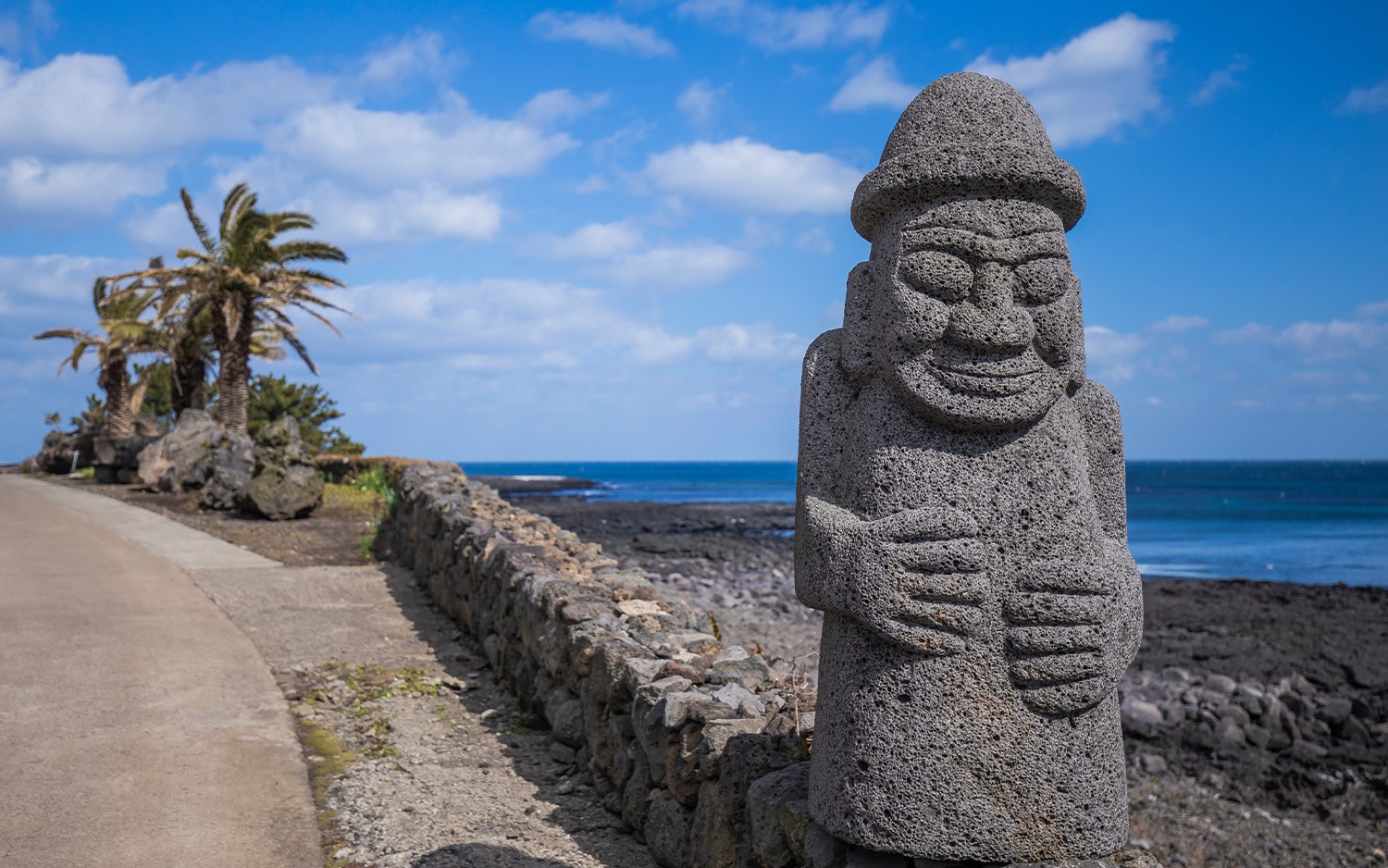
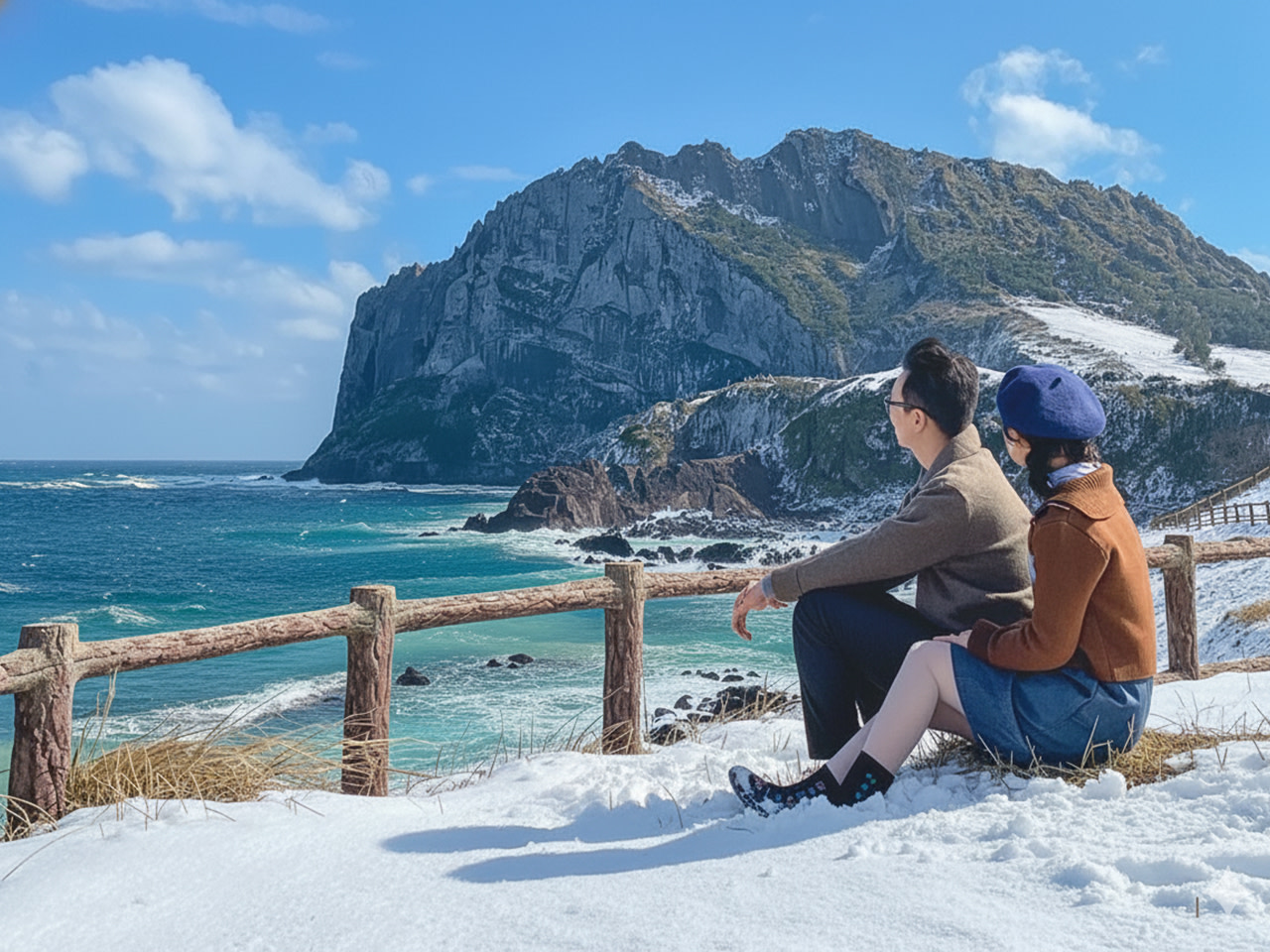
![[For Cruise Guests] Jeju Shore Excursion Day Tour](https://res.klook.com/image/upload/activities/t6dzgpom376spoczw0e6.jpg)

![[For Cruise Guests] Jeju UNESCO Day Tour Package](https://res.klook.com/image/upload/activities/aqd5wqqcpthrksfnrzeg.jpg)