Village tour Sigiriya Rock, Pidurangala Rock and Dambulla temple
Active
8h
For a full refund, cancel at least 24 hours before the scheduled departure time.
Instant confirmation
Mobile or paper ticket accepted
About this experience
Welcome to Sri Lanka! "Come as a guest and leave as a friend!
Dambulla tuk tuk saman have more than 10yrs of experience about the condition of tuk tuks and roads your travelling (long experience in providing tourists taxi services and guided tours all around the island of Sri Lanka in a tuk tuk or a car.)We can help you plan your days in Sri Lanka ad recommend trip routes and places to see. Local hideouts or famous sightseeing, everything is possible. We also have good knowledge and connection with partners throughout the island for doing adventure,
"Come as a guest and leave as a friend!
Available options
Village tour Sigiriya Rock, Pidurangala Rock and Dambulla temple
Pickup included
What's included
Private transportation
service of an English-speaking
Bottled water
Parking Fees
transport by tuk tuk
Detailed itinerary
1
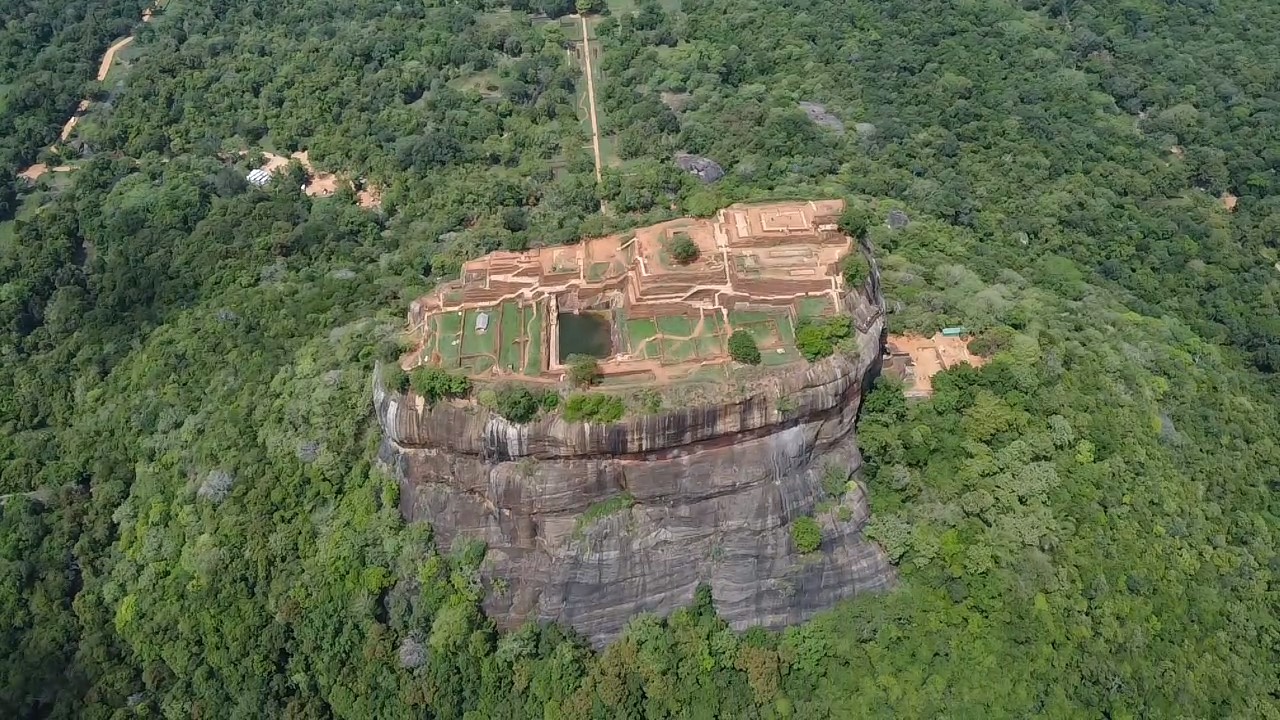
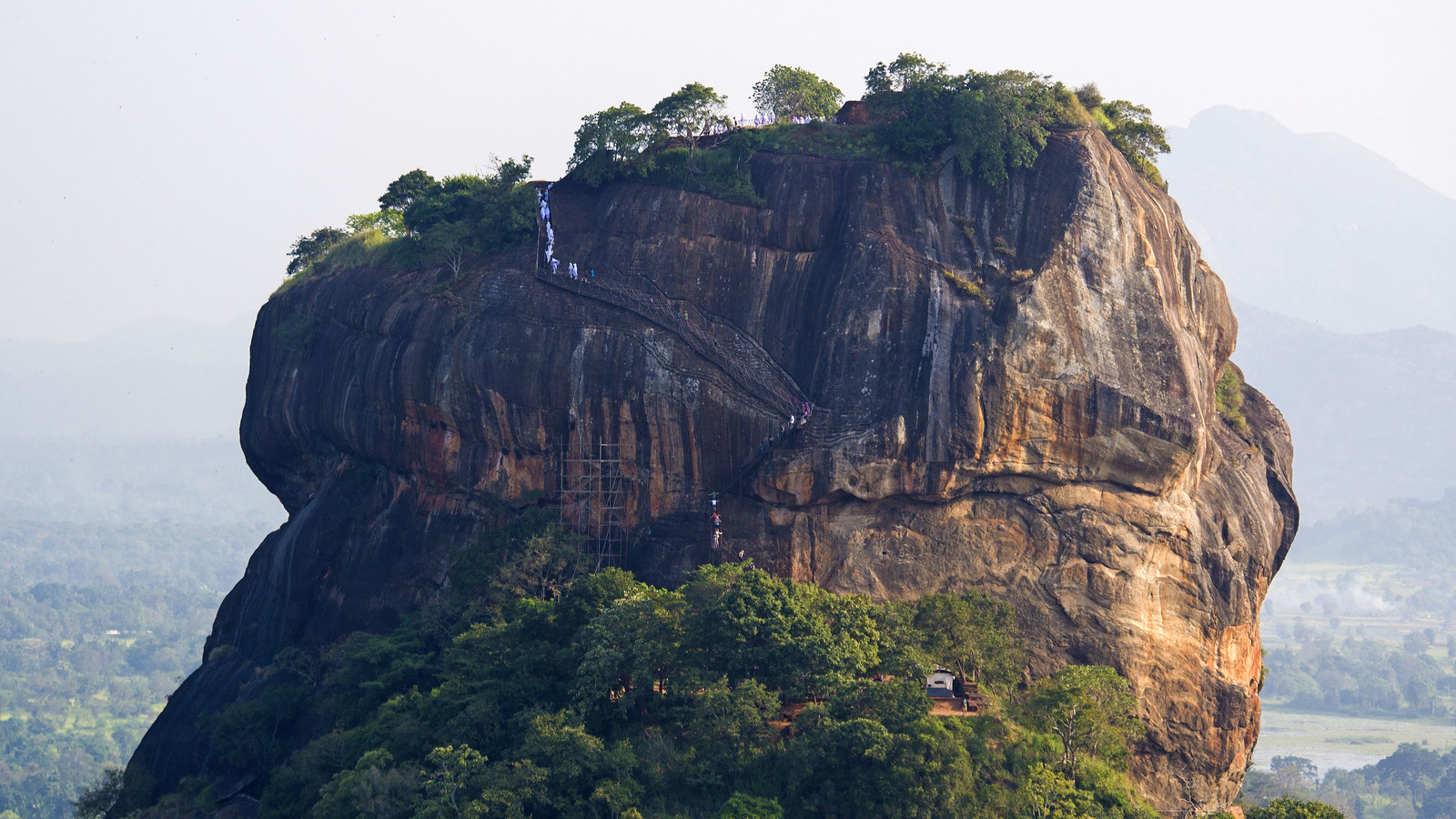
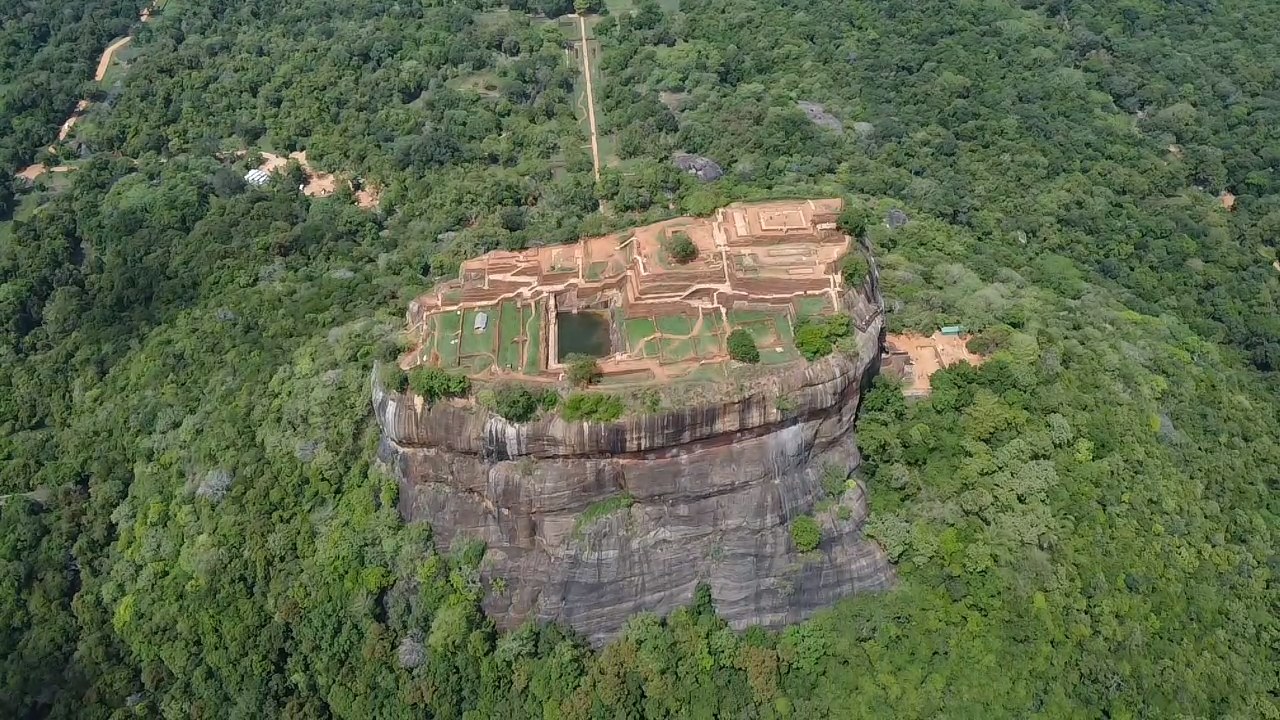
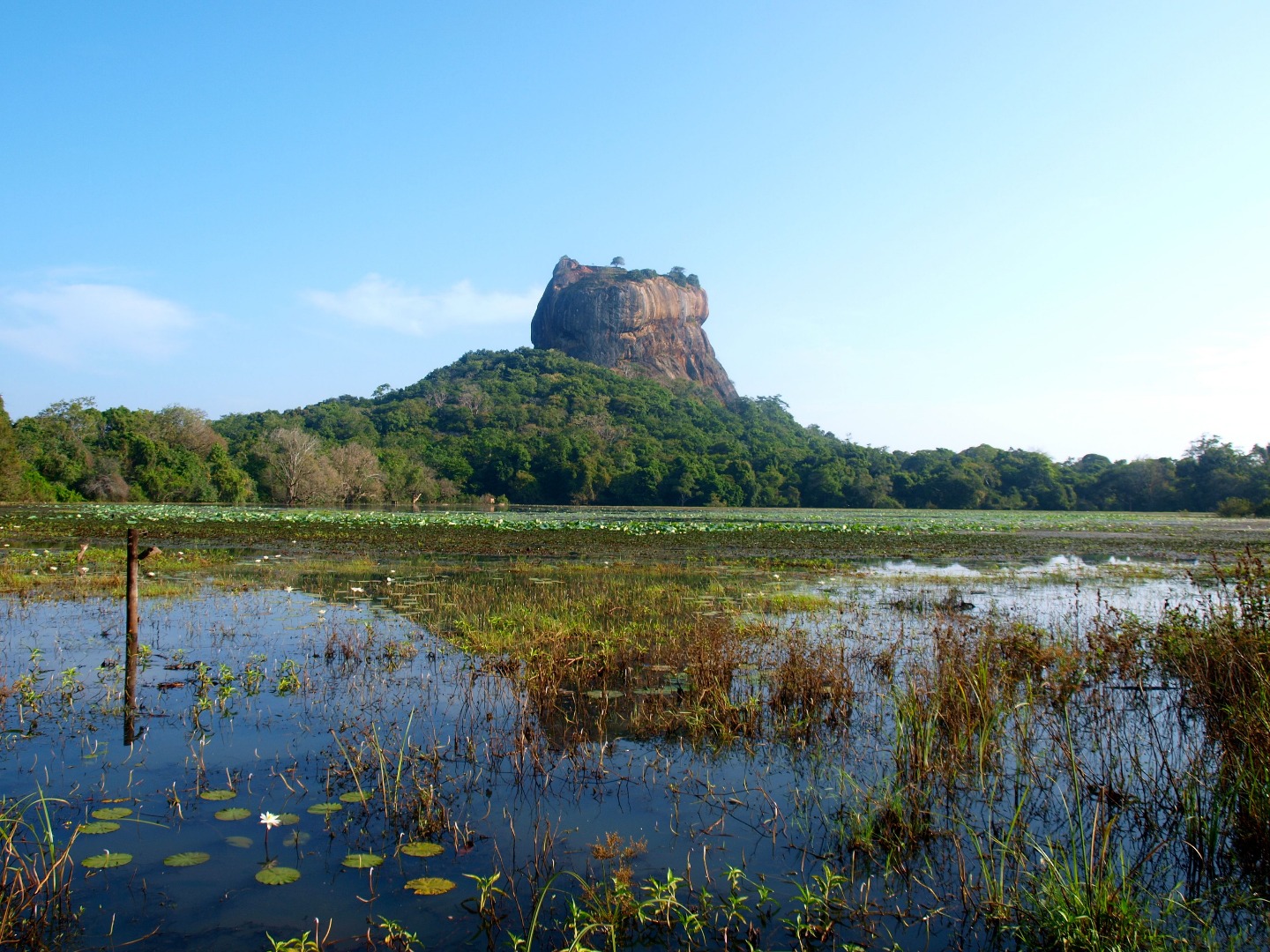
Stop At: Sigiriya The Ancient Rock Fortress, Main Road, Sigiriya 21120 Sri Lanka Sigiriya is one of the most valuable historical monuments of Sri Lanka. Referred by locals as the Eighth Wonder of the World this ancient palace and fortress complex has significant archaeological importance and attracts thousands of tourists every year. It is probably the most visited tourist destination of Sri Lanka. Sigiriya Citadel Rock The palace is located in the heart of the island between the towns of Dambulla and Habarane on a massive rocky plateau 370 meters above the sea level. Sigiriya rock plateau, formed from magma of an extinct volcano, is 200 meters higher than the surrounding jungles. Its view astonishes the visitors with the unique harmony between the nature and human imagination. The fortress complex includes remnants of a ruined palace, surrounded by an extensive network of fortifications, vast gardens, ponds, canals, alleys and fountains. The surrounding territories of Sigiriya were inhibited for several thousand years. Since 3th century BC the rocky plateau of Sigiriya served as a monastery. In the second half of the 5th century king Kasyapa decided to construct a royal residence here. After his death Sigiriya again became a Buddhist monastery until the 14th century, when it was abandoned. Sigiriya Lion Claws The main entrance is located in the northern side of the rock. It was designed in the form of a huge stone lion, whose feet have survived up to today but the upper parts of the body were destroyed. Thanks to this lion the palace was named Sigiriya. The term Sigiriya originates from the word Sihagri, i.e. Lion Rock. Sigiriya Fresco Sweeping Stroke Paintings The western wall of Sigiriya was almost entirely covered by frescoes, created during the reign of Kasyapa. Eighteen frescoes have survived to this day. The frescoes are depicting nude females and are considered to be either the portraits of Kasyapa’s wives and concubines or priestess performing religious rituals. Despite the unknown identity of the females depicted in the frescoes, these unique ancient paintings are celebrating female beauty and have incredible historical significance. Sigiriya Mirror Wall One of the most striking features of Sigiriya is its Mirror wall. In the old days it was polished so thoroughly that the king could see his reflection in it. The Mirror wall is painted with inscriptions and poems written by the visitors of Sigiriya. The most ancient inscriptions are dated from the 8th century. These inscriptions are proving that Sigiriya was a tourist destination more than a thousand years ago. Today, painting on the wall is strictly prohibited. The buildings and gardens of Sigiriya show that the creators of this amazing architectural monument used unique and creative technical skills and technologies. Sigiriya Ancient Pools The construction of such a monument on a massive rock approximately 200 meters higher from the surrounding landscape required advanced architectural and engineering skills. The gardens of Sigiriya are among the oldest landscaped gardens in the world. Sigiriya has water gardens, cave and boulder gardens, and also terraced gardens. They are located in the western part of the rock and are with a complex hydraulic system, which consists of canals, locks, lakes, dams, bridges, fountains, as well as surface and underground water pumps. In the rainy season, all channels are filled with water, which begins to circulate through the whole area of Sigiriya. Fountains of Sigiriya built in the V century, perhaps, are the oldest in the world. The palace and fortress complex is recognized as one of the finest examples of ancient urban planning. Considering the uniqueness of Sigiriya UNESCO declared it a World Heritage site in 1982. Sigiriya is an unmatched combination of urban planning, water engineering, horticulture and arts.
2
Stop At: Sigiriya Museum, Sigiriya Thalkotta Sigiriya Thalkotta, Sigiriya, Central Province, Sigiriya 21120 Sri Lanka This decent museum has a fine diorama of the site, providing an excellent overview and explaining Sigiriya's cultural importance beyond the obvious natural beauty. The theory that Sigiriya was a Buddhist monastery is given here, although the established position that it was a palace or fortress prevails. Trade routes are explained, showing Sigiriya's connections with the Gulf, China, India and the Roman Empire. Look for the wonderful black-and-white photos of British archaeologist HCP Bell and his somewhat reluctant family exploring the site soon after its rediscovery. The museum is near the main ticket booth. No photographs are permitted inside.
3
Stop At: Pidurangala Rock, Pidurangala,Sigiriya, Sigiriya 21120 Sri Lanka While Sigiriya Rock is rich in history and has some pretty dramatic features such as the lion’s paw and the mirror wall, Pidurangala Rock has a much more natural feel, despite also housing a temple. Pidurangala Rock is adjacent to Sigiriya Rock and is the best viewing spot of Sigiriya Rock as it is only slightly lower. Pidurangala is a popular spot for sunrise as you can enjoy 360-degree views of not only the valleys but also Sigiriya Rock. There is no need to choose between the two. Many travelers wake up for the sunrise at Pidurangala and then head to sunset on top of Sigiriya Rock.
4
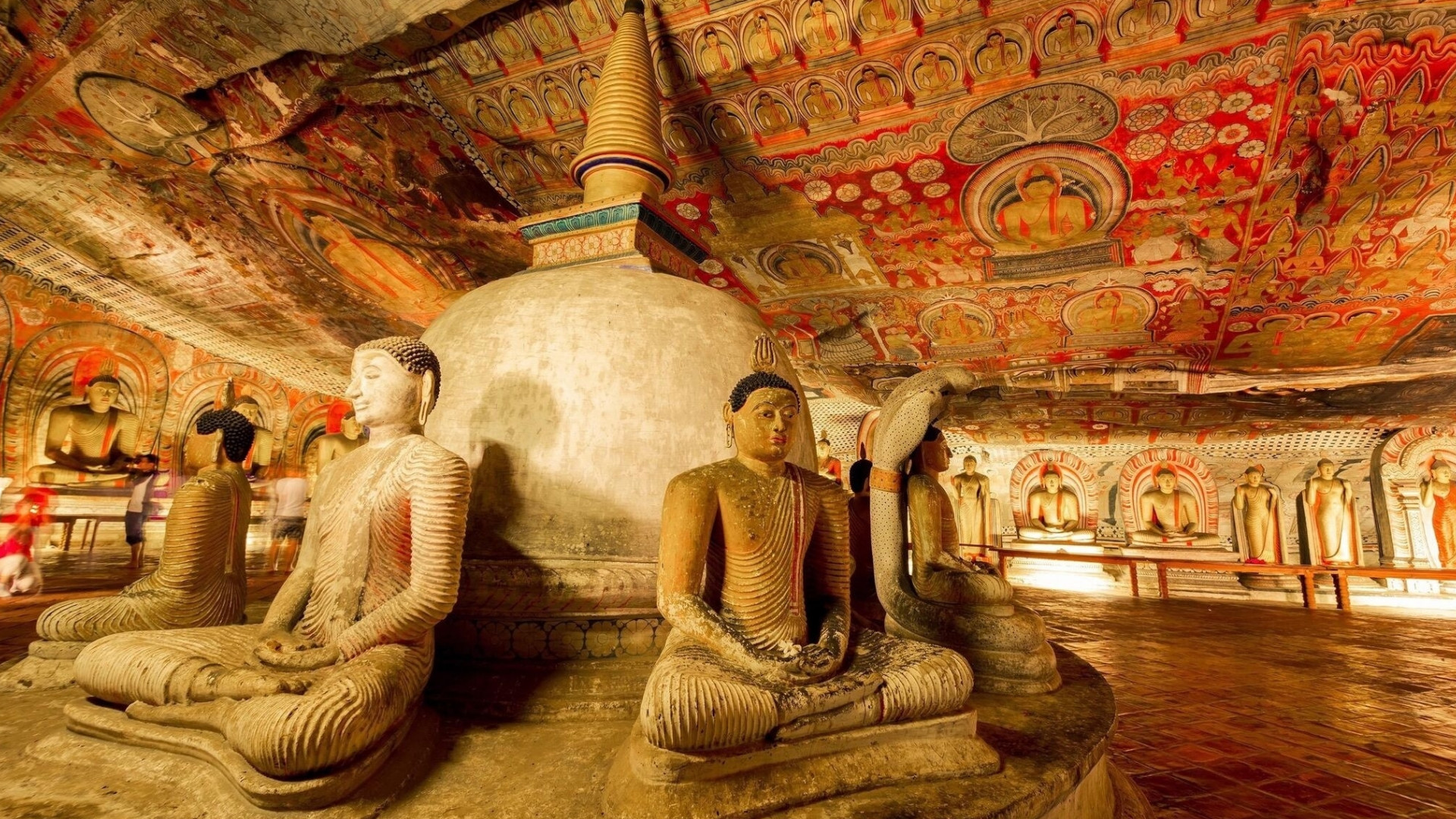
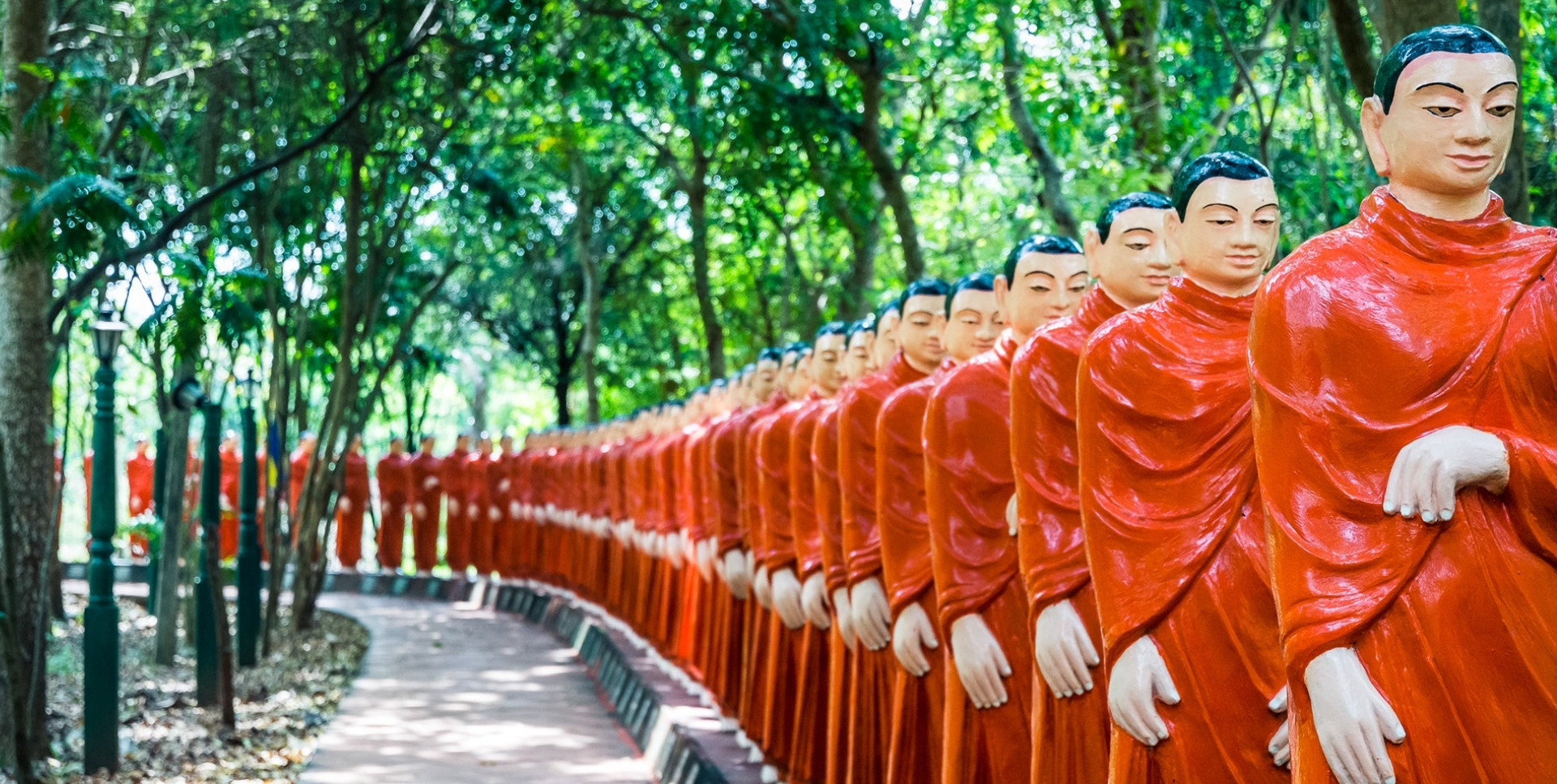
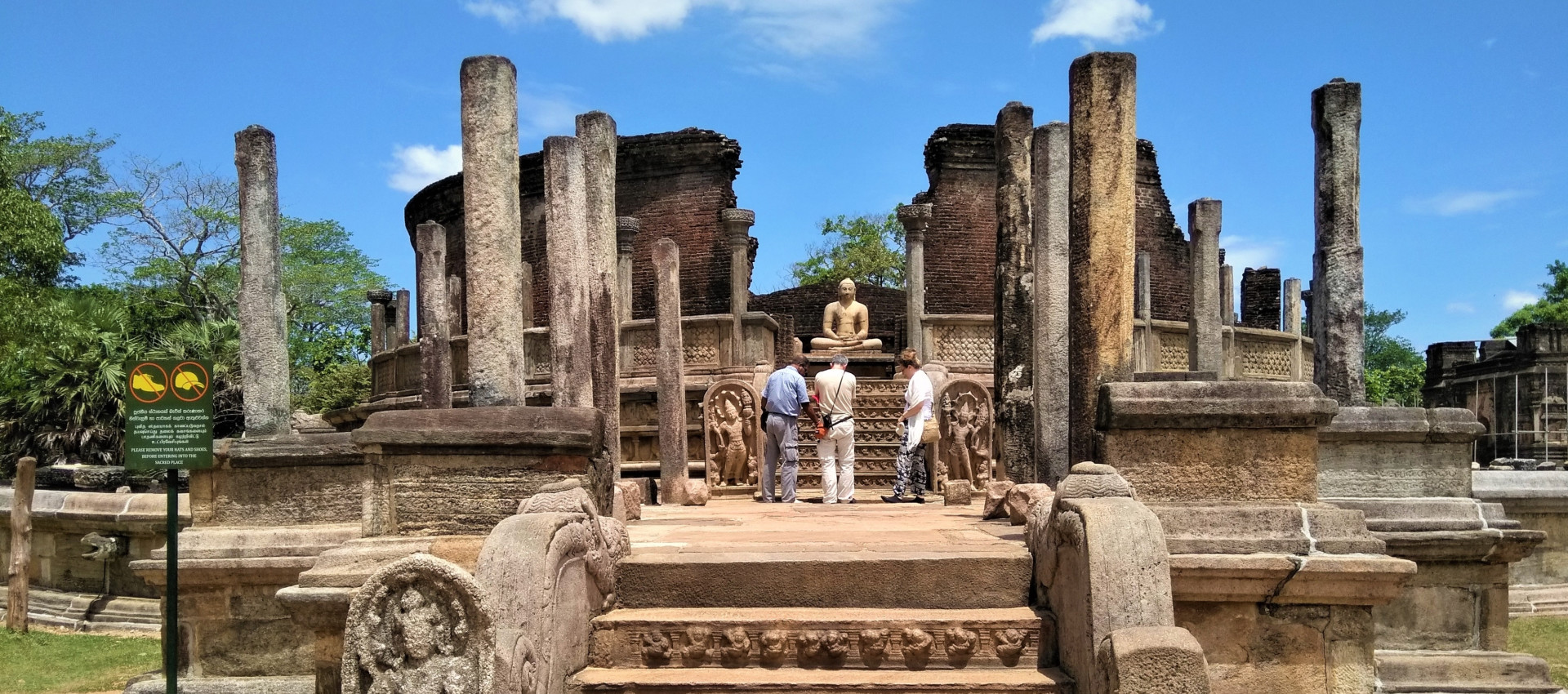
Stop At: Dambulla Cave Temple, Jaffna Hwy, Habarana 50150 Sri Lanka Sri Lanka's Largest Rock Cave Temple built on a 600 feet high Rock. Located at an elevation of 1118 feet from the sea level rises a massive rock from the surrounding plains of Dambulla of 600 feet high and over 2000 feet in length. It is home to the Worlds most acclaimed Cave complex of magnificent Buddha Images and Rock Paintings of vivid colours and shapes constructed and painted from around 2nd Century BC (Anuradhapura era ) and continued up to the Kandyan era of the 18th Century. Sinhalese people call it as ' Dambulu Gala' ( Dambulla Rock) and the Temple is called as the ' Rangiri Dambulu Viharaya' (Golden Rock Dambulla Temple). Dambulla Rock Temple History The Dambulla Rock Temple had first been constructed during the rein of King Vattagamini Abhaya ( 103 BC and 89-77 BC ). The Sinhalese often call him as King Valagamba. During a South Indian invasion the king had to abandon his Anuradhapura Kingdom . For 12 years, King Valagamba was in hiding and had frequented these caves for his safety. After regaining the kingdom of Anuradhapura and becoming the King, to show his gratefulness for his safe place, he converted those caves into Buddhist Temples by constructing walled partitions under the rock overhang which spans the entire area as a single large cave. He got drip ledges made along this large cave and made it suitable to withstand rainy weather and avoided water seeping inside the caved areas. The three cave temples named as Devarajalena, Maharajalena and the Paccimalena were constructed by him. After King Vattagamini Abaya's rein, for several centuries this cave temple had not come under the patronage of any other Kings until Vijayabahu I (1055-1110 AD ), who made Polonnaruwa his kingdom. He had done renovations to the Cave temples and it is believed that there were Buddhist monks dwelling in this and nearby caves at that times. King Keerthi Sri Nissankamalla (1187-1196 AD ) was much involved in uplifting the place with many additional Buddha images being constructed and gold plating some seventy three Buddha images in the cave temple. King Buwanekabahu (1372-1408 AD), King Vickramabahu III (1360-1374 AD), King Rajasinha I (1581-1591 AD) and King Vimaladharmasuriya I (1592-1604 AD ) are the other Kings merited with the uplifting of the status of the Temple at various times of the years gone by. Another interesting fact is that the Archeologists state that this cave and other numerous caves around the main rock had been in use for dwelling in pre historic times too from the evidence found so far. Reaching Dambulla Temple Located in the centre of the Cultural Triangle of Anuradhapura, Polonnaruwa and Kandy, the Dambulla Rock Cave Temple can be reached by coming from Kandy along A9 road which runs up through Dambulla and Anuradhapura. Situated by the main road, it is 68 km from Kandy and from the entrance to the Rock Temple by the main road, it is 2 km to the Dambulla town.
5
Pass By: Dambulla Dedicated Economic Centre, Kandy - Jaffna Highway, Dambulla 21100 Sri Lanka
Located in the Dambulla SecretariatDivision of Matale District, in the center of Dambulla town started in 1999 to establish a wholesale market for vegetables and fruits. One important feature of the DDEC is thus more direct participation of the farmers is selling farm produce
Reviews breakdown
Tripadvisor
5.0
2 reviews
5★
2
4★
0
3★
0
2★
0
1★
0
Important information
Infants and small children can ride in a pram or stroller
Public transportation options are available nearby
Infants are required to sit on an adult’s lap
Not recommended for travelers with spinal injuries
Suitable for all physical fitness levels
Please wear clothes to cover your knees and shoulders when visiting temples
About Anuradhapura
Anuradhapura is a major city in Sri Lanka, famous for its well-preserved ruins of an ancient Sri Lankan civilization. It is one of the oldest continuously inhabited cities in the world and a UNESCO World Heritage Site. The city is a pilgrimage site for Buddhists and offers a rich cultural and historical experience.
Top Attractions
Sacred City of Anuradhapura
A UNESCO World Heritage Site, the Sacred City of Anuradhapura is home to ancient stupas, temples, and ruins that date back over 2,000 years.
Historical
Full day
Free
Ruwanwelisaya Dagoba
One of the tallest stupas in the world, this iconic structure is a significant pilgrimage site for Buddhists.
Religious
1-2 hours
Free
Sri Maha Bodhi
A sacred fig tree that is said to have been propagated from the original Bodhi tree under which Buddha attained enlightenment.
Religious
30 minutes to 1 hour
Free
Jethawanaramaya Dagoba
The tallest stupa in Anuradhapura, known for its impressive size and historical significance.
Historical
1 hour
Free
Isurumuniya Temple
A beautiful temple known for its rock carvings and serene atmosphere.
Religious
1-2 hours
Free
Must-Try Local Dishes
Kottu Roti
A popular Sri Lankan dish made with chopped roti, vegetables, and meat or seafood, cooked on a hot plate.
Dinner
Can be made vegetarian or vegan.
Hoppers
Bowl-shaped pancakes made from fermented rice flour and coconut milk, often served with eggs or sambal.
Breakfast
Vegetarian.
Rice and Curry
A staple Sri Lankan meal consisting of steamed rice served with a variety of curries.
Lunch/Dinner
Can be made vegetarian or vegan.
Lamprais
A Dutch-influenced dish consisting of rice, meat, and vegetables cooked in banana leaves.
Lunch/Dinner
Contains meat.
Popular Activities
Hiking in Mihintale
Exploring Ritigala Forest Monastery
Tea tasting
Visiting temples
Exploring ancient ruins
Attending religious ceremonies
Witnessing the Esala Perahera festival
Best Time to Visit
January to March
This is the best time to visit Anuradhapura as the weather is pleasant and dry, making it ideal for exploring the ancient ruins and enjoying outdoor activities.
28-32°C
82-90°F
Practical Information
Language
- Official: Sinhala, Tamil
- Widely spoken: English
- English: Moderately spoken
Currency
Sri Lankan Rupee (LKR)
Time Zone
UTC+5:30
Electricity
230VV, 50HzHz
Safety Information
Overall Safety Rating: Generally safe
Anuradhapura is generally safe for travelers, but standard precautions should be taken to avoid petty theft and scams.
Important Precautions:
- • Keep valuables secure.
- • Use reputable tour operators.
- • Be cautious of strangers offering unsolicited help.
Getting there
By air
- Colombo Bandaranaike International Airport • 200 km
By train
Anuradhapura Railway Station
By bus
Anuradhapura Bus Stand
Getting around
Public transport
Buses are the most common form of public transport and cover most areas of the city.
Taxis
Available • Apps: PickMe, Uber
Rentals
Car, Bike, Scooter
Neighborhoods
Sacred City
New Town
Tuktukaraya
Day trips
Mihintale
12 km • Half day
A sacred mountain site where Buddhism was first introduced to Sri Lanka, featuring ancient ruins and temples.
Ritigala Forest Monastery
30 km • Full day
A UNESCO-listed forest monastery with ancient ruins and a rich biodiversity.
Avukana Buddha Statue
50 km • Full day
A colossal Buddha statue carved out of a single rock, standing 40 feet tall.
Festivals
Esala Perahera • July/August (full moon day)
Poson Festival • June (full moon day)
Vesak Festival • April/May (full moon day)
Pro tips
- Visit the Sacred City early in the morning to avoid the heat and crowds.
- Hire a local guide for a more in-depth understanding of the historical sites.
- Try local street food for an authentic culinary experience.
- Respect the religious customs and traditions when visiting temples.
- Carry a water bottle and sunscreen to stay hydrated and protected from the sun.
From $25
per person
Price varies by option
Secure booking
Free cancellation available
Instant confirmation


![Minneriya National Park Safari [Morning / Evening]](https://media-cdn.tripadvisor.com/media/attractions-splice-spp-674x446/15/1f/89/35.jpg)