Anuradhapura Heritage Mountain bike / bicycle Tour
Active
4h
For a full refund, cancel at least 24 hours before the scheduled departure time.
Instant confirmation
Mobile or paper ticket accepted
About this experience
Hello!
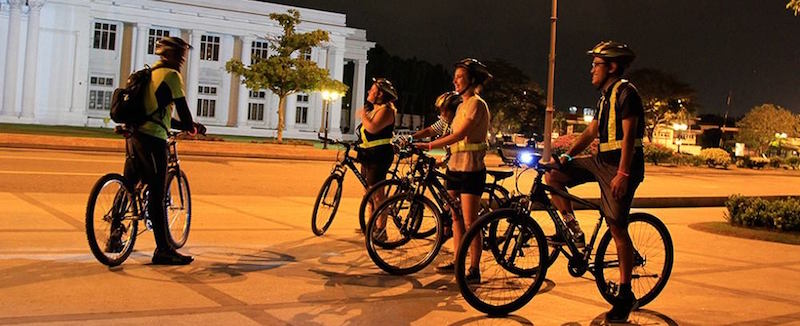
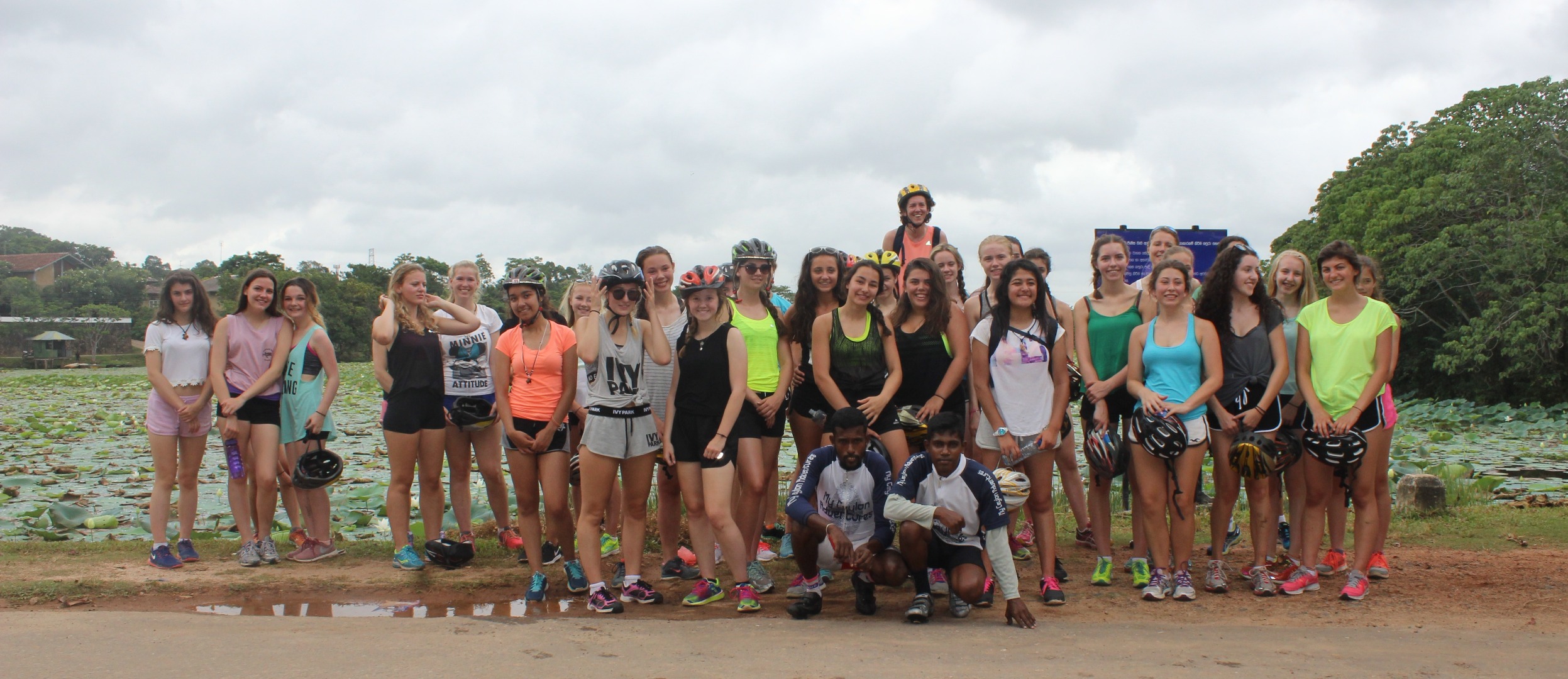
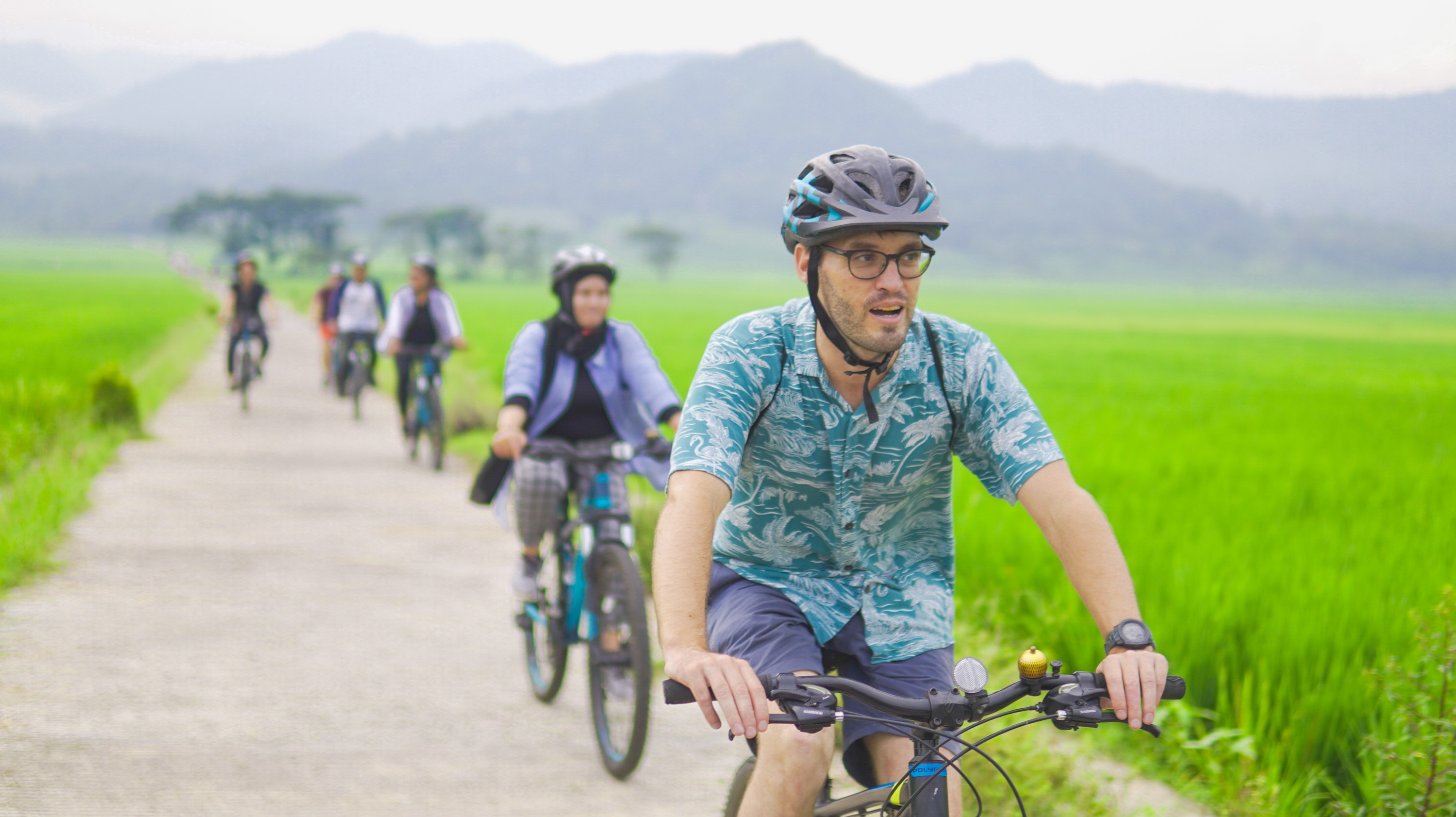
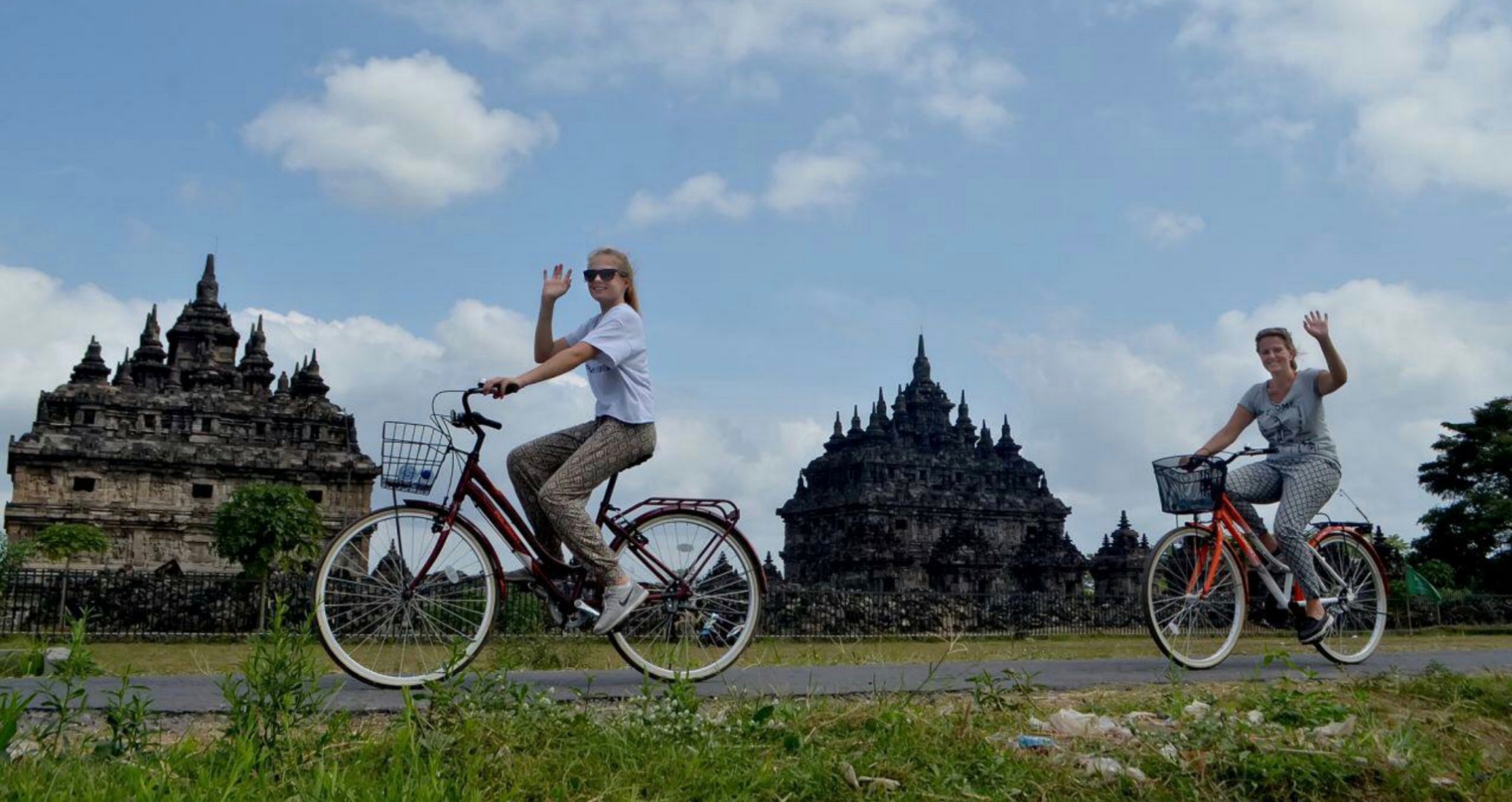
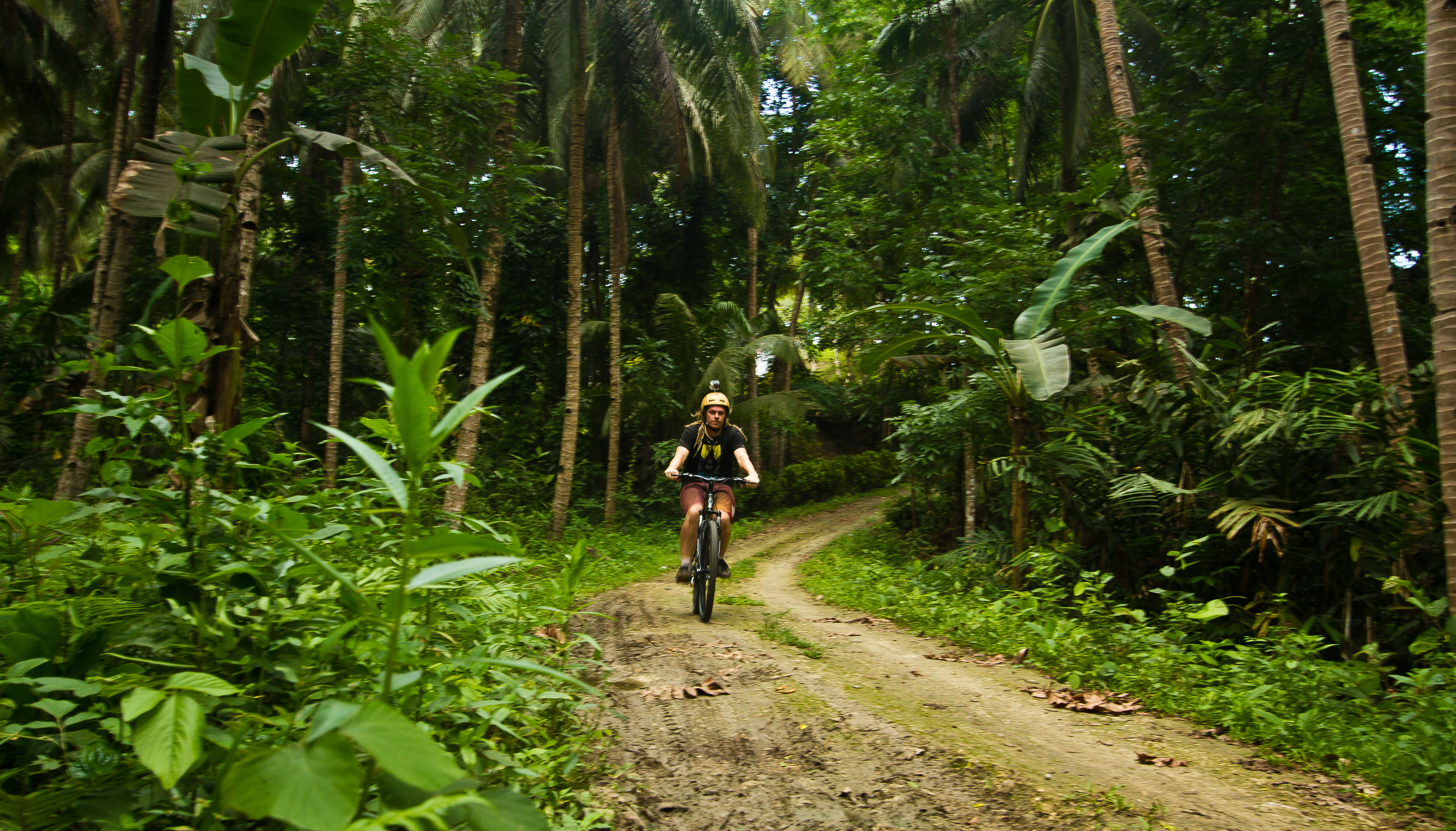
I’m Saranga, an English-speaking guide from the Anuradhapura area. Join me on a mountain bike adventure through the ancient UNESCO World Heritage City of Anuradhapura, where history, culture, and nature come together beautifully.
Our hidden-route mountain bike tours take you beyond the usual paths, letting you discover secret temples, serene lakes, and local life at your own pace. We provide a professional mountain bicycle experience with top-quality bikes from trusted brands such as Giant, Trek, and Louis Garneau.
Our 10 km loop tour lasts about 4½ hours, covering all the must-see attractions within the heritage site — the perfect balance of exploration, exercise, and enjoyment.
Come ride with us and experience Anuradhapura like never before!
Circuit VTT à Anuradhapura / mountainbiketour in Anuradhapura / tour in mountain bike ad Anuradhapura / Recorrido en bicicleta de montaña por Anuradhapura
Available options
Anuradhapura Heritage Mountain bike / bicycle Tour
What's included
Local people cook vegetarian food place call hela bojun
Bottled water
Guide tour
Mountain cycle
Parking Fees
Detailed itinerary
1
At 122 metres (400 ft), it was the world's tallest stupa, and the third tallest structure in the world when it was built by King Mahasena of Anuradhapura (273–301).
2
The Samadhi Buddha is a famous statue situated at Mahamevnāwa Park in Anuradhapura, Sri Lanka. The Buddha is depicted in the position of the Dhyana Mudra, the posture of meditation associated with his first Enlightenment. This statue is 7 feet 3 inches in height and carved from dolomite marble.
3
Abhayagiri Vihāra was a major monastery site of Mahayana, Theravada and Vajrayana Buddhism that was situated in Anuradhapura, Sri Lanka. It is one of the most extensive ruins in the world and one of the most sacred Buddhist pilgrimage cities in the nation.
4
Kuttam Pokuna (twin ponds or pools) are well preserved old bathing tanks or ponds in Sri Lanka. This pair of ponds was built by the Sinhalese in the ancient Anuradhapura Kingdom. They form part of the Abhayagiri vihāra complex and are an example of the works in the field of hydrological engineering, architecture and art of the ancient Sinhalese.
5
The Elephant Pond (Eth Pokuna) in Anuradhapura is a massive ancient reservoir built during the reign of the kings in Sri Lanka's historical Anuradhapura Kingdom. Measuring approximately 159 meters in length, 52 meters in width, and 9.5 meters in depth, it was used to supply water to the nearby monasteries. The pond's name likely comes from its enormous size, suggesting it could even accommodate elephants. A testament to ancient Sri Lankan engineering, the pond highlights the ingenuity and resourcefulness of the era's hydraulic systems
6
Sandakada Pahana, also known as Moonstone, is a unique feature of the architecture of ancient Sri Lanka. It is an elaborately carved semi-circular stone slab, usually placed at the bottom of staircases and entrances.
7
some of the most complex irrigation systems of the ancient world. The earliest examples of irrigation works in Sri Lanka date from about 430 BCE, during the reign of King Pandukabhaya, and were under continuous development for the next thousand years. In addition to constructing underground canals, the Sinhalese were the first to build completely artificial reservoirs to store water
8
The famous Chinese traveler monk Fa-Hien who visited the monastery in the 5th century stated that the monastery housed up to 5,000 monks at that time. All the meals of these monks would have been prepared and served at this location.
9
The Ruwanweliseya is sited in the Ancient Sinhala capital of Anuradhapura in the North Central Province of Sri Lanka. It was built by King Dutugamunu (137 BC – 119 BC) and completed by his younger brother, King Saddhatissa, after his death. The Ruwanweliseya is ranked among the tallest ancient monuments in the world.
10
The Jaya Sri Maha Bodhi is a sacred fig tree, or Ficus religiosa, that stands in the Mahamewna Gardens in Anuradhapura, Sri Lanka. Not only is it the closest authentic living link to Gautama Buddha, it is also the oldest human-planted tree in the world with a known planting date and a recorded history.
What's not included
Unesco ticket 30 USD for person. Under age of 13 year ticket 15USD
As we will be visiting temples, please bring a wraparound cloth if your knees are not covered.
Available languages
Audio guide
EN
Written guide
EN
Reviews breakdown
Viator
5.0
3 reviews
5★
3
4★
0
3★
0
2★
0
1★
0
Tripadvisor
5.0
23 reviews
5★
23
4★
0
3★
0
2★
0
1★
0
Important information
Wheelchair accessible
Infants and small children can ride in a pram or stroller
Public transportation options are available nearby
All areas and surfaces are wheelchair accessible
Not recommended for travelers with spinal injuries
Not recommended for pregnant travelers
Not recommended for travelers with poor cardiovascular health
Travelers should have at least a moderate level of physical fitness
Meeting point
In side location having summer hut with wooden carving. Look for guide wearing White colour T-shirt.
About Anuradhapura
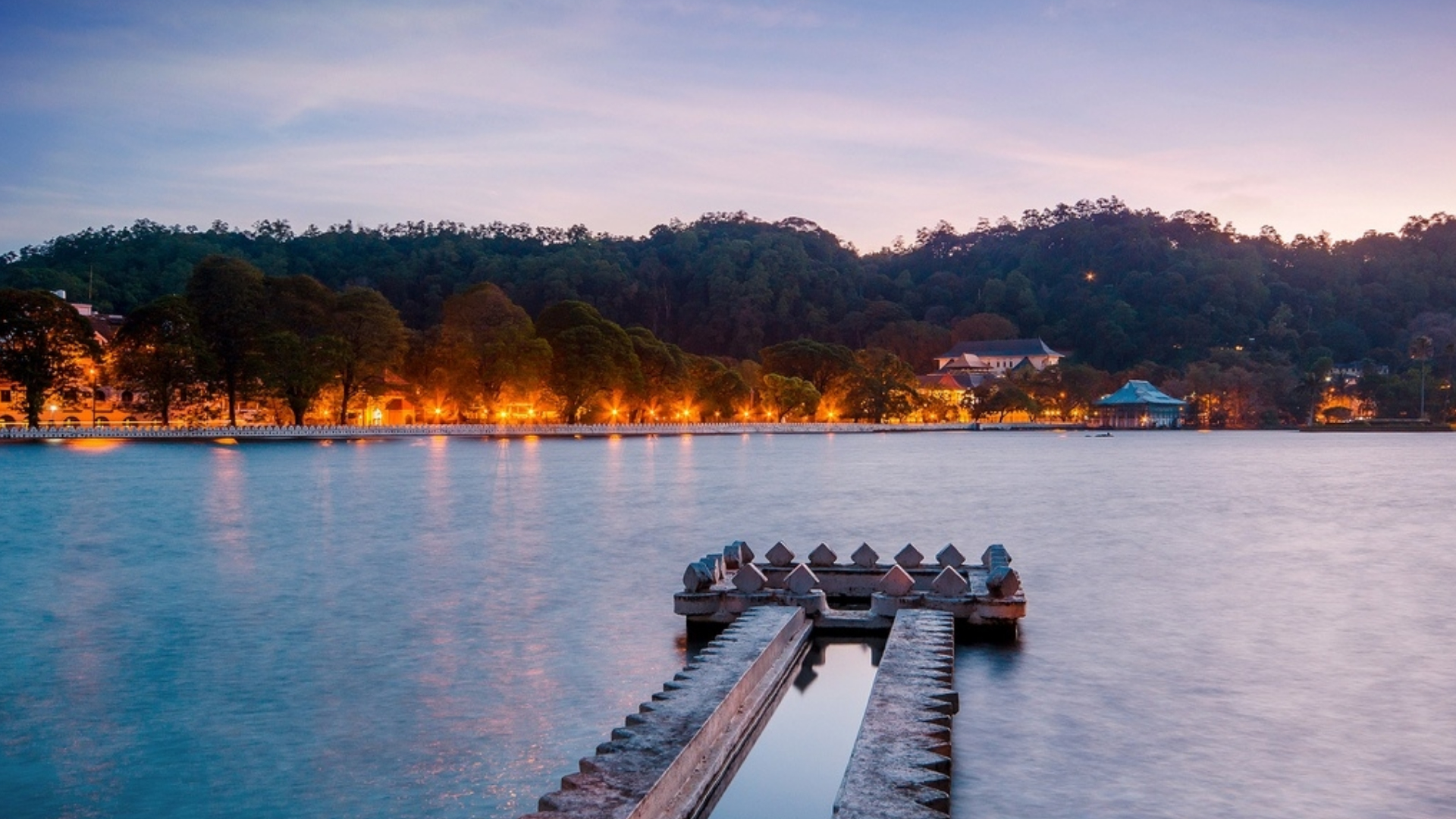
Anuradhapura is a major city in Sri Lanka, famous for its well-preserved ruins of an ancient Sri Lankan civilization. It is one of the oldest continuously inhabited cities in the world and a UNESCO World Heritage Site. The city is a pilgrimage site for Buddhists and offers a rich cultural and historical experience.
Top Attractions
Sacred City of Anuradhapura
A UNESCO World Heritage Site, the Sacred City of Anuradhapura is home to ancient stupas, temples, and ruins that date back over 2,000 years.
Historical
Full day
Free
Ruwanwelisaya Dagoba
One of the tallest stupas in the world, this iconic structure is a significant pilgrimage site for Buddhists.
Religious
1-2 hours
Free
Sri Maha Bodhi
A sacred fig tree that is said to have been propagated from the original Bodhi tree under which Buddha attained enlightenment.
Religious
30 minutes to 1 hour
Free
Jethawanaramaya Dagoba
The tallest stupa in Anuradhapura, known for its impressive size and historical significance.
Historical
1 hour
Free
Isurumuniya Temple
A beautiful temple known for its rock carvings and serene atmosphere.
Religious
1-2 hours
Free
Must-Try Local Dishes
Kottu Roti
A popular Sri Lankan dish made with chopped roti, vegetables, and meat or seafood, cooked on a hot plate.
Dinner
Can be made vegetarian or vegan.
Hoppers
Bowl-shaped pancakes made from fermented rice flour and coconut milk, often served with eggs or sambal.
Breakfast
Vegetarian.
Rice and Curry
A staple Sri Lankan meal consisting of steamed rice served with a variety of curries.
Lunch/Dinner
Can be made vegetarian or vegan.
Lamprais
A Dutch-influenced dish consisting of rice, meat, and vegetables cooked in banana leaves.
Lunch/Dinner
Contains meat.
Popular Activities
Hiking in Mihintale
Exploring Ritigala Forest Monastery
Tea tasting
Visiting temples
Exploring ancient ruins
Attending religious ceremonies
Witnessing the Esala Perahera festival
Best Time to Visit
January to March
This is the best time to visit Anuradhapura as the weather is pleasant and dry, making it ideal for exploring the ancient ruins and enjoying outdoor activities.
28-32°C
82-90°F
Practical Information
Language
- Official: Sinhala, Tamil
- Widely spoken: English
- English: Moderately spoken
Currency
Sri Lankan Rupee (LKR)
Time Zone
UTC+5:30
Electricity
230VV, 50HzHz
Safety Information
Overall Safety Rating: Generally safe
Anuradhapura is generally safe for travelers, but standard precautions should be taken to avoid petty theft and scams.
Important Precautions:
- • Keep valuables secure.
- • Use reputable tour operators.
- • Be cautious of strangers offering unsolicited help.
Getting there
By air
- Colombo Bandaranaike International Airport • 200 km
By train
Anuradhapura Railway Station
By bus
Anuradhapura Bus Stand
Getting around
Public transport
Buses are the most common form of public transport and cover most areas of the city.
Taxis
Available • Apps: PickMe, Uber
Rentals
Car, Bike, Scooter
Neighborhoods
Sacred City
New Town
Tuktukaraya
Day trips
Mihintale
12 km • Half day
A sacred mountain site where Buddhism was first introduced to Sri Lanka, featuring ancient ruins and temples.
Ritigala Forest Monastery
30 km • Full day
A UNESCO-listed forest monastery with ancient ruins and a rich biodiversity.
Avukana Buddha Statue
50 km • Full day
A colossal Buddha statue carved out of a single rock, standing 40 feet tall.
Festivals
Esala Perahera • July/August (full moon day)
Poson Festival • June (full moon day)
Vesak Festival • April/May (full moon day)
Pro tips
- Visit the Sacred City early in the morning to avoid the heat and crowds.
- Hire a local guide for a more in-depth understanding of the historical sites.
- Try local street food for an authentic culinary experience.
- Respect the religious customs and traditions when visiting temples.
- Carry a water bottle and sunscreen to stay hydrated and protected from the sun.
From $25
per person
Price varies by option
Secure booking
Free cancellation available
Instant confirmation


![Minneriya National Park Safari [Morning / Evening]](https://media-cdn.tripadvisor.com/media/attractions-splice-spp-674x446/15/1f/89/35.jpg)