Tour Colca Canyon 2d -1n From Arequipa, Ending In Puno
Active
2d
For a full refund, cancel at least 24 hours before the scheduled departure time.
Instant confirmation
Mobile or paper ticket accepted
About this experience
This unforgettable 2-day, 1-night adventure takes you from Arequipa’s colonial charm to the shores of Lake Titicaca in a thrilling journey.
On day one, reach the Colca Canyon – one of the world’s deepest – just as the giant condors begin soaring on the morning thermals beneath the rising sun. Enjoy a soothing soak in the natural hot springs to rejuvenate for the breathtaking road ahead.
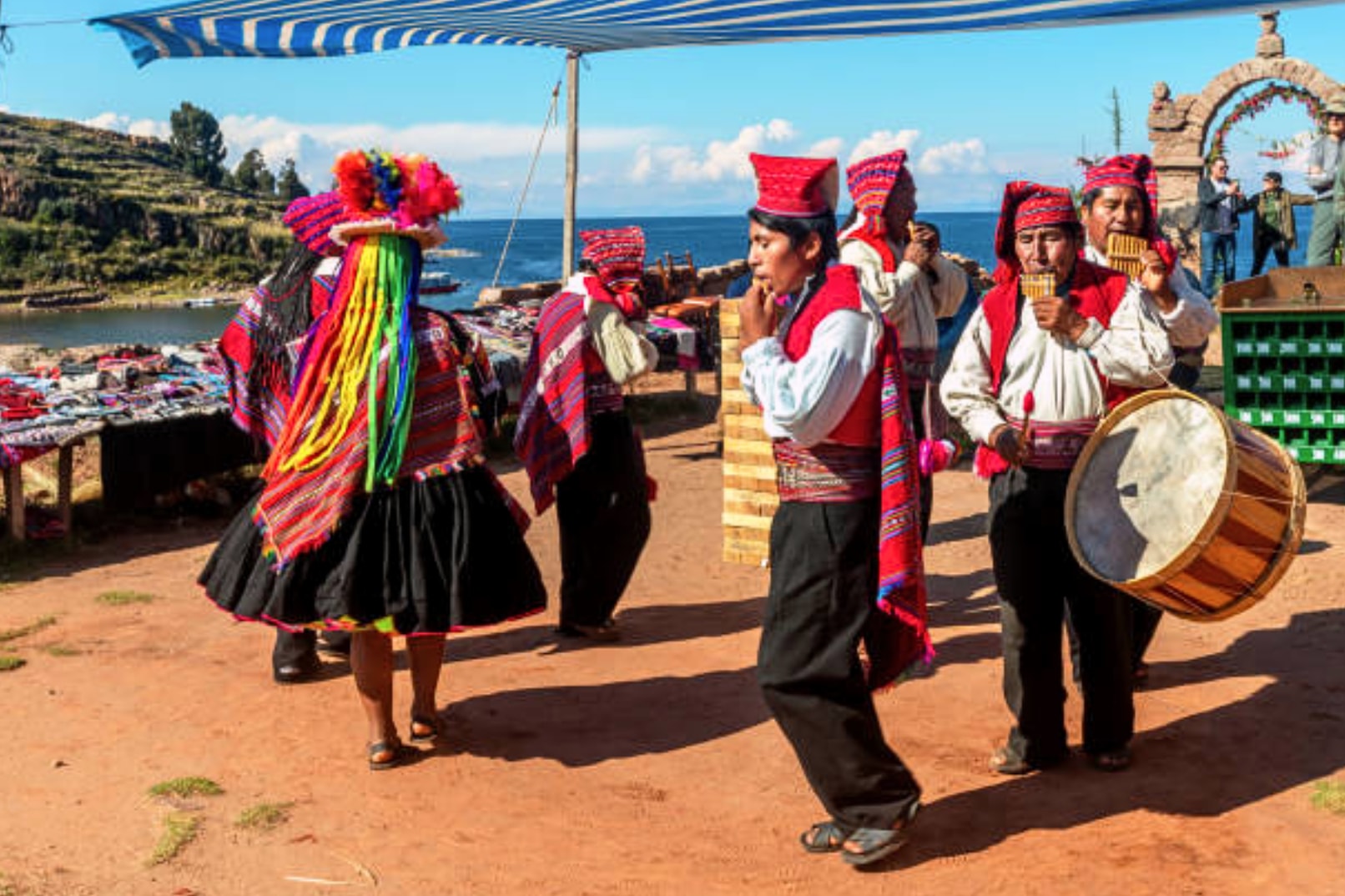
On day two, Explore the Colca Valley, visiting traditional villages, meeting locals in vibrant dress, and capturing photos of ancient terraced fields carved into the mountains.
Later, cross the high Andes altiplano, where herds of wild vicuñas, alpacas, and llamas roam freely. Stop at mirror-like lakes frequented by flamingos, and take in the surreal landscapes that unfold before you. By the night, arrive in Puno.
Available options
Tour Colca Canyon 2d -1n From Arequipa, Ending In Puno
Pickup included
What's included
Dinner
Tourism Guide (English/Spanish)
Shared Minivan Arequipa - Chivay - Colca Canyon - Puno
Basic lodging on Chivay (2 star hotels: Private room - bathroom - hot water - wifi)
Continental breakfast.
Continental breakfast
Lunch x2
Detailed itinerary
1
Stop 1
Pass by
Although not a tour stop, the journey kicks off in Arequipa, known as the White City for its colonial architecture built from white volcanic stone.
As you depart in the early hours, you leave behind Arequipa’s historical charm and volcano backdrop (Misti, Chachani) to venture into the rural Andes.
2
Chivay: A small market town in the Colca Valley, Chivay is the gateway to Colca Canyon. Sitting at 3,635 m, it’s the first major stop where travelers can adjust to altitude. Here you will sleep on the first night.
3
A quaint village known for its baroque colonial church and cultural heritage. Yanque’s central square often has local women and children performing traditional Wititi dances in colorful attire for tips in the early morning.
The tour drives through or stops briefly, allowing you to appreciate the well-preserved church façade and perhaps see locals in their distinctive Colca Valley dress
4
The Colca Canyon itself is the star attraction – a vast gorge over 3,000 m deep, making it one of the deepest canyons on Earth.
At the Cruz del Cóndor viewpoint, you stand at the canyon’s edge looking into its depths and across to the far side where tiny villages and terraced fields cling to the slopes. The highlight here is observing the Andean condors. With wingspans over 3 meters, condors often soar on thermal updrafts in the mornings, sometimes passing remarkably close to the viewpoint, to everyone’s delight.
5
A popular relaxation stop, these thermal baths are located about 3 km from Chivay. La Calera offers several man-made pools fed by natural hot springs, with water temperatures around 35–38°C (95-100F).
Surrounded by canyon walls and with a view of the Colca River, it’s a scenic spot to soak your muscles. Facilities include changing rooms, showers, and a small snack bar. Bathing here is optional but recommended if you brought a swimsuit.
6
This high pass (4,910 m) is literally a breath-taking stop – the air is thin and cold, but the views are tremendous. Patapampa is marked by hundreds of small stone cairns (piled rocks) left by travelers. On a clear day, you can see several volcanoes: Ampato (6,288 m, where the famous Inca mummy was discovered), Sabancaya (5,976 m, often active and emitting fumaroles), Mismi (the source of the Amazon River), and others.
The viewpoint has signboards naming the visible peaks. This stop illustrates the highest altitude you’ll reach on the tour – many tours offer coca tea or have an oxygen canister on hand here in case anyone feels the effects of altitude. It’s typically a short stop due to the extreme elevation, but a memorable one.
7
A vast reserve spanning the regions of Arequipa and Puno, characterized by high plains, wetlands, and volcano-dotted horizons. Pampa Cañahuas is a section of the reserve known for its herds of vicuñas – wild camelids that roam freely here under government protection.
The tour’s stop in the reserve lets you observe vicuñas up close (sometimes right by the road) and distinguish them from their domesticated cousins, the alpaca and llama, which you’ll also see grazing (often tended by local herders).
The landscape here is open and windswept, with ichu grass and yareta plants (a type of bright green mossy shrub) dotting the ground. It’s a prime example of the Altiplano ecosystem at ~4,000 m elevation.
8
Puno: The final destination, Puno is a bustling town on the shores of Lake Titicaca, the world’s highest navigable lake. While the tour ends upon arrival, Puno itself is an attraction worth noting. Drop off point is close to the Plaza Mayor de Puno (3 blocks away from it)
What's not included
Colca Tourist ticket (70 soles p/p)
Transfer from bus station in Puno to hotels (add $7USD per person)
Hot springs tickets (15 soles p/p)
Available languages
Guide guide
EN
ES
Reviews breakdown
Tripadvisor
5.0
1 reviews
5★
1
4★
0
3★
0
2★
0
1★
0
Important information
Public transportation options are available nearby
Infants are required to sit on an adult’s lap
Travelers should have at least a moderate level of physical fitness
ADITTIONAL INFORMATION
From 07:30 hrs to 08:10 hrs.
Between 19:00 hs to 19:30 hs
Take precautions against altitude sickness - soroche, (buy Sorojchi Pills)
Bring warm clothes and a hat.
Use of sunscreen.
Bring your swimwear.
About Arequipa
Arequipa, known as the White City for its colonial buildings made of white volcanic stone, is a stunning destination nestled in the Andes. It offers a rich cultural heritage, breathtaking landscapes, and a vibrant food scene, making it a must-visit in Peru.
Top Attractions
Santa Catalina Monastery
A stunning 16th-century monastery that is like a small city within a city. Its colorful buildings and courtyards are a must-see.
Historical/Religious
1-2 hours
$10
Yanahuara Viewpoint
A scenic viewpoint offering panoramic views of Arequipa and the surrounding volcanoes, including El Misti.
Nature/Scenic
1-2 hours
Free
Colca Canyon
One of the deepest canyons in the world, famous for its stunning landscapes and condor sightings.
Nature/Adventure
2-3 days for a full experience
Varies by tour and accommodation
Must-Try Local Dishes
Rocoto Relleno
A spicy stuffed pepper dish filled with meat, cheese, and sometimes olives, topped with a creamy sauce.
Main Dish
Contains meat and dairy
Adobo Arequipeño
A traditional stew made with pork, potatoes, and a spicy sauce.
Main Dish
Contains pork and dairy
Chuño
Freeze-dried potatoes, a staple in Andean cuisine, often served as a side dish.
Side Dish
Vegetarian
Popular Activities
Trekking in Colca Canyon
Mountain biking
Horseback riding
Visiting hot springs
Exploring parks
Enjoying local cafes
Visiting museums
Attending local festivals
Best Time to Visit
April to November
This is the dry season with clear skies and pleasant temperatures, ideal for outdoor activities and sightseeing.
10°C to 22°C (50°F to 72°F)
50°F to 72°F
Practical Information
Language
- Official: Spanish
- Widely spoken: Quechua
- English: Limited
Currency
Peruvian Sol (PEN)
Time Zone
GMT-5
Electricity
220VV, 60HzHz
Safety Information
Overall Safety Rating: Generally safe
Arequipa is generally safe for tourists, but petty crime like pickpocketing can occur in crowded areas.
Important Precautions:
- • Keep valuables secure
- • Avoid walking alone at night in isolated areas
- • Use reputable tour operators and taxis
Getting there
By air
- Rodríguez Ballón International Airport • 6 km (4 miles) from city center
By bus
Terminal Terrestre de Arequipa
Getting around
Public transport
Local buses, known as combis and coasters, are the primary mode of public transport. They are affordable but can be crowded.
Taxis
Available • Apps: Beat, InDriver
Rentals
Car, Bike, Scooter
Neighborhoods
Cayma
San Lázaro
Yanahuara
Day trips
Colca Canyon
165 km (103 miles) • Full day or overnight
One of the deepest canyons in the world, offering stunning landscapes, hot springs, and condor sightings.
Sibinacocha Lake
120 km (75 miles) • Full day
A beautiful high-altitude lake surrounded by stunning mountain scenery.
Santa Catalina Monastery
City center • Half day
A stunning 16th-century monastery that is like a small city within a city.
Festivals
Festival de la Virgen de la Asuncion • August 15
Arequipa International Film Festival • August
Pro tips
- Acclimatize to the altitude before engaging in strenuous activities
- Visit the Yanahuara Viewpoint at sunset for the best views
- Try local dishes like Rocoto Relleno and Adobo Arequipeño
- Book tours in advance, especially for Colca Canyon
- Carry cash for small purchases and tips
From $25
per person
Price varies by option
Secure booking
Free cancellation available
Instant confirmation