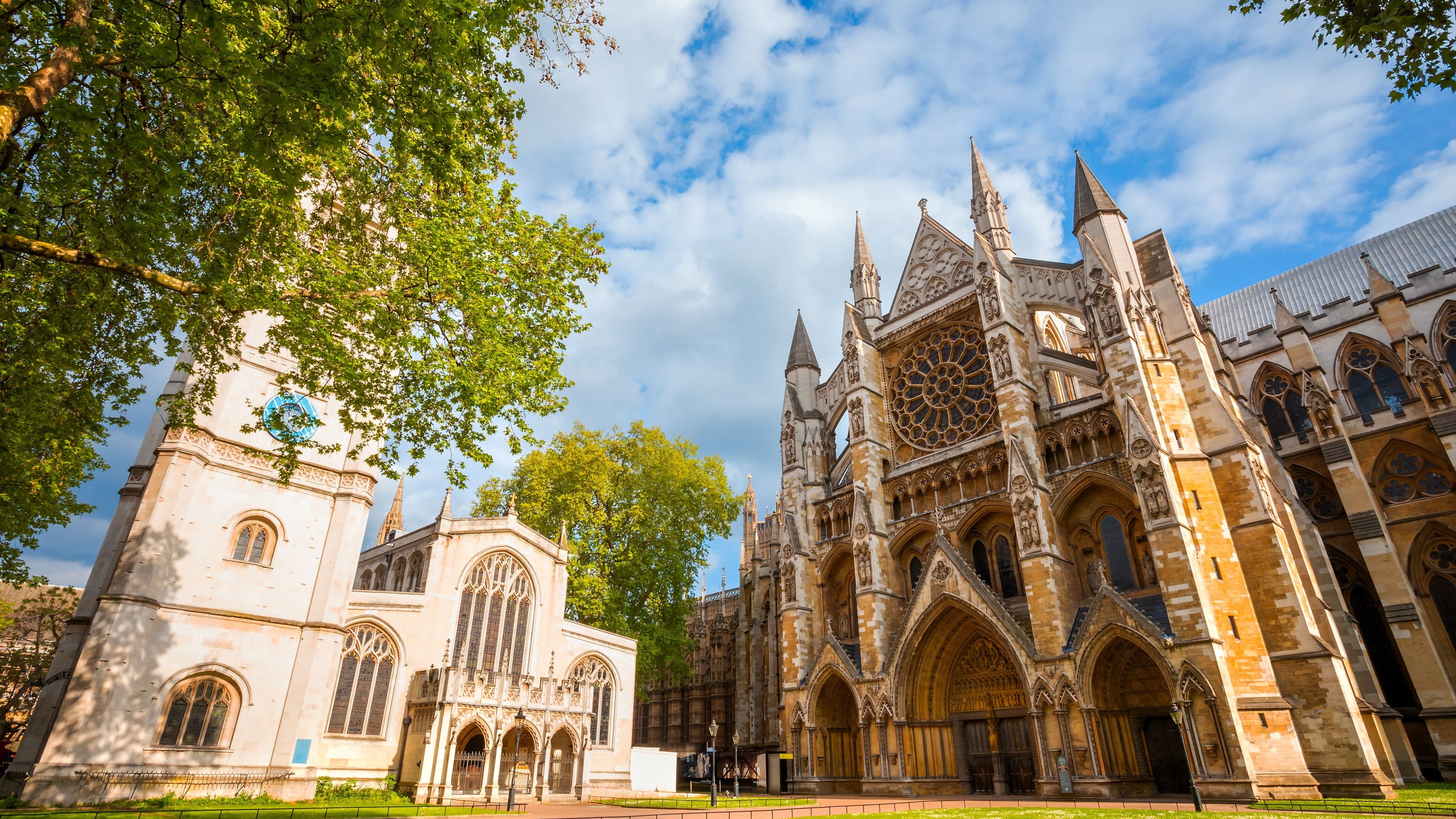
Walking City tour Puno
Active
1h
For a full refund, cancel at least 24 hours before the scheduled departure time.
Instant confirmation
Mobile or paper ticket accepted
About this experience
This is a culture‑first, story‑rich walk designed for Puno’s altitude and rhythm. We connect architecture, museum pieces, viewpoints, markets, and devotion into one clear narrative—so carvings on the Cathedral make sense at the museum, the hilltop view reframes the city below, and the market’s rituals illuminate the Candelaria story. It’s intimate and unhurried: time for photos, questions, and authentic encounters (always respectful of worship and vendors). Expect real Puno—its art, faith, and everyday life—in one memorable walk.
Available options
Walking city tour (private)
Private service: You'll go with your own guide, choose your starting time and the guide will do the magick.
Walking City tour (group tour)
Group Tour: This is a group walking tour, good relationship between quality/price
What's included
Local guide
Detailed itinerary
1
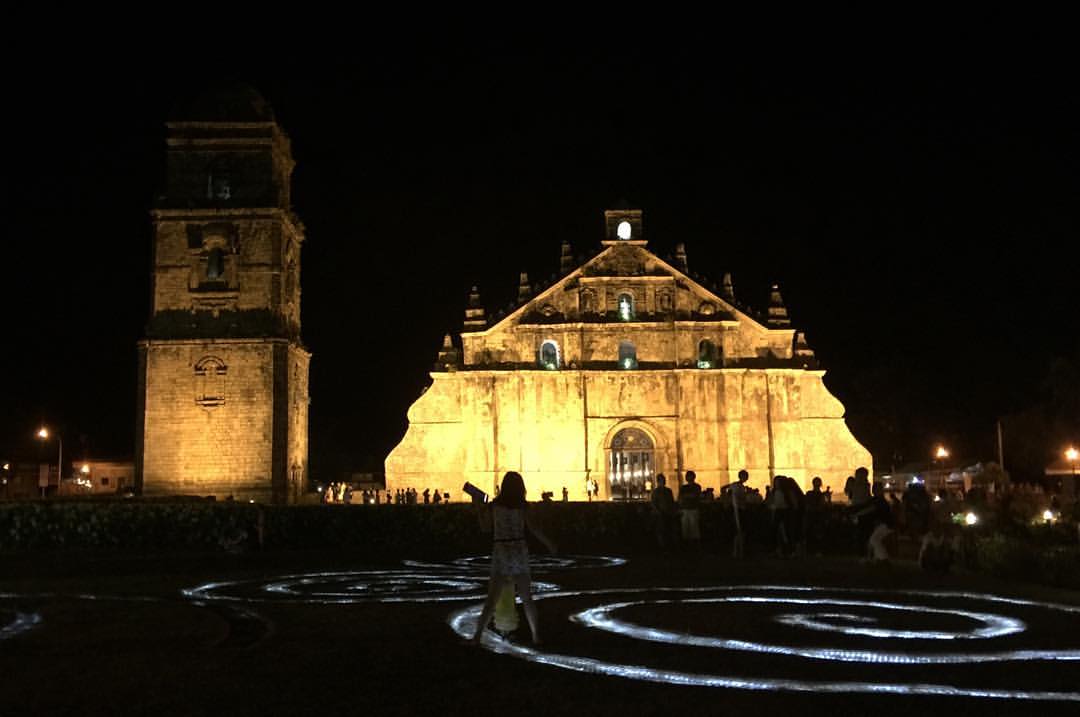
Start in the Plaza de Armas to read the Cathedral’s Andean‑Baroque façade up close. Your guide highlights carved sirens “playing” the charango, native flowers, and faces—symbols that blend Catholic imagery with high‑Andean beliefs. Learn how this 18th‑century temple was executed in stone under the indigenous master builder Simón de Asto and supported by local miners, then step back for wide shots of the twin towers and lively square life. It’s a concise lesson in Puno’s mestizo baroque that sets the tone for the rest of the walk.
2
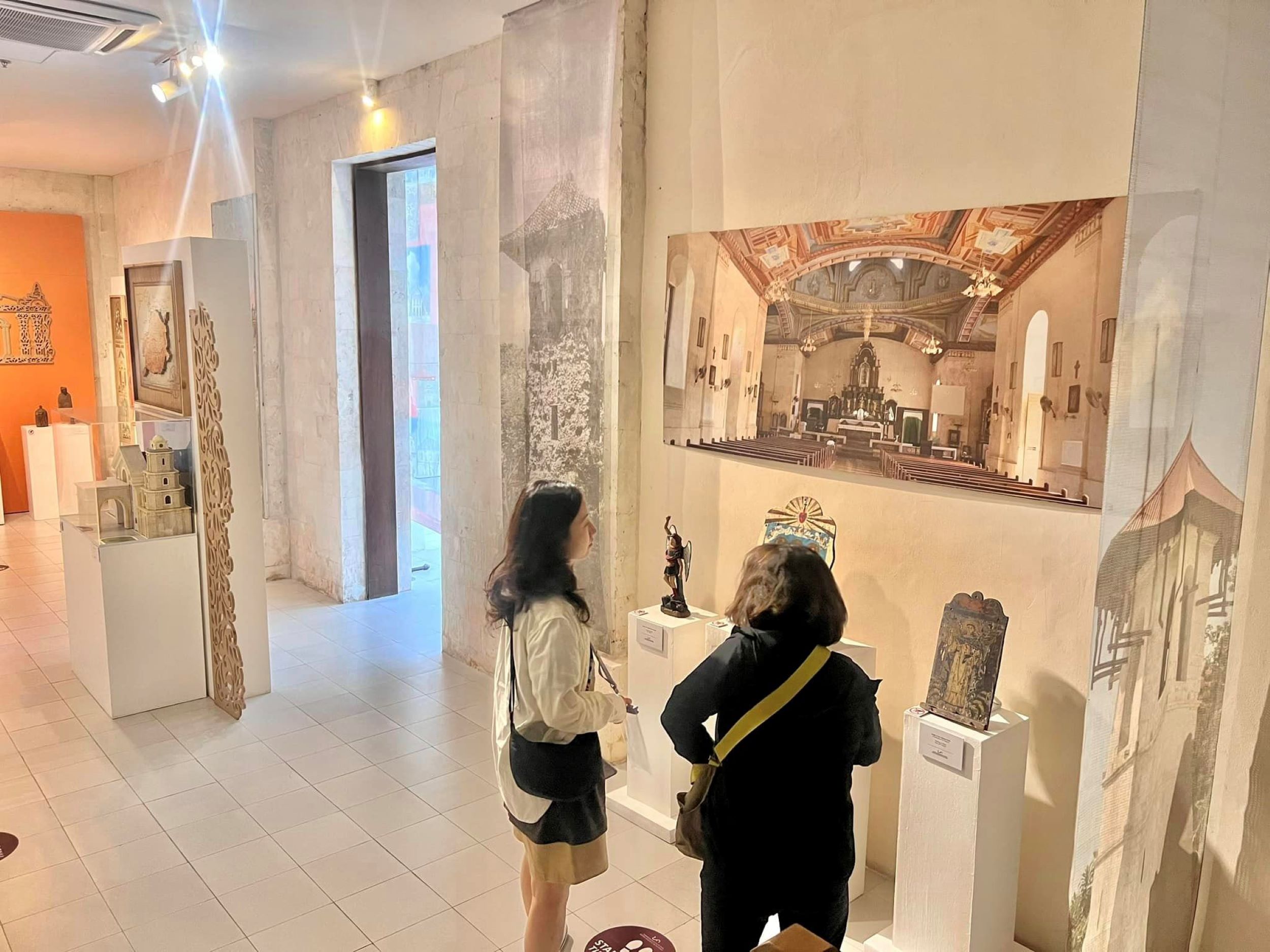
Just off the main square, this intimate museum stitches together Puno’s timeline. With your guide, browse pre‑Inca and Inca ceramics and stonework, funerary objects and mummies from the Altiplano, plus a colonial/republican art gallery—including pieces collected by the German artist Carlos Dreyer. You’ll also see models of chullpas (ancient funerary towers), textiles, and metalwork that frame what you’ll encounter around Lake Titicaca. Compact and well‑curated, it delivers deep context without rushing
3
A gentle climb brings us to Huajsapata Hill, crowned by a statue of Manco Cápac, legendary founder of the Inca Empire. From here the city spreads beneath you and Lake Titicaca stretches to the horizon—prime time for panoramas and a short rest.
4
Meet herbalists and ritual‑goods vendors at the Laykacota “Witches’ Market,” where shelves brim with muña and coca, amulets, and offerings used in Andean folk healing and devotion. This is a respectful, eyes‑open look at living traditions: we discuss how ‘despachos’ to Pachamama fit into daily life and festivities, when to ask before photographing, and how to buy small items ethically if you wish—always supporting local families
5
Walk to the handsome stone arch of Arco Deustua, built in 1847 to honor the heroes of Peru’s independence after the battles of Junín and Ayacucho. It’s a photogenic pause point where we decode inscriptions and decorative details before continuing along Jirón Lima back toward the center—linking 19th‑century memories with today’s street life.
6
At the north end of pedestrian Jirón Lima, Parque Pino is Puno’s social living room. Beneath clipped trees stands the monument to Dr. Manuel Pino—local hero of the War of the Pacific—unveiled in 1901. We’ll take a moment to people‑watch, chat about nearby landmarks (like San Juan church and classic facades), and see how this square threads together civic life, history, and devotion.
7
Across Parque Pino, this church—sanctuary of the Virgen de la Candelaria—pairs an unusual French‑ogival façade with a modest interior holding the city’s most beloved image. Hear how her devotion took root in the 18th century and how February processions transform these streets with music and dance. When doors are open, we enter quietly to appreciate the altars and observe local worship.
What's not included
Carlos Dreyer Museum Tickets - (Cash Only 15 soles p/p)
Cathedral entrances ticket (Cash only 15 soles p/p)
Available languages
Guide guide
EN
ES
Reviews breakdown
Viator
4.5
2 reviews
5★
1
4★
1
3★
0
2★
0
1★
0
Tripadvisor
4.5
10 reviews
5★
8
4★
1
3★
0
2★
0
1★
1
Important information
Not recommended for pregnant travelers
Suitable for all physical fitness levels
Meeting point
We Meet Travelers at the main Cathedral, on the same Plaza de Armas
Important notes
• Comfortable walking shoes are recommended
About Puno
Puno is a picturesque city located on the shores of Lake Titicaca, the world's highest navigable lake. Known for its rich cultural heritage, vibrant festivals, and stunning natural beauty, Puno is a must-visit destination for those exploring Peru's cultural heartland. The city is the gateway to the Uros Floating Islands and Taquile Island, offering unique experiences and breathtaking landscapes.
Top Attractions
Lake Titicaca
Lake Titicaca is the world's highest navigable lake and a UNESCO World Heritage Site. It offers stunning landscapes, cultural experiences, and unique islands like the Uros Floating Islands and Taquile Island.
Nature
Full day
Budget to Moderate (Boat tours range from 50-150 PEN)
Sillustani
Sillustani is an archaeological site featuring ancient burial towers called 'chullpas.' These towers were built by the Colla people and offer a glimpse into pre-Inca history.
Historical
Half day
Budget (Entrance fee around 10 PEN)
Plaza de Armas
The Plaza de Armas is the heart of Puno, surrounded by colonial-era buildings, churches, and vibrant local life. It's a great place to relax and soak in the city's atmosphere.
Historical
1-2 hours
Free
Cathedral of Puno
The Cathedral of Puno is a beautiful colonial-era church located on the Plaza de Armas. It features a mix of Baroque and Renaissance architecture and houses several religious artifacts.
Religious
30-60 minutes
Free (donations welcome)
Puno Museum of Art and Culture
This museum showcases the rich cultural heritage of the Puno region, featuring artifacts, textiles, and art from the Aymara and Quechua cultures, as well as pre-Inca and Inca civilizations.
Museum
1-2 hours
Budget (Entrance fee around 10 PEN)
Must-Try Local Dishes
Trucha a la Plancha (Grilled Trout)
Fresh trout from Lake Titicaca, grilled and served with local potatoes and vegetables. A must-try for seafood lovers.
Main Course
Gluten-free, but may contain allergens like fish.
Chairo
A hearty soup made with lamb, potatoes, corn, and quinoa, flavored with local herbs and spices. A traditional dish of the Puno region.
Soup
Contains meat and gluten.
Sopa de Quinoa (Quinoa Soup)
A nutritious and flavorful soup made with quinoa, vegetables, and sometimes meat. A staple in the Andean diet.
Soup
Can be vegetarian or vegan if made without meat.
Pique a la Puneña
A spicy and flavorful dish made with diced beef, potatoes, onions, and aji amarillo (yellow chili pepper). A popular appetizer in Puno.
Appetizer
Contains meat and gluten.
Popular Activities
Hiking
Boating
Cultural tours
Lakefront walks
Spa treatments
Coffee shop visits
Visiting museums
Attending festivals
Best Time to Visit
May to October (Dry Season)
This is the best time to visit Puno as the weather is dry and sunny, making it ideal for outdoor activities and exploring the attractions. The temperatures are cool but comfortable.
5°C to 20°C (41°F to 68°F)
41°F to 68°F
Practical Information
Language
- Official: Spanish
- Widely spoken: Aymara, Quechua, English (limited)
- English: Limited
Currency
Peruvian Sol (PEN)
Time Zone
GMT-5
Electricity
220VV, 50HzHz
Safety Information
Overall Safety Rating: Generally safe, but exercise caution
Puno is generally safe for tourists, but petty crime can occur, especially in crowded areas. Be cautious with your belongings and avoid walking alone at night in poorly lit areas.
Important Precautions:
- • Keep an eye on your belongings in crowded areas.
- • Use reputable taxi services or apps to avoid scams.
- • Be cautious with street food and drink only bottled or purified water.
Getting there
By air
- Puno International Airport (JUL) • 10 km (6 miles) from the city center
By train
Puno Station
By bus
Puno Bus Terminal
Getting around
Public transport
Public buses are the most common and affordable way to get around Puno. They cover most of the city and surrounding areas.
Taxis
Available • Apps: Beat, Local taxi apps
Rentals
Car, Bike, Scooter
Neighborhoods
City Center
Alto de la Alameda
El Mirador
Day trips
Uros Floating Islands
1-2 hours by boat • Half day to full day
The Uros Floating Islands are a unique attraction in Lake Titicaca, made entirely of totora reeds by the Uros people. Visitors can learn about their culture, traditions, and way of life.
Taquile Island
3-4 hours by boat • Full day to overnight
Taquile Island is known for its stunning landscapes, traditional textiles, and unique culture. The island is home to a close-knit community that preserves its ancient customs and way of life.
Sillustani
35 km (22 miles) from Puno • Half day
Sillustani is an archaeological site featuring ancient burial towers called 'chullpas.' These towers were built by the Colla people and offer a glimpse into pre-Inca history.
Festivals
Festival of the Virgen de la Candelaria • February
Puno Week • November 5-12
Carnaval de Puno • February or March (depending on the lunar calendar)
Pro tips
- Acclimate to the high altitude by taking it easy for the first day or two.
- Book tours and accommodations in advance, especially during peak season and festivals.
- Learn a few basic Spanish phrases to enhance your experience and interact with locals.
- Dress in layers to accommodate changing temperatures throughout the day.
- Try local dishes and support local businesses to get an authentic experience.
From $25
per person
Price varies by option
Secure booking
Free cancellation available
Instant confirmation