Private guided, Bergen to Oslo - Nærøyfjord Cruise & Flåm Railway
Active
14h
For a full refund, cancel at least 24 hours before the scheduled departure time.
Instant confirmation
Mobile or paper ticket accepted
About this experience
After being picked up from your hotel, you can begin your journey to Gudvangen. On the way we make a stop at Tvinde Waterfall before heading to Gudvangen and a guided tour of Njardarheimr Viking Village.
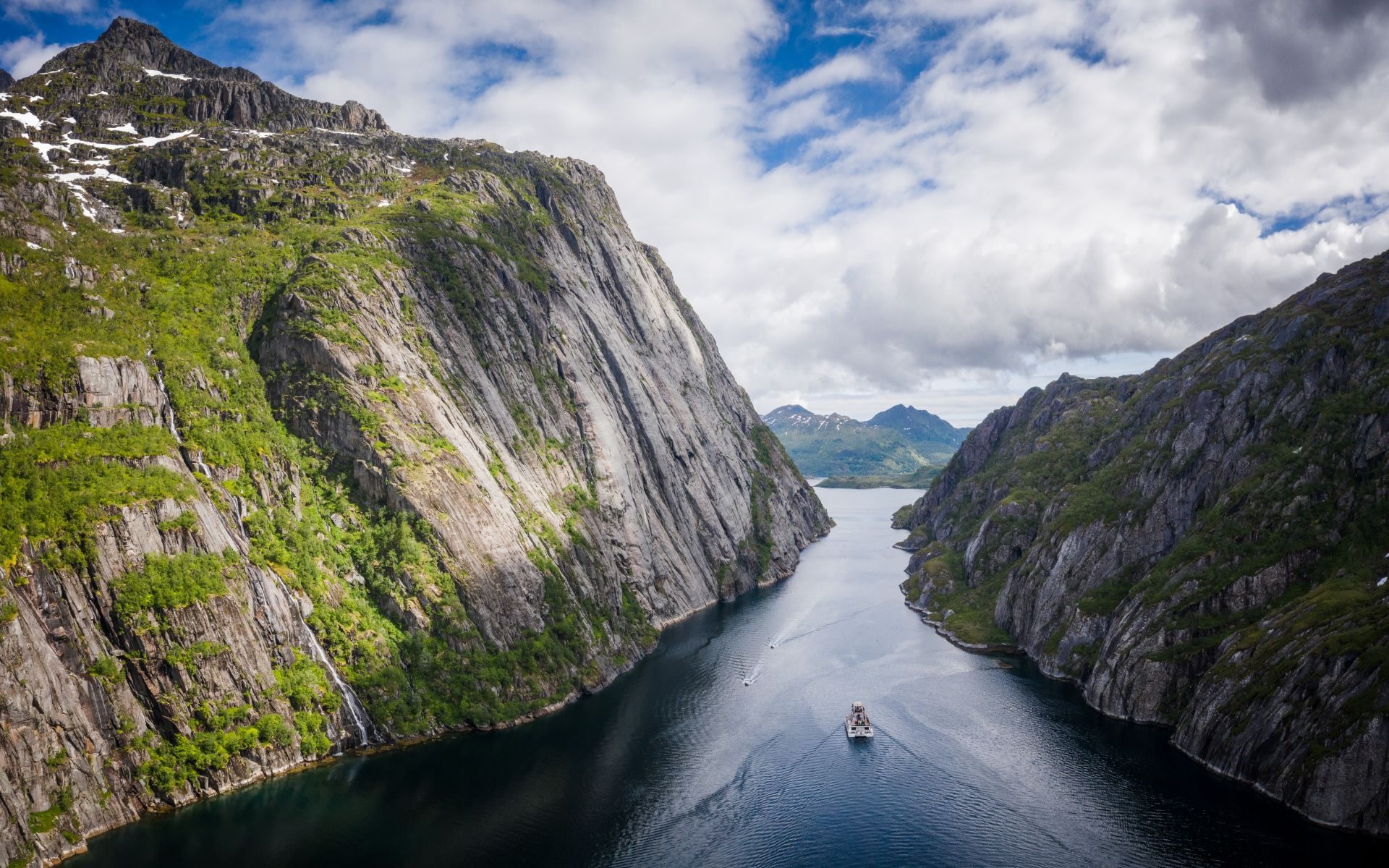
The World Heritage site Nærøyfjord is one of the narrowest fjords in the world. The fjord is surrounded by high mountains, and is a beautiful sight both in summer and winter. The fjord cruise from Gudvangen to Flåm takes about 2 hours.
Flåm is a charming village surrounded by precipitous mountainsides, rumbling waterfalls, and narrow valleys. It is a beautiful area to simply wander around, and whilst there you can also visit the Flåm Railway Museum.
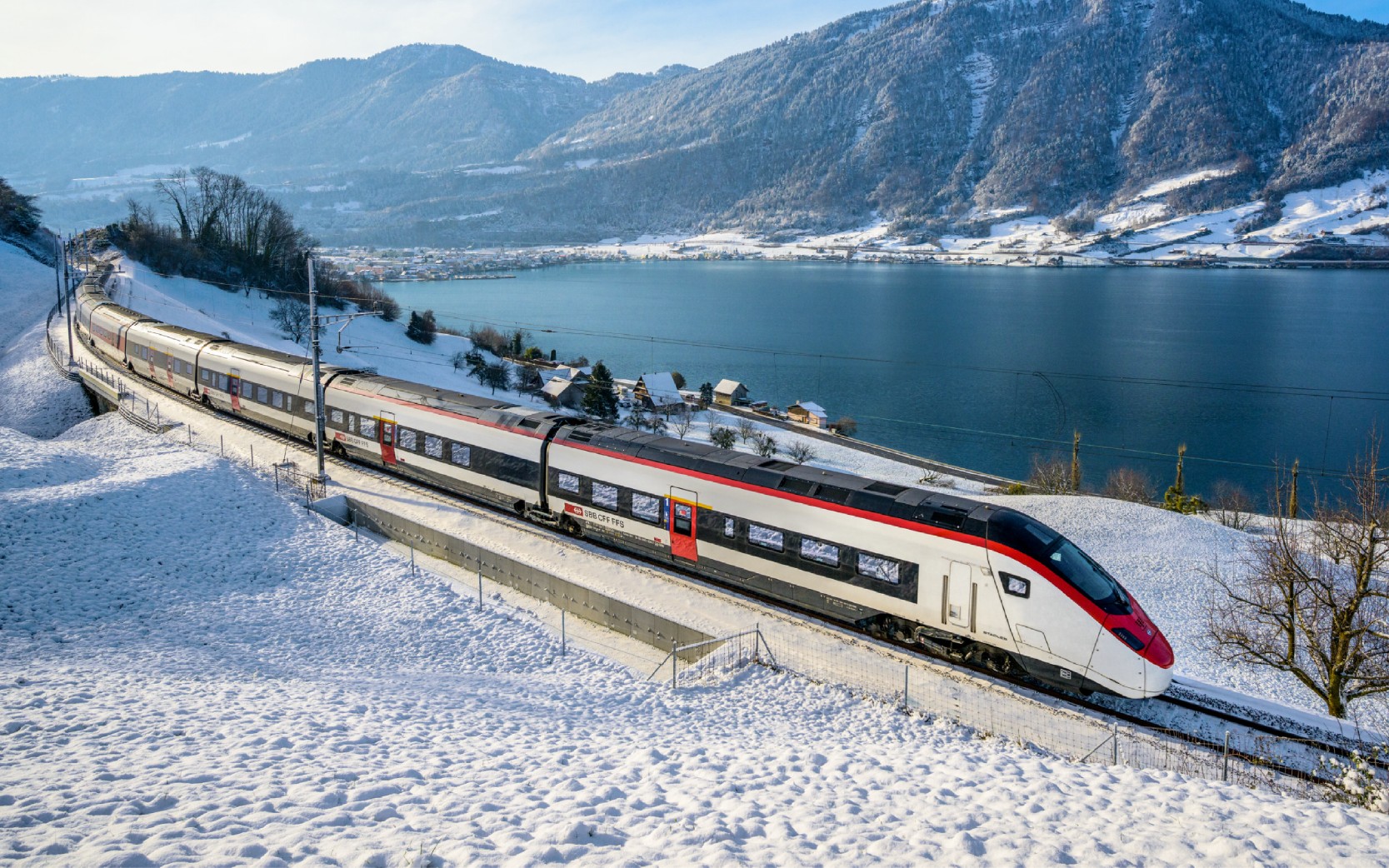
From Flåm the trip continues with the Flåm Railway. The 20-kilometer-long train journey gives you a panoramic view of some of the wildest and most magnificent of Norwegian mountain nature, including the famous Kjosfossen Waterfall. At Myrdal Station, your train will swap to the Bergen Railway which will take you to Oslo.
Available options
Private guided, Bergen to Oslo - Nærøyfjord Cruise & Flåm Railway
Pickup included
What's included
Local guide
Private vehicle
Guided tour of Njardarheimr Viking Village
Pick up from your hotel
Premium Nærøyfjord Cruise
Flåm Railway
Bergen Railway
Detailed itinerary
1
Voss is a municipality in Vestland county, and the administrative center is the village of Vossevangen. Voss is surrounded by snow-capped mountains, forests, lakes and fast-flowing whitewater rivers. This has led to its development as a notable center of skiing, watersport, skydiving, paragliding and other adventure sports. Every year in the last week of June the area hosts the Ekstremsportveko (Extreme Sports Week), which is regarded as the world's premier extreme sport festival. Bømoen, the local airstrip, is home to Skydive Voss, one of the largest dropzones in Norway, as well as a gliding club. The rivers provide various levels of white water, attracting kayaking, rafting and river boarding. Kite surfing and para-bungee may be seen on lake Vangsvatnet. The ski area, to the north of the town, is accessible via a cable car, Voss Gondol.
2
Tvindefossen is a waterfall near Voss on the road to Flåm. The many-stranded 110 meters high waterfall is formed by a small stream, the Kroelvi, tumbling over a receding cliff. It is famous for its beauty and many stop here to admire it. In the late 1990s the water at Tvindefossen acquired a reputation for rejuvenation and revival of sexual potency that made it one of the most important natural tourist attractions in western Norway, with as many as 200,000 people a year from the U.S., Japan and Russia visiting and filling containers with the water. At one point it was Norway's ninth most visited natural attraction, with 272,000 visitors.
3
Viking Valley is located in Gudvangen - in the heart of the unique fjord landscape in the Nærøyfjord, which is on the UNESCO World Heritage List. Here we find the Viking town of Njardarheimr, which breathes new life into the history and culture of the Viking Age. The gates are open to anyone interested in experiencing and learning about the Vikings and how they lived, worked and influenced the world around them. Here you can move between the houses and become part of a living city - an international community of Viking enthusiasts
4
The Nærøyfjord is a narrow fjord in the municipality of Aurland in Vestland county and is a branch of the large Sognefjord. The 18-kilometre (11 mi) long fjord is only 250metres (800 ft) wide in some parts. The river Nærøydalselvi flows down the valley Nærøydalen into the fjord at the village of Gudvangen. Since 2005, the Nærøyfjord has been listed as a UNESCO World Heritage site, and it has also been rated by National Graphic Society as the world's number one natural heritage site.
5
Aurlandsfjord is a fjord in Vestland county. The fjord flows through the municipalities of Aurland, Vik and Lærdal. The 29-kilometre (18 mi) long fjord is a branch off of the main Sognefjorden, Norway's longest fjord. The fjord is deep and narrow, reaching a depth of about 962 metres (3,156 ft) and its width is generally less than 2 kilometres (1.2 mi) wide. About 11 kilometers (6.8 mi) south of the mouth of the fjord, the Nærøyfjord branches off from it to the west. The village of Flåm sits at the innermost part of the Aurlandsfjord; other villages along the fjord are Aurlandsvangen and Undredal. Most of the fjord is surrounded by up to 1,800-metre (5,900 ft) tall, steep mountains with little habitation along the fjord except for in a few small valleys.
6
Flåm Railway is a 20.2-kilometer (12.6 mi) long railway line between Flåm and Myrdal. A branch line of the Bergen Line, it runs through the valley of Flåmsdalen and connects the mainline with Sognefjorden. The line's elevation difference is 866 meters (2,841 ft); it has ten stations, twenty tunnels and one bridge. The maximum gradient is 5.5 percent (1:18). Because of its steep gradient and picturesque nature, the Flåm Line is now almost exclusively a tourist service and has become the third-most visited tourist attraction in Norway. Construction of the line started in 1924, with the line opening in 1940. It allowed the district of Sogn access to Bergen and Oslo via the Bergen Line. Electric traction was taken into use in 1944.
7
The mountain massif Hallingskarvet rises from the surrounding moorland, with steep cliffs towards the north and south and Folarskardnuten towering on top at 1,933 metres above sea level. Between the barren high mountain plateau and the fertile area around lies the characteristic steep cliff edge, which has given it the name Hallingskarvet. Skarv means bare mountain or rock. Hallingskarvet National Park was established in 2006 and is 450 km2. - The highest point is Folarskardnuten at 1933 m. - The plateau itself is approx. 35 km long and varies in width from 1-5 km.
8
The Bergen Railway is a 371-kilometre (231 mi) long scenic standard gauge railway line between Bergen and Hønefoss. The name is often applied for the entire route from Bergen to Oslo where the passenger trains go, a distance of 496 kilometres (308 mi). It is the highest mainline railway line in Northern Europe, crossing the Hardangervidda plateau at 1,237 metres (4,058 ft) above sea level. The railway opened from Bergen to Voss in 1883 as the narrow Voss gauge line. In 1909 the route was continued over the mountain to Oslo and the whole route converted to standard gauge and the Voss Line became part of the Bergen Line. The line is single track and was electrified in 1954-64. The Bergen Line is owned and maintained by Bane NOR and served with passenger trains by Norwegian State Railway (NSB) and freight trains by CargoNet. The Flåm Railway remains as the only branch line, after the closure of the Hardanger Line.
Available languages
Guide guide
EN
Reviews breakdown
Viator
5.0
3 reviews
5★
3
4★
0
3★
0
2★
0
1★
0
Tripadvisor
5.0
1 reviews
5★
1
4★
0
3★
0
2★
0
1★
0
Important information
Infants and small children can ride in a pram or stroller
Service animals allowed
Public transportation options are available nearby
Suitable for all physical fitness levels
About Bergen
Bergen is a picturesque city known for its stunning natural surroundings, vibrant cultural scene, and rich maritime heritage. Nestled between seven mountains and the North Sea, it offers a unique blend of outdoor adventures, historic charm, and modern Norwegian lifestyle.
Top Attractions
Bryggen
Bryggen is a historic wharf and UNESCO World Heritage site featuring colorful wooden houses dating back to the Hanseatic League era.
Historical
1-2 hours
Free to explore, museums may charge entry
Fløyen
Fløyen is one of Bergen's seven mountains, offering panoramic views of the city and surrounding fjords. Accessible by funicular or hiking.
Nature
2-3 hours
NOK 100 for funicular ride (free for hiking)
Bergen Aquarium
A family-friendly attraction showcasing marine life from the Norwegian coast and beyond, including penguins, seals, and a variety of fish.
Nature
2-3 hours
NOK 250-300
Fish Market (Fisketorget)
A bustling market offering fresh seafood, local produce, and traditional Norwegian delicacies. A must-visit for food lovers.
Cultural
1 hour
Free to explore, prices vary for food and souvenirs
Troldhaugen
The former home of the famous composer Edvard Grieg, now a museum offering insights into his life and work.
Historical
2-3 hours
NOK 120-150
Must-Try Local Dishes
Fårikål
A traditional Norwegian stew made with lamb, cabbage, and spices. It's the national dish of Norway and a must-try for its hearty flavor.
Dinner
Contains meat, not suitable for vegetarians or vegans.
Rakfisk
Fermented fish, typically trout or char, served with sour cream, onions, and flatbread. It's an acquired taste but a significant part of Norwegian culinary tradition.
Snack
Contains fish, not suitable for vegetarians or vegans.
Klippfisk
Dried and salted cod, often rehydrated and served in various dishes. It's a staple in Norwegian cuisine and has a unique texture and flavor.
Dinner
Contains fish, not suitable for vegetarians or vegans.
Brunost
A brown, caramel-like cheese made from a mixture of goat's milk and cow's milk whey. It's often served on waffles or with fruit.
Dessert
Contains dairy, not suitable for vegans.
Popular Activities
Hiking
Biking
Kayaking
Paragliding
White-water rafting
Coffee at a café
Strolling through Bryggen
Visiting the Fish Market
Best Time to Visit
June to August
Summer is the peak tourist season with long daylight hours, pleasant temperatures, and numerous outdoor activities. The city is lively with festivals and events.
12°C to 20°C
54°F to 68°F
Practical Information
Language
- Official: Norwegian
- Widely spoken: English, German, Swedish, Danish
- English: Widely spoken
Currency
Norwegian Krone (NOK)
Time Zone
GMT+1 (CET), GMT+2 (CEST during daylight saving time)
Electricity
230VV, 50HzHz
Safety Information
Overall Safety Rating: Very safe
Bergen is a very safe city with low crime rates. However, as with any destination, it's important to stay aware of your surroundings and take basic precautions.
Important Precautions:
- • Keep valuables secure
- • Be cautious of your surroundings
- • Use licensed taxis
Getting there
By air
- Bergen Airport, Flesland • 17 km from city center
By train
Bergen Station
By bus
Bergen Bus Station
Getting around
Public transport
Buses are the primary mode of public transport in Bergen. They are efficient, frequent, and cover most attractions.
Taxis
Available • Apps: Taxi Bergen, InDriver
Rentals
Car, Bike, Scooter
Neighborhoods
Bryggen
Nordnes
Strandkaiten
Fjellveien
Day trips
Hardangerfjord
100 km from Bergen • Full day
Hardangerfjord is Norway's second-longest fjord, offering stunning landscapes, fruit orchards, and waterfalls. It's a perfect day trip for nature lovers and photographers.
Voss
80 km from Bergen • Half day to full day
Voss is a popular destination for outdoor activities, offering hiking, biking, and water sports. It's a great day trip for adventure enthusiasts.
Flam and the Flamsbana Railway
160 km from Bergen • Full day
Flam is a picturesque village known for its stunning fjord views and the famous Flamsbana Railway, one of the world's most scenic train journeys.
Festivals
Bergen International Festival • May
Bergen Food Festival • August
Bergen Jazz Festival • October
Pro tips
- Visit the Fish Market early in the morning for the freshest seafood and a lively atmosphere
- Take the Fløyen funicular or hike up for stunning views of the city and fjords
- Explore the historic Bryggen wharf and its charming alleys and courtyards
- Try traditional Norwegian dishes like fårikål and rakfisk for an authentic culinary experience
- Use the Skyss app for public transport tickets and schedules to save time and money
From $25
per person
Price varies by option
Secure booking
Free cancellation available
Instant confirmation