Milan: Duomo, Scala, Sforza Castle and Last Supper Private Tour
Active
3h
For a full refund, cancel at least 24 hours before the scheduled departure time.
Instant confirmation
Mobile or paper ticket accepted
About this experience
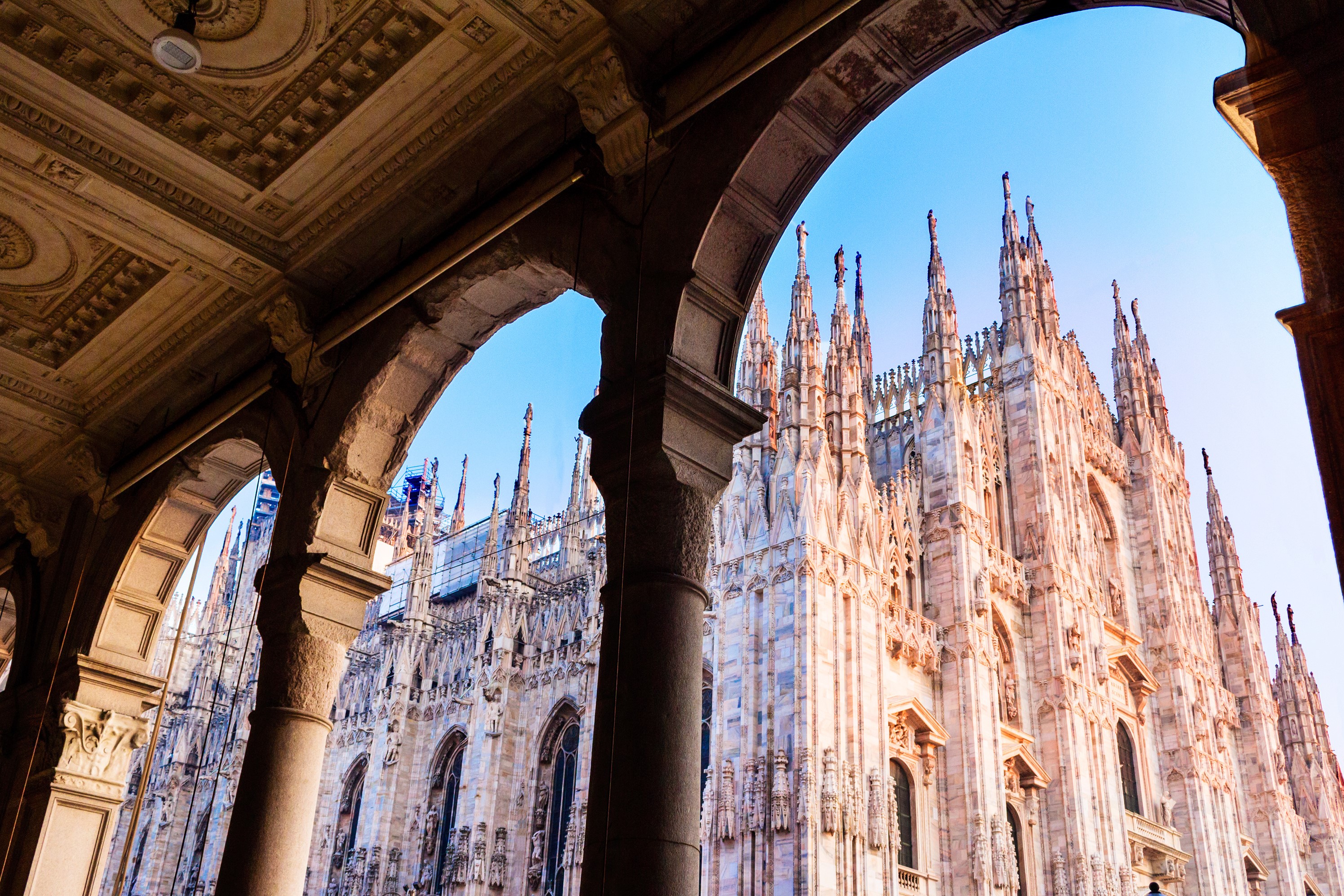
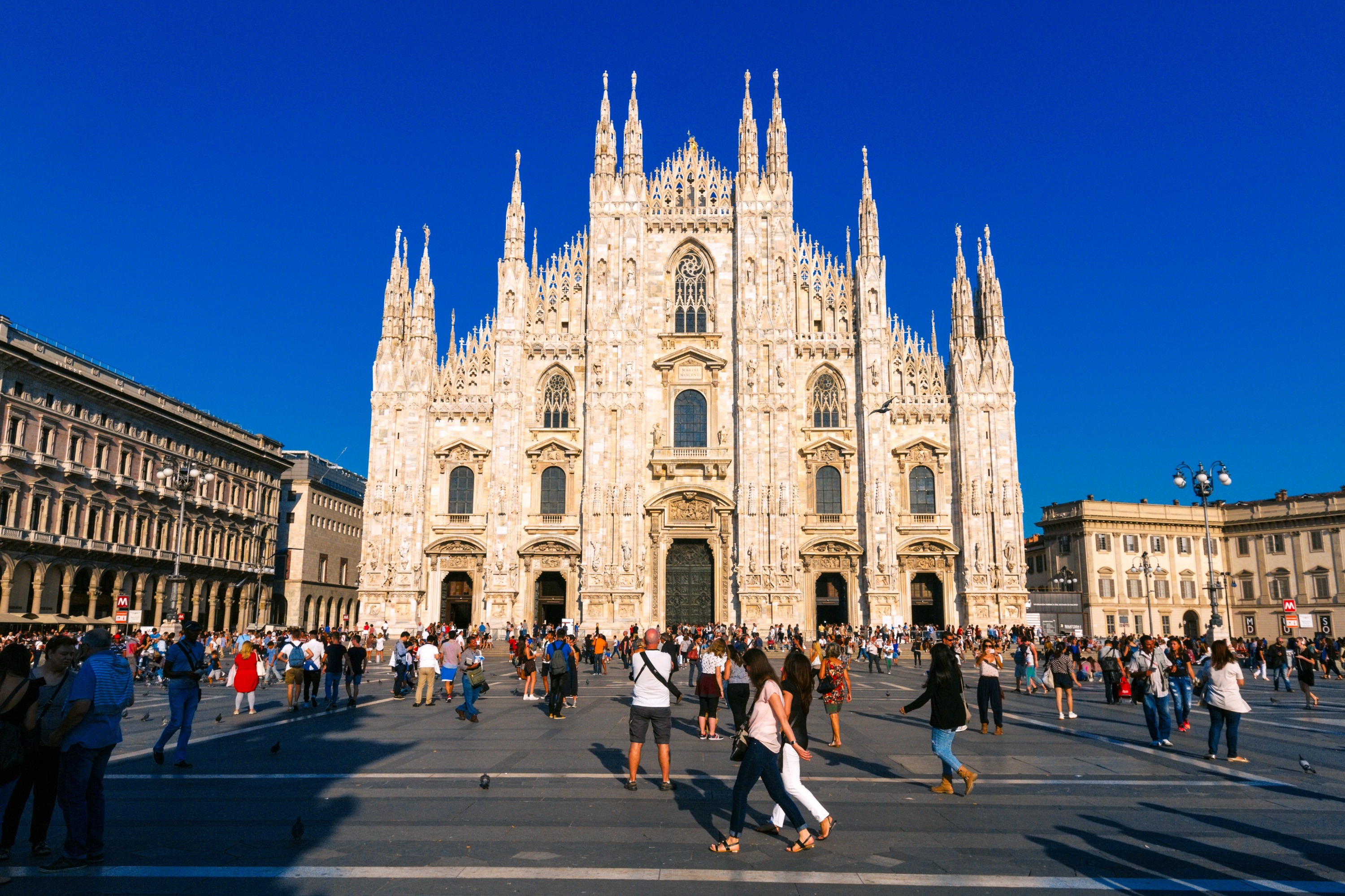
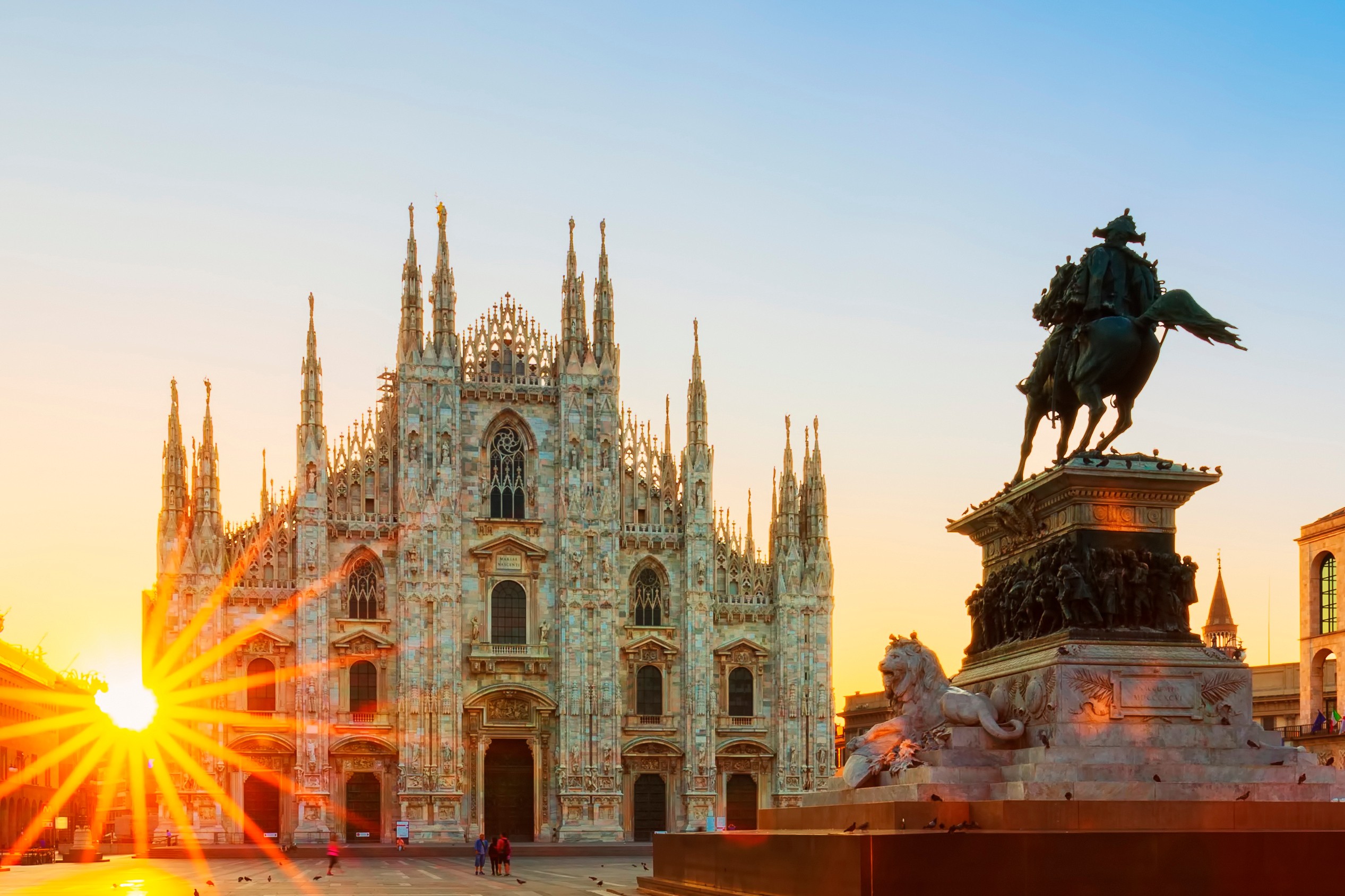
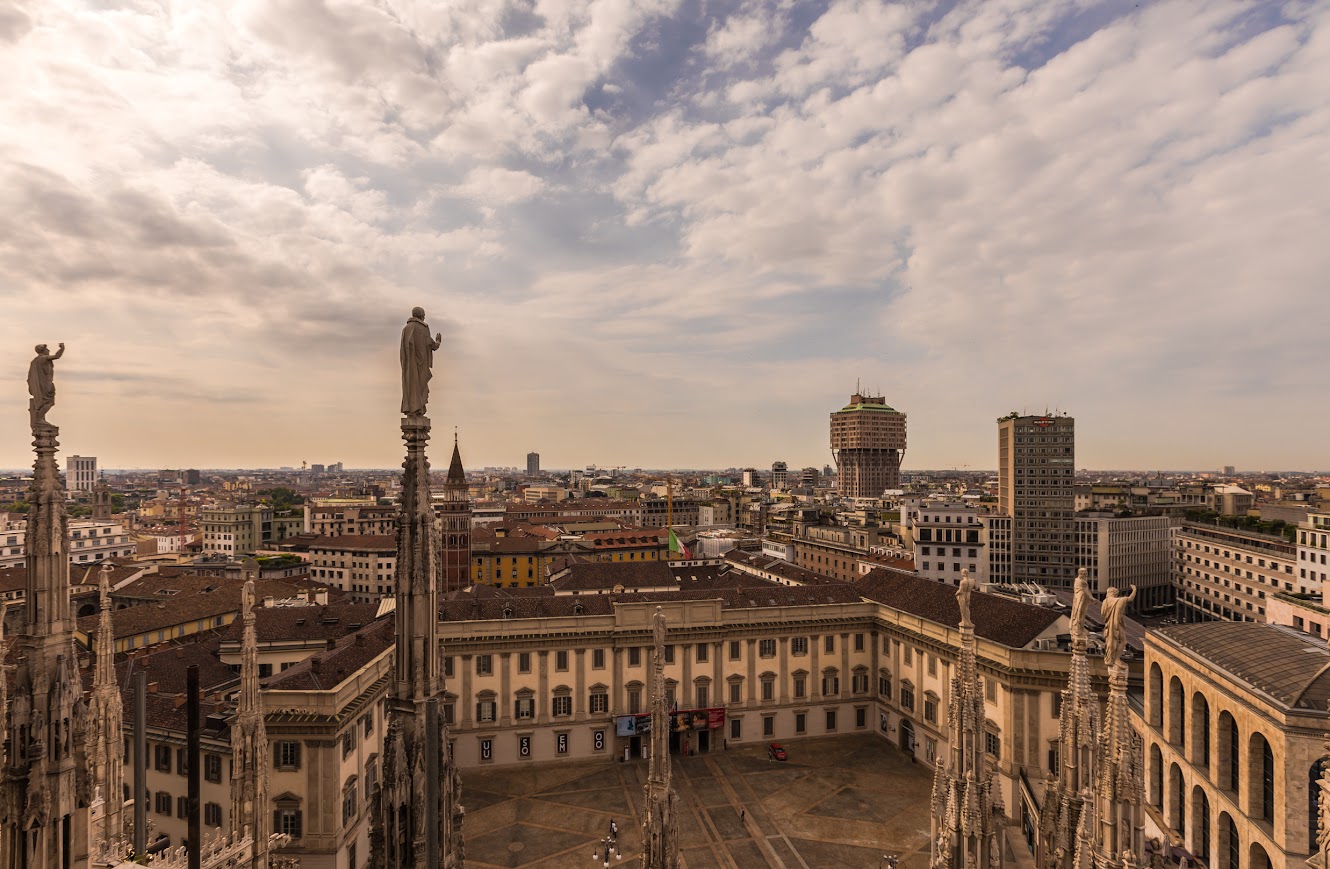
Embark on a captivating journey with your private storyteller through Milan's history with our enchanting tour. Uncover secrets from the opulent Middle Ages to the 19th-century unification of Italy. Marvel at the Duomo, Italy's largest Gothic masterpiece, adorned with 3500 statues and marble spires—a living testament to Milan's tapestry.
Explore Castello Sforzesco, a 14th-century fortress transformed into a majestic residence by the Sforza family. Witness the evolution of Milan's rulers in this iconic landmark. The Vittorio Emanuele II Gallery, a cross-shaped passage, connects Duomo Square and Scala Square, hosting cultural events and fashion shows—a vibrant canvas where history meets modernity.
Join our tour to unravel Milan's treasures, each step revealing a new chapter in this city's captivating narrative. Don't miss this chance to blend past and present in a symphony of historical and artistic marvels.
Available options
Milan: Duomo, Scala, Sforza Castle and Last Supper Private Tour
What's included
Tickets to the Duomo Cathedral
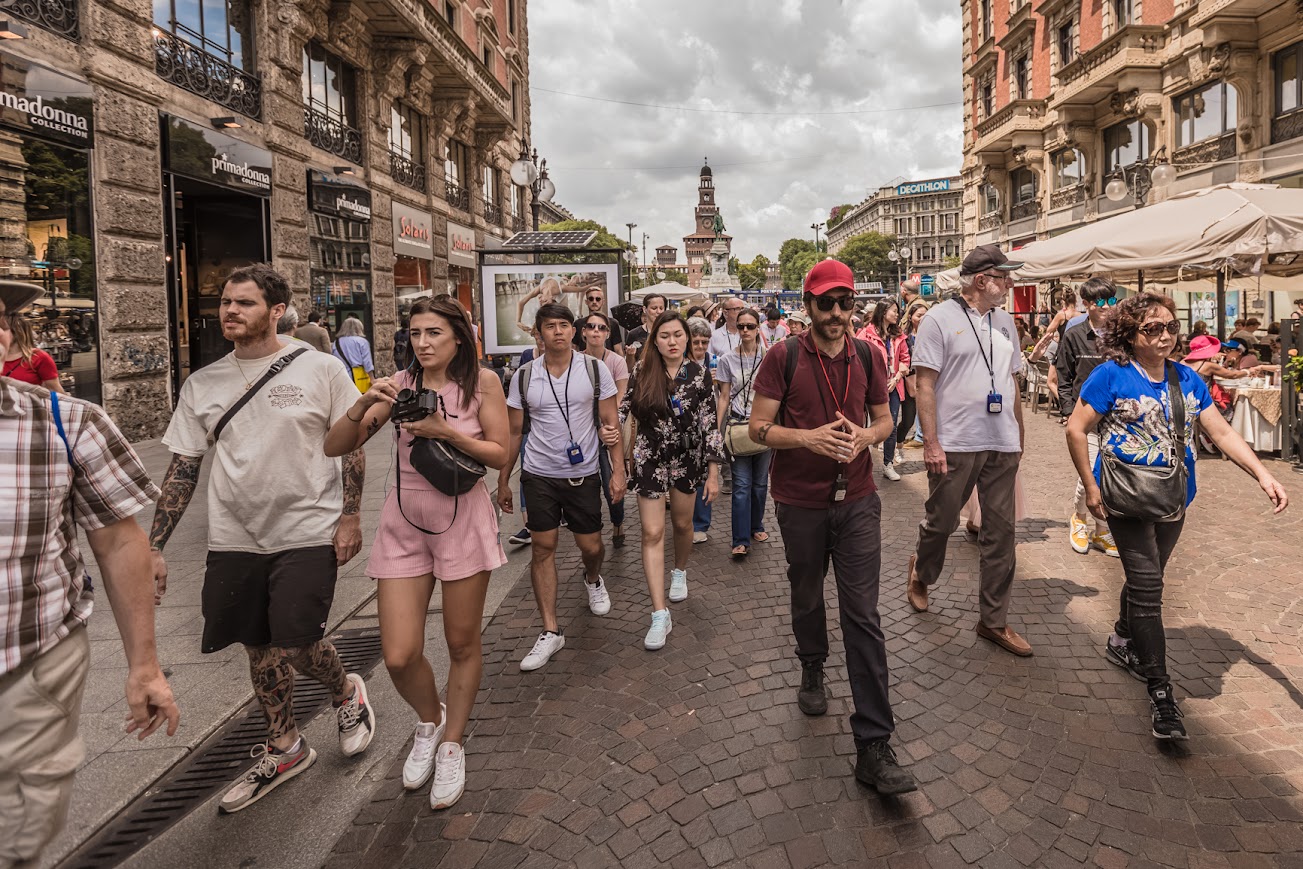
Private Walking Tour
Tickets to the Last Supper
Expert and qualified private guide
Detailed itinerary
1
Stop 1
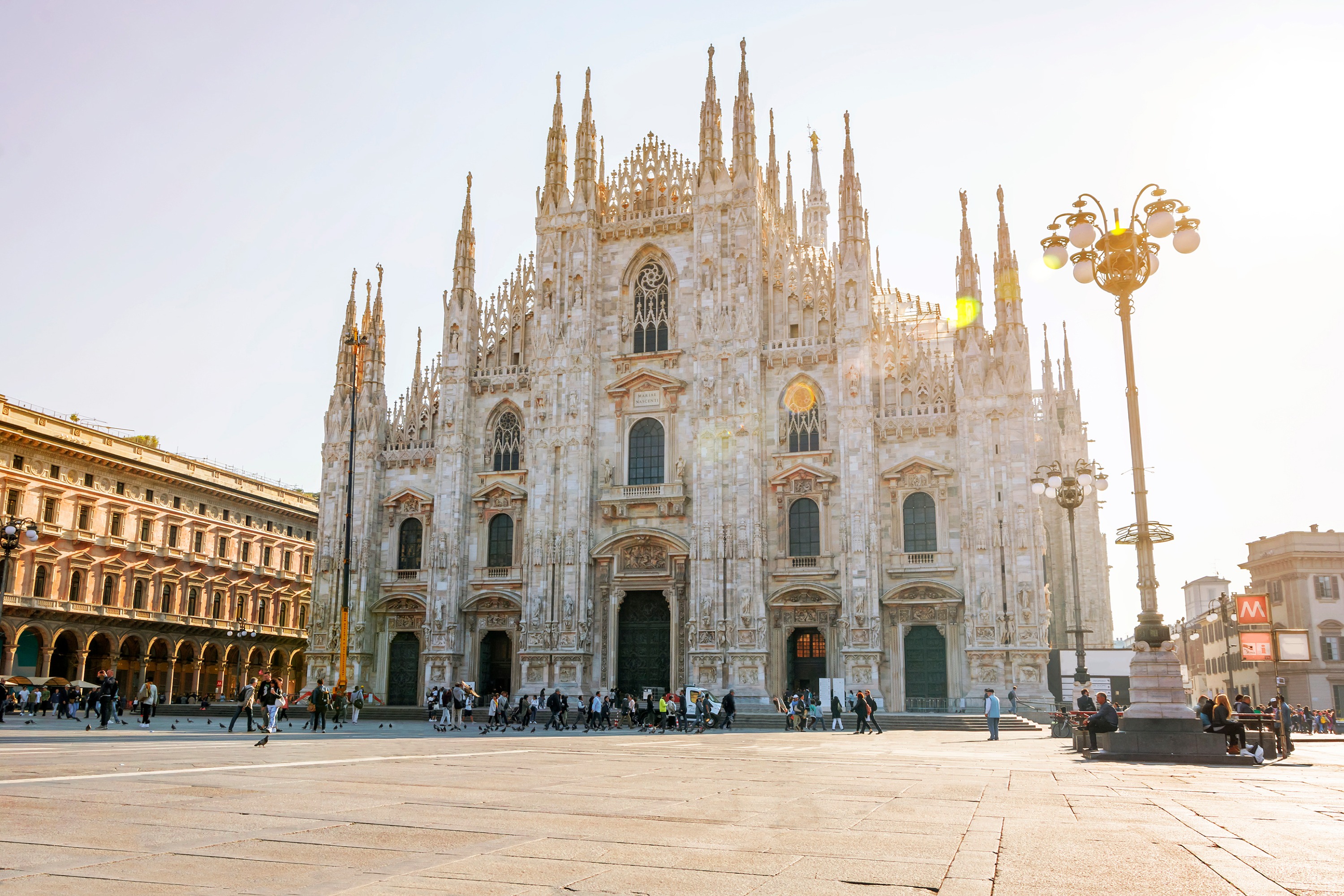
The largest church in Italy. It took almost six centuries to complete, but it was worth every moment.
The Duomo of Milan tells a story of faith and art spanning over six centuries. Construction work on the Duomo of Milan probably began in 1386, when the style of Gothic cathedrals had reached its peak, and it was only in the second half of the 20th century that the Fabbrica undertook the complete, structural and conservative restoration of the building.
Located in the heart of Milan. It is 515 ft (157 metres) long and 302 ft (92 m) wide. It can house up to 40.000 people.
2
Stop 2
Pass by
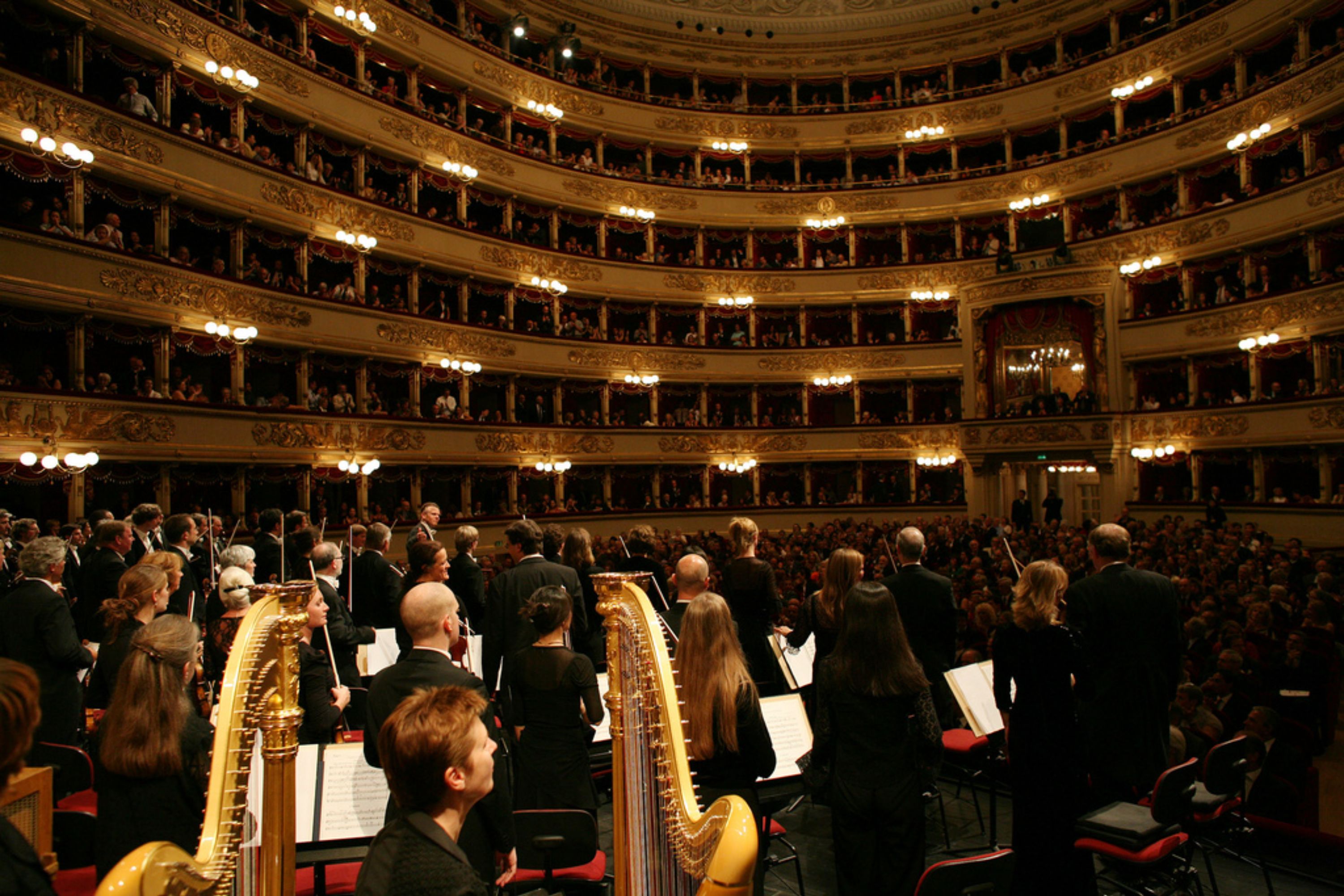
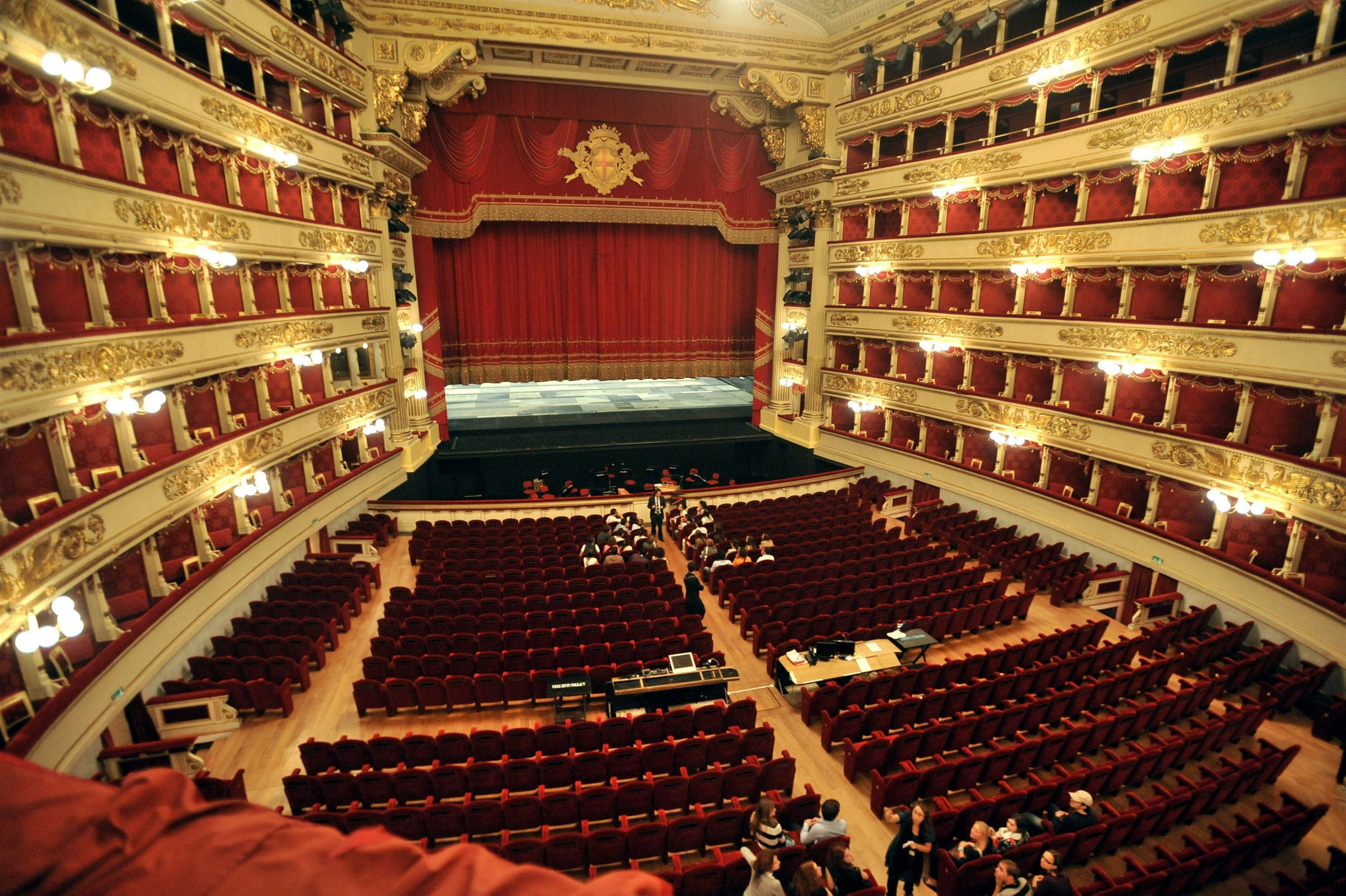
La Scala, or Teatro alla Scala in Italian, is one of the most famous opera houses in the world. Its sober and elegant exterior never fails to surprise those that visit it for the first time.
Many famous operas have had their first production in La Scala, such as Othello, Nabucco by Verdi, and Madame Butterfly by Giacomo Puccini.
Take a look from the outside and go on with the rest of the tour!
3
Stop 3
Pass by
Between the Theatre and the Galleria Vittorio Manuel II is the Piazza della Scala, a lively square with a large statue of Leonardo da Vinci in the centre. Here you can rest on the benches surrounded by pretty greenery.
4
Stop 4
The Galleria Vittorio Emanuele II, which is sometimes nicknamed “il salotto di Milano” (Milan’s drawing room), is an elegant nineteenth-century shopping arcade. It houses some of the most luxurious boutiques in Milan.
this magnificent shopping arcade is one of the most interesting sights in the city.
5
Stop 5
Pass by
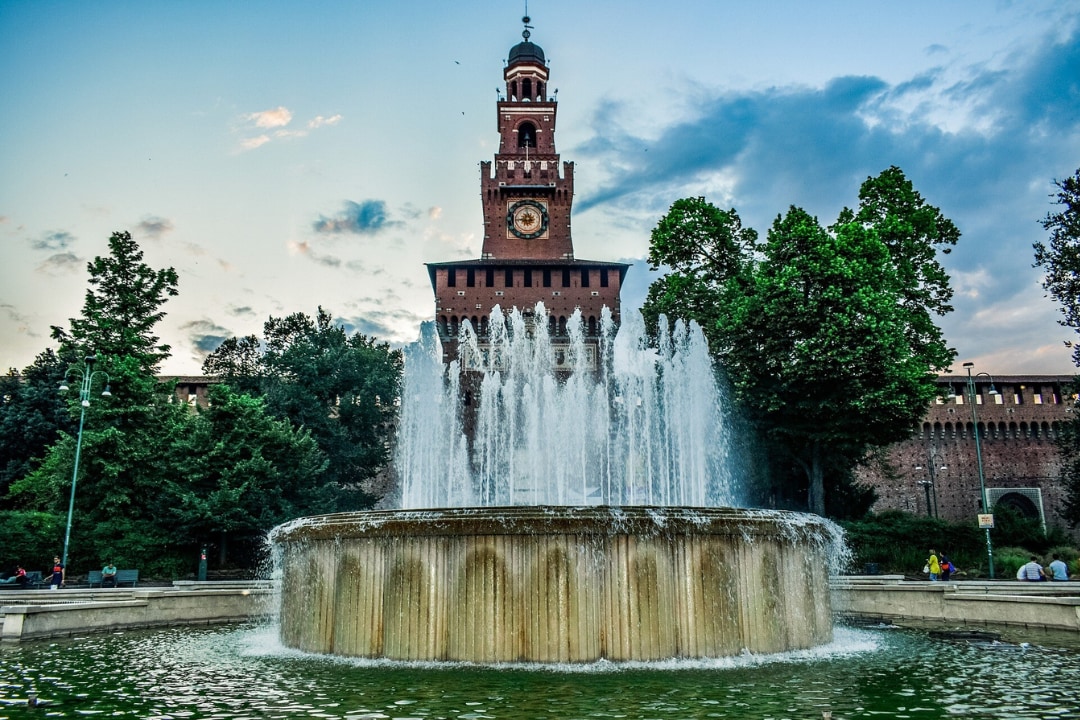
Milano too has its own fairy tale, or rather it has its own fairy-tale castle, Castello Sforzesco, one of the largest in Europe.
Throughout history, this imposing complex has played many roles: defensive fortress, ducal residence and military barracks. Nowadays, its magnificent interior hosts Milano’s Municipal museums and other cultural institutions, but the castle grounds are fascinating in themselves, with large courtyards, massive walls, moat, towers (entrance is free excluding the museums), crenulated battlements and the green expanse of Parco Sempione.
The castle’s origins date back to 1358 - 1368 when the first nucleus was known as the Castello di Porta Giovia and was used as a residence but mainly as a military defensive complex by Galeazzo II Visconti, Duke of Milano. Over the centuries, the Castello expanded until it became one of the main military citadels in seventeenth-century Europe.
Take a look from the outside and go on with the rest of the tour!
6
Stop 6
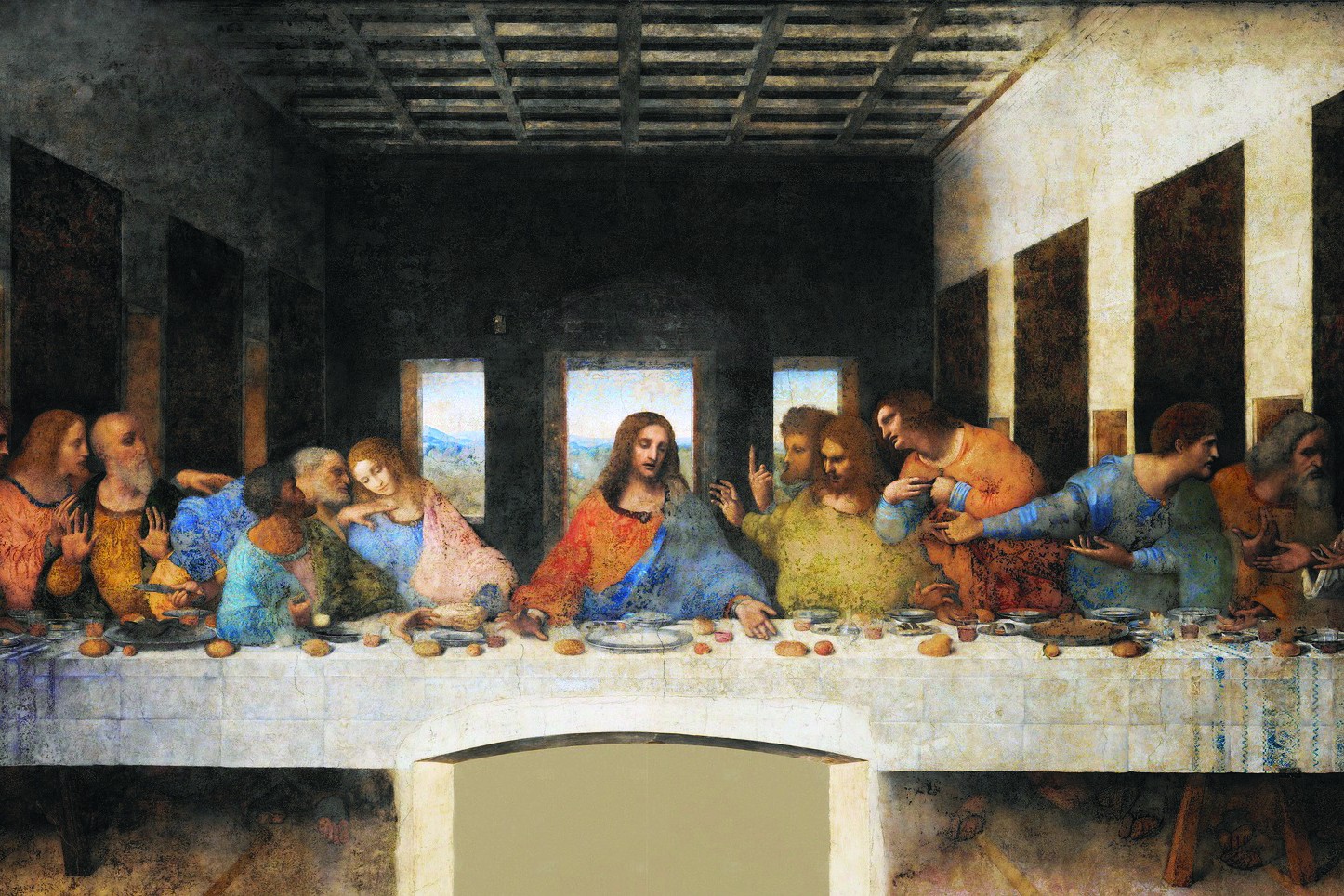
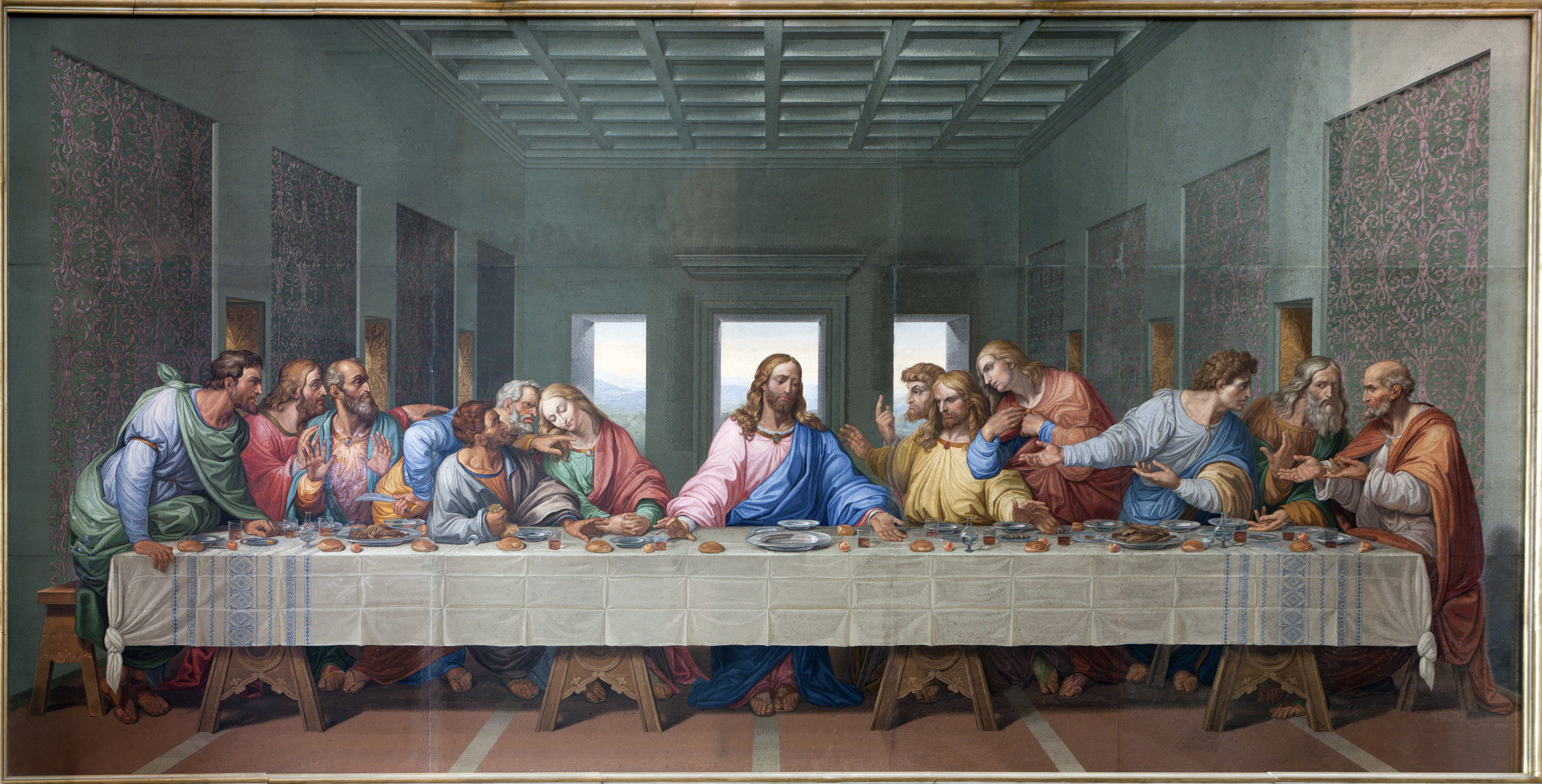
Santa Maria delle Grazie is a historic church in Milan, Italy, renowned for housing one of the world's most famous artworks, Leonardo da Vinci's "The Last Supper." Constructed in the late 15th century, this UNESCO World Heritage Site showcases stunning Renaissance architecture, including a striking Gothic facade. Inside, visitors can marvel at the exquisite beauty of "The Last Supper," a masterpiece depicting the moment of Jesus Christ's final meal with his disciples. The church's significance as a cultural and religious landmark attracts countless visitors seeking to admire both its architectural splendor and the profound artistic legacy it houses.
7
Stop 7
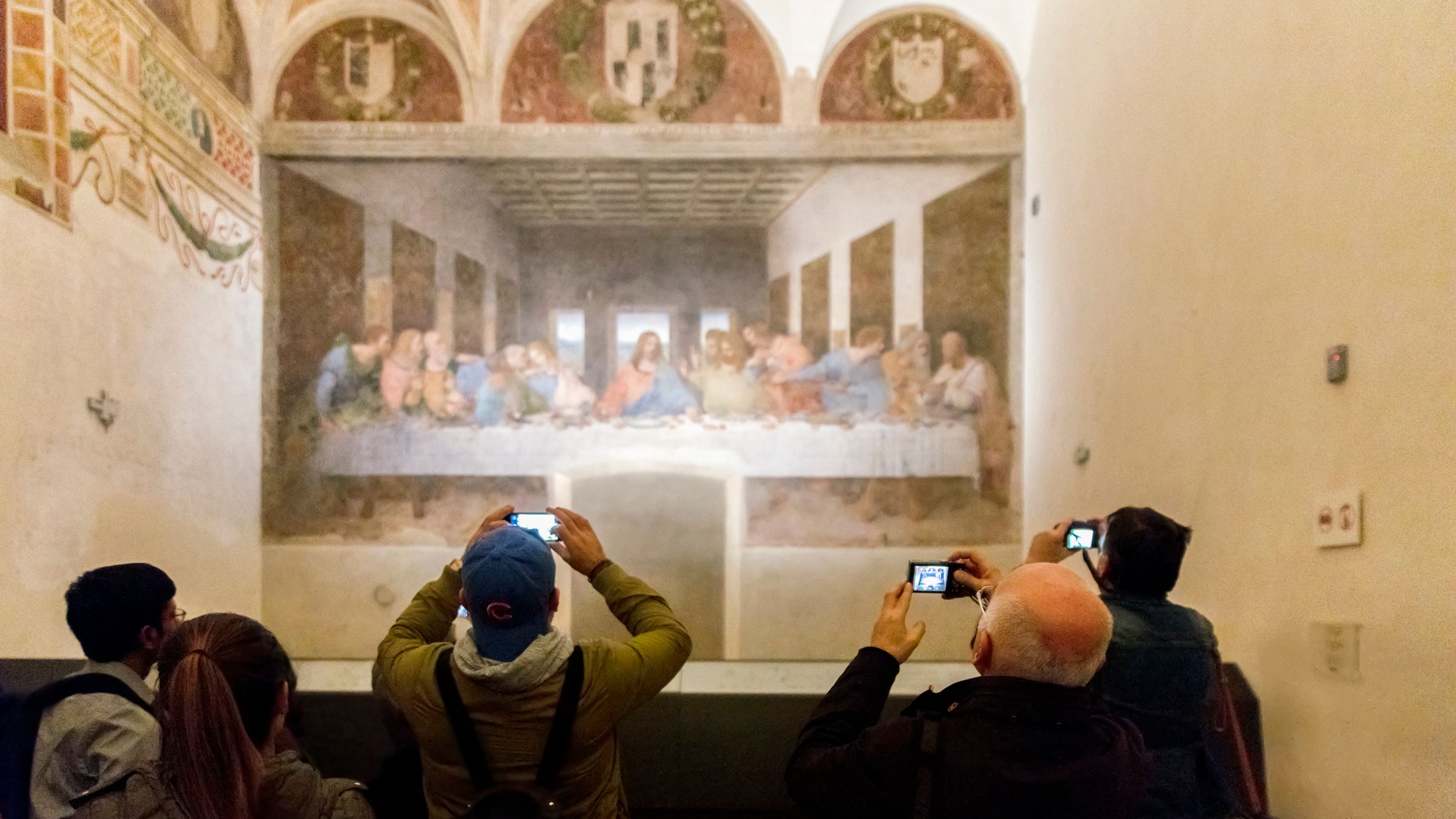
Leonardo's Last Supper (Cenacolo in Italian) is one of the most famous paintings in the world. This artwork was painted between 1494 and 1498 under the government of Ludovico il Moro and represents the last "dinner" between Jesus and his disciples. Is located in its original place, on the wall of the dining room of the former Dominican convent of Santa Maria delle Grazie. We take care of booking Last Supper tickets. Ask us as soon as possible!
What's not included
Transportation
Hotel Pick up
Scala Theatre and Sforza Castle Visit (Outside visit only)
Available languages
Guide guide
EN
IT
Reviews breakdown
Viator
4.8
33 reviews
5★
29
4★
3
3★
0
2★
0
1★
1
Tripadvisor
5.0
5 reviews
5★
5
4★
0
3★
0
2★
0
1★
0
Important information
Infants and small children can ride in a pram or stroller
Service animals allowed
Public transportation options are available nearby
Suitable for all physical fitness levels
To ensure the safety and well-being of all our guests, every reservation that includes minors (under 18) must be accompanied by at least one adult. Unfortunately, we are unable to accept bookings made exclusively by unaccompanied minors.
Meeting point
The Tour Operator will confirm the meeting point the day before the tour.
About Milan
Milan, the vibrant capital of Lombardy, is a city where ancient history meets modern luxury. Known for its fashion, art, and design, Milan is a dynamic metropolis that offers a rich cultural experience and a thriving culinary scene.
Top Attractions
Duomo di Milano
The Milan Cathedral is a stunning example of Gothic architecture and the third-largest church in the world. It took nearly six centuries to complete and is a symbol of the city.
Architecture/Religious
1-2 hours
€10-€15
Galleria Vittorio Emanuele II
This historic shopping gallery is one of the world's oldest and most beautiful. It features luxury boutiques, cafes, and the famous mosaic floor of the bull.
Architecture/Shopping
1 hour
Free to enter, shopping varies
Santa Maria delle Grazie
This church and convent house Leonardo da Vinci's famous mural, The Last Supper. The painting is a masterpiece of Renaissance art and a must-see for art lovers.
Historical/Religious
1-2 hours
€10-€15 (advance booking required)
Castello Sforzesco
This medieval castle was built by the Duke of Milan and later renovated by Ludovico Sforza. It houses several museums and art collections, including works by Michelangelo and Leonardo da Vinci.
Historical/Architecture
2-3 hours
€5-€10
Teatro alla Scala
One of the world's most famous opera houses, Teatro alla Scala is a symbol of Milan's rich musical heritage. Guided tours are available to explore the historic theater and museum.
Cultural/Entertainment
1 hour
€10-€15
Must-Try Local Dishes
Risotto alla Milanese
A creamy saffron risotto, a staple of Milanese cuisine.
Main Course
Contains dairy, can be made vegetarian.
Ossobuco
Braised veal shanks, traditionally served with gremolata.
Main Course
Contains meat, can be made gluten-free.
Panzerotti
Fried dough pockets filled with tomato sauce, mozzarella, and other ingredients.
Snack
Contains dairy, can be made vegetarian or vegan.
Cotoletta alla Milanese
A breaded and fried veal cutlet, similar to schnitzel.
Main Course
Contains meat, can be made gluten-free.
Popular Activities
Hiking in the nearby Alps
Cycling along the Navigli canals
Aperitivo in Navigli
Shopping in Galleria Vittorio Emanuele II
Visiting museums and historic sites
Attending opera or ballet performances
Boat tours on Lake Como
Swimming in Lake Como
Best Time to Visit
April to June, September to October
The best time to visit Milan is during the spring and fall when the weather is pleasant, and the city is less crowded. These months offer ideal conditions for exploring the city's attractions.
15-28°C
59-82°F
Practical Information
Language
- Official: Italian
- Widely spoken: English, French, Spanish
- English: Moderately spoken
Currency
Euro (EUR)
Time Zone
GMT+1 (Central European Time, CET), GMT+2 (Central European Summer Time, CEST)
Electricity
230VV, 50HzHz
Safety Information
Overall Safety Rating: Generally safe
Milan is generally safe for tourists, but pickpocketing and petty theft can occur, especially in crowded areas and on public transportation. Be cautious with your belongings and stay alert.
Important Precautions:
- • Keep valuables secure and out of sight
- • Use official taxis or ride-sharing services
- • Be cautious of distractions and common scams
Getting there
By air
- Milano Malpensa Airport • 50 km from city center
- Milano Linate Airport • 7 km from city center
By train
Milano Centrale, Milano Rogoredo
By bus
Lampugnano Bus Station, San Donato Milanese
Getting around
Public transport
The Milano Metro system consists of four lines (M1, M2, M3, M5) and is efficient and easy to use. It is the quickest way to get around the city.
Taxis
Available • Apps: Uber, FreeNow
Rentals
Car, Bike, Scooter
Neighborhoods
Brera
Navigli
Quartiere della Moda
Isola
Day trips
Lake Como
50 km • Full day
Lake Como is a stunning alpine lake known for its beautiful villas, gardens, and scenic views. It is a popular destination for relaxation and outdoor activities.
Bergamo
50 km • Half day
Bergamo is a charming medieval city with a well-preserved old town and a rich history. It offers a mix of historic sites, museums, and local cuisine.
Verona
150 km • Full day
Verona is a romantic city known for its association with Shakespeare's Romeo and Juliet. It offers a mix of historic sites, romantic landmarks, and cultural attractions.
Festivals
Milan Fashion Week • February and September
Milan Design Week • April
Milan Film Festival • September
Pro tips
- Visit the Duomo early in the morning to avoid crowds and long queues
- Explore the Navigli district in the evening for a vibrant aperitivo experience
- Use the ATM Milano app for real-time public transportation schedules and maps
- Consider purchasing a Milan Card for discounts on attractions, transportation, and dining
- Try local specialties like risotto alla Milanese and panzerotti
From $25
per person
Price varies by option
Secure booking
Free cancellation available
Instant confirmation