Yogyakarta Cycling Tour to Sambisari & Kedulan Temple
Active
5h
All sales are final. No refund is available for cancellations.
Instant confirmation
Mobile or paper ticket accepted
About this experience
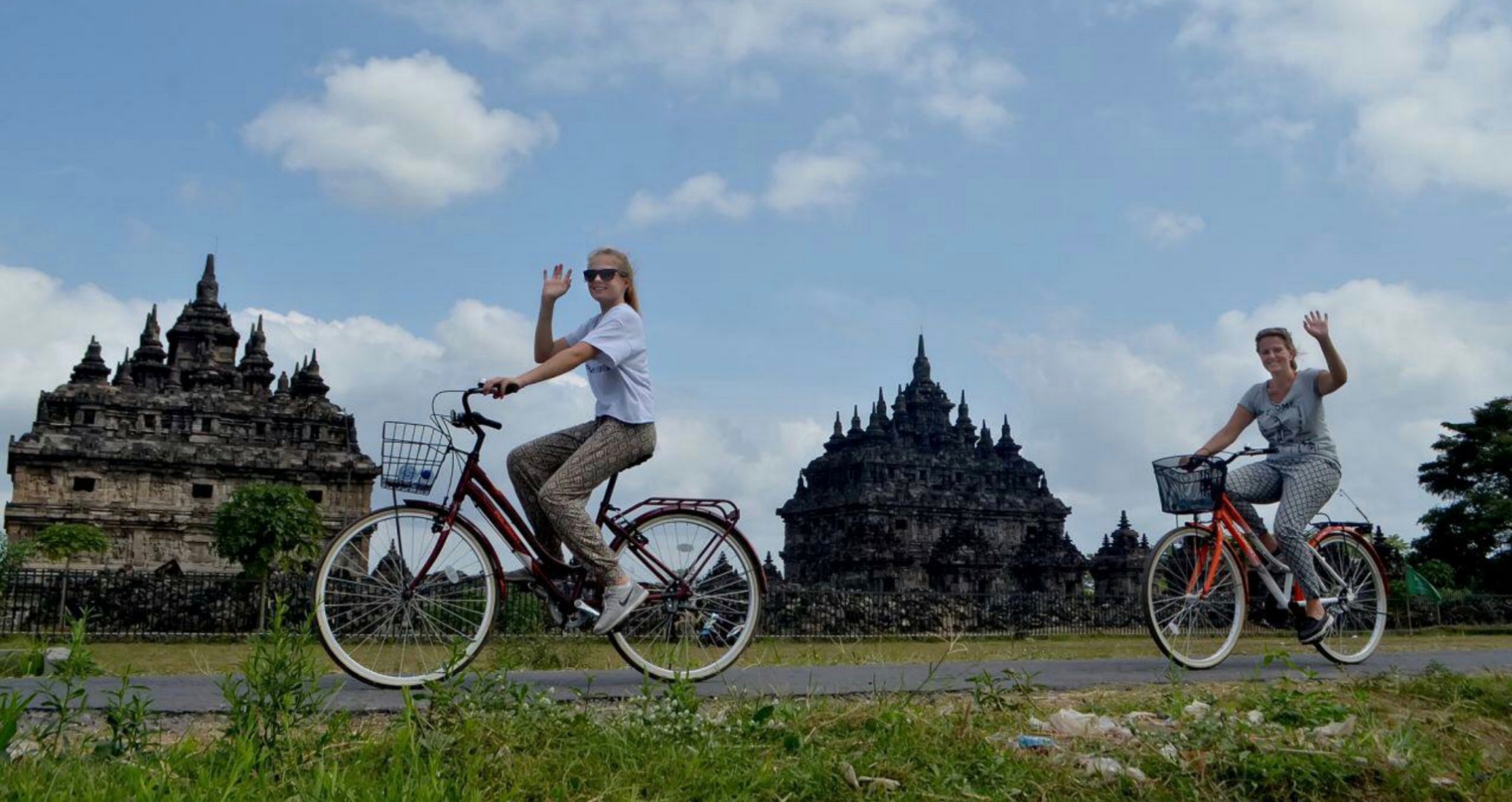
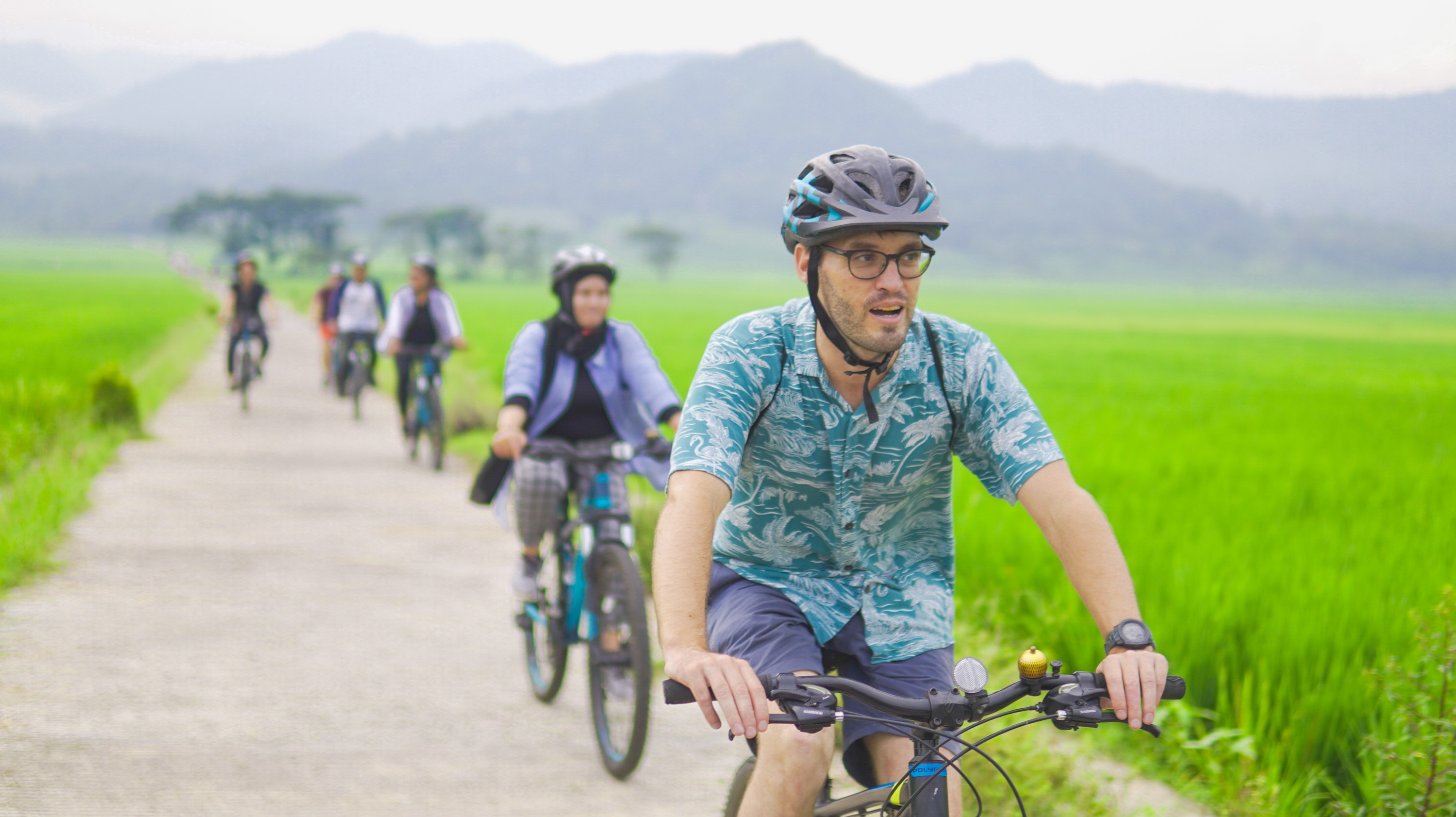
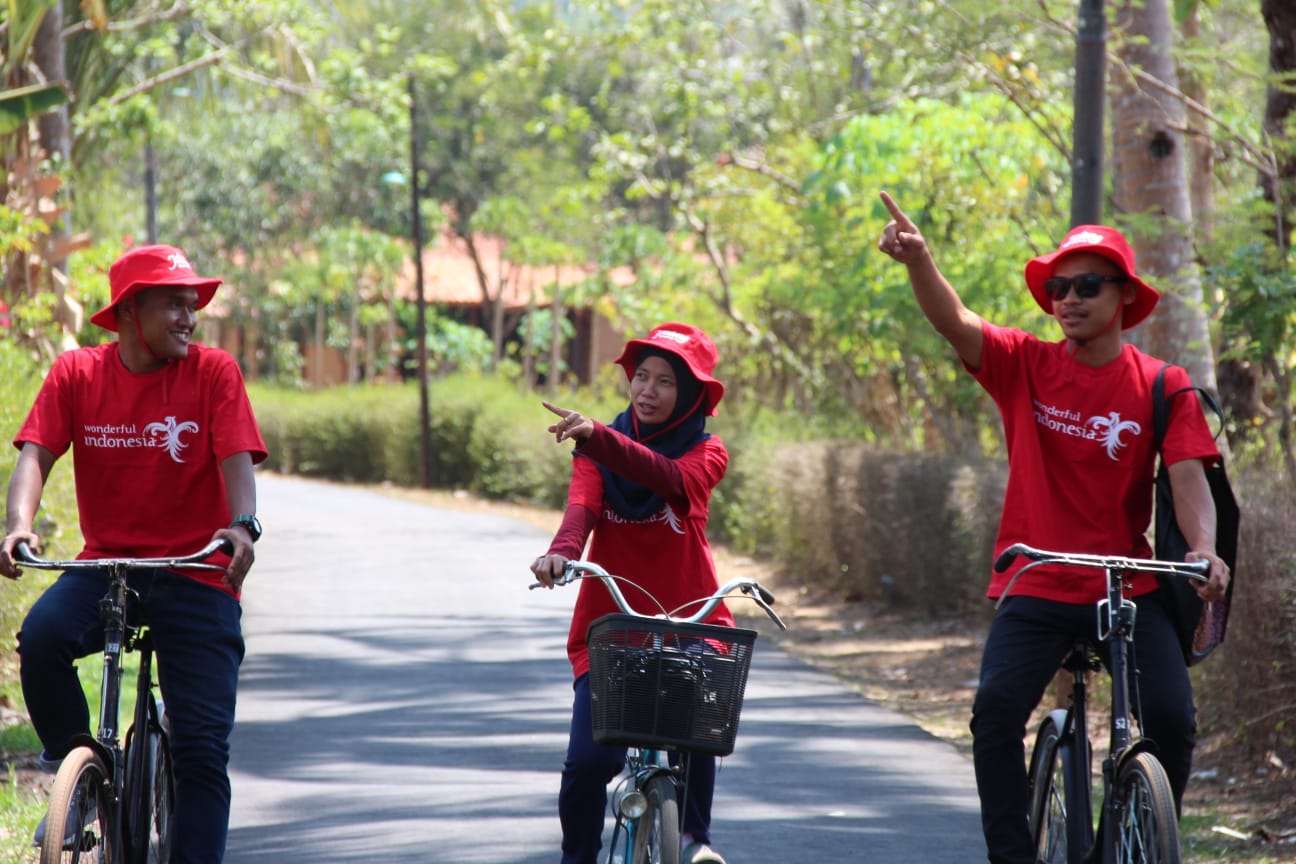
Cycling tours are favored by tourists. Getting around the village of the Sambisari & Kedulan Temple is the most popular.
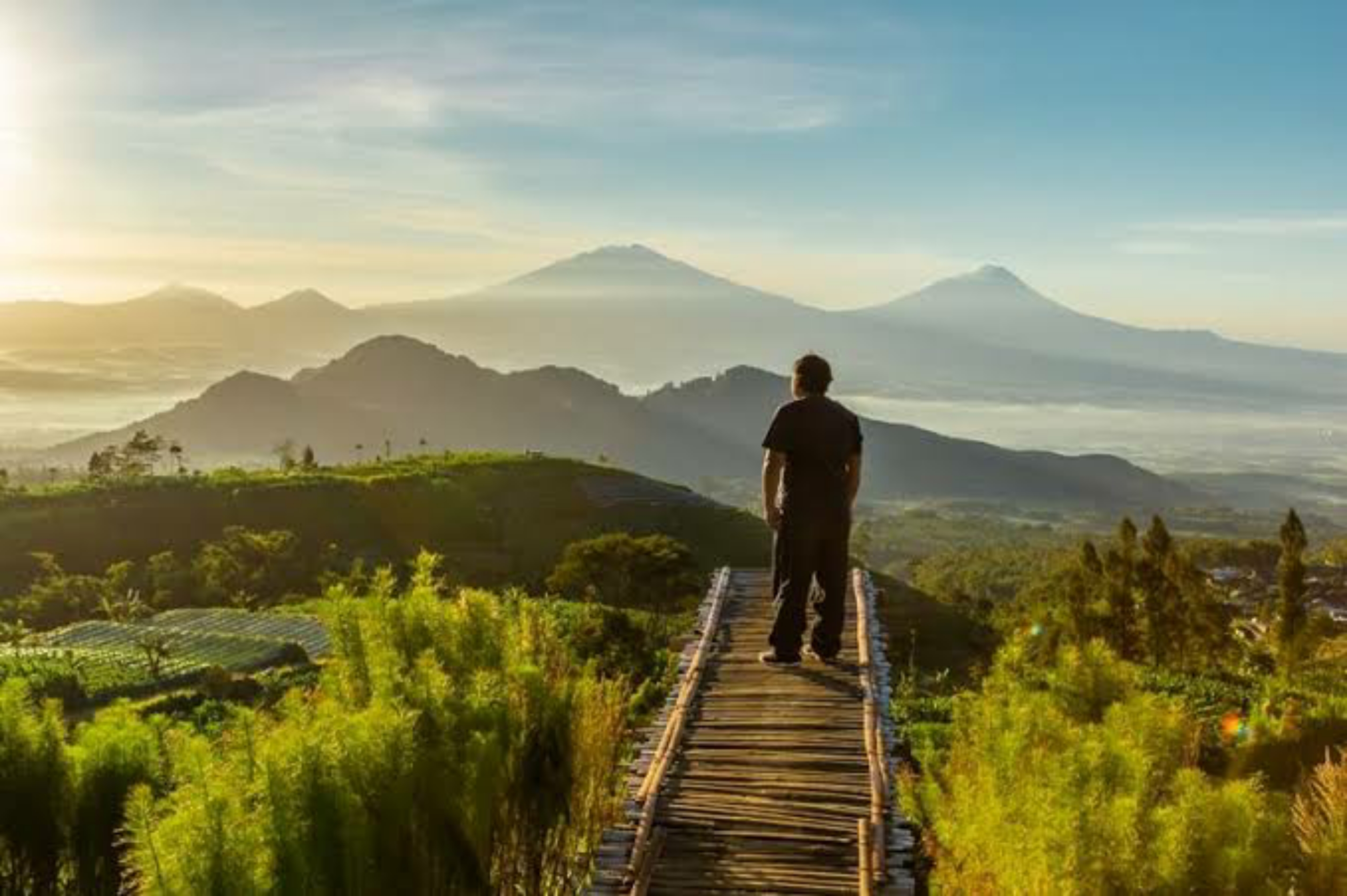
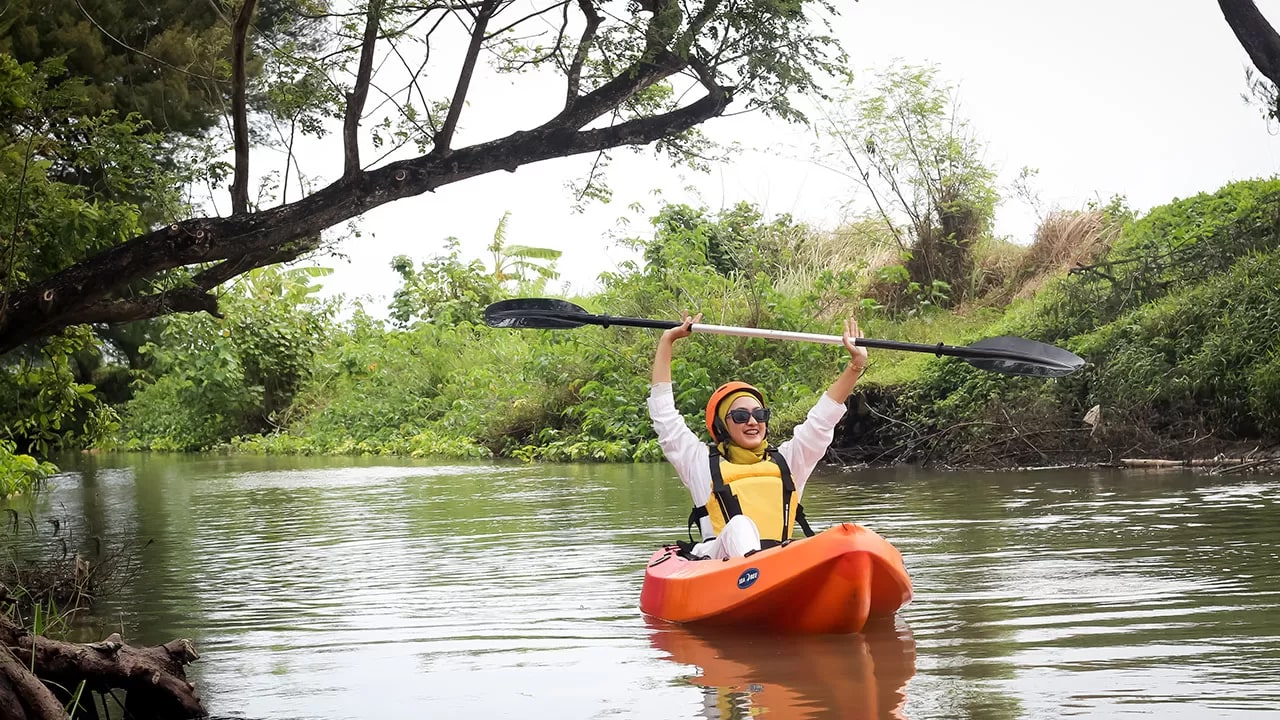
Walk around the village accompanied by English-speaking local guides through rice fields, farms and local people. Cycling tours are carried out far from the city and there are still many locals who are active in rice fields, and pristine nature. In addition to farming in the fields, residents make various traditional foods and crafts.
Available options
Yogyakarta Cycling Tour to Sambisari & Kedulan Temple
Pickup included
What's included
Private transportation
Bottled water
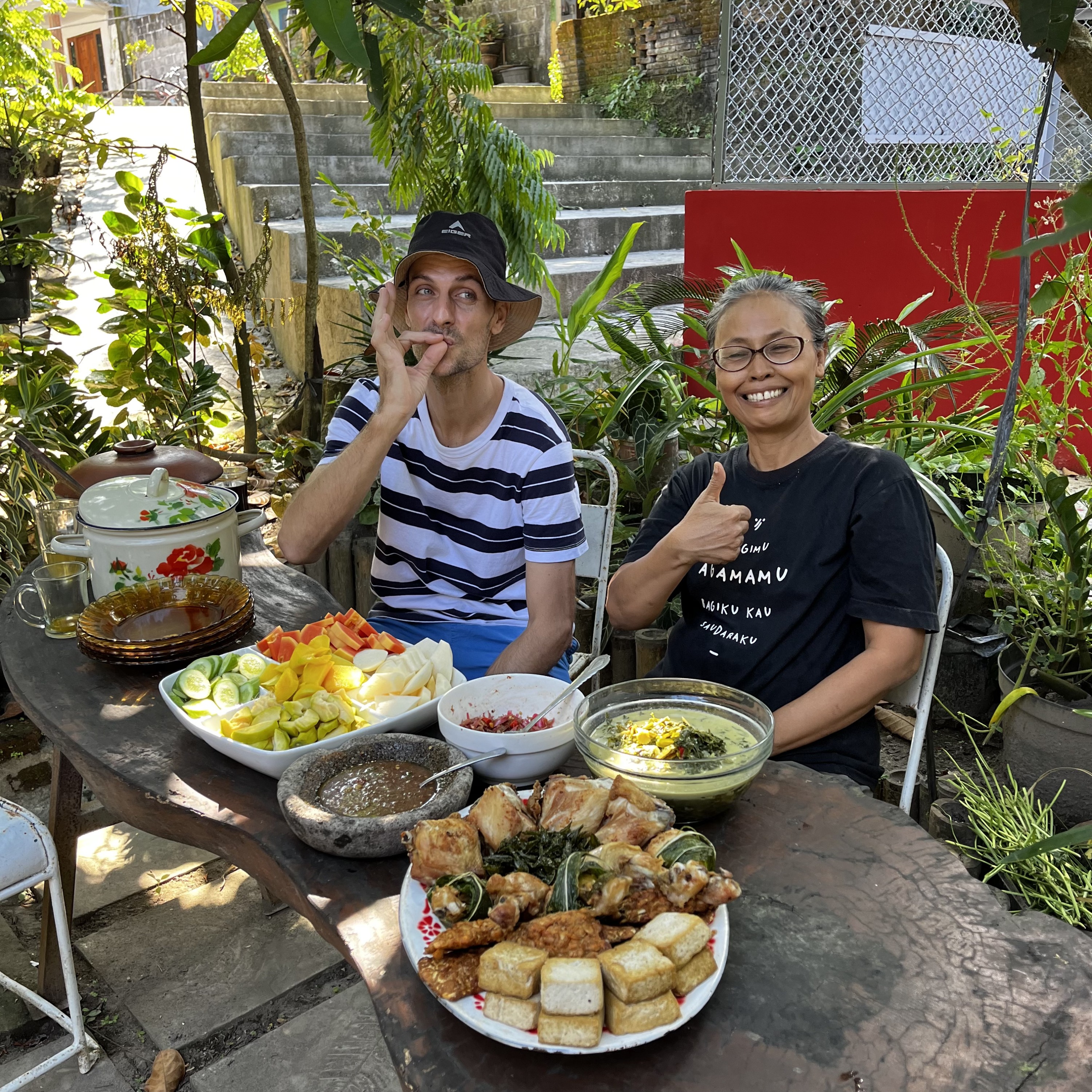
Lunch
Snacks
Detailed itinerary
1
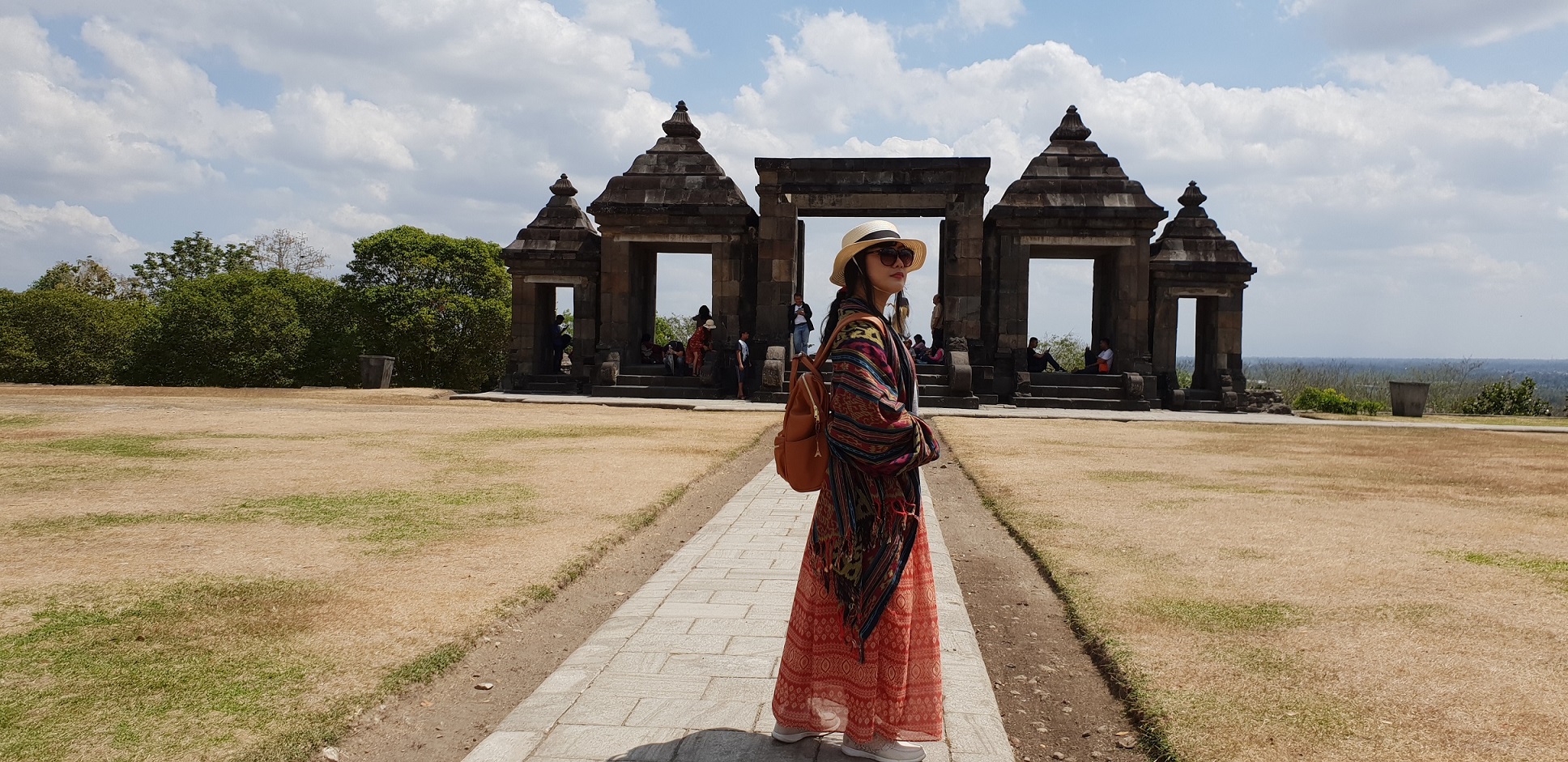
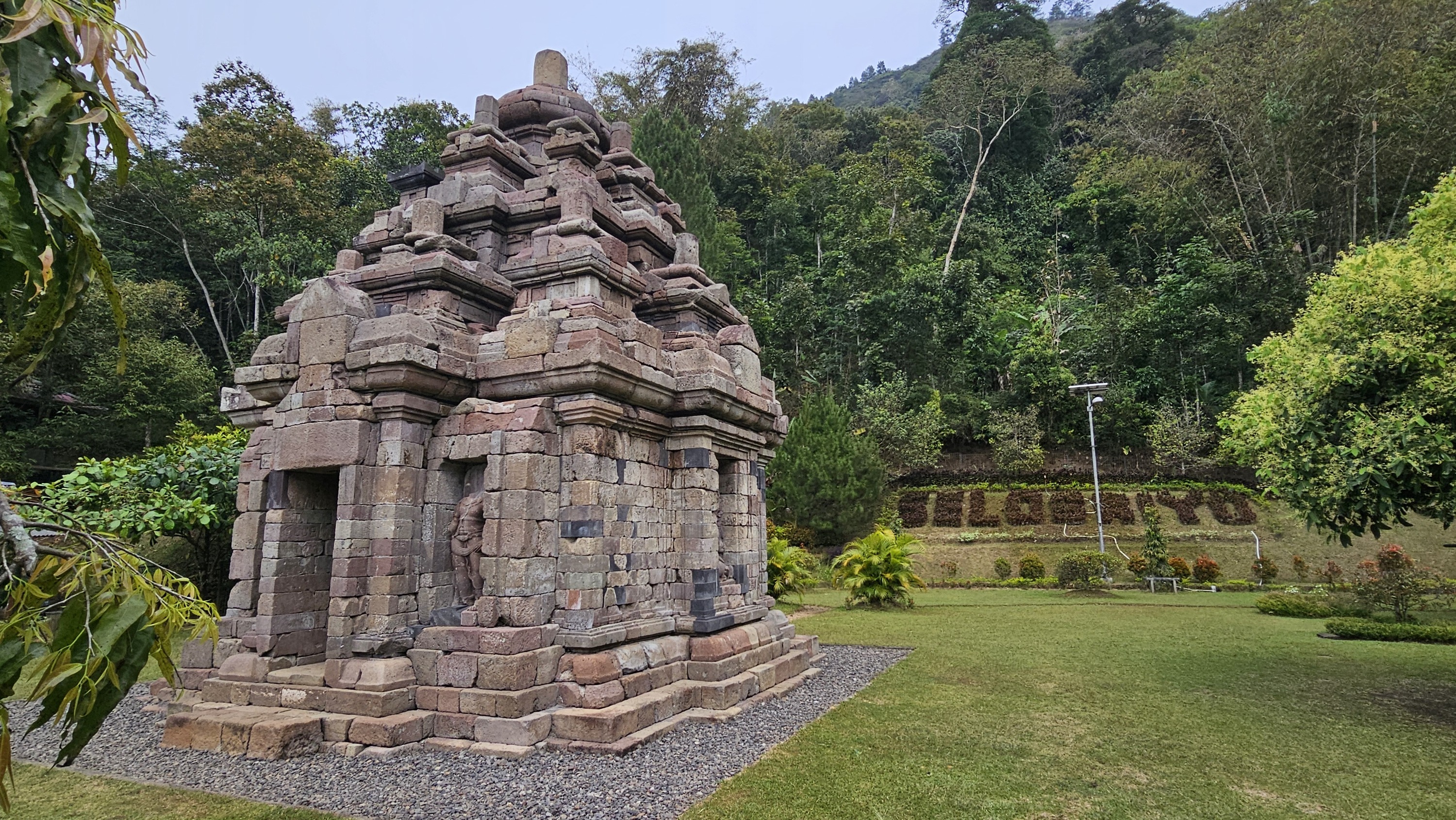
Sambisari is a 9th-century Hindu temple located at Sambisari hamlet, Purwomartani village, Kalasan, Sleman regency, Yogyakarta, Indonesia. The temple was buried about five metres underground. Parts of the original temple have been excavated
Based on architectural and ornamental similarities to another Hindu temple in Indonesia, Prambanan, the presence of Hindu statues around the temple walls, and the lingga-yoni inside the main temple, historians have concluded that Sambisari was a Shivaite Hindu temple built around the first or second decade of the 9th century (circa 812-838). This conclusion was supported by the findings of a gold plate in the vicinity engraved with letters that according to paleography were used in early 9th century ancient Java.
According to Wanua Tengah inscription III dated 908 that contains the name of kings that ruled Mataram Kingdom, the temple was probably built during the reign of Rakai Garung (ruled 828-846). However, historians also consider that the construction of a temple was not always issued by a king. Lesser nobles might have also ordered and funded the construction.
2
Kedulan temple is a ruin of 9th-century Hindu candi located not far from Sambisari temple. The temple is located in Tirtomartani village, Kalasan subdistrict, Sleman Regency, Yogyakarta, Indonesia. The style and architecture bears striking similarities with nearby Sambisari temple. And just like Sambisari, the temple compound is buried around 6 metres below the present surface, as the result of lahar flow of the past eruption of Mount Merapi in the north.
The temple complex took form as a compound enclosed in stone walls, with parts are still buried underground. Within the enclosure, there are four temples; one main temple facing east, and three smaller ancillary temples (candi perwara) in front of main temple on eastern side in row north to south. The style and layout is quite similar to Sambiari temple, however Sambisari temple is facing west, and located around 2.5 kilometres to the southwest
The main temple was accidentally discovered in 24 November 1993, when a group of volcanic sand miners quarried the land. The land was communally owned by village. Subsequently, archaeological excavation were commenced, led by BP3 Yogyakarta. After digging 6 to 7 metres deep, the ruins of temple main building were uncovered. The temple floor plan is a square measuring 13.7 metres on each sides, and the height of main building is 8.009 metres tall. Currently, the temple is in disrepair; some parts are still buried and some stones are missing.
As for 2017, the archaeological study and reconstruction project is currently on progress. By early 2018, the temple reconstruction phase entered anastylosis phase. The restoration of the entire Kedulan Temple complex is expected to be completed by the end of 2018
What's not included
Travel Insurance
Soda/Pop
Available languages
Guide guide
EN
Important information
Not recommended for travelers with spinal injuries
Not recommended for pregnant travelers
Not recommended for travelers with poor cardiovascular health
Suitable for all physical fitness levels
About Yogyakarta
Yogyakarta, known as the cultural heart of Java, is a vibrant city rich in history, art, and tradition. As the only royal city in Indonesia, it offers a unique blend of Javanese heritage, modern university life, and stunning natural surroundings, including the iconic Borobudur and Prambanan temples.
Top Attractions
Borobudur Temple
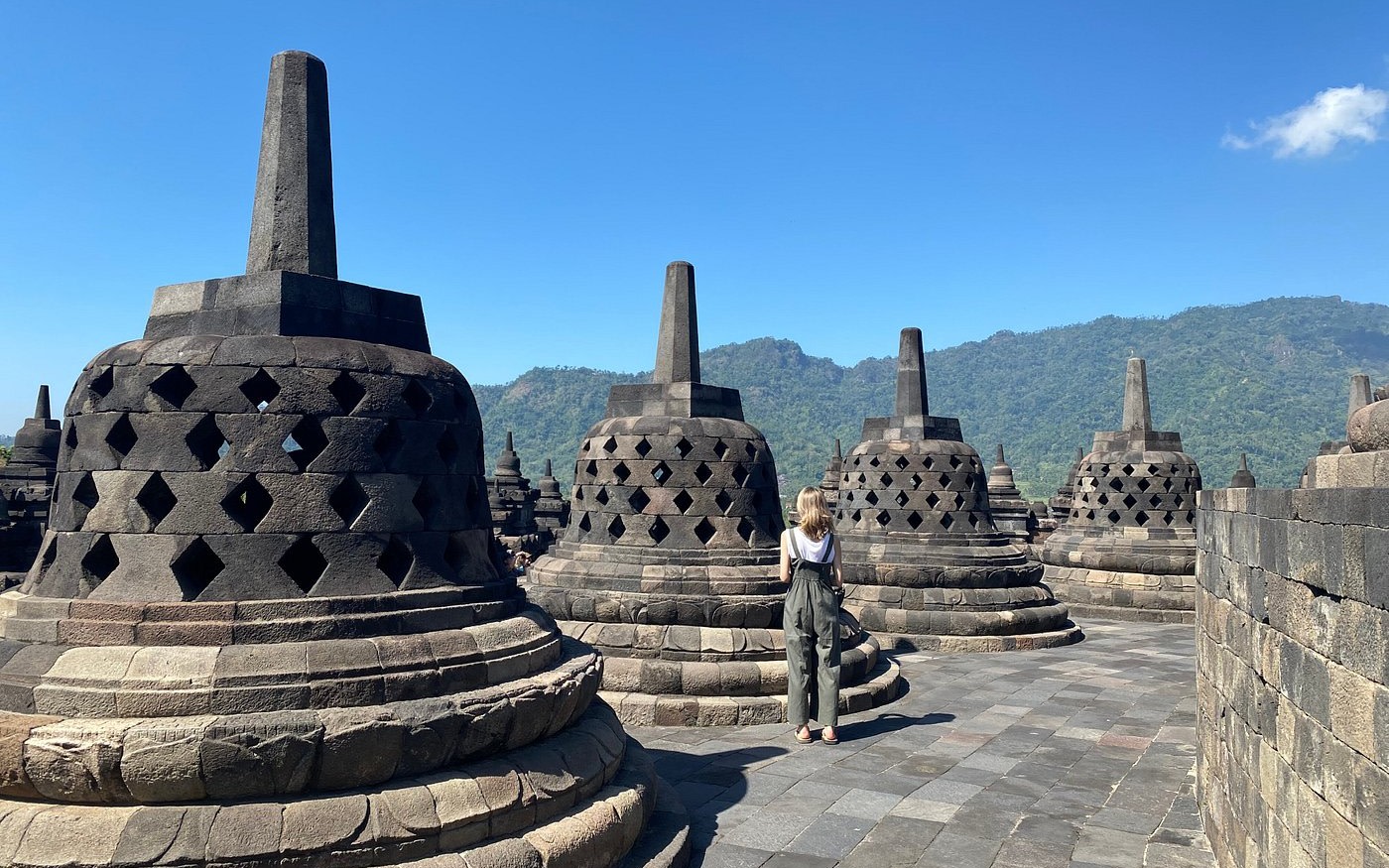
Borobudur is the largest Buddhist temple in the world and a UNESCO World Heritage Site. It is famous for its intricate carvings and stunning sunrise views.
Historical/Religious
Half-day to full day
IDR 50,000 - 250,000 depending on the view
Prambanan Temple
Prambanan is the largest Hindu temple complex in Indonesia and a UNESCO World Heritage Site. It is known for its towering spires and beautiful architecture.
Historical/Religious
Half-day to full day
IDR 50,000 - 150,000 depending on the view
Kraton Ngayogyakarta Hadiningrat
The Kraton is the royal palace of the Sultan of Yogyakarta and a symbol of Javanese culture and tradition. It houses museums, batik workshops, and traditional performances.
Historical/Cultural
2-3 hours
IDR 10,000 - 25,000
Malioboro Street
Malioboro Street is the heart of Yogyakarta's shopping and cultural scene. It is lined with shops, street vendors, and traditional markets selling batik, souvenirs, and local snacks.
Shopping/Cultural
Half-day to full day
Varies depending on purchases
Mount Merapi
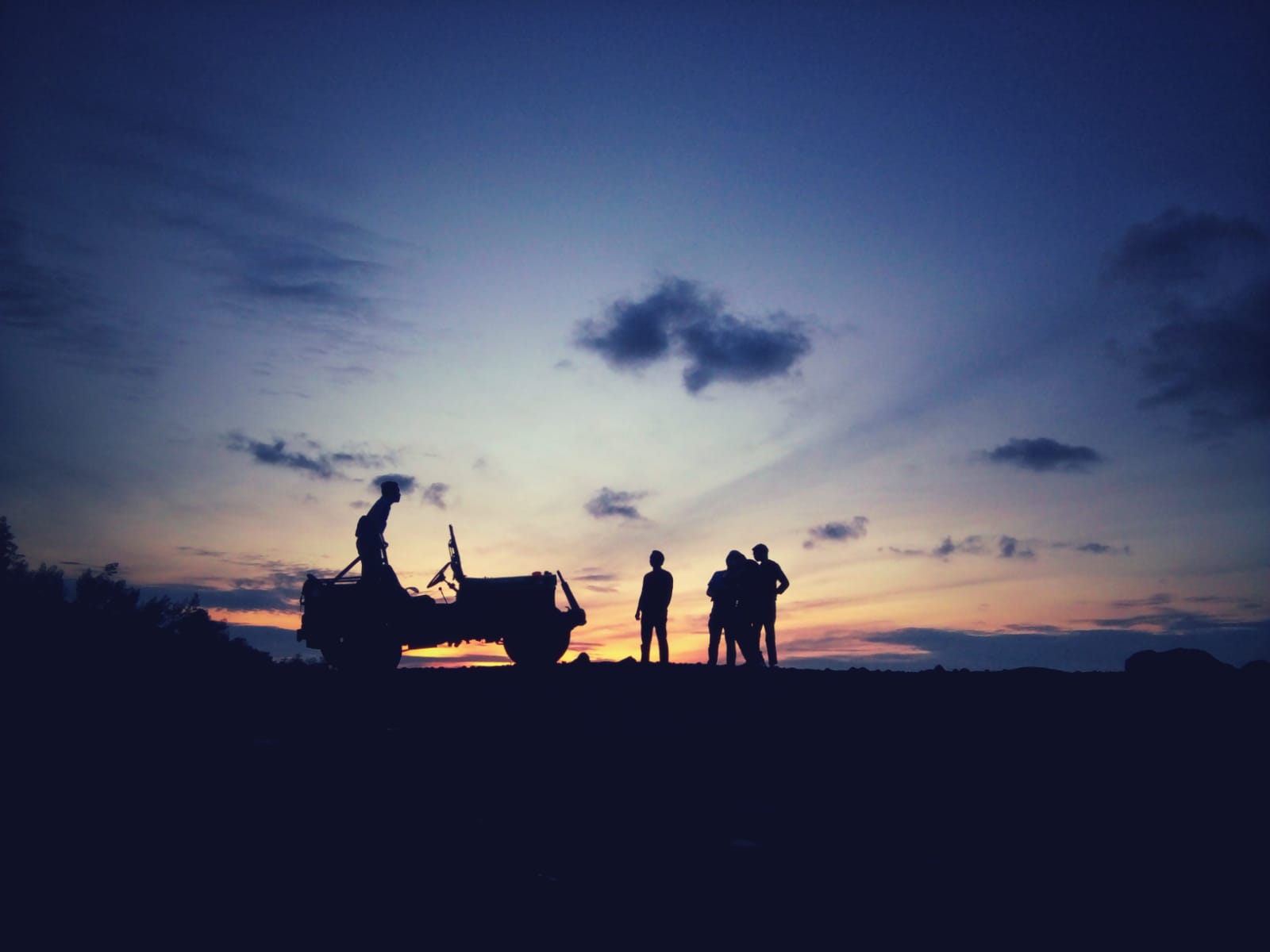
Mount Merapi is an active volcano near Yogyakarta, offering stunning views and adventurous activities like hiking and jeep tours.
Nature/Adventure
Full day
IDR 500,000 - 1,500,000 for jeep tours
Must-Try Local Dishes
Gudeg
A traditional Javanese dish made from young unripe jackfruit boiled for several hours with palm sugar, and coconut milk. It is served with hard-boiled egg, fried tofu and tempeh, and sometimes also with jackfruit core (nungu), and sambal.
Breakfast
Vegetarian (check for specific preparations)
Nasi Kuning
Yellow rice cooked with turmeric, served with various side dishes such as fried chicken, tempeh, tofu, and vegetables.
Lunch/Dinner
Vegetarian options available
Soto Betawi
A rich and spicy soup made with cow or buffalo meat, coconut milk, and various herbs and spices. It is served with rice, fried tofu, and tempeh.
Lunch/Dinner
Contains meat, vegetarian options may be available
Klepon
Sweet rice cake balls filled with palm sugar and coated with grated coconut.
Dessert
Vegetarian
Popular Activities
Hiking Mount Merapi
Caving in Jomblang Cave
Jeep tours
Visiting traditional markets
Exploring batik workshops
Enjoying street food
Visiting Kraton Ngayogyakarta Hadiningrat
Watching traditional dance performances
Best Time to Visit
Dry season (May to September)
The dry season offers the best weather for exploring Yogyakarta's outdoor attractions and temples. The skies are clear, and rainfall is minimal.
25°C to 32°C
77°F to 90°F
Practical Information
Language
- Official: Indonesian
- Widely spoken: Javanese, English (moderately spoken)
- English: Moderately spoken
Currency
Indonesian Rupiah (IDR)
Time Zone
GMT+7
Electricity
230VV, 50HzHz
Safety Information
Overall Safety Rating: Generally safe
Yogyakarta is generally safe for travelers, with low crime rates and a welcoming atmosphere. However, petty crime and scams can occur, especially in tourist areas.
Important Precautions:
- • Be cautious of your surroundings, especially in crowded areas
- • Use reputable tour operators and transportation services
- • Keep your belongings secure and be aware of pickpockets
Getting there
By air
- Adisucipto International Airport • 5 km from city center
By train
Tugu Yogyakarta Station, Lempuyangan Station
By bus
Giwangan Bus Terminal, Jomblang Bus Terminal
Getting around
Public transport
The Trans Jogja bus system is an affordable and efficient way to get around the city. Buses are air-conditioned and have designated stops.
Taxis
Available • Apps: Gojek, Grab
Rentals
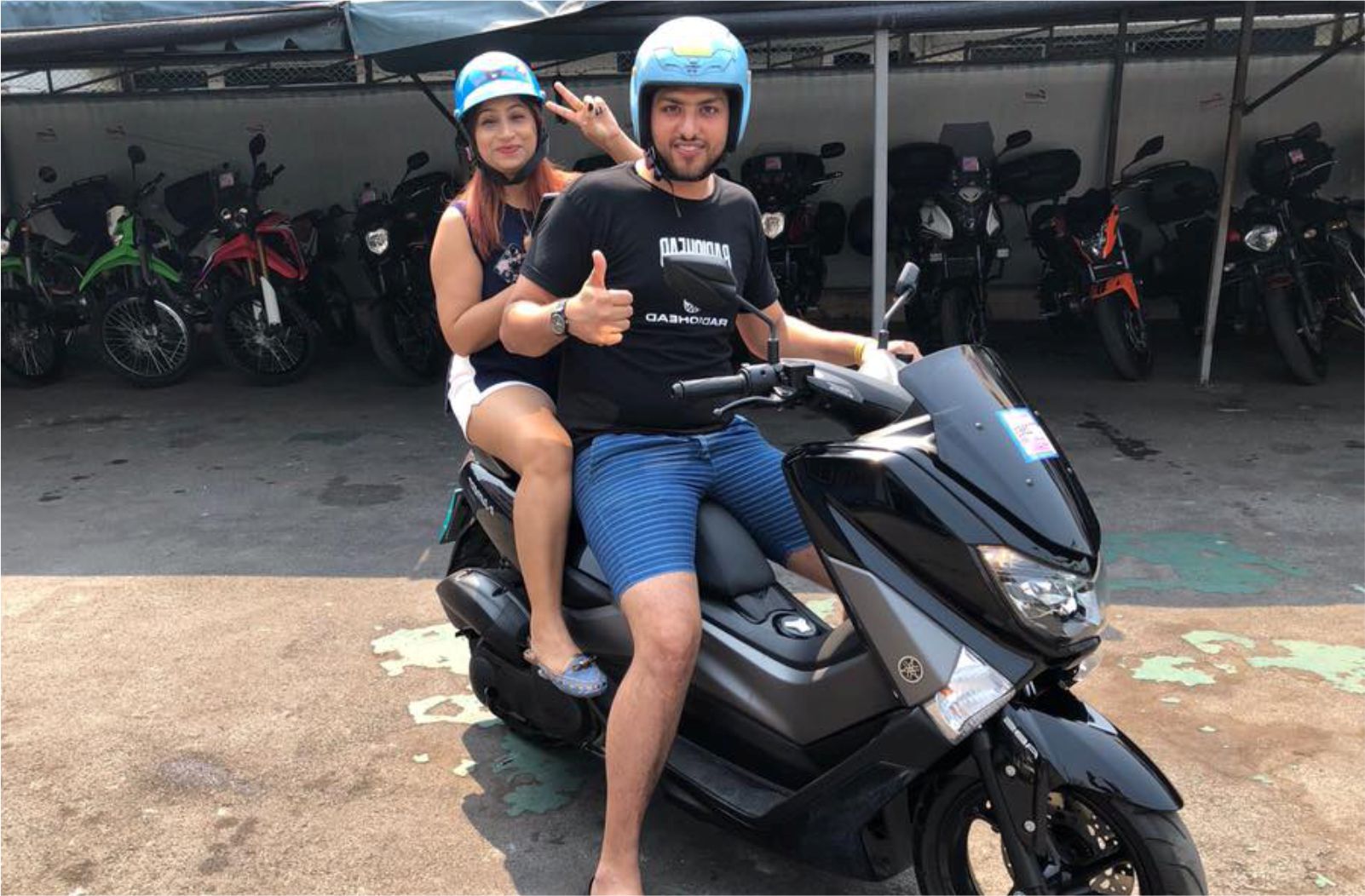
Car, Bike, Scooter
Neighborhoods
Malioboro
Kraton
Sleman
Day trips
Borobudur Temple
40 km • Half-day to full day
Explore the largest Buddhist temple in the world and marvel at its intricate carvings and stunning sunrise views.
Prambanan Temple
17 km • Half-day to full day
Visit the largest Hindu temple complex in Indonesia and enjoy the Ramayana Ballet performance in the evening.
Mount Merapi
30 km • Full day
Experience the thrill of exploring an active volcano with jeep tours and hiking adventures.
Festivals
Yogyakarta Cultural Festival • June to July
Sultan's Birthday Celebration • June 10-12
Malioboro Festival • July to August
Pro tips
- Hire a local guide for a more in-depth and authentic experience of Yogyakarta's cultural and historical sites
- Try local street food and snacks, but be cautious and choose busy stalls with high turnover
- Bargain for better prices when shopping, especially in markets and street vendors
- Dress modestly and respectfully, especially when visiting religious and cultural sites
- Learn a few basic phrases in Indonesian or Javanese to enhance your interaction with locals
From $25
per person
Price varies by option
Secure booking
Free cancellation available
Instant confirmation