Shaolin Temple and Longmen Grottoes Tour
Active
6h - 8h
For a full refund, cancel at least 24 hours before the scheduled departure time.
Instant_then_manual confirmation
Mobile or paper ticket accepted
About this experience
We will pick up from Luoyang, visit the world culture heritage---Longmne Grottoes, the birth place of chinese Kung Fu--Shaolin Temple,
1. Pure sightseeing tour; No tourist traps.
2. The best utilization of time; Visiting Shaolin Temple and The Longmen Grottoes in 1 day
3. Licensed English Speaking Guides and tour vehicles 4.
Free drop-off for visitors at Luoyang Longmen High Speed train Station.
Available options
Shaolin Temple and Longmen Grottoes Tour
Pickup included
What's included
Bottled water
Lunch
Detailed itinerary
1
Stop 1
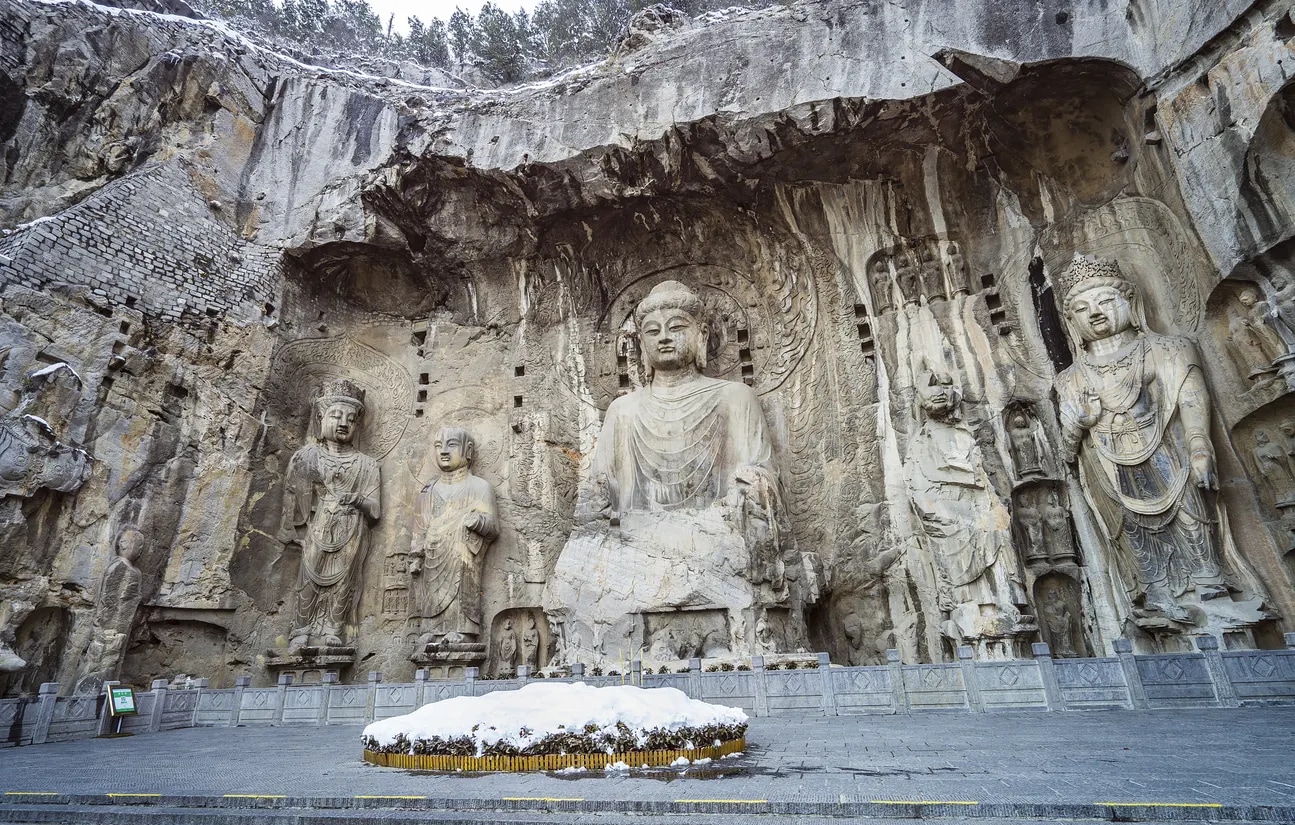
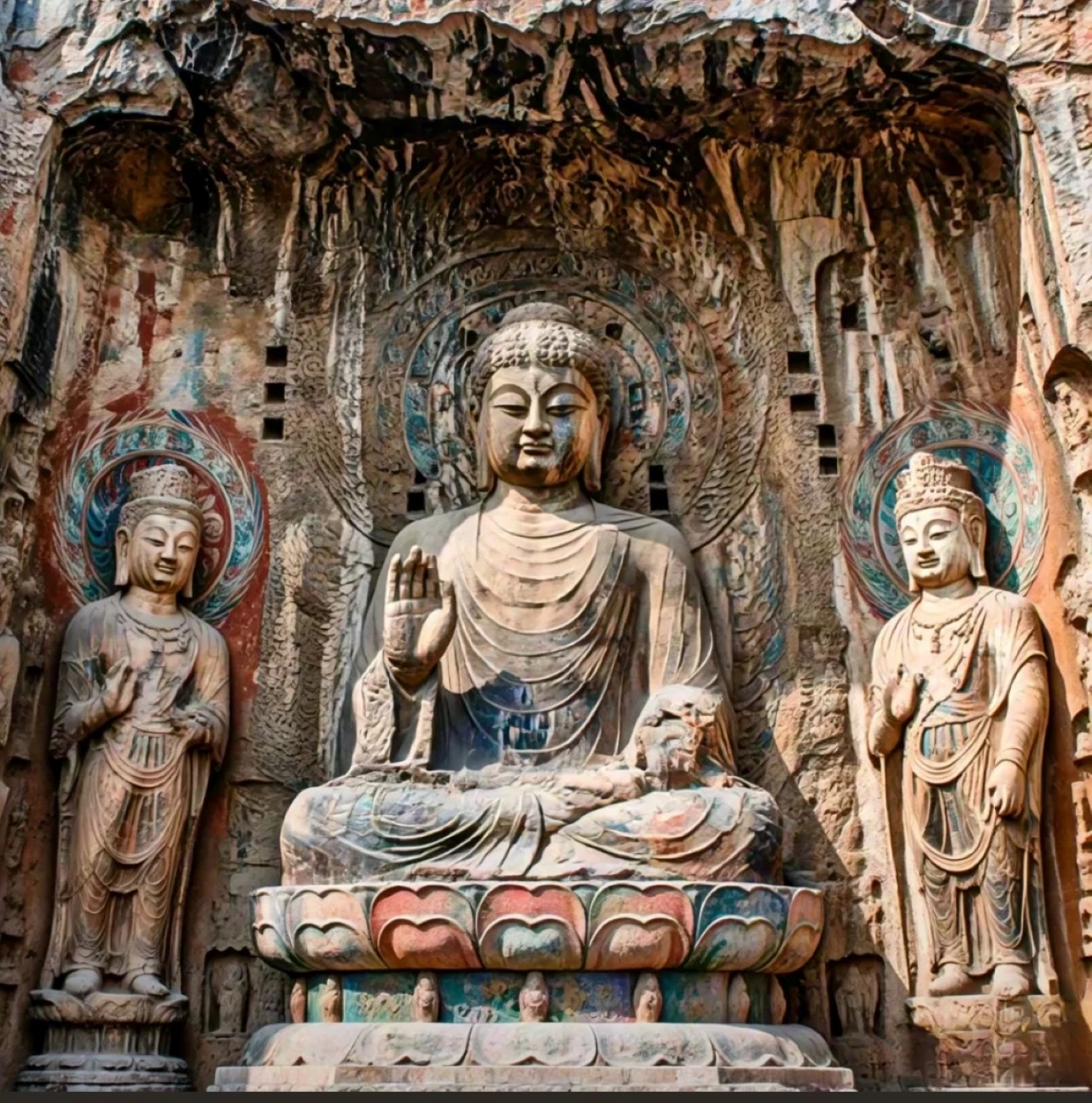
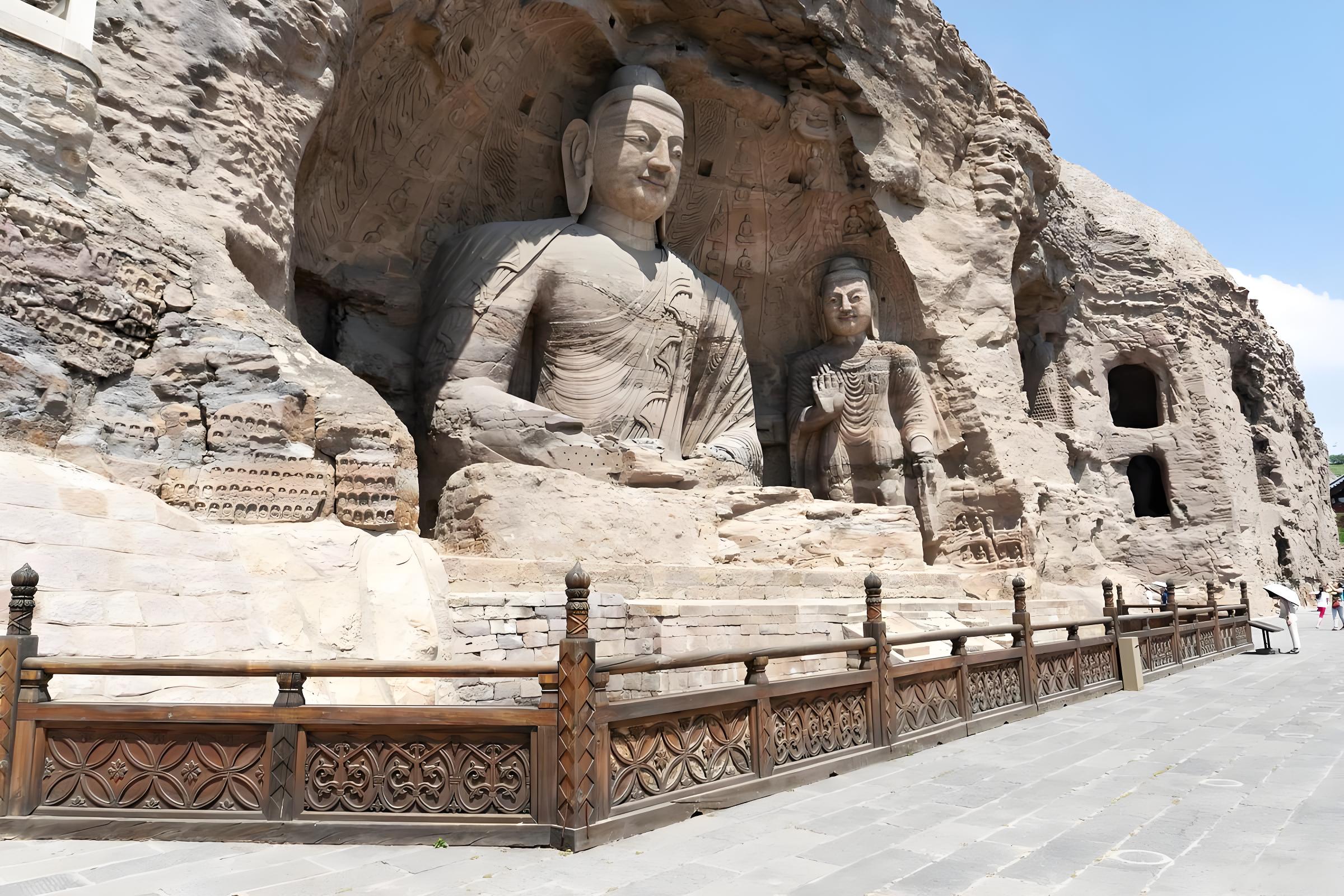
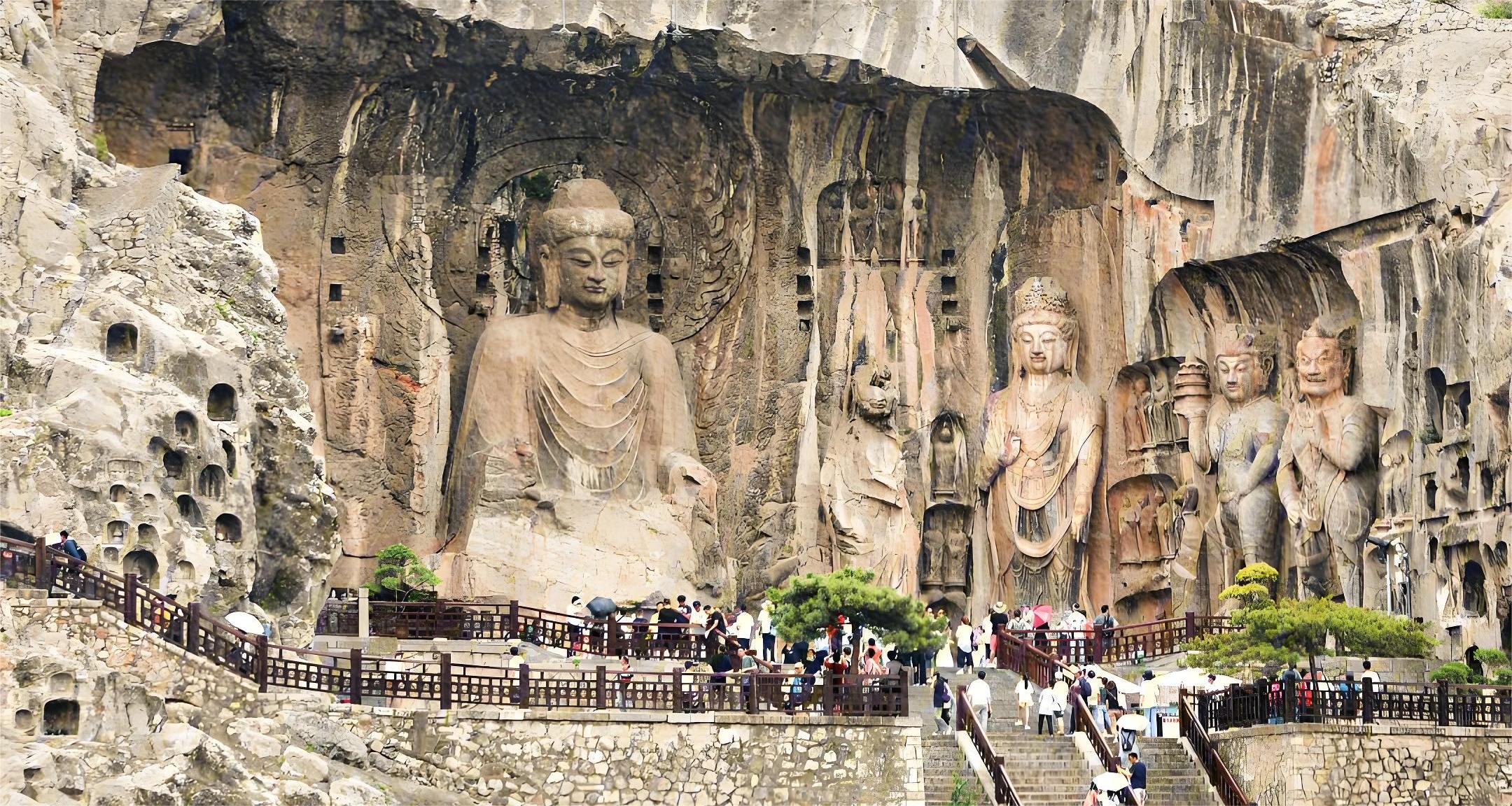
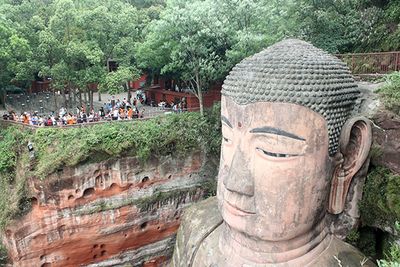
The Longmen Grottoes, located on bothsides of the Yi River to the south of the ancient capital of Luoyang, Henan province, comprise more than 2,300 caves and niches carved into the steep limestone cliffs over a 1km long stretch. These contain almost 110,000 Buddhist stone statues, more than 60 stupas and 2,800 inscriptions carved on steles. Luoyang was the capital during the late Northern Wei Dynasty and early Tang Dynasty, and the most intensive period of carving dates from the end of the 5th century to the mid-8th century. The earliest caves to be carved in the late 5th and early 6th centuries in the West Hill cliffs include Guyangdong and the Three Binyang Caves, all containing large Buddha figures. Yaofangdong Cave contains 140 inscription recording treatments for various diseases and illnesses. Work on the sculpture in this cave continued over a 150 year period, illustrating changes in artistic style. The sculptural styles discovered in the Buddhist caves of the Tang Dynasty in the 7th and 8th centuries, particularly the giant sculptures in the Fengxiansi Cave are the most fully representative examples of the Royal Cave Temples’ art, which has been imitated by artists from various regions. The two sculptural art styles, the earlier “Central China Style” and the later “Great Tang Style” had great influence within the country and throughout the world, and have made important contributions to the development of the sculptural arts in other Asian countries.
2
Stop 2
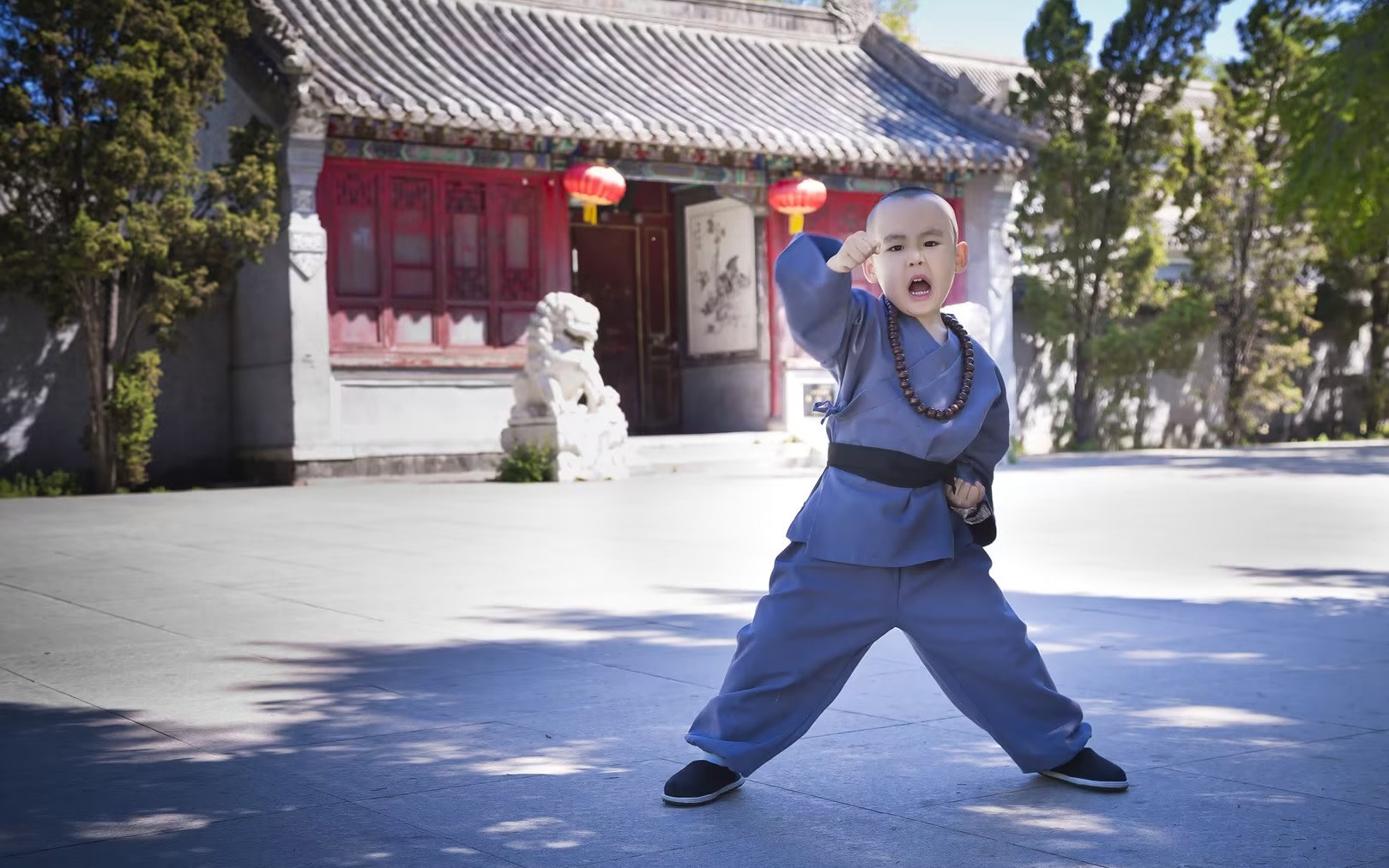
Shaolin Temple was established in 495A.D. at the western foot of Songshan Mountain, 13 kilometers northwest to Dengfeng City, Henan Province. The then-Emperor Xiaowen of the Northern Wei Dynasty (386-557) had the temple built to accommodate the Indian master Batuo (Buddhabhadra). Shaolin Temple literally means “temple in the thick forests of Shaoshi Mountain”.
As the first Shaolin abbot, Batuo (Buddhabhadra) devoted himself to translating Buddhist scriptures and preaching doctrines to hundreds of his followers. Later, another Indian monk Bodhidharma arrived at Shaolin Temple, who was said to have crossed the Yangtze River on a reed. He spent nine years meditating in a cave of the Wuru Peak and initiated the Chinese Chan tradition at Shaolin Temple. Thereafter, Bodhidharma was honored as the first Patriarch of Chan Buddhism. As Chinese Kungfu also originated from Shaolin Temple, it has been recognized as the origin of Chan Buddhism and the cradle of Kungfu.
What's not included
Gratuities
Important information
Wheelchair accessible
Infants and small children can ride in a pram or stroller
Public transportation options are available nearby
Infants are required to sit on an adult’s lap
Transportation options are wheelchair accessible
All areas and surfaces are wheelchair accessible
Not recommended for travelers with spinal injuries
Not recommended for pregnant travelers
Not recommended for travelers with poor cardiovascular health
Suitable for all physical fitness levels
About Zhengzhou
Zhengzhou is the capital of Henan Province and a major transportation hub in Northwest China. Known for its rich history, vibrant culture, and as the birthplace of Henan opera, it offers a blend of ancient and modern attractions. The city is also famous for its delicious street food and the nearby Shaolin Temple, a UNESCO World Heritage Site.
Top Attractions
Shaolin Temple
A UNESCO World Heritage Site and the birthplace of Zen Buddhism and Shaolin Kung Fu. The temple is famous for its rich history, cultural significance, and martial arts traditions.
Historical/Cultural
Half day to full day
¥100 (including entrance and performance)
Zhengzhou Henan Museum
One of the largest museums in China, showcasing a vast collection of historical artifacts and cultural relics from Henan Province.
Museum
2-3 hours
Free (donations welcome)
Yellow River Scenic Area
A scenic area along the Yellow River, offering beautiful views, historical sites, and recreational activities.
Nature/Historical
Half day
¥50 (entrance fee)
Zhengzhou Erqi Memorial Tower
A landmark tower commemorating the workers and soldiers who died during the May 30th Movement in 1925. The tower is a symbol of Zhengzhou and a significant historical site.
Historical
1-2 hours
Free (donations welcome)
Zhengzhou City Wall
A well-preserved ancient city wall dating back to the Tang Dynasty. The wall offers a glimpse into Zhengzhou's rich history and architectural heritage.
Historical/Architecture
1-2 hours
Free (donations welcome)
Must-Try Local Dishes
Bian Bing (Henan Spring Roll)
A thin, crispy crepe made from wheat flour, filled with ingredients like egg, scallions, and hoisin sauce. It is a popular street food snack in Zhengzhou.
Street Food
Contains gluten and eggs
Lao Zheng Tou (Old Zheng Head)
A popular street food consisting of a steamed bun filled with minced pork, scallions, and spices. It is named after the city's nickname, 'Zheng.'
Street Food
Contains gluten and pork
Lu Rou (Braised Pork)
A slow-cooked pork dish braised in a savory sauce made from soy sauce, sugar, and spices. It is a staple of Henan cuisine and is often served with steamed buns or noodles.
Main Course
Contains gluten and pork
Biang Biang Noodles
Hand-pulled noodles known for their thick, chewy texture and bold, spicy flavor. The name 'Biang Biang' comes from the sound made when the noodles are pulled.
Main Course
Contains gluten and may contain meat or seafood
Popular Activities
Hiking in Songshan Mountain
Exploring the Yellow River Scenic Area
Tea tasting at local tea houses
Strolling along the Zhengzhou City Wall
Visiting the Henan Museum
Attending a Henan opera performance
Boat rides along the Yellow River
Swimming in local pools and water parks
Best Time to Visit
Spring (April to May) and Autumn (September to October)
These seasons offer comfortable temperatures and pleasant weather, making it ideal for sightseeing and outdoor activities. The city is also less crowded during these periods.
15°C to 25°C
59°F to 77°F
Practical Information
Language
- Official: Chinese (Mandarin)
- Widely spoken: English (limited)
- English: Limited
Currency
Renminbi (RMB) (CNY)
Time Zone
GMT+8 (China Standard Time)
Electricity
220VV, 50HzHz
Safety Information
Overall Safety Rating: Generally safe
Zhengzhou is generally safe for tourists, with low crime rates and a strong police presence. However, as with any destination, it is essential to take precautions and stay aware of your surroundings.
Important Precautions:
- • Keep valuables secure and out of sight
- • Be cautious of your surroundings and avoid walking alone at night in poorly lit or deserted areas
- • Use reputable taxis and public transport
Getting there
By air
- Zhengzhou Xinzheng International Airport • 37 km from city center
By train
Zhengzhou Railway Station, Zhengzhou East Railway Station
By bus
Zhengzhou Long-Distance Bus Station, Zhengzhou East Bus Station
Getting around
Public transport
The metro system is efficient, clean, and air-conditioned. It is the best way to navigate the city, especially during peak hours.
Taxis
Available • Apps: Didi Chuxing
Rentals
Car, Bike, Scooter
Neighborhoods
Erqi District
Jinshui District
Guancheng District
Zhongyuan District
Day trips
Shaolin Temple
70 km from Zhengzhou • Full day
A UNESCO World Heritage Site and the birthplace of Zen Buddhism and Shaolin Kung Fu. The temple offers a glimpse into China's rich history and cultural heritage.
Songshan Mountain
75 km from Zhengzhou • Full day
A sacred mountain and UNESCO World Heritage Site, known for its stunning natural beauty and historical significance. The mountain is home to several temples, including the Shaolin Temple.
Gongyi
30 km from Zhengzhou • Half day to full day
A small city near Zhengzhou, known for its scenic areas along the Yellow River and historical sites.
Festivals
Zhengzhou International Peony Festival • April to May (annual)
Henan Taishang Festival • September to October (annual)
Chinese New Year • January or February (annual, based on the lunar calendar)
Pro tips
- Learn a few basic Mandarin phrases to enhance your experience and interact with locals
- Use the metro system for efficient and affordable transportation around the city
- Try local street food and snacks for an authentic culinary experience
- Visit popular attractions early in the morning or late in the afternoon to avoid crowds and heat
- Carry a portable fan or umbrella during summer months to stay cool and comfortable
From $25
per person
Price varies by option
Secure booking
Free cancellation available