Shaolin Temple And Songyue Temple Pagoda
Active
7h - 9h
For a full refund, cancel at least 24 hours before the scheduled departure time.
Instant_then_manual confirmation
Mobile or paper ticket accepted
About this experience
1. Pure sightseeing tour; No tourist traps.
2. The best utilization of time; Visiting Shaolin Temple and the Songue Temple Pagoda in 1 day
3. Licensed English Speaking Guides and tour vehicles
4.Free drop-off for visitors at Dengfeng Bus Station,catch the bus to Luoyang
Available options
Shaolin Temple And Songyue Temple Pagoda
Pickup included
What's included
Bottled water
Lunch
Detailed itinerary
1
Stop 1
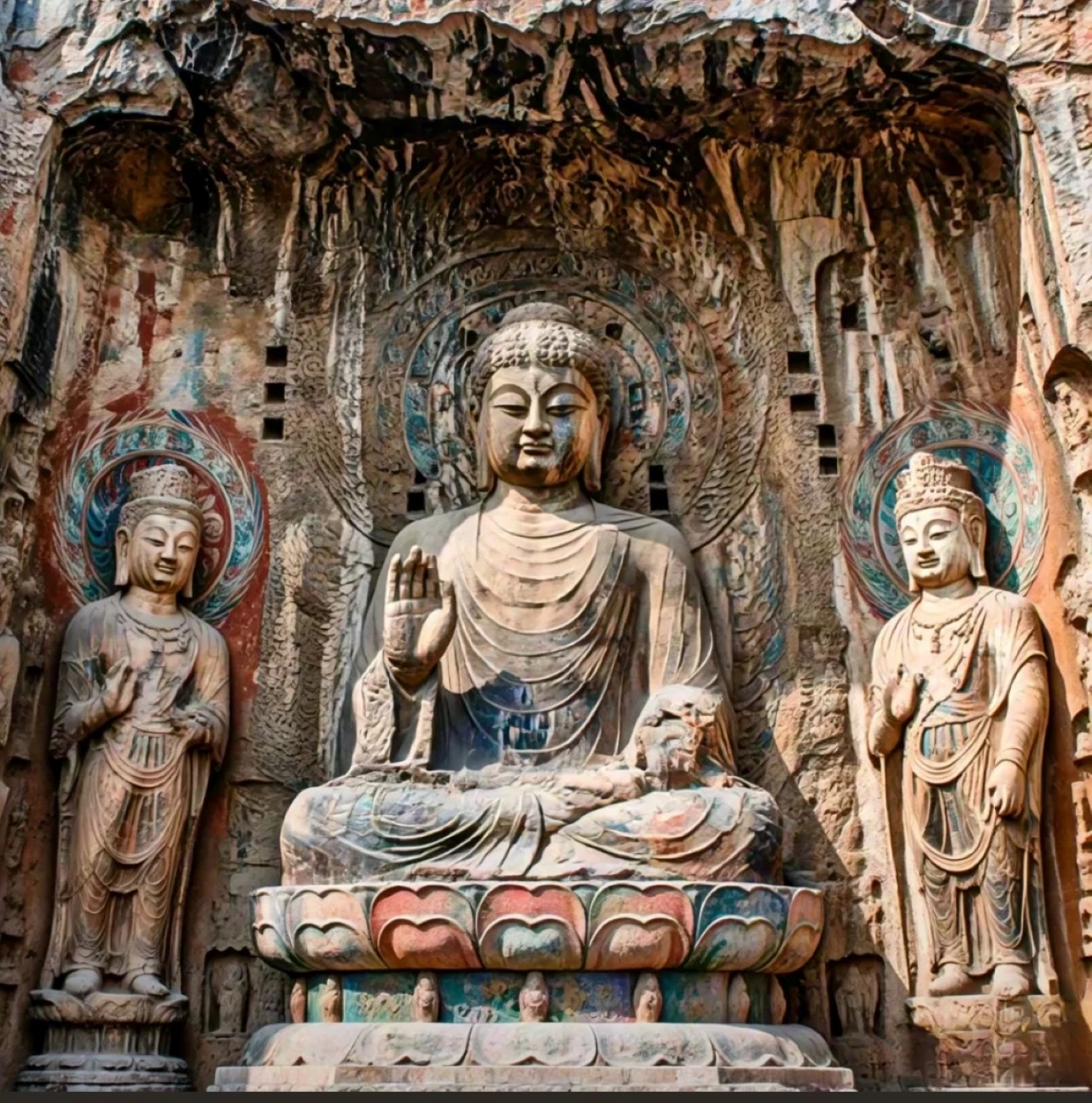
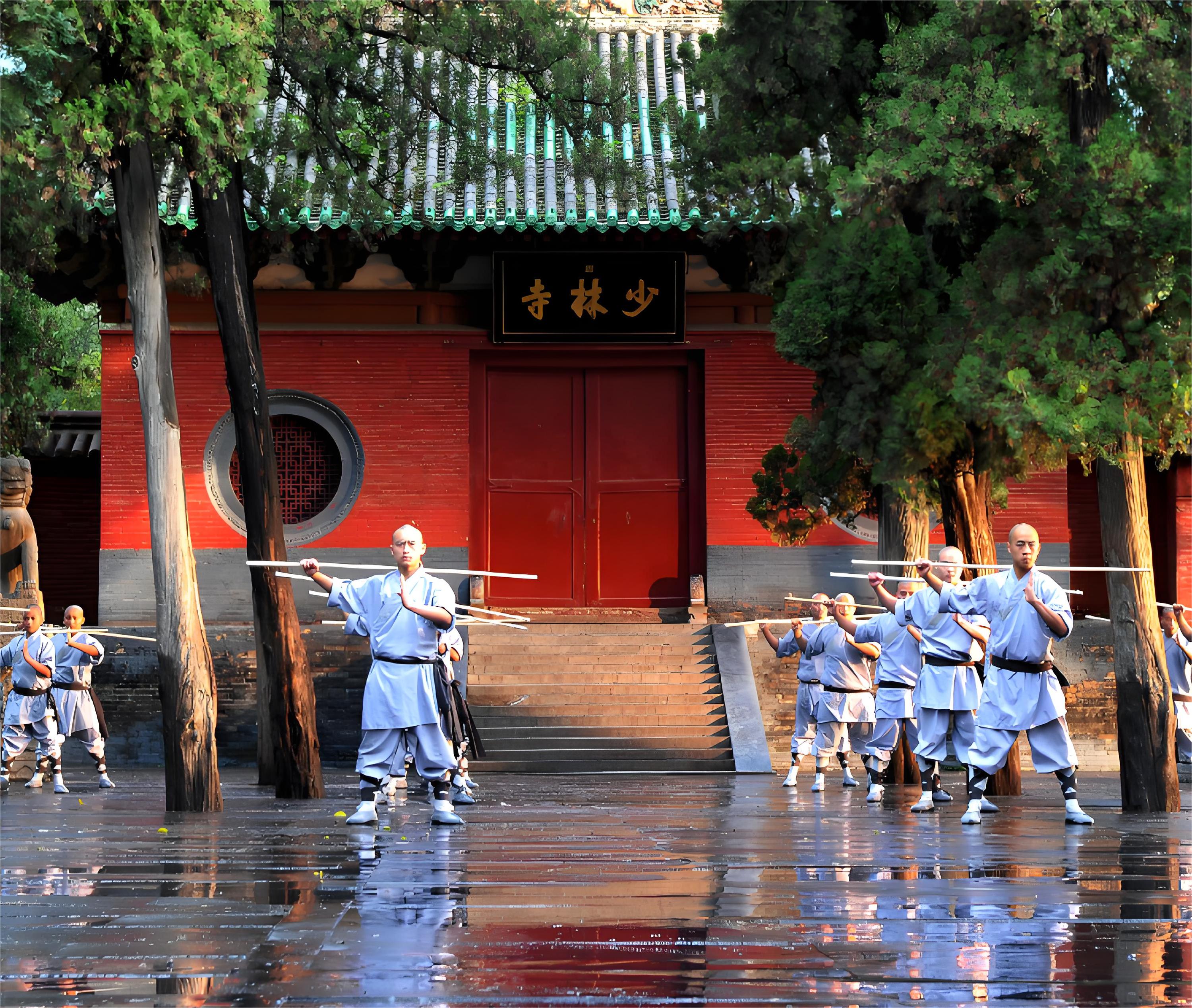
Songshan Shaolin scenery site is world famous tourist attraction and in the first group of 5A national scenery sites. It has unique natural sceneries and rich cultural landscape. Major cultural scenery sites, focusing in an area of 2.18 m2 include Shaolin temple, world’s first temple and origin of Zen and Shaolin Kongfu, China’s most intact and largest existing group of pagodas, China’s earliest stone temple Shaoshique, Kongfu gallery, Bodhidharma Cave, Zhuzuan, Erzuan, Shifang Zen temple, and Ganlutai observation. Natural sceneries are mostly located in Sanhuangzhai village of Shaoshishan Mt., which has experienced the three greatest mountain making movements of Songyang, Zhongyuan and Shaolin Mountains with best representative site at Songshan world geological park. Other representative sites include Monkey Watching Sky, Yunfenghuxiao, sunset and Shaoshi in autumn.
2
The Shaolin Pagoda Forest, burial site of Shaolin's eminent monks, gets its name from its dense pagodas. Per Buddhist traditions, disciples built pagodas of varying sizes for deceased monks—scale reflecting their achievements, status, knowledge, reputation, and standing—resulting in numerous different-sized pagodas. China's largest existing stupa group, it has 228 stone stupas from seven dynasties (Tang, Five Dynasties, Song, Jin, Yuan, Ming, Qing), plus 3 modern pagodas and 14 stone sculptures. Their shapes, decorations, construction, and carving techniques record architectural styles of their eras, showing stupa art evolution since the Tang and Sino-foreign Buddhist exchanges. Hailed as an "ancient pagoda art museum," it offers tangible materials for researching ancient Chinese architecture, sculpture, and religion.
3
Songyue Temple Pagoda, in Songyue Temple, is the most significant remaining structure (with Daxiongbaodian, Jialandian, Liuzudian) and of high architectural/tourism value. Built in 520–524 AD (Northern Wei Emperor Xiaoming’s reign), over 1,400 years old, it is China’s oldest existing pagoda and the earliest in Songshan. Integrating geology, geometry, physics and chemistry, it’s a rare ancient architectural relic, listed in 1961 as first-batch national key cultural relics. 40 meters tall with 15 floors, it has underground palace, base, body and top decorations. Its lower half is robust, middle narrow with gentle eaves—sturdy yet light. As China’s first pagoda with parabolic outline, it influenced pagoda architecture for a millennium.
What's not included
Dinner
Gratuities
Available languages
Guide guide
EN
Reviews breakdown
Tripadvisor
5.0
1 reviews
5★
1
4★
0
3★
0
2★
0
1★
0
Important information
Service animals allowed
Public transportation options are available nearby
Infants are required to sit on an adult’s lap
Not recommended for travelers with spinal injuries
Not recommended for pregnant travelers
Not recommended for travelers with poor cardiovascular health
Travelers should have at least a moderate level of physical fitness
About Zhengzhou
Zhengzhou is the capital of Henan Province and a major transportation hub in Northwest China. Known for its rich history, vibrant culture, and as the birthplace of Henan opera, it offers a blend of ancient and modern attractions. The city is also famous for its delicious street food and the nearby Shaolin Temple, a UNESCO World Heritage Site.
Top Attractions
Shaolin Temple
A UNESCO World Heritage Site and the birthplace of Zen Buddhism and Shaolin Kung Fu. The temple is famous for its rich history, cultural significance, and martial arts traditions.
Historical/Cultural
Half day to full day
¥100 (including entrance and performance)
Zhengzhou Henan Museum
One of the largest museums in China, showcasing a vast collection of historical artifacts and cultural relics from Henan Province.
Museum
2-3 hours
Free (donations welcome)
Yellow River Scenic Area
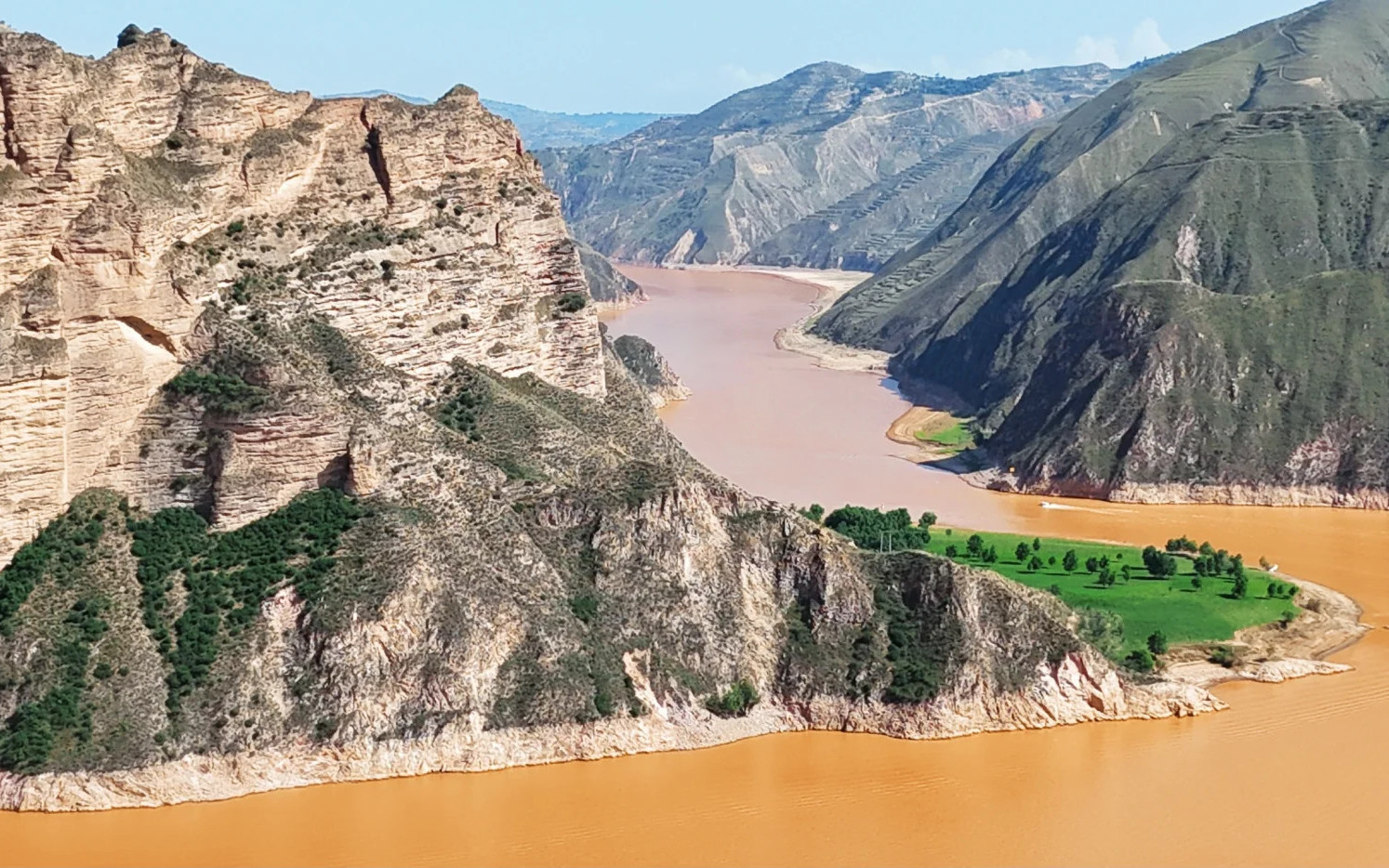
A scenic area along the Yellow River, offering beautiful views, historical sites, and recreational activities.
Nature/Historical
Half day
¥50 (entrance fee)
Zhengzhou Erqi Memorial Tower
A landmark tower commemorating the workers and soldiers who died during the May 30th Movement in 1925. The tower is a symbol of Zhengzhou and a significant historical site.
Historical
1-2 hours
Free (donations welcome)
Zhengzhou City Wall
A well-preserved ancient city wall dating back to the Tang Dynasty. The wall offers a glimpse into Zhengzhou's rich history and architectural heritage.
Historical/Architecture
1-2 hours
Free (donations welcome)
Must-Try Local Dishes
Bian Bing (Henan Spring Roll)
A thin, crispy crepe made from wheat flour, filled with ingredients like egg, scallions, and hoisin sauce. It is a popular street food snack in Zhengzhou.
Street Food
Contains gluten and eggs
Lao Zheng Tou (Old Zheng Head)
A popular street food consisting of a steamed bun filled with minced pork, scallions, and spices. It is named after the city's nickname, 'Zheng.'
Street Food
Contains gluten and pork
Lu Rou (Braised Pork)
A slow-cooked pork dish braised in a savory sauce made from soy sauce, sugar, and spices. It is a staple of Henan cuisine and is often served with steamed buns or noodles.
Main Course
Contains gluten and pork
Biang Biang Noodles
Hand-pulled noodles known for their thick, chewy texture and bold, spicy flavor. The name 'Biang Biang' comes from the sound made when the noodles are pulled.
Main Course
Contains gluten and may contain meat or seafood
Popular Activities
Hiking in Songshan Mountain
Exploring the Yellow River Scenic Area
Tea tasting at local tea houses
Strolling along the Zhengzhou City Wall
Visiting the Henan Museum
Attending a Henan opera performance
Boat rides along the Yellow River
Swimming in local pools and water parks
Best Time to Visit
Spring (April to May) and Autumn (September to October)
These seasons offer comfortable temperatures and pleasant weather, making it ideal for sightseeing and outdoor activities. The city is also less crowded during these periods.
15°C to 25°C
59°F to 77°F
Practical Information
Language
- Official: Chinese (Mandarin)
- Widely spoken: English (limited)
- English: Limited
Currency
Renminbi (RMB) (CNY)
Time Zone
GMT+8 (China Standard Time)
Electricity
220VV, 50HzHz
Safety Information
Overall Safety Rating: Generally safe
Zhengzhou is generally safe for tourists, with low crime rates and a strong police presence. However, as with any destination, it is essential to take precautions and stay aware of your surroundings.
Important Precautions:
- • Keep valuables secure and out of sight
- • Be cautious of your surroundings and avoid walking alone at night in poorly lit or deserted areas
- • Use reputable taxis and public transport
Getting there
By air
- Zhengzhou Xinzheng International Airport • 37 km from city center
By train
Zhengzhou Railway Station, Zhengzhou East Railway Station
By bus
Zhengzhou Long-Distance Bus Station, Zhengzhou East Bus Station
Getting around
Public transport
The metro system is efficient, clean, and air-conditioned. It is the best way to navigate the city, especially during peak hours.
Taxis
Available • Apps: Didi Chuxing
Rentals
Car, Bike, Scooter
Neighborhoods
Erqi District
Jinshui District
Guancheng District
Zhongyuan District
Day trips
Shaolin Temple
70 km from Zhengzhou • Full day
A UNESCO World Heritage Site and the birthplace of Zen Buddhism and Shaolin Kung Fu. The temple offers a glimpse into China's rich history and cultural heritage.
Songshan Mountain
75 km from Zhengzhou • Full day
A sacred mountain and UNESCO World Heritage Site, known for its stunning natural beauty and historical significance. The mountain is home to several temples, including the Shaolin Temple.
Gongyi
30 km from Zhengzhou • Half day to full day
A small city near Zhengzhou, known for its scenic areas along the Yellow River and historical sites.
Festivals
Zhengzhou International Peony Festival • April to May (annual)
Henan Taishang Festival • September to October (annual)
Chinese New Year • January or February (annual, based on the lunar calendar)
Pro tips
- Learn a few basic Mandarin phrases to enhance your experience and interact with locals
- Use the metro system for efficient and affordable transportation around the city
- Try local street food and snacks for an authentic culinary experience
- Visit popular attractions early in the morning or late in the afternoon to avoid crowds and heat
- Carry a portable fan or umbrella during summer months to stay cool and comfortable
From $25
per person
Price varies by option
Secure booking
Free cancellation available