Historical Walk in Monza: The most attractive city close to Milan
Active
3h
For a full refund, cancel at least 24 hours before the scheduled departure time.
Manual confirmation
Mobile or paper ticket accepted
About this experience
A Roman, Longobard, Habsburg and Napoleonic city. Monza is a town of villas, churches and convents. Artistic excellences, international sporting events, and an amazing greenery. Visit the "Villa Reale" Built between 1777 and 1780, wonderful example of neoclassical architecture. Enjoy the largest enclosed park in Europe: More than 700 hectares of meadows and woods, a river, ponds and secular trees. Walk along the river, to discover the oldest bridges that cross the river Lambro. Visit the centre of the religious and political life in Monza: The Duomo.
Available options
Historical Walk in Monza: The most attractive city close to Milan
What's included
Guided tour and entrance fee
Detailed itinerary
1
The building of the church, whose name recalls the important Strata (paved street) connecting Monza to Milan, was promoted by a community of Franciscan Tertiaries between the year 1348 and 1368 following the project of Ambrogiolo da Milano. Transferred in 1393 to the Augustinian friars of the Milanese monastery of San Marco, it was internally transformed using late Baroque style decorations starting from 1756.
The façade, with a fake loggia and terracotta ornamentation, is one of the most beautiful in the Lombard Gothic style and was restored in 1870; the original stone statue representing the Madonna and Child, connected with the Augustinian cult of the Virgin Mary’s girdle and sculpted by an anonymous Lombard artist in the 15th century, is actually displayed in the Museum and Treasury of the Duomo and replaced in the niche by a copy.
2
Saint John's church of Monza boasts a long and legendary history, from the Lombard origins to the riot of baroque decorations.
Visit inside to admire the main works of art.
3
Built in 1842 on the remains of the roman bridge of Arena (one of its arches is still visible at one end of the present-day bridge) for the opening of Via Ferdinandea, now Via Vittorio Emanuele II, the Lions Bridge is made up of three arches with granite abutments. On its sides four marble lions, work of the sculptor Tantardini, watch over the monumental bridge. Two footpaths follow the river Lambro, leading to the areas that were once occupied by mills for grinding wheat, irrigation ditches and washhouses. The typical and picturesque houses with communal long balconies are a testimony of this ancient area.
4
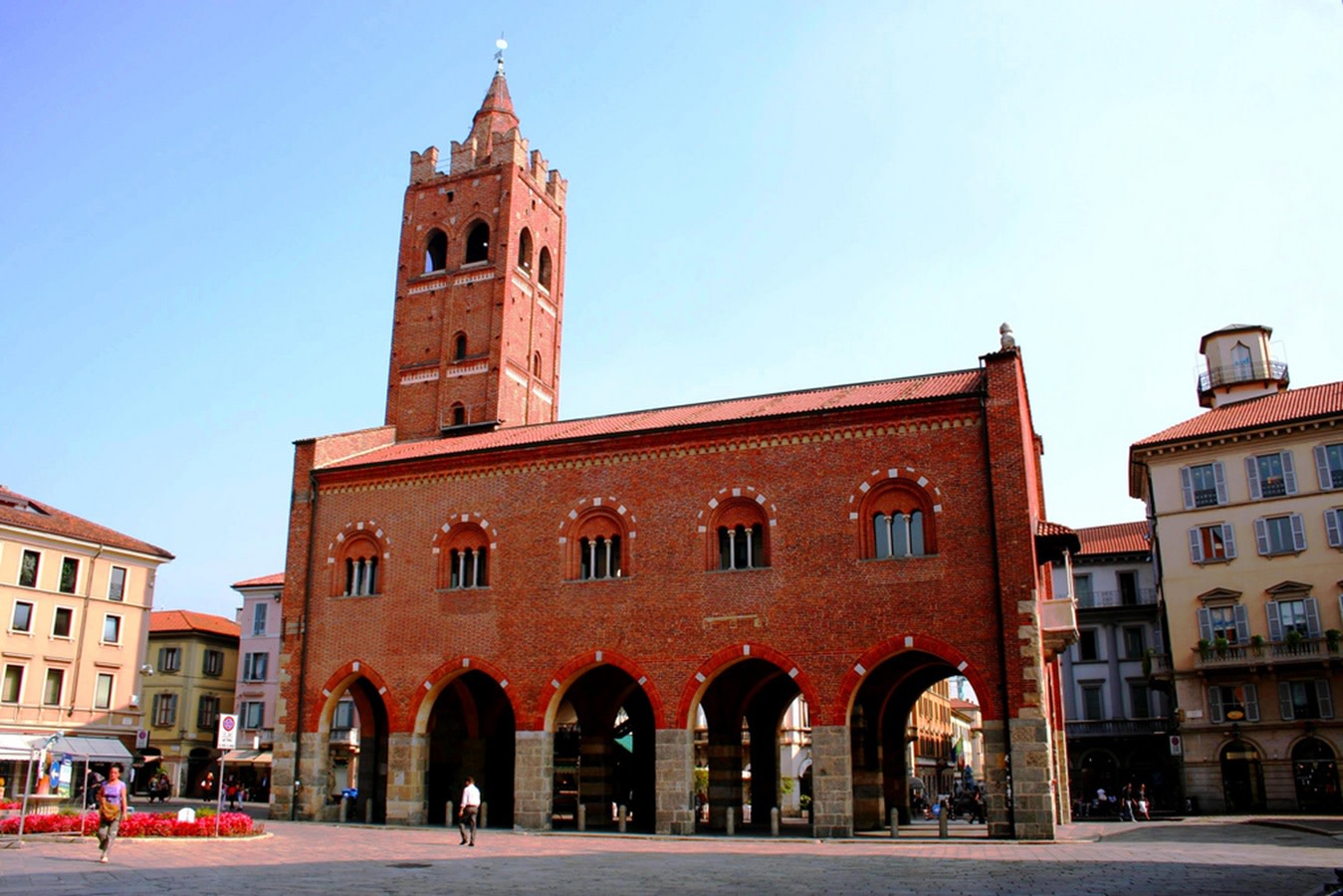
Built towards the end of the 13th century, the ancient town hall called Arengario (from the Latin arengarius, deriving from the Germanic hari-hring, place for gatherings) stands quite contiguous to the Duomo, thus visually representing the opposing religious and civic powers marking even in Monza the Age of the city states.
5
Probably built on a pagan cemeterial area, the church was completed around 1260 to host the Humiliati friars and, after the suppression of the order in 1571, it was assigned to the Barnabites.
6
The complex of St. Gerard-Within-the Walls or St. Gerardino where St. Gerard transformed his house in a hospital
7
An English style garden, the first in Italy, designed by Piermarini in 1778. We are talking about the Royal Gardens of the city of Monza, with trees and meadows, caves, ponds and small waterfalls.
Walking through its paths you can also admire a characteristic Doric temple which reflects in the waters of the pond inhabited by swans, turtles, ducks and frogs! Who knows if amongst them is hiding a prince!
From the shores of the lake you can see the cave and the statue of Neptune, or cross the "rock garden" to come down towards the large central lawn, admiring the waterfall and small stream. Continuing left along the telescope in front of the villa, you can admire the Cave of Polyphemus, the neo-Gothic walls and the Torretta.
But what makes the Royal Gardens exceptionally special are the Green Giants: ancient centuries-old trees such as oaks, cypresses, horse chestnut trees and cedars of Lebanon.
Available languages
Guide guide
EN
IT
FR
Important information
Infants and small children can ride in a pram or stroller
Public transportation options are available nearby
Suitable for all physical fitness levels
Meeting point
In front of the main entrance of the train station in Monza, Via Enrico Arosio, close to the fountain
About Milan
Milan, the vibrant capital of Lombardy, is a city where ancient history meets modern luxury. Known for its fashion, art, and design, Milan is a dynamic metropolis that offers a rich cultural experience and a thriving culinary scene.
Top Attractions
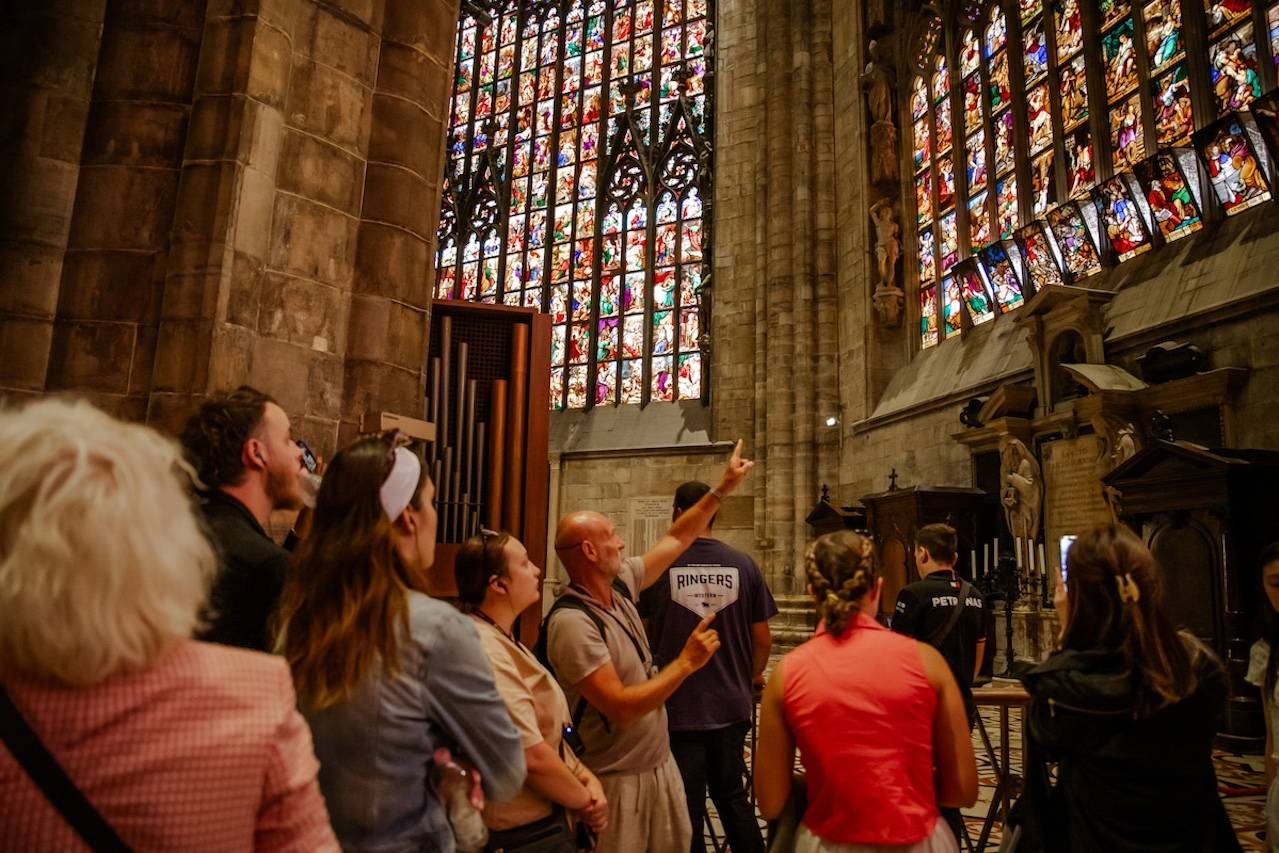
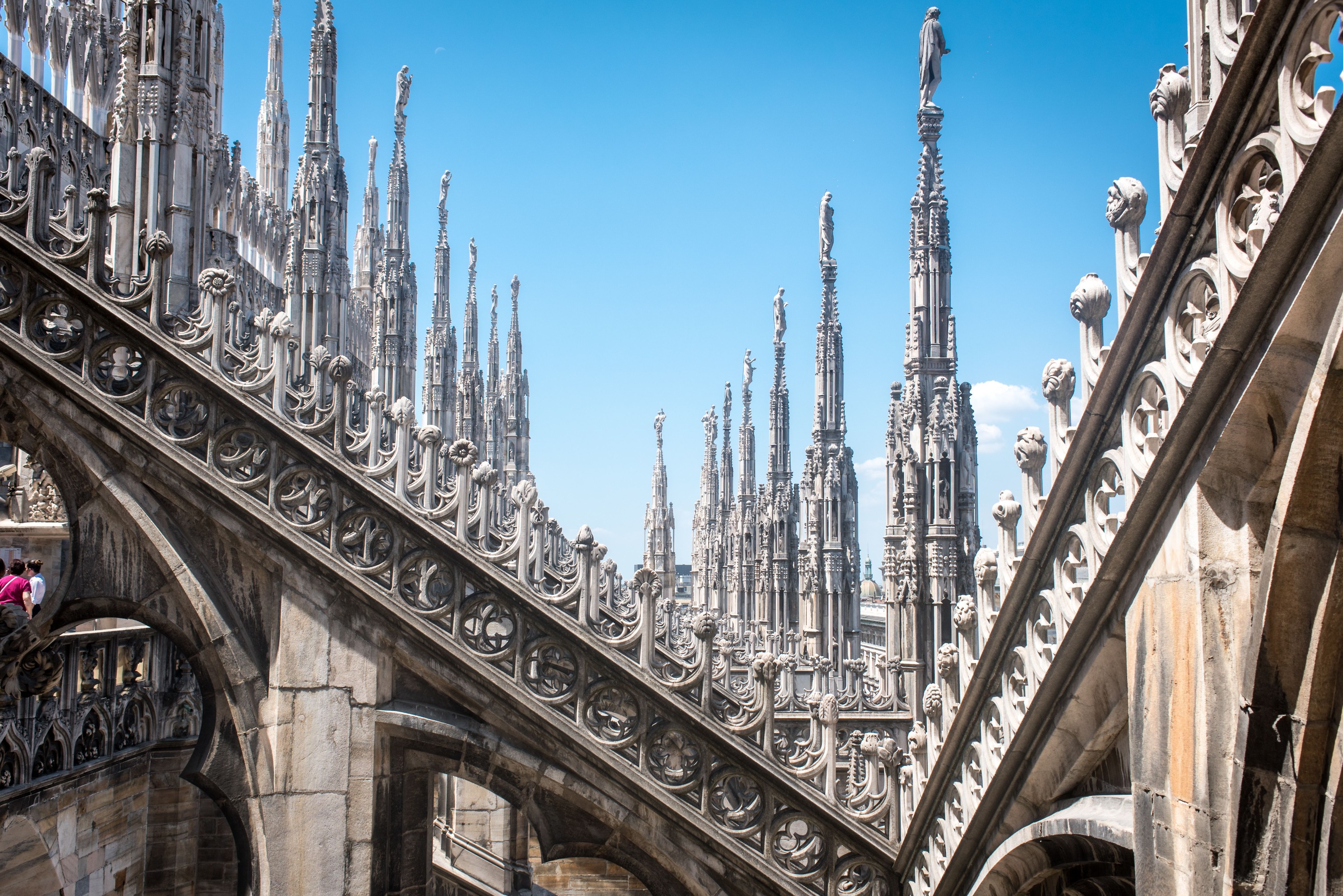
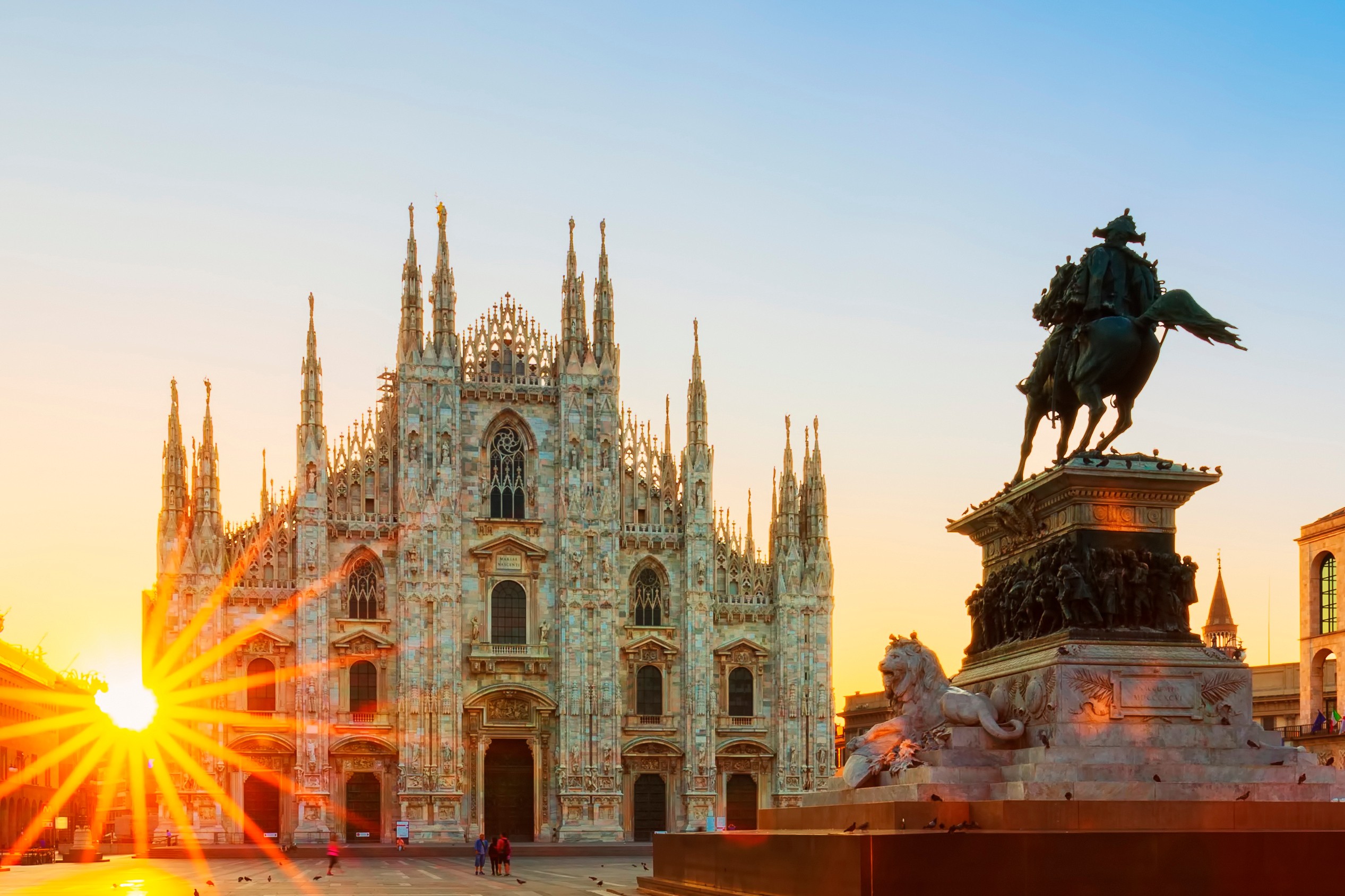
Duomo di Milano
The Milan Cathedral is a stunning example of Gothic architecture and the third-largest church in the world. It took nearly six centuries to complete and is a symbol of the city.
Architecture/Religious
1-2 hours
€10-€15
Galleria Vittorio Emanuele II
This historic shopping gallery is one of the world's oldest and most beautiful. It features luxury boutiques, cafes, and the famous mosaic floor of the bull.
Architecture/Shopping
1 hour
Free to enter, shopping varies
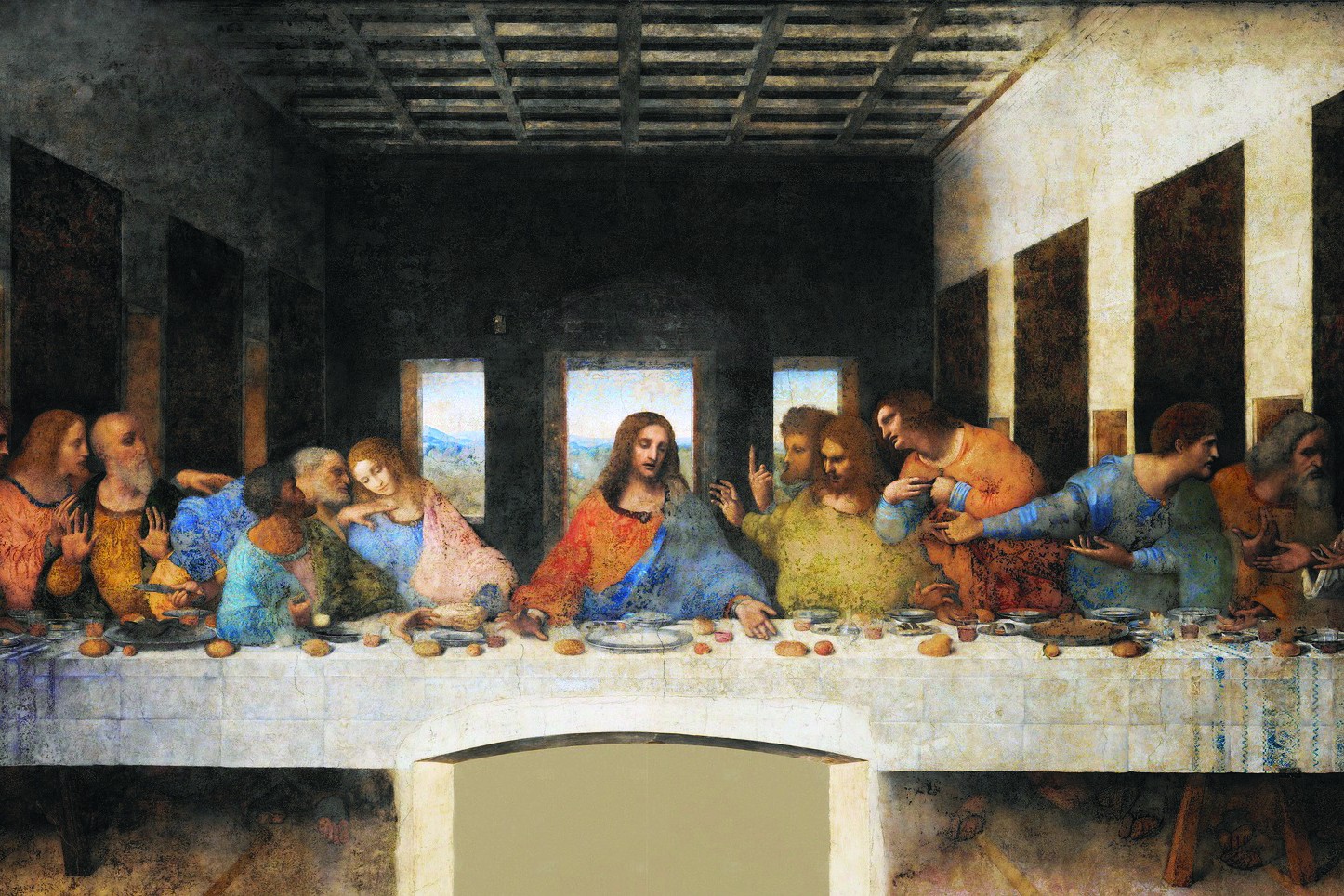
Santa Maria delle Grazie
This church and convent house Leonardo da Vinci's famous mural, The Last Supper. The painting is a masterpiece of Renaissance art and a must-see for art lovers.
Historical/Religious
1-2 hours
€10-€15 (advance booking required)
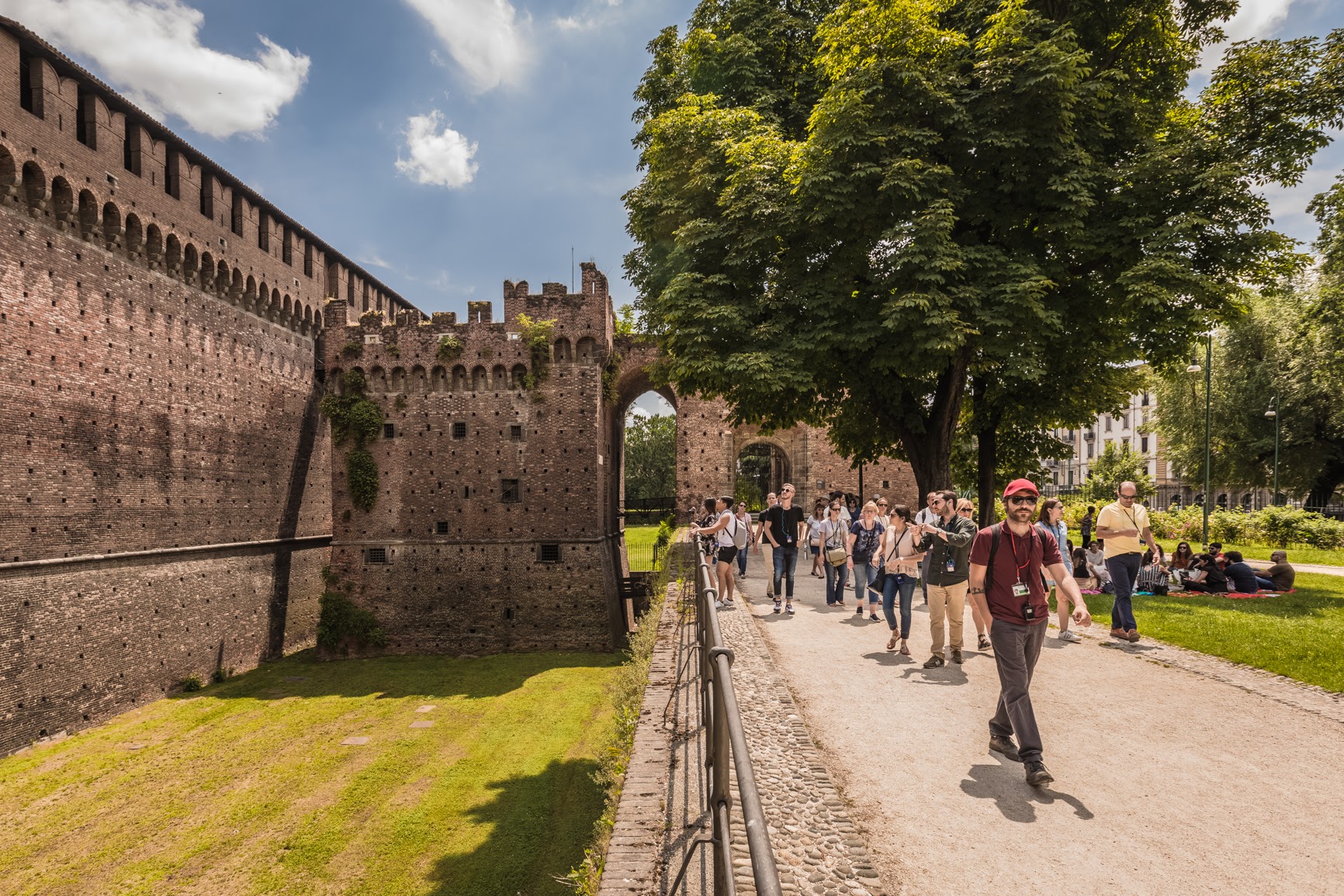
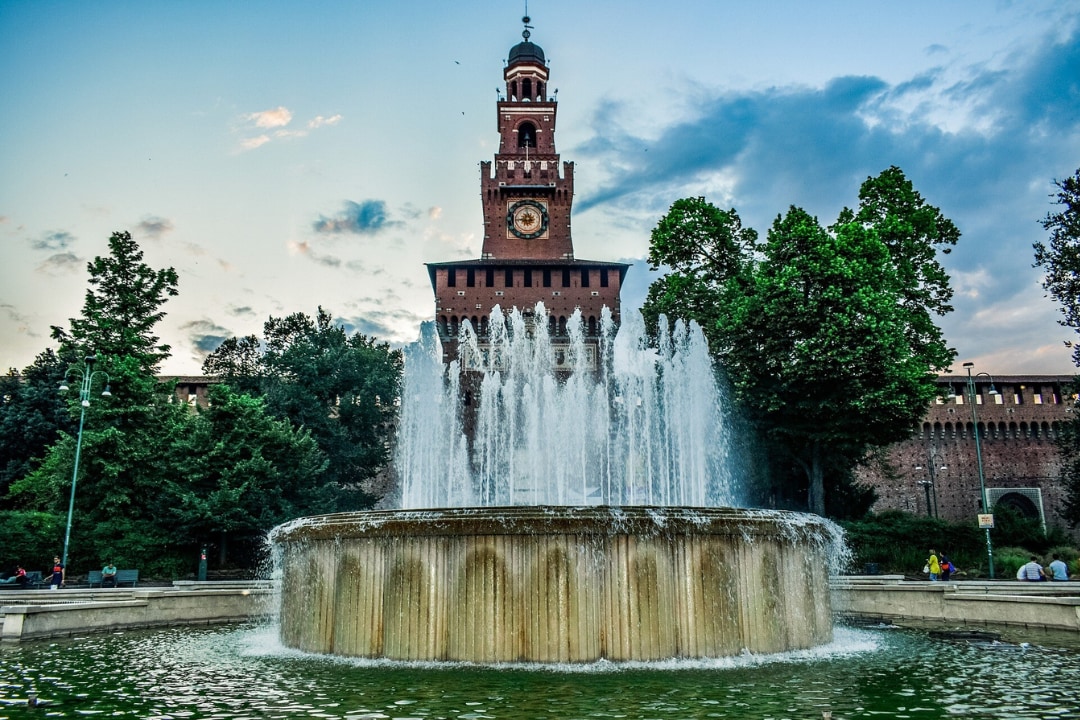
Castello Sforzesco
This medieval castle was built by the Duke of Milan and later renovated by Ludovico Sforza. It houses several museums and art collections, including works by Michelangelo and Leonardo da Vinci.
Historical/Architecture
2-3 hours
€5-€10
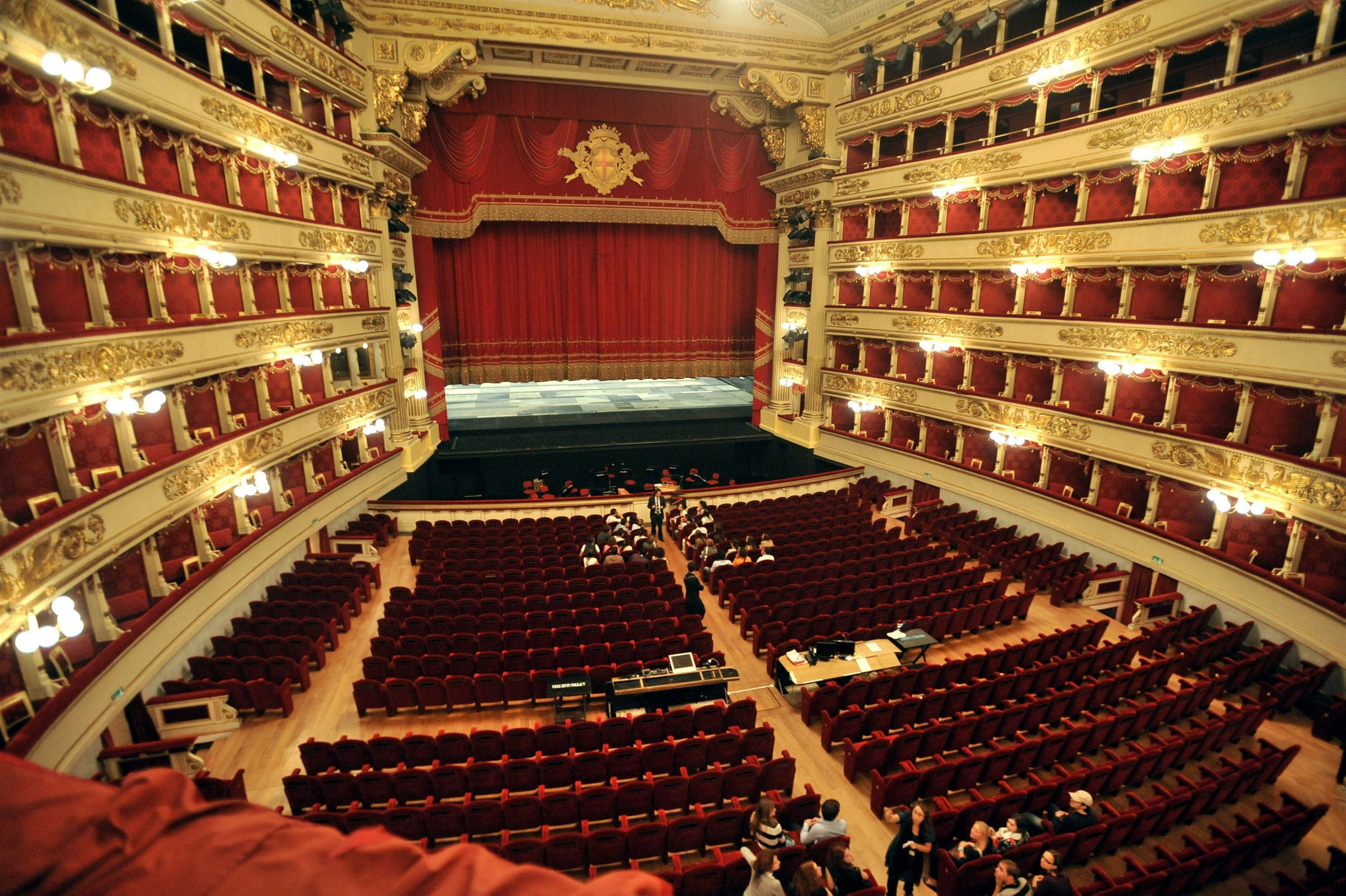
Teatro alla Scala
One of the world's most famous opera houses, Teatro alla Scala is a symbol of Milan's rich musical heritage. Guided tours are available to explore the historic theater and museum.
Cultural/Entertainment
1 hour
€10-€15
Must-Try Local Dishes
Risotto alla Milanese
A creamy saffron risotto, a staple of Milanese cuisine.
Main Course
Contains dairy, can be made vegetarian.
Ossobuco
Braised veal shanks, traditionally served with gremolata.
Main Course
Contains meat, can be made gluten-free.
Panzerotti
Fried dough pockets filled with tomato sauce, mozzarella, and other ingredients.
Snack
Contains dairy, can be made vegetarian or vegan.
Cotoletta alla Milanese
A breaded and fried veal cutlet, similar to schnitzel.
Main Course
Contains meat, can be made gluten-free.
Popular Activities
Hiking in the nearby Alps
Cycling along the Navigli canals
Aperitivo in Navigli
Shopping in Galleria Vittorio Emanuele II
Visiting museums and historic sites
Attending opera or ballet performances
Boat tours on Lake Como
Swimming in Lake Como
Best Time to Visit
April to June, September to October
The best time to visit Milan is during the spring and fall when the weather is pleasant, and the city is less crowded. These months offer ideal conditions for exploring the city's attractions.
15-28°C
59-82°F
Practical Information
Language
- Official: Italian
- Widely spoken: English, French, Spanish
- English: Moderately spoken
Currency
Euro (EUR)
Time Zone
GMT+1 (Central European Time, CET), GMT+2 (Central European Summer Time, CEST)
Electricity
230VV, 50HzHz
Safety Information
Overall Safety Rating: Generally safe
Milan is generally safe for tourists, but pickpocketing and petty theft can occur, especially in crowded areas and on public transportation. Be cautious with your belongings and stay alert.
Important Precautions:
- • Keep valuables secure and out of sight
- • Use official taxis or ride-sharing services
- • Be cautious of distractions and common scams
Getting there
By air
- Milano Malpensa Airport • 50 km from city center
- Milano Linate Airport • 7 km from city center
By train
Milano Centrale, Milano Rogoredo
By bus
Lampugnano Bus Station, San Donato Milanese
Getting around
Public transport
The Milano Metro system consists of four lines (M1, M2, M3, M5) and is efficient and easy to use. It is the quickest way to get around the city.
Taxis
Available • Apps: Uber, FreeNow
Rentals
Car, Bike, Scooter
Neighborhoods
Brera
Navigli
Quartiere della Moda
Isola
Day trips
Lake Como
50 km • Full day
Lake Como is a stunning alpine lake known for its beautiful villas, gardens, and scenic views. It is a popular destination for relaxation and outdoor activities.
Bergamo
50 km • Half day
Bergamo is a charming medieval city with a well-preserved old town and a rich history. It offers a mix of historic sites, museums, and local cuisine.
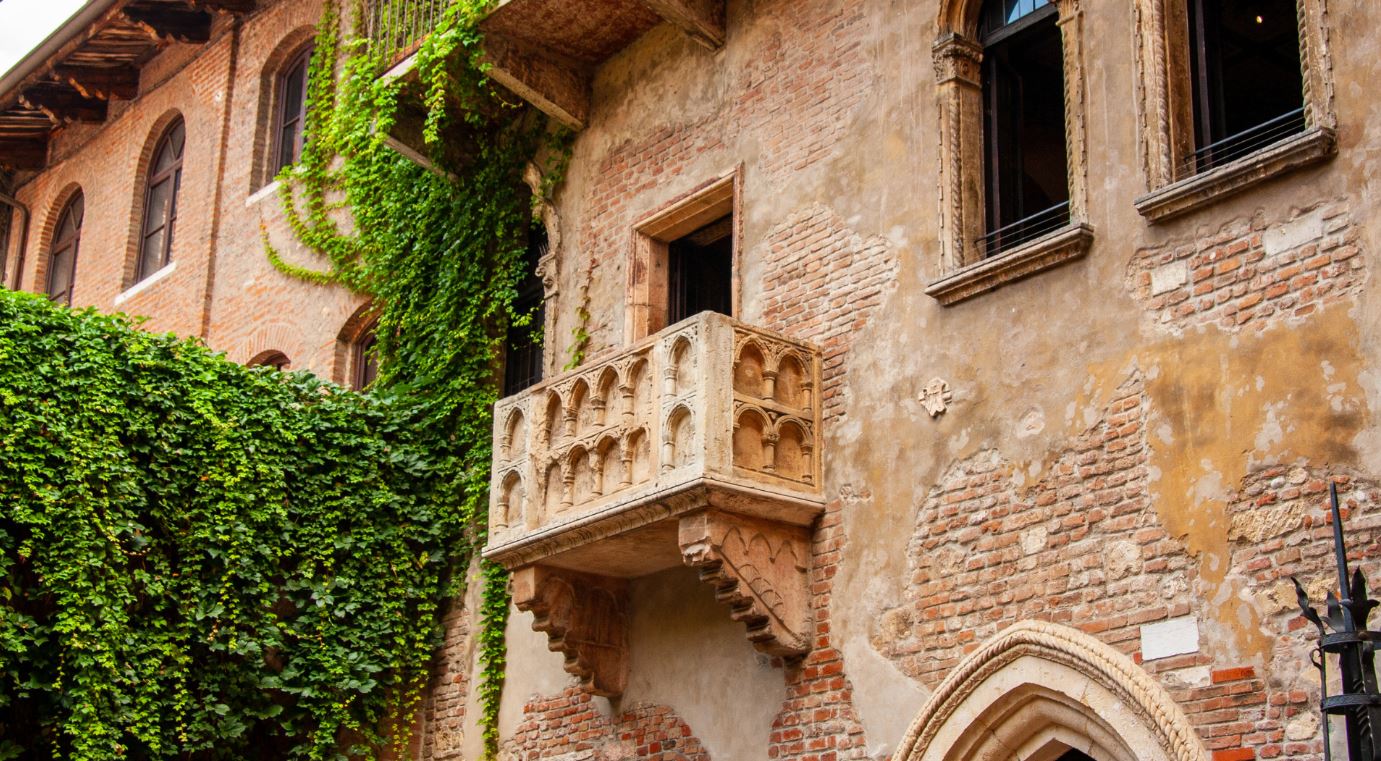
Verona
150 km • Full day
Verona is a romantic city known for its association with Shakespeare's Romeo and Juliet. It offers a mix of historic sites, romantic landmarks, and cultural attractions.
Festivals
Milan Fashion Week • February and September
Milan Design Week • April
Milan Film Festival • September
Pro tips
- Visit the Duomo early in the morning to avoid crowds and long queues
- Explore the Navigli district in the evening for a vibrant aperitivo experience
- Use the ATM Milano app for real-time public transportation schedules and maps
- Consider purchasing a Milan Card for discounts on attractions, transportation, and dining
- Try local specialties like risotto alla Milanese and panzerotti
From $25
per person
Price varies by option
Secure booking
Free cancellation available