Bataan Death March Memorial Historical Tour
Active
10h
All sales are final. No refund is available for cancellations.
Instant confirmation
Mobile or paper ticket accepted
About this experience
We provide the ideal opportunity to explore the magnificent Bataan Province, renowned for its rich history and sites of courage and heroism. Enjoy convenient roundtrip transfers from any hotel in Metro Manila, starting as early as 7 a.m., followed by a 3-hour scenic drive to Bataan. Now is the perfect time to visit and discover the province's historic ruins, war museums, and the Death March Memorial. The itinerary includes stops at Mt. Samat Shrine, The Bunker, Battle of Pockets Marker, Okm Bagac Death March Marker, Philippine-Japanese Friendship Tower, Flaming Sword, Bataan World War II Museum, and the Bataan Tourism
Available options
Bataan Death March Memorial Historical Tour
Pickup included
What's included
Local guide
All Fees and Taxes
Air-conditioned vehicle
Detailed itinerary
1
The Bataan World War II Museum is uniquely but strategically located at the back of Balanga Elementary School. The museum was built as a tribute to our fallen heroes who made the ultimate sacrifice in 1942. It showcases tragic tidbits about the mentioned war, specially the horrendous Bataan Death March where thousands of Filipino and American soldiers perished.
2
Mount Samat National Shrine (Shrine of Valor) is a historical shrine located near the summit of Mount Samat in the town of Pilar, Province of Bataan, in the Republic of the Philippines. The memorial shrine complex was built to honor and remember the gallantry of Filipino and American soldiers who fought against the Imperial Japanese Army during World War II.
3
The Pantingan River massacre was the mass execution of Filipino and American officers and non-commissioned officers Prisoners-of-War by members of the Imperial Japanese Army during the Bataan Death March on April 12, 1942, in Bagac, Bataan. Several hundred soldiers from the Philippine Commonwealth Army's 1st, 11th, 71st, and 91st Divisions on the march to the north of Mount Samat where the Pantingan River crosses the Pilar-Bagac Road were taken to the riverside. Most of them were hog tied with telephone wire, shot, bayoneted or beheaded by the Imperial Japanese Army.
4
The Zero Kilometer (KM) Death March monument stands in Mariveles at the “Pinagsimulan ng Death March” spot where thousands of Filipino and American soldiers started on April 10, 1942 their 160-kilometer grueling march to Capas in Tarlac.
5
This tower in the town of Bagac is a clear symbol of positive transformation. Former adversaries during Word War II reconciled and eventually became close allies. The Risho Kosei Kai Group built the monument tower in 1975. It is a reminder that Japan , vows never to engage in war again.
6
Stop 6
At a junction near the municipal hall of Pilar , there is a gigantic sword of Pilar , another historical landmark.. It symbolizes the bravery of the Filipino and American soldiers who faced the threats in our democracy . It was at this intersection where USAFFE soldiers on the death march from Bagac and from Mariveles merged on their way to Capas , Tarlac.
7
The Bataan Tourism Center stands out for several special features that enhance the visitor experience:
1. Architectural Design: The center’s design is often praised for reflecting the rich cultural heritage of Bataan, combining traditional Filipino architecture with modern touches. It provides a warm, welcoming space for tourists to begin their journey.
2. Interactive Exhibits: Some centers offer multimedia presentations or exhibits that showcase Bataan’s history, culture, and attractions. This includes information about the infamous Bataan Death March, eco-tourism spots, and local festivals.
3. Cultural and Historical Artifacts: The center may have displays or memorabilia related to Bataan’s pivotal role in World War II and its deep cultural roots, giving visitors a glimpse into the province’s past and heritage.
8
The Zero Death March Marker in Mariveles, Bataan, commemorates the starting point of the infamous Bataan Death March during World War II. This historical site is a tribute to the Filipino and American soldiers who endured severe hardships after the surrender of Bataan in April 1942.
The marker itself is often visited by tourists and history enthusiasts, serving as a reminder of the sacrifices made during the war. The area around the marker also features other memorials and historical markers related to the events of the Death March, which spanned approximately 65 miles to San Fernando, Pampanga.
What's not included
Lunch
Dinner
Available languages
Guide guide
JA
EN
Important information
Not recommended for travelers with spinal injuries
Not recommended for pregnant travelers
Not recommended for travelers with poor cardiovascular health
Suitable for all physical fitness levels
Travel time to Bataan is about 3 hours each way
If you are a solo traveler message us for rates adjustment
About Manila
Manila, the vibrant capital of the Philippines, is a dynamic blend of historic charm and modern urban life. Known for its rich cultural heritage, bustling markets, and diverse culinary scene, it offers a unique experience for every traveler.
Top Attractions
Intramuros
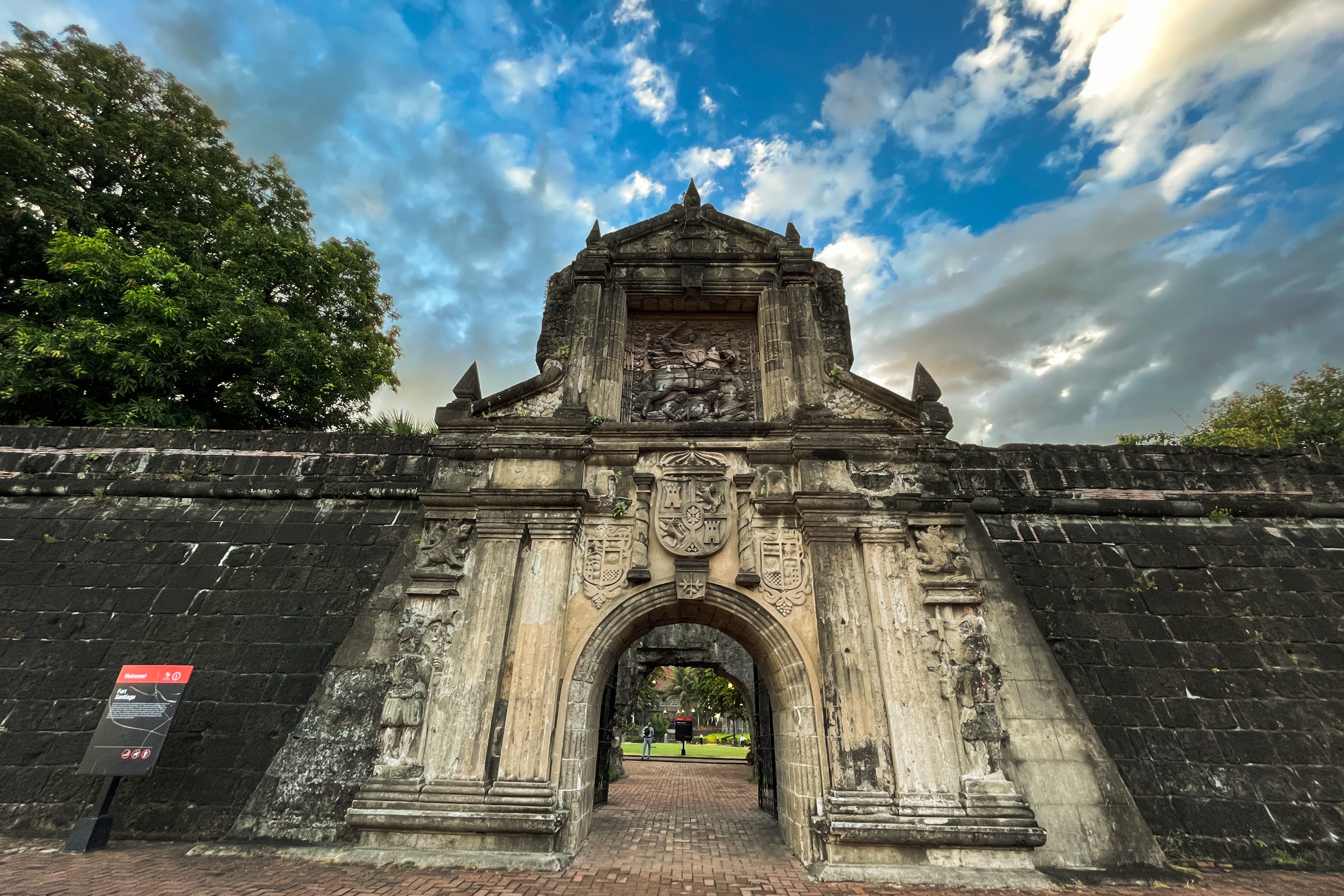
The historic walled city of Manila, Intramuros is a must-visit for its Spanish colonial architecture and rich history.
Historical
Half to full day
Free to PHP 500
Rizal Park (Luneta Park)
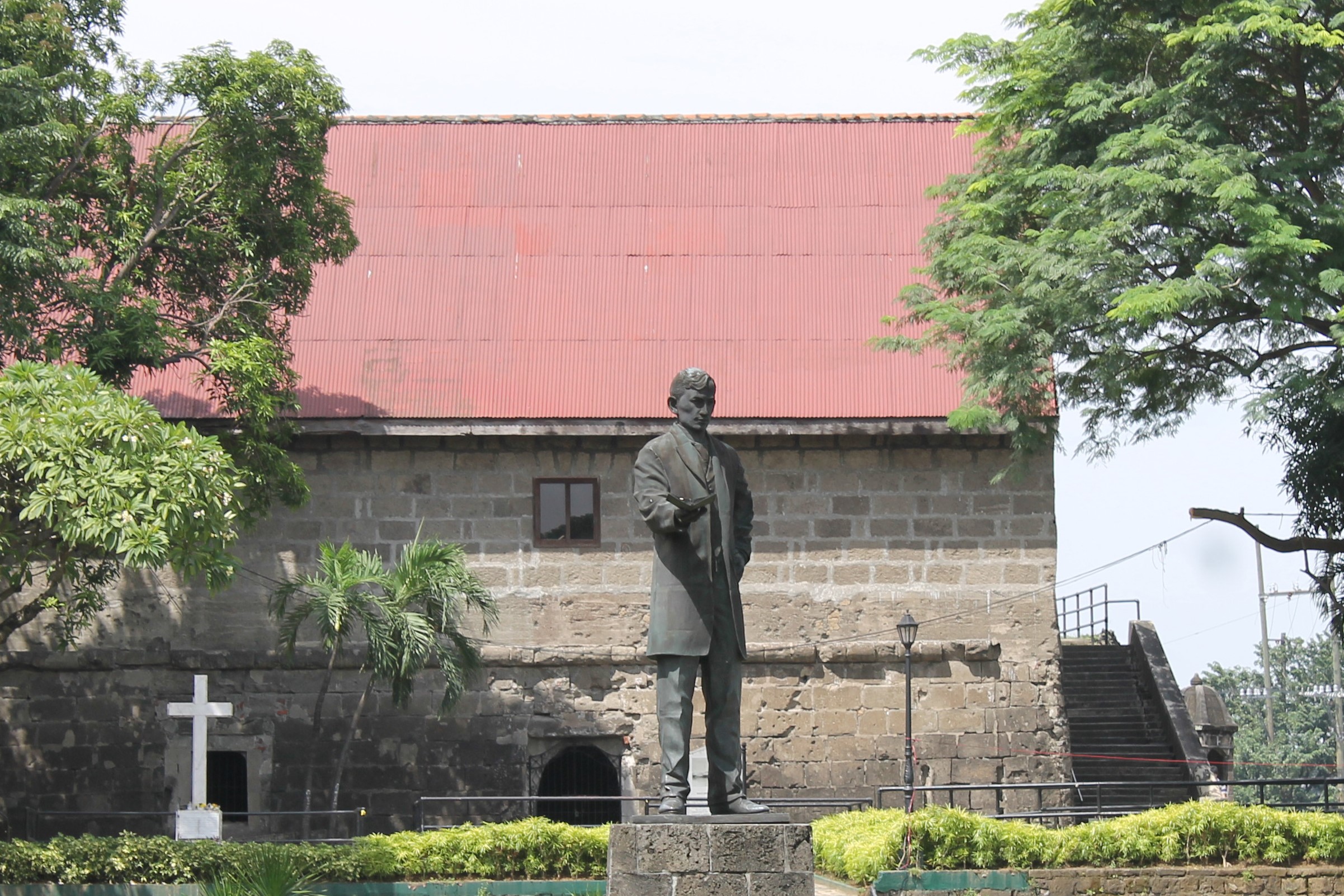
A historic urban park dedicated to the national hero Jose Rizal, offering a peaceful retreat in the heart of the city.
Historical
1-2 hours
Free to PHP 50
Manila Ocean Park
A marine-themed park offering a variety of attractions, including an underwater world, marine exhibits, and interactive experiences.
Entertainment
Half to full day
PHP 500-1,500
Binondo
The world's oldest Chinatown, Binondo is a vibrant district known for its Chinese-Filipino heritage, delicious food, and historic sites.
Cultural
Half to full day
Free to PHP 500
National Museum of Fine Arts
A museum showcasing the finest examples of Filipino art, from the colonial period to contemporary works.
Museum
1-2 hours
PHP 50
Must-Try Local Dishes
Adobo
A savory dish made with chicken or pork marinated in vinegar, soy sauce, garlic, and other spices, then braised until tender.
Main Dish
Can be made vegetarian or vegan by substituting meat with tofu or mushrooms.
Sisig
A sizzling dish made with chopped pork face, ears, and other parts, seasoned with calamansi, chili peppers, and onions.
Appetizer
Contains pork, not suitable for vegetarians or vegans.
Halo-Halo
A popular Filipino dessert made with shaved ice, sweet beans, jellies, fruits, and topped with leche flan, ube halaya, and ice cream.
Dessert
Can be made vegetarian or vegan by omitting dairy-based toppings.
Lechon
A whole roasted pig, crispy on the outside and tender on the inside, often served during special occasions and festivals.
Main Dish
Contains pork, not suitable for vegetarians or vegans.
Popular Activities
Canyoneering at Pagsanjan Falls
Ziplining at Subic Bay
Island hopping in Batangas
Picnicking in Tagaytay
Swimming at Laiya Beach
Dining at Greenbelt Chapel
Exploring Intramuros
Visiting Binondo Chinatown
Best Time to Visit
December to February
This is the coolest and driest time of the year, making it ideal for outdoor activities and sightseeing.
22°C to 32°C
72°F to 90°F
Practical Information
Language
- Official: Filipino (Tagalog), English
- Widely spoken: English, Chinese (Mandarin, Hokkien, Cantonese), Spanish
- English: Widely spoken
Currency
Philippine Peso (PHP)
Time Zone
GMT+8
Electricity
220VV, 60HzHz
Safety Information
Overall Safety Rating: Exercise caution
Manila is generally safe for tourists, but petty crime, such as pickpocketing and scams, can occur, especially in crowded areas and tourist hotspots. Exercise caution and be aware of your surroundings.
Important Precautions:
- • Be cautious of strangers approaching you, especially in crowded areas
- • Keep your valuables secure and out of sight
- • Use reputable tour operators and transportation services
Getting there
By air
- Ninoy Aquino International Airport • 7 km from city center
By train
PNR Manila Station
By bus
Taft Avenue Terminal, Cubao Terminal
Getting around
Public transport
Iconic and affordable, but can be crowded and slow.
Taxis
Available • Apps: Grab
Rentals
Car, Bike, Scooter
Neighborhoods
Intramuros
Binondo
Makati
Malate
Quezon City
Day trips
Corregidor Island
46 km from Manila • Full day
A historic island fortress that played a significant role in World War II, offering a glimpse into the Philippines' wartime past.
Pagsanjan Falls
100 km from Manila • Full day
A stunning waterfall located in the province of Laguna, offering a picturesque and refreshing escape from the city.
Tagaytay
55 km from Manila • Half to full day
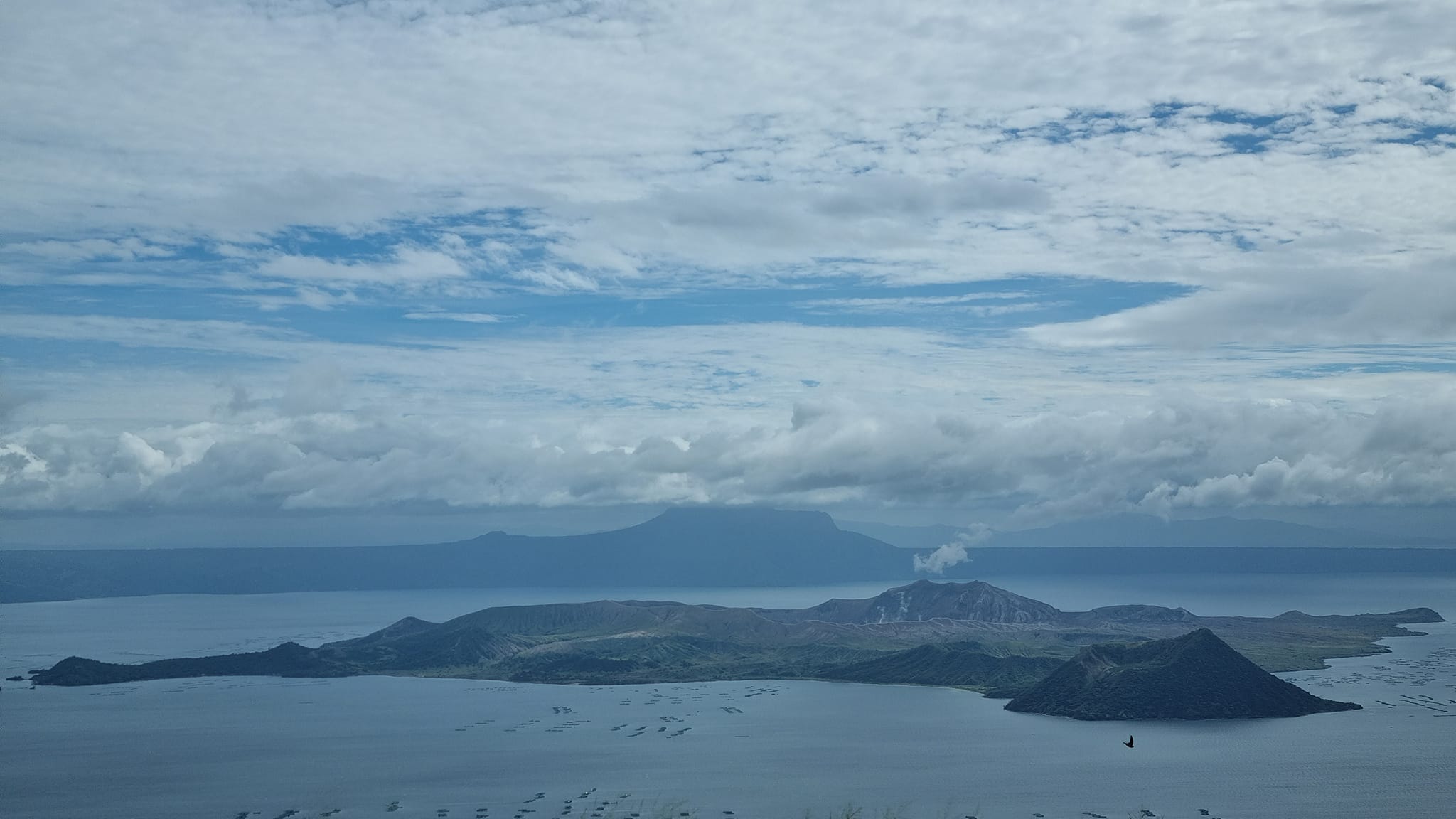
A popular weekend destination known for its cool climate, stunning views of the Taal Volcano, and a variety of dining and accommodation options.
Festivals
Sinulog Festival • Third Sunday of January
Pistahan ng Pulilan • Last Sunday of April
Ligaya sa Kalinga Festival • June 20-25
Pro tips
- Learn a few basic phrases in Tagalog, such as 'kumusta' (hello) and 'salamat' (thank you), to show respect and appreciation for the local culture
- Carry small denominations of PHP for convenience, as some establishments may not have change for large bills
- Use app-based transportation services, such as Grab, for safer and more convenient travel, especially at night
- Be patient and understanding, as the pace of life in the Philippines can be slower than in some Western countries
- Try local delicacies and street food, but be cautious and choose vendors with high turnover and good hygiene practices
From $25
per person
Price varies by option
Secure booking
Free cancellation available
Instant confirmation