Shared Old Manila Tour
Active
4h
For a full refund, cancel at least 24 hours before the scheduled departure time.
Instant confirmation
Mobile or paper ticket accepted
About this experience
Explore the City of Manila and discovery what's with the City of the old time. Join travelers from around the world in exploring Manila with an English-speaking tour guide. Visit the city's most popular attractions and experience a bit of local culture.
Available options
Shared Old Manila Tour
Pickup included
What's included
Professional guide
All taxes, fees and handling charges
Lunch
Hotel pickup and drop-off (selected hotels only)
Detailed itinerary
1
Stop 1
Pass by
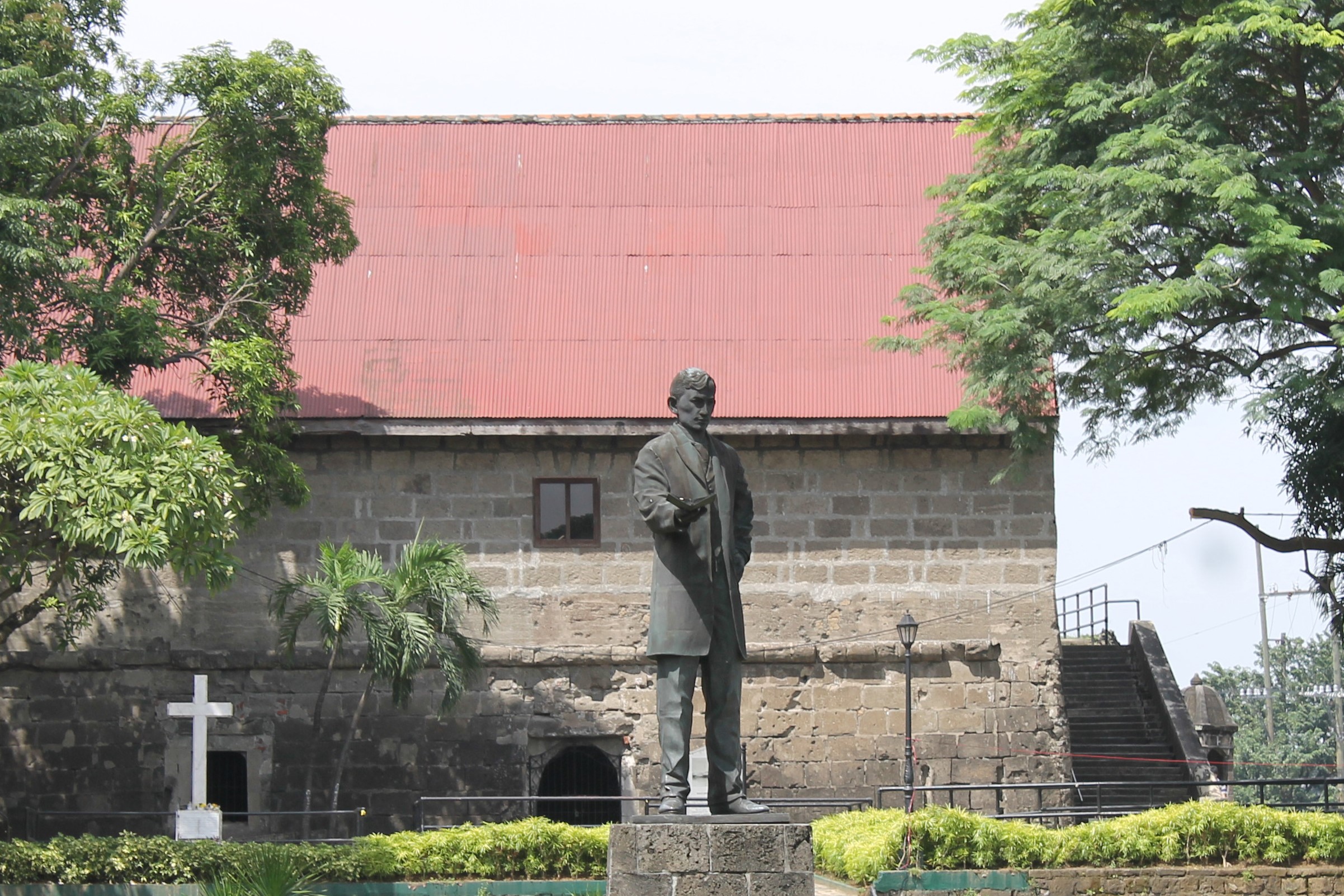
Manila’s city tour starts with a visit to Rizal Park, named in honor of the country’s national hero, Dr. Jose Rizal. After a brief picture stop, proceed to the Walled City of Intramuros to visit the remnants of Spain’s conquistadores.
2
Stop 2
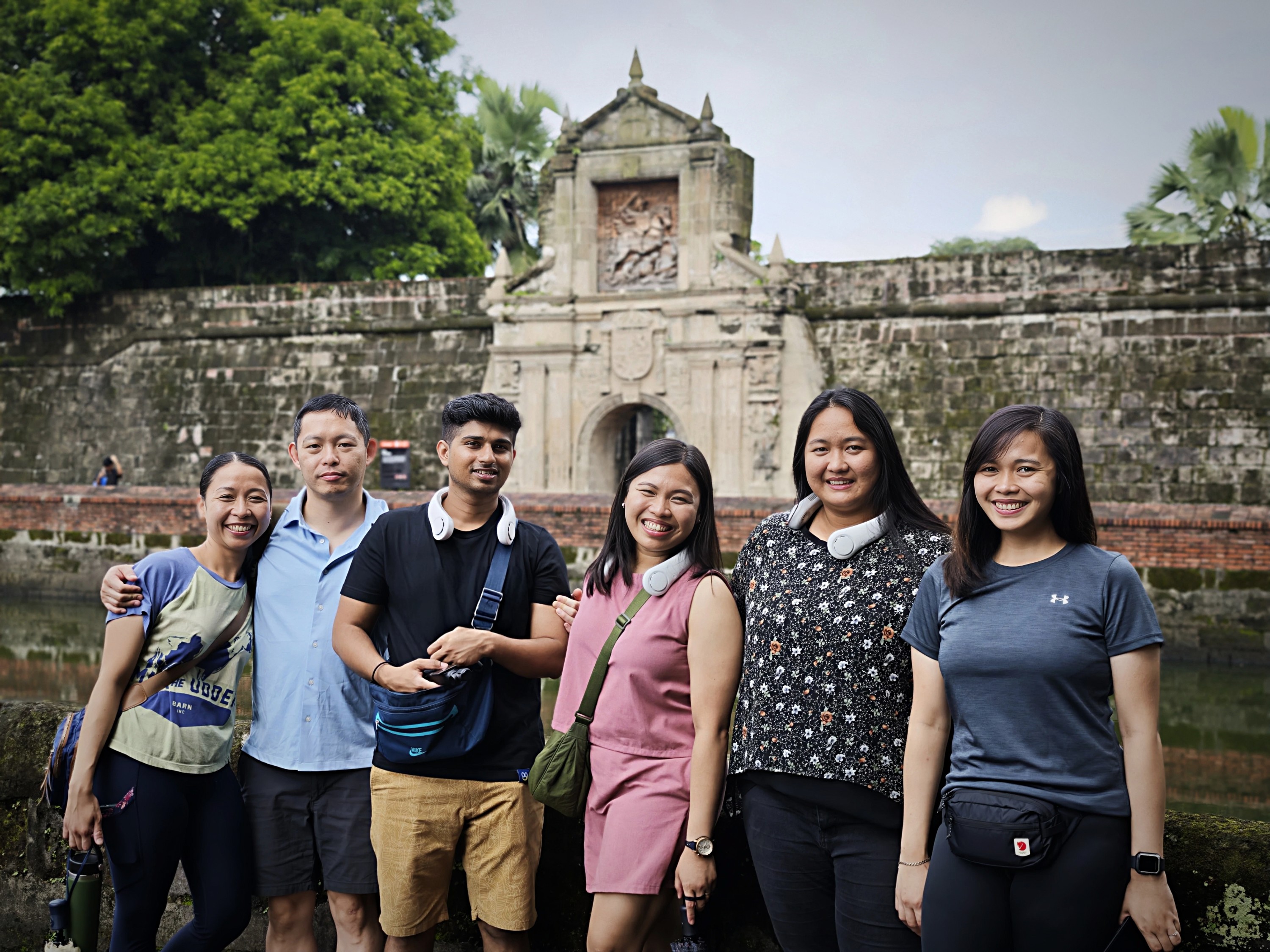
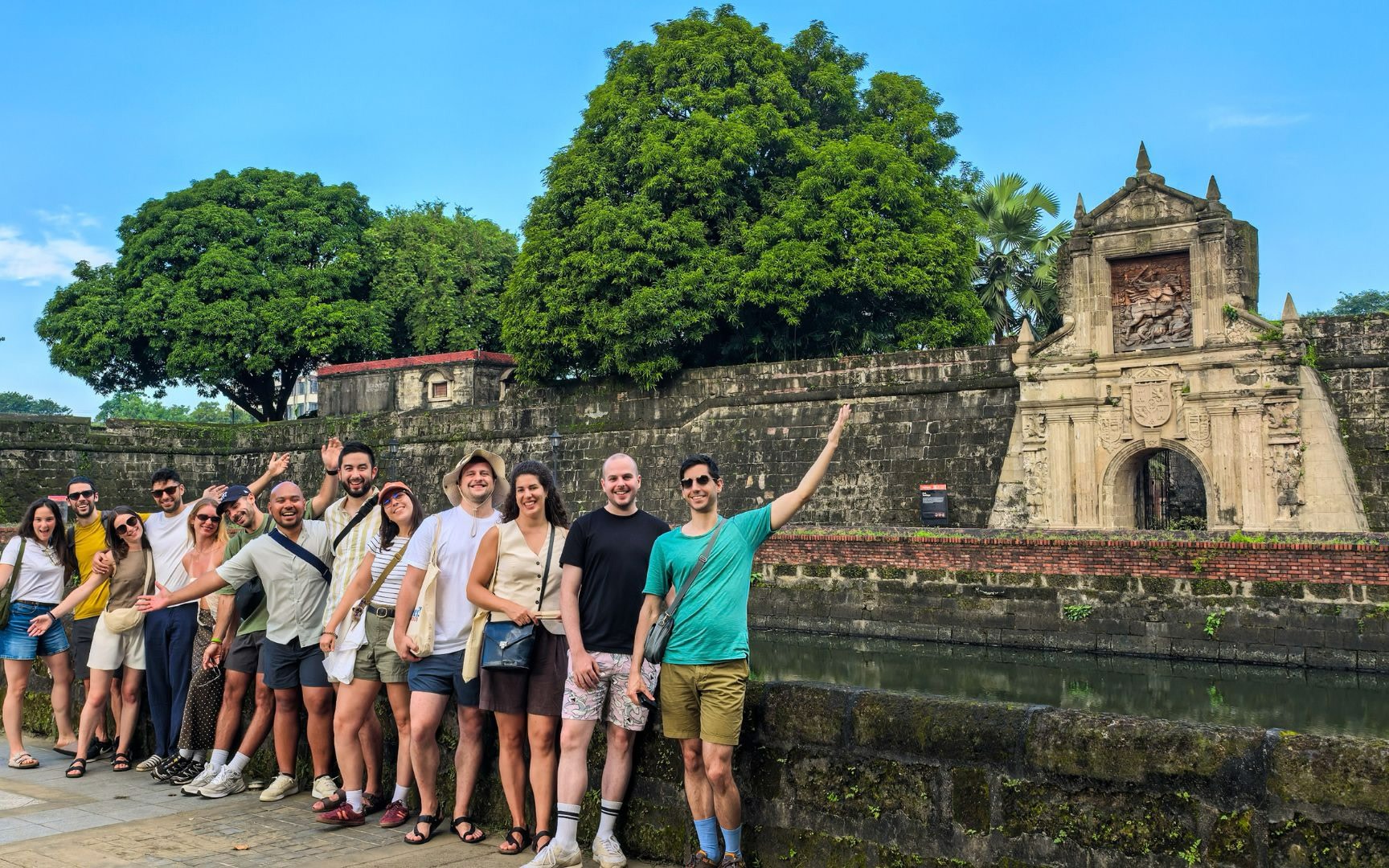
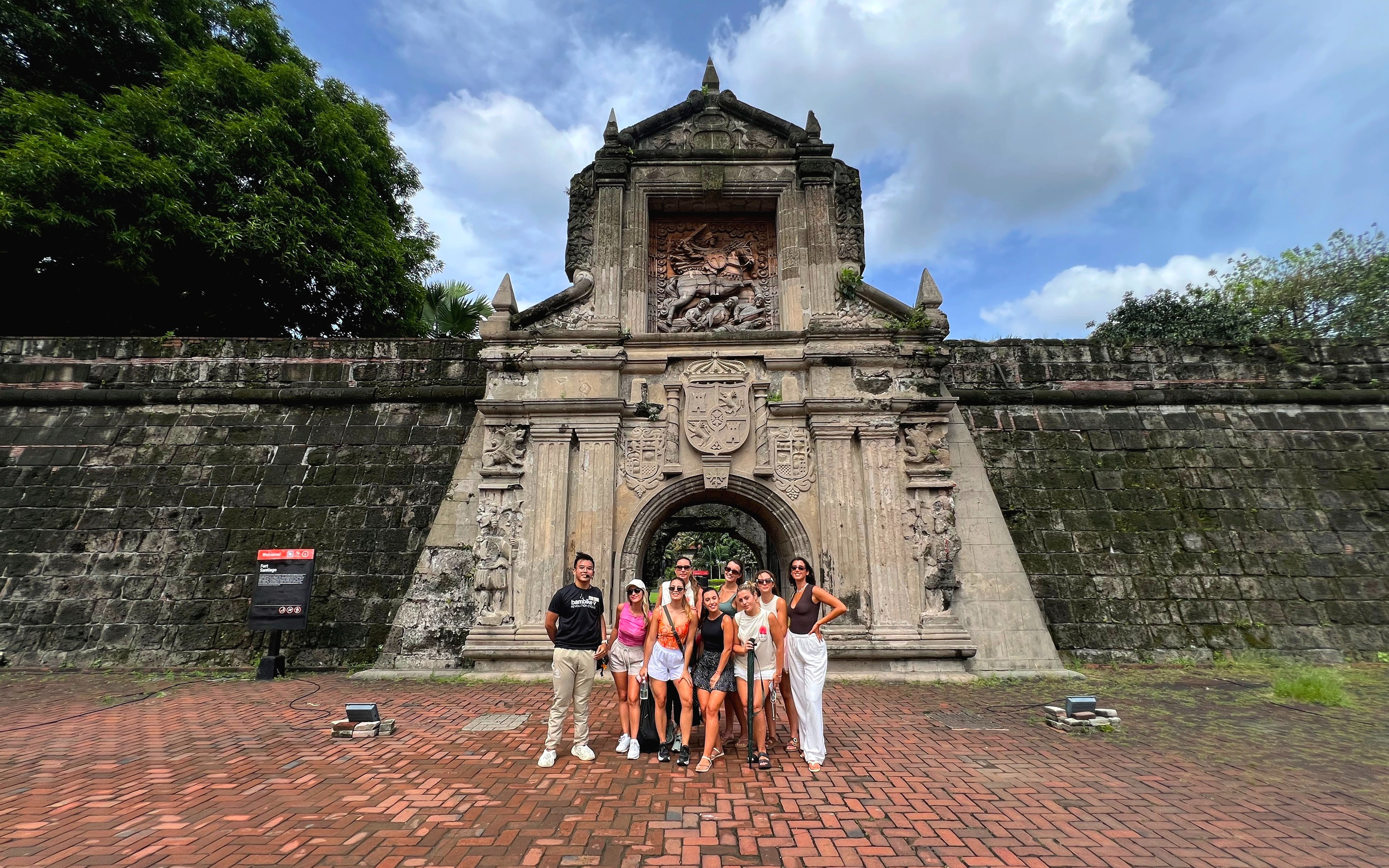
Stop at Fort Santiago, an old Spanish fortress located at the mouth of Pasig River, where great moments in Philippine history occurred.
3
Stop 3
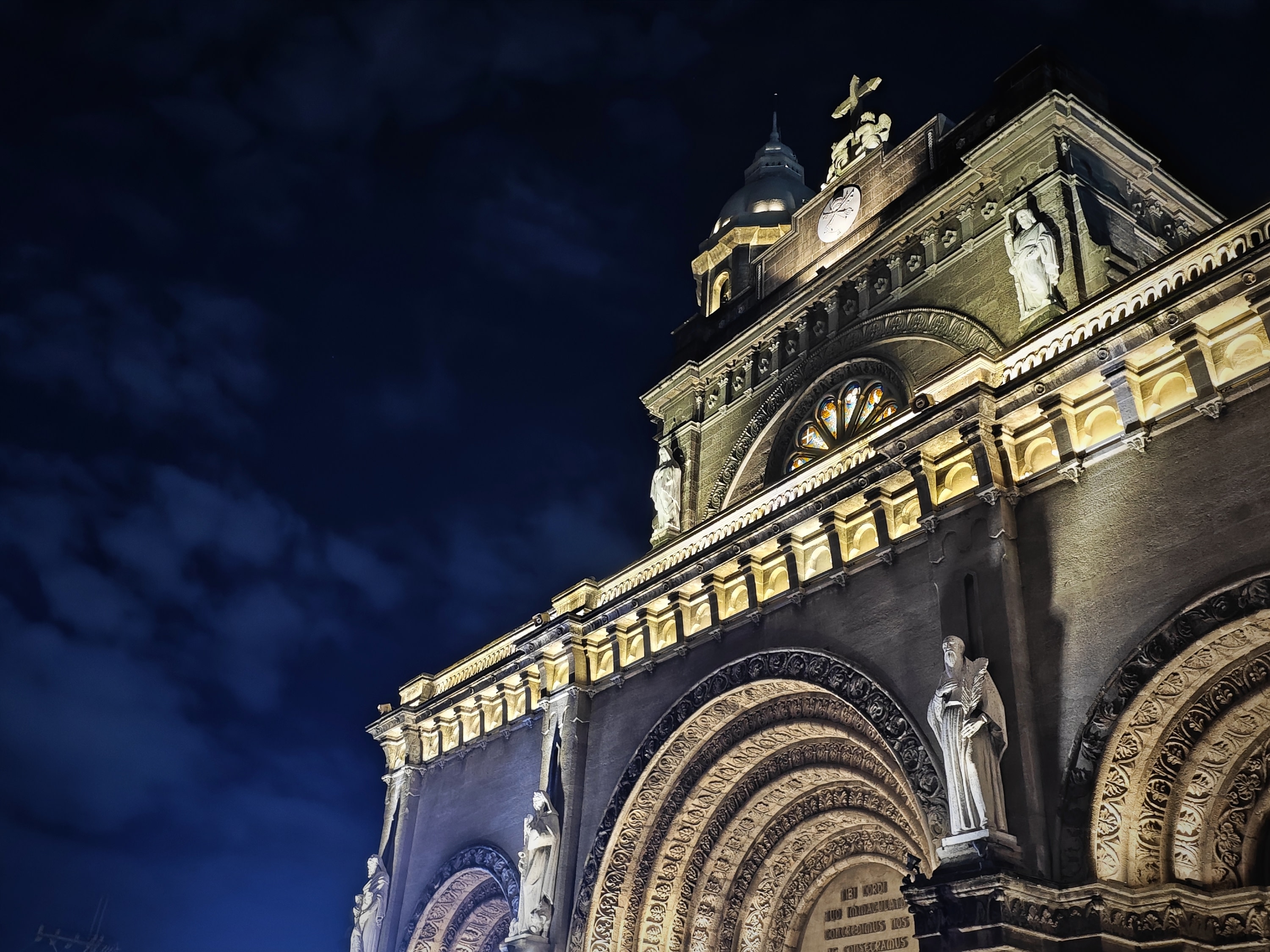
Travel through the cobbled streets to San Agustin Church, the country’s oldest stone church, and view its wide collection of ecclesiastical icons, vestments and other religious articles.
4
Stop 4
Cross the street to Casa Manila, a reproduction of a 19th century house equipped with oriental and European décor, as well as Philippine antique furniture.
5
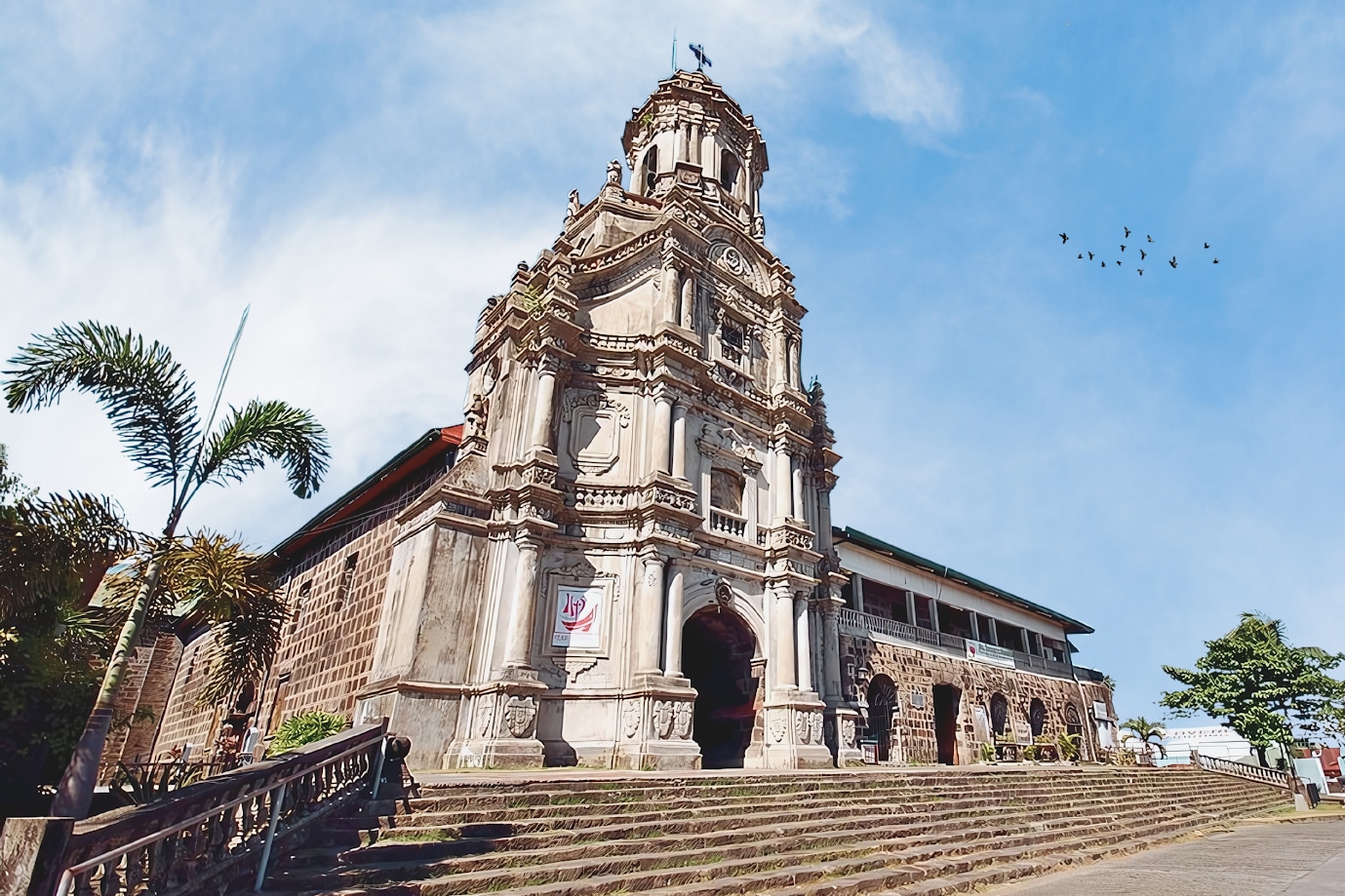
Then board a horse drawn carriage called ‘calesa’ and trot off to Chinatown in Binondo, crossing the Pasig River, and onto an alley that leads you to Binondo Church another historical landmark built by the Spaniards in 1596. Alight at the church’s entrance for a brief stop, and walk towards Ongpin, a street visible by its Chinese-style arches at its entrance.
This narrow street leads to a network of alleys and side streets crammed with small shops, Chinese drugstores, restaurants and residential houses. Binondo’s commercial activity ranges from banks to retail and wholesale shops selling a variety of items, from Chinese curios and delicacies to textiles, jewelries and construction materials. A leisurely walk brings you to numerous gold jewelry shops at the other end of Ongpin, whereupon sits an old Spanish fountain near the entrance to Sta. Cruz Church. Stop briefly at Sta. Cruz Church which was built in 1608 by the Jesuit priests, then move on to Escolta, located a few blocks away. Steep in history, it was once used as a convoy route by the British Navy from 1762 to 1764, and the shopping center of the elite during the Spanish and American regimes. Today, what is left of what was once known as the “Queen of Streets’ are two notable pre-World War II buildings, the Regina Building and the Perez-Samanillo Building. The former is of neo-Classical architecture while the latter, is of Philippine art deco architecture that was designed by Andres Luna de San Pedro, son of Juan Luna, who was the country’s greatest painter and creator of the ‘Spolarium’. Spend some time exploring the area before returning to your hotel.
What's not included
Food and drinks
Gratuities
Souvenir photos
Available languages
Guide guide
EN
Reviews breakdown
Viator
5.0
5 reviews
5★
5
4★
0
3★
0
2★
0
1★
0
Important information
Infants are required to sit on an adult’s lap
Suitable for all physical fitness levels
Child rate applies only when sharing with 2 paying adults
Children must be accompanied by an adult
Refunds will not be issued if tour/activity is missed due to late or non-arrival of cruise ship
The duration of transfers are approximate, the exact duration will depend on the time of day and traffic conditions
Subject to favorable weather conditions.
Important notes
• A dress code is required to enter places of worship and selected museums. No shorts or sleeveless tops allowed. Knees and shoulders MUST be covered for both men and women. You may risk refused entry if you fail to comply with these dress requirements
• If you will not be arriving at your destination within the specified reconfirmation period, please reconfirm with the local service provider prior to travel, or upon arrival at your destination. Please note that departure times and locations may vary slightly.
• The duration of transfers are approximate, the exact duration will depend on the time of day and traffic conditions
All flight times are approximate and subject to change due to weather conditions and weight restrictions.
Times are subject to change due to local traffic conditions.
Valid from the time of first use, for the duration selected.
About Manila
Manila, the vibrant capital of the Philippines, is a dynamic blend of historic charm and modern urban life. Known for its rich cultural heritage, bustling markets, and diverse culinary scene, it offers a unique experience for every traveler.
Top Attractions
Intramuros
The historic walled city of Manila, Intramuros is a must-visit for its Spanish colonial architecture and rich history.
Historical
Half to full day
Free to PHP 500
Rizal Park (Luneta Park)
A historic urban park dedicated to the national hero Jose Rizal, offering a peaceful retreat in the heart of the city.
Historical
1-2 hours
Free to PHP 50
Manila Ocean Park
A marine-themed park offering a variety of attractions, including an underwater world, marine exhibits, and interactive experiences.
Entertainment
Half to full day
PHP 500-1,500
Binondo
The world's oldest Chinatown, Binondo is a vibrant district known for its Chinese-Filipino heritage, delicious food, and historic sites.
Cultural
Half to full day
Free to PHP 500
National Museum of Fine Arts
A museum showcasing the finest examples of Filipino art, from the colonial period to contemporary works.
Museum
1-2 hours
PHP 50
Must-Try Local Dishes
Adobo
A savory dish made with chicken or pork marinated in vinegar, soy sauce, garlic, and other spices, then braised until tender.
Main Dish
Can be made vegetarian or vegan by substituting meat with tofu or mushrooms.
Sisig
A sizzling dish made with chopped pork face, ears, and other parts, seasoned with calamansi, chili peppers, and onions.
Appetizer
Contains pork, not suitable for vegetarians or vegans.
Halo-Halo
A popular Filipino dessert made with shaved ice, sweet beans, jellies, fruits, and topped with leche flan, ube halaya, and ice cream.
Dessert
Can be made vegetarian or vegan by omitting dairy-based toppings.
Lechon
A whole roasted pig, crispy on the outside and tender on the inside, often served during special occasions and festivals.
Main Dish
Contains pork, not suitable for vegetarians or vegans.
Popular Activities
Canyoneering at Pagsanjan Falls
Ziplining at Subic Bay
Island hopping in Batangas
Picnicking in Tagaytay
Swimming at Laiya Beach
Dining at Greenbelt Chapel
Exploring Intramuros
Visiting Binondo Chinatown
Best Time to Visit
December to February
This is the coolest and driest time of the year, making it ideal for outdoor activities and sightseeing.
22°C to 32°C
72°F to 90°F
Practical Information
Language
- Official: Filipino (Tagalog), English
- Widely spoken: English, Chinese (Mandarin, Hokkien, Cantonese), Spanish
- English: Widely spoken
Currency
Philippine Peso (PHP)
Time Zone
GMT+8
Electricity
220VV, 60HzHz
Safety Information
Overall Safety Rating: Exercise caution
Manila is generally safe for tourists, but petty crime, such as pickpocketing and scams, can occur, especially in crowded areas and tourist hotspots. Exercise caution and be aware of your surroundings.
Important Precautions:
- • Be cautious of strangers approaching you, especially in crowded areas
- • Keep your valuables secure and out of sight
- • Use reputable tour operators and transportation services
Getting there
By air
- Ninoy Aquino International Airport • 7 km from city center
By train
PNR Manila Station
By bus
Taft Avenue Terminal, Cubao Terminal
Getting around
Public transport
Iconic and affordable, but can be crowded and slow.
Taxis
Available • Apps: Grab
Rentals
Car, Bike, Scooter
Neighborhoods
Intramuros
Binondo
Makati
Malate
Quezon City
Day trips
Corregidor Island
46 km from Manila • Full day
A historic island fortress that played a significant role in World War II, offering a glimpse into the Philippines' wartime past.
Pagsanjan Falls
100 km from Manila • Full day
A stunning waterfall located in the province of Laguna, offering a picturesque and refreshing escape from the city.
Tagaytay
55 km from Manila • Half to full day
A popular weekend destination known for its cool climate, stunning views of the Taal Volcano, and a variety of dining and accommodation options.
Festivals
Sinulog Festival • Third Sunday of January
Pistahan ng Pulilan • Last Sunday of April
Ligaya sa Kalinga Festival • June 20-25
Pro tips
- Learn a few basic phrases in Tagalog, such as 'kumusta' (hello) and 'salamat' (thank you), to show respect and appreciation for the local culture
- Carry small denominations of PHP for convenience, as some establishments may not have change for large bills
- Use app-based transportation services, such as Grab, for safer and more convenient travel, especially at night
- Be patient and understanding, as the pace of life in the Philippines can be slower than in some Western countries
- Try local delicacies and street food, but be cautious and choose vendors with high turnover and good hygiene practices
From $25
per person
Price varies by option
Secure booking
Free cancellation available
Instant confirmation