Full-Day Tour in Corregidor and Bataan War Memorial from Manila
Active
14h
All sales are final. No refund is available for cancellations.
Instant confirmation
Mobile or paper ticket accepted
About this experience
Corregidor Island and the Bataan Death March Memorial Sites are must-see destinations due to their profound historical significance and the powerful stories they tell about World War II in the Philippines.
Historical Significance:
World War II History: Corregidor Island played a crucial role during World War II as a strategic military base in Manila Bay. It was the site of intense battles between American and Filipino forces and Japanese troops.
The island is home to well-preserved military fortifications, including bunkers, gun batteries, and ruins that offer insight into the island’s wartime history.
The memorial sites commemorate the harrowing Bataan Death March of 1942, where thousands of Filipino and American prisoners of war were forcibly marched by the Japanese military.
Available options
Full-Day Tour in Corregidor and Bataan War Memorial from Manila
Pickup included
What's included
Private transportation
Professional guide
Bottled water
Landing and facility fees
Pack lunch menu to choose: Pork Adobo, Chicken Afritad, Fried Chicken, mixed vegetables salad, BLT sandwich, Club House sandwich, & chicken sandwich
Detailed itinerary
1
Bataan is a province on the Philippine island of Luzon Region III. Its capital is Balanga. Shipwrecks and coral reefs dot the waters of Subic Bay, off its northwest coast. Farther south, marine turtles are hatched at the Pawikan Conservation Center. A towering memorial cross and a shrine commemorating WWII’s Battle of Bataan crown Mount Samat in central Bataan. On the east coast, birdlife thrives in the Balanga City Wetland and Nature Park.
A 3 hour travel time from Manila is a worthy visit to this town which has full of history.
2
A guided historical tram tour on the small island of Corregidor. Visiting war memorial sites, learning its rich history, and paying tribute to the heroes.
3
Standing solemnly on Corregidor’s peak is the white-marbled saucer-shaped Pacific War Memorial.
Built in 1968 by the US Government for 1.23 million dollars (other sources reported it to be at 3 million dollars), it was dedicated to the Filipino and American forces that fought in the Pacific during the Second World War.
A sculpture depicting a wounded Filipino fighter being aided by an American soldier is installed at the memorial’s entrance, symbolizing the friendship between the two nations.
4
This massive edifice was built in 1915 to house the 60th Coast Artillery anti-aircraft regiment, the US Regular Army, the 91st Coast Artillery and the Philippine Scouts. Composed of two three-story buildings, its design was based on our country’s tropical climate; high ceiling, large openings and perimeter galleries for ventilation. The windows were interestingly made of capiz (mother of pearl) sliding panels like those found on Spanish Colonial era houses in the country.
All that can be seen now are the slowly deteriorating skeletons of the barracks after it was bombed by the invading Japanese forces in December 1941.
5
Battery Way is armed with four 12-inch mortar carriages capable of firing highly explosive shells as far as 8.3 miles or 13.35 km in any direction. Each mortar required a crew of at least 14 men to load and fire the shells. The mortars could be lifted to a trajectory between 45 to 70 degrees, which made them ideal for targeting enemies entrenched in higher ground in Bataan. The battery was named after Second Lt. Henry Way of the 4th U.S. Artillery, who died in service in the Philippines in 1900.
6
The memorial shrine complex was built to honor and remember the gallantry of Filipino and American soldiers who fought against the Imperial Japanese Army during World War II. The Memorial Cross is a towering structure at the highest point of Mount Samat, 555 m (1,821 ft) above sea level.
7
The museum was built as a tribute to our fallen heroes who made the ultimate sacrifice in 1942. It showcases tragic moments of the war, especially the horrendous Bataan Death March where thousands of Filipino and American soldiers died.
What's not included
Dinner
Available languages
Guide guide
JA
EN
Reviews breakdown
Viator
4.7
6 reviews
5★
5
4★
0
3★
1
2★
0
1★
0
Tripadvisor
4.6
10 reviews
5★
8
4★
0
3★
2
2★
0
1★
0
Important information
Not recommended for travelers with spinal injuries
Not recommended for pregnant travelers
Suitable for all physical fitness levels
Travel time from Manila to Bataan is 3 hours via Van
Boat travel time from Mariveles Bataan to Corregidor Island is at 20 minutes
This is a NON REFUNDABLE BOOKING POLICY
Pack lunch menu to choose: Pork Adobo, Chicken Afritad, Fried Chicken, mixed vegetables salad, BLT sandwich, Club House sandwich, & chicken sandwich
pick up time is at 4am or 5am depends on the time availability of the tour in the island
Please be informed that Malinta Tunnel is currently closed until further notice. Access to the site is temporarily unavailable. We appreciate your understanding and cooperation.
Please be advised that Mt. Samat is closed every Monday and on holidays. If the site is closed at the time of your visit, it will be replaced with alternative memorial sites. Access to Mt. Samat is not guaranteed. Thank you for your understanding.
About Manila
Manila, the vibrant capital of the Philippines, is a dynamic blend of historic charm and modern urban life. Known for its rich cultural heritage, bustling markets, and diverse culinary scene, it offers a unique experience for every traveler.
Top Attractions
Intramuros
The historic walled city of Manila, Intramuros is a must-visit for its Spanish colonial architecture and rich history.
Historical
Half to full day
Free to PHP 500
Rizal Park (Luneta Park)
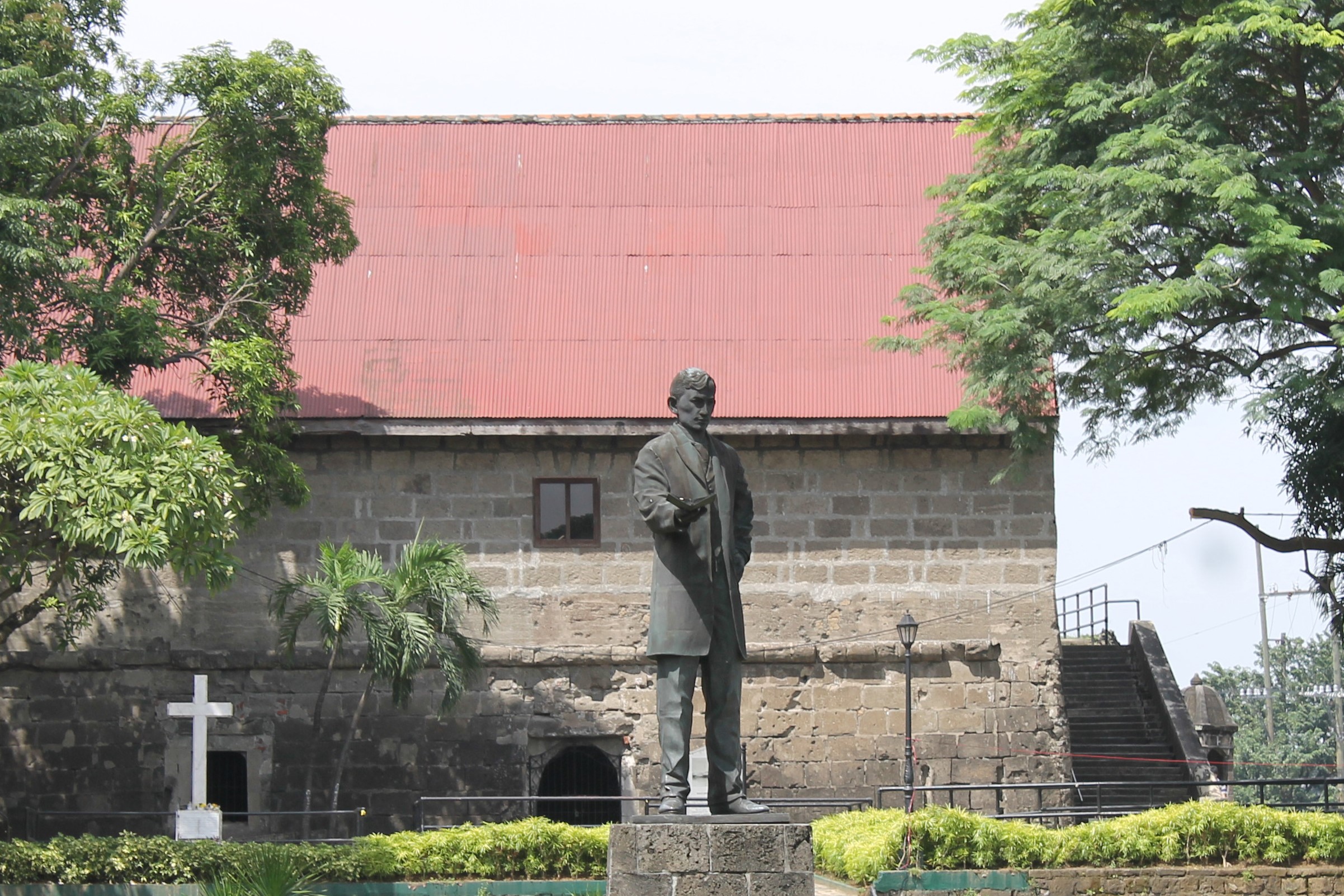
A historic urban park dedicated to the national hero Jose Rizal, offering a peaceful retreat in the heart of the city.
Historical
1-2 hours
Free to PHP 50
Manila Ocean Park
A marine-themed park offering a variety of attractions, including an underwater world, marine exhibits, and interactive experiences.
Entertainment
Half to full day
PHP 500-1,500
Binondo
The world's oldest Chinatown, Binondo is a vibrant district known for its Chinese-Filipino heritage, delicious food, and historic sites.
Cultural
Half to full day
Free to PHP 500
National Museum of Fine Arts
A museum showcasing the finest examples of Filipino art, from the colonial period to contemporary works.
Museum
1-2 hours
PHP 50
Must-Try Local Dishes
Adobo
A savory dish made with chicken or pork marinated in vinegar, soy sauce, garlic, and other spices, then braised until tender.
Main Dish
Can be made vegetarian or vegan by substituting meat with tofu or mushrooms.
Sisig
A sizzling dish made with chopped pork face, ears, and other parts, seasoned with calamansi, chili peppers, and onions.
Appetizer
Contains pork, not suitable for vegetarians or vegans.
Halo-Halo
A popular Filipino dessert made with shaved ice, sweet beans, jellies, fruits, and topped with leche flan, ube halaya, and ice cream.
Dessert
Can be made vegetarian or vegan by omitting dairy-based toppings.
Lechon
A whole roasted pig, crispy on the outside and tender on the inside, often served during special occasions and festivals.
Main Dish
Contains pork, not suitable for vegetarians or vegans.
Popular Activities
Canyoneering at Pagsanjan Falls
Ziplining at Subic Bay
Island hopping in Batangas
Picnicking in Tagaytay
Swimming at Laiya Beach
Dining at Greenbelt Chapel
Exploring Intramuros
Visiting Binondo Chinatown
Best Time to Visit
December to February
This is the coolest and driest time of the year, making it ideal for outdoor activities and sightseeing.
22°C to 32°C
72°F to 90°F
Practical Information
Language
- Official: Filipino (Tagalog), English
- Widely spoken: English, Chinese (Mandarin, Hokkien, Cantonese), Spanish
- English: Widely spoken
Currency
Philippine Peso (PHP)
Time Zone
GMT+8
Electricity
220VV, 60HzHz
Safety Information
Overall Safety Rating: Exercise caution
Manila is generally safe for tourists, but petty crime, such as pickpocketing and scams, can occur, especially in crowded areas and tourist hotspots. Exercise caution and be aware of your surroundings.
Important Precautions:
- • Be cautious of strangers approaching you, especially in crowded areas
- • Keep your valuables secure and out of sight
- • Use reputable tour operators and transportation services
Getting there
By air
- Ninoy Aquino International Airport • 7 km from city center
By train
PNR Manila Station
By bus
Taft Avenue Terminal, Cubao Terminal
Getting around
Public transport
Iconic and affordable, but can be crowded and slow.
Taxis
Available • Apps: Grab
Rentals
Car, Bike, Scooter
Neighborhoods
Intramuros
Binondo
Makati
Malate
Quezon City
Day trips
Corregidor Island
46 km from Manila • Full day
A historic island fortress that played a significant role in World War II, offering a glimpse into the Philippines' wartime past.
Pagsanjan Falls
100 km from Manila • Full day
A stunning waterfall located in the province of Laguna, offering a picturesque and refreshing escape from the city.
Tagaytay
55 km from Manila • Half to full day
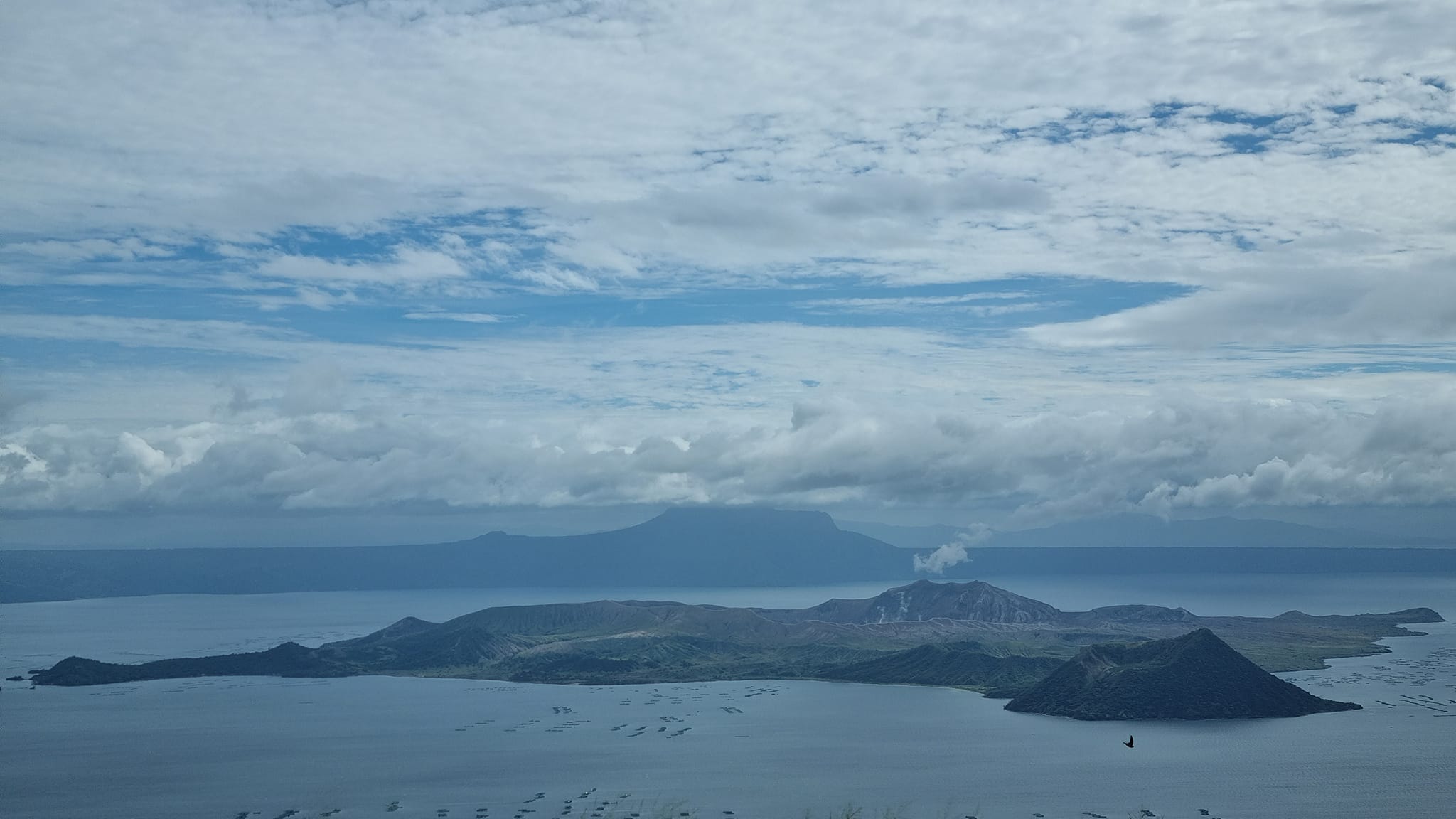
A popular weekend destination known for its cool climate, stunning views of the Taal Volcano, and a variety of dining and accommodation options.
Festivals
Sinulog Festival • Third Sunday of January
Pistahan ng Pulilan • Last Sunday of April
Ligaya sa Kalinga Festival • June 20-25
Pro tips
- Learn a few basic phrases in Tagalog, such as 'kumusta' (hello) and 'salamat' (thank you), to show respect and appreciation for the local culture
- Carry small denominations of PHP for convenience, as some establishments may not have change for large bills
- Use app-based transportation services, such as Grab, for safer and more convenient travel, especially at night
- Be patient and understanding, as the pace of life in the Philippines can be slower than in some Western countries
- Try local delicacies and street food, but be cautious and choose vendors with high turnover and good hygiene practices
From $25
per person
Price varies by option
Secure booking
Free cancellation available
Instant confirmation