Hue Imperial City Walking Tour maximum 12 pax
Active
2h
For a full refund, cancel at least 24 hours before the scheduled departure time.
Manual confirmation
Mobile or paper ticket accepted
About this experience
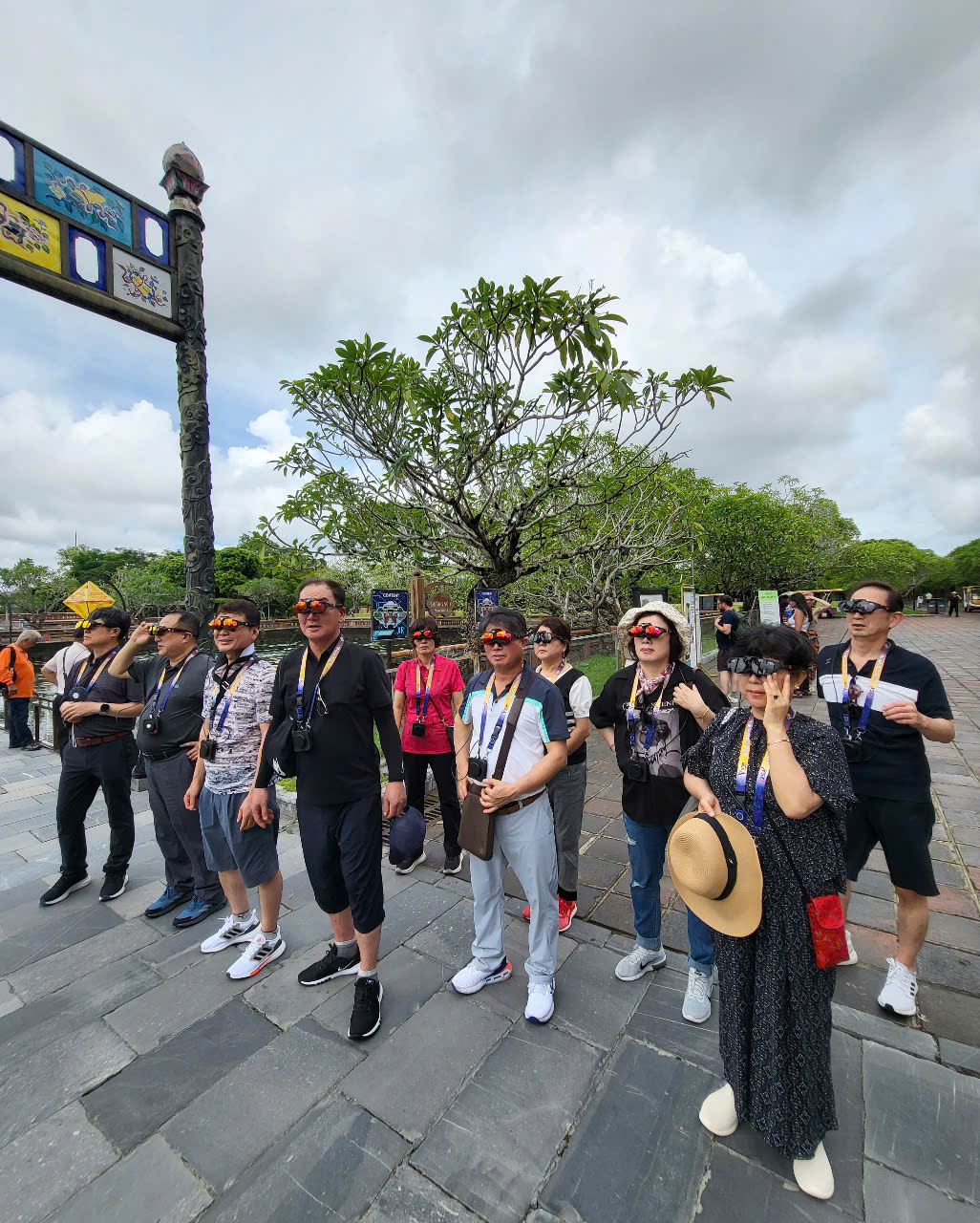
This immersive experience is designed for small groups, accommodating a maximum of 12 participants. You will enjoy a 2.5-hour guided walking tour through the historic sites of the Imperial Citadel and the Forbidden City. During this tour, our local guide will provide valuable insights into Hue's rich history and the intricate nuances of the Vietnamese royal culture.
Available options
Hue Imperial City Walking Tour maximum 12 pax
What's included
English speaking guide
Detailed itinerary
1
The Cửu Vị Thần Công (Nine Dynastic Cannons) were cast during the reign of Emperor Gia Long in 1803, completed in 1804. These bronze cannons are not only of significant historical importance but are also a peak in Vietnamese bronze-casting art. Their intricate carvings and high-quality casting highlight the artistic value of the 19th century in Vietnam.
2
Stop 2
Flag tower Hue (Kỳ Đài ) is a historical site where major events during the Nguyen Dynasty took place, including ceremonies for festivals, celebrations, and public announcements. This site is integral to understanding the imperial life of Hue and the Nguyen Dynasty’s customs.
3
Stop 3
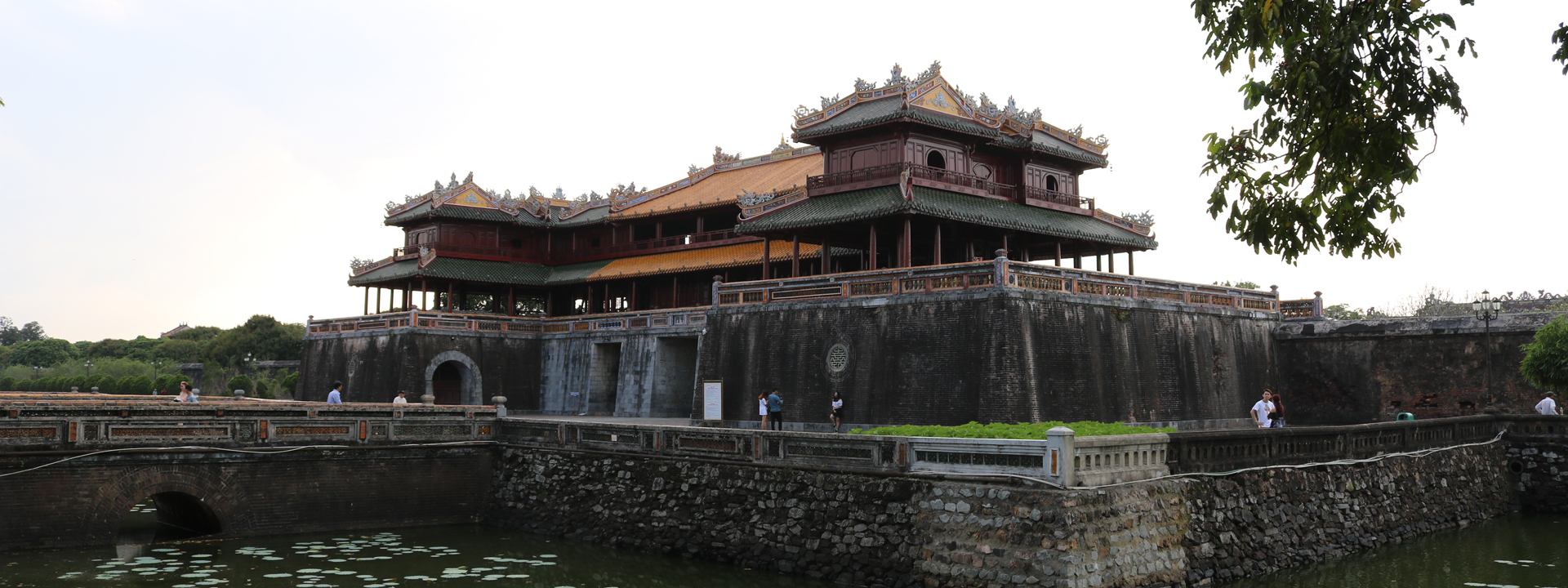
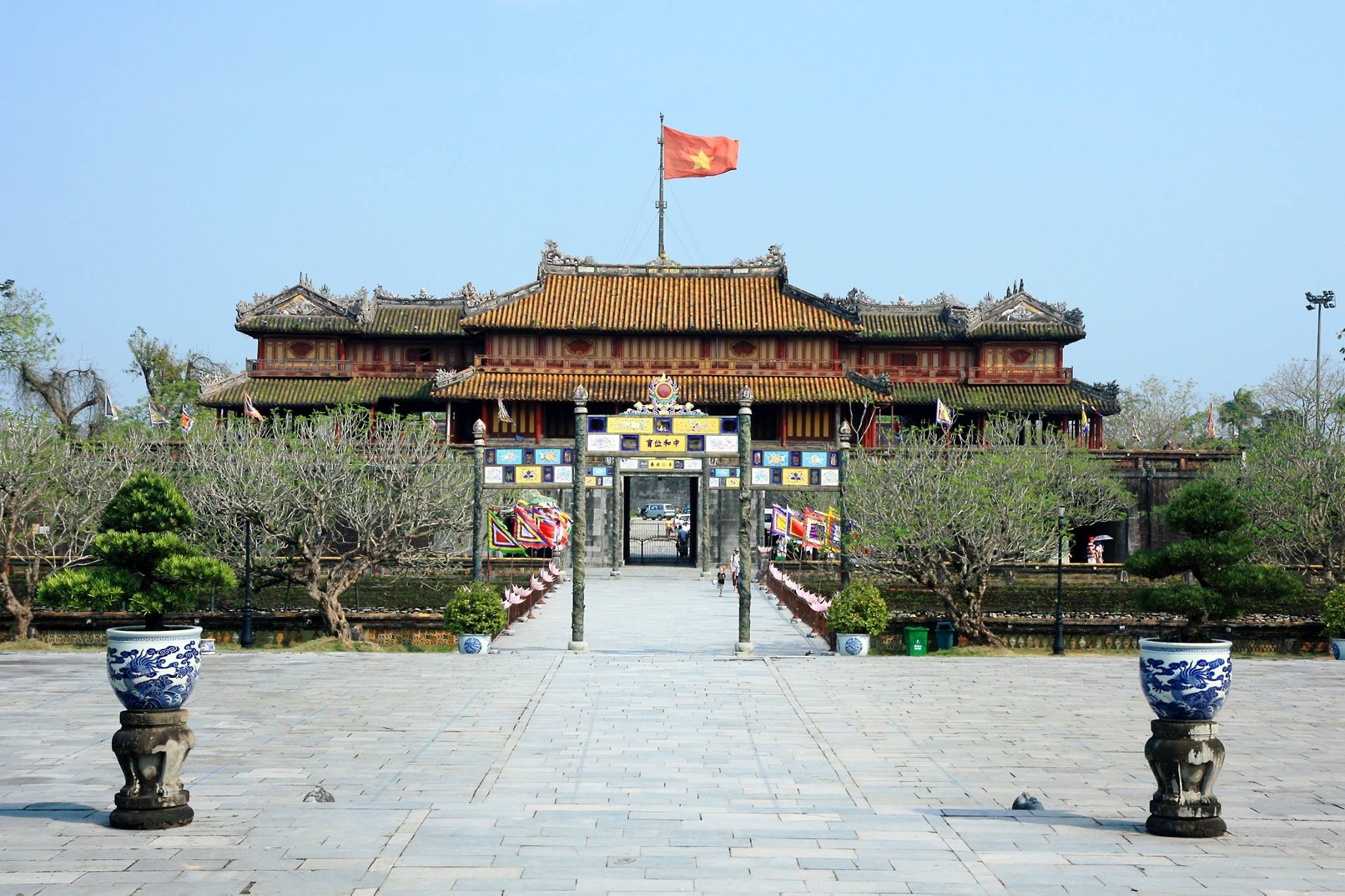
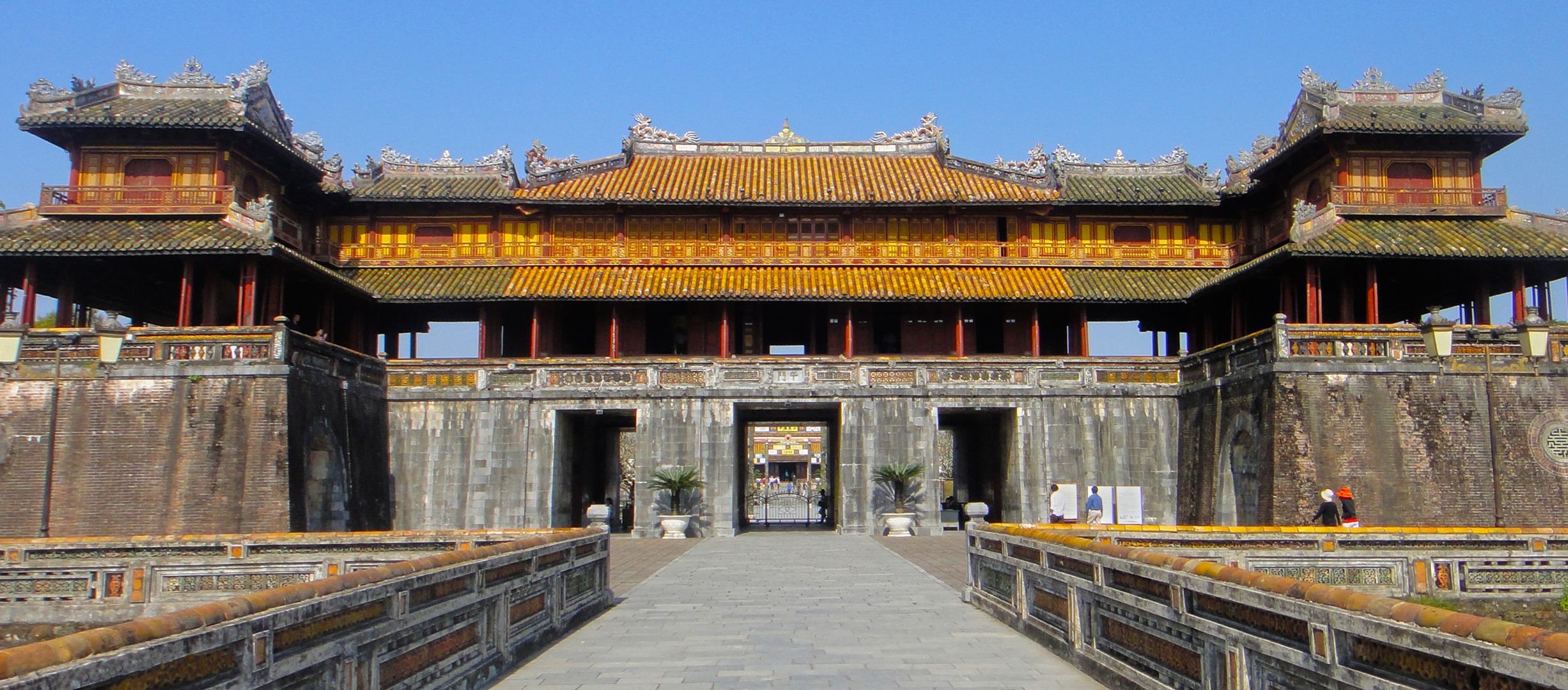
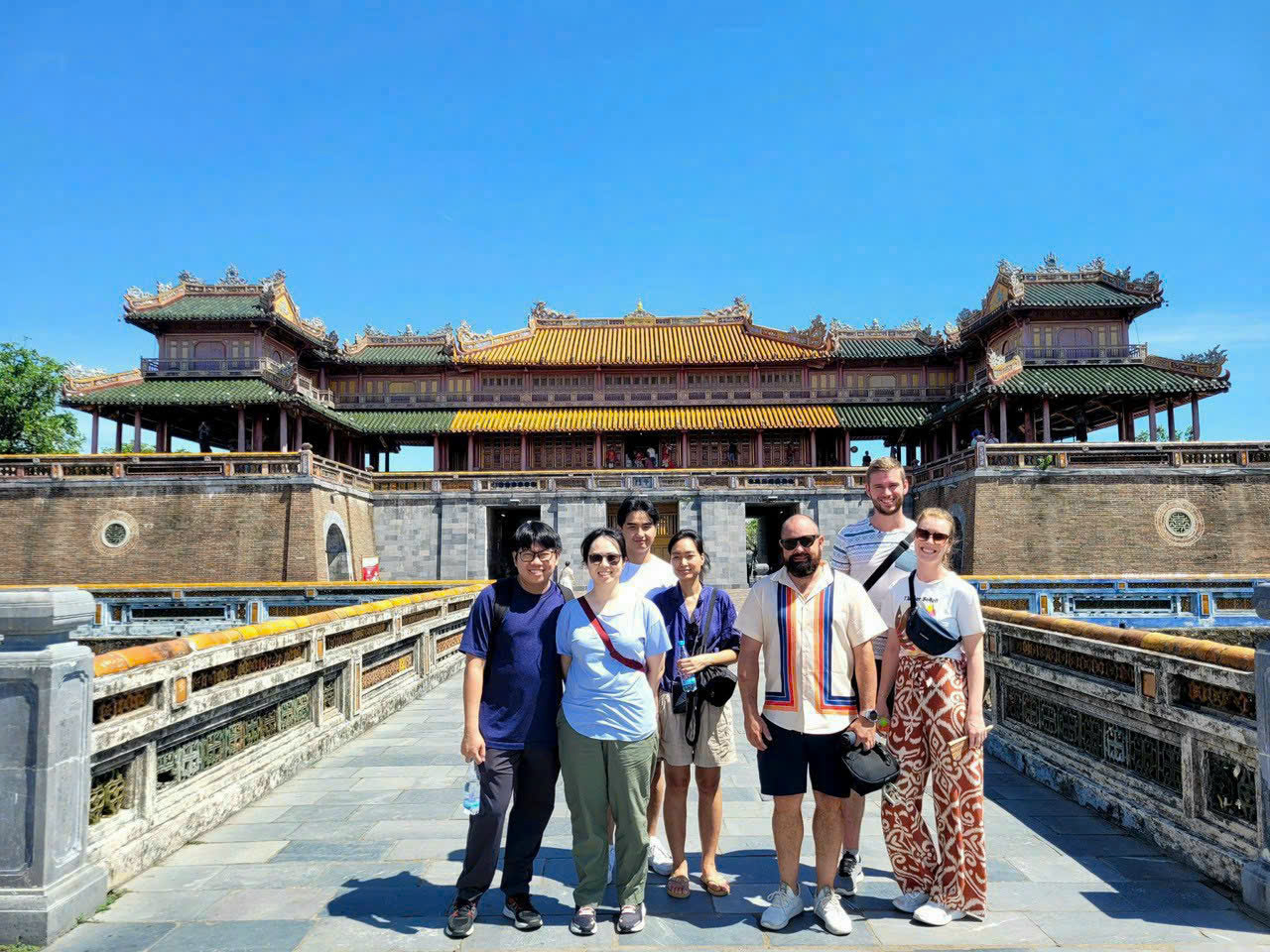
As the main gate of the Imperial City, the Ngo Mon Gate was exclusively for the emperor and royal entourage. Its unique architecture has withstood the test of time and war, making it a symbol of Hue’s imperial past.
4
Stop 4
The Thai Hoa Palace, also known as the Palace of Supreme Harmony, is the most important palace within the Imperial City. It served as the venue for significant imperial ceremonies and was the location for the emperor’s throne. This palace is a key symbol of the Nguyen Dynasty’s royal authority.
5
Stop 5
Constructed between 1835 and 1837 under the reign of Emperor Minh Mang, the Nine Dynastic Urns are monumental bronze structures. Each urn stands at 2.3 meters tall and weighs between 1.9 to 2.6 tons. These urns, decorated with intricate images, reflect the cosmic worldview and human beliefs of the era.
6
Built in 1804, Thế Miếu was a place of worship for the Nguyen emperors and their queens. It also honors the great officials who contributed to the Nguyen Lords’ reign, making it an essential site for understanding the royal history of Vietnam
7
Stop 7
The Purple Forbidden City represents the highest level of authority within the Imperial City, reserved exclusively for the emperor and his royal family. As the third level of the Imperial City, it was a place where only the emperor and his entourage could enter, symbolizing the royal authority.
8
Kien Trung Palace, built in 1923 during Emperor Khai Dinh’s reign, was the residence of the last two emperors of the Nguyen Dynasty, Khai Dinh and Bao Dai. This palace is a symbol of the last chapter of the Nguyen Dynasty’s imperial rule.
9
Truong Lang (Long Corridor):
The Truong Lang, a system of long corridors within the Forbidden Purple City, facilitated communication and movement within the palace. It illustrates the spatial division and the organizational structure of the Imperial City.
10
The Hall of Peace (Thai Binh Lau)
Thai Binh Palace is a tranquil retreat for the emperor to rest, reflect, and compose poetry. This hall reflects the emperor’s need for a peaceful space for personal reflection amidst the grandeur of imperial life.
11
The Royal Theatre was one of four built during the Nguyen Dynasty for cultural performances. It provided a space for artistic expression and enriched the spiritual life of the imperial court.
12
Hien Nhon Gate
Located at the eastern side of the Imperial City, Hien Nhon Gate was built in 1805 and later renovated under the reigns of Emperors Minh Mang and Khai Dinh. Considered the most beautiful of the 13 gates of the Imperial City, it is renowned for its exquisite carvings and decorations.
What's not included
All Fees and Taxes
The transportation to and from the tour meeting point is not included. Our guide will meet you at the four cannons located at Ngan Gate (Cửa Ngăn ) to join the tour
Bottled water
Available languages
Guide guide
EN
Reviews breakdown
Tripadvisor
5.0
29 reviews
5★
29
4★
0
3★
0
2★
0
1★
0
Important information
Service animals allowed
Public transportation options are available nearby
Not recommended for travelers with poor cardiovascular health
Suitable for all physical fitness levels
Meeting point
The designated meeting spot: Please be aware that transportation to and from the tour meeting point is not included in the package. Our knowledgeable guide will meet you at the four cannons located at Ngan Gate (Cửa Ngăn).
About Hue
Hue, the former imperial capital of Vietnam, is renowned for its historic monuments, royal tombs, and beautiful architecture. This UNESCO World Heritage site offers a unique glimpse into Vietnam's imperial past with its well-preserved citadel, palaces, and temples.
Top Attractions
Imperial City
The Imperial City is a walled fortress and palace in the former capital of Vietnam. It was the seat of Nguyen Dynasty emperors and is a UNESCO World Heritage site.
Historical
2-3 hours
Moderate (around 150,000 VND for entrance)
Thien Mu Pagoda
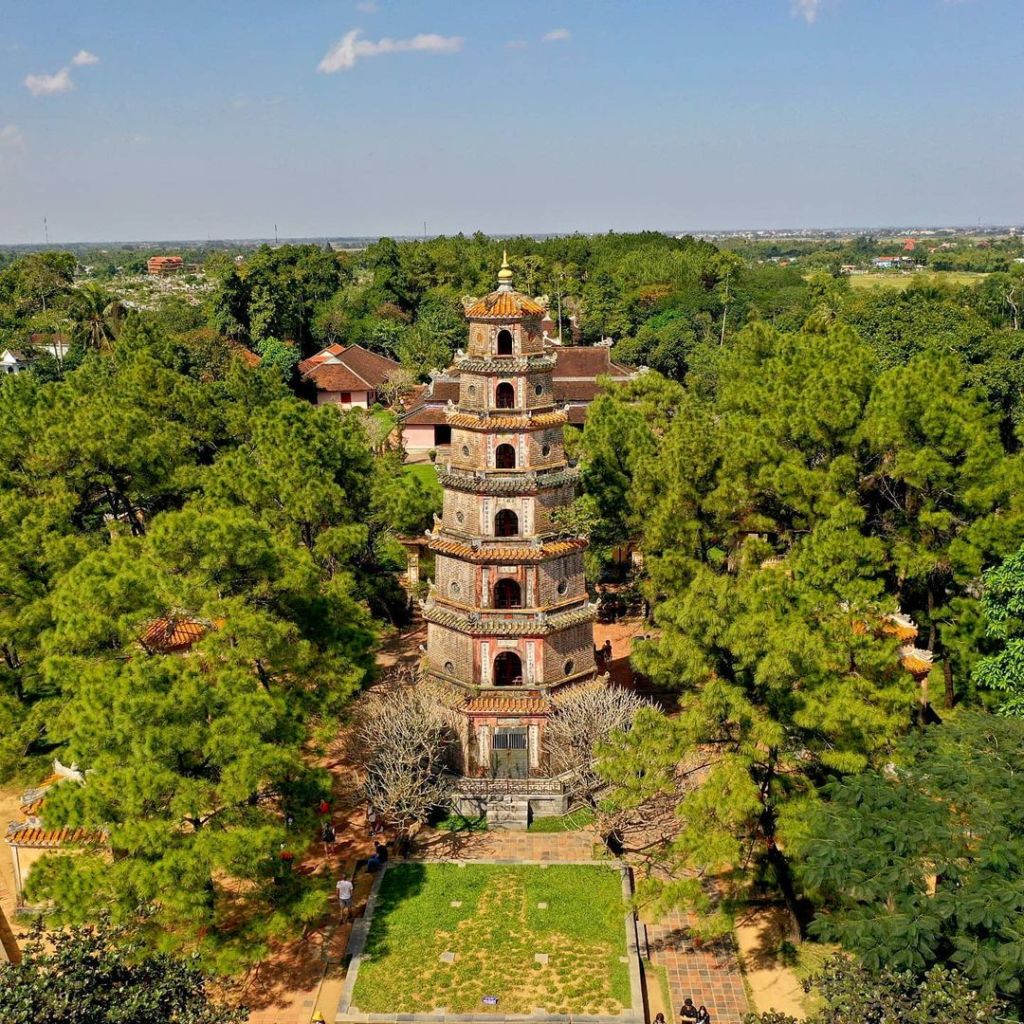
Thien Mu Pagoda is an iconic Buddhist pagoda overlooking the Perfume River. It is one of the most beautiful and historic pagodas in Vietnam.
Religious
1-2 hours
Free (donations welcome)
Tomb of Khai Dinh
The Tomb of Khai Dinh is the final resting place of Emperor Khai Dinh, the twelfth emperor of the Nguyen Dynasty. It is known for its unique blend of Vietnamese and European architecture.
Historical
1-2 hours
Moderate (around 100,000 VND for entrance)
Dong Ba Market
Dong Ba Market is the largest and oldest market in Hue, offering a wide variety of local products, including food, textiles, and souvenirs.
Market
1-2 hours
Free to enter, prices vary for items
Perfume River
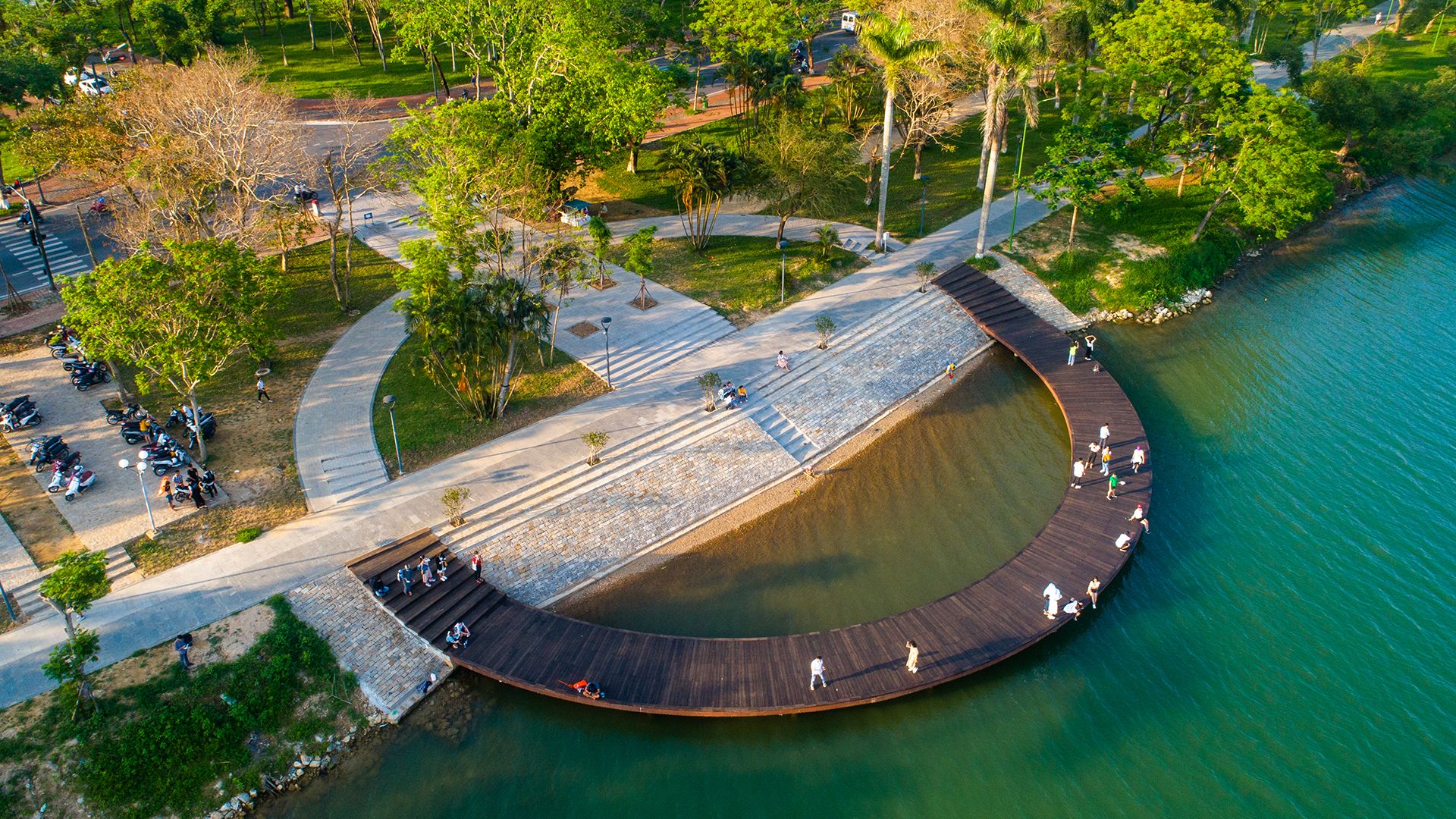
The Perfume River is a scenic river that flows through Hue, known for its beautiful views and cultural significance. It is a popular spot for boat tours and leisurely walks along the riverbank.
Nature
Varies by activity
Low to moderate (boat tours around 100,000 VND)
Must-Try Local Dishes
Bun Bo Hue
A spicy beef noodle soup with a rich, flavorful broth made from pork, beef, and lemongrass. It is typically served with rice vermicelli, slices of beef, and pork, and various herbs and vegetables.
Lunch/Dinner
Contains beef and pork, not suitable for vegetarians or vegans.
Banh Khoai
A crispy, savory pancake made from rice flour, turmeric, and water. It is filled with shrimp, pork, and bean sprouts, and served with a tangy dipping sauce.
Snack/Dinner
Contains shrimp and pork, not suitable for vegetarians or vegans.
Nem Lui
Grilled minced pork skewers wrapped in fresh herbs and served with a peanut hoisin sauce. The pork is marinated in a mixture of fish sauce, garlic, and lemongrass before being grilled.
Snack/Appetizer
Contains pork, not suitable for vegetarians or vegans.
Banh Beo
Steamed rice cakes topped with shrimp, scallions, and crispy pork rinds. They are served in small dishes and eaten with a small spoon, accompanied by a fish sauce-based dipping sauce.
Snack/Appetizer
Contains shrimp and pork, not suitable for vegetarians or vegans.
Popular Activities
Hiking in Bach Ma National Park
Boat tours on the Perfume River
Water activities at Lang Co Beach
Sunbathing and swimming at Lang Co Beach
Visiting spas and wellness centers in Hue
Exploring the Imperial City and its historical sites
Visiting local markets and shopping streets
Attending traditional performances and festivals
Best Time to Visit
February to August
The best time to visit Hue is during the dry season when the weather is warm and sunny, making it ideal for outdoor activities and sightseeing.
20°C to 33°C
68°F to 91°F
Practical Information
Language
- Official: Vietnamese
- Widely spoken: English (limited)
- English: Limited
Currency
Vietnamese Dong (VND)
Time Zone
GMT+7
Electricity
220VV, 50HzHz
Safety Information
Overall Safety Rating: Generally safe
Hue is generally a safe destination for travelers, with low crime rates and a welcoming atmosphere. However, it is important to take standard precautions to protect yourself and your belongings, such as being aware of your surroundings, avoiding isolated areas, and keeping valuables secure.
Important Precautions:
- • Be aware of your surroundings and keep valuables secure
- • Use reputable taxi companies or app-based services, such as Grab or Mai Linh
- • Bargain for better prices and be cautious when using ATMs or making purchases with credit cards
Getting there
By air
- Phu Bai International Airport • 15 km from city center
By train
Hue Railway Station
By bus
Hue Bus Station
Getting around
Public transport
Buses are affordable and convenient for getting around Hue. The system includes routes to major tourist sites like the Imperial City and Thien Mu Pagoda.
Taxis
Available • Apps: Grab, Mai Linh
Rentals
Car, Bike, Scooter
Neighborhoods
City Center
Hue University Area
An Cuu Island
Day trips
Tam Giang Lagoon
15 km from Hue • Half day to full day
Tam Giang Lagoon is a scenic and tranquil destination located just a short drive from Hue. It is the largest lagoon in Southeast Asia, offering beautiful views, peaceful boat rides, and a variety of water activities.
Vinh Moc Tunnels
25 km from Hue • Half day
The Vinh Moc Tunnels are a network of underground tunnels located near the Demilitarized Zone (DMZ) in central Vietnam. They were used by local residents during the Vietnam War to escape the bombing and shelling by American forces.
Bach Ma National Park
40 km from Hue • Full day
Bach Ma National Park is a stunning and biodiverse destination located just a short drive from Hue. It is home to a variety of wildlife, including rare and endangered species, as well as beautiful waterfalls, lakes, and hiking trails.
Festivals
Hue Festival • Biennial, typically held in April or May
Hue Traditional Boat Racing Festival • Annually, typically held in May or June
Hue Poetry Festival • Annually, typically held in August
Pro tips
- Visit the Imperial City early in the morning to avoid crowds and the heat
- Try the local street food, such as bun bo Hue and banh khoai, for an authentic and delicious culinary experience
- Take a boat tour on the Perfume River for a unique and scenic perspective of the city
- Hire a local guide or join a tour to learn more about the history and culture of Hue and the Nguyen Dynasty
- Explore the local markets, such as Dong Ba Market, for a glimpse into the daily life and culture of the city
From $25
per person
Price varies by option
Secure booking
Free cancellation available


![[SALE] Hue City Day Tour from Da Nang with Vietnamese-Speaking Tour Guide](https://res.klook.com/image/upload/activities/xmqkrttfsqnj2zikmiil.jpg)