


Xi'an Terracotta Warriors Tour with Transfer: Led by Expert Guide
Active
2h - 6h
All sales are final. No refund is available for cancellations.
Instant confirmation
Mobile or paper ticket accepted
About this experience
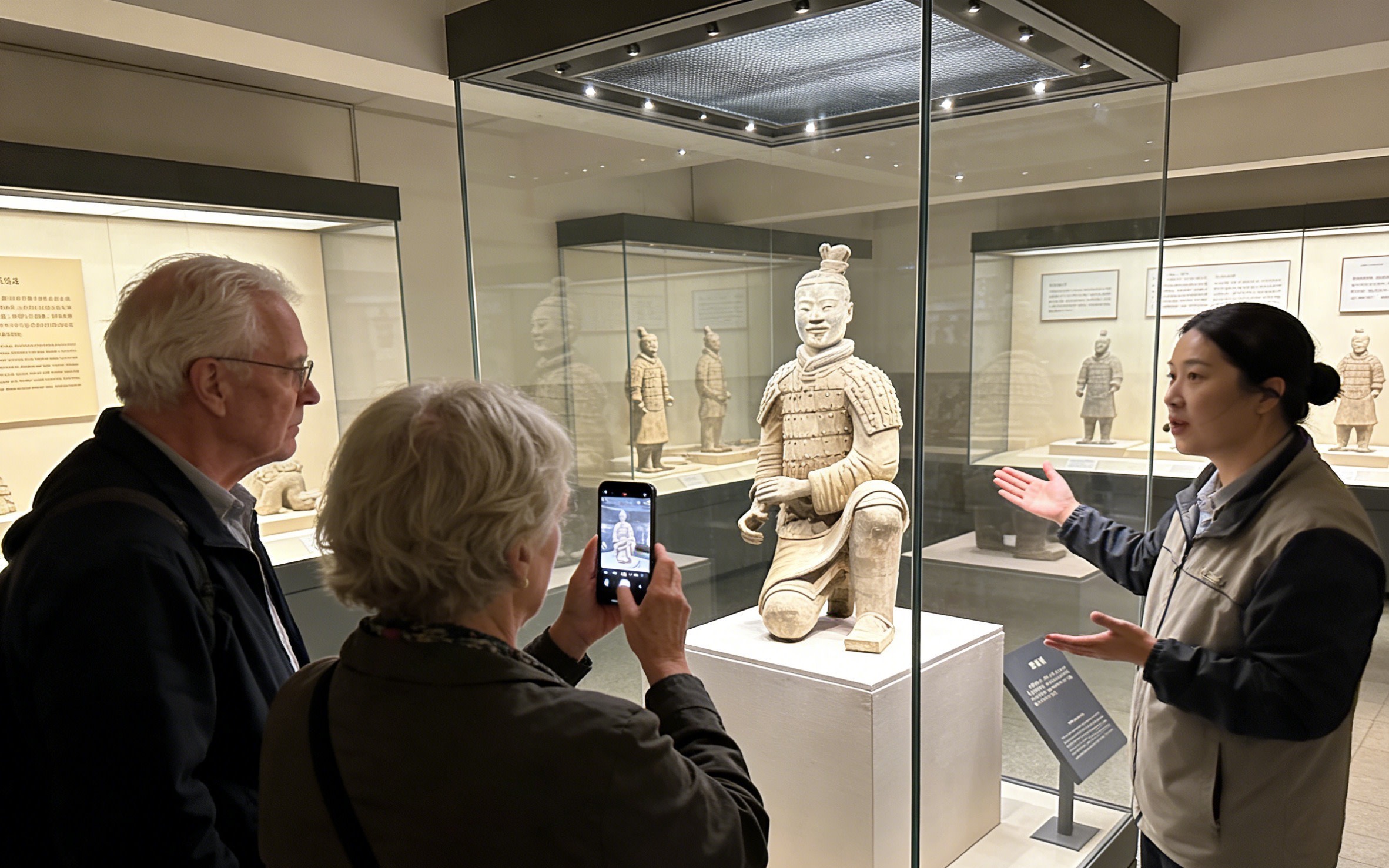
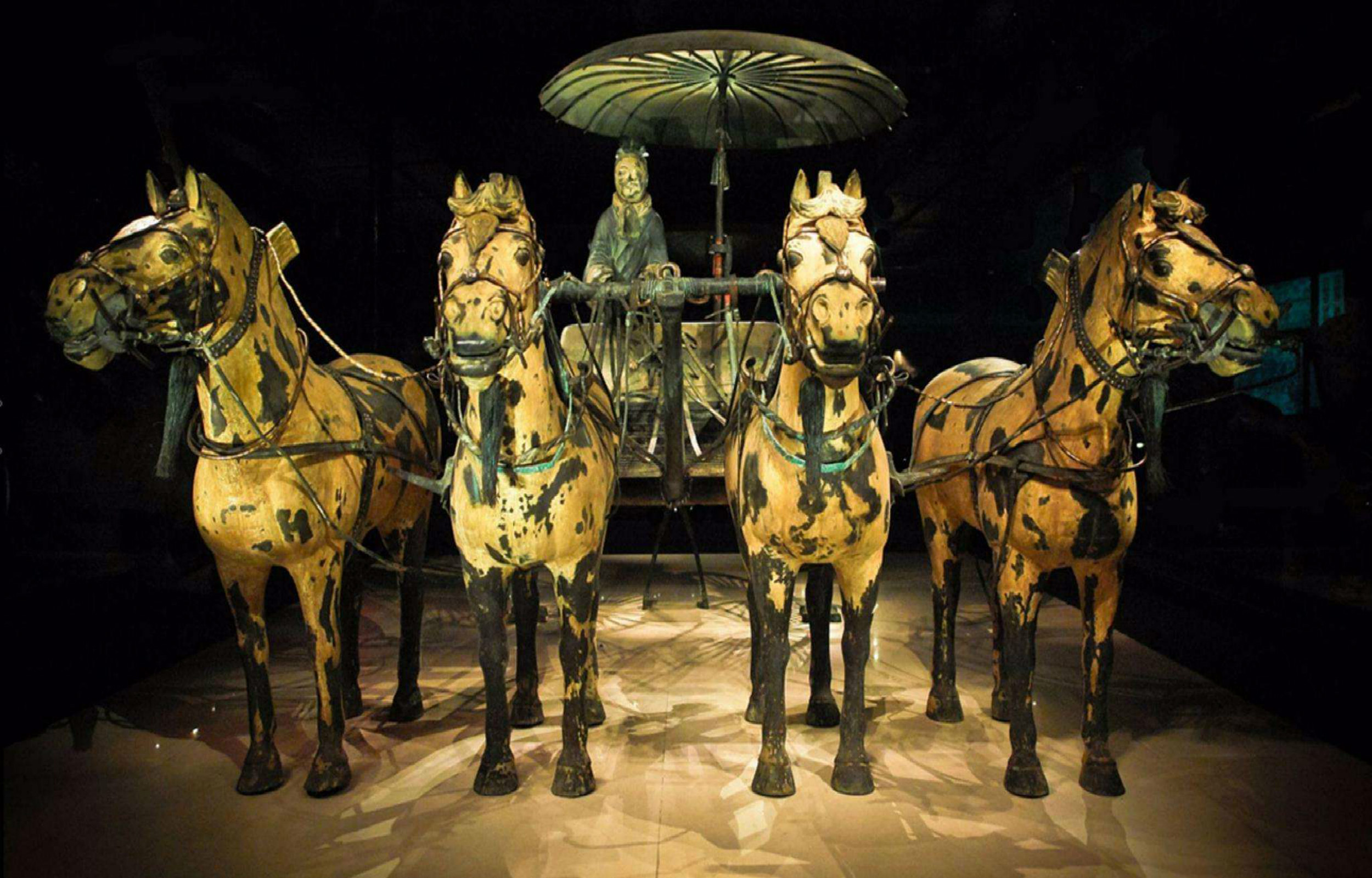
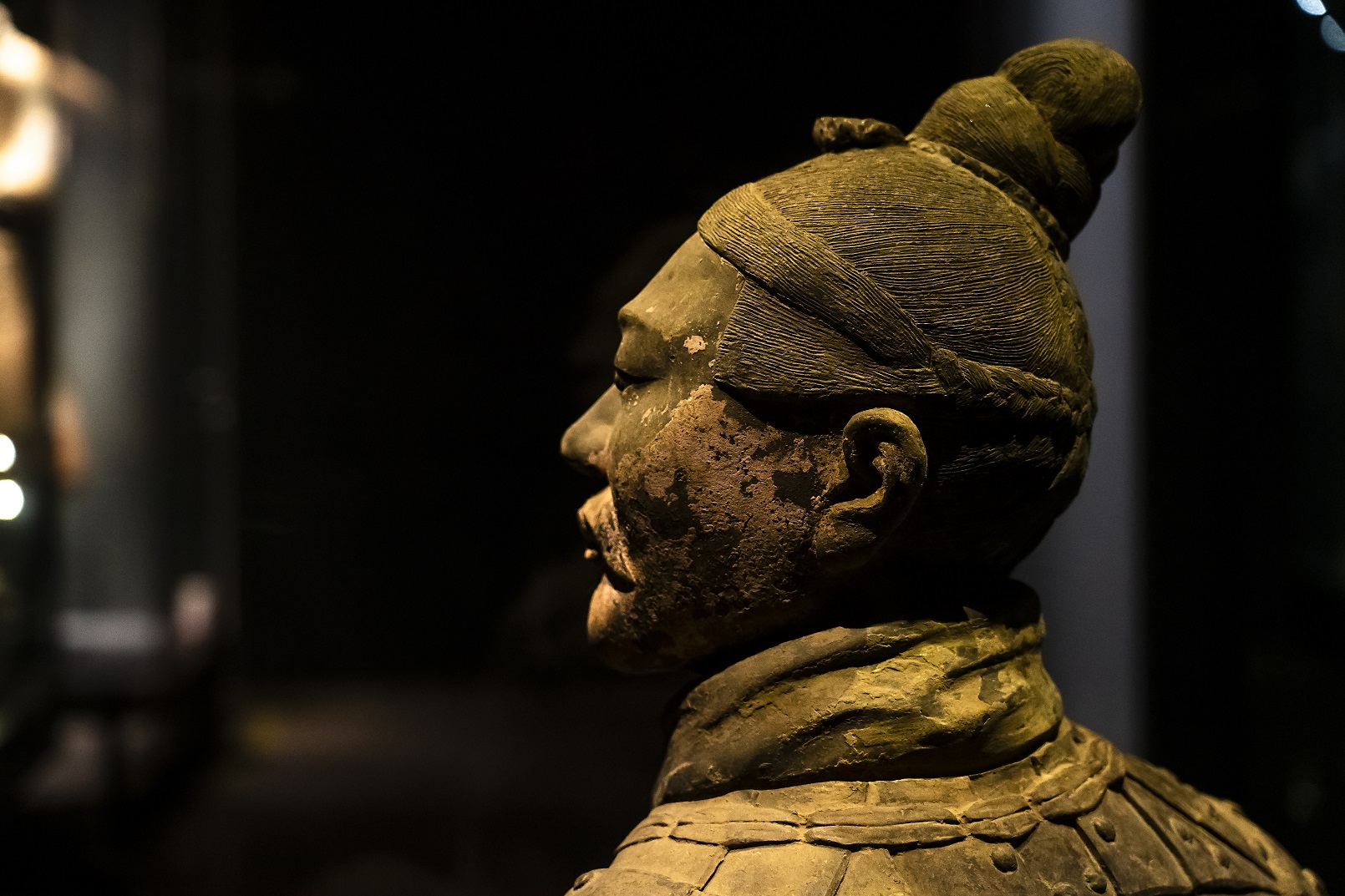
To truly appreciate the Terracotta Army—this UNESCO World Heritage Site and "Eighth Wonder of the World"—a mere glance at its 8,000 unique life-sized warriors and exquisite bronze chariots isn’t enough. We offer four exclusive one-day tour packages (2-6 hours, with round-trip transfers in select options) led by our two expert guides: Henry, a 20-year international tour veteran and "China’s Most Outstanding Guide" featured on CCTV, and Lingling, a bilingual museum expert, national competition silver medalist, and VIP host. They’ll unlock hidden stories of Emperor Qin Shi Huang’s underground army across Pits 1-3 and even Lishan Garden (in premium packages), giving you a tailored, in-depth understanding of this world wonder.
Available options
6 Hour Tour +. Transfer
6 Hour Tour +. Transfer : Enjoy round trip private downtow hotel transfers. Meet guide for an in-depth tour of both the Terracotta Army&Lishan Garden<br/>Pickup included
2 Hours-Meet at the entrance
2 Hours-Meet at the entrance: Meet Lingling or Henry at the Terracotta Army Scenic Area entrance. Enjoy expert-level commentary, visit Pits 1-3<br/>Pickup included
4 Hour Tour+Lishan Garden
4 Hour Tour+Lishan Garden: Meet Lingling and Henry at main entrance. Dive deep into Terracotta history across Pits 1-3, then extend to Lishan Garden<br/>Pickup included
4 Hour Tour+Transfer
4 Hour Tour+Transfer : Enjoy private transfers from your Xi’an city hotel (extra fee for airport/train station pickups). Guide meet at museum.<br/>Pickup included
What's included
Private Tour
English speaking guide either Henry or Lingling
Entrance fee
Transport by private vehicle if you choose the related option
Detailed itinerary
1
With our expert guides Lingling&Henry, we offer 4 exclusive packages for an in-depth experience, summarized as follows:
Basic Package (2 Hours): Meet at the Terracotta Army main entrance. Enjoy expert-level commentary, visit Pits 1-3, discover little-known stories behind the artifacts.
Comfort Package (4 Hours, incl. round-trip transfer time): Get private transfers from your Xi’an city hotel (extra fee for airport/train station pickups). Lingling or Henry will wait at the main entrance to provide in-depth expert commentary.
In-depth Exploration Package (4 Hours): Meet at the main entrance. Dive into Terracotta history at Pits 1-3, then extend to Lishan Garden (Emperor Qin Shi Huang’s Mausoleum) to learn about Qin Dynasty royal burial rituals.
Premium Worry-Free Package (6 Hours, incl. round-trip transfer time): Enjoy private hotel transfers to the scenic area. Meet Lingling or Henry for an in-depth tour of both the Terracotta Army and Lishan Garden for a hassle-free experience.
2
Stop 2
1. What You’ll See in Pits 1-3
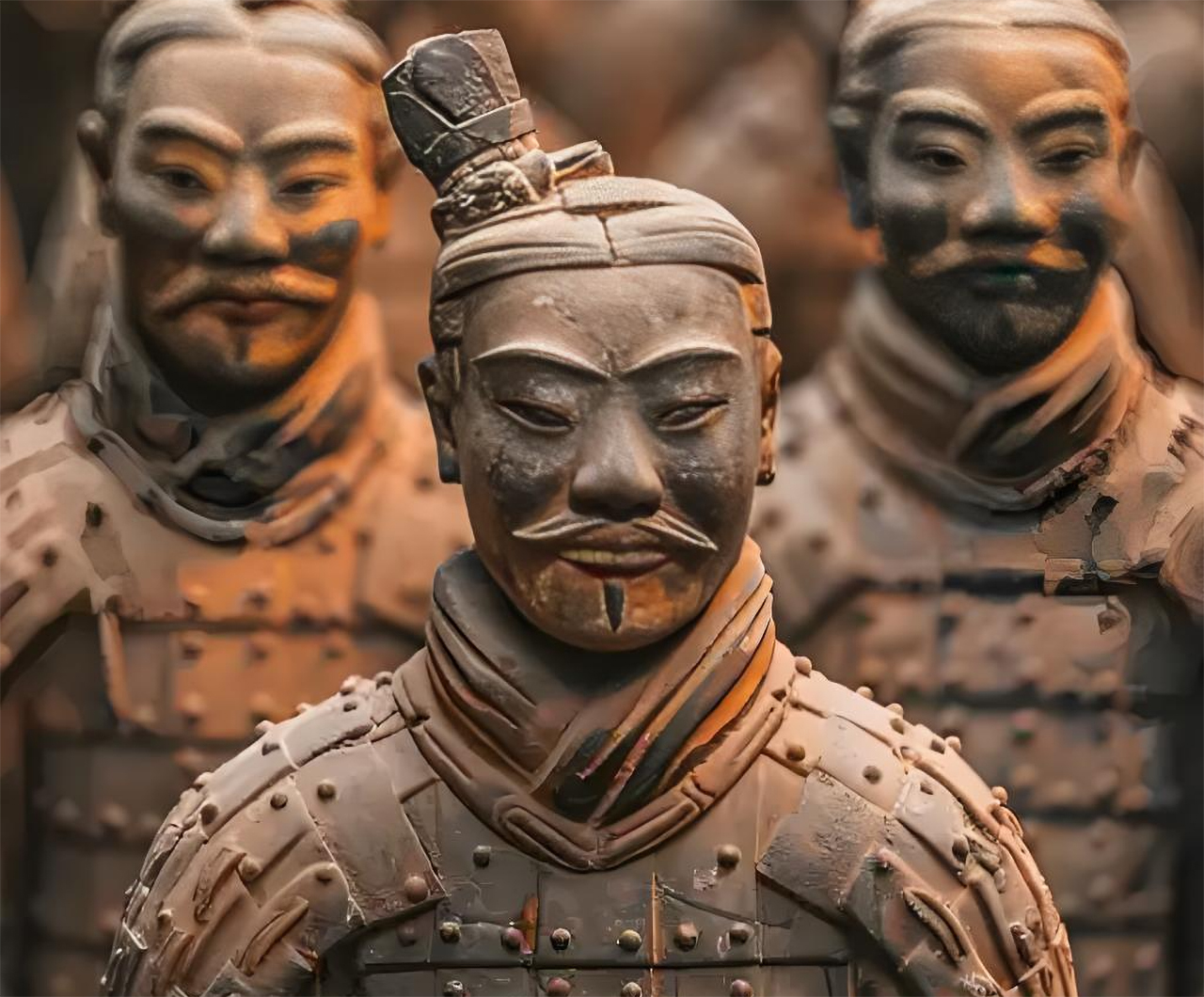
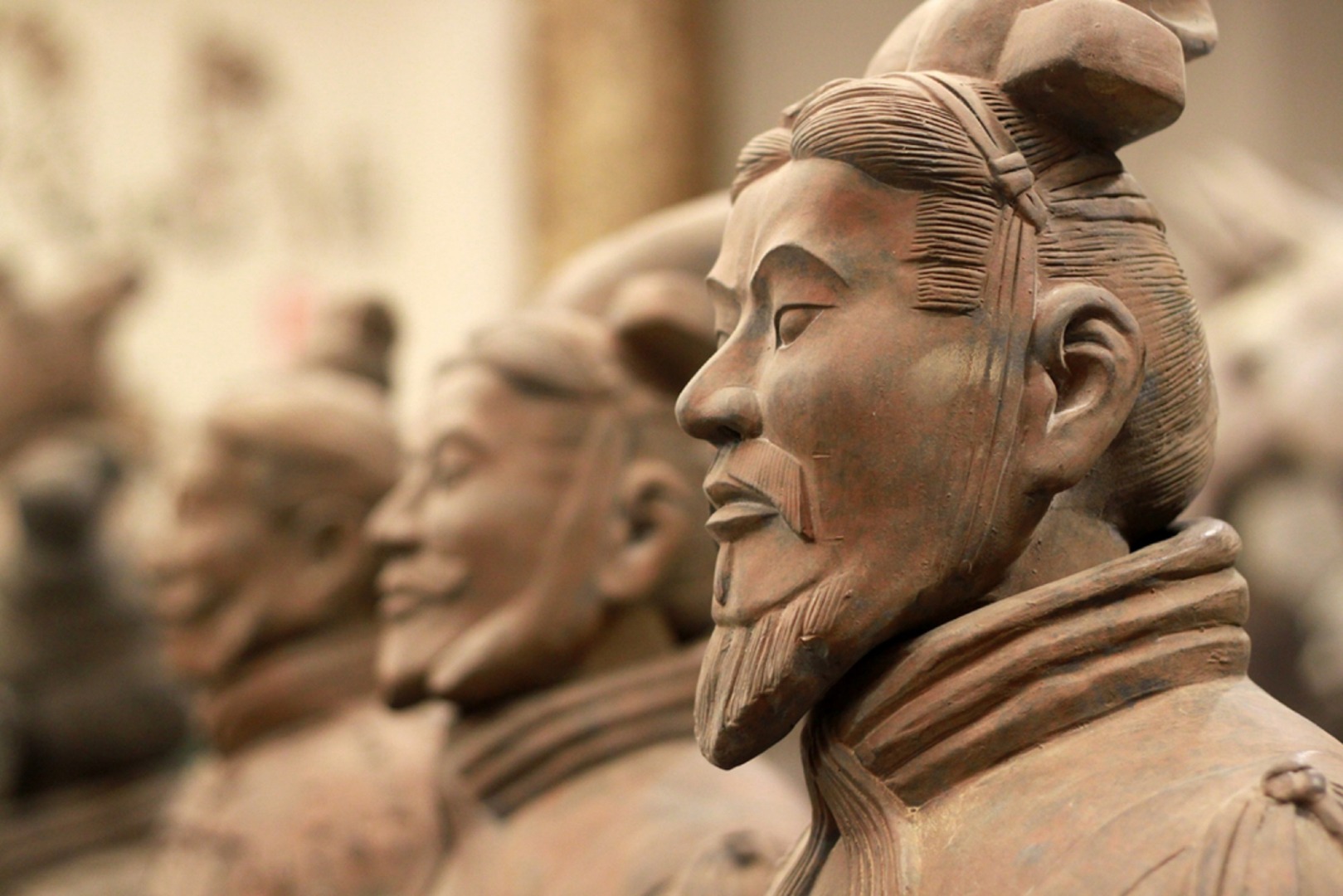
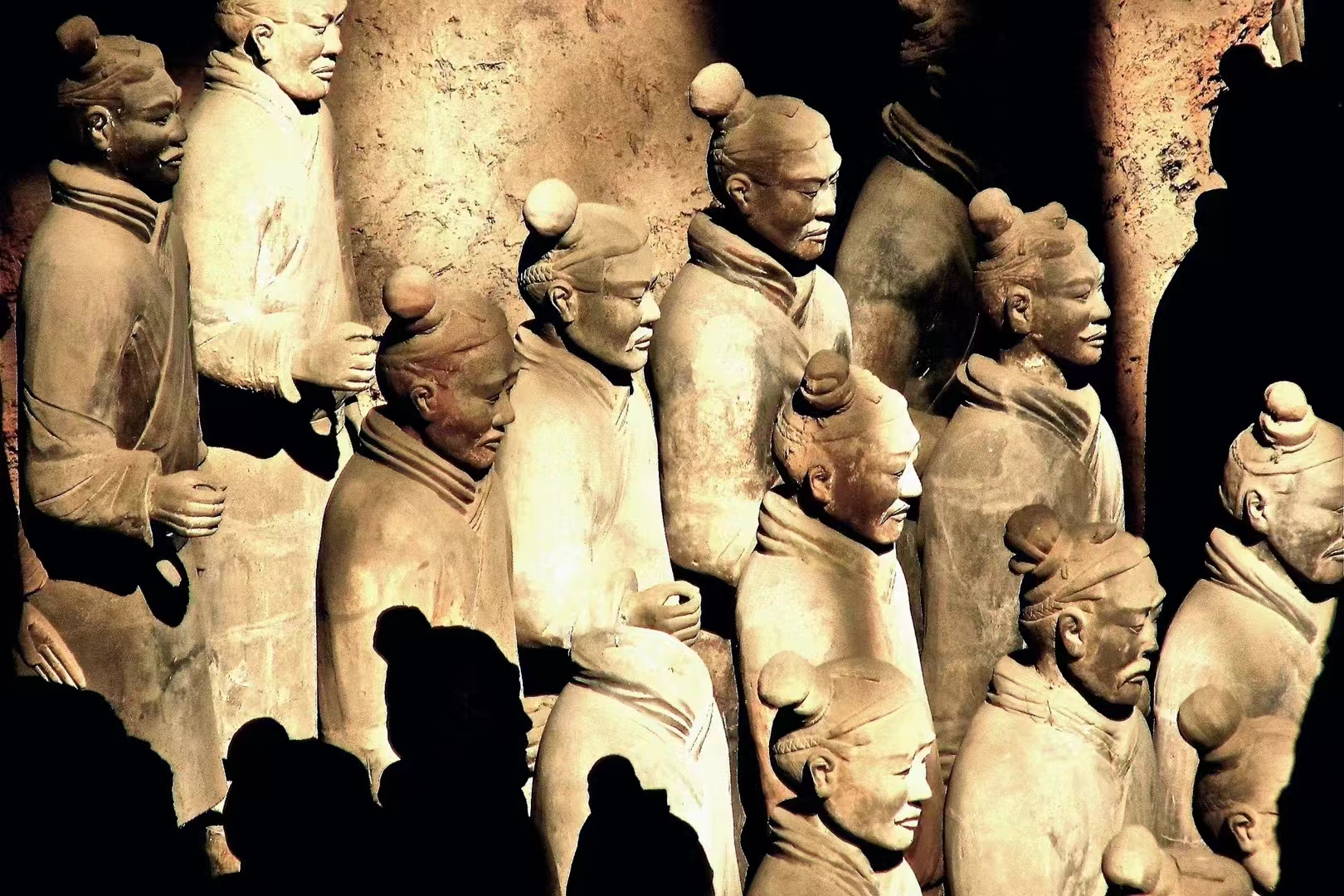
Pit 1: The largest and most iconic pit, housing over 6,000 life-sized terracotta warriors (infantry, cavalry, charioteers) arranged in battle formations. Guides will explain the warriors’ unique facial features, armor details, and the military strategy reflected in their layout, plus little-known facts about their excavation and preservation.
Pit 2: A smaller but diverse pit with mixed military units (archers, chariots, cavalry) and rare colored terracotta fragments. Guides will focus on the technical craftsmanship of the warriors, the significance of the color remnants, and how this pit complements Pit 1 in showing the Qin army’s structure.
Pit 3: Believed to be the "command center" of the underground army, with fewer warriors but more high-ranking figures and a unique U-shaped layout. Guides will discuss its role as a command post, the differences between high-ranking and ordinary warriors’ attire, and why it was likely unfinished when abandoned.
3
2. What You’ll See in Lishan Garden (for 4-6 Hour Packages) & the Guide’s Commentary
Lishan Garden is home to Emperor Qin Shi Huang’s Mausoleum (the core of the Terracotta complex, though the mausoleum itself remains unexcavated).
What to see: The mausoleum’s above-ground tomb mound, the Museum of Qin Mausoleum (exhibiting cultural relics from the mausoleum area, such as bronze ritual vessels and pottery), and the site’s landscape that mirrors ancient Chinese "feng shui" principles.
What guides will cover: Qin Dynasty royal burial rituals (e.g., how the mausoleum’s design symbolized the emperor’s imperial power), the ingenious architecture of the mausoleum (e.g., 传说中的 "mercury rivers" and anti-theft measures), and the direct connection between the Terracotta Army and the mausoleum (the army’s role as the emperor’s "underground guard"). They may also share stories about the mausoleum’s discovery and why it has not been excavated yet (due to preservation challenges).
What's not included
Gratuities
Transfer if you choose to meet guide on the spot
Available languages
Guide guide
EN
Reviews breakdown
Tripadvisor
5.0
1 reviews
5★
1
4★
0
3★
0
2★
0
1★
0
Important information
Infants and small children can ride in a pram or stroller
Infants are required to sit on an adult’s lap
Not recommended for travelers with poor cardiovascular health
Suitable for all physical fitness levels
Meeting point
Guide will meet you at the main entrance of the Terracotta Warriors and Horses Museum
About Xian
Xian is one of the oldest cities in China, serving as the capital for 13 dynasties, including the famous Tang Dynasty. It is renowned for its rich history, ancient architecture, and as the starting point of the Silk Road. The city offers a unique blend of ancient and modern attractions, making it a must-visit destination for history enthusiasts and cultural explorers.
Top Attractions
Terracotta Army
Discovered in 1974, the Terracotta Army is a collection of terracotta sculptures depicting the armies of Qin Shi Huang, the first Emperor of China. It is one of the most significant archaeological discoveries of the 20th century.
Historical
2-3 hours
150 RMB (including museum)
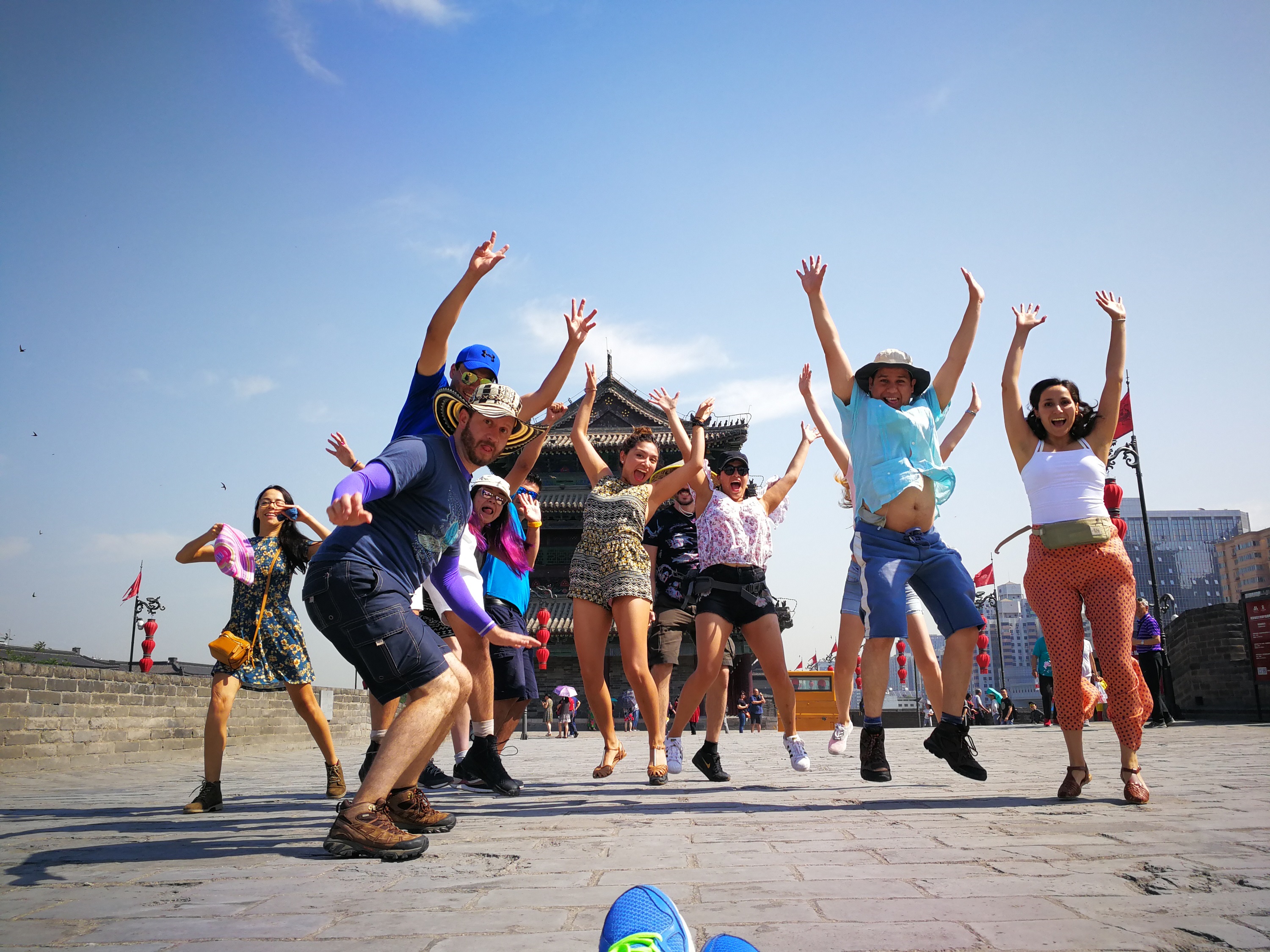
Ancient City Wall
The Ancient City Wall is one of the oldest and best-preserved city walls in China. It encircles the old city and offers a unique perspective of Xian's history and urban landscape.
Historical
1-2 hours
54 RMB (including bike rental)
Muslim Quarter
The Muslim Quarter is a bustling area known for its vibrant street food scene, historic mosques, and unique Islamic architecture. It offers a glimpse into the multicultural history of Xian.
Cultural
1-2 hours
Free (food and shopping costs extra)
Big Wild Goose Pagoda
The Big Wild Goose Pagoda is a famous Buddhist pagoda and a symbol of Xian. It was built in the Tang Dynasty and is a UNESCO World Heritage Site. The surrounding area is a popular spot for both locals and tourists.
Historical
1-2 hours
50 RMB (including museum)
Shaanxi History Museum
The Shaanxi History Museum is one of the most important museums in China, showcasing the rich history and culture of the Shaanxi region. It houses a vast collection of artifacts spanning thousands of years.
Museum
1-2 hours
Free (but requires a reservation)
Must-Try Local Dishes
Roujiamo
Also known as the Chinese burger, it consists of braised pork belly stuffed in a crispy flatbread.
Snack
Contains pork
Liangpi
Cold noodles made from wheat or rice flour, served with a spicy sauce and various toppings.
Dish
Vegetarian options available
Yangrou Paomo
Lamb soup with bread pieces, a staple dish in Xian.
Dish
Contains lamb
Biangbiang Noodles
Wide, hand-pulled noodles with a thick, chewy texture, often served with a spicy sauce.
Dish
Vegetarian options available
Popular Activities
Hiking in Lishan Mountain
Biking along the Ancient City Wall
Visiting Huaqing Palace hot springs
Tea tasting in local teahouses
Exploring the Terracotta Army
Visiting the Shaanxi History Museum
Walking the Ancient City Wall at sunset
Trying local street food in the Muslim Quarter
Best Time to Visit
April to October
This is the best time to visit Xian as the weather is pleasant and ideal for outdoor activities. The city hosts various festivals and events during this period.
15°C to 35°C
59°F to 95°F
Practical Information
Language
- Official: Chinese (Mandarin)
- Widely spoken: English (limited)
- English: Limited
Currency
Chinese Yuan Renminbi (CNY)
Time Zone
GMT+8
Electricity
220VV, 50HzHz
Safety Information
Overall Safety Rating: Generally safe
Xian is generally safe for travelers, with low crime rates. However, petty crimes like pickpocketing can occur in crowded areas.
Important Precautions:
- • Use licensed taxis or ride-hailing apps like Didi Chuxing.
- • Be cautious of strangers offering unsolicited help or tours.
- • Keep valuables secure and be aware of your surroundings in crowded areas.
Getting there
By air
- Xian Xianyang International Airport • 40 km from city center
By train
Xian Railway Station, Xian North Railway Station
By bus
Xian Long-distance Bus Station, Xian North Bus Station
Getting around
Public transport
The Xian Metro is efficient and covers most major attractions. It's the fastest way to get around the city.
Taxis
Available • Apps: Didi Chuxing
Rentals
Car, Bike, Scooter
Neighborhoods
Yanta District
Beilin District
Muslim Quarter
Qujiang New District
Day trips
Huaqing Palace
15 km from city center • Half day
Huaqing Palace is a complex of hot springs and palaces known for its historical significance and beautiful gardens. It was a favorite retreat for emperors and is associated with the Tang Dynasty.
Lishan Mountain
20 km from city center • Full day
Lishan Mountain is a scenic area known for its natural beauty, hiking trails, and historical sites. It offers panoramic views of the surrounding landscape and is a popular spot for outdoor activities.
Famen Temple
120 km from city center • Full day
Famen Temple is one of the most important Buddhist temples in China, known for housing the relics of the Buddha. It is a significant pilgrimage site and offers a peaceful retreat from the city.
Festivals
Chinese New Year • January or February (varies)
Lantern Festival • 15th day of the first lunar month
Qinling Mountain Marathon • October
Pro tips
- Learn a few basic Chinese phrases to enhance your experience and interact with locals.
- Visit major attractions early in the morning or late in the afternoon to avoid crowds and heat.
- Try local street food, but choose busy stalls with high turnover to ensure freshness and food safety.
- Use the metro or bike-sharing services to get around the city efficiently and affordably.
- Book tickets for popular attractions like the Terracotta Army in advance to avoid long queues.
From $25
per person
Price varies by option
Secure booking
Free cancellation available
Instant confirmation




![[Small Group Tour for 15 People] Terracotta Army + Huaqing Palace + Eternal Love/Camel Bell Legend/Empress of the Tang Dynasty 1-Day Tour](https://res.klook.com/image/upload/activities/w2vpnmqemrxutekfvn9f.jpg)