Day Tour from Dambulla to Sigiriya or Pidurangala & Polonnaruwa
Active
8m - 30m
For a full refund, cancel at least 24 hours before the scheduled departure time.
Instant confirmation
Paper ticket only accepted
About this experience
If you get this tour with us no need rent bicycle we have special licence for going to inside city with our personal vehicle. So do you get our best service we are ready to give you unforgettable tour for you.
on the way from Sigiriya to polonnaruwa we can show you maybe wild elephant in jungle and some animals. We have very good knowledge about this area.
Available options
View and ancient ruins
tuktuk drive lesson <br/>Tuk tuk: Easy to drive 3 pepole in one tuk tuk<br/>Pickup included
What's included
TUK TUK driving Lesson
Detailed itinerary
1
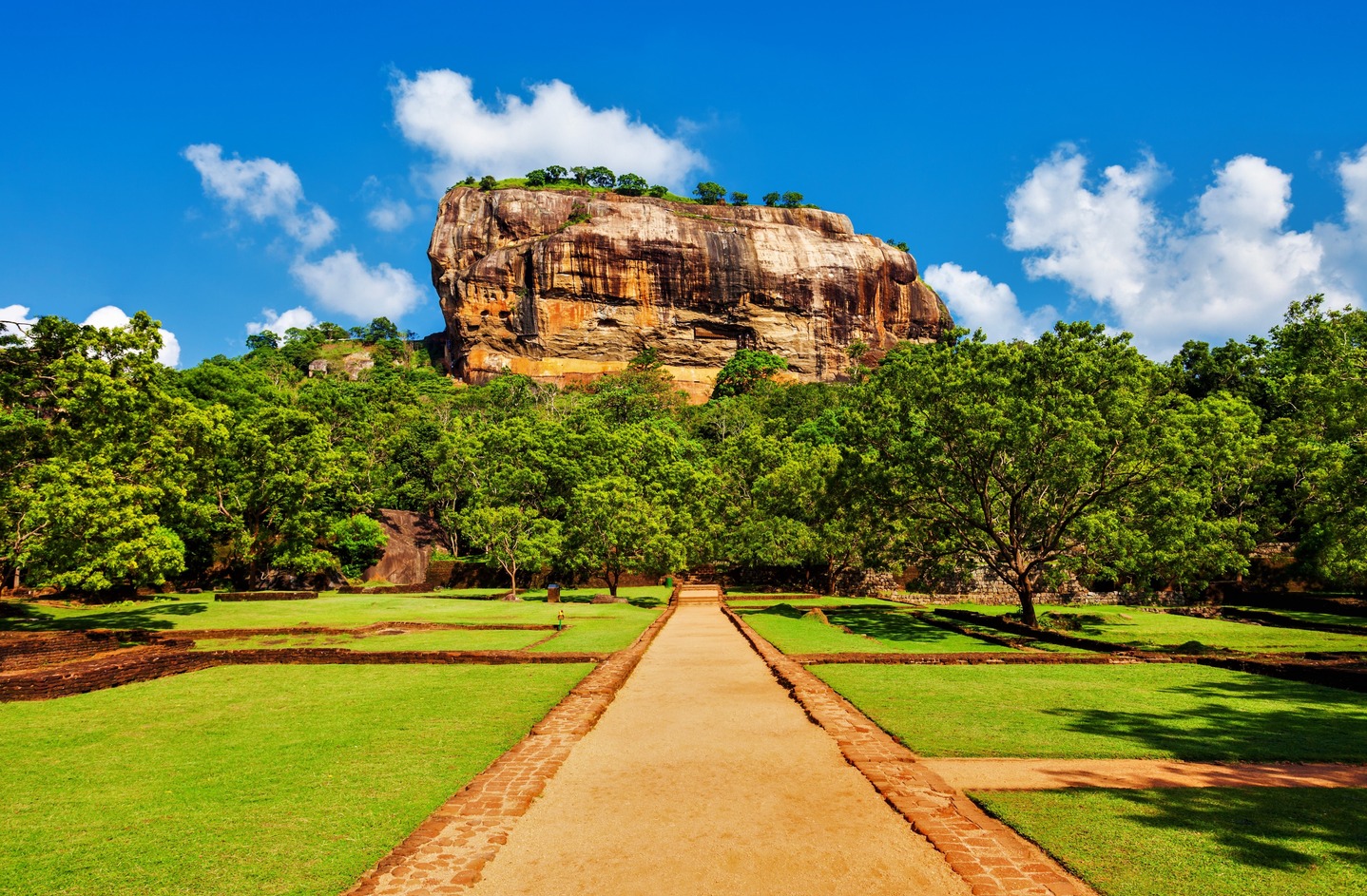
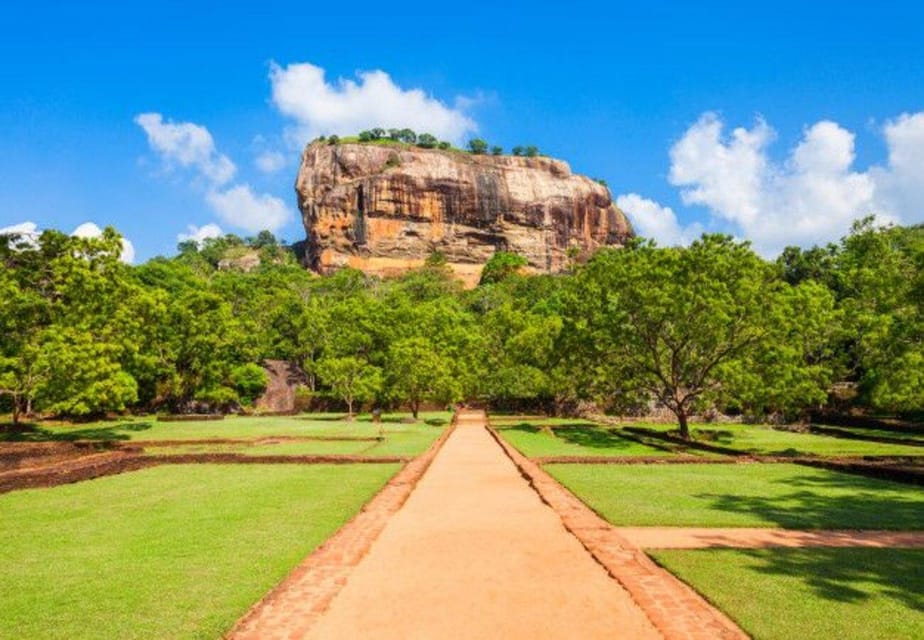
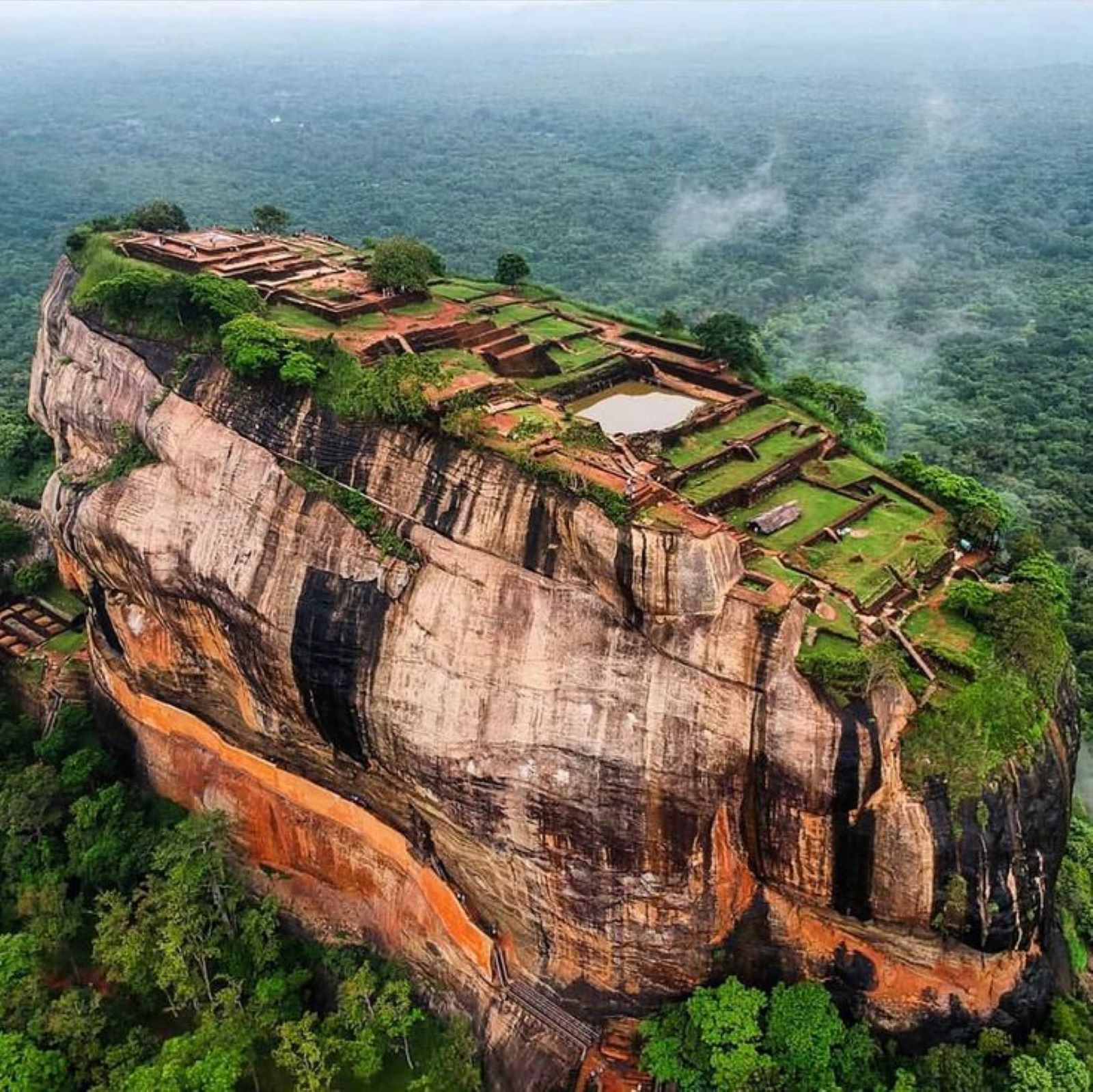
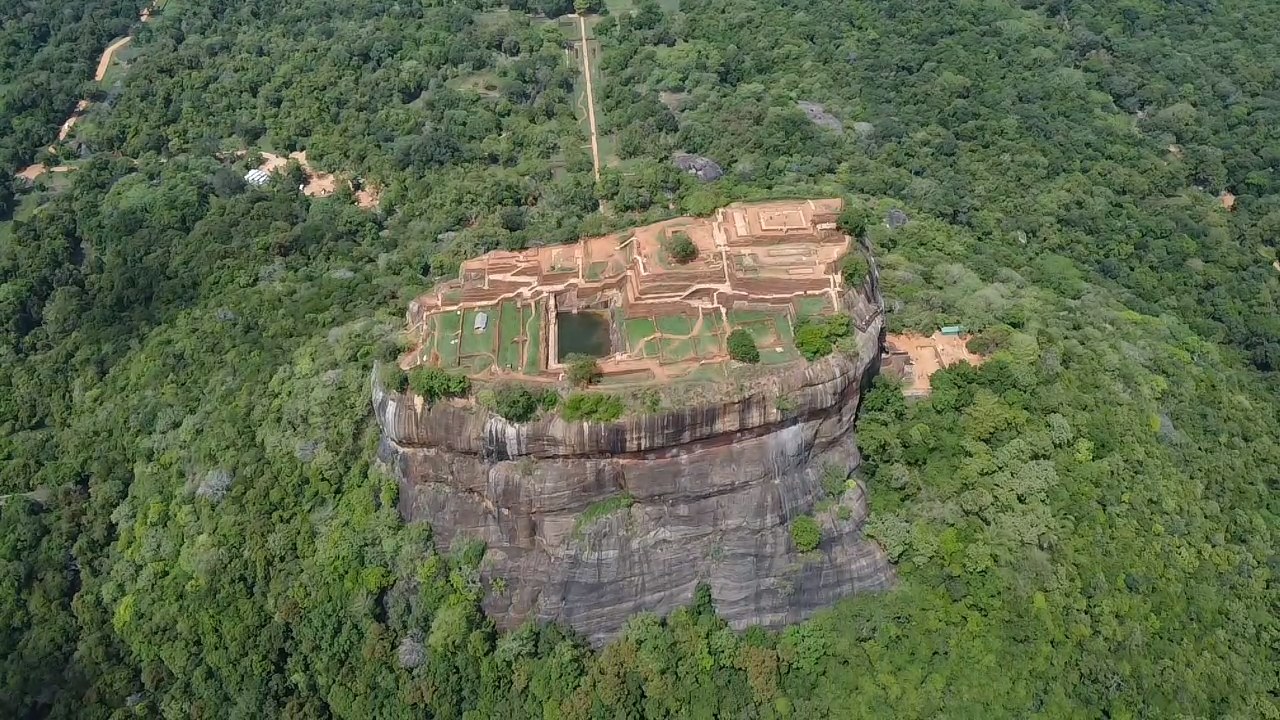
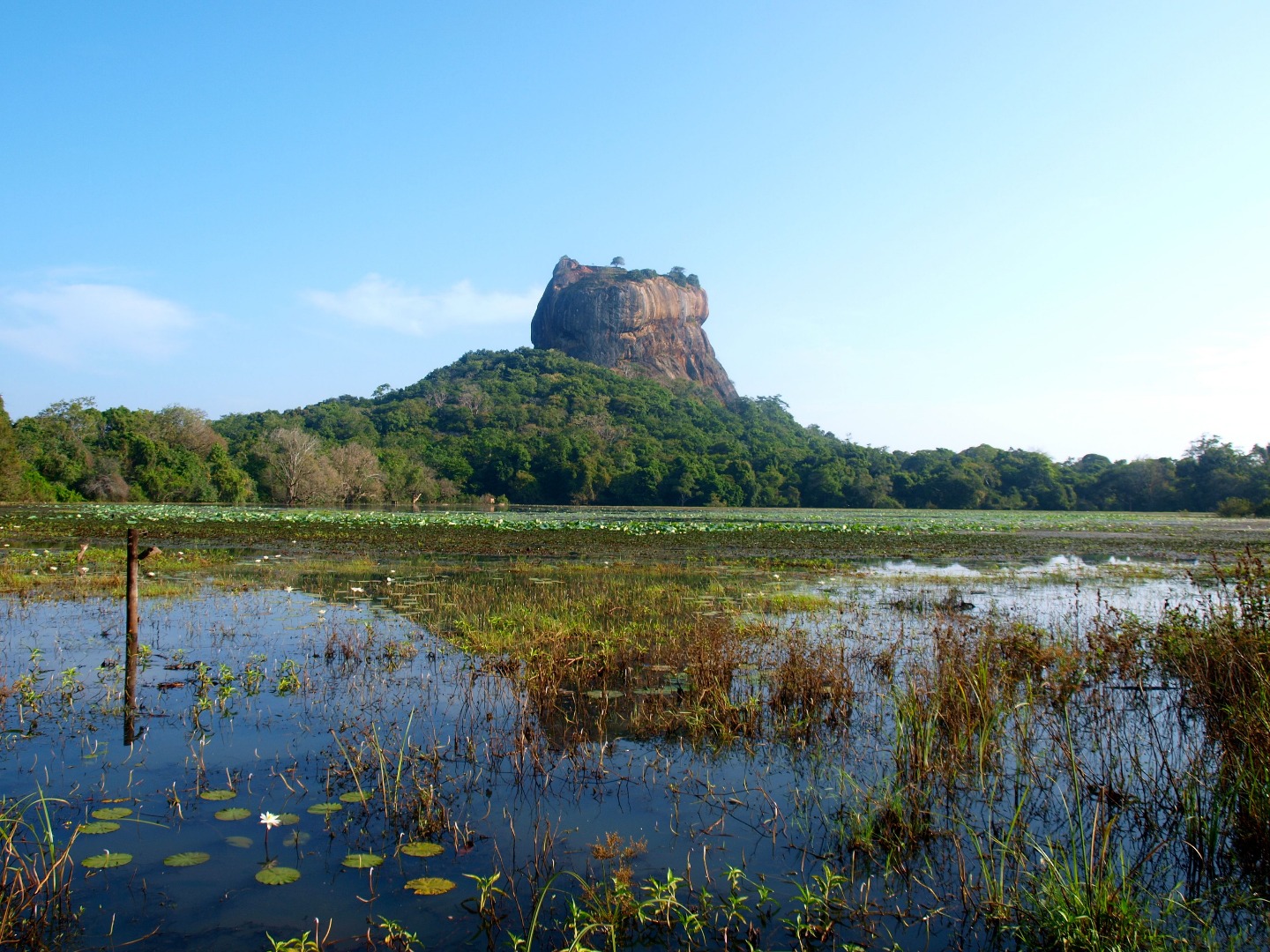
Referred by locals as the Eighth Wonder of the World this ancient palace and fortress complex has significant archaeological importance and attracts thousands of tourists every year. It is probably the most visited tourist destination of Sri Lanka.
Sigiriya Citadel Rock
Sigiriya Citadel Rock
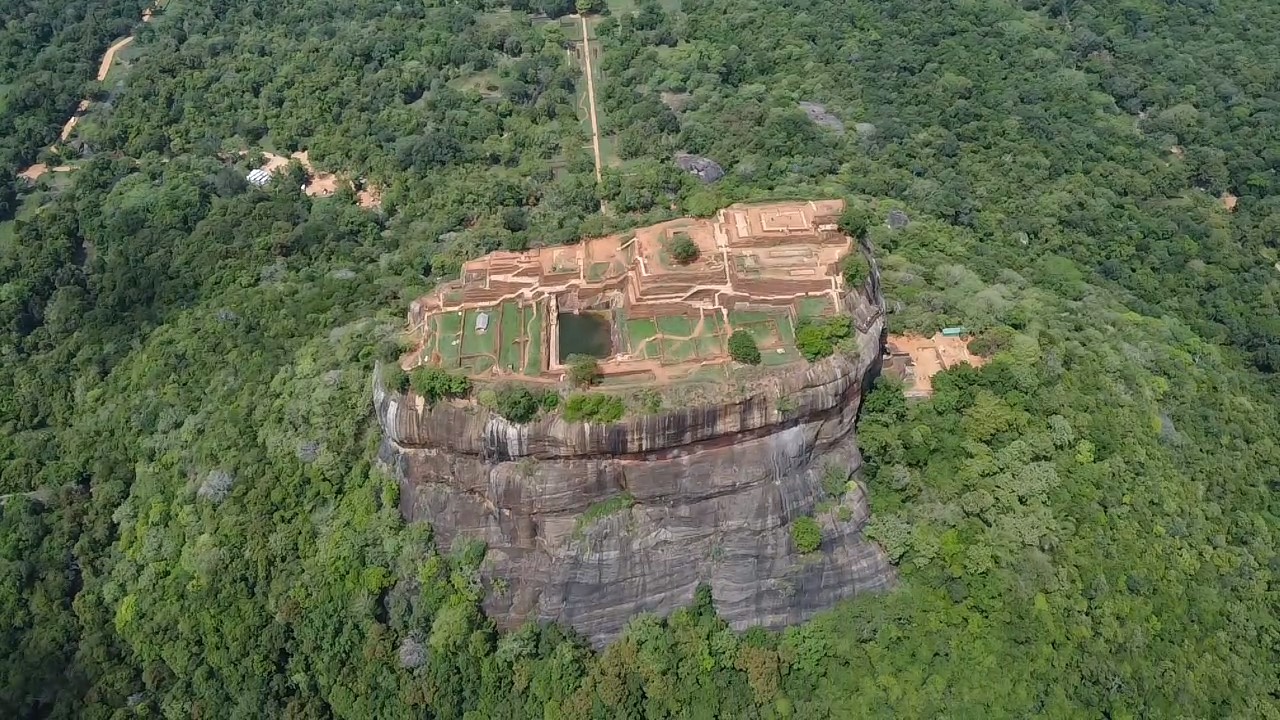
The palace is located in the heart of the island between the towns of Dambulla and Habarane on a massive rocky plateau 370 meters above the sea level.
Sigiriya rock plateau, formed from magma of an extinct volcano, is 200 meters higher than the surrounding jungles.
Its view astonishes the visitors with the unique harmony between the nature and human imagination.
The fortress complex includes remnants of a ruined palace, surrounded by an extensive network of fortifications, vast gardens, ponds, canals, alleys and fountains.
The surrounding territories of Sigiriya were inhibited for several thousand years.
Since 3th century BC the rocky plateau of Sigiriya served as a monastery. In the second half of the 5th century king Kasyapa decided to construct a royal residence here.
After his death Sigiriya again became a Buddhist monastery until the 14th century, when it was abandoned.
Sigiriya Lion Claws
Sigiriya Lion Claws
The main entrance is located in the northern side of the rock.
It was designed in the form of a huge stone lion, whose feet have survived up to today but the upper parts of the body were destroyed.
Thanks to this lion the palace was named Sigiriya. The term Sigiriya originates from the word Sihagri, i.e. Lion Rock.
Sigiriya Fresco
Sweeping Stroke Paintings
The western wall of Sigiriya was almost entirely covered by frescoes, created during the reign of Kasyapa. Eighteen frescoes have survived to this day.
The frescoes are depicting nude females and are considered to be either the portraits of Kasyapa’s wives and concubines or priestess performing religious rituals.
Despite the unknown identity of the females depicted in the frescoes, these unique ancient paintings are celebrating female beauty and have incredible historical significance.
Sigiriya Mirror Wall
Sigiriya Mirror Wall
One of the most striking features of Sigiriya is its Mirror wall.
In the old days it was polished so thoroughly that the king could see his reflection in it.
The Mirror wall is painted with inscriptions and poems written by the visitors of Sigiriya.
The most ancient inscriptions are dated from the 8th century.
These inscriptions are proving that Sigiriya was a tourist destination more than a thousand years ago. Today, painting on the wall is strictly prohibited.
2
Polonnaruwa was the second capital of Sri Lanka after the destruction of Anuradhapura in 1993. It comprises, besides the Brahmanic monuments built by the Cholas, the monumental ruins of the fabulous garden-city created by Parakramabahu I in the 12th century.
Kings ruled the central plains of Sri Lanka from Polonnaruwa 800 years ago, when it was a thriving commercial and religious centre. The glories of that age can be found in the archaeological treasures that still give a pretty good idea of how the city looked in its heyday. You'll find the archaeological park a delight to explore, with hundreds of ancient structures – tombs and temples, statues and stupas – in a compact core. The Quadrangle alone is worth the trip.
Available languages
Written guide
EN
Reviews breakdown
Viator
1.0
1 reviews
5★
0
4★
0
3★
0
2★
0
1★
1
Tripadvisor
4.8
4 reviews
5★
3
4★
1
3★
0
2★
0
1★
0
Important information
Wheelchair accessible
Infants and small children can ride in a pram or stroller
Public transportation options are available nearby
Specialized infant seats are available
Transportation options are wheelchair accessible
All areas and surfaces are wheelchair accessible
Suitable for all physical fitness levels
Meeting point
You can contact us true whatsapp or viber, imo, we will come and pick you from your hotel
Important notes
Ticket we can buy in Entrance Counter @ Sigiriya and Polonnaruwa.
* SIgiriya Entrance Price Us $30/- (Per Person)
* Polonnaruwa Entrance Price Us $25/- (Per Person)
About Anuradhapura
Anuradhapura is a major city in Sri Lanka, famous for its well-preserved ruins of an ancient Sri Lankan civilization. It is one of the oldest continuously inhabited cities in the world and a UNESCO World Heritage Site. The city is a pilgrimage site for Buddhists and offers a rich cultural and historical experience.
Top Attractions
Sacred City of Anuradhapura
A UNESCO World Heritage Site, the Sacred City of Anuradhapura is home to ancient stupas, temples, and ruins that date back over 2,000 years.
Historical
Full day
Free
Ruwanwelisaya Dagoba
One of the tallest stupas in the world, this iconic structure is a significant pilgrimage site for Buddhists.
Religious
1-2 hours
Free
Sri Maha Bodhi
A sacred fig tree that is said to have been propagated from the original Bodhi tree under which Buddha attained enlightenment.
Religious
30 minutes to 1 hour
Free
Jethawanaramaya Dagoba
The tallest stupa in Anuradhapura, known for its impressive size and historical significance.
Historical
1 hour
Free
Isurumuniya Temple
A beautiful temple known for its rock carvings and serene atmosphere.
Religious
1-2 hours
Free
Must-Try Local Dishes
Kottu Roti
A popular Sri Lankan dish made with chopped roti, vegetables, and meat or seafood, cooked on a hot plate.
Dinner
Can be made vegetarian or vegan.
Hoppers
Bowl-shaped pancakes made from fermented rice flour and coconut milk, often served with eggs or sambal.
Breakfast
Vegetarian.
Rice and Curry
A staple Sri Lankan meal consisting of steamed rice served with a variety of curries.
Lunch/Dinner
Can be made vegetarian or vegan.
Lamprais
A Dutch-influenced dish consisting of rice, meat, and vegetables cooked in banana leaves.
Lunch/Dinner
Contains meat.
Popular Activities
Hiking in Mihintale
Exploring Ritigala Forest Monastery
Tea tasting
Visiting temples
Exploring ancient ruins
Attending religious ceremonies
Witnessing the Esala Perahera festival
Best Time to Visit
January to March
This is the best time to visit Anuradhapura as the weather is pleasant and dry, making it ideal for exploring the ancient ruins and enjoying outdoor activities.
28-32°C
82-90°F
Practical Information
Language
- Official: Sinhala, Tamil
- Widely spoken: English
- English: Moderately spoken
Currency
Sri Lankan Rupee (LKR)
Time Zone
UTC+5:30
Electricity
230VV, 50HzHz
Safety Information
Overall Safety Rating: Generally safe
Anuradhapura is generally safe for travelers, but standard precautions should be taken to avoid petty theft and scams.
Important Precautions:
- • Keep valuables secure.
- • Use reputable tour operators.
- • Be cautious of strangers offering unsolicited help.
Getting there
By air
- Colombo Bandaranaike International Airport • 200 km
By train
Anuradhapura Railway Station
By bus
Anuradhapura Bus Stand
Getting around
Public transport
Buses are the most common form of public transport and cover most areas of the city.
Taxis
Available • Apps: PickMe, Uber
Rentals
Car, Bike, Scooter
Neighborhoods
Sacred City
New Town
Tuktukaraya
Day trips
Mihintale
12 km • Half day
A sacred mountain site where Buddhism was first introduced to Sri Lanka, featuring ancient ruins and temples.
Ritigala Forest Monastery
30 km • Full day
A UNESCO-listed forest monastery with ancient ruins and a rich biodiversity.
Avukana Buddha Statue
50 km • Full day
A colossal Buddha statue carved out of a single rock, standing 40 feet tall.
Festivals
Esala Perahera • July/August (full moon day)
Poson Festival • June (full moon day)
Vesak Festival • April/May (full moon day)
Pro tips
- Visit the Sacred City early in the morning to avoid the heat and crowds.
- Hire a local guide for a more in-depth understanding of the historical sites.
- Try local street food for an authentic culinary experience.
- Respect the religious customs and traditions when visiting temples.
- Carry a water bottle and sunscreen to stay hydrated and protected from the sun.
From $25
per person
Price varies by option
Secure booking
Free cancellation available
Instant confirmation


![Minneriya National Park Safari [Morning / Evening]](https://media-cdn.tripadvisor.com/media/attractions-splice-spp-674x446/15/1f/89/35.jpg)