

Sightseeing all-inclusive Small group Tour to Baalbek, Anjar and Ksara
Active
8h
All sales are final. No refund is available for cancellations.
Instant confirmation
Mobile or paper ticket accepted
About this experience
The Roman Empire of Baalbek is a surviving wonder of the ancient world. Experience it in style, without the haggling, on this small group tour. Your local guide will introduce you to the three great temples of Jupiter, Bacchus and Venus. Along the way, visit the unique Umayyad site founded by Caliph Walid I at the beginning of the 8th century. Afterward, sample Lebanese authentic wine at one of the oldest and famous wineries in Lebanon. Capture timeless pictures, and enjoy a Lebanese lunch. A door-to-door visit in a small group provides an intimate experience.
Available options
Sightseeing all-inclusive Small group Tour to Baalbek, Anjar and Ksara
Pickup included
What's included
Tickets / Admission to Historical Sites
Lunch
Hotel Pick up & Drop off
Air-conditioned vehicle
Professional Guide
Detailed itinerary
1
Baalbek, is home to the Baalbek temple complex which includes two of the largest and grandest Roman temple ruins: the Temple of Bacchus and the Temple of Jupiter. It was inscribed in 1984 as an UNESCO World Heritage site.
This Phoenician city, where a triad of deities was worshipped, was known as Heliopolis during the Hellenistic period. It retained its religious function during Roman times, when the sanctuary of the Heliopolitan Jupiter attracted thousands of pilgrims. Baalbek, with its colossal structures, is one of the finest examples of Imperial Roman architecture at its apogee.
2
Stop 2
The complex of temples at Baalbek is located at the foot of the south-west slope of Anti-Lebanon, bordering the fertile plain of the Bekaa at an altitude of 1150 m. The city of Baalbek reached its apogee during Roman times. Its colossal constructions built over a period of more than two centuries, make it one of the most famous sanctuaries of the Roman world and a model of Imperial Roman architecture. Pilgrims thronged to the sanctuary to venerate the three deities, known under the name of the Romanized Triad of Heliopolis, an essentially Phoenician cult (Jupiter, Venus and Bacchus).
3
The Mosque of sayeda Khawla in Baalbek, Lebanon is erected on the site where Sayyida Khawla, the daughter of Imam al-Hussein, the grandson of the Prophet Muhammad, is believed to have been buried. People of Baalbek believe that when the caravan of captives of Karbala passed Baalbek, The daughter of Imam al-Hussein, called Khawla passed away and was buried there.
4
The Stone of the Pregnant Woman is a worked Roman monolith in Baalbek, Lebanon. Together with another ancient stone block nearby, it is among the largest monoliths ever quarried. The two building blocks were presumably intended for the nearby Roman temple complex, and are characterized by a monolithic gigantism that was unparalleled in antiquity.
5
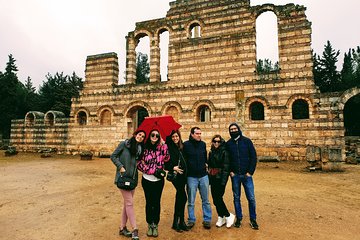
The city of Anjar was founded by Caliph Walid I at the beginning of the 8th century. The ruins reveal a very regular layout, reminiscent of the palace-cities of ancient times, and are a unique testimony to city planning under the Umayyads.
6
Stop 6
The Umayyad Ruins of Aanjar bears outstanding witness to the Umayyad civilization and a good example of an inland commercial centre, at the crossroads of two important routes: one leading from Beirut to Damascus and the other crossing the Bekaa and leading from Homs to Tiberiade. The site of this ancient city was only discovered by archaeologists at the end of the 1940s.
The ruins of Anjar include the walls of the Umayyad palace, harems, a mosque, the great palace of the Caliph, thermal baths, and many pillars which include some elements of the Roman architectural style.
7
Stop 7
Château Ksara is a wine company in The Beqaa Valley Lebanon. Founded in 1857 by Jesuit priests. Château Ksara developed the first dry wine in Lebanon. Château Ksara produces approximately 3 million bottles annually. Its wines are exported to over 40 countries.
What's not included
Gratuities
Available languages
Guide guide
AR
EN
Reviews breakdown
Tripadvisor
5.0
1 reviews
5★
1
4★
0
3★
0
2★
0
1★
0
Important information
Specialized infant seats are available
Suitable for all physical fitness levels
About Beirut
Beirut is the capital and largest city of Lebanon, renowned for its rich history, vibrant culture, and stunning Mediterranean coastline. Known as the 'Paris of the Middle East,' it offers a unique blend of ancient ruins, modern luxury, and bustling street life.
Top Attractions
Beirut Central District
The heart of Beirut, this district is a blend of modern skyscrapers and ancient ruins, offering a glimpse into the city's rich history and vibrant present.
Historical/Architecture
Half day to full day
Free to moderate
National Museum of Beirut
One of the most important archaeological museums in the Middle East, showcasing artifacts from various periods of Lebanese history.
Museum
2-3 hours
Moderate (around $5-$10)
Raouche Rock
A stunning natural limestone rock formation rising from the Mediterranean Sea, offering breathtaking views and a popular spot for photos.
Nature/Scenic
1-2 hours
Free (unless dining at the restaurant)
Byblos
One of the oldest continuously inhabited cities in the world, Byblos offers ancient ruins, a charming old souk, and a picturesque harbor.
Historical/Cultural
Half day to full day
Moderate (entry fees for some sites)
Must-Try Local Dishes
Hummus
A creamy dip made from chickpeas, tahini, lemon juice, and garlic, often served with pita bread.
Appetizer
Vegetarian, Vegan
Tabbouleh
A refreshing salad made from parsley, bulgur wheat, tomatoes, and lemon juice.
Appetizer
Vegetarian, Vegan
Kibbeh
A dish made from ground meat (usually lamb or beef) mixed with bulgur and spices, often fried or baked.
Appetizer
Contains meat
Kafta
Ground meat (usually lamb or beef) mixed with spices and herbs, often grilled or fried.
Main Course
Contains meat
Popular Activities
Hiking in the nearby mountains
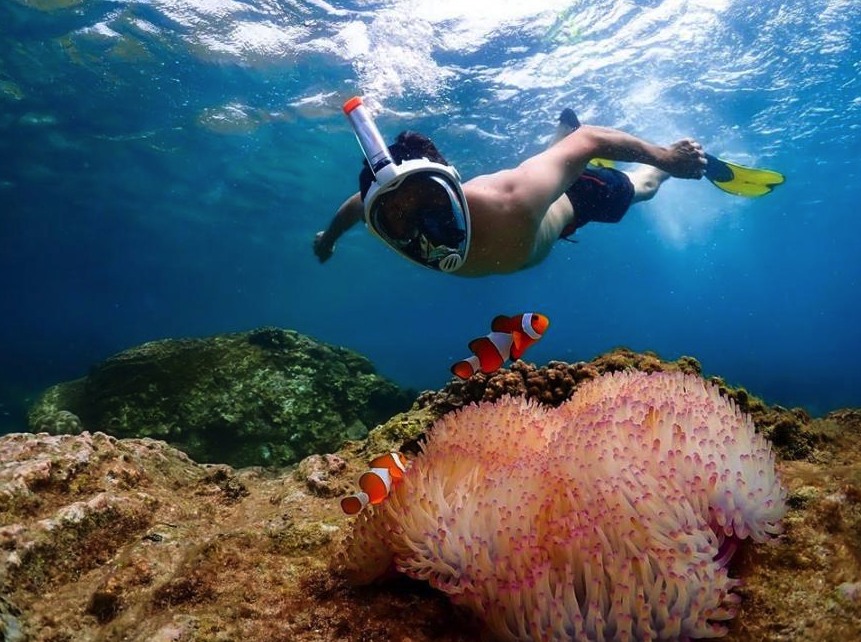
Scuba diving and snorkeling in the Mediterranean
Beach lounging at Raouche or Dbayeh
Spa and wellness treatments
Visiting museums and historical sites
Attending local festivals and events
Swimming and water sports
Boat tours along the coast
Best Time to Visit
March to May, September to November
Spring and autumn offer the best weather for sightseeing and outdoor activities. The temperatures are comfortable, and the city is in full bloom during these seasons.
15°C to 28°C
59°F to 82°F
Practical Information
Language
- Official: Arabic
- Widely spoken: French, English
- English: Moderately spoken
Currency
Lebanese Pound (LBP)
Time Zone
GMT+2 (EET)
Electricity
220VV, 50HzHz
Safety Information
Overall Safety Rating: Exercise caution
Beirut is generally safe for tourists, but it's important to be aware of your surroundings and take precautions to ensure a safe and enjoyable trip. Petty crime and scams can occur, especially in tourist areas.
Important Precautions:
- • Be aware of your surroundings and keep valuables secure
- • Use reputable taxi services or ride-hailing apps
- • Avoid walking alone at night in isolated areas
Getting there
By air
- Rafic Hariri International Airport • 9 km (5.6 miles) from city center
By bus
Charles Helou Bus Station, Dawra Bus Station
Getting around
Public transport
Buses are the most common form of public transport, but they can be crowded and may not have fixed schedules.
Taxis
Available • Apps: Bolt
Rentals
Car, Bike, Scooter
Neighborhoods
Gemmayzeh
Hamra
Achrafieh
Day trips
Byblos
40 km (25 miles) • Half day to full day
One of the oldest continuously inhabited cities in the world, Byblos offers ancient ruins, a charming old souk, and a picturesque harbor.
Jeita Grotto
20 km (12 miles) • Half day
A stunning natural limestone cave system with a breathtaking underground river and waterfalls, offering a unique and unforgettable experience.
Harissa
20 km (12 miles) • Half day
A picturesque hilltop town offering panoramic views of the Mediterranean Sea and the famous Our Lady of Lebanon shrine, a popular pilgrimage site.
Festivals
Beirut International Film Festival • October to November
Beirut Jazz Festival • July
Eid al-Fitr • Varies by lunar calendar (usually April to June)
Pro tips
- Learn a few basic phrases in Arabic to enhance your experience and interact with locals
- Visit the Beirut Central District early in the morning or late in the afternoon to avoid crowds and the heat
- Try local street food like falafel, shawarma, and manakish for an authentic and affordable dining experience
- Use ride-hailing apps like Bolt for a more convenient and reliable taxi experience
- Explore the city's vibrant nightlife in neighborhoods like Gemmayzeh and Hamra, where you'll find a mix of bars, clubs, and live music venues
From $25
per person
Price varies by option
Secure booking
Free cancellation available
Instant confirmation