Temples and Stupas Tour in Kathmandu Valley
Active
7h
For a full refund, cancel at least 24 hours before the scheduled departure time.
Instant confirmation
Mobile or paper ticket accepted
About this experience
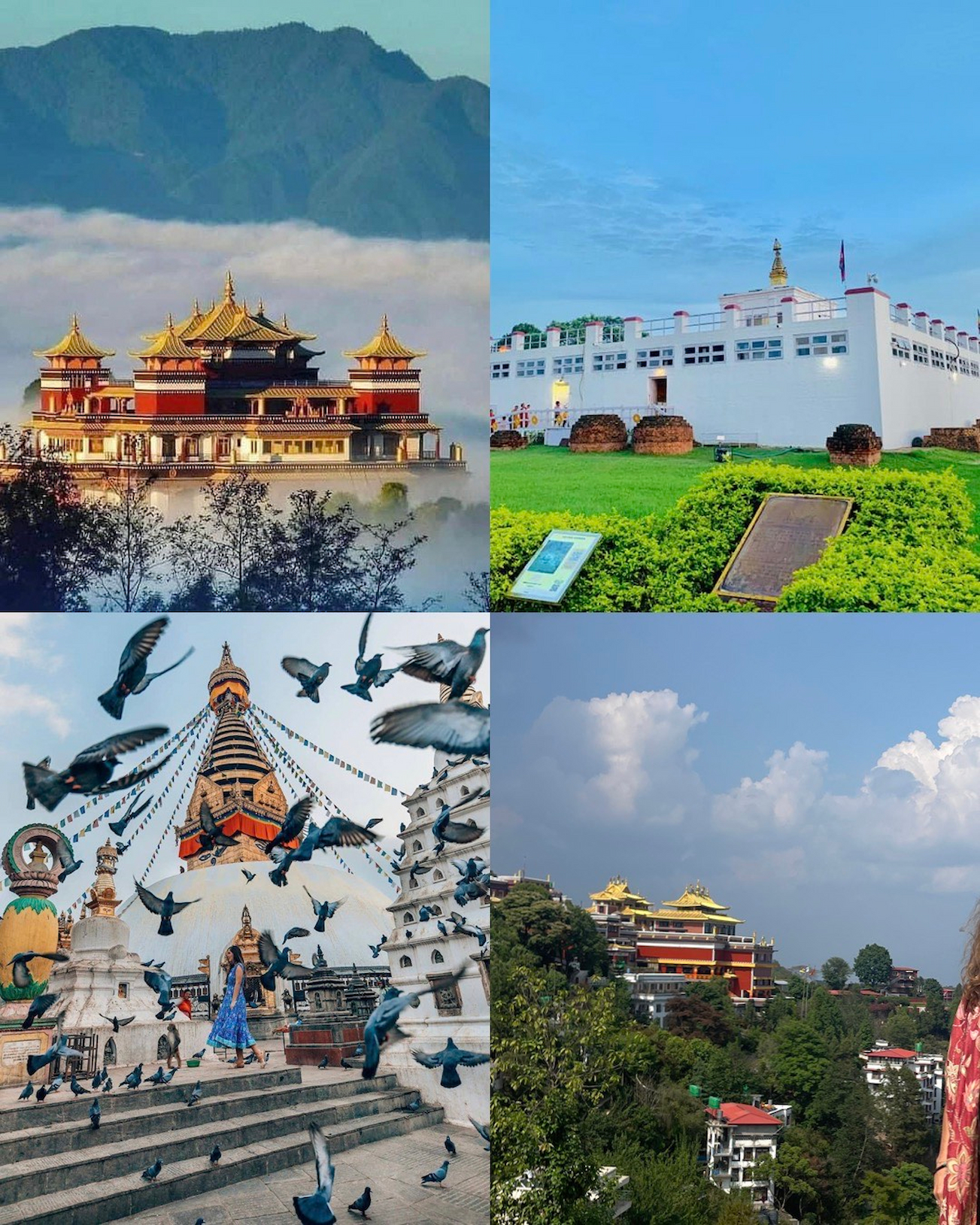
This 7-hour tour around Kathmandu Valley will be as equally interesting as academic in understanding the everyday routine of the Nepalese people, molded by ancient religion and moral social values. You will visit Pashupatinath Temple, one of the holiest Hindu temples in the world; Boudhanath Stupa, one of the largest Buddhist shrines in the world; and Patan Durbar Square, a perfect living example of co-existence of Buddhism and Hinduism in a country from the medieval age. All of the sites on this tour share the privilege of being UNESCO World Heritage Sites.
Your tour of the Kathmandu Valley begins and ends at Lal Durbar Marg, Kathmandu.
Available options
Temples and Stupas Tour in Kathmandu Valley
What's included
English-speaking tour guide
Transport by air conditioned vehicle as per group size
Detailed itinerary
1
Stop 1
Pashupatinath Temple is dedicated to the Hindu Lord - Shiva, the God of Destruction, also known as Pashupatinath (Lord of Animals). This temple is, moreover, a final destination for the Hindu devotees of all around the world. Built in around 400 A.D, the temple is located by the holy river Bagmati, decorated within the perfection of ancient arts and crafts. Four of the main gates of the temple are made of silver. Each gate is allocated for the four-faced lingam (phallic symbol of Shiva), which is to express that the blessing of the lord shall spread in all four directions around the world.
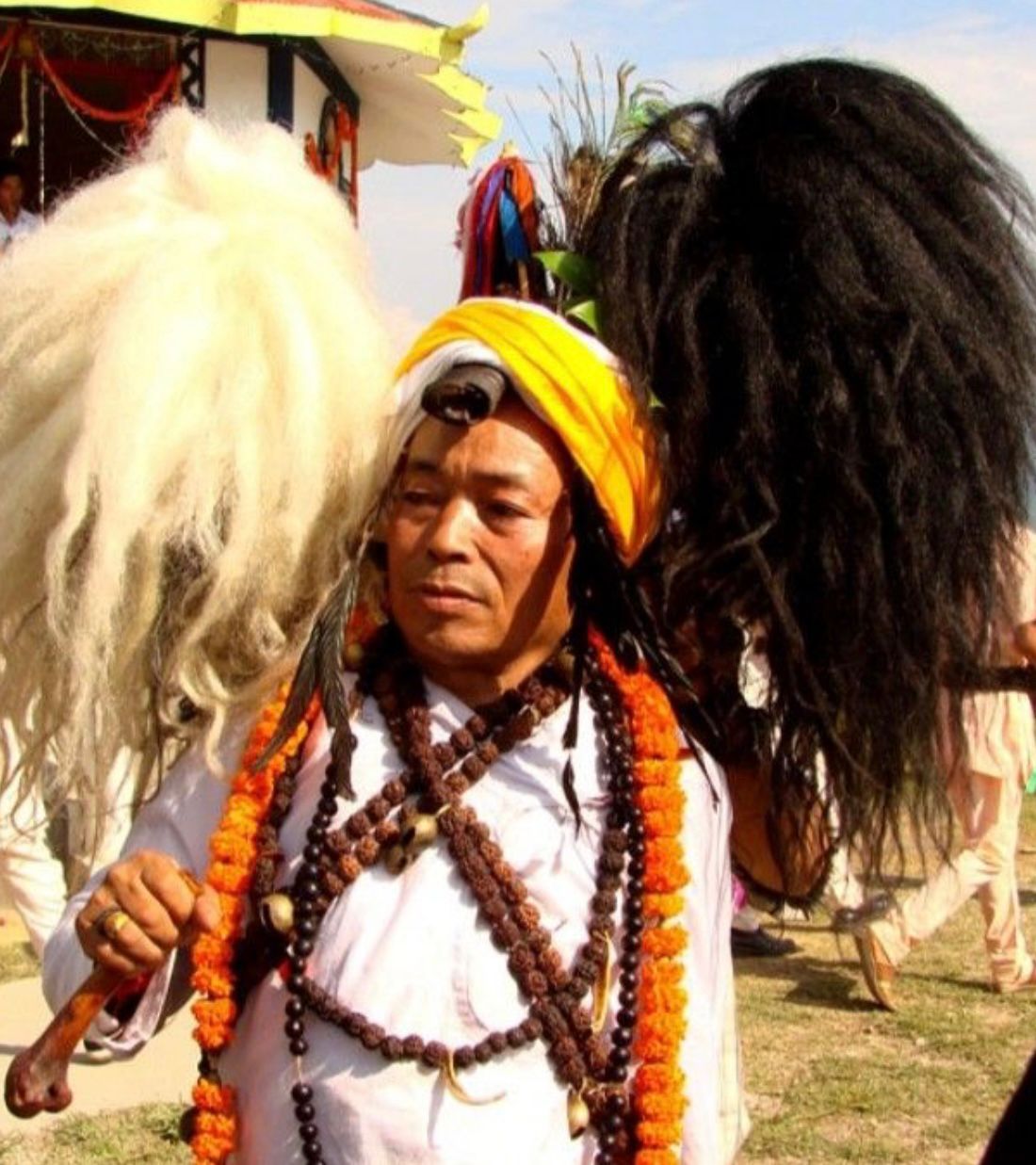
Pashupatinath Temple is a home for many Hindu Sadhus from all around the world. They are spotted around preference of the temple, with long dreadlock, meditating by the bank of Bagmati river, and occasionally smoking marijuana - as it is believed that Lord Shiva was fond of smoking marijuana in his adobe, Kailash - Sadhus in Pashupatinath are seen impersonating Lord Shiva.
2
Stop 2
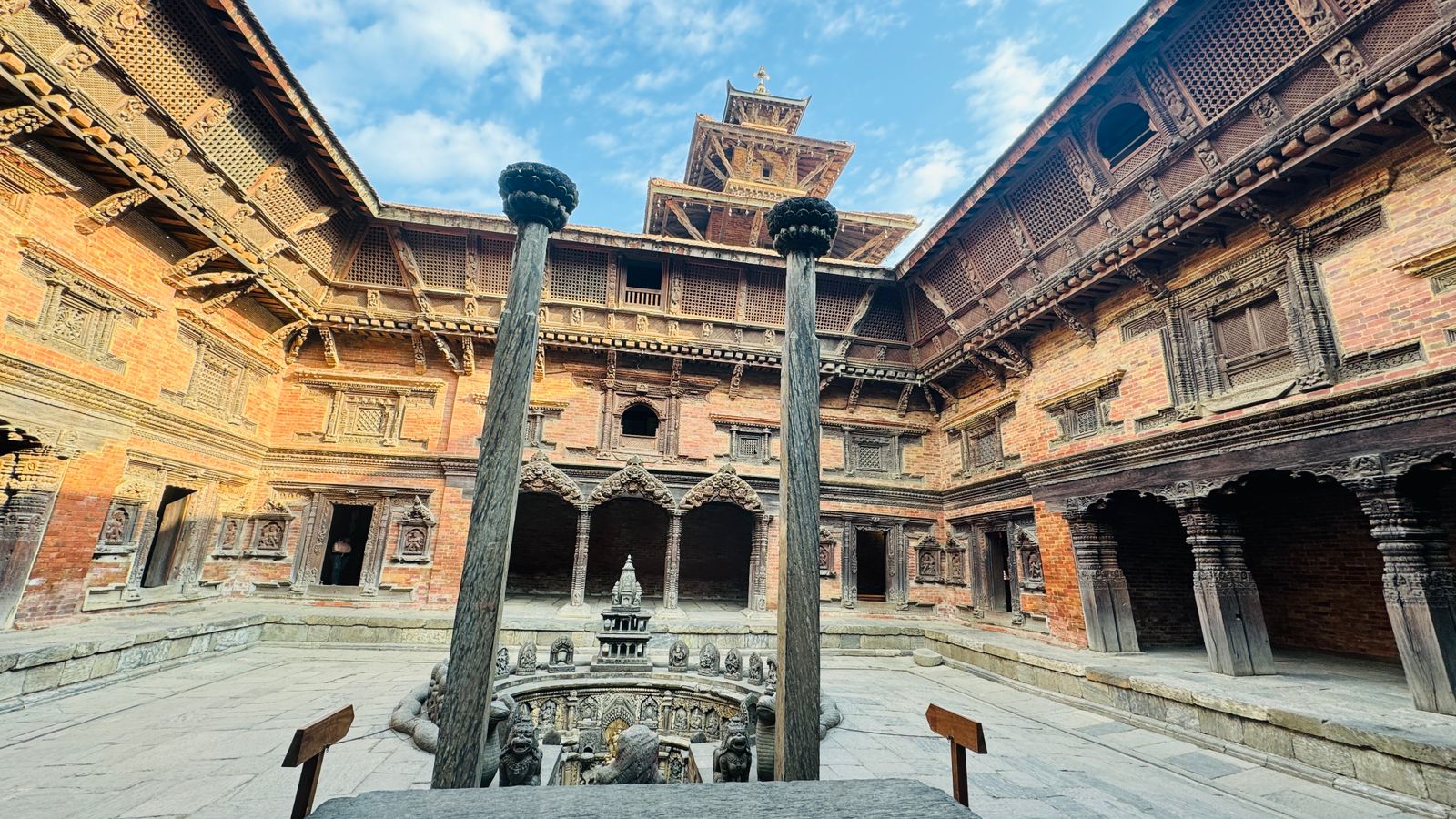
Patan Durbar Square, in the heart of Lalitpur, is a UNESCO World Heritage Site renowned for its magnificent Newari architecture and deep historical roots. Once the royal palace of the Malla kings, it features intricately crafted temples such as Krishna Mandir and Bhimsen Temple, showcasing exceptional Newari artistry. The square remains an active cultural center where festivals, rituals, and daily local life blend seamlessly. It also houses the Patan Museum, which highlights the region’s artistic and cultural heritage. With ongoing restoration efforts and improved facilities, Patan Durbar Square beautifully combines its historic charm with modern conveniences, making it a captivating destination for visitors.
3
Stop 3
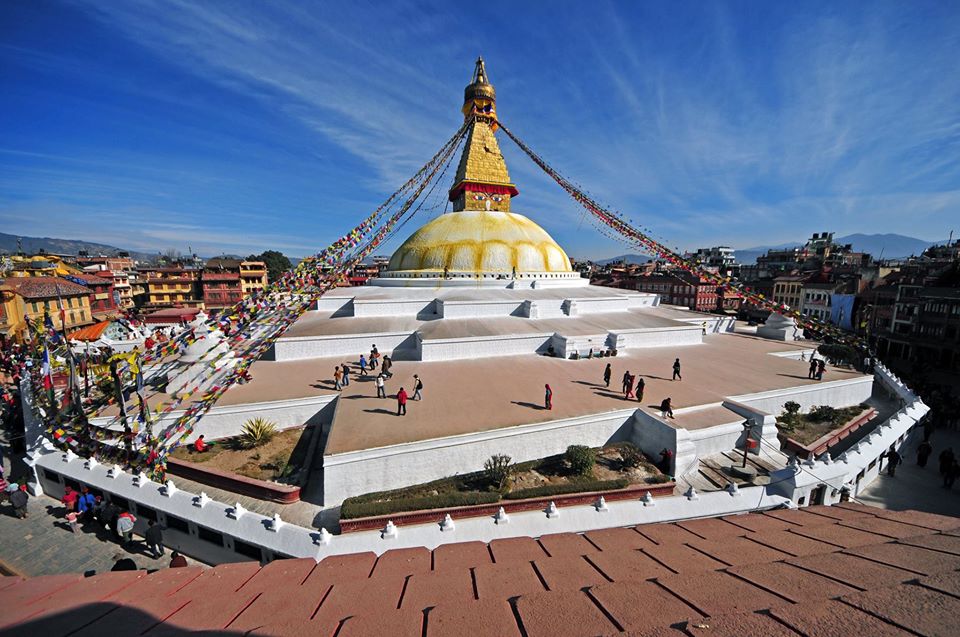
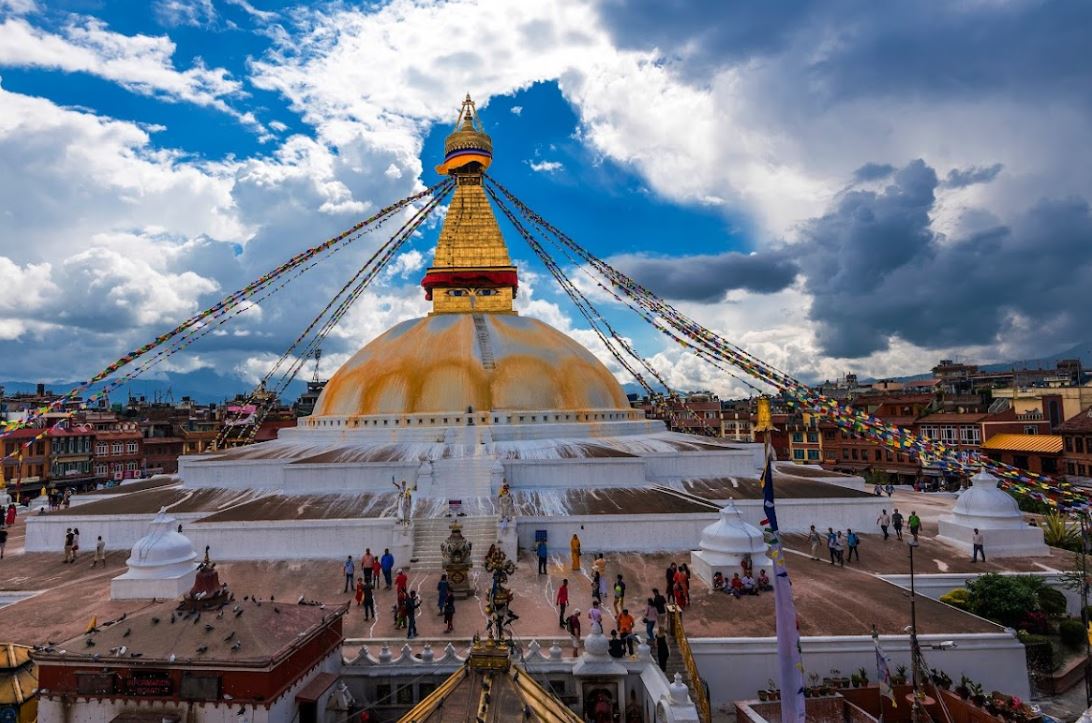
Boudhanath Stupa is one of the holiest sites in Nepal. It envelops an absolute admiration and faith not only from the Buddhist perspective, but Hindus of Nepal also pay their equal respect to this pious Buddhist site. The Stupa is one of the UNESCO world heritages for Nepal and the station where the Stupa stands with the message of peace and love; it used to be an ancient resting point for the Tibetan merchants to Nepal and India, where they would rest and perform their holy prayers. Ever since then and now, especially Tibetans, but also Buddhist from all around the world, value the Boudhanath Stupa as their ultimate holy destination.
What's not included
Food and drinks
Hotel pickup and drop-off
All Fees and Taxes
Available languages
Guide guide
EN
Reviews breakdown
Viator
4.0
6 reviews
5★
4
4★
0
3★
1
2★
0
1★
1
Tripadvisor
4.9
30 reviews
5★
27
4★
3
3★
0
2★
0
1★
0
Important information
Public transportation options are available nearby
Specialized infant seats are available
Suitable for all physical fitness levels
Entrance fee is applicable to children 10 years and above
Meeting point
About Kathmandu
Kathmandu, the capital of Nepal, is a vibrant blend of ancient history, rich culture, and stunning Himalayan scenery. Known as the 'City of Temples,' it's home to seven UNESCO World Heritage Sites, including the iconic Swayambhunath Stupa and Pashupatinath Temple. The city offers a unique mix of traditional Newari architecture, bustling markets, and modern urban life.
Top Attractions
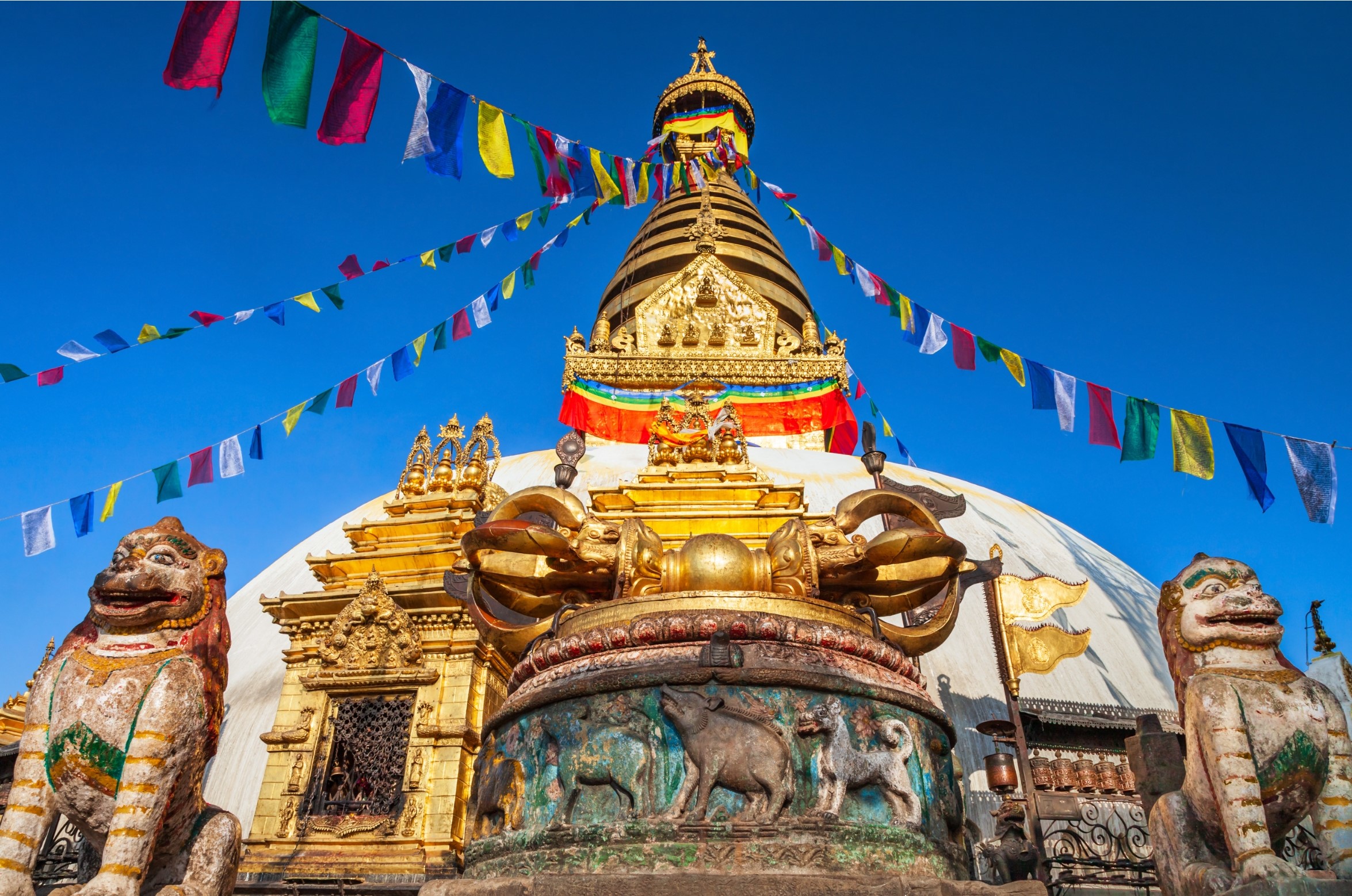
Swayambhunath Stupa (Monkey Temple)
One of the most iconic landmarks in Kathmandu, this UNESCO World Heritage Site is a Buddhist stupa perched on a hilltop, offering panoramic views of the city and surrounding mountains. It's also home to many monkeys, hence the nickname.
Religious/Historical
1-2 hours
Free (donations welcome)
Pashupatinath Temple
One of the most sacred Hindu temples in the world, dedicated to Lord Shiva. Located on the banks of the Bagmati River, it's a major pilgrimage site with a lively atmosphere, especially during festivals.
Religious
2-3 hours
Free for Hindus, NPR 1000 (USD 8) for non-Hindus
Boudhanath Stupa
One of the largest stupas in the world and a UNESCO World Heritage Site, Boudhanath is a major center for Tibetan Buddhism. The surrounding area is filled with monasteries, shops, and cafes, creating a vibrant cultural hub.
Religious/Historical
2-3 hours
Free (donations welcome)
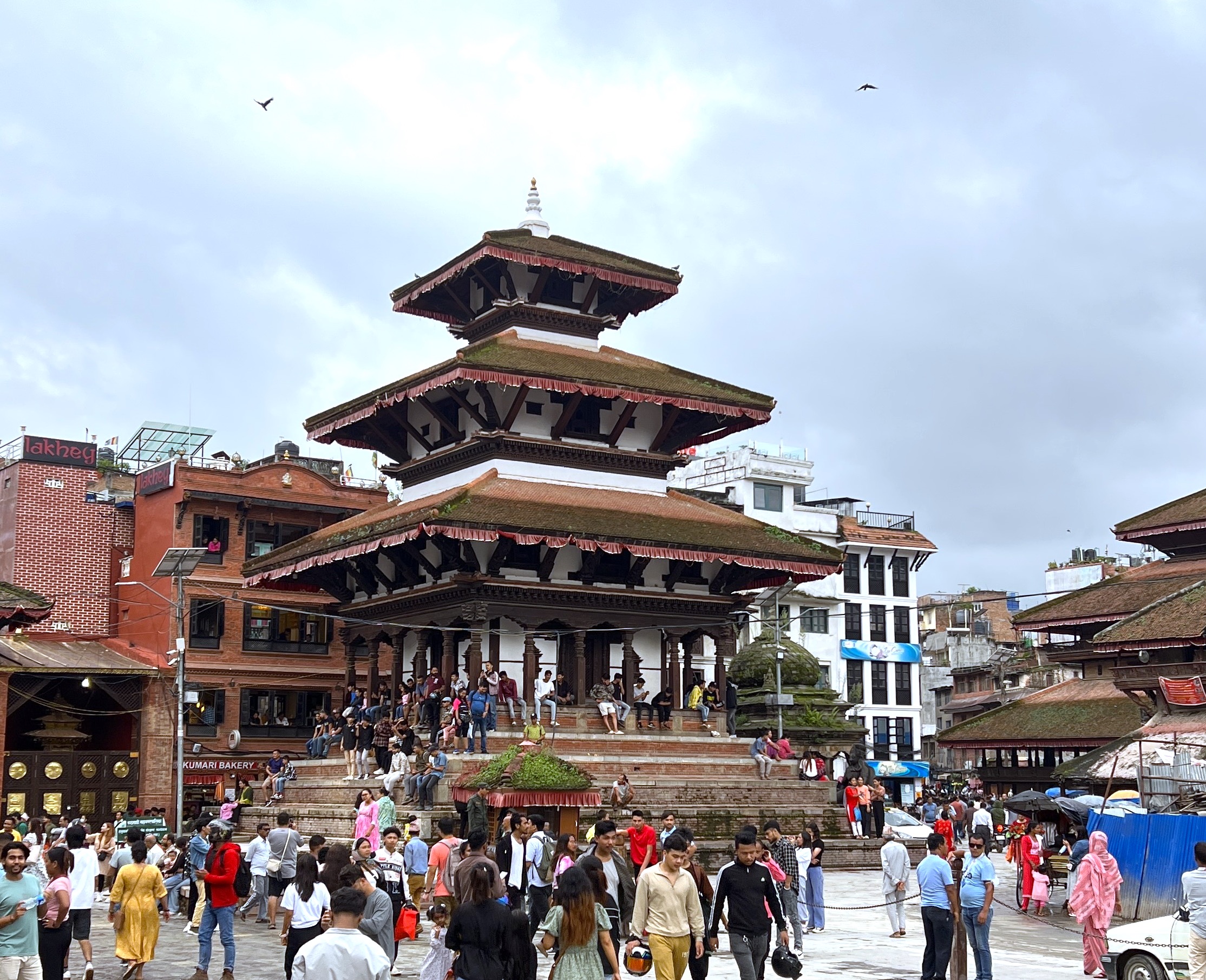
Kathmandu Durbar Square
A UNESCO World Heritage Site, this historic square is the heart of the old city and features ancient palaces, temples, and courtyards. It's a living museum showcasing the city's rich history and Newari architecture.
Historical/Architectural
1-2 hours
NPR 1000 (USD 8) for foreigners
Bhaktapur Durbar Square
Located in the ancient city of Bhaktapur, this UNESCO World Heritage Site is a well-preserved example of Newari architecture. It features beautiful temples, palaces, and courtyards, offering a glimpse into Nepal's royal history.
Historical/Architectural
Half-day trip
NPR 1500 (USD 12) for foreigners
Must-Try Local Dishes
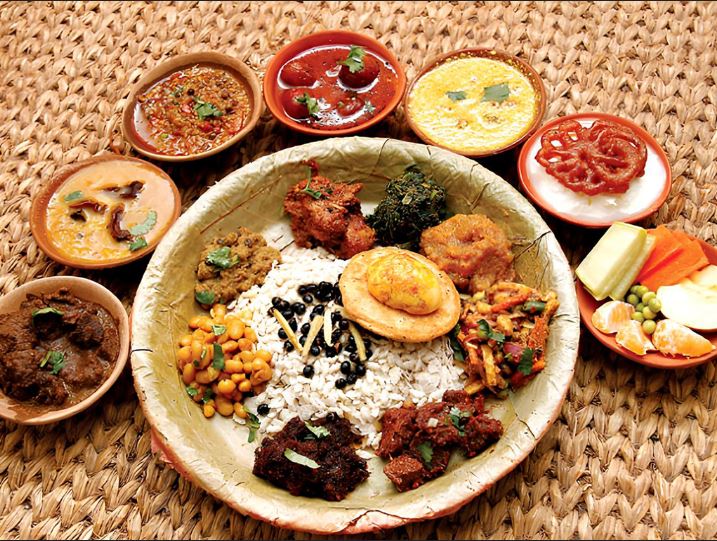
Dal Bhat
A staple meal consisting of lentil soup (dal), rice (bhat), and vegetable curry (tarkari). Often served with pickles, salad, and sometimes meat.
Lunch/Dinner
Vegetarian (can be made vegan by omitting ghee)
Momo
Steamed or fried dumplings filled with meat (buffalo, chicken, or pork) or vegetables, served with a spicy tomato-based sauce.
Snack/Appetizer
Vegetarian options available, can be made vegan
Sel Roti
A sweet, ring-shaped fried bread made from rice flour, sugar, and water, often served during festivals and celebrations.
Snack/Dessert
Vegetarian (may contain eggs in some recipes)
Gundruk
A fermented leafy green vegetable, often cooked with spices and served as a side dish or added to soups and stews.
Side Dish
Vegetarian, vegan, and gluten-free
Popular Activities
Trekking
Mountain biking
Paragliding
Rafting
Yoga and meditation retreats
Spa treatments
Café hopping
Gardening
Best Time to Visit
October to November and March to April
These months offer pleasant weather, clear skies, and excellent visibility for trekking and sightseeing. The city is lively with festivals and cultural events.
20-30°C (68-86°F)
68-86°F
Practical Information
Language
- Official: Nepali
- Widely spoken: English, Hindi, Newari, Maithili, Bhojpuri
- English: Moderately spoken in tourist areas, limited in rural areas
Currency
Nepalese Rupee (NPR)
Time Zone
Nepal Standard Time (NPT, UTC+5:45)
Electricity
230VV, 50HzHz
Safety Information
Overall Safety Rating: Exercise caution
Kathmandu is generally safe for travelers, but petty crime, scams, and pickpocketing can occur, especially in tourist areas and crowded markets. Be cautious of your surroundings, keep valuables secure, and avoid walking alone at night in poorly lit areas.
Important Precautions:
- • Use reputable tour operators and trekking agencies
- • Insist on using the meter when taking taxis
- • Keep valuables secure and out of sight
Getting there
By air
- Tribhuvan International Airport • 5 km (3 miles) from city center
By bus
Galkopul, Kalanki
Getting around
Public transport
Buses are the most common form of public transport, but they can be crowded and slow. Microbuses are smaller and more frequent.
Taxis
Available • Apps: Pathao, InDriver
Rentals
Car, Bike, Scooter
Neighborhoods
Thamel
Boudha
Patan (Lalitpur)
Bhaktapur
Day trips
Nagarkot
32 km (20 miles) from Kathmandu • Half-day to full-day trip
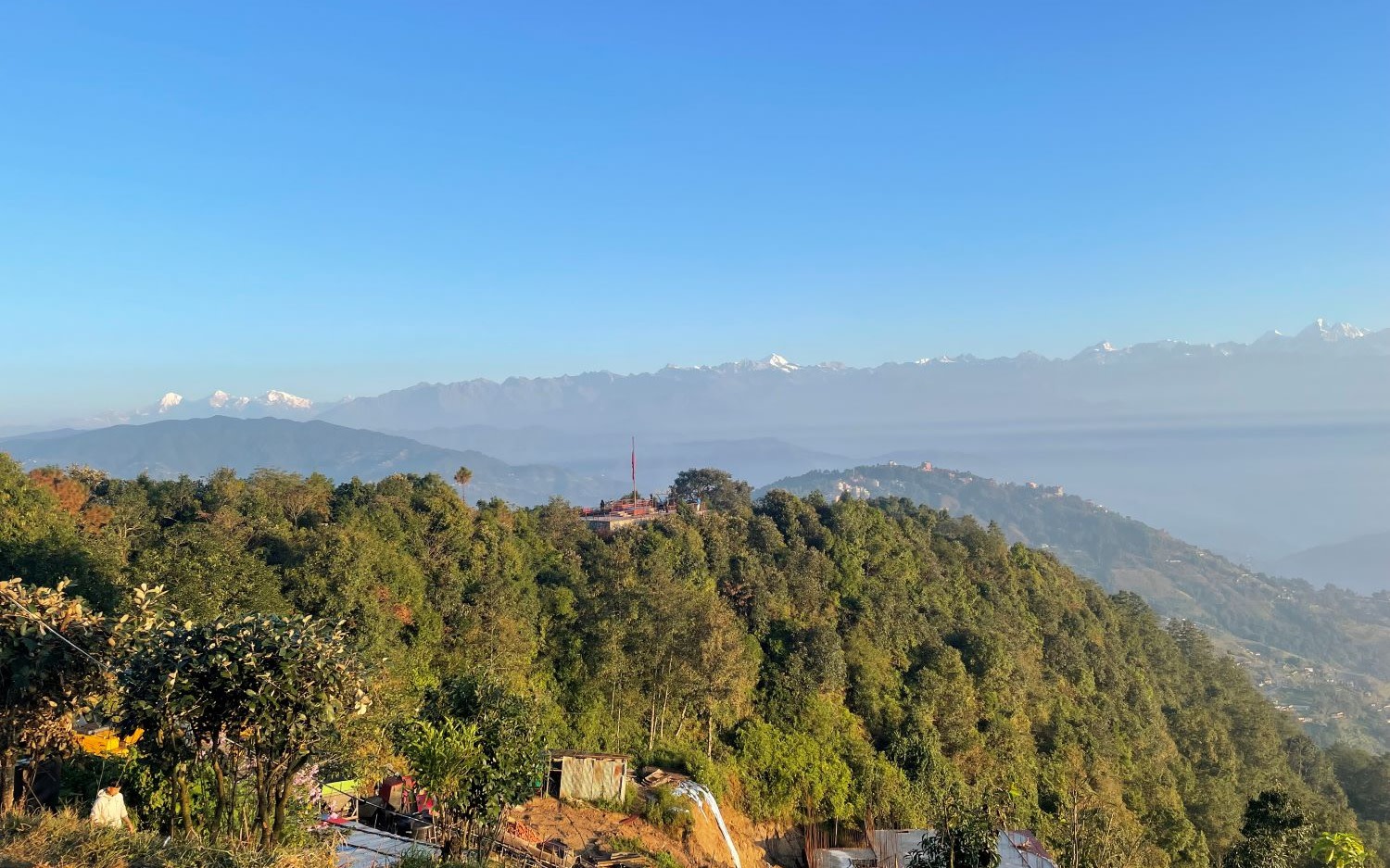
A picturesque hill station known for its stunning views of the Himalayas, including Mount Everest on clear days. Nagarkot is also famous for its sunrise and sunset views.
Dhulikhel
30 km (19 miles) from Kathmandu • Half-day to full-day trip
A charming Newari town offering beautiful views of the Himalayas and historic temples. Dhulikhel is less touristy than Nagarkot but equally scenic.
Changunarayan
18 km (11 miles) from Kathmandu • Half-day trip
A UNESCO World Heritage Site featuring an ancient temple dedicated to Lord Vishnu. Changunarayan is one of the oldest Hindu temples in the Kathmandu Valley and is known for its intricate stone and wood carvings.
Festivals
Dashain • September/October (dates vary each year)
Tihar • October/November (dates vary each year)
Indra Jatra • September (dates vary each year)
Pro tips
- Learn a few basic Nepali phrases to enhance your experience and connect with locals
- Hire a local guide or join a group tour for a more immersive and informative experience, especially when visiting temples and historical sites
- Carry small denominations of Nepalese Rupees for small purchases and tips, as change may be limited
- Be prepared for power outages and slow internet, especially during peak hours and in rural areas
- Stay hydrated and protect yourself from the sun, as the high altitude and intense sunlight can cause dehydration and sunburn
From $25
per person
Price varies by option
Secure booking
Free cancellation available
Instant confirmation