Aichi: Tokoname Pottery Path & Japans Ancient Kiln Tradition
Active
2h
For a full refund, cancel at least 24 hours before the scheduled departure time.
Instant confirmation
Mobile or paper ticket accepted
About this experience
Discover the rich history of Tokoname, one of Japan’s revered pottery towns, on a guided walking tour along the Yakimono Sanpomichi, or “Pottery Footpath.” Uncover how Tokoname's innovative spirit and abundant clay deposits shaped a legacy of practical ceramics that supported daily life across Japan. Explore the town's unique landscape, where ceramics define the scenery, and visit historic merchant houses that narrate the tale of maritime trade. The tour also sheds light on traditional techniques and modern interpretations of Tokoname ware, including the iconic maneki-neko. This immersive journey reveals the enduring connection between history, industry, and artistry in Tokoname.
- Guided walking tour through Tokoname’s historic pottery district
- Explore the Yakimono Sanpomichi, showcasing Tokoname's ceramic heritage
- Visit historic merchant houses and learn about maritime trade connections
- Experience modern and traditional Tokoname ceramics, including maneki-neko
Available options
Aichi: Tokoname Pottery Path & Japans Ancient Kiln Tradition
What's included
Walking tour of the Tokoname Pottery Path
Historical and cultural commentary on Tokoname ware and pottery production
Guide
Detailed itinerary
1
Stop 1
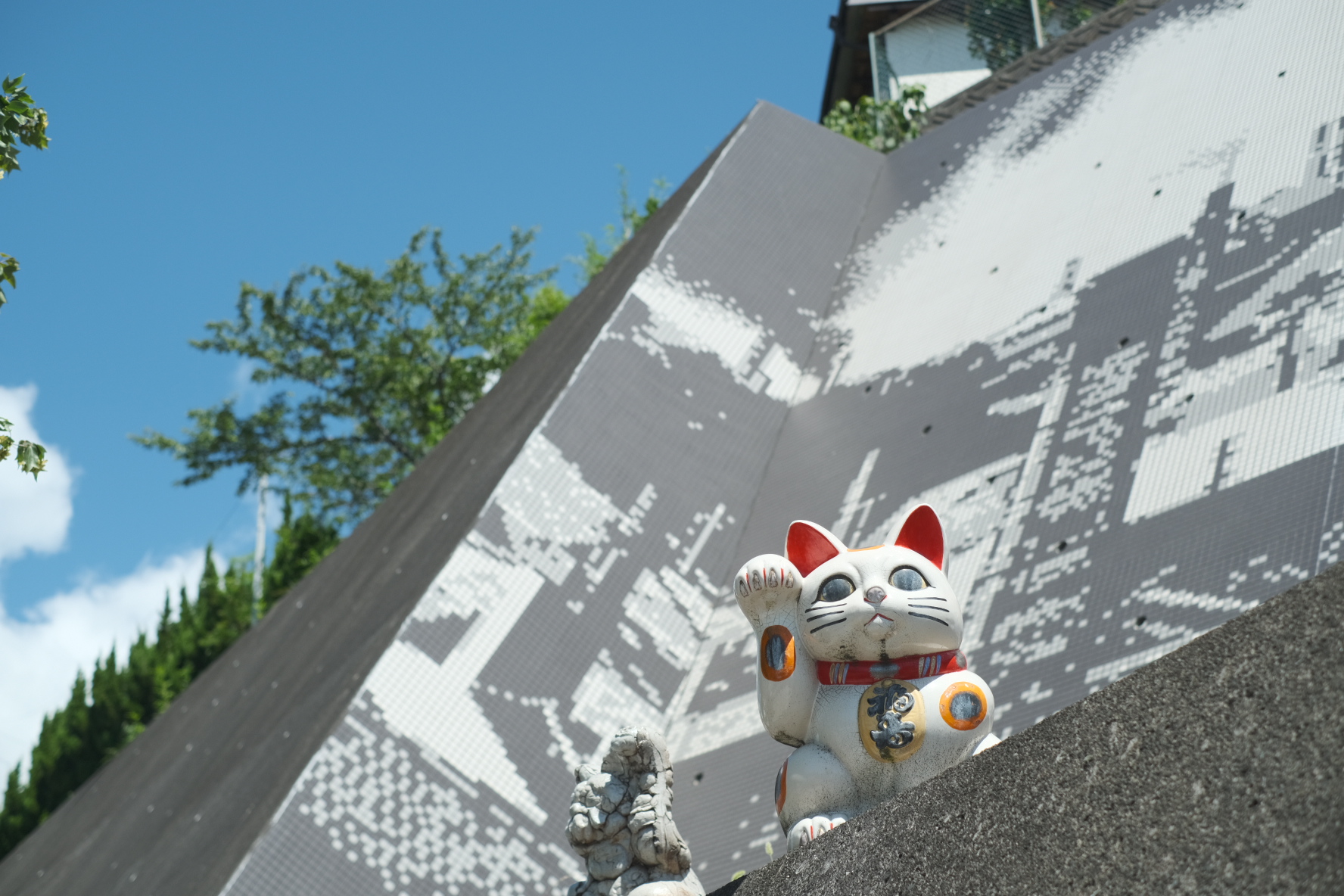
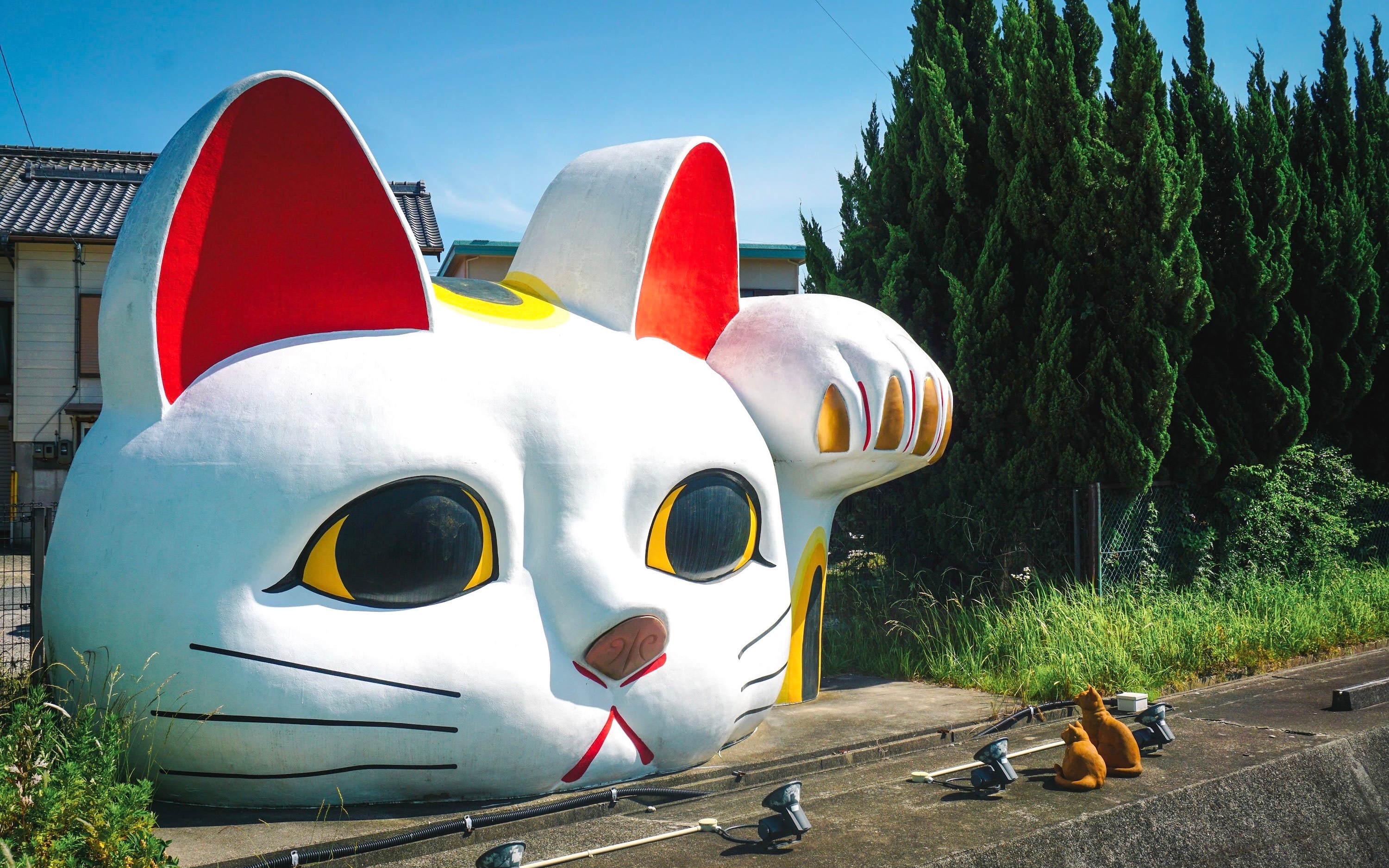
Tokonyan is a giant maneki-neko (beckoning cat) sculpture that has become the playful symbol of Tokoname. Made from Tokoname ware materials, it reflects the town’s long association with ceramics and the maneki-neko tradition, which developed here alongside pottery production and local commerce.
2
Tokonyan is a giant maneki-neko (beckoning cat) sculpture that has become the playful symbol of Tokoname. Made from Tokoname ware materials, it reflects the town’s long association with ceramics and the maneki-neko tradition, which developed here alongside pottery production and local commerce.
3
Takita House is a well-preserved former residence of a shipping merchant who played a key role in distributing Tokoname ware across Japan. The building offers insight into how pottery production, coastal trade, and everyday life were closely connected during the Edo and Meiji periods.
4
Dokanzaka is one of Tokoname’s most distinctive sights, where slopes and walls are constructed from ceramic pipes, shochu bottles, and pottery fragments. This unique landscape shows how functional ceramics and industrial byproducts were reused to shape the town’s scenery.
5
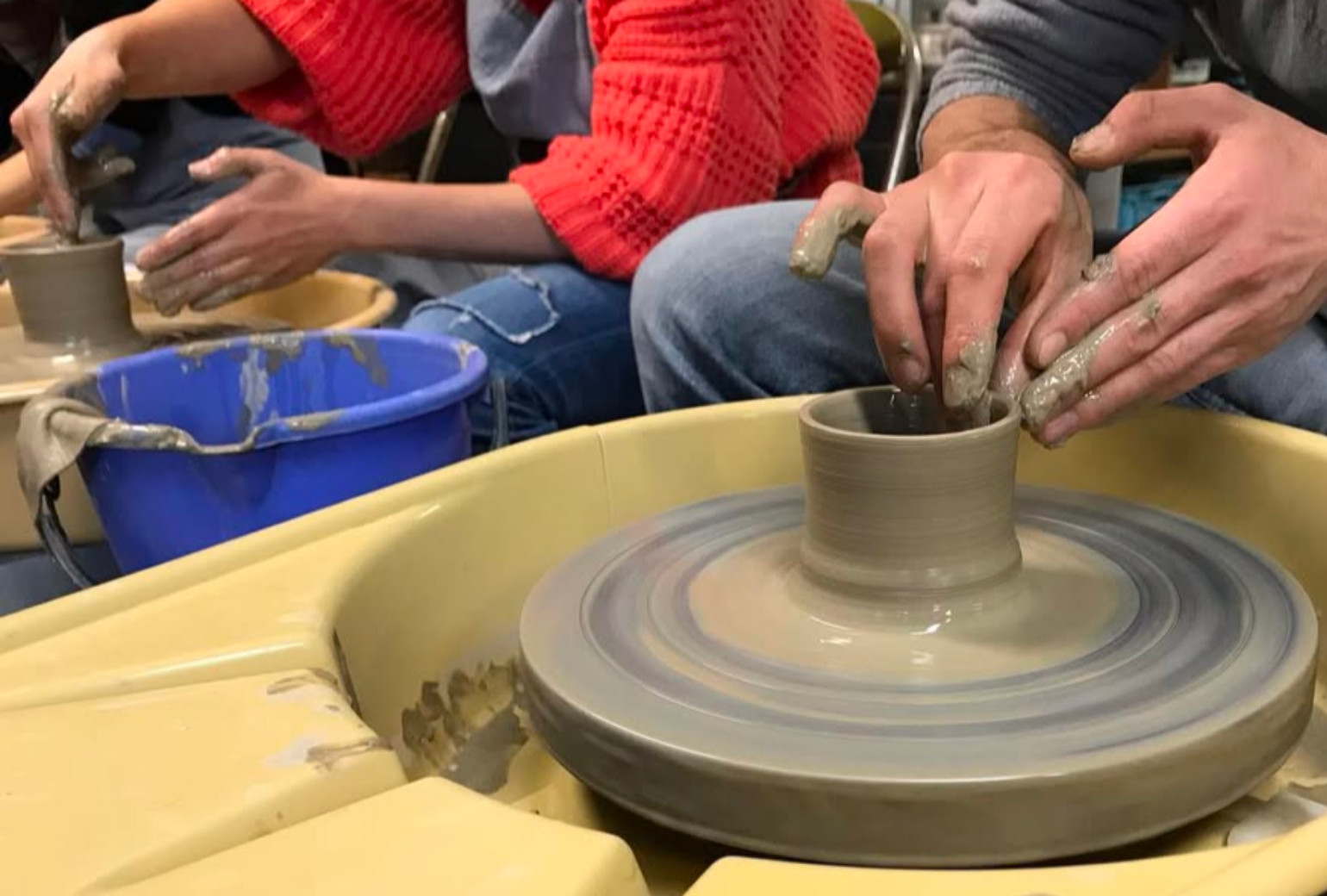
The Noborigama Plaza Exhibition Workshop is located near the remains of traditional climbing kilns once used for large-scale firing. The facility introduces kiln structures, pottery techniques, and contemporary works by local artists, highlighting how Tokoname’s ceramic tradition continues to evolve today.
What's not included
Transportation to the meeting point
Meals
Available languages
Guide guide
EN
Important information
Public transportation options are available nearby
Suitable for all physical fitness levels
Meeting point
Meeting Point: In front of the Tokoname Tourist Information Center.
Your guide will be waiting with a yellow sign. Please refer to the map for details.
About Tokoname
Tokoname is a charming coastal city in Aichi Prefecture, famous for its ceramic pottery and beautiful pottery kilns that line the seashore. Known as the 'City of Ceramics', it offers a unique blend of traditional crafts, scenic views, and local seafood cuisine.
Top Attractions
Tokoname Pottery Kilns
The Tokoname Pottery Kilns are a series of traditional kilns that line the coastline, showcasing the city's rich ceramic heritage. These kilns have been in use for centuries and are a symbol of Tokoname's craftsmanship.
Historical/Cultural
1-2 hours
Free to explore, cost varies for purchases
Tokoname Port
Tokoname Port is a bustling harbor that offers beautiful views of the sea and the surrounding pottery kilns. It's a great spot for a leisurely walk and to enjoy fresh seafood at the local restaurants.
Scenic
1-2 hours
Free to explore, cost varies for dining
Tokoname Morning Market
The Tokoname Morning Market is a lively market where locals and visitors can purchase fresh produce, seafood, and traditional crafts. It's a great place to experience the local culture and sample regional delicacies.
Market/Cultural
1-2 hours
Free to explore, cost varies for purchases
Must-Try Local Dishes
Tokoname Ramen
A local ramen variety featuring a rich, soy-based broth and topped with local ingredients like seafood and vegetables.
Lunch/Dinner
Contains seafood and soy
Grilled Squid
Fresh squid grilled to perfection, a popular seafood dish in Tokoname.
Dinner
Contains seafood
Takoyaki
Octopus balls, a popular street food made with a wheat flour-based batter and filled with diced octopus, tempura scraps, pickled ginger, and green onion.
Snack
Contains seafood and wheat
Popular Activities
Hiking in the nearby mountains
Cycling along the coast
Beach relaxation at Gamagori Beach
Onsen (hot spring) visits
Pottery workshops
Visiting historical sites and museums
Swimming and water sports at the beaches
Winter seafood dining
Best Time to Visit
Spring (March to May) and Autumn (September to November)
Spring and autumn offer pleasant weather with mild temperatures, making it ideal for outdoor activities and sightseeing. The city is less crowded compared to summer, and the natural beauty is at its peak.
15-25°C
59-77°F
Practical Information
Language
- Official: Japanese
- Widely spoken: English (limited)
- English: Limited
Currency
Japanese Yen (JPY)
Time Zone
GMT+9
Electricity
100VV, 50/60HzHz
Safety Information
Overall Safety Rating: Very safe
Tokoname is a very safe city with low crime rates. Violent crime is rare, and petty crime is uncommon. However, it's always important to take basic precautions to ensure a safe and enjoyable trip.
Important Precautions:
- • Keep valuables secure and out of sight.
- • Be cautious of your belongings in crowded areas.
- • Avoid walking alone in isolated areas at night.
Getting there
By air
- Chubu Centrair International Airport • 10 km from Tokoname
By train
Tokoname Station
By bus
Tokoname Bus Terminal
Getting around
Public transport
The Meisho Line is the main train line in Tokoname, connecting the city to Nagoya and other nearby towns. It's efficient, punctual, and covers most major attractions.
Taxis
Available • Apps: JapanTaxi
Rentals
Car, Bike, Scooter
Neighborhoods
Central Tokoname
Coastal Tokoname
Day trips
Nagoya
30 km • Half day to full day
Nagoya is the largest city in the Chubu region and offers a mix of modern attractions and historical sites. It's a great day trip from Tokoname for those interested in shopping, dining, and cultural experiences.
Chita Peninsula
20-50 km • Full day
The Chita Peninsula offers beautiful coastal scenery, beaches, and nature parks. It's a great destination for outdoor activities and relaxation.
Festivals
Tokoname Festival • August
Tokoname Morning Market Festival • Annual (specific dates vary)
Pro tips
- Visit the pottery kilns early in the morning or late in the afternoon for the best lighting and fewer crowds.
- Try a pottery workshop to create your own handmade ceramics and take home a unique souvenir.
- Sample the local seafood specialties, such as grilled squid and Tokoname ramen, at the Tokoname Morning Market or local restaurants.
- Explore the coastal areas and beaches for scenic views and relaxation.
- Use an IC card like Suica or ICOCA for easy payments on public transportation and at some convenience stores.
From $25
per person
Price varies by option
Secure booking
Free cancellation available
Instant confirmation



![[Tokyo] Asakusa Cultural Walking and Matcha Experience Tour](https://res.klook.com/image/upload/activities/cuzdacjsbegxymom6hxk.jpg)