Seto: Discover Japan’s Ceramic Capital & Story of Setomono
Active
1h
For a full refund, cancel at least 24 hours before the scheduled departure time.
Instant confirmation
Mobile or paper ticket accepted
About this experience
Seto, a pivotal town in Japan’s ceramic history, invites you to discover its rich tradition of pottery. Begin your adventure at the Seto-gura complex, home to the Seto-gura Museum, where the evolution of Seto ware is unveiled from the Heian period to contemporary designs. Learn about the unique characteristics of Seto ceramics, including their practical applications and innovative glazing techniques. The tour also includes a visit to a local ceramics shop, offering insights into modern usage and design. Experience the blend of tradition and modernity in this vibrant craft town.
- Discover the history and evolution of Seto ceramics at the Seto-gura Museum
- Explore practical wares that shaped Japanese dining culture
- Visit a local ceramics shop for insights on modern designs
- Learn about versatile glazing techniques that define Seto ware
Available options
Seto: Discover Japan’s Ceramic Capital & Story of Setomono
What's included
Visit to Seto-gura Museum
Visit to a local specialty ceramics shop
Guide
Detailed itinerary
1
The Seto-gura Museum offers a comprehensive introduction to the history and development of Seto ware, one of Japan’s most influential ceramic traditions. Through carefully curated exhibits of historical vessels, tools, and kiln-related materials, visitors learn how Seto evolved from its origins in the Heian period into a major production center supplying everyday ceramics across Japan. The museum highlights the practical nature of Seto ware, its technological innovations, and the wide range of glazing techniques that allowed Seto potters to adapt to changing lifestyles and tastes over centuries. This visit provides essential cultural context for understanding why Seto became synonymous with Japanese ceramics.
2
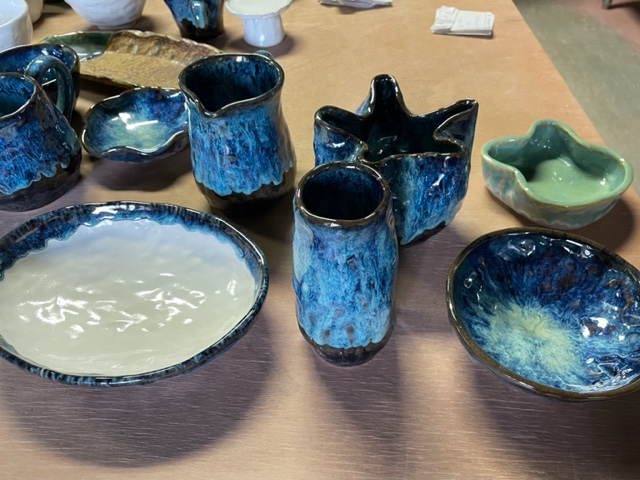
A visit to a local pottery shop in Seto City offers insight into how Seto ware is used and appreciated in everyday life today. Here, travelers encounter a wide variety of ceramics, from functional tableware used in Japanese homes and restaurants to contemporary pieces reflecting modern design sensibilities. The stop demonstrates how traditional techniques continue to inform present-day production, showing Seto not as a town of the past, but as a living ceramic community. Guests interested in ceramics can also learn how to select pieces suited to practical use or personal taste, while browsing remains entirely optional.
What's not included
Meals
Available languages
Guide guide
EN
Important information
Public transportation options are available nearby
Suitable for all physical fitness levels
Meeting point
Meet in front of the ticket gates at Owari-Seto Station. Your guide will be waiting with a yellow sign. Please refer to the map for details.
About Aichi Prefecture
Aichi Prefecture, located in the Chubu region of Japan, is a dynamic blend of cutting-edge technology and rich cultural heritage. Home to Nagoya, a bustling metropolis, and scenic rural areas, Aichi offers a diverse travel experience from historical landmarks to modern innovations and natural beauty.
Top Attractions
Nagoya Castle
A historic castle that served as the seat of power for the Tokugawa clan. The castle has been reconstructed and now houses a museum.
Historical
2-3 hours
¥500
Atsuta Shrine
One of Japan's most important Shinto shrines, home to the sacred sword Kusanagi-no-Tsurugi, one of the three imperial regalia of Japan.
Religious
1-2 hours
Free (Treasure Museum: ¥300)
Legoland Japan
A popular theme park featuring Lego-themed rides, shows, and attractions, perfect for families with children.
Entertainment
Full day
¥5,800-¥7,800
Nagoya Port Aquarium
One of the largest aquariums in Japan, featuring a wide variety of marine life and interactive exhibits.
Nature
2-3 hours
¥2,200
Tokugawa Art Museum
A museum housing a vast collection of art and artifacts from the Tokugawa era, providing insights into Japan's feudal history.
Museum
1-2 hours
¥600
Must-Try Local Dishes
Hitsumabushi
Grilled eel served over rice, often topped with condiments like nori (seaweed) and green onions.
Lunch/Dinner
Contains fish and seafood
Miso Katsu
Breaded and deep-fried pork cutlet topped with a rich miso sauce, served with rice and miso soup.
Lunch/Dinner
Contains pork and wheat
Taiwan Ramen
A Nagoya specialty, this ramen features a rich, spicy broth with ingredients like garlic, butter, and miso.
Dinner/Snack
Contains wheat, soy, and sometimes pork
Kishimen
Flat, thick noodles served in a savory broth, often topped with green onions and kamaboko (fish cake).
Lunch/Dinner
Contains wheat and sometimes fish
Popular Activities
Hiking in the Japanese Alps
Paragliding in the surrounding areas
Onsen (hot spring) visits
Tea ceremonies
Traditional crafts workshops
Temple and shrine visits
Boat tours on the Nagara River
Skiing and snowboarding in nearby resorts
Best Time to Visit
Spring (March to May) and Autumn (September to November)
Spring brings cherry blossoms, while autumn offers vibrant foliage. These seasons have comfortable temperatures and are ideal for outdoor activities and sightseeing.
10°C to 25°C
50°F to 77°F
Practical Information
Language
- Official: Japanese
- Widely spoken: English (limited)
- English: Limited
Currency
Japanese Yen (JPY)
Time Zone
GMT+9
Electricity
100VV, 50/60HzHz
Safety Information
Overall Safety Rating: Very safe
Aichi is generally very safe, with low crime rates and a strong emphasis on public order. However, travelers should still exercise common sense and take precautions to ensure a safe and enjoyable trip.
Important Precautions:
- • Keep valuables secure and be aware of your surroundings.
- • Use licensed taxis and agree on the fare before starting your journey.
- • Be cautious of strangers offering services or assistance, especially in tourist areas.
Getting there
By air
- Chubu Centrair International Airport • 35 km from Nagoya
- Nagoya Airport • 35 km from Nagoya
By train
Nagoya Station
By bus
Nagoya Station Bus Terminal, Sakae Bus Terminal
Getting around
Public transport
The subway system is efficient and easy to use, with multiple lines connecting major attractions and neighborhoods.
Taxis
Available • Apps: JapanTaxi, Uber
Rentals
Car, Bike, Scooter
Neighborhoods
Sakae
Nakamura
Kanayama
Day trips
Inuyama
20 km from Nagoya • Half day to full day
A charming town known for its castle, temples, and traditional crafts. Inuyama offers a glimpse into Japan's feudal past.
Gifu
30 km from Nagoya • Full day
A city rich in history and culture, known for its castle, temples, and traditional crafts. Gifu offers a variety of cultural experiences.
Shirakawa-go
100 km from Nagoya • Full day
A UNESCO World Heritage site known for its traditional thatched-roof farmhouses and beautiful landscapes. Shirakawa-go offers a unique cultural experience.
Festivals
Nagoya Matsuri • Early October
Atsuta Matsuri • June 5th
Owari Tsukemono Festival • Mid-November
Pro tips
- Use an IC card (e.g., Manaca card) for seamless payments on public transport and at convenience stores.
- Download a navigation app like Google Maps or Japan Travel by Navitime to help you get around the city.
- Try local specialties like Hitsumabushi, Miso Katsu, and Taiwan Ramen for an authentic Nagoya experience.
- Visit major attractions early in the morning or late in the afternoon to avoid crowds and enjoy a more peaceful experience.
- Be mindful of cultural norms and customs, and always follow proper etiquette when visiting religious sites or traditional buildings.
From $25
per person
Price varies by option
Secure booking
Free cancellation available
Instant confirmation