Shiga: Omi-Hachiman Heritage Tour with Optional Omi Beef
Active
3h
For a full refund, cancel at least 24 hours before the scheduled departure time.
Instant confirmation
Mobile or paper ticket accepted
About this experience
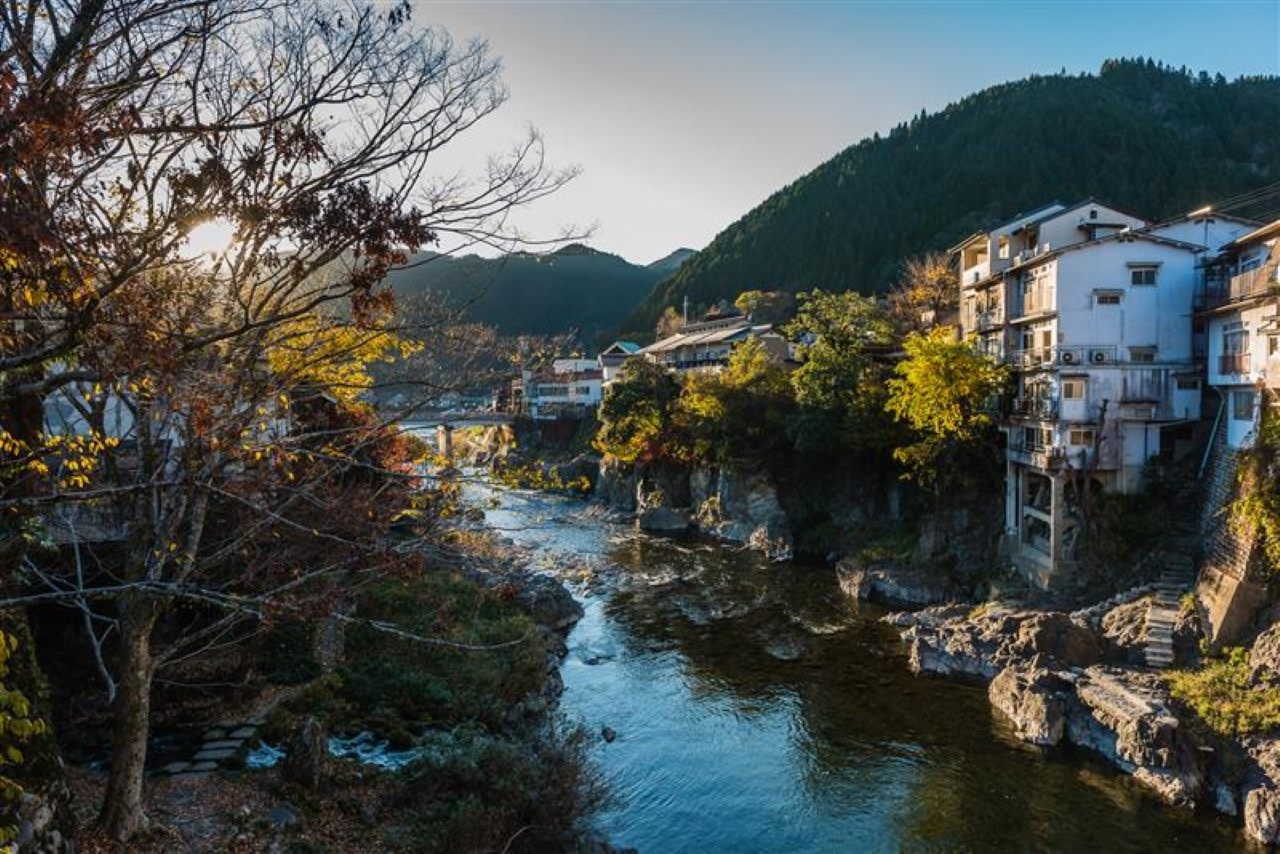
Omi-Hachiman, a historic town by Lake Biwa, invites you to explore a serene blend of culture, history, and natural beauty. This guided tour, led by a local expert, reveals stories from Japan's feudal past, showcasing the influence of Omi merchants and the legacy of American architect William Merrell Vories. Wander through the Edo-period Shinmachi Street, enjoy a scenic stroll along the Hachiman-bori canal, and visit Himure Hachimangu Shrine to connect with local traditions. Conclude your journey with panoramic views from Mount Hachiman and, if you choose, savor the exquisite flavors of premium Omi beef at a renowned restaurant.
- Explore the hidden gem of Omi-Hachiman with a local guide
- Walk through historic streets and along picturesque waterways
- Visit significant sites like Himure Hachimangu Shrine and Mount Hachiman
- Optional gourmet experience featuring delicious Omi beef lunch
Available options
Shiga: Omi-Hachiman Heritage Tour
With Omi beef lunch
With Omi beef lunch
What's included
Guided tour of Omi-Hachiman
Optional Omi beef lunch
Ropeway ride to Mount Hachiman
Detailed itinerary
1
This museum is the perfect starting point for understanding the rich heritage of Omi-Hachiman. Its exhibits trace the town’s story from the Azuchi-Momoyama period to modern times, covering the legacy of Azuchi and Hachiman Castles, the nationwide success of the Omi merchants, and the influence of William Merrell Vories, an American architect who left a unique Western-style mark on the town. The museum offers valuable insights that set the stage for exploring the historic streets and canals outside.
2
Himure Hachimangu is the spiritual heart of Omi-Hachiman, a Shinto shrine with deep ties to the community’s festivals and traditions. Founded centuries ago, it has long been associated with the protection of the town and its people. The shrine grounds are both tranquil and lively, hosting famous seasonal events that reflect the harmony between faith and local culture. A visit here reveals the religious dimension of Omi-Hachiman and its enduring importance to the daily life of the region.
3
The ropeway to Mount Hachiman carries visitors quickly from the town center to a mountain summit that was once the site of Hachiman Castle. The short ride opens to spectacular views of Lake Biwa and the surrounding plains, while at the top you can walk among castle ruins and enjoy sweeping panoramas. The ropeway makes it easy to combine history and scenery, offering both the legacy of a Sengoku-era fortress and some of the best vistas in Shiga Prefecture.
4
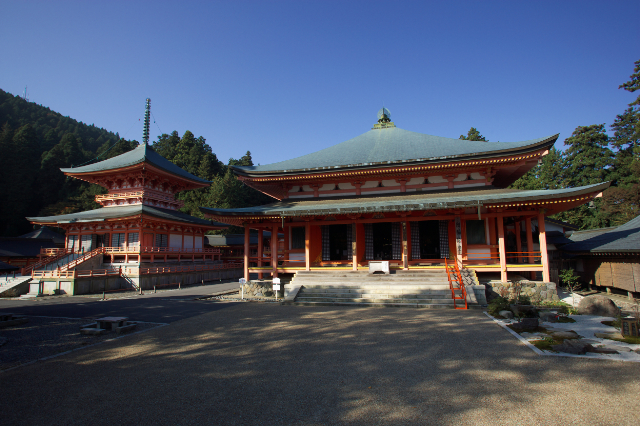
Located on Mount Hachiman, this temple complex was once closely tied to the imperial family and represents the cultural refinement of the town. Within its serene precincts, visitors encounter historic gates, temple halls, and gardens that evoke a sense of spiritual calm. Built on the grounds of the former Hachiman Castle, the site blends the memory of feudal power with the grace of Buddhist tradition. It is a place where the legacy of Omi-Hachiman’s history and its cultural depth can be felt together.
What's not included
Transportation to Omi-Hachiman
Personal expenses
Available languages
Guide guide
EN
Important information
Public transportation options are available nearby
Suitable for all physical fitness levels
Meeting point
Please meet in front of the Omi-Hachiman City Museum. Your guide will be waiting for you holding a yellow sign. Please refer to the map for details.
About Shiga Prefecture
Shiga Prefecture is known as the 'Land of Lakes' due to its famous Lake Biwa, the largest freshwater lake in Japan. This scenic region offers a blend of natural beauty, historical sites, and traditional culture, making it a perfect destination for travelers seeking a mix of relaxation and exploration.
Top Attractions
Lake Biwa
Lake Biwa is the largest freshwater lake in Japan and a major attraction in Shiga Prefecture. It offers a variety of activities, including boating, fishing, and cycling around its scenic shores.
Nature
Half day to full day
Free to moderate (depending on activities)
Hikone Castle
Hikone Castle is one of Japan's few original castles and a designated National Treasure. It offers a glimpse into Japan's feudal past and stunning views of Lake Biwa.
Historical/Architecture
2-3 hours
Moderate (¥600 for adults)
Omi-Hachiman Historic District
Omi-Hachiman is a well-preserved historic district known for its traditional merchant houses, canals, and the iconic Omi-Hachiman Castle. It offers a glimpse into Japan's Edo-period merchant culture.
Historical/Cultural
Half day
Free to moderate (depending on attractions)
Shirahige Shrine
Shirahige Shrine is a unique Shinto shrine located on the shores of Lake Biwa. It is known for its torii gate that appears to float on the water, creating a striking and photogenic scene.
Religious/Cultural
1-2 hours
Free
Enryaku-ji Temple
Enryaku-ji Temple is a UNESCO World Heritage Site and one of Japan's most important Buddhist temples. It is located on Mount Hiei and offers stunning views of Kyoto and Lake Biwa.
Religious/Historical
Half day
Moderate (¥800 for adults)
Must-Try Local Dishes
Funazushi
A traditional dish made from fermented crucian carp, a type of freshwater fish found in Lake Biwa. It has a strong, acquired taste and is a local specialty.
Main dish
Contains fish, not suitable for vegetarians or vegans
Omi Beef
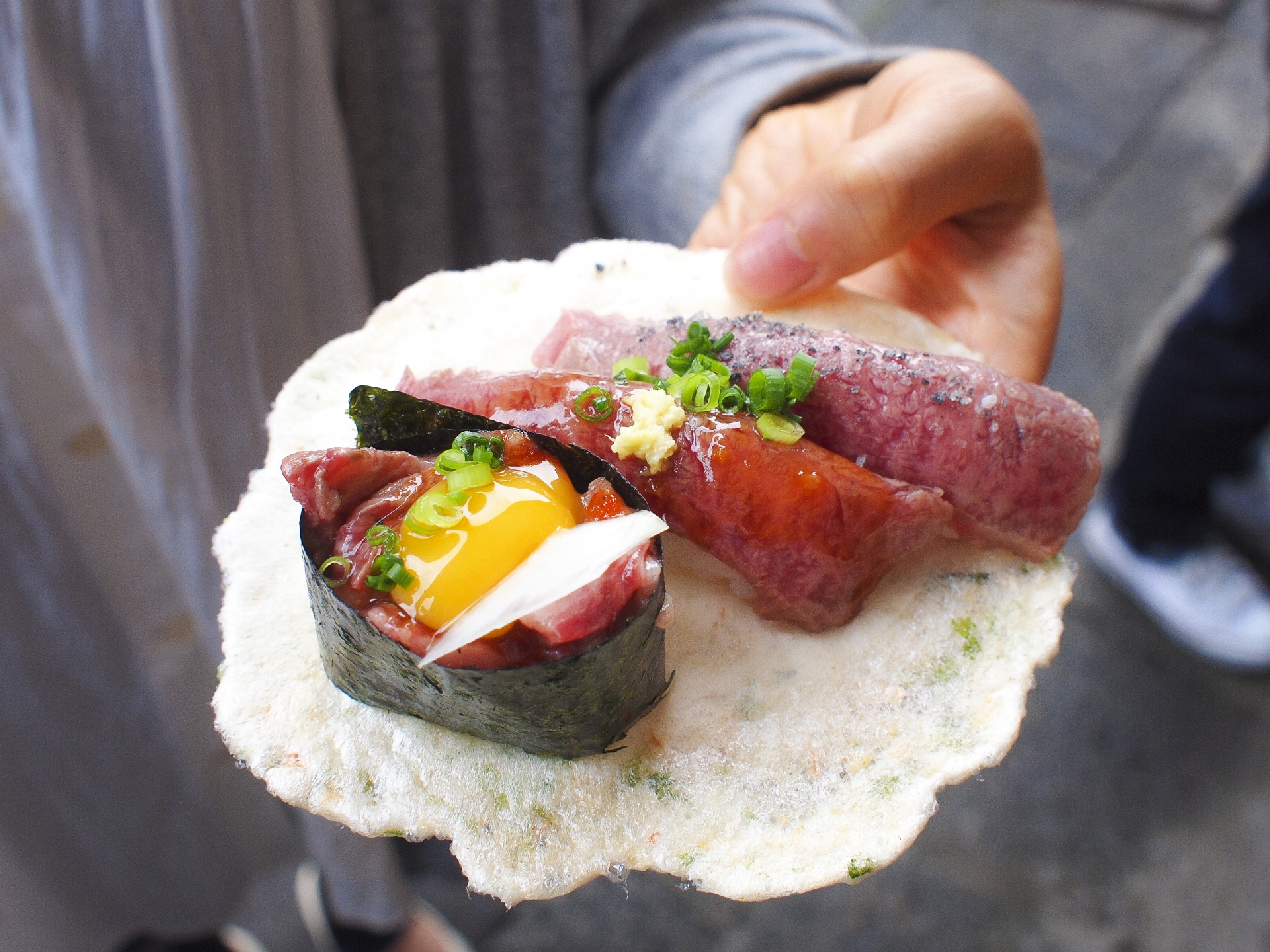
A high-quality, marbled beef from the Omi region, known for its tender texture and rich flavor. It is often served as sushi or in hot pot dishes.
Main dish
Contains beef, not suitable for vegetarians or vegans
Hachiman Sake
A traditional Japanese sake brewed in the Hachiman region. It is known for its smooth, mellow flavor and is a popular souvenir.
Drink
Contains alcohol, not suitable for those avoiding alcohol
Biwa-ko Nodoguro
A blackthroat seaperch fish from Lake Biwa, known for its tender, sweet flesh. It is often grilled or served as sashimi.
Main dish
Contains fish, not suitable for vegetarians or vegans
Popular Activities
Hiking in the mountains around Lake Biwa
Cycling around Lake Biwa
Boating and fishing on Lake Biwa
Onsen (hot spring) visits
Picnicking by Lake Biwa
Temple stays (shukubo)
Visiting historic temples and shrines
Tea ceremonies
Best Time to Visit
Spring (March to May) and Autumn (September to November)
Spring offers beautiful cherry blossoms and mild weather, while autumn provides stunning fall foliage and comfortable temperatures. These are the most popular times to visit.
15-25°C
59-77°F
Practical Information
Language
- Official: Japanese
- Widely spoken: English (limited)
- English: Limited
Currency
Japanese Yen (JPY)
Time Zone
GMT+9
Electricity
100VV, 50/60HzHz
Safety Information
Overall Safety Rating: Very safe
Shiga Prefecture is generally very safe, with low crime rates and a peaceful atmosphere. However, as with any destination, it is important to take basic precautions to ensure a safe and enjoyable trip.
Important Precautions:
- • Be aware of your surroundings and avoid isolated areas at night.
- • Use licensed taxis and tour guides to avoid scams.
- • Keep your valuables secure and be cautious of pickpockets in crowded areas.
Getting there
By air
- Kansai International Airport • 100 km
- Osaka International Airport (Itami Airport) • 50 km
By train
Omi-Hachiman Station, Nagahama Station
By bus
Kyoto Station Bus Terminal, Osaka Station Bus Terminal
Getting around
Public transport
The JR Biwako Line is the main railway line in Shiga Prefecture, offering frequent and efficient service. It is well-connected to Kyoto and Osaka.
Taxis
Available • Apps: JapanTaxi, DiDi
Rentals
Car, Bike, Scooter
Neighborhoods
Otsu
Hikone
Omi-Hachiman
Nagahama
Takashima
Day trips
Kyoto
30 km • Half day to full day
Kyoto is a nearby city known for its historic temples, shrines, and traditional culture. It is a UNESCO World Heritage Site and offers a wealth of cultural experiences.
Nara
70 km • Full day
Nara is a nearby city known for its historic temples, shrines, and the famous Nara Park, home to hundreds of free-roaming deer. It is a UNESCO World Heritage Site and offers a unique cultural experience.
Osaka
50 km • Half day to full day
Osaka is a nearby city known for its vibrant shopping, dining, and nightlife. It is a major commercial hub and offers a wide range of cultural and entertainment options.
Festivals
Omi-Hachiman Festival • April 14-15
Nagahama Hikari Festival • August 1-31
Hikone Castle Festival • April 28-29
Pro tips
- Visit during the shoulder season (spring or autumn) to avoid crowds and enjoy pleasant weather.
- Use an IC card, such as ICOCA or Suica, for convenient and discounted fares on public transportation.
- Download a train schedule app, such as Japan Travel by Navitime, for real-time updates and navigation.
- Try local specialties, such as Funazushi, Omi beef, and Hachiman sake, to experience the unique flavors of Shiga Prefecture.
- Explore the historic districts and traditional towns, such as Omi-Hachiman and Hikone, to experience the charm of old Japan.
From $25
per person
Price varies by option
Secure booking
Free cancellation available
Instant confirmation





![[Winter Limited] Shirakawa-go Gassho Village & Gujo Hachiman Old Town Two-Day Tour | Gero Onsen Gassho Village Illumination & Bokuka no Sato Snow Activities & Shirakawa-go & Hida Takayama & Gujo Hachiman (Departure from Nagoya)](https://res.klook.com/image/upload/activities/pr0iuqizqccl5qgktc1k.jpg)