Japan's Rural Life & Nature: Private Half Day Cycling Near Kyoto
Active
3h - 4h
For a full refund, cancel at least 24 hours before the scheduled departure time.
Manual confirmation
Mobile or paper ticket accepted
About this experience
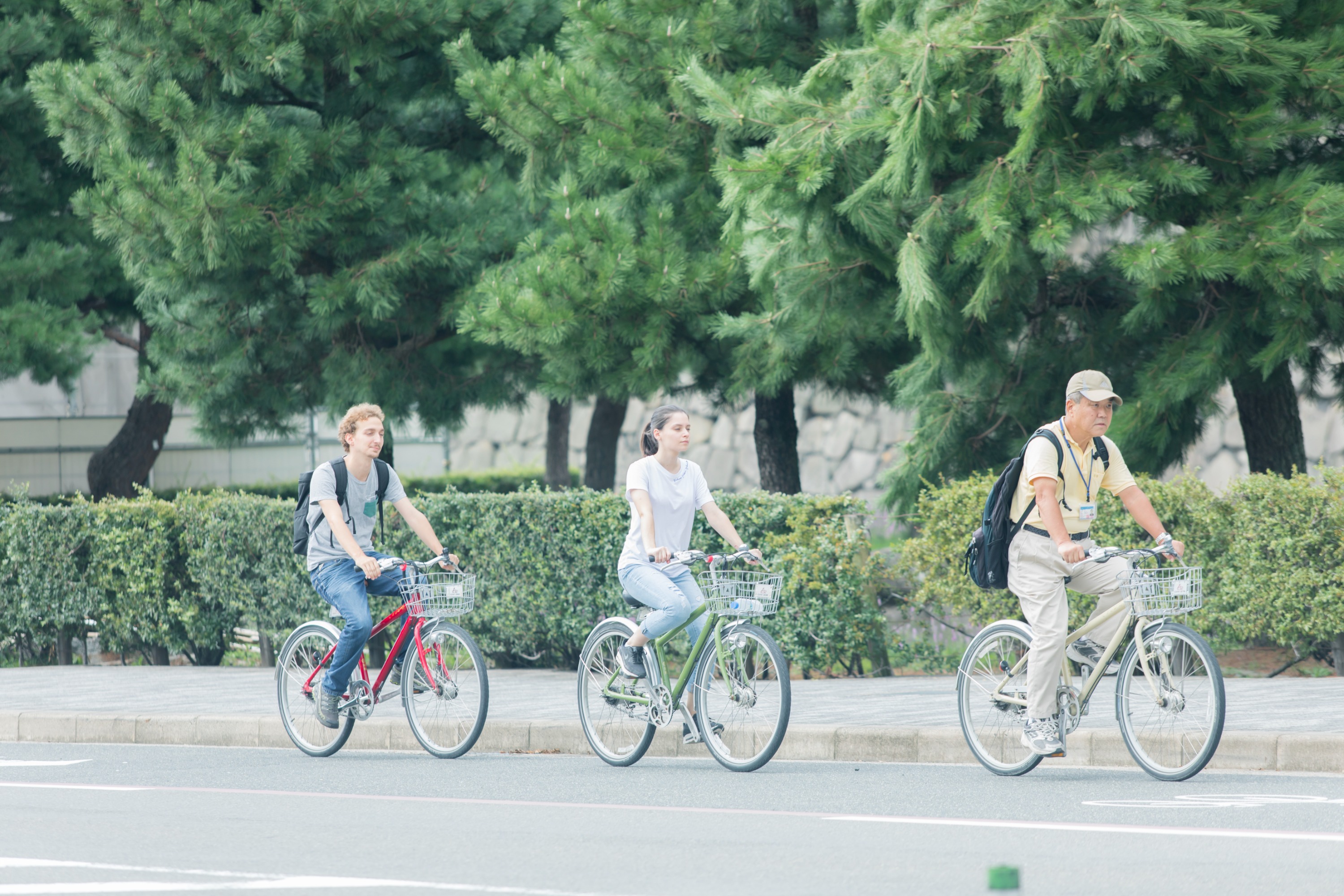
Just a 20 minute shinkansen ride from Kyoto to our starting point, we offer an easy way to explore small town rural life in Japan on this leisurely beginner-friendly ride, with a local resident guide, fluent in English, to help you enjoy our area’s unique geographical and historical points of interest.
This 13km course features a broad range of sights such as rice and agriculture fields, historic trade routes, local villages combining old and new ways of life, a temple and shrine, a brief hike, and the shores of Lake Biwa, all in about 3 hours.
In our tours, we hope to both share and preserve our local culture and traditions. Toward this goal, we also work closely with municipalities and residents to ensure that we always respect the wishes and needs of the local communities that we visit.
Our convenient location and short tour time make it easy to explore more before or after your tour too, such as visiting Hikone Castle, or Lake Biwa!
Available options
Japan's Rural Life & Nature: Private Half Day Cycling Near Kyoto
What's included
Use of bicycle
Professional Guide
Coffee and/or Tea
Detailed itinerary
1
Our tour starts and ends at Maibara Station, and the 13km course follows the farming areas and villages surrounding Maibara, which in the past few decades have been merged into Maibara itself for governing purposes. Throughout the tour, our guide will slowly introduce you to this rural community which is both exemplary of traditional small town life, but also has many uniquely defining points of local culture.
2
This Chinese-influenced Zen temple is also the name used to describe the surrounding small village community. We'll stop briefly to get a look at both, as this is a great example of a typical traditional rural village.
3
We stop at this small 120-meter-high mountain for a short hike and refreshments. The temple was built into the side of the mountain! There's also an Inari Shrine here, as well as an old manmade cave with a unique history. The top of the mountain offers a beautiful view of Maibara and Lake Biwa.
After this stop, we make our way through local rice and wheat fields to the shore of Lake Biwa with occasional stops, before circling back toward Maibara Station.
4
We'll stop at this natural spring well shared by the local community since long ago, as part of the underground waterway between Mt. Ibuki and Lake Biwa. This water is untreated and not for drinking, but many locals use it for washing vegetables and for gardening. This section of the course is great for getting an up-close look at a variety of local agriculture, and just after this stop, we'll also stop at the shore of Lake Biwa.
5
In pre-war Japan, this farm area was actually a smaller inland lake near Lake Biwa, but was drained and converted to farm land to provide much needed rice for the recovering post-war nation. Enjoy the agricultural scenery of this historical area as we make our way back to Maibara Station.
What's not included
Lunch
Available languages
Guide guide
EN
Reviews breakdown
Tripadvisor
4.9
13 reviews
5★
12
4★
1
3★
0
2★
0
1★
0
Important information
Public transportation options are available nearby
Not recommended for travelers with spinal injuries
Not recommended for pregnant travelers
Not recommended for travelers with poor cardiovascular health
Travelers should have at least a moderate level of physical fitness
Meeting point
To get to JR Maibara Station from JR Kyoto Station, please take the bullet train eastbound. Please note that some Hikari and all Nozomi do not stop at Maibara. We will inform you of the train schedule once confirmed.
About Shiga Prefecture
Shiga Prefecture is known as the 'Land of Lakes' due to its famous Lake Biwa, the largest freshwater lake in Japan. This scenic region offers a blend of natural beauty, historical sites, and traditional culture, making it a perfect destination for travelers seeking a mix of relaxation and exploration.
Top Attractions
Lake Biwa
Lake Biwa is the largest freshwater lake in Japan and a major attraction in Shiga Prefecture. It offers a variety of activities, including boating, fishing, and cycling around its scenic shores.
Nature
Half day to full day
Free to moderate (depending on activities)
Hikone Castle
Hikone Castle is one of Japan's few original castles and a designated National Treasure. It offers a glimpse into Japan's feudal past and stunning views of Lake Biwa.
Historical/Architecture
2-3 hours
Moderate (¥600 for adults)
Omi-Hachiman Historic District
Omi-Hachiman is a well-preserved historic district known for its traditional merchant houses, canals, and the iconic Omi-Hachiman Castle. It offers a glimpse into Japan's Edo-period merchant culture.
Historical/Cultural
Half day
Free to moderate (depending on attractions)
Shirahige Shrine
Shirahige Shrine is a unique Shinto shrine located on the shores of Lake Biwa. It is known for its torii gate that appears to float on the water, creating a striking and photogenic scene.
Religious/Cultural
1-2 hours
Free
Enryaku-ji Temple
Enryaku-ji Temple is a UNESCO World Heritage Site and one of Japan's most important Buddhist temples. It is located on Mount Hiei and offers stunning views of Kyoto and Lake Biwa.
Religious/Historical
Half day
Moderate (¥800 for adults)
Must-Try Local Dishes
Funazushi
A traditional dish made from fermented crucian carp, a type of freshwater fish found in Lake Biwa. It has a strong, acquired taste and is a local specialty.
Main dish
Contains fish, not suitable for vegetarians or vegans
Omi Beef
A high-quality, marbled beef from the Omi region, known for its tender texture and rich flavor. It is often served as sushi or in hot pot dishes.
Main dish
Contains beef, not suitable for vegetarians or vegans
Hachiman Sake
A traditional Japanese sake brewed in the Hachiman region. It is known for its smooth, mellow flavor and is a popular souvenir.
Drink
Contains alcohol, not suitable for those avoiding alcohol
Biwa-ko Nodoguro
A blackthroat seaperch fish from Lake Biwa, known for its tender, sweet flesh. It is often grilled or served as sashimi.
Main dish
Contains fish, not suitable for vegetarians or vegans
Popular Activities
Hiking in the mountains around Lake Biwa
Cycling around Lake Biwa
Boating and fishing on Lake Biwa
Onsen (hot spring) visits
Picnicking by Lake Biwa
Temple stays (shukubo)
Visiting historic temples and shrines
Tea ceremonies
Best Time to Visit
Spring (March to May) and Autumn (September to November)
Spring offers beautiful cherry blossoms and mild weather, while autumn provides stunning fall foliage and comfortable temperatures. These are the most popular times to visit.
15-25°C
59-77°F
Practical Information
Language
- Official: Japanese
- Widely spoken: English (limited)
- English: Limited
Currency
Japanese Yen (JPY)
Time Zone
GMT+9
Electricity
100VV, 50/60HzHz
Safety Information
Overall Safety Rating: Very safe
Shiga Prefecture is generally very safe, with low crime rates and a peaceful atmosphere. However, as with any destination, it is important to take basic precautions to ensure a safe and enjoyable trip.
Important Precautions:
- • Be aware of your surroundings and avoid isolated areas at night.
- • Use licensed taxis and tour guides to avoid scams.
- • Keep your valuables secure and be cautious of pickpockets in crowded areas.
Getting there
By air
- Kansai International Airport • 100 km
- Osaka International Airport (Itami Airport) • 50 km
By train
Omi-Hachiman Station, Nagahama Station
By bus
Kyoto Station Bus Terminal, Osaka Station Bus Terminal
Getting around
Public transport
The JR Biwako Line is the main railway line in Shiga Prefecture, offering frequent and efficient service. It is well-connected to Kyoto and Osaka.
Taxis
Available • Apps: JapanTaxi, DiDi
Rentals
Car, Bike, Scooter
Neighborhoods
Otsu
Hikone
Omi-Hachiman
Nagahama
Takashima
Day trips
Kyoto
30 km • Half day to full day
Kyoto is a nearby city known for its historic temples, shrines, and traditional culture. It is a UNESCO World Heritage Site and offers a wealth of cultural experiences.
Nara
70 km • Full day
Nara is a nearby city known for its historic temples, shrines, and the famous Nara Park, home to hundreds of free-roaming deer. It is a UNESCO World Heritage Site and offers a unique cultural experience.
Osaka
50 km • Half day to full day
Osaka is a nearby city known for its vibrant shopping, dining, and nightlife. It is a major commercial hub and offers a wide range of cultural and entertainment options.
Festivals
Omi-Hachiman Festival • April 14-15
Nagahama Hikari Festival • August 1-31
Hikone Castle Festival • April 28-29
Pro tips
- Visit during the shoulder season (spring or autumn) to avoid crowds and enjoy pleasant weather.
- Use an IC card, such as ICOCA or Suica, for convenient and discounted fares on public transportation.
- Download a train schedule app, such as Japan Travel by Navitime, for real-time updates and navigation.
- Try local specialties, such as Funazushi, Omi beef, and Hachiman sake, to experience the unique flavors of Shiga Prefecture.
- Explore the historic districts and traditional towns, such as Omi-Hachiman and Hikone, to experience the charm of old Japan.
From $25
per person
Price varies by option
Secure booking
Free cancellation available


![[W/Lunch] Kyoto Highlights Bike Tour with UNESCO Zen Temples](https://res.klook.com/image/upload/activities/jsiiyeytub5brql4wusb.jpg)