Sapporo: Jozankei Onsen Walk with Temple & Cave Visit
Active
1h
For a full refund, cancel at least 24 hours before the scheduled departure time.
Instant confirmation
Mobile or paper ticket accepted
About this experience
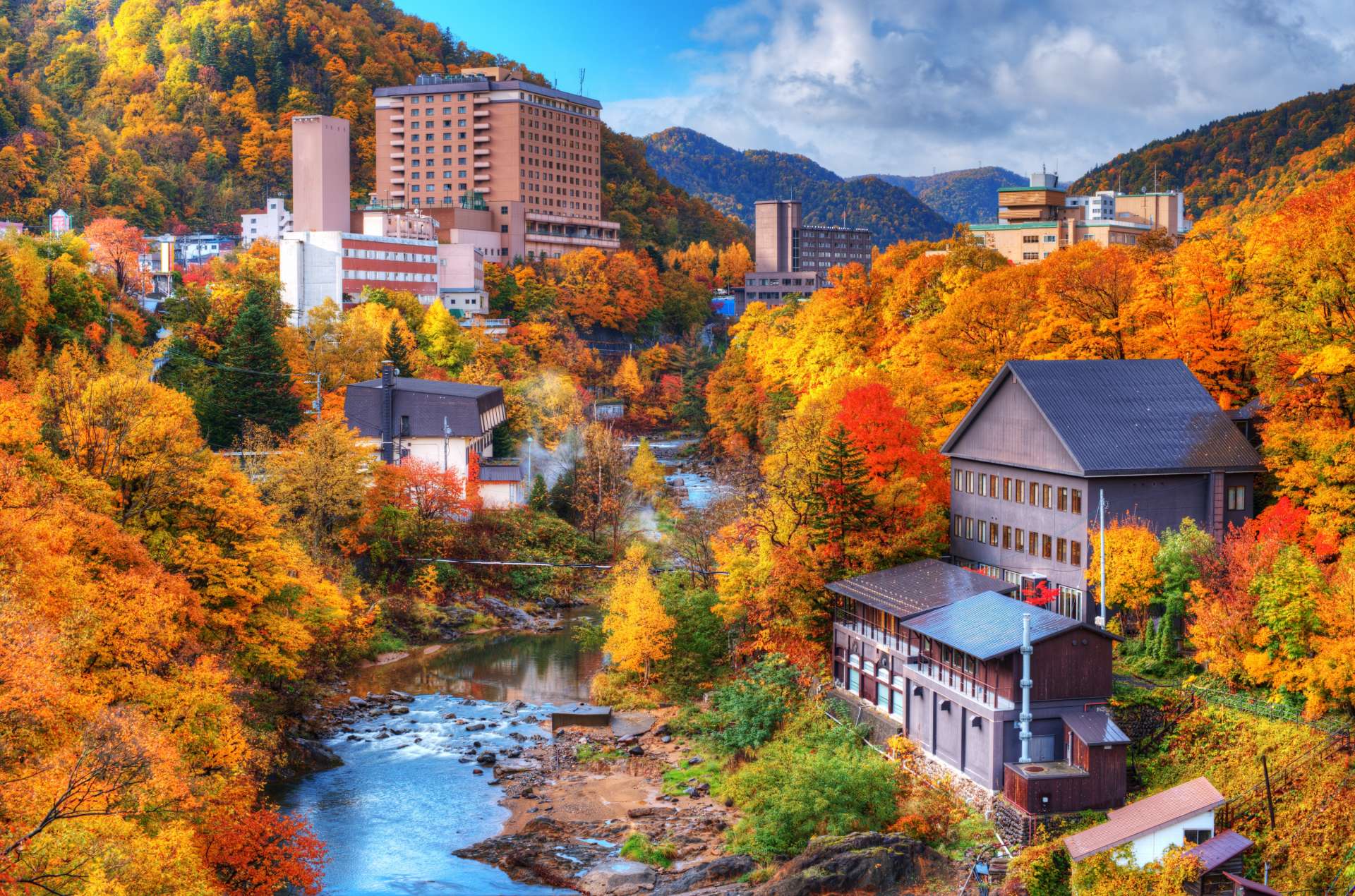
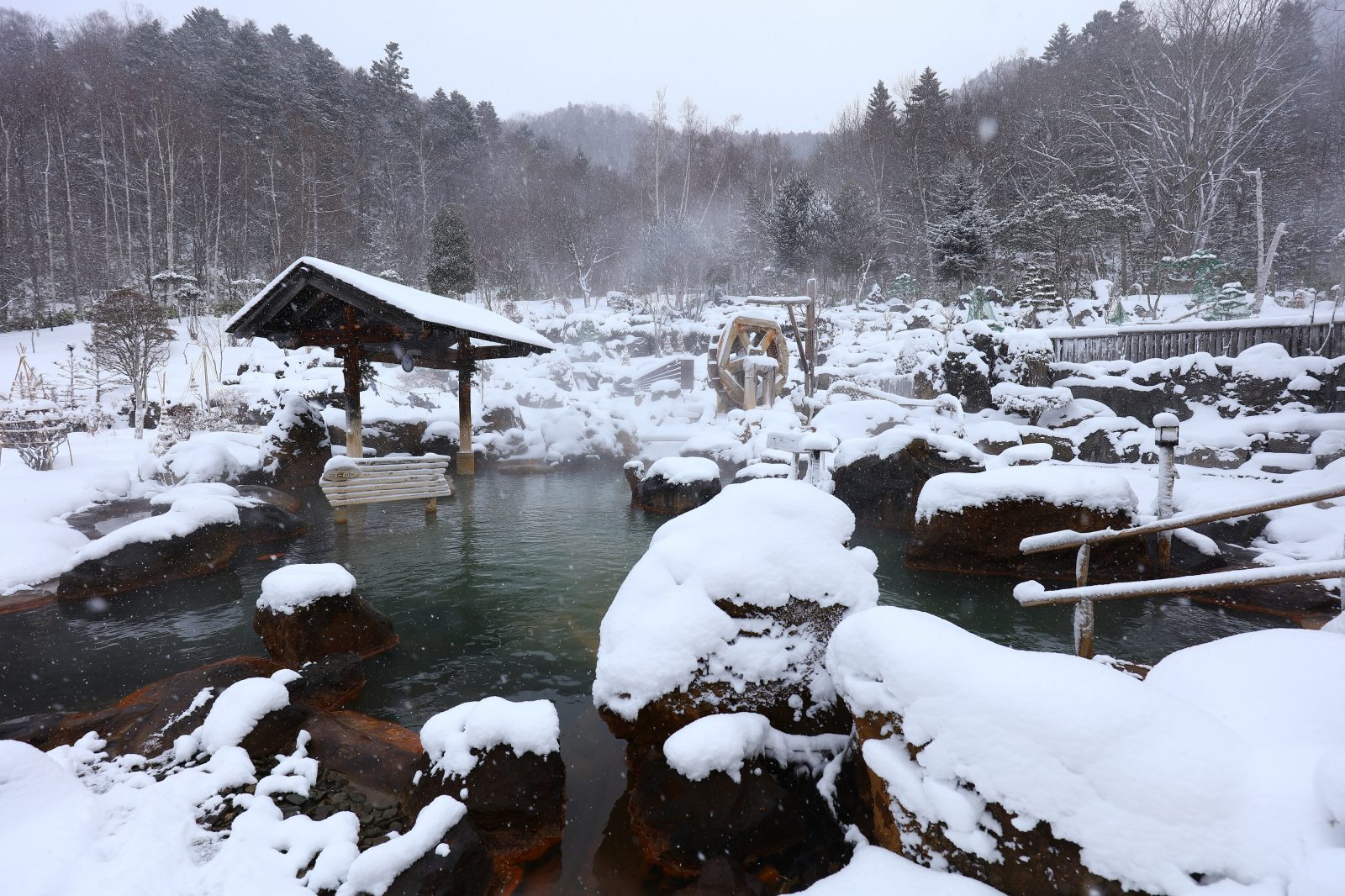
Explore the rich history and serene beauty of Jōzankei Onsen, Sapporo's hidden gem. This guided tour takes you to sacred sites like Jōzankei Shrine and Jōzan Temple, where you’ll learn about the visionary monk Mizumi Jōzan. Enjoy natural hot spring foot baths at Jōzan Gensen Park and experience the mystical Iwaya Kannon Hall, with its enchanting cave exploration. This tour offers a unique blend of culture, spirituality, and relaxation that highlights the essence of this historic hot spring town.
Discover the legacy of Mizumi Jōzan and his contributions to Jōzankei
Visit serene shrines, temples, and enjoy a remarkable cave experience
Relax in natural hot spring foot baths and try boiling an egg in hot spring water
Enjoy insights from your guide about Jōzankei's cultural significance and onsen traditions
Available options
Sapporo: Jozankei Onsen Walk with Temple & Cave Visit
What's included
Cave exploration
Guided tour of Jōzankei Onsen
Hot spring foot baths
Detailed itinerary
1
Jozankei Shrine is a peaceful Shinto shrine founded in the early 20th century, where locals come to pray for health, safe travels, and prosperity. Surrounded by seasonal foliage, it represents the spiritual heart of the hot spring valley and offers visitors a quiet moment of reflection at the start of their journey.
2
Jozan Temple is closely linked to Mizumi Jōzan, the ascetic monk who developed Jozankei in the 19th century. Inside the temple’s main hall and treasure house, you will find his wooden statue, handwritten letters, and artifacts that reveal his life and vision. This temple allows visitors to understand how a single monk’s faith and determination gave birth to the hot spring town.
3
Jozan Gensen Park, established in 2005 to commemorate the 200th anniversary of Mizumi Jōzan’s birth, is a symbolic place where history and hot spring culture meet. The park features his bronze statue, natural hot spring foot baths, and the chance to boil eggs in the steaming mineral water. It is a casual and fun way to experience the living traditions of Jozankei.
4
Stop 4
Jozankei Onsen, often called “Sapporo’s back parlor,” was founded in 1866 by Mizumi Jōzan. Located within Shikotsu-Toya National Park, the town stretches along the Toyohira River. Its sodium-chloride hot springs are said to warm the body to the core, and the town itself—with ryokan, free foot baths, and riverside promenades—reflects the Japanese way of combining health, leisure, and community.
5
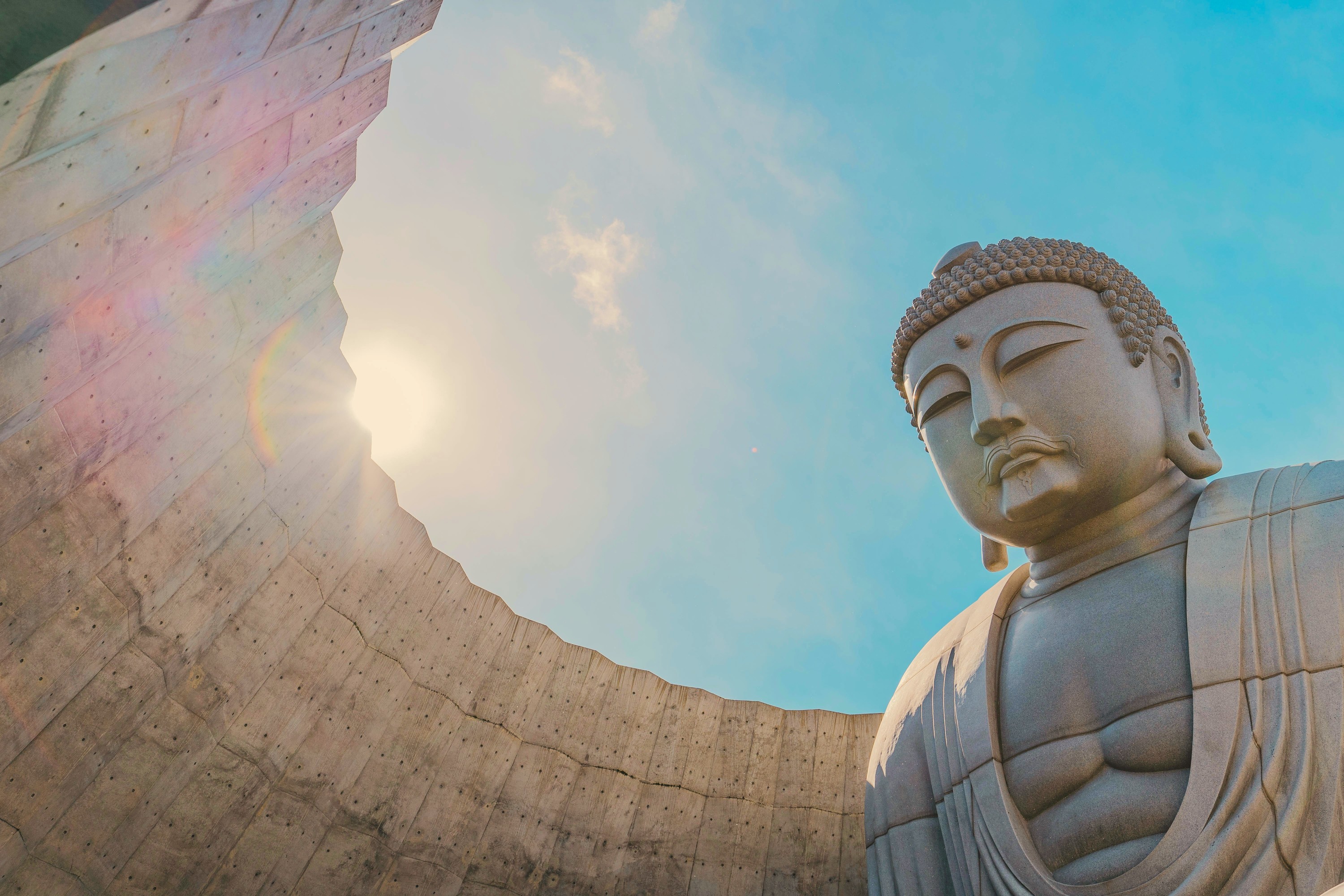
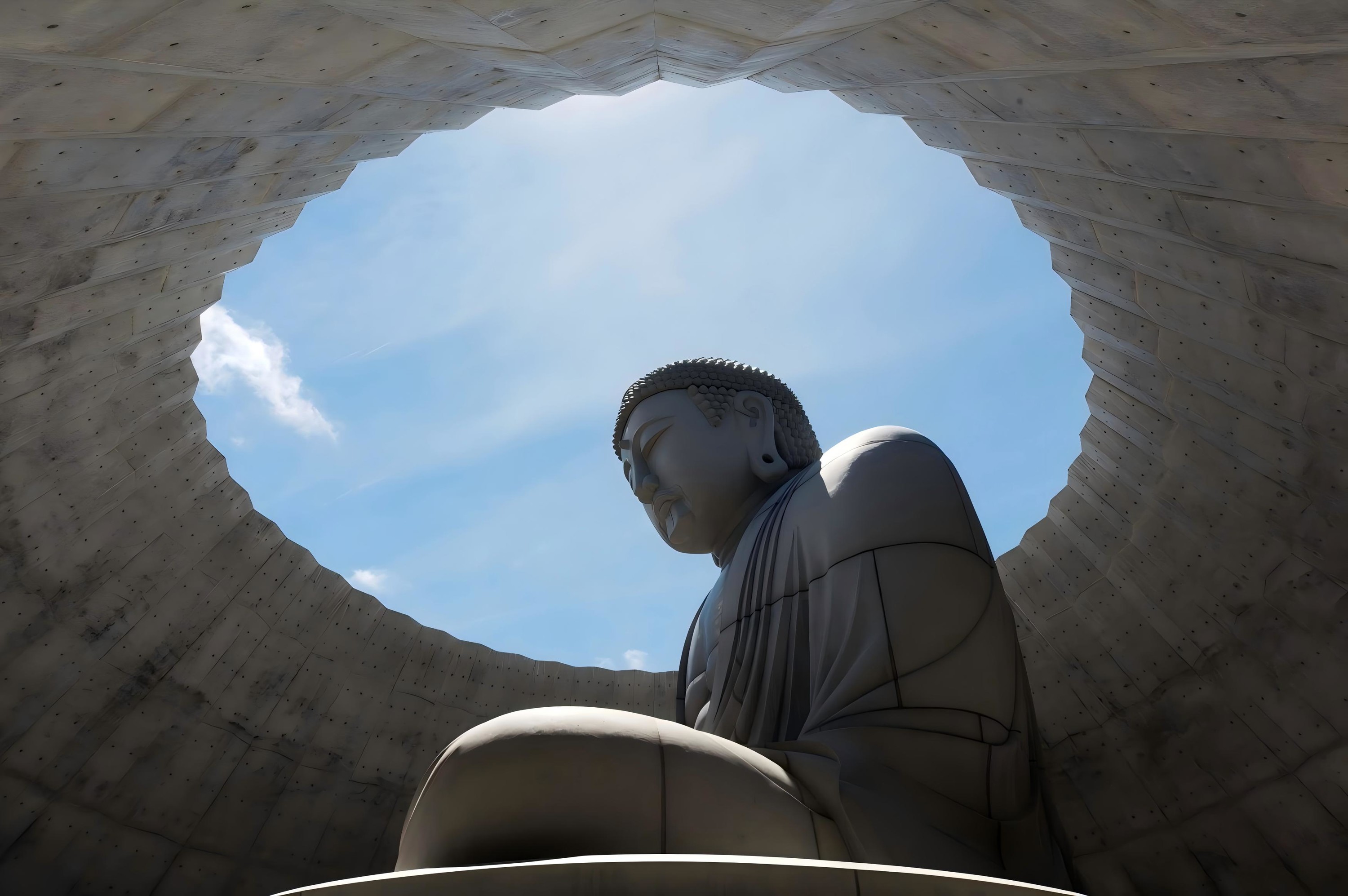
Iwato Kannon Hall is a small Buddhist hall built against the rock face, dedicated to Kannon, the deity of compassion. Behind the hall lies a natural cave that visitors can actually enter. Walking into the dim cavern lined with statues and offerings is a rare and special experience—part temple visit, part spiritual adventure—that connects faith, nature, and mystery in one unforgettable moment.
What's not included
Transportation to the meeting point
Available languages
Guide guide
EN
Important information
Service animals allowed
Public transportation options are available nearby
Suitable for all physical fitness levels
Meeting point
The meeting point is in front of the Jozankei Tourist Information Center. Your guide will be waiting with a yellow sign. Please refer to the map for details.
About Sapporo
Sapporo, the capital of Hokkaido, is known for its stunning winter landscapes, vibrant cultural scene, and delicious seafood. The city hosts the famous Sapporo Snow Festival and offers a unique blend of modern urban life and traditional Japanese charm.
Top Attractions
Sapporo Beer Museum
Learn about the history of beer in Japan and the Sapporo Beer brand. The museum offers beer tasting and a chance to see the brewing process.
Historical
1-2 hours
Free entry, beer tasting costs vary
Odori Park
A large park in the heart of Sapporo, known for its beautiful gardens, fountains, and the famous Sapporo Snow Festival held here in February.
Nature
1-3 hours depending on the season
Free
Sapporo TV Tower
A landmark of Sapporo, offering panoramic views of the city from its observation deck. The tower is illuminated at night, creating a beautiful sight.
Architecture
1 hour
¥790 for adults
Must-Try Local Dishes
Sapporo Ramen
A rich, miso-based ramen with corn, butter, and pork. A must-try local specialty.
Lunch/Dinner
Contains pork, can be made vegetarian with modifications.
Soup Curry
A spicy, flavorful curry soup with vegetables and meat, a Hokkaido specialty.
Lunch/Dinner
Can be made vegetarian or vegan.
Genghis Khan
Grilled lamb or mutton, a popular dish in Hokkaido, often cooked on a dome-shaped grill.
Dinner
Contains lamb, not suitable for vegetarians or vegans.
Popular Activities
Skiing in Niseko
Snowboarding in Rusutsu
Hiking in Daisetsuzan National Park
Onsen (hot spring) bathing
Strolling through Odori Park
Shopping in Tanukikoji
Visiting the Sapporo Beer Museum
Exploring Otaru's historic district
Best Time to Visit
December to February (Winter) and July to August (Summer)
Winter is ideal for snow festivals and skiing, while summer offers pleasant weather for outdoor activities and festivals.
Winter: -5°C to 0°C, Summer: 18°C to 25°C
Winter: 23°F to 32°F, Summer: 64°F to 77°F
Practical Information
Language
- Official: Japanese
- Widely spoken: English, Chinese, Korean
- English: Moderately spoken in tourist areas, limited elsewhere
Currency
Japanese Yen (JPY)
Time Zone
GMT+9
Electricity
100VV, 50/60HzHz
Safety Information
Overall Safety Rating: Very safe
Sapporo is a very safe city with low crime rates. However, petty theft and scams can occur, especially in tourist areas.
Important Precautions:
- • Be cautious of your belongings in crowded areas.
- • Use licensed taxis and agreed-upon fares.
- • Be wary of strangers offering help or services, especially in tourist areas.
Getting there
By air
- New Chitose Airport • 40 km from city center
By train
Sapporo Station
By bus
Sapporo Station Bus Terminal, Susukino Bus Terminal
Getting around
Public transport
The subway system is clean, efficient, and easy to navigate. It consists of three lines: Namboku, Tozai, and Tohoku-Johetsu.
Taxis
Available • Apps: JapanTaxi, DiDi
Rentals
Car, Bike, Scooter
Neighborhoods
Susukino
Odori
Tanukikoji
Day trips
Niseko
110 km from Sapporo • Full day or overnight
A popular ski resort known for its powder snow, Niseko offers excellent skiing and snowboarding in winter, and outdoor activities in summer.
Otaru
30 km from Sapporo • Half day or full day
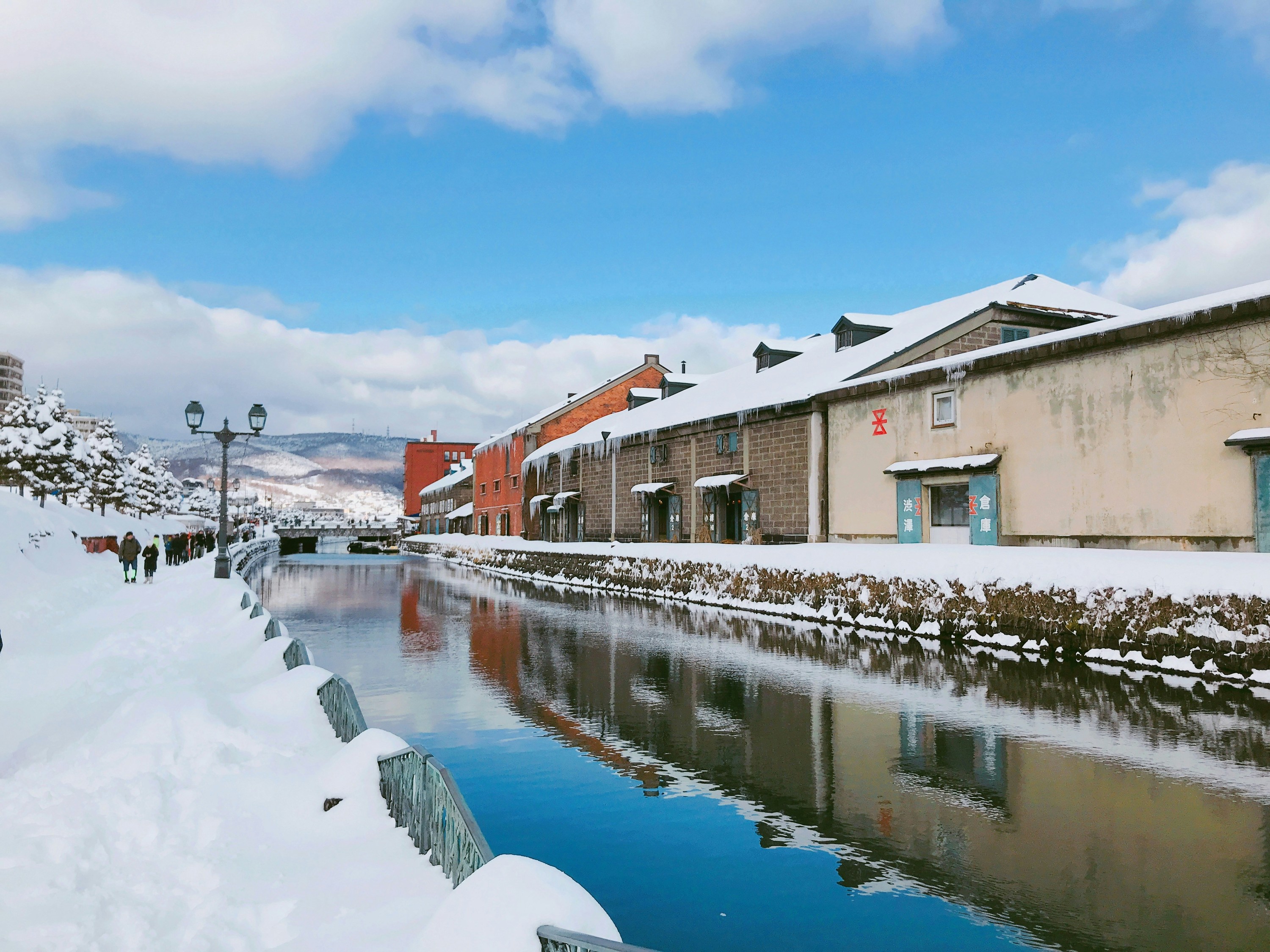
A charming port city known for its historic buildings, canals, and fresh seafood. Otaru offers a mix of history, culture, and scenic views.
Furano
140 km from Sapporo • Full day or overnight
Known for its lavender fields in summer and skiing in winter, Furano offers a mix of natural beauty and outdoor activities.
Festivals
Sapporo Snow Festival • Early February
Sapporo Beer Festival • Late July to early August
Yosakoi Soran Festival • Early June
Pro tips
- Visit the Sapporo Beer Museum for a unique beer tasting experience.
- Try Sapporo's famous ramen at Ramen Republic or other local ramen shops.
- Explore the historic Tanukikoji Shopping Arcade for souvenirs and street food.
- Experience the Sapporo Snow Festival if visiting in February.
- Take a day trip to Otaru for its charming canals and fresh seafood.
From $25
per person
Price varies by option
Secure booking
Free cancellation available
Instant confirmation


![[Hokkaido Winter Limited] Great Buddha Head & Jozankei Onsen & Otaru & Shiroi Koibito Day Trip | Departure from Sapporo](https://res.klook.com/image/upload/activities/pjoonc4cv5q1jzio77rd.jpg)
![[Winter Limited, departure from Sapporo] Jozankei snow scenery tour × Lake Shikotsu Ice Falls Festival night view | Hot spring/rafting/hiking optional & lakeside snow ring play one-day tour](https://res.klook.com/image/upload/activities/isqvohxtxlsms0pdmkkr.jpg)