Medieval Galway Tour
Active
1h
For a full refund, cancel at least 24 hours before the scheduled departure time.
Instant confirmation
Mobile or paper ticket accepted
About this experience
Take a walking tour of Medieval Galway with an experienced regional guide and member of the Approved Tourist Guides of Ireland. See the remnants of the medieval period in Galway and learn about the city's past.
Meet your guide at the Browne Doorway in Eyre Square where they will take you on an exciting tour to discover the city walls, Lynch's Memorial Window, the story of the Claddagh ring, Hall of the Red Earl, and much more.
Hear how the 14 Tribes took control of Galway from the de Burgo's and made it one of the most important trading hubs along the western seaboard during the medieval period.
Available options
Medieval Galway Tour
What's included
Fáilte Ireland Regional Guide with over 10 years of experience and an MA in Irish Studies.
Detailed itinerary
1
The Browne Doorway is a freestanding door in Eyre Square. The door comes from a house that was originally located on Lower Abbeygate Street and the house was owned by Martin Browne, a very important merchant.
2
Hidden in Eyre Square Shopping Centre are the remains of the city walls. Walls were a common feature of towns during the medieval period and they were a defensive feature. Visitors will hear how the walls were important to the people of Galway.
3
Lynch's Castle is connected to the Lynch family who were one of the 14 Tribes and a very powerful family. Today the building is AIB bank and the oldest commercial building in Ireland.
4
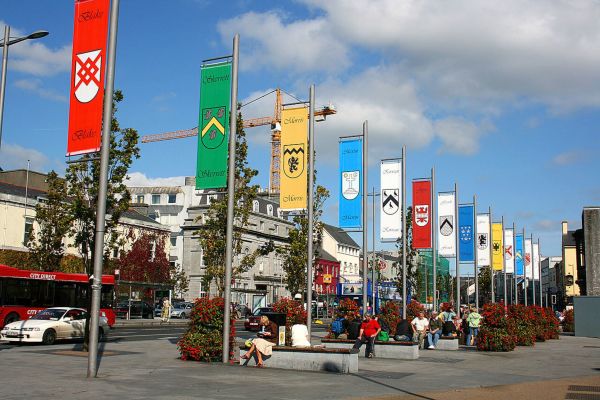
Galway is known as the City of the Tribes. The Tribes were 14 families who controlled Galway during the medieval period. Hear about the Mayor of Galway, who hung his own son in the 1400s.
5
St. Nicholas' Collegiate Church has been at the heart of Galway city for over 700 years. Visitors will hear about Jane Eyre and James Kearney, and how Cromwell's soldiers used the church as a stables. There is a fee to enter the church, which isn't included in the price of the tour. The fee goes towards the maintenance of the church. It is up to the visitor if they would like to go in or not.
6
The King's Head pub is a popular spot in Galway city but the building has a connection to the beheading of King Charles I of England.
7
Explore Thomas Dillon's Jewellers on Quay Street. They are the original makers of the famous Claddagh ring since 1750. Hear the story surrounding this well-known ring.
8
The Hall of the Red Earl is a significant archaeological site and run by Galway Civic Trust. It was discovered in the late 1990s and all that can be seen are the foundations, with the remains of the walls, columns and buttresses. Visitors can walk down into site to get a closer look.
9
Galway had 14 lanes and and alleyways during the medieval period. Kirwan's Lane is one of 5 lanes still in existence and named after the Kirwan family who were one of the 14 Tribes. There are still remnants of medieval Galway on Kirwan's Lane with some of the buildings.
10
Blake's Castle at the end of Quay of Street was owned by the Blake family, one of the 14 Tribes. At one point the castle was the county gaol. Visitors will hear a little of what life was like for the criminals in the jail. The castle fell into ruin but was restored around the 1980s.
11
Stop 11
The Spanish Arch is one of Galway's most iconic attractions. It was built as an extension of the city walls and protected the boats that were moored in the harbour. Visitors will hear about the Claddagh across the river and the tsunami that destroyed two of the arches.
What's not included
Entrance fee into St. Nicholas' Church.
Available languages
Guide guide
EN
Reviews breakdown
Viator
5.0
7 reviews
5★
7
4★
0
3★
0
2★
0
1★
0
Tripadvisor
5.0
4 reviews
5★
4
4★
0
3★
0
2★
0
1★
0
Important information
Wheelchair accessible
Infants and small children can ride in a pram or stroller
Service animals allowed
Public transportation options are available nearby
Transportation options are wheelchair accessible
All areas and surfaces are wheelchair accessible
Suitable for all physical fitness levels
Please note, tour runs in all weather, unless there's a severe weather warning. Please dress accordingly. In the event of a severe weather warning the tour will be cancelled for the safety of the group, and an alternative date or a full refund will be given.
Meeting point
It's a free-standing stone Doorway with perspex glass surrounding it on the northside of Eyre Square. Please be at the meeting point 15 minutes before the start of the tour so we can start on time.
About Galway
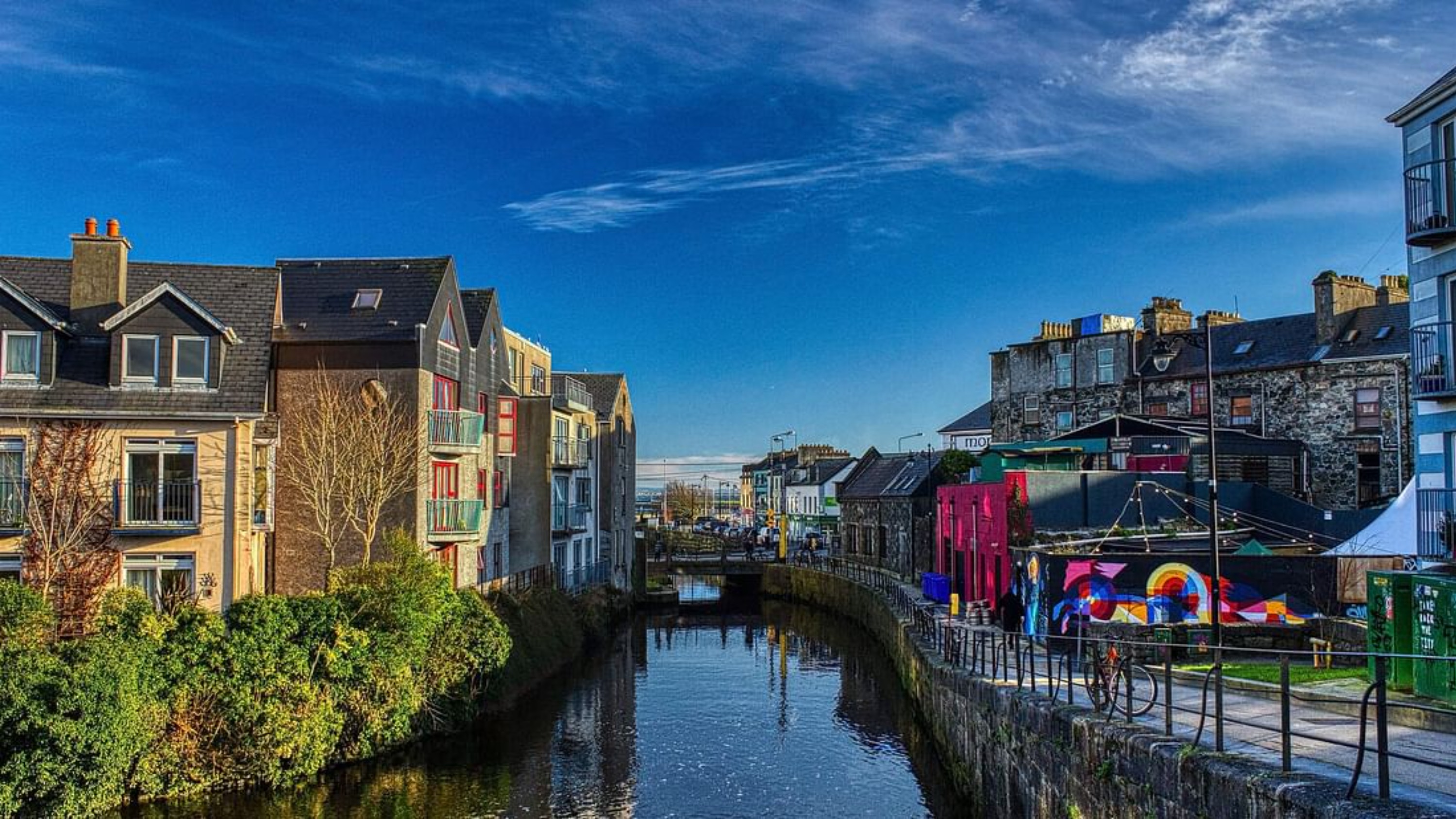
Galway is a vibrant city on the west coast of Ireland, known for its rich cultural heritage, lively arts scene, and stunning natural surroundings. It offers a unique blend of traditional Irish charm and modern creativity, making it a must-visit destination.
Top Attractions
Eyre Square (John F. Kennedy Memorial Park)
A central landmark in Galway, this square is a hub of activity and a historic site with the famous statue of John F. Kennedy.
Historical
30 minutes
Free
Galway Cathedral
A stunning example of modern Irish religious architecture, this cathedral is a must-visit for its beauty and tranquility.
Religious
1 hour
Free (donations welcome)
Spanish Arch
A historic arch that is part of the old city walls, offering a glimpse into Galway's rich history and a popular spot for locals and tourists alike.
Historical
30 minutes
Free
Salthill Promenade
A scenic coastal walkway offering stunning views of Galway Bay and the Aran Islands, perfect for a leisurely stroll or a workout.
Nature
1-2 hours
Free
Claddagh
A historic fishing village that is now part of Galway, known for its rich heritage and the famous Claddagh ring.
Cultural
1-2 hours
Free (shopping and dining costs vary)
Must-Try Local Dishes
Oysters
Fresh Galway oysters, often served with a squeeze of lemon and a side of brown bread.
Appetizer
Seafood, gluten-free option available
Irish Stew
A hearty stew made with lamb, potatoes, carrots, and onions, slow-cooked to perfection.
Main Course
Gluten-free, can be made vegetarian
Seafood Chowder
A creamy and comforting soup filled with a variety of fresh seafood.
Soup
Seafood, gluten-free option available
Soda Bread
A traditional Irish bread made with buttermilk, known for its dense texture and slightly tangy flavor.
Bread
Gluten-free option available
Popular Activities
Hiking in Connemara National Park
Kayaking on Galway Bay
Cycling the Wild Atlantic Way
Strolling along Salthill Promenade
Enjoying a spa day
Reading in a cozy café
Attending a traditional Irish music session
Visiting local museums and galleries
Best Time to Visit
June to August
The summer months offer the warmest weather and the most daylight, perfect for exploring the city and its surrounding natural attractions. This is also the peak tourist season with festivals and events in full swing.
15°C to 20°C
59°F to 68°F
Practical Information
Language
- Official: English, Irish
- Widely spoken: English
- English: Widely spoken
Currency
Euro (EUR)
Time Zone
GMT+0 (GMT+1 during daylight saving time)
Electricity
230VV, 50HzHz
Safety Information
Overall Safety Rating: Generally safe
Galway is generally a safe city with a low crime rate. However, as with any tourist destination, it's important to be aware of your surroundings and take precautions to protect your belongings.
Important Precautions:
- • Keep valuables secure and out of sight
- • Be cautious of strangers approaching you with offers or requests
- • Use licensed taxis and check the meter
Getting there
By air
- Shannon Airport • 80 km (50 miles)
- Galway Airport • 6 km (4 miles)
By train
Galway Ceannt Station
By bus
Galway Bus Station
Getting around
Public transport
The bus system is efficient and affordable, with frequent services throughout the day.
Taxis
Available • Apps: FreeNow, Local taxi apps
Rentals
Car, Bike, Scooter
Neighborhoods
Latin Quarter
Salthill
Claddagh
Day trips
Aran Islands
30 km (19 miles) from Galway • Full day
A group of three islands known for their unique cultural heritage, stunning landscapes, and traditional Irish language and customs.
Connemara National Park
60 km (37 miles) from Galway • Full day
A stunning national park with a variety of landscapes, including mountains, bogs, and forests, offering numerous outdoor activities.
The Burren
80 km (50 miles) from Galway • Full day
A unique limestone landscape with a rich history, diverse flora, and fascinating geological features.
Festivals
Galway International Arts Festival • July
Galway International Oyster Festival • September
Galway Races • July/August
Pro tips
- Visit during the shoulder seasons for fewer crowds and pleasant weather
- Explore the Latin Quarter for a taste of traditional Irish culture and nightlife
- Take a day trip to the Aran Islands for a unique cultural experience
- Try traditional Irish dishes like oysters, Irish stew, and soda bread
- Attend a traditional Irish music session in a local pub
From $25
per person
Price varies by option
Secure booking
Free cancellation available
Instant confirmation