One Day Private Exploration with an Expert The wonders of Angkor
Active
7h - 9h
For a full refund, cancel at least 24 hours before the scheduled departure time.
Instant confirmation
Mobile or paper ticket accepted
About this experience
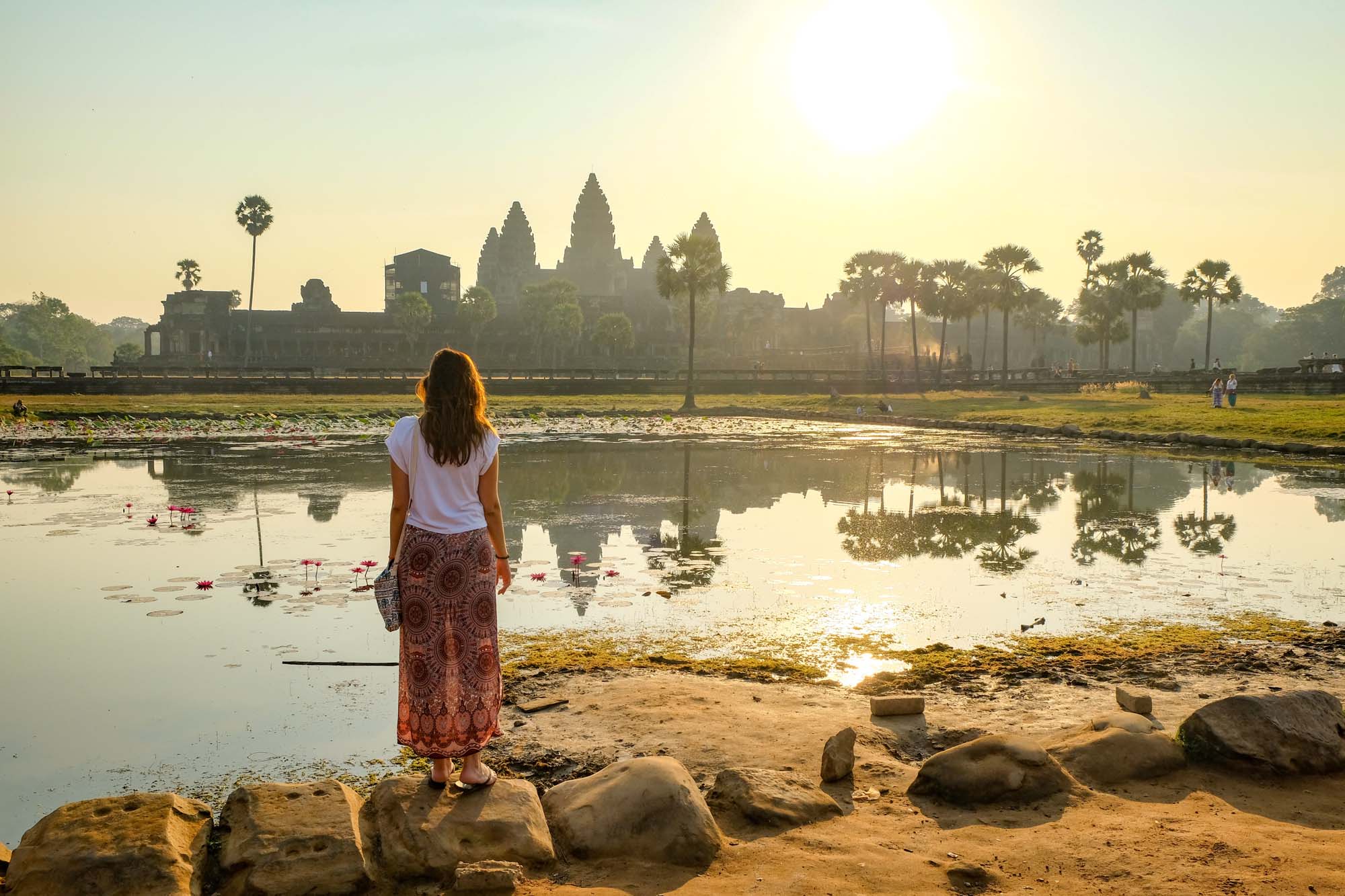
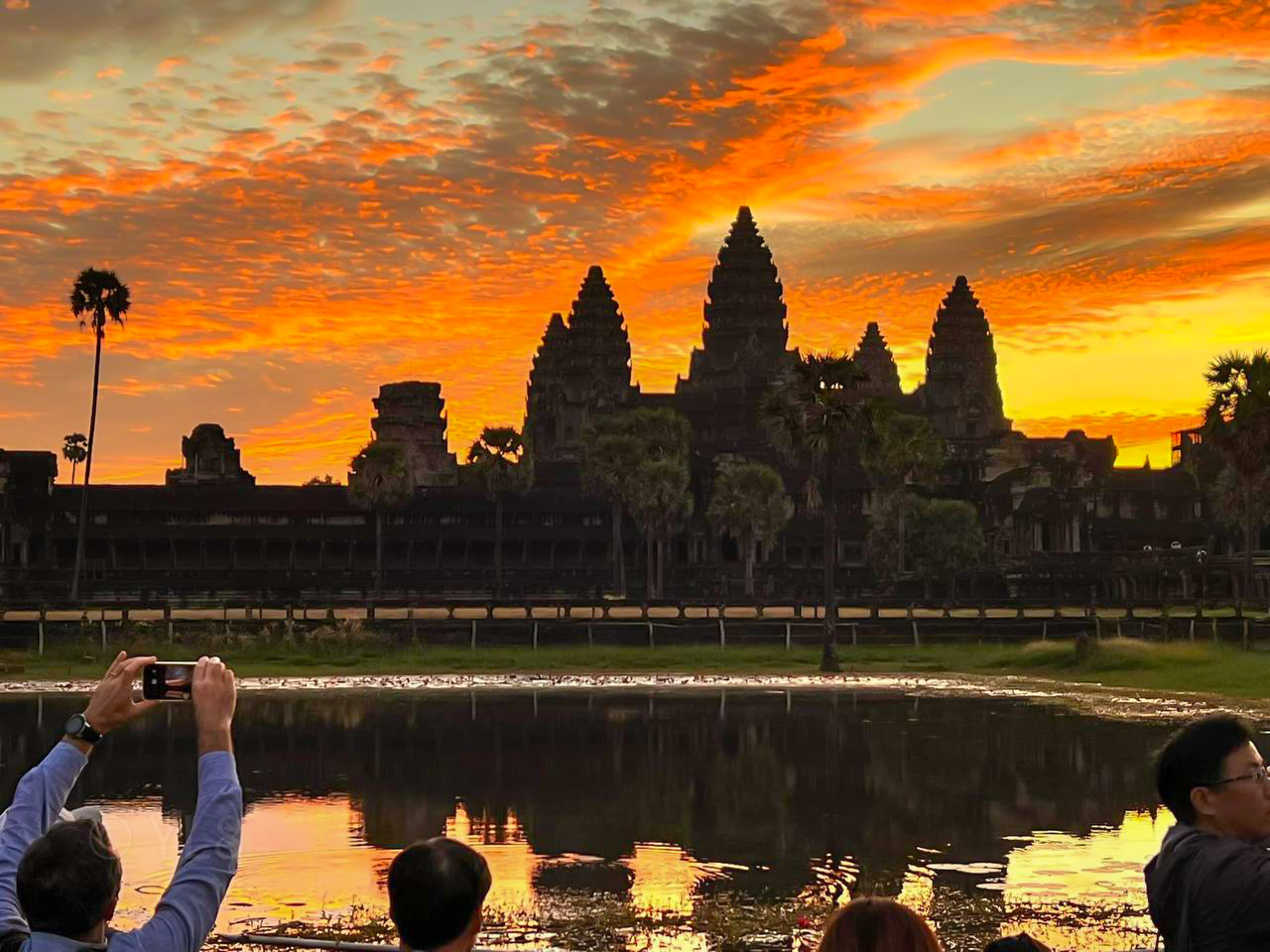
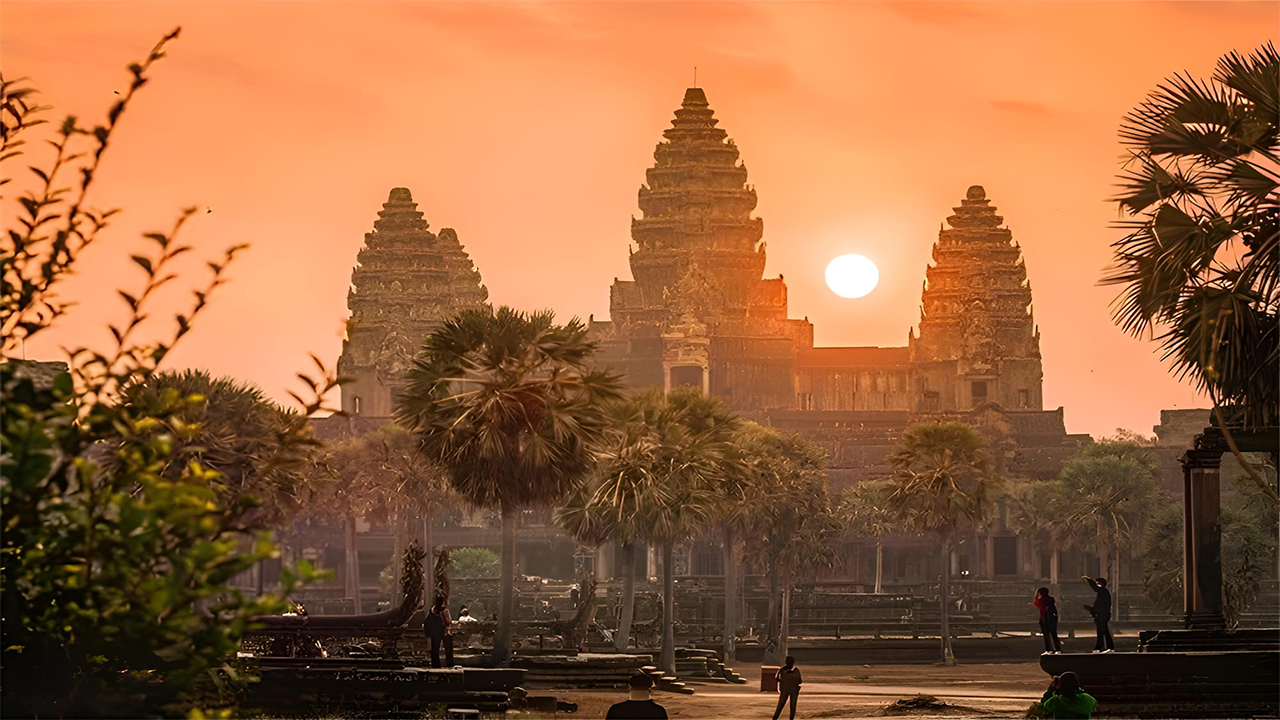
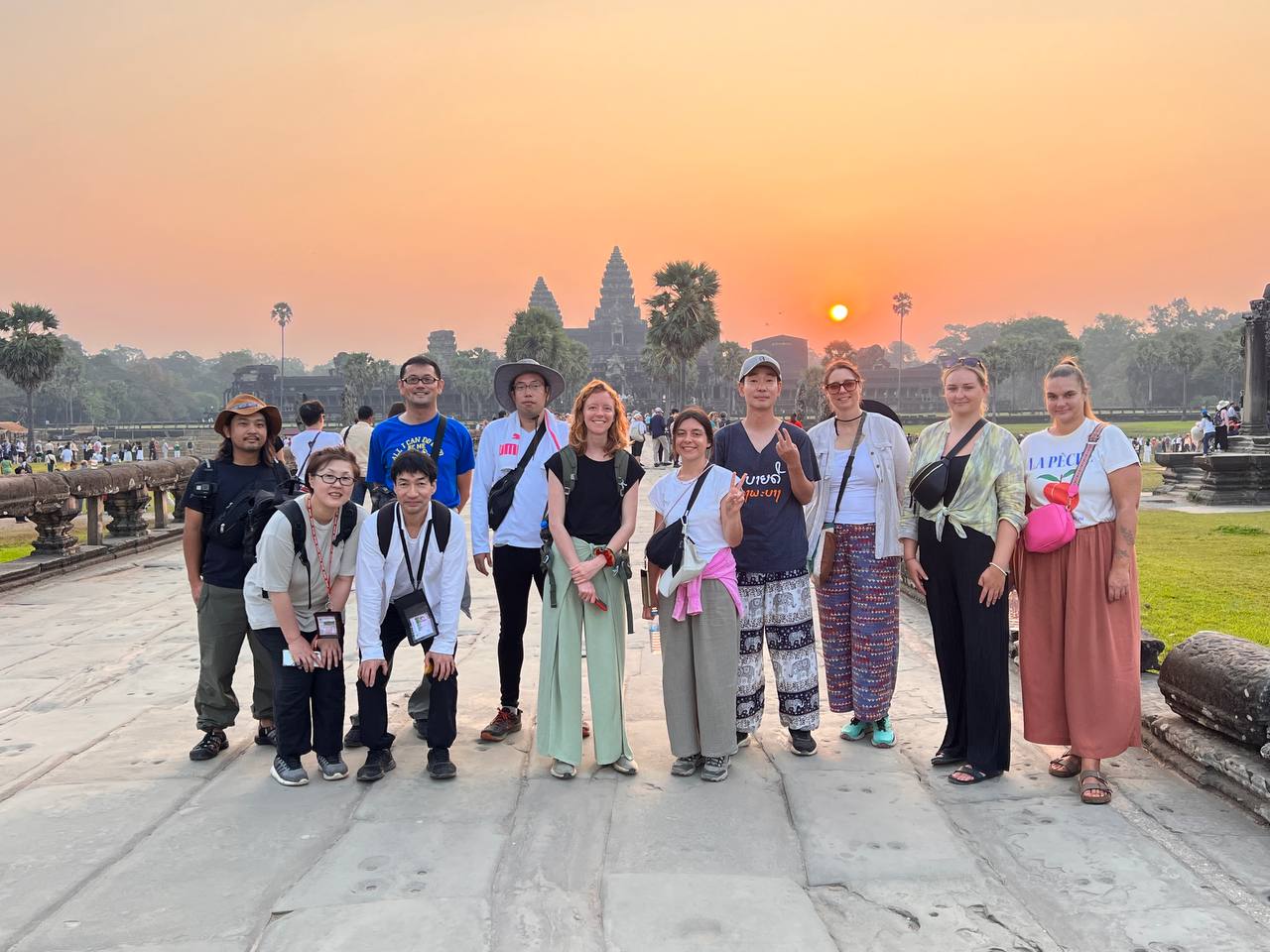
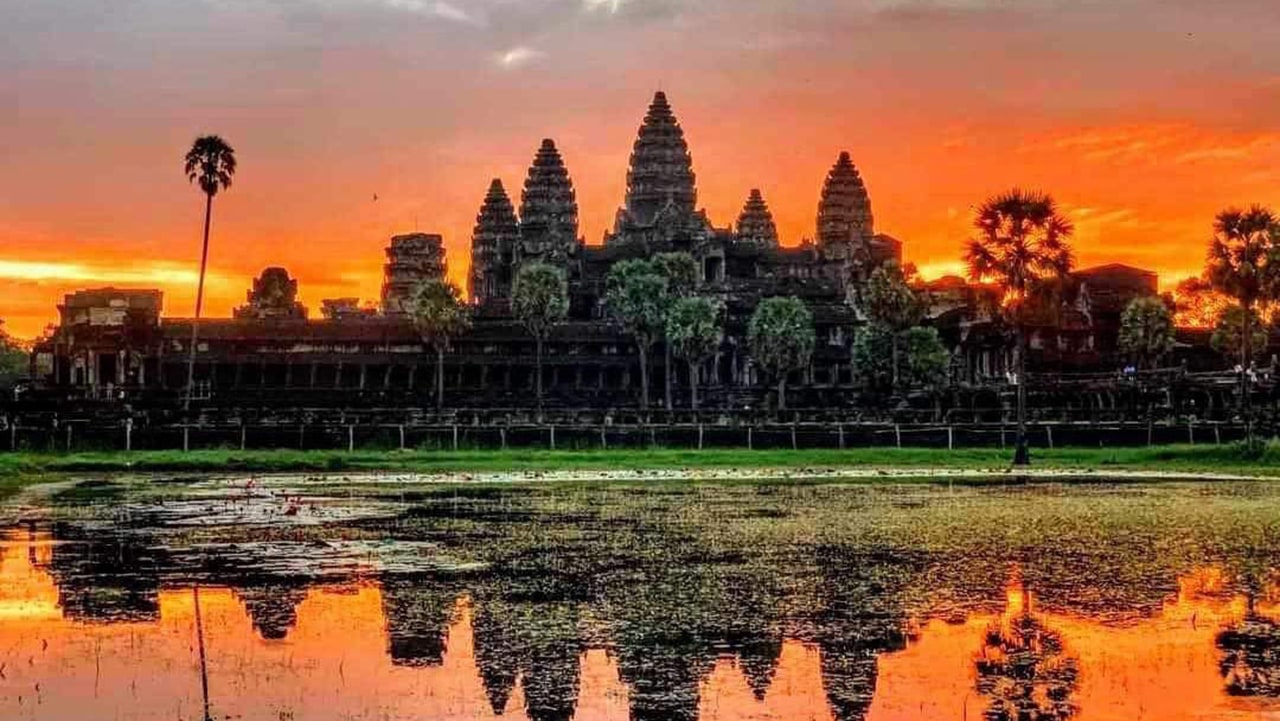
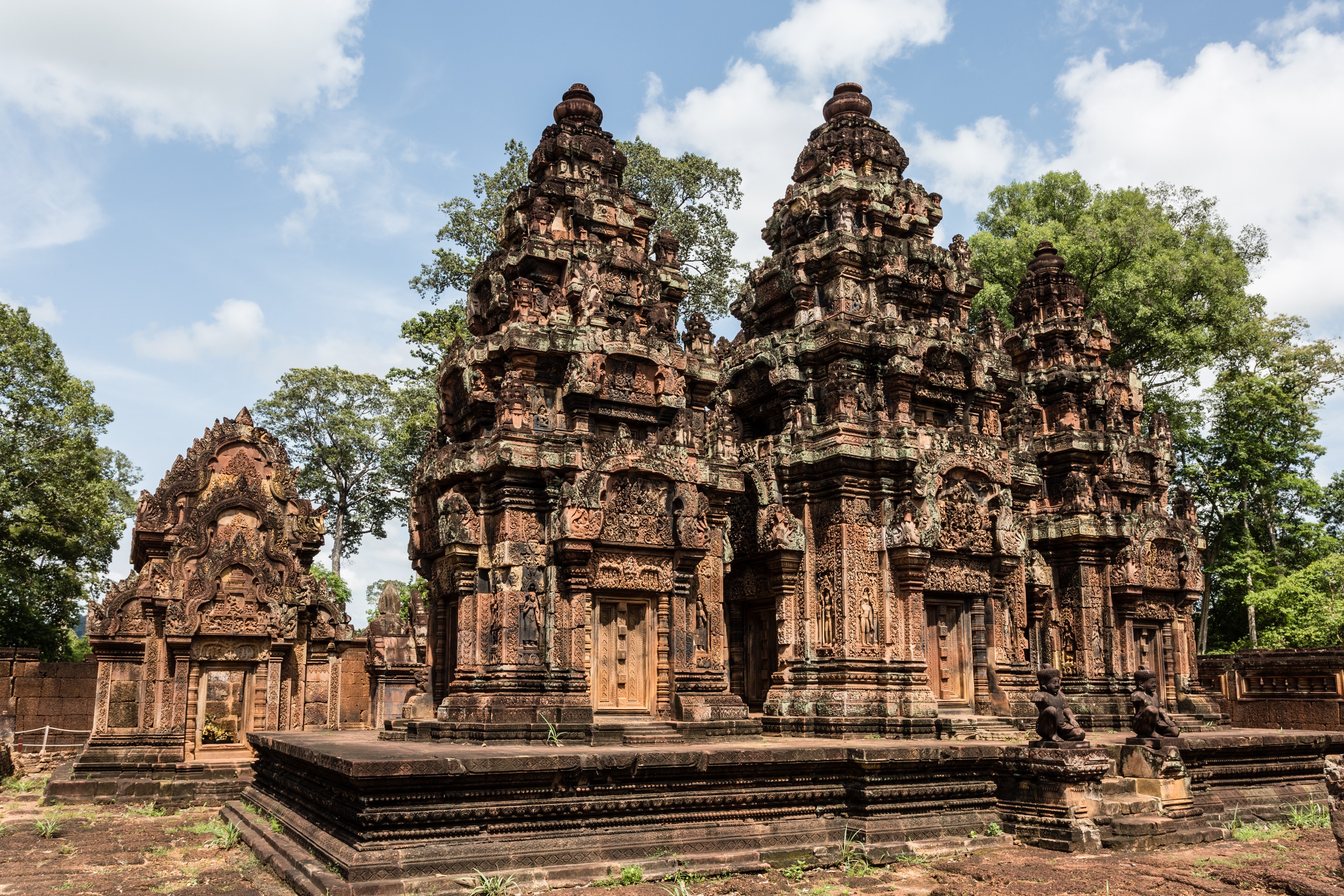
This one day private guide tour, to explore incredible Angkor, the wondrous ruins of the ancient Khmer empire. With your private guide, tour the most interesting parts of this UNESCO World Heritage Site, including Angkor Wat, an enormous temple city built as a model of the Hindu universe in stone; Angkor Thom, an ancient capital filled with iconic sites such as the Bayon, Terrace of the Elephants and Terrace of the Leper King; Ta Prohm, a temple being devoured by the jungle. This was one of the settings for Lara Croft’s adventures in “Tomb Raider”. For many people this is the highlight of Angkor.The most famous part of the park is, of course, Angkor Wat, known to visitors around the world. This private tour includes transportation, an English-speaking guide, lunch, water, and towels.
Available options
One Day Private Exploration with an Expert The wonders of Angkor
Pickup included
What's included
All entrance fees at places listed above 1-Day Temples Pass
VAT and all taxes and service charge
Private Professional Licensed English Speaking guide
03-05 bottles of mineral water per person per day
Meal plan as mentioned above one deluxe lunch at a local restaurant
Private air-conditioned vehicle with experiences safe driver
Detailed itinerary
1
Today, begin exploring the Khmer ruins of Angkor. These incredible monuments are on par with the Great Pyramids or Machu Picchu as a testament to the greatness of a continent’s lost empire. Henri Mouhot, the 19th-century French explorer who is credited with rediscovering the ruins after hundreds of years of neglect, declared in awe that the Angkor complex was greater than anything left to us by ancient Greece or Rome.
2
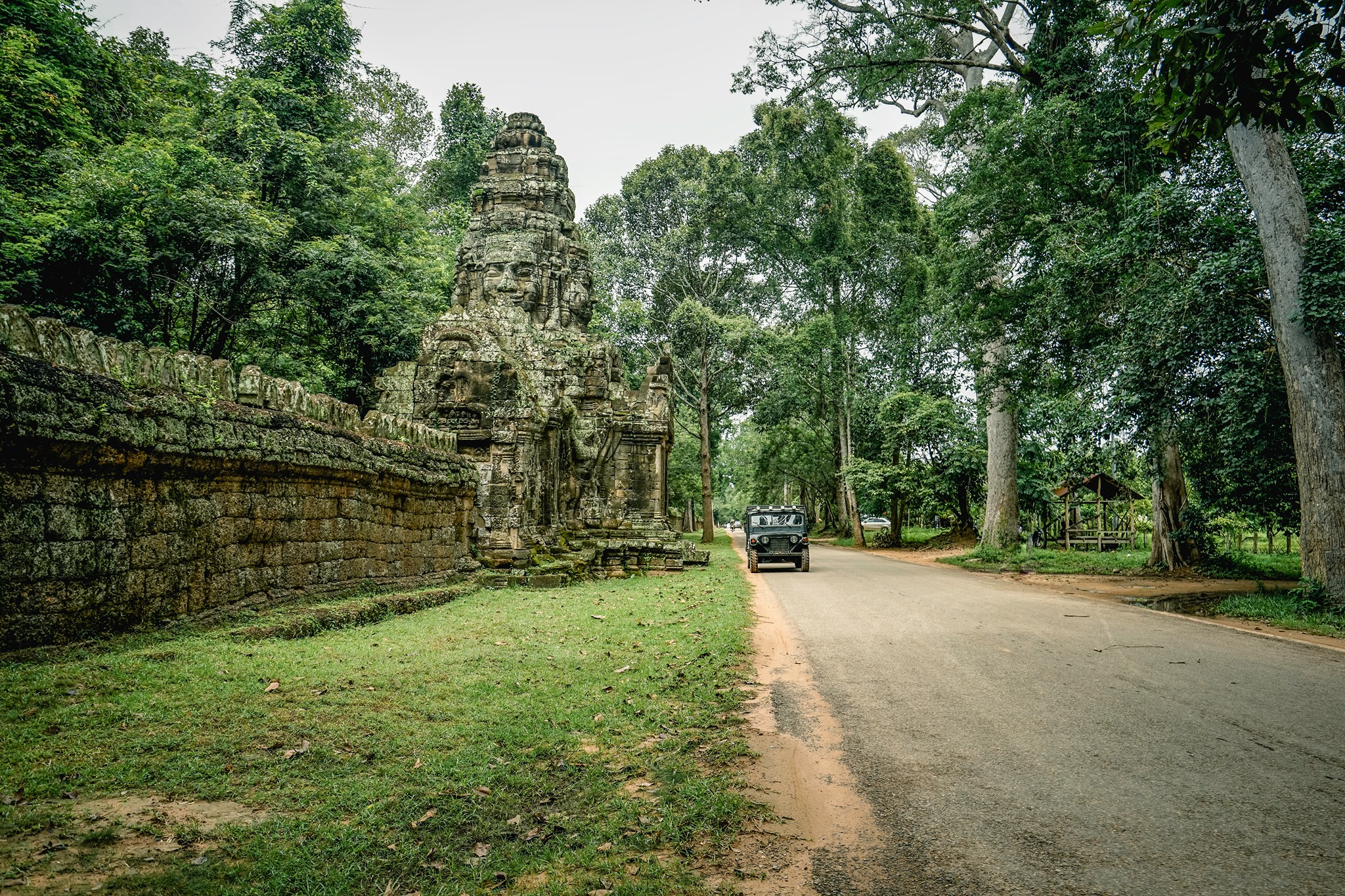
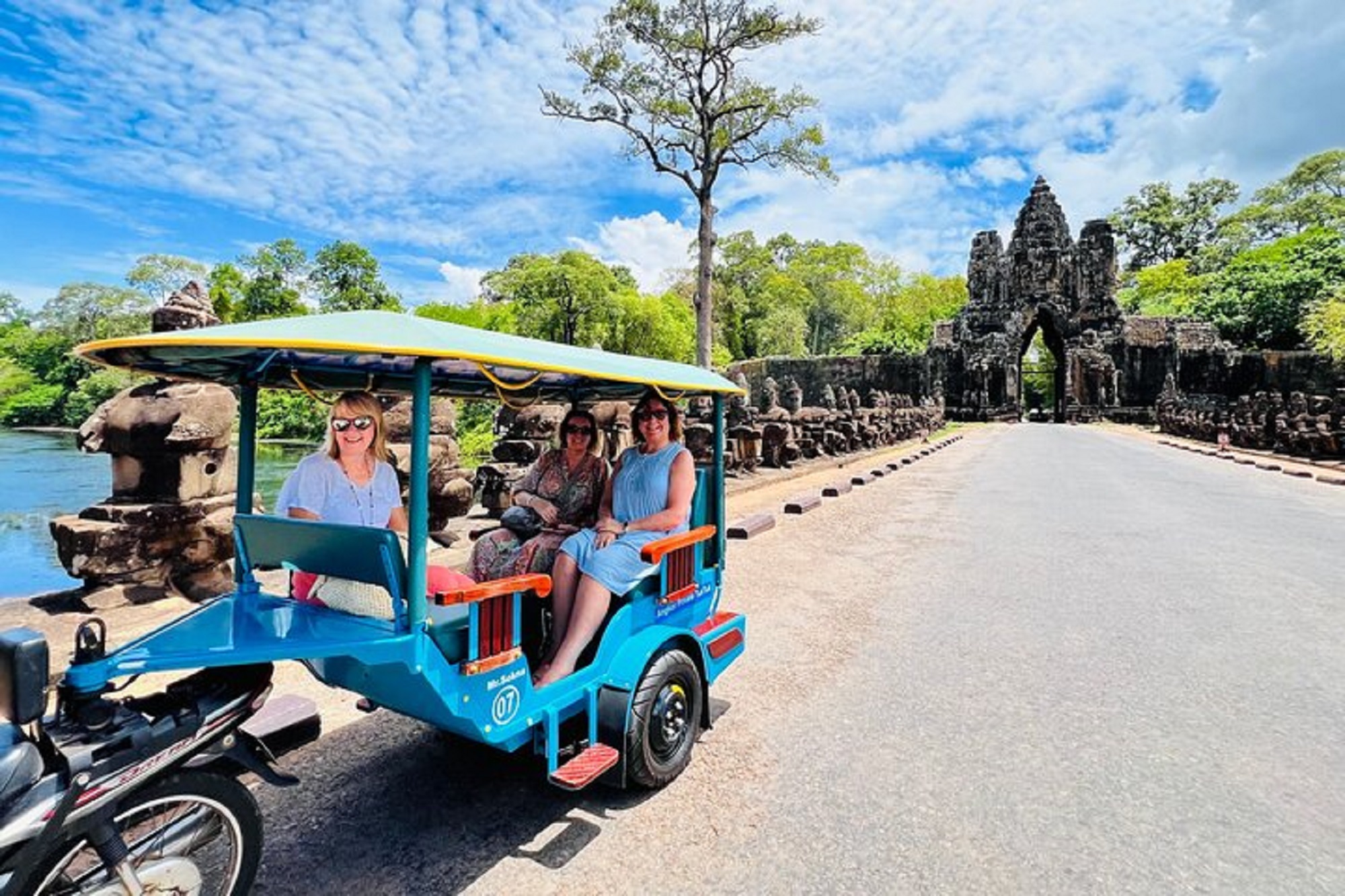
This morning, 8:30am meet your personal guide and driver at your hotel lobby and head out to visit the ancient capital of Angkor Thom (12th century). This huge walled complex was the centre of the world’s largest city in 1200. Following the occupation of Angkor by the Chams from 1177 to 1181, the King Jayavarman VII decided to build an impregnable fortress at the heart of his empire. The scale is simply staggering and we are immediately overwhelmed by the audacity of Jayavarman on arrival at the city’s gates. The causeway is lined by an intricate bridge depicting the Churning of the Ocean of Milk from Hindu mythology in which the devas (gods) and asuras (devils) play tug of war with a naga (seven-headed serpent) to obtain the elixir of immortality. Its vast walls, some 6m wide, 8m high and 13km in length contain many monuments.
3
Stop 3
Next, visit Bayon temple surrounded by faces on all sides, visitors never forget the enigmatic and enchanting temple of the Bayon. At the exact centre of Angkor Thom, this is an eccentric expression of the creative genius and inflated ego of Cambodia’s most celebrated king. Its 54 towers are each topped off with the four faces of Avalokiteshvara (Buddha of Compassion), which bear more than a passing resemblance to the king himself. These colossal heads stare down from every side, exuding power and control with a hint of compassion, just the mix required to keep a hold on such a vast empire.
Unlike his predecessors who had worshipped the Hindu deities of Shiva and Vishnu, Jayavarman VII adopted Mahayana Buddhism as the fount of royal divinity. This sets the Bayon apart from many other Angkorian monuments. The bas-reliefs here depict intricate scenes of ancient battles against the Chams and offer a wonderful snapshot of daily life during the Angkor period.
4
Stop 4
You’ll then continue to visit Baphuon. It is located in Angkor Thom, northwest of the Bayon. Built in the mid-11th century, it is a three-tiered temple mountain built as the state temple of Udayadityavarman II dedicated to the Hindu God Shiva.
5
Stop 5
Stroll to the Terrace of the Elephants is part of the walled city of Angkor Thom. The terrace was used by Angkor's king Jayavarman VII as a platform from which to view his victorious returning army. It was attached to the palace of Phimeanakas, of which only a few ruins remain.
6
Stop 6
We also visit, Terrace of the Leper King is located in the northwest corner of the Royal Square of Angkor Thom, Cambodia. It was built in the Bayon style under Jayavarman VII, though its modern name derives from a 15th-century sculpture discovered at the site. The statue depicts the Hindu god Yama, the god of death.
7
Stop 7
Next, visit Phimeanakas or Vimeanakas, is a Hindu temple in the Khleang style, built at the end of the 10th century, during the reign of Rajendravarman, and then completed by Suryavarman I in the shape of a three tier pyramid as a Hindu temple.
8
Stop 8
Next, you’ll continue to Ta Phrom this temple is perhaps the most atmospheric of all Angkor’s treasures. The temple was a monastery built by Jayavarman VII as a residence for his mother. Ta Prohm has been left to the destructive power of nature by archaeologists to demonstrate the awesome power of nature. It has been largely consumed by the jungle and as you climb through the dilapidated stone structures you see many giant trees growing out of the top of the temple itself. At every turn you expect to see Indiana Jones or Lara Croft step out from behind a fallen pillar. It is one of the most regularly visited temples, with visitors often arriving during the middle of the day to take advantage of the protective forest canopy above the ruined temple. Ta Prohm looks as many of the monuments did when European explorers first laid eyes on them. This was one of the settings for Lara Croft’s adventures in “Tomb Raider”.
9
Stop 9
Afterwards, you will enjoy your lunch at a delicious local restaurant downtown.
Angkor Wat
Take a break for lunch at local restaurant and afterwards, you’ll be dazzled by what you see this afternoon at the vast, 12th-century Angkor Wat temple; the bas-reliefs and many devatas (guardian spirits) that cover its walls inspire awe and admiration. This example of classical Khmer architecture has been a significant religious center for Hindus and then Buddhists through the ages, and you will return back to your hotel in the late afternoon.
What's not included
Other personal expenses
Available languages
Guide guide
EN
Important information
Public transportation options are available nearby
Not recommended for travelers with spinal injuries
Not recommended for pregnant travelers
Not recommended for travelers with poor cardiovascular health
Suitable for all physical fitness levels
About Siem Reap
Siem Reap is the vibrant gateway to the ancient Angkor temples, a UNESCO World Heritage site. This charming city offers a blend of rich history, vibrant markets, and lush landscapes, making it a must-visit destination in Cambodia.
Top Attractions
Angkor Wat
Angkor Wat is the largest religious monument in the world and a UNESCO World Heritage site. This iconic temple complex is a masterpiece of Khmer architecture and a symbol of Cambodia.
Historical
Half to full day
USD 37 for 3-day pass
Angkor Thom
Angkor Thom is a walled city and the last capital of the Khmer Empire. It features several impressive temples, including the Bayon Temple with its famous smiling faces.
Historical
Half to full day
USD 37 for 3-day pass
Ta Prohm
Ta Prohm is a temple complex overgrown by jungle, featuring a unique blend of nature and architecture. It was famously used as a filming location for the movie 'Tomb Raider'.
Historical
1-2 hours
USD 37 for 3-day pass
Pub Street
Pub Street is the heart of Siem Reap's nightlife, offering a vibrant mix of bars, restaurants, and street food vendors. It's a great place to experience the city's lively atmosphere.
Entertainment
Evening
Free to explore, budget for food and drinks
Siem Reap Night Market
The Siem Reap Night Market is a bustling market offering a variety of local crafts, souvenirs, and street food. It's a great place to shop for unique gifts and experience local culture.
Shopping
1-2 hours
Budget to moderate
Must-Try Local Dishes
Amok
A creamy, coconut-based curry with fish, chicken, or tofu, steamed in banana leaves. It's a traditional Khmer dish with a unique flavor.
Main dish
Vegetarian options available
Nom Banh Chok
A popular breakfast dish consisting of rice noodles topped with a fish-based green curry gravy and fresh vegetables.
Breakfast
Vegetarian options available
Bai Sach Chrouk
Grilled pork served with broken rice and pickled vegetables. It's a popular breakfast dish in Cambodia.
Breakfast
Contains meat
Lok Lak
A stir-fried beef dish with a tangy lime and pepper sauce, served with rice and fresh vegetables.
Main dish
Contains meat
Popular Activities
Hiking in the Angkor Archaeological Park
Exploring the bamboo train in Battambang
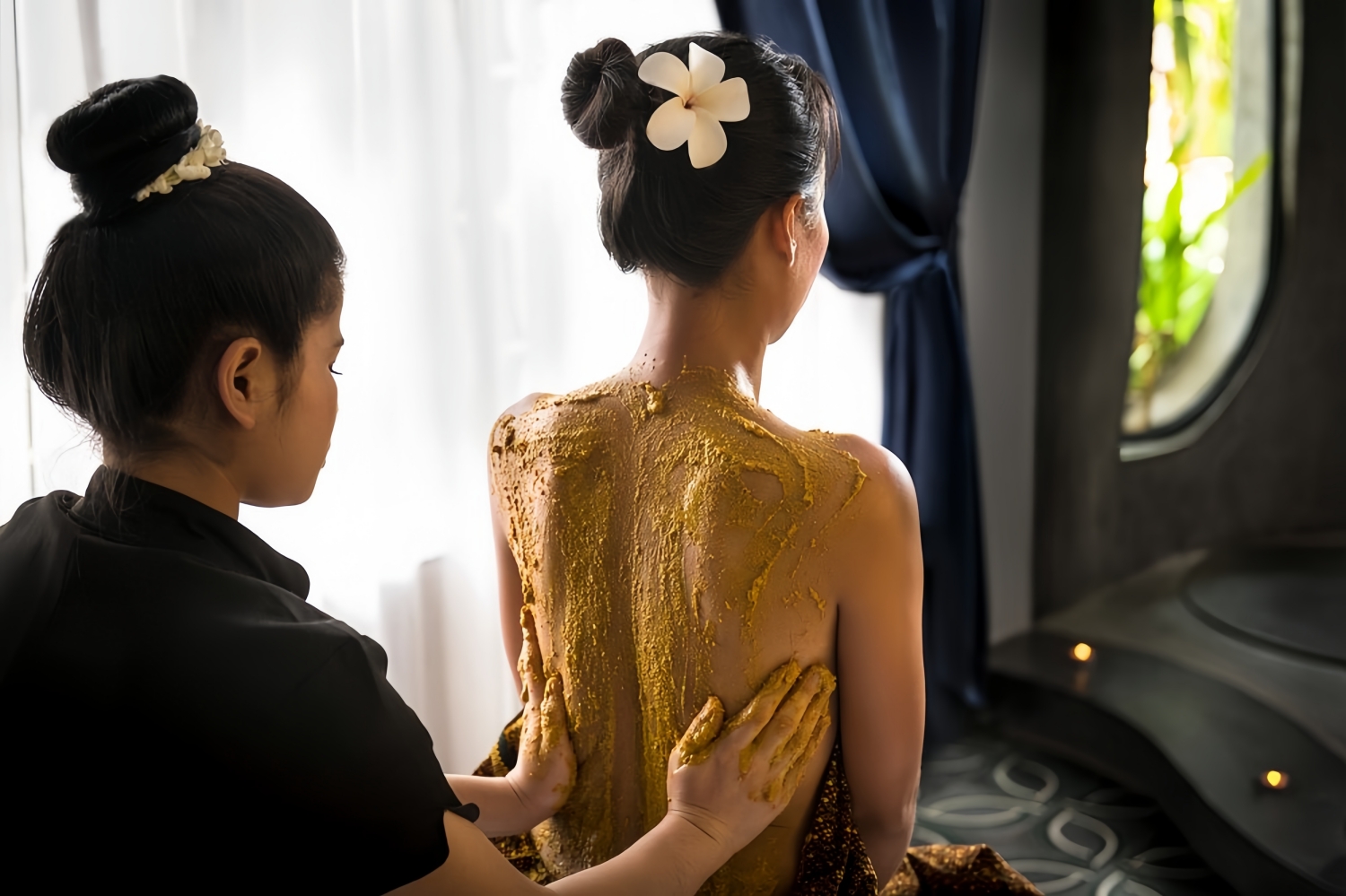
Visiting spas and wellness centers
Enjoying a traditional Khmer massage
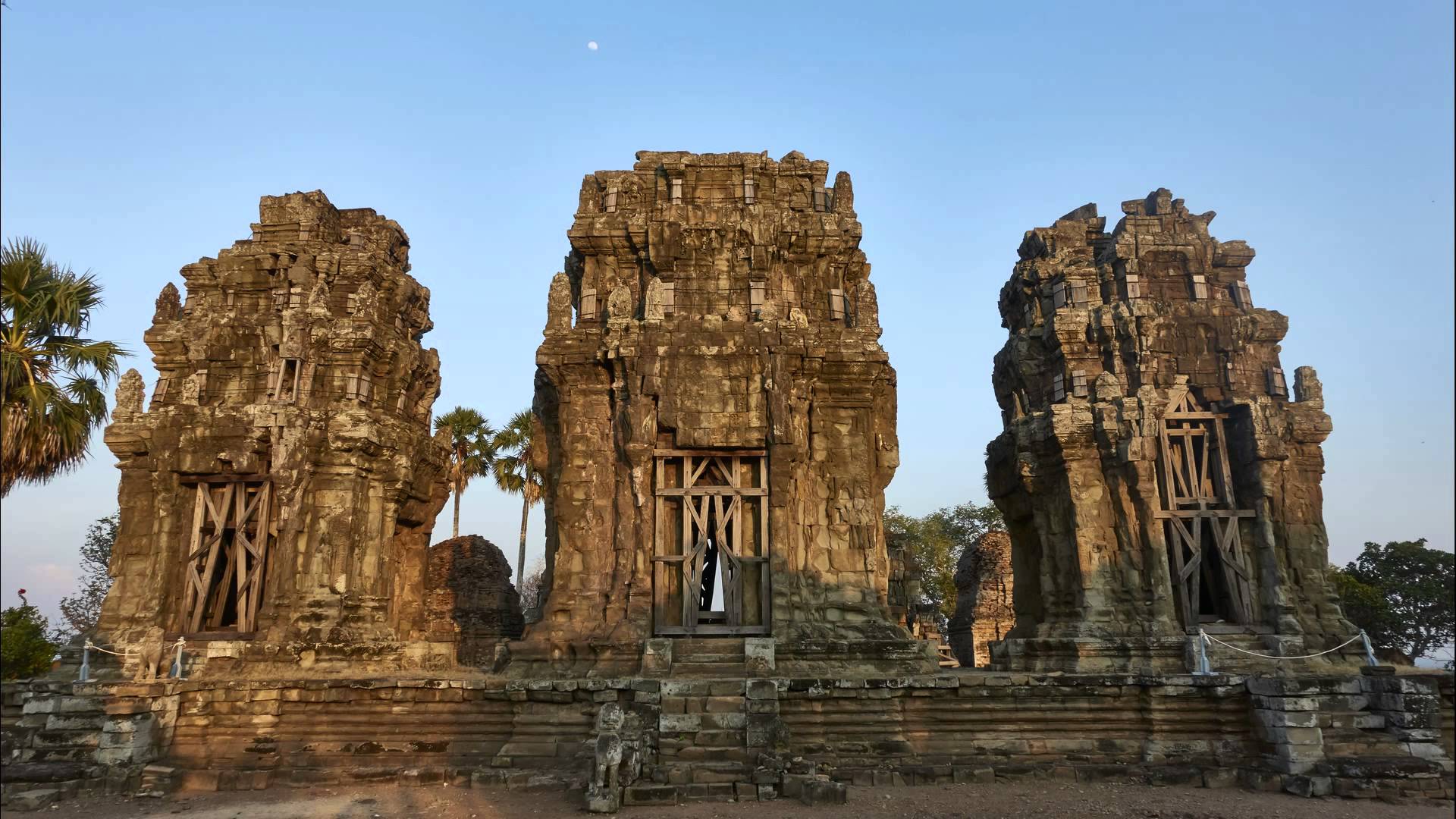
Exploring temples and historical sites
Attending traditional dance performances
Boat tours on Tonlé Sap Lake
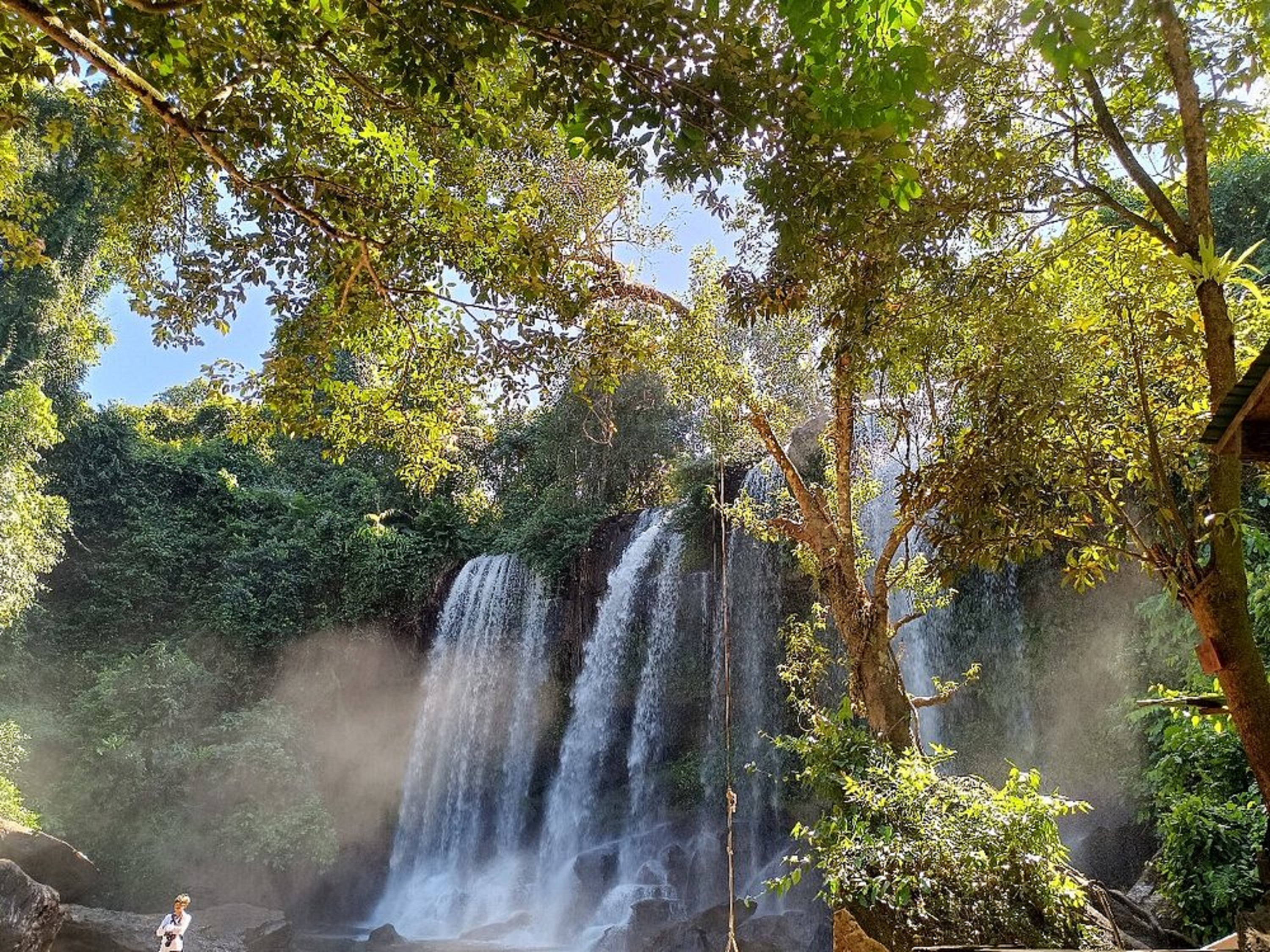
Swimming in waterfalls
Best Time to Visit
November to February
The best time to visit Siem Reap is during the dry season when the weather is pleasant and ideal for exploring the temples. The cooler temperatures make it comfortable for long days of sightseeing.
20-30°C
68-86°F
Practical Information
Language
- Official: Khmer
- Widely spoken: English
- English: Moderately spoken in tourist areas
Currency
Cambodian Riel (KHR)
Time Zone
Indochina Time (ICT), GMT+7
Electricity
230VV, 50HzHz
Safety Information
Overall Safety Rating: Generally safe
Siem Reap is generally safe for tourists, but petty crime and scams can occur. Exercise caution and be aware of your surroundings.
Important Precautions:
- • Be cautious of scams and overcharging.
- • Avoid walking alone at night in isolated areas.
- • Use reputable tour operators and transportation services.
Getting there
By air
- Siem Reap International Airport • 5 km from city center
By bus
Siem Reap Virak Buntham Express Terminal, Siem Reap Giant Ibis Bus Terminal
Getting around
Public transport
Tuk-tuks are the most popular and affordable mode of transport in Siem Reap. They are widely available and can be negotiated for short or long trips.
Taxis
Available • Apps: PassApp, Grab
Rentals
Car, Bike, Scooter
Neighborhoods
Wat Bo
Wat Damnak
Sivatha
Day trips
Battambang
150 km from Siem Reap • Full day
Battambang is a charming colonial town known for its well-preserved French architecture, bamboo train, and nearby temples. It's a great destination for a day trip from Siem Reap.
Kampong Phluk
16 km from Siem Reap • Half day
Kampong Phluk is a floating village on the edge of the Tonlé Sap Lake. It offers a unique glimpse into the lives of the local community and the stunning natural beauty of the area.
Kbal Spean
25 km from Siem Reap • Half day
Kbal Spean is a remote archaeological site featuring ancient carvings and a beautiful river setting. It's a great destination for those looking to explore off-the-beaten-path attractions.
Festivals
Khmer New Year (Choul Chnam Thmey) • April 13-15 (dates vary)
Bon Om Touk (Water Festival) • November (dates vary)
Angkor Photo Festival • December (dates vary)
Pro tips
- Hire a local guide for the Angkor Archaeological Park to gain a deeper understanding of the temples' history and significance.
- Visit the temples early in the morning or late in the afternoon to avoid crowds and the heat.
- Try local street food like nom banh chok and bai sach chrouk for an authentic culinary experience.
- Bargain for better prices at markets and street stalls, but do so respectfully and with a smile.
- Use a map app like Google Maps for navigation, as street signs can be limited and confusing.
From $25
per person
Price varies by option
Secure booking
Free cancellation available
Instant confirmation