Spinalonga Tour with Panagia Kera & Agios Nikolaos
Active
9h
For a full refund, cancel at least 24 hours before the scheduled departure time.
Instant confirmation
Mobile or paper ticket accepted
About this experience
The Tour starts by driving along the Northern coast of the island were we will visit the 12th century Byzantine church of Panagia Kera, 1km from the village of Kritsa.
We continue our tour driving through the beautiful coastal road and village of Elounda. One of them is the sea-front village of Plaka where we will board the boat to take us on the now deserted island of Spinalonga. Our guide will guide us through the ruins of what used to be a leper colony from 1903 to 1957 where lepers could have a better life, medical help and economic support.
After our visit to Spinalonga, you will enjoy some free time to swim in the crystal clear waters of Plaka and optional lunch.
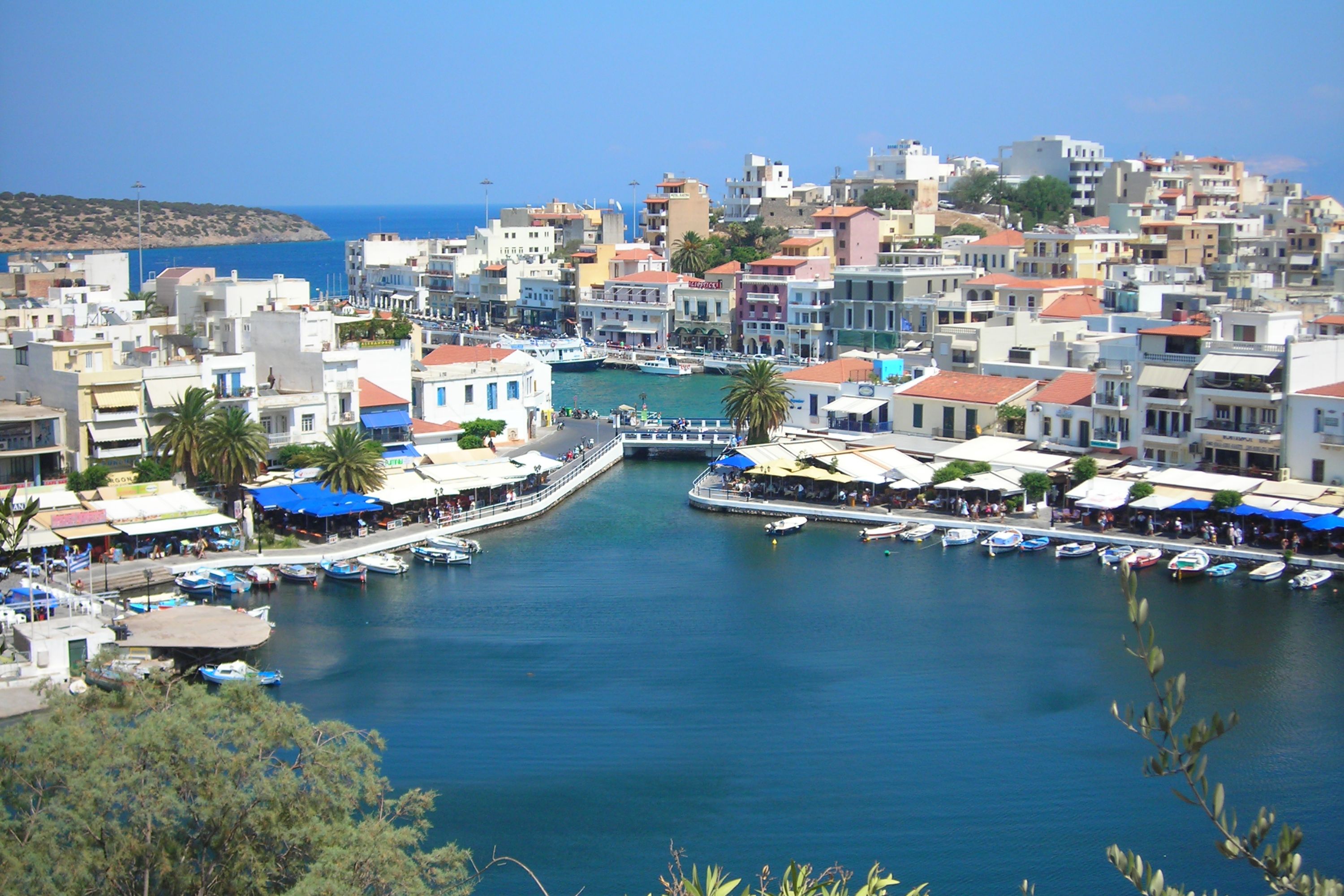
After we will visit Agios Nikolaos town, the capital town of Lassithi. Here, the bottomless salt lake Voulismeni dominates the area. The city boasts interesting Archaeological, Folklore, and Natural History museums, Byzantine churches, a well-organised marina and traditional squares with buzzing cafés and restaurants.
Available options
Spinalonga tour (Spanish)
Spanish-speaking guide
Spinalonga tour (Italian)
Italian-speaking guide
Spinalonga tour (French)
Spinalonga Tour with Panagia Kera & Agios Nikolaos
English-speaking guide
What's included
VAT and all legal taxes included
Professional Guide
Air-conditioned Motorcoach
Detailed itinerary
1
Stop 1
The Church of Panagia Kera is a Cretan Byzantine church, located 1 km from the village of Kritsa, in the Dikte Mountains. It contains the finest-preserved Byzantine-era frescoes in Crete, and for that reason, has become one of the most culturally and historically significant churches on the island.
2
The road into Elounda from Agios Nikolaos is approximately 12 km in length and follows the shore as it climbs to the top of a small mountain. On a clear day it is possible to see the whole of Mirabello Bay and all the way to the eastern tip of Crete.
3
Stop 3
Spinalonga is also known as the Leper Island, as that is where lepers from Crete and the rest of Greece were quarantined until 1957.
4
Plaka is a seaside village on Elounda Bay in eastern Crete which sits opposite Spinalonga Island.
5
Stop 5
Agios Nikolaos is a coastal city on the Greek island of Crete, lying east of the island's capital Heraklion, north of the city of Ierapetra and west of the city of Sitia.
What's not included
Pick up-drop off transfer
Lunch in restaurant throughout in the tour (20,00 €)
Gratuities
Anything that is not specified in the program as included
Spinalonga (Kalydon)
Panagias Keras Church
Boat transfer
Available languages
Guide guide
EN
IT
FR
ES
Reviews breakdown
Tripadvisor
5.0
1 reviews
5★
1
4★
0
3★
0
2★
0
1★
0
Important information
Public transportation options are available nearby
Infants are required to sit on an adult’s lap
Suitable for all physical fitness levels
Children must be accompanied by an adult
Our company is not responsible for the client’s failure to appear at the meeting point for the booked tour or activity.
Last minute cancellation of flights or inability to disembark from a cruise ship, is not our company’s responsibility, therefore any refund requests due to such incidents will not be accepted. Should the client be aware of such a change, he/she is requested to communicate with our company more than 24 hours before the tour or activity starts, in order to discuss possible date or time amendment (subject to availability)
Refund requests for last minute cancellations (up to 24 hours before the tour or activity), for any reason, will not be accepted.
Please note that there will be time spent in transportation
Not recommended for travelers with mobility impairments
Meeting point
Across from the entrance of the Heraklion Archaeological Museum, in front of Hari’s Creperie, Heraklion
About Crete
Crete is the largest of the Greek islands and a treasure trove of ancient history, stunning landscapes, and vibrant culture. Known as the birthplace of the Minoan civilization, it offers a unique blend of ancient ruins, beautiful beaches, and traditional villages.
Top Attractions
Palace of Knossos
The Palace of Knossos is the largest Bronze Age archaeological site on Crete and is associated with the mythological Minotaur and the Labyrinth.
Historical
2-3 hours
€15 (included in multi-site ticket)
Samaria Gorge
One of Europe's longest gorges, Samaria is a popular hiking destination known for its stunning landscapes and diverse wildlife.
Nature
5-7 hours
€5 entry fee
Elafonisi Beach
Elafonisi Beach is famous for its pink sands and crystal-clear waters, making it one of the most beautiful beaches in Greece.
Beach
Half day to full day
Free
Must-Try Local Dishes
Dakos
A traditional Cretan salad made with barley rusks, tomato, myzithra cheese, and olive oil.
Appetizer
Vegetarian
Moussaka
A layered dish with eggplant, minced meat, and béchamel sauce.
Main Course
Contains meat
Rakomelo
A warm drink made with rakia (a local brandy) and honey.
Drink
Alcoholic
Popular Activities
Hiking in Samaria Gorge
Scuba diving in Elafonisi Beach
Sunbathing at Balos Lagoon
Wine tasting at local wineries
Exploring the Palace of Knossos
Visiting the Heraklion Archaeological Museum
Snorkeling in Balos Lagoon
Boat tours around Crete
Best Time to Visit
June to August
This is the peak tourist season with warm, sunny weather and clear skies. It's ideal for beach activities and exploring the island's historical sites.
25°C to 35°C
77°F to 95°F
Practical Information
Language
- Official: Greek
- Widely spoken: English, German, French
- English: Moderately spoken in tourist areas
Currency
Euro (EUR)
Time Zone
EET (UTC+2) / EEST (UTC+3 during daylight saving time)
Electricity
230VV, 50HzHz
Safety Information
Overall Safety Rating: Generally safe
Crete is generally safe for travelers, with low crime rates. However, petty theft and pickpocketing can occur in tourist areas.
Important Precautions:
- • Keep valuables secure
- • Use licensed taxis
- • Be cautious of strangers offering services
Getting there
By air
- Heraklion International Airport • 3 km from Heraklion city center
- Chania International Airport • 13 km from Chania city center
By bus
Heraklion Bus Station, Chania Bus Station
Getting around
Public transport
Buses are the most common form of public transport. They are affordable and cover most parts of the island.
Taxis
Available • Apps: TaxiBeat, Beat
Rentals
Car, Bike, Scooter
Neighborhoods
Heraklion Old Town
Chania Old Town
Day trips
Balos Lagoon
55 km from Chania • Full day
A stunning lagoon with turquoise waters and white sand, accessible by car or boat.
Rethymno Old Town
65 km from Heraklion • Half day to full day
A charming old town with Venetian and Ottoman architecture, offering a rich cultural experience.
Festivals
Cretan Festival • June to August
Easter Celebrations • March or April (varies by year)
Pro tips
- Visit smaller towns and villages for a more authentic experience
- Try local street food for a taste of traditional Cretan cuisine
- Explore the island's diverse landscapes, from beaches to mountains and gorges
- Learn a few basic Greek phrases to enhance your interaction with locals
- Consider renting a car for flexibility and to explore remote areas
From $25
per person
Price varies by option
Secure booking
Free cancellation available
Instant confirmation