Istanbul Half-Day Private Tour – Skip-the-Line Access
Active
4h
For a full refund, cancel at least 24 hours before the scheduled departure time.
Instant confirmation
Mobile or paper ticket accepted
About this experience
1. Bypass every ticket queue with fast-track access, giving you more time to explore in just 4 hours.
2. Professionally licensed guides deliver precise, reliable historical insight throughout the experience.
3. Specialized expert guides enrich the tour with in-depth knowledge unavailable on regular group tours.
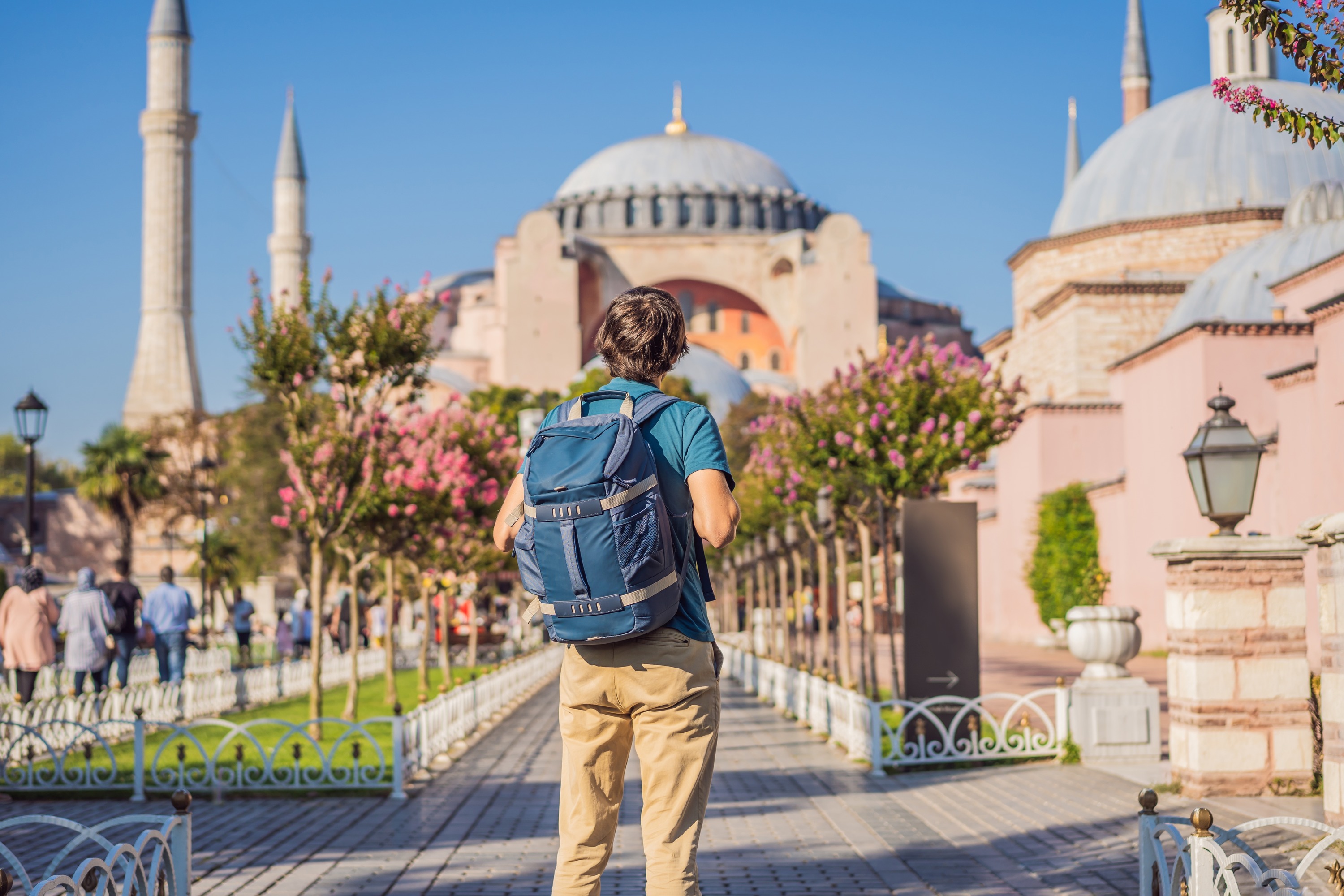
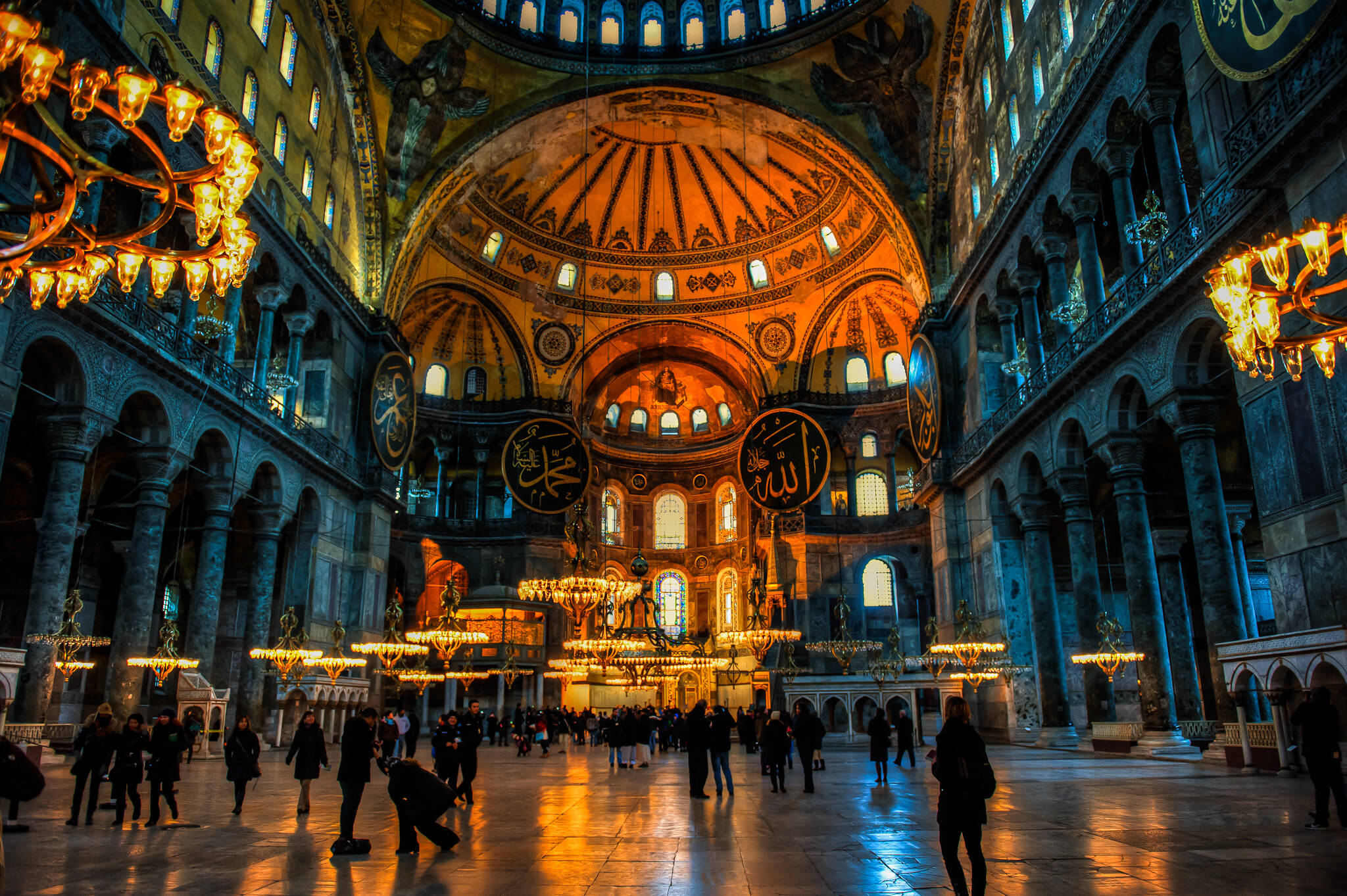
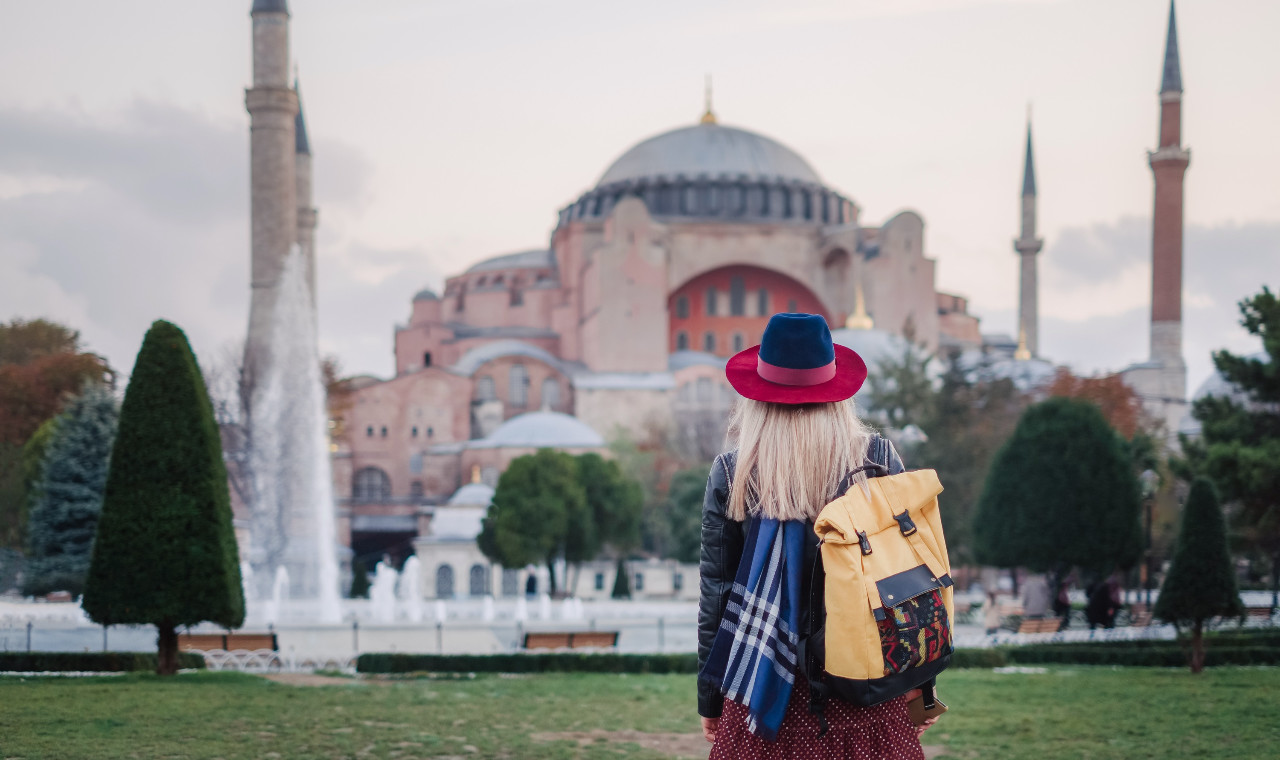
4. Discover Hagia Sophia through expert narration that highlights its layered history and hidden stories.
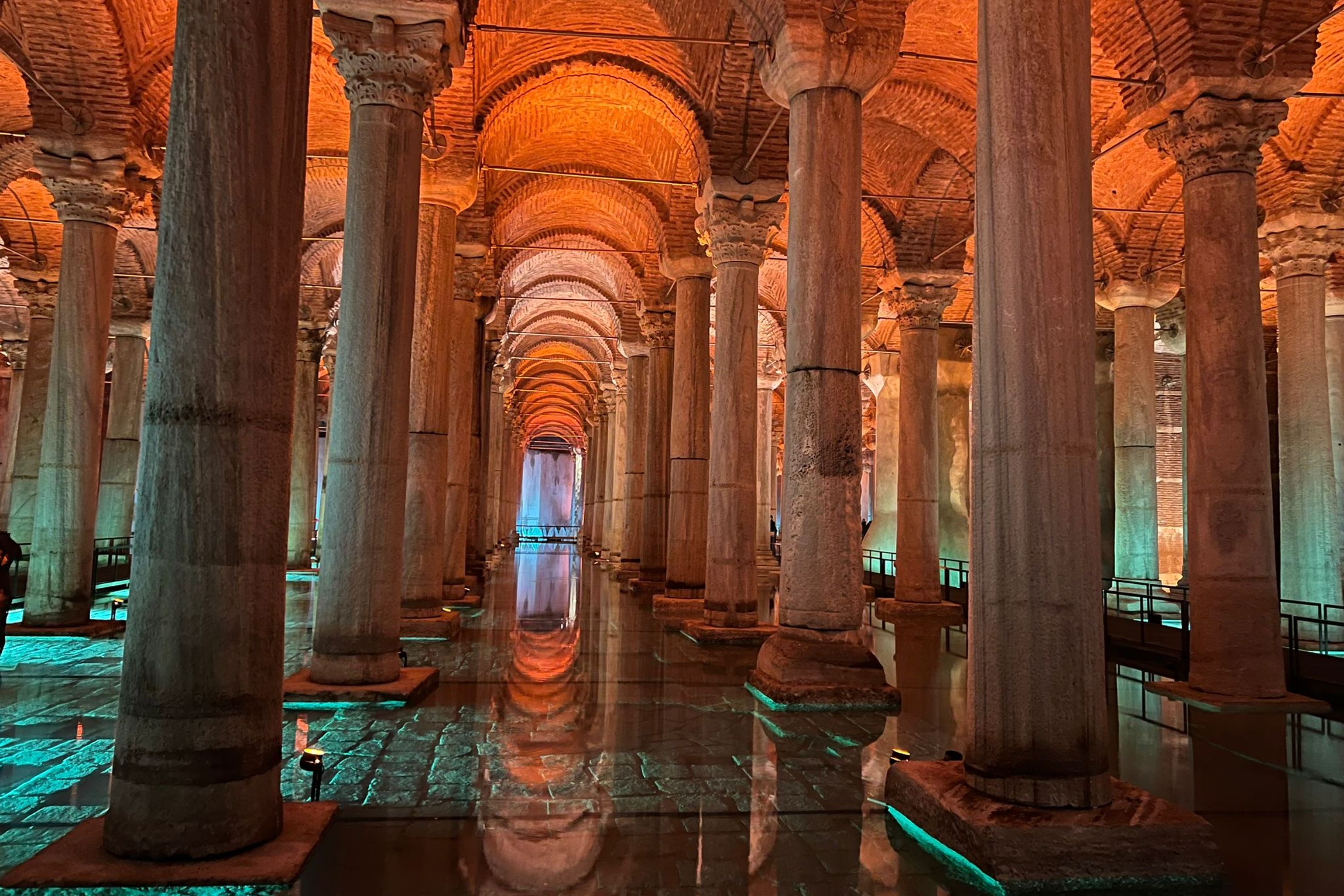
5. Enter the Basilica Cistern without waiting and enjoy vivid storytelling beneath its atmospheric arches.
6. Stroll across Sultanahmet Square while your guide reveals centuries of Byzantine and Ottoman transformation.
7. Experience the Blue Mosque with explanations that connect architecture, culture, and spiritual tradition.
8. The tour’s private format allows full flexibility—move faster, slower, or focus on what interests you most.
9. Ideal for travelers who want efficiency, priority access in a short, premium tour. ——-Organized by Septillion Travel Agency 18212
Available options
Istanbul Half-Day Private Tour – Skip-the-Line Access
What's included
Private Licensed Tour Guide
Skip the Ticket Line
Detailed itinerary
1
Stop 1
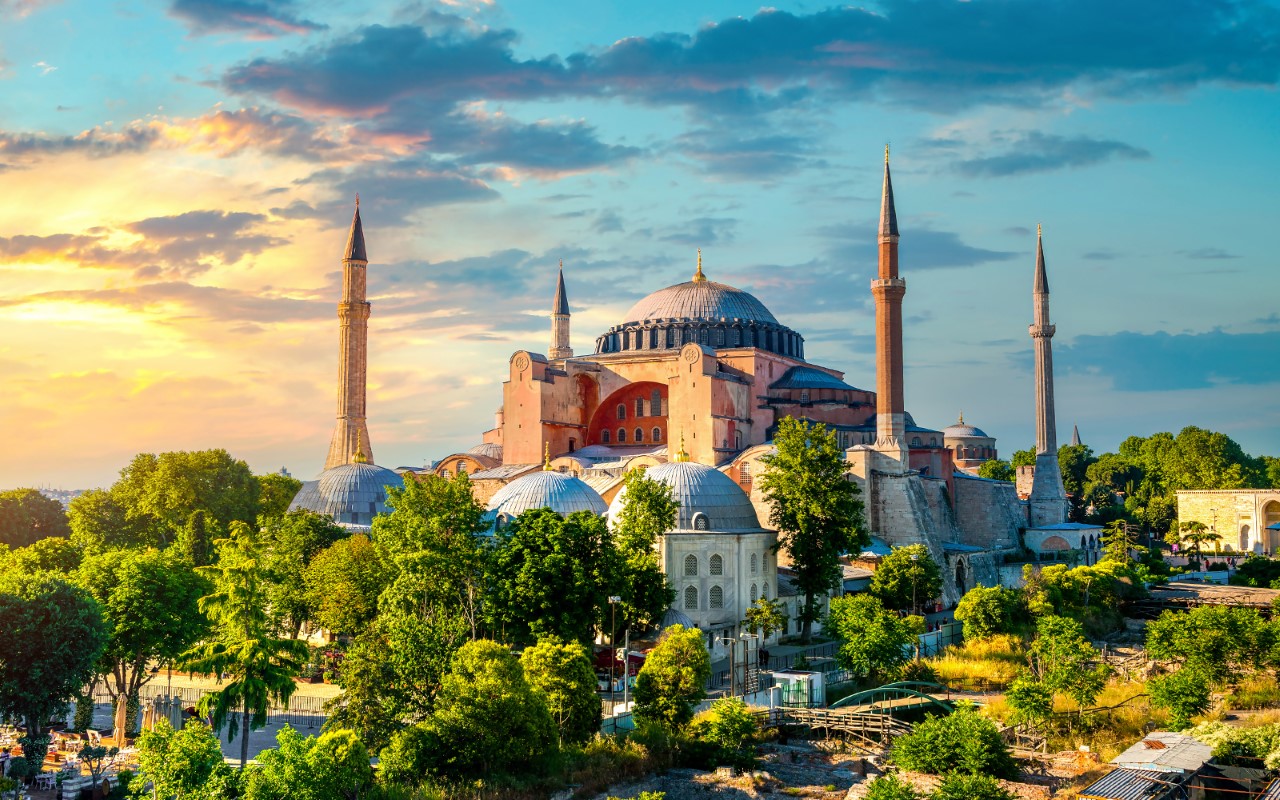
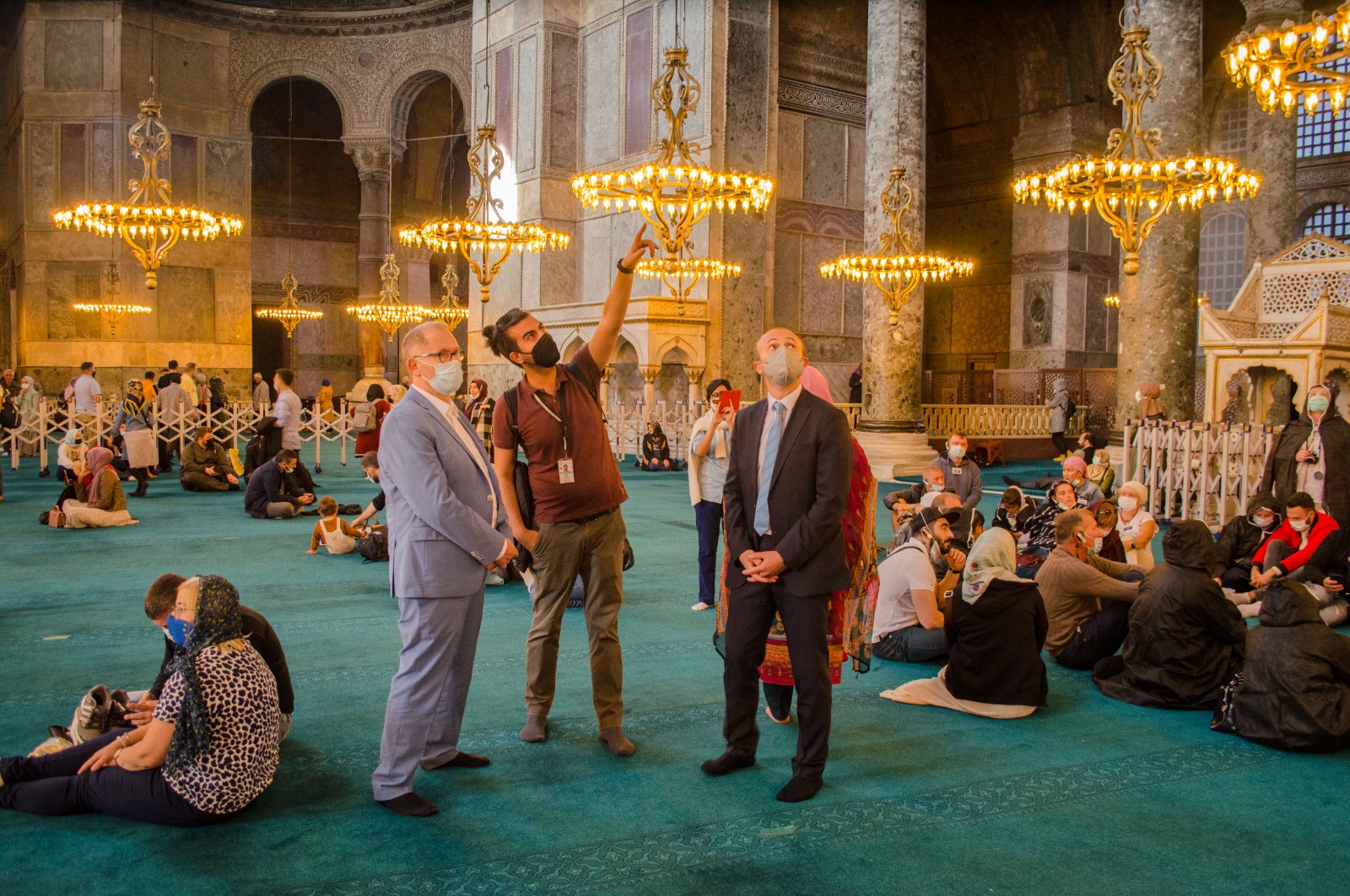
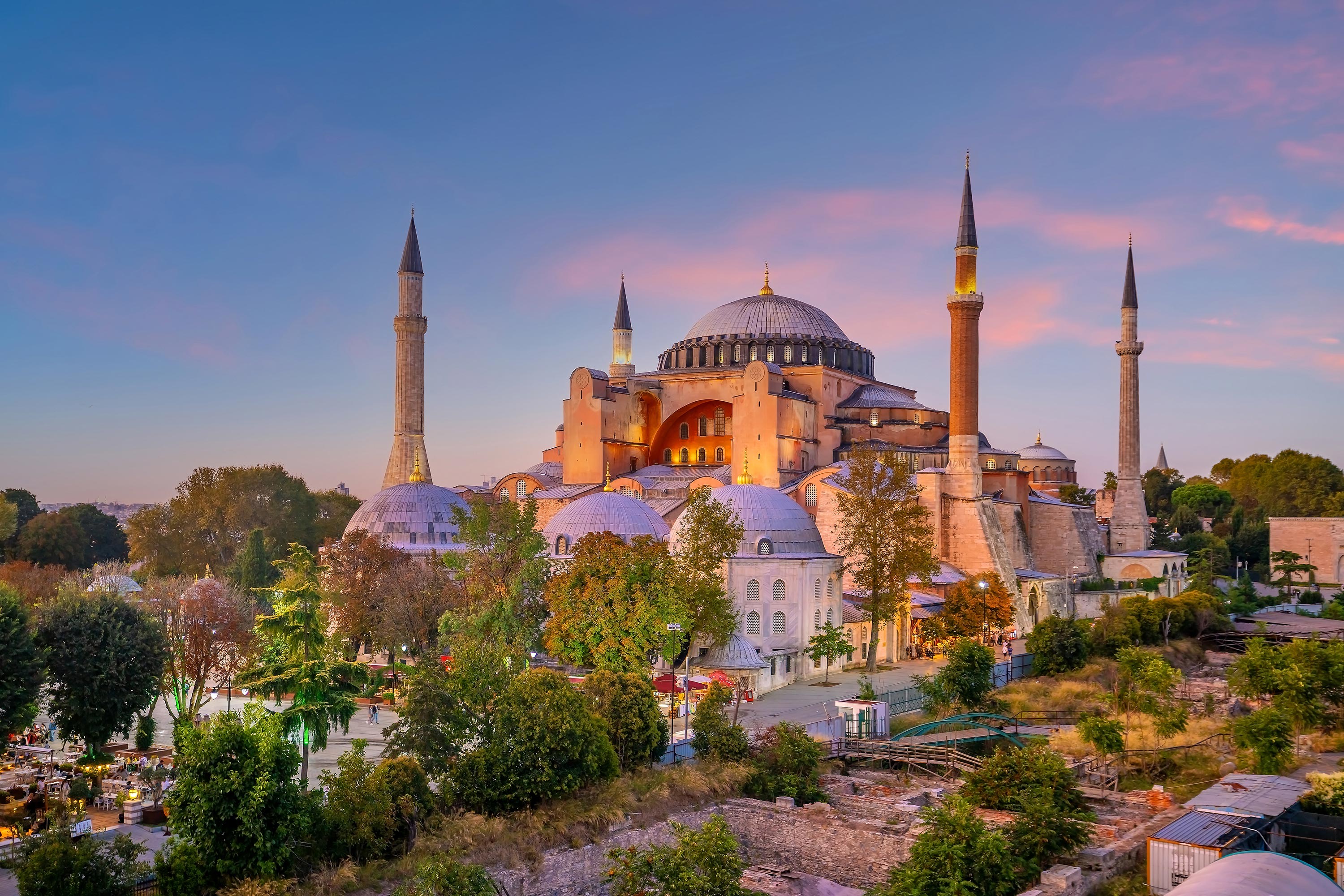
Hagia Sophia is one of the most famous landmarks in Istanbul. It was first built in 537 by the Byzantine Emperor Justinian I as a Christian cathedral. For many centuries, it was the largest church in the world and a symbol of Byzantine architecture with its huge dome and beautiful mosaics.
Later, in 1453, after the Ottoman conquest of Constantinople, Hagia Sophia was turned into a mosque. In the 20th century, it became a museum, and today it serves again as a mosque. Visitors admire its unique mix of Byzantine and Ottoman features, making it a symbol of Istanbul’s rich history.
2
Stop 2
The Basilica Cistern is an underground water reservoir in Istanbul, built in the 6th century during the reign of Byzantine Emperor Justinian I. It was used to store water for the Great Palace and nearby buildings. The cistern is supported by hundreds of marble columns, which create a mysterious and impressive atmosphere.
Today, the Basilica Cistern is a popular tourist attraction. Visitors walk on platforms above the water and see famous features like the Medusa heads at the base of two columns. Its cool and quiet environment makes it one of the most fascinating historical sites in the city.
3
Stop 3
The Blue Mosque, officially known as the Sultan Ahmed Mosque, is one of Istanbul’s most iconic landmarks, renowned for its striking blend of Ottoman and Byzantine architectural elements. Completed in 1616 during the reign of Sultan Ahmed I, it features six minarets and a vast courtyard, with an interior illuminated by thousands of İznik tiles in shades of blue that give the mosque its popular name. As an active place of worship, it continues to serve the Muslim community while also attracting millions of visitors each year, offering a powerful glimpse into the grandeur and cultural heritage of the Ottoman Empire.
4
Stop 4
The Sultanahmet Hippodrome is one of Istanbul’s oldest public spaces and served as the political, social, and cultural heart of Roman and Byzantine life. Originally begun in the 3rd century AD by Emperor Septimius Severus and later expanded by Emperor Constantine the Great, it functioned as a grand stadium where tens of thousands gathered to watch chariot races, ceremonies, and public events. Although much of the original structure has not survived, monuments such as the Egyptian Obelisk, the Serpent Column, and the Walled Obelisk still reflect its ancient glory. Known as “At Meydanı” during the Ottoman era, the area witnessed celebrations, uprisings, and state ceremonies. Today, as Sultanahmet Square, it remains one of Istanbul’s most significant historical landmarks.
What's not included
Personal expenses
Tip for the Guide
Hagia Sophia Ticket
Basilica Cistern
Available languages
Guide guide
EN
Reviews breakdown
Tripadvisor
5.0
1 reviews
5★
1
4★
0
3★
0
2★
0
1★
0
Important information
Public transportation options are available nearby
Infants are required to sit on an adult’s lap
Not recommended for travelers with spinal injuries
Not recommended for pregnant travelers
Not recommended for travelers with poor cardiovascular health
Suitable for all physical fitness levels
Meeting point
Our meeting point is in front of the Fountain of Ahmed III, located right next to the entrance of Topkapi Palace and also beside the ticket offices of Hagia Sophia
Important notes
The museum entrance fees are not included in the ticket price. Guests must pay these entrance fees in cash directly to the tour guide before the tour begins.
From $25
per person
Price varies by option
Secure booking
Free cancellation available
Instant confirmation