Private Cu Chi Tunnels - Ho Chi Minh City Tour
Active
9h
For a full refund, cancel at least 24 hours before the scheduled departure time.
Instant confirmation
Mobile or paper ticket accepted
About this experience
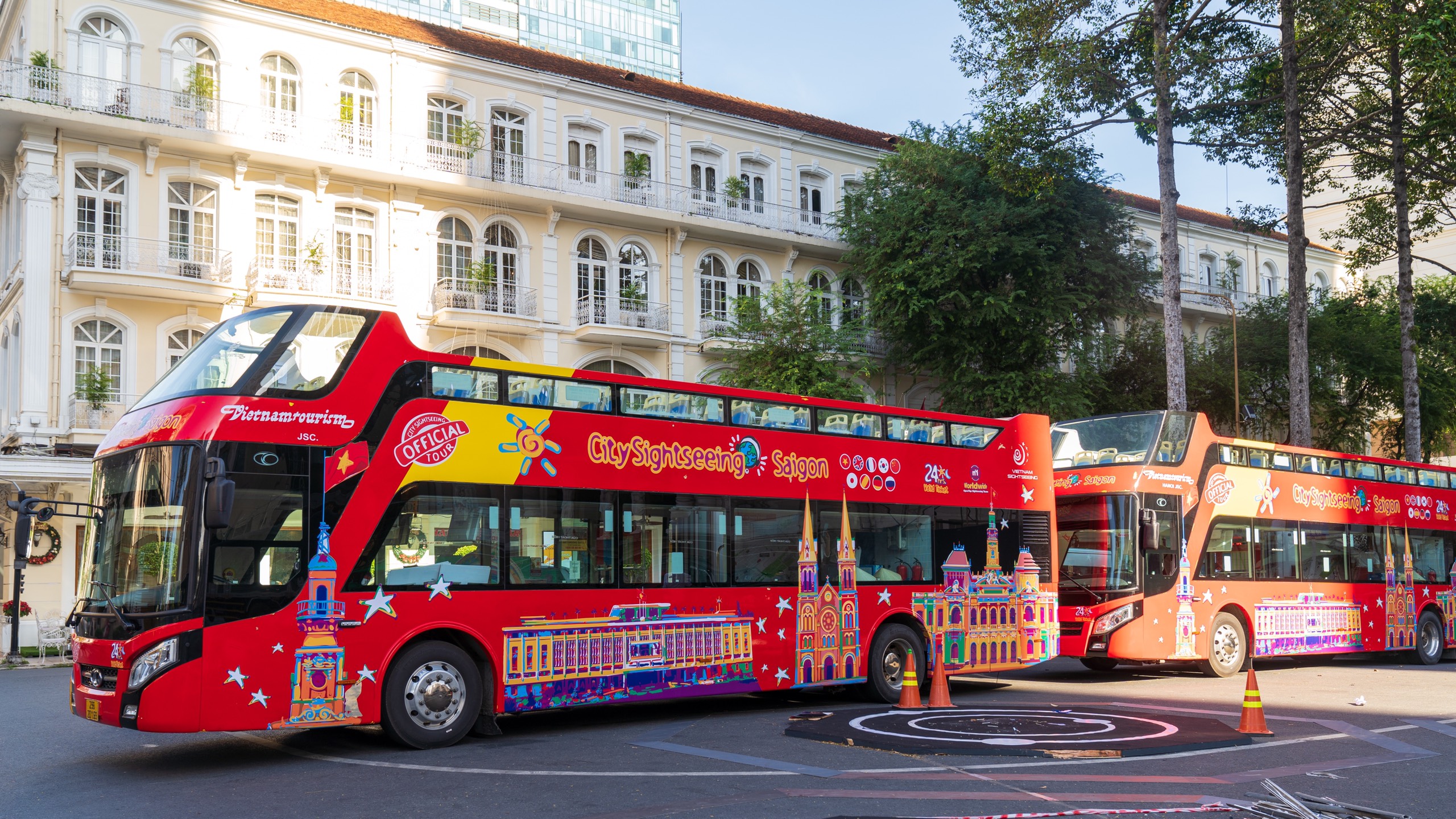
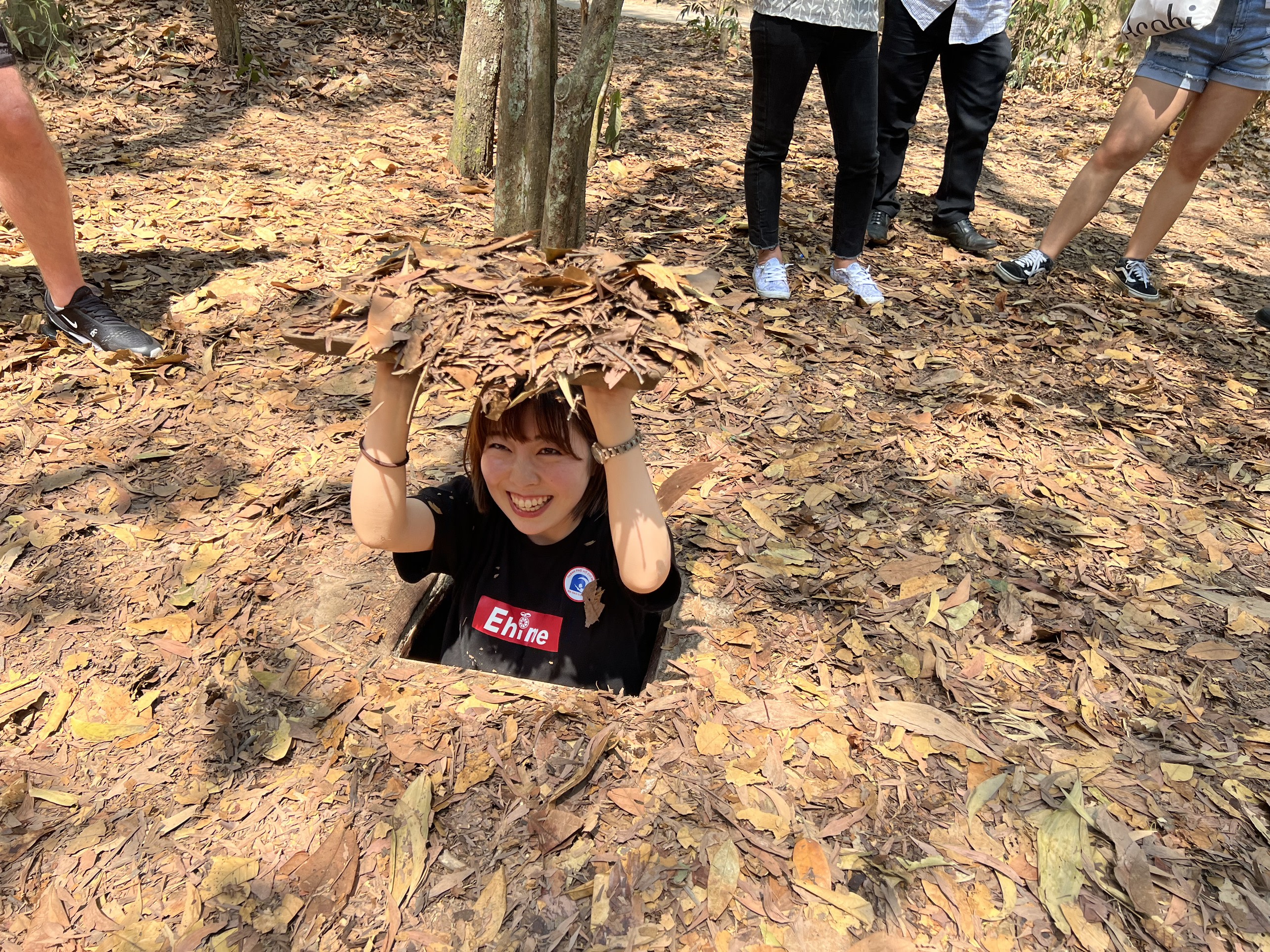
Set off on a thrilling speedboat ride from the heart of Ho Chi Minh City, gliding along the peaceful river toward the legendary Cu Chi Tunnels. As the breeze brushes past, you’ll step back in time to uncover the resilience and bravery of those who lived through the Vietnam War—crawling through hidden tunnels, witnessing ingenious traps, and feeling the intensity of the past at the shooting range. After this powerful journey, return to the city and walk through history once more as you visit its most cherished landmarks: the Independence Palace, War Remnants Museum, Central Post Office, Notre Dame Cathedral, and the grand Opera House—each echoing with stories of a vibrant and enduring spirit.
Available options
Private Cu Chi Tunnels - Ho Chi Minh City Tour
Pickup included
What's included
Private transportation
Bottled water
Lunch
All Fees and Taxes
Private tour guide
Detailed itinerary
1
Stop 1
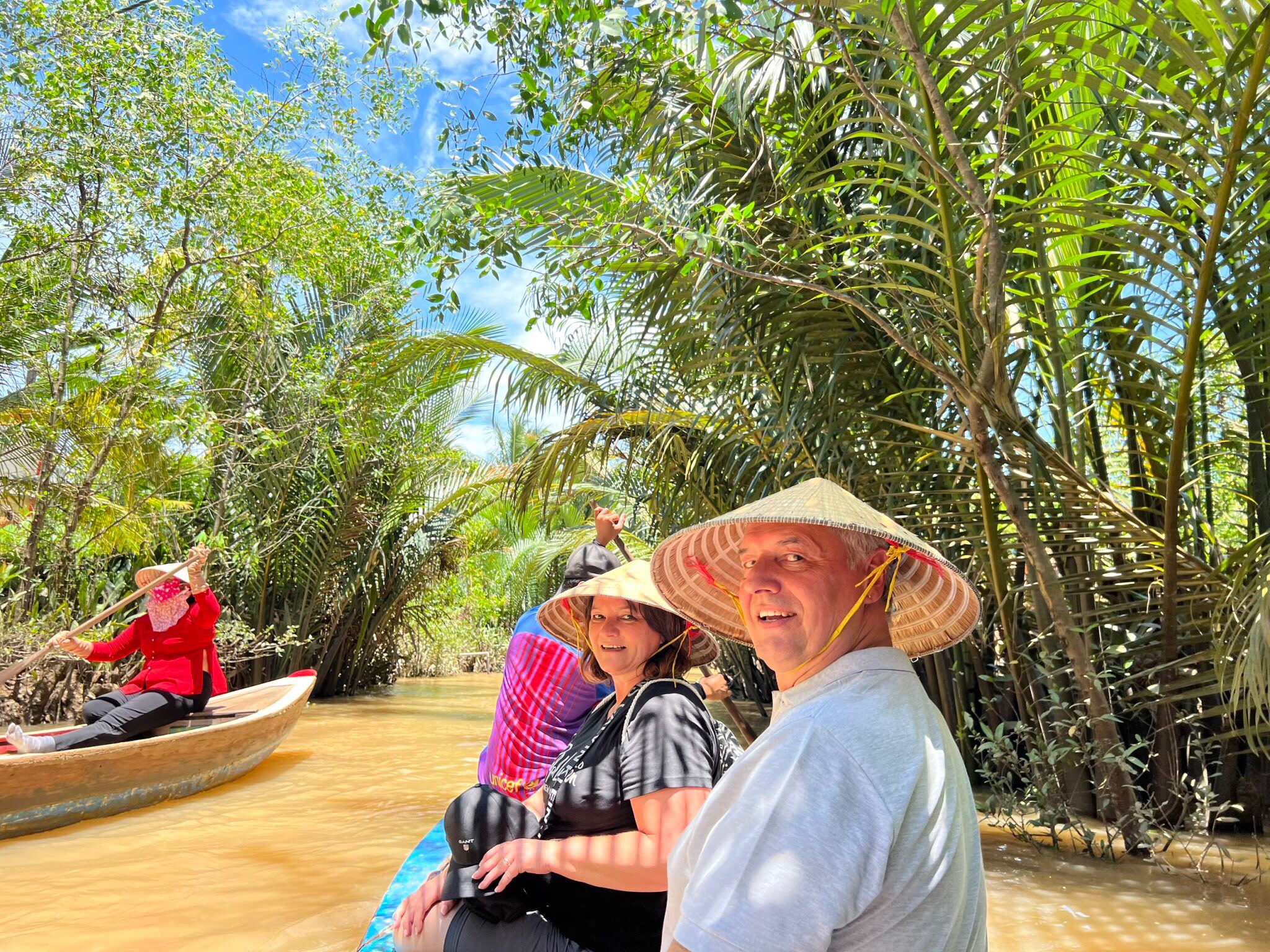
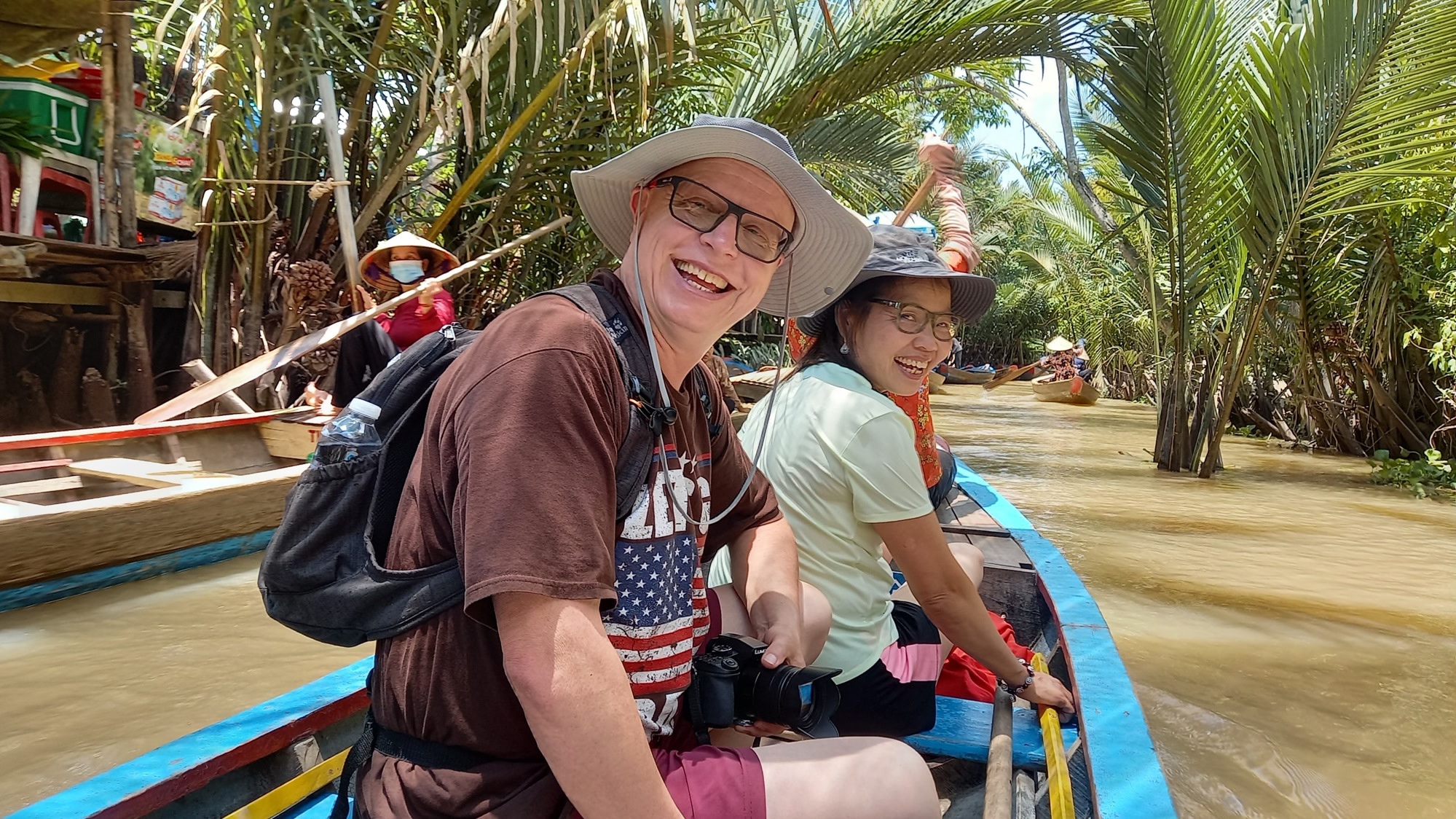
Transfer from your hotel to Tan Cang Jetty & depart for Cu Chi Tunnels by join-in speedboat. Enjoy the excursion along Saigon River with the outskirt pictures scenery.
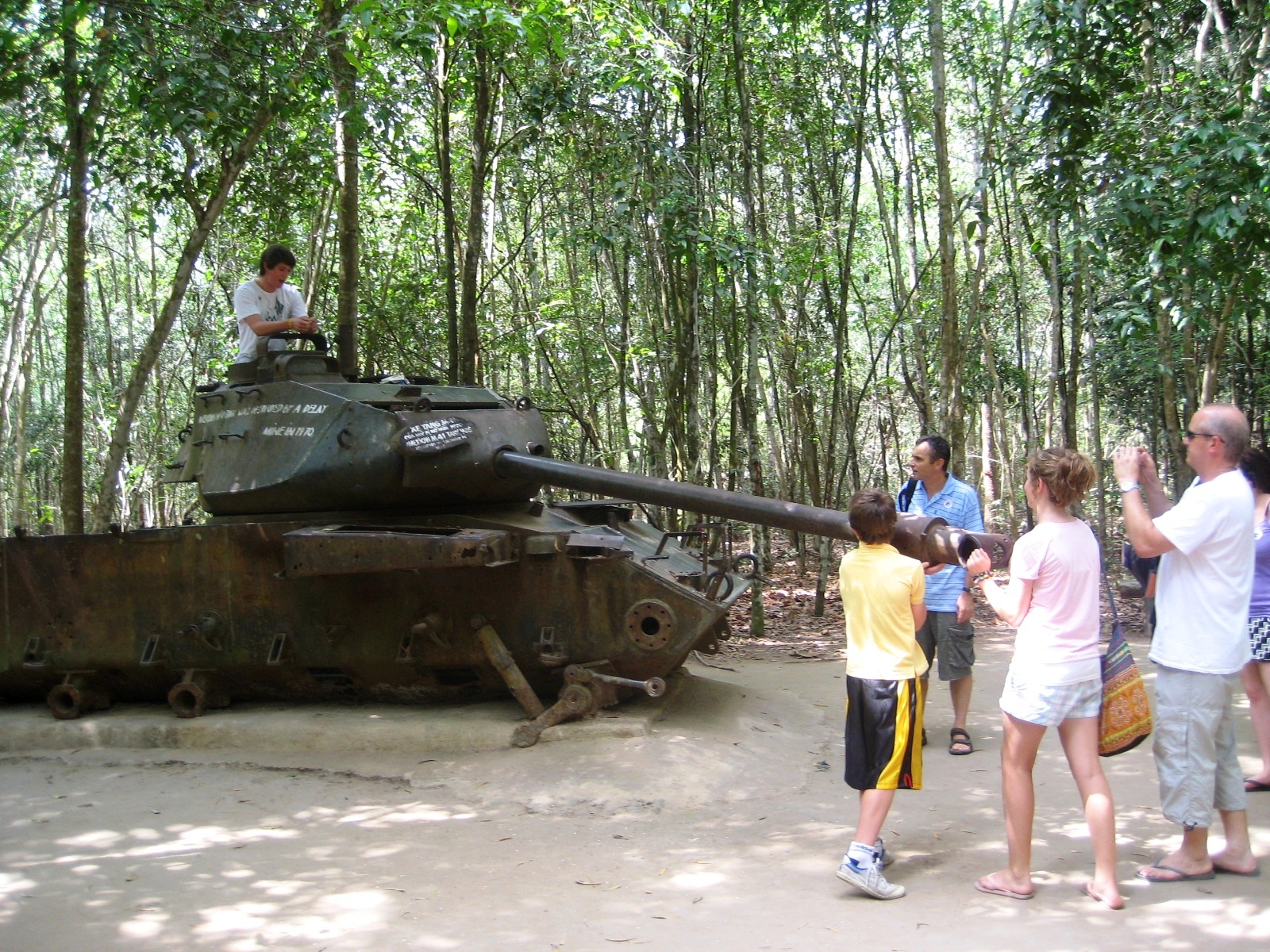
Cu Chi was an important base during the American War, because of its strategic location. The Vietcong built a 200km long network of tunnels connecting command posts, hospitals, shelter and weapon factories. Dug out of hard laterite by hand tools without the use of cement, the tunnel system stretched from Saigon to the Cambodian border and was three levels deep. Today, the remaining tunnels have become a major tourist attraction, giving visitors a unique experience and a feeling of what underground life in the war must have been like.
2
Stop 2
Formerly the Museum of Chinese and American War Crimes, the War Remnants Museum is consistently popular with Western tourists. Few museums anywhere convey the brutal effects of war on its civilian victims so powerfully. Many of the atrocities documented here were well publicised, but rarely do Westerners hear the victims of US military action tell their own stories. While some displays are one-sided, many of the most disturbing photographs illustrating US atrocities are from US sources, including those of the infamous My Lai Massacre.
3
Stop 3
Built between 1877 and 1883, Notre Dame Cathedral enlivens the heart of Ho Chi Minh City's government quarter, facing Ð Dong Khoi. A brick, neo-Romanesque church with 40m-high square towers tipped with iron spires, the Catholic cathedral is named after the Virgin Mary. Interior walls are inlaid with devotional tablets and some stained glass survives.
4
Stop 4
Right across the way from Notre Dame Cathedral, Ho Chi Minh City's striking French post office is a period classic, designed by Marie-Alfred Foulhoux (though often credited to Gustave Eiffel) and built between 1886 and 1891. Painted on the walls of its grand concourse are fascinating historic maps of South Vietnam, Saigon and Cholon, while a mosaic of Ho Chi Minh takes pride of place at the end of its barrel-vaulted hall. Note the magnificent tiled floor of the interior and the copious green-painted wrought iron.
5
Stop 5
Standing before the Saigon Opera House, visitors are instantly captivated by its elegant French colonial architecture, where intricate carvings and grand arches echo the charm of 19th-century Paris. As the sun sets, the building’s soft, golden glow transforms the heart of the city into a scene of timeless sophistication and artistic allure.
What's not included
Accommodation
Air ticket
Beverage during the meal
Personal expenses
Other services not above mentioned
Tips for guide and driver
Available languages
Guide guide
EN
Reviews breakdown
Tripadvisor
5.0
1 reviews
5★
1
4★
0
3★
0
2★
0
1★
0
Important information
Public transportation options are available nearby
Suitable for all physical fitness levels
About Ho Chi Minh City
Ho Chi Minh City, Vietnam's largest metropolis, is a vibrant blend of tradition and modernity. Known for its rich history, bustling markets, and French colonial architecture, it offers a dynamic travel experience with its lively street food culture, historical landmarks, and energetic nightlife.
Top Attractions
War Remnants Museum
This museum provides a sobering look at the Vietnam War and its impact on the country. It houses a collection of war machinery, photographs, and artifacts.
Historical
1-2 hours
Free (donations appreciated)
Cu Chi Tunnels
A network of underground tunnels used by Viet Cong soldiers during the Vietnam War. Visitors can explore the tunnels, learn about their history, and see various war relics.
Historical
Half-day tour
Moderate (tour prices vary)
Notre-Dame Cathedral Basilica of Saigon
A beautiful example of French colonial architecture, this cathedral is a prominent landmark in the city. It is a peaceful place to visit and offers a glimpse into the city's religious heritage.
Religious
30 minutes to 1 hour
Free
Ben Thanh Market
One of the most famous markets in Ho Chi Minh City, offering a wide variety of goods, including food, clothing, souvenirs, and handicrafts. It's a great place to experience local culture and shop for bargains.
Market
1-2 hours
Budget to Moderate
Bitexco Financial Tower Skydeck
Offers panoramic views of the city from the 49th floor. The Skydeck provides a unique perspective on Ho Chi Minh City's skyline and landmarks.
Observation Deck
1 hour
Moderate
Must-Try Local Dishes
Pho
A traditional Vietnamese noodle soup made with beef or chicken broth, rice noodles, and various toppings such as meat, herbs, and bean sprouts.
Dinner
Vegetarian options available
Banh Mi
A Vietnamese sandwich made with a baguette, filled with various ingredients such as grilled meat, pâté, pickled vegetables, and fresh herbs.
Lunch
Vegetarian options available
Com Tam
Broken rice served with grilled pork, a fried egg, and various accompaniments like pickled vegetables and fish sauce.
Lunch
Vegetarian options available
Goi Cuon
Fresh spring rolls filled with shrimp, pork, herbs, and rice vermicelli, served with a peanut or fish sauce dipping sauce.
Appetizer
Vegetarian options available
Popular Activities
Golfing at Long Thanh Golf Resort
Exploring the Cu Chi Tunnels
Boat tours in the Mekong Delta
Beach relaxation in Vung Tau
Nature walks in Cần Giờ Mangrove Forest
Spa and wellness treatments
Visiting historical sites like the War Remnants Museum
Exploring local markets and temples
Best Time to Visit
December to April
This is the dry season with lower humidity and less rain, making it ideal for outdoor activities and sightseeing. The weather is generally pleasant, though it can be quite hot.
25-35°C
77-95°F
Practical Information
Language
- Official: Vietnamese
- Widely spoken: English
- English: Moderately spoken in tourist areas, limited in other areas
Currency
Vietnamese Dong (VND)
Time Zone
GMT+7
Electricity
220VV, 50HzHz
Safety Information
Overall Safety Rating: Generally safe, but exercise caution in crowded areas and at night
Ho Chi Minh City is generally safe for travelers, but petty crime and scams can occur, especially in crowded areas and at night. Exercise caution and be aware of your surroundings.
Important Precautions:
- • Use licensed taxis or ride-hailing apps
- • Keep valuables secure and out of sight
- • Bargain for better prices at markets
Getting there
By air
- Tan Son Nhat International Airport • 7 km from city center
By train
Saigon Railway Station
By bus
Mien Dong Bus Station, Mien Tay Bus Station
Getting around
Public transport
Buses are an affordable way to get around, but they can be crowded and slow due to traffic. Routes are numerous and well-marked.
Taxis
Available • Apps: Grab, Gojek
Rentals
Car, Bike, Scooter
Neighborhoods
District 1
District 3
District 5 (Chinatown)
District 7
Phu Nhuan District
Day trips
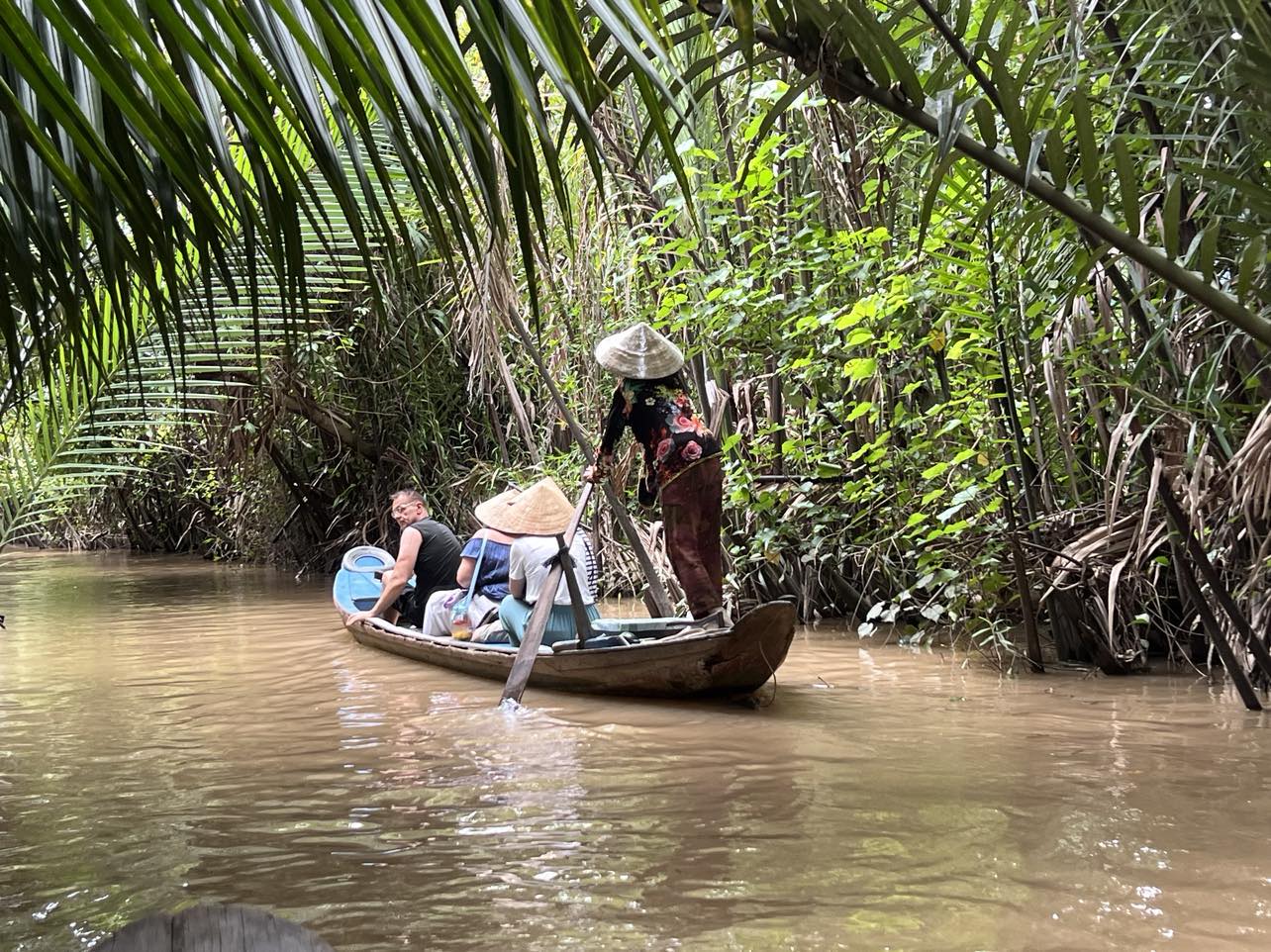
Mekong Delta
130 km from Ho Chi Minh City • Full day
The Mekong Delta is a vast network of rivers, canals, and islands known for its lush landscapes, floating markets, and traditional villages. It offers a unique glimpse into rural Vietnamese life.
Cu Chi Tunnels
60 km from Ho Chi Minh City • Half day
A network of underground tunnels used by Viet Cong soldiers during the Vietnam War. Visitors can explore the tunnels, learn about their history, and see various war relics.
Vung Tau
120 km from Ho Chi Minh City • Full day
A coastal city known for its beautiful beaches, seafood, and relaxed atmosphere. It's a popular destination for a day trip from Ho Chi Minh City.
Festivals
Tet Holiday (Vietnamese New Year) • January or February (varies each year)
Ho Chi Minh City International Film Festival • December (varies each year)
Mid-Autumn Festival • September or October (varies each year)
Pro tips
- Learn a few basic Vietnamese phrases to enhance your experience and interact with locals
- Use ride-hailing apps like Grab or Gojek for convenient and affordable transportation
- Bargain for better prices at markets and street vendors, but do so politely and with a smile
- Try street food and local eateries for an authentic and delicious culinary experience
- Visit popular attractions early in the morning or late in the afternoon to avoid crowds and the midday heat
From $25
per person
Price varies by option
Secure booking
Free cancellation available
Instant confirmation