Borobudur and Prambanan Private Full Day Tour with Palace Visit
Active
9h - 10h
For a full refund, cancel at least 24 hours before the scheduled departure time.
Instant confirmation
Mobile or paper ticket accepted
About this experience
Beginning in delightful Yogyakarta Town, we’ll travel through emerald paddy fields, lush forests and past towering volcanoes, traditional villages and ancient World Heritage temples. We’ll visit the fun and friendly towns of Yogyakarta with their ancient, Dutch colonial-period architecture, colourful markets and vibrant street life, and of course, delicious street food. Yogyakarta also called Jogja from Ayodhya, is a city on the Indonesian island of Java known for its traditional arts and cultural heritage. Its ornate 18th-century royal complex, or kraton, encompasses the still-inhabited Sultan’s Palace. Also within the kraton are numerous open-air pavilions that host classical Javanese dance shows and concerts of gamelan music, characterized by gongs, chimes and plucked string instruments.
Available options
With Lift up
Pickup included
Without Lift up
Pickup included
What's included
Dinner at Ramayana Ballet
Entrance Ticket to Keraton Palace and Carriage museum
Entrance Ticket to Ramayana Ballet
Entrance Ticket to Prambanan
Pick up and drop service at Jogjakarta area includes station Tugu and Airport
Breakfast
Entrance ticket to Borobudur
English Driver and Vehicle
Detailed itinerary
1
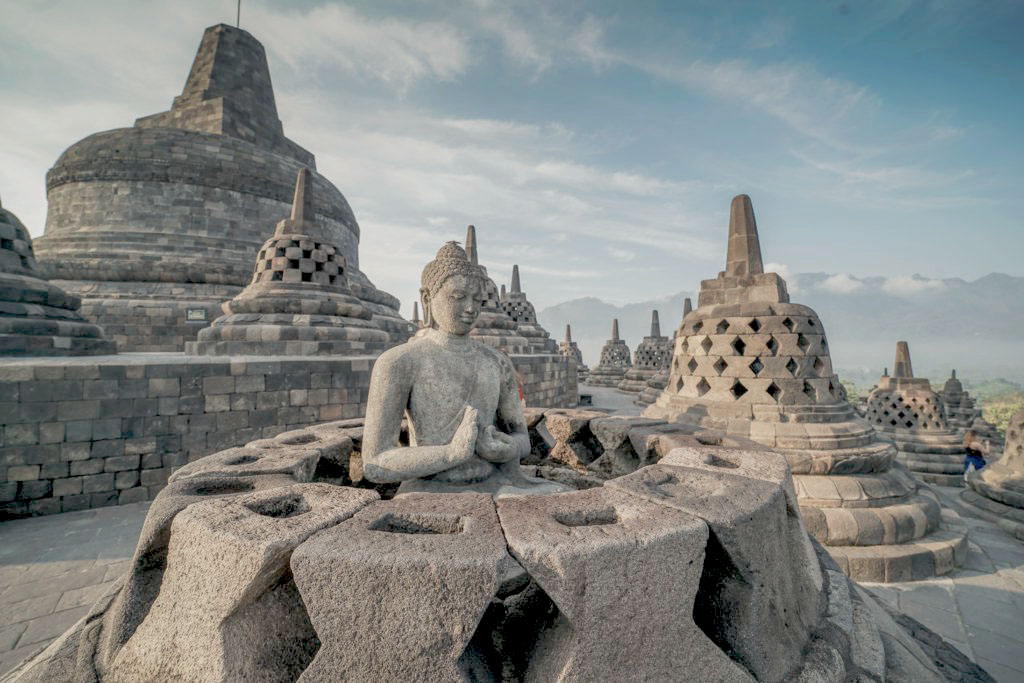
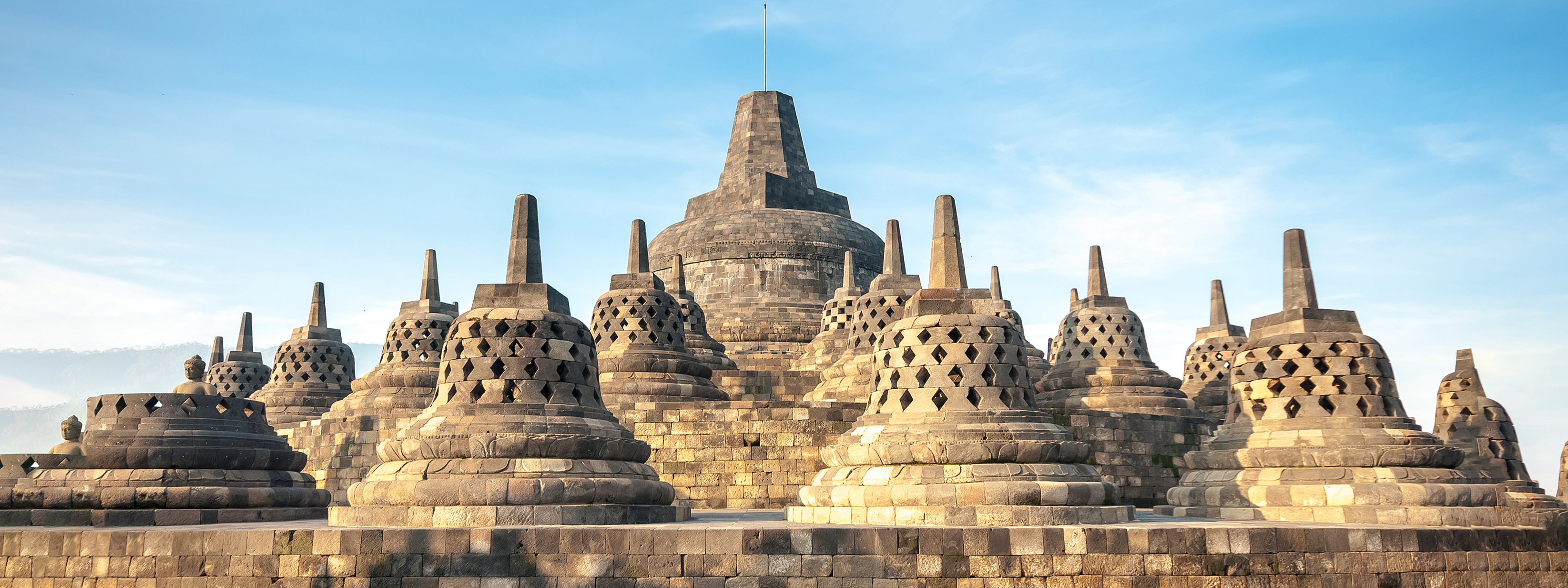
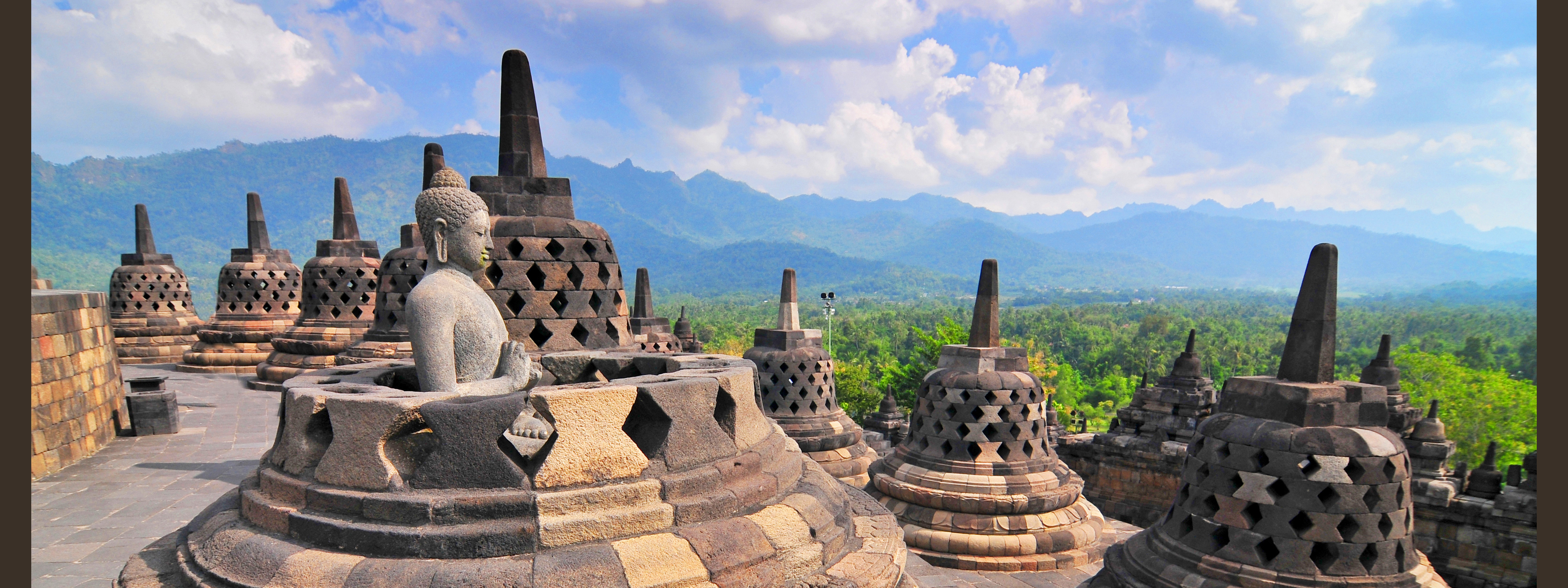
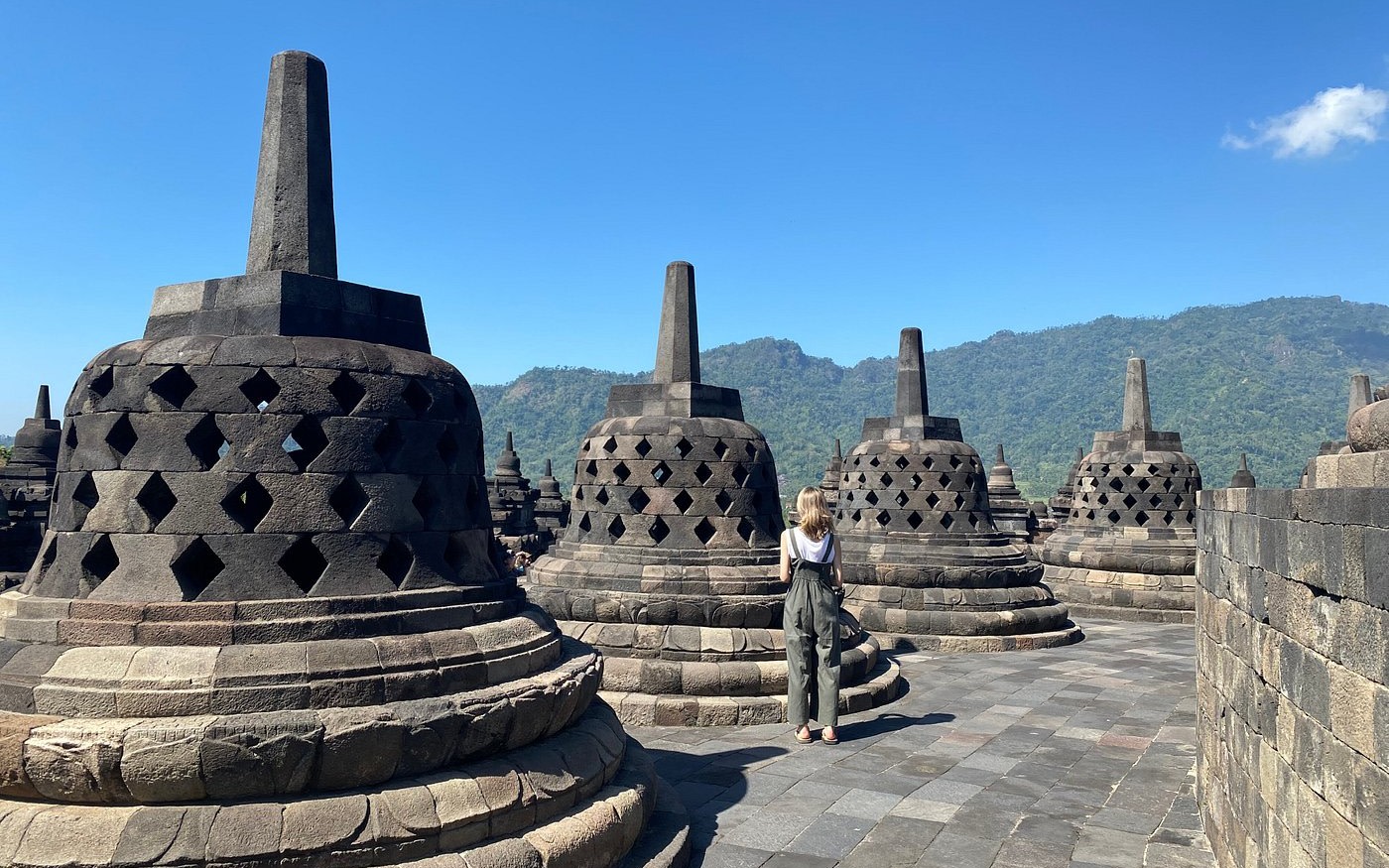
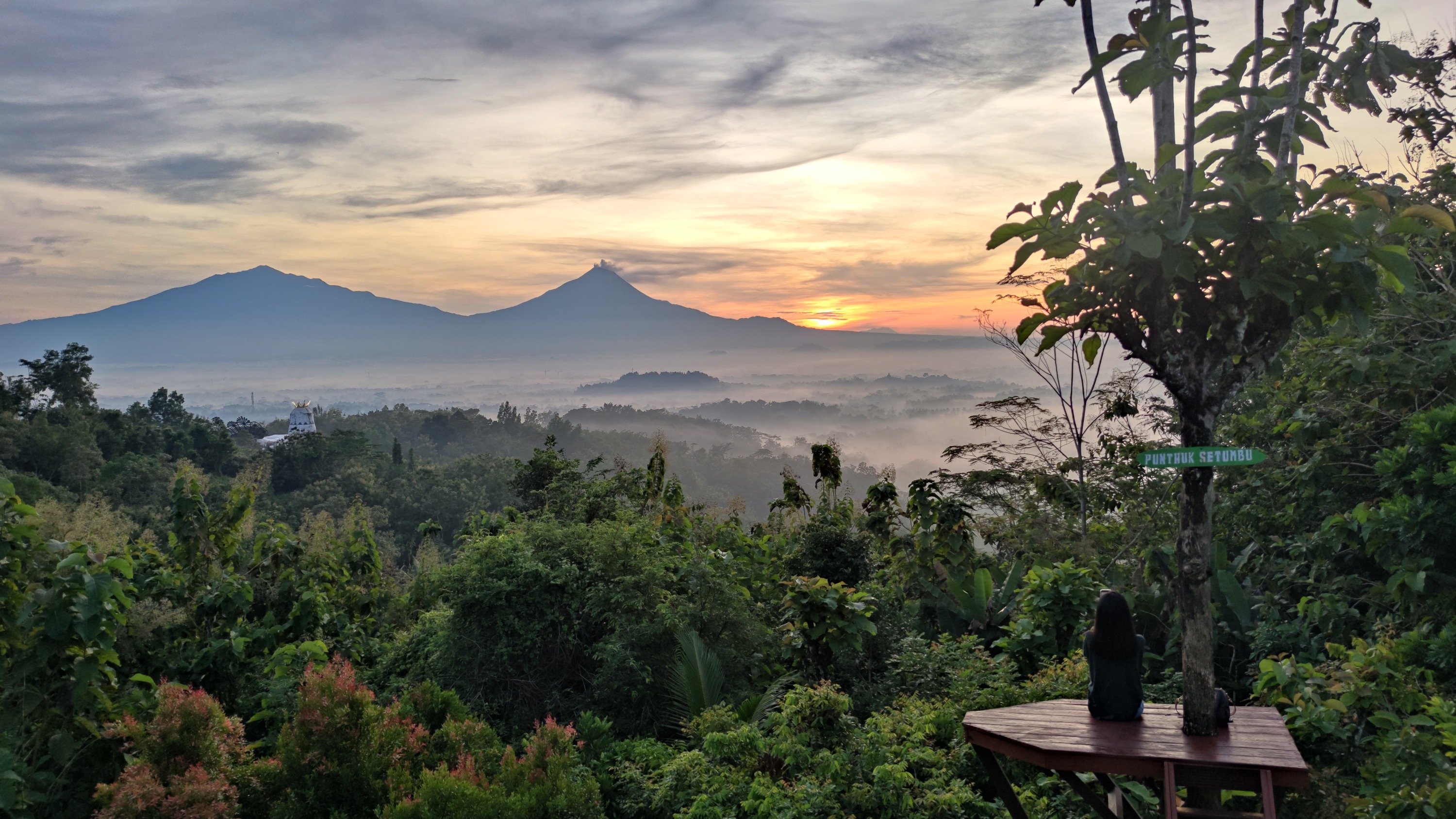
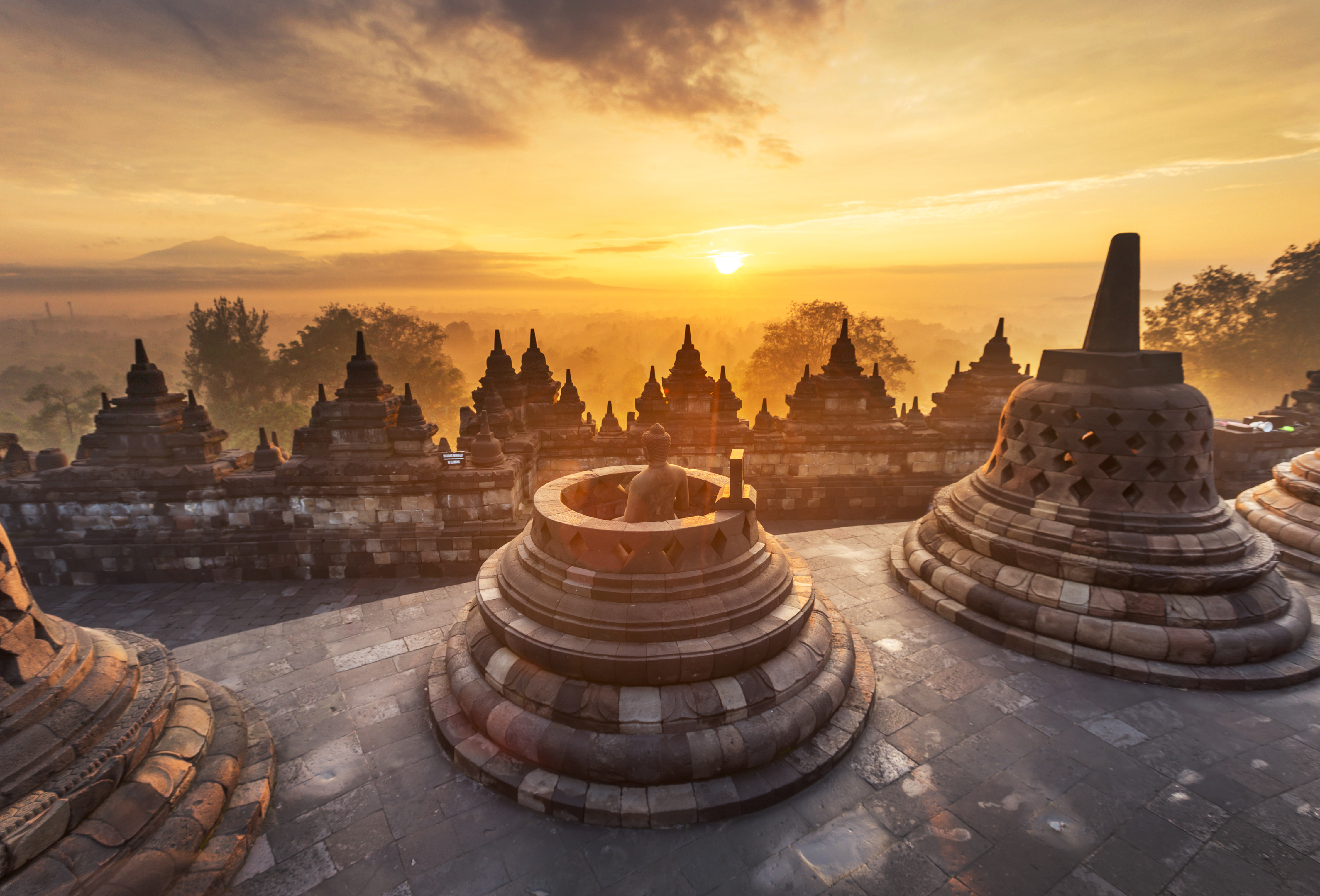
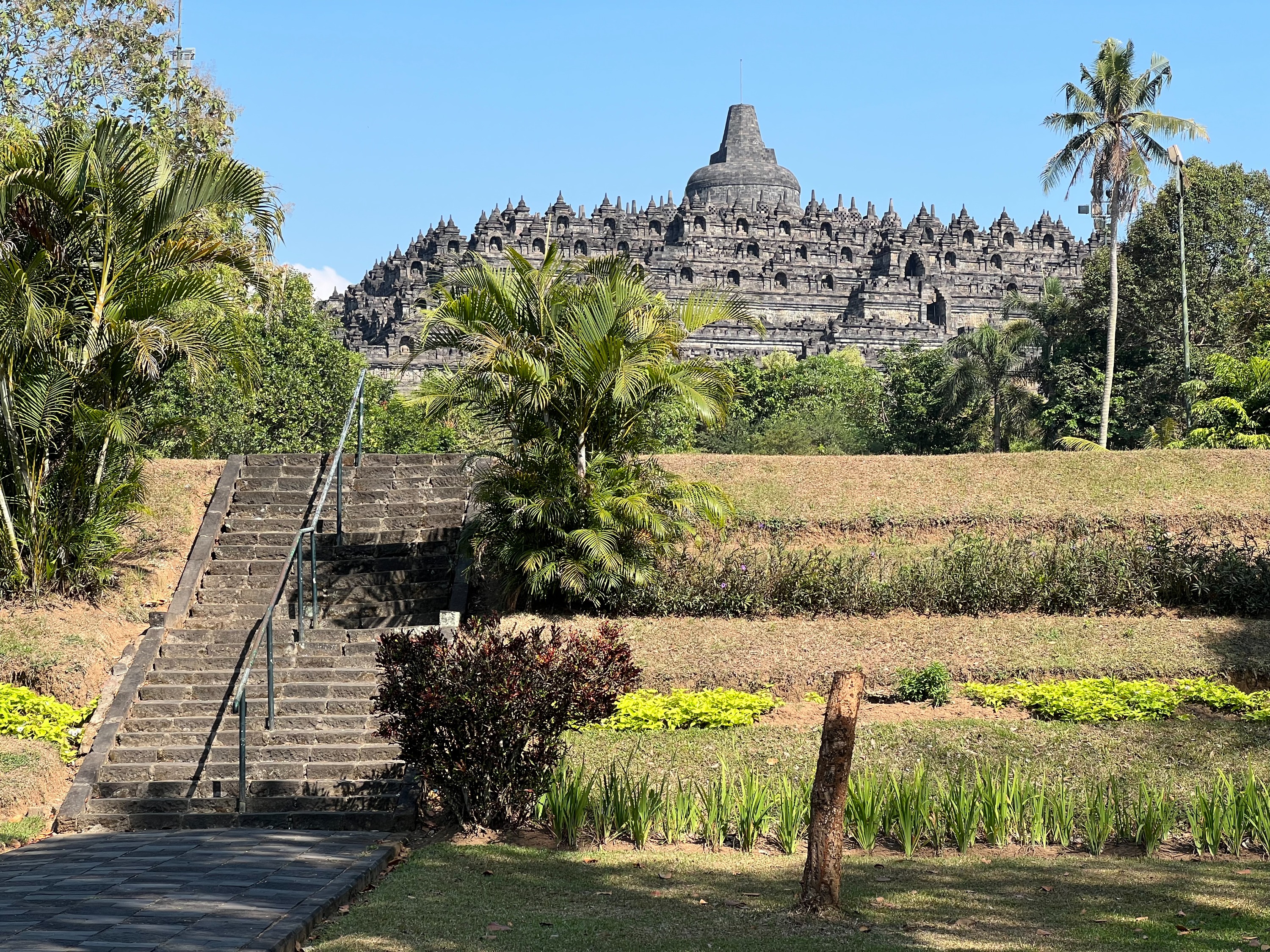
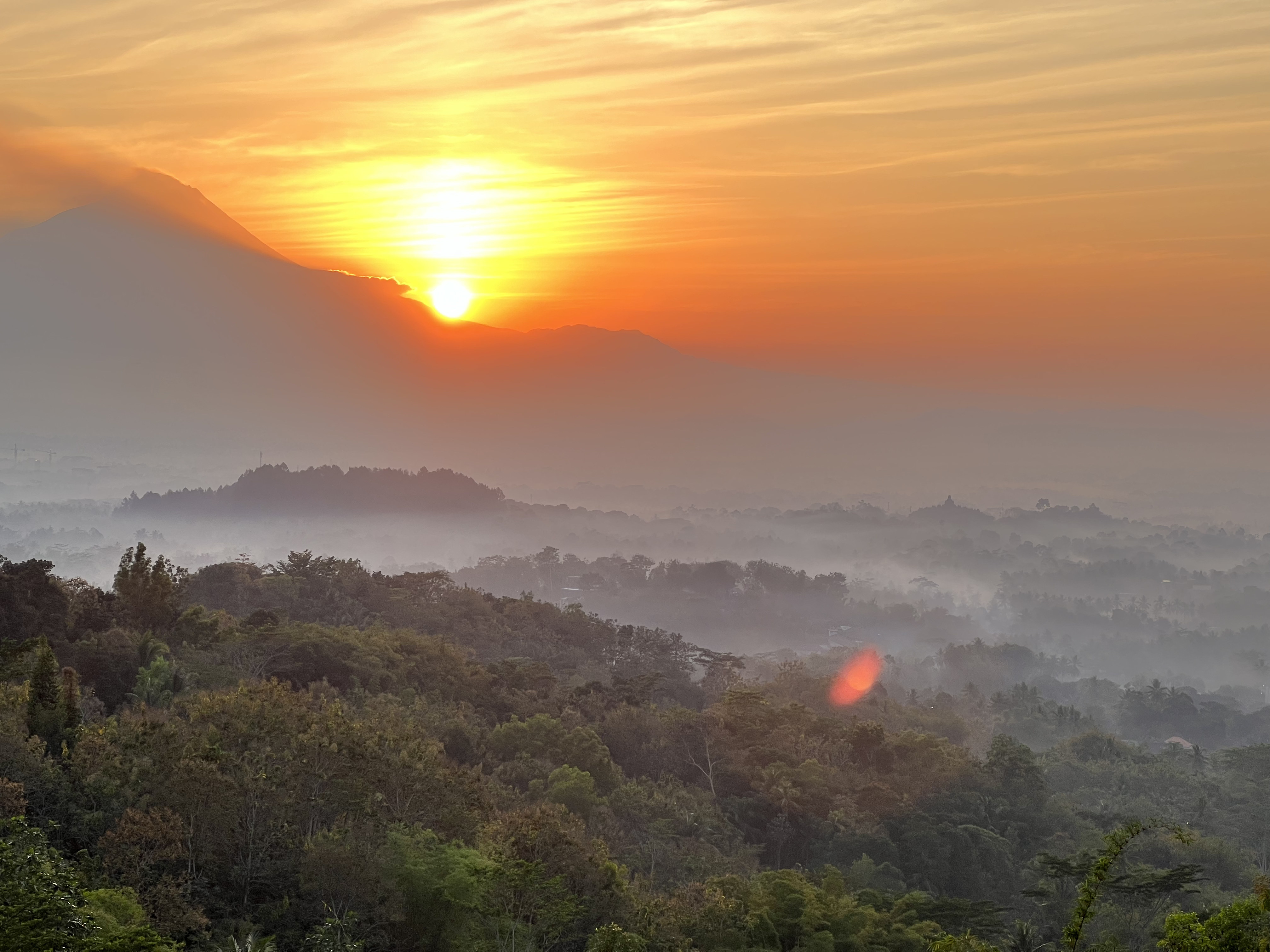
Rise early to catch the morning light and avoid the crowds at Candi Borobudur. This is the largest Buddhist structure on earth. This magnificent World Heritage-listed site is set in a tranquil park. As you approach, you'll see the enigmatic temple rise before you, looming among the tropical foliage. With your local guide, follow the route of ancient pilgrims, circling the mandala-shaped structure from the early realms towards Nirvana. It's truly one of South East Asia's treasures. The Sailendra dynasty built this Largest Buddhist monument in the world between AD 780 and 840. The Sailendra are the ruling dynasty in Central Java at the time. It was built as a place for glorifying Buddha and a pilgrimage spot to guide mankind from worldly desires into enlightenment and wisdom according to Buddha. This monument was discovered by the British in 1814 under Sir Thomas Stanford Raffles
This structure is square shaped with four entry point and a circular center point.
2
The Royal palace yogyakarta is in complex area of sultan and at central city. It is the seat of the reigning Sultan of Yogyakarta and his family. The complex is a center of Javanese culture and contains a museum displaying royal artifacts. The complex was built in 1755–1756 (AJ 1682) for Hamengkubuwono I, the first Sultan of Yogyakarta. It was one of the monarch's first acts after the signing of the Treaty of Giyanti, which recognized the creation of the Sultanate of Yogyakarta under the Dutch East India Company. On 20 June 1812, Sir Stamford Raffles led a 1,200-strong British and Irish force to attack the walled royal city of Yogyakarta. Although they outnumbered the British, the Javanese were unprepared for the attack. Yogyakarta fell in one day, and the palace was sacked and burnt. The attack was the first of its kind on a Javanese court, and the Sultanate briefly became subject to British authority before the British government returned control of Indonesia to the Dutch.
3
The carriage museum is housed in a building to the west of the main Kraton palace. The royal carriages used by the sultans from years past. Some of the special carriages were used in coronation ceremonies while others were for day-to-day use. There is even one that was used for funerals. The exhibits are a bit dusty - apparently the carriages are only ritually washed once a year, and there are no signs in English, so you need to have a keen interest in such things to visit. Don't forget to take time for lunch.
4
Stop 4
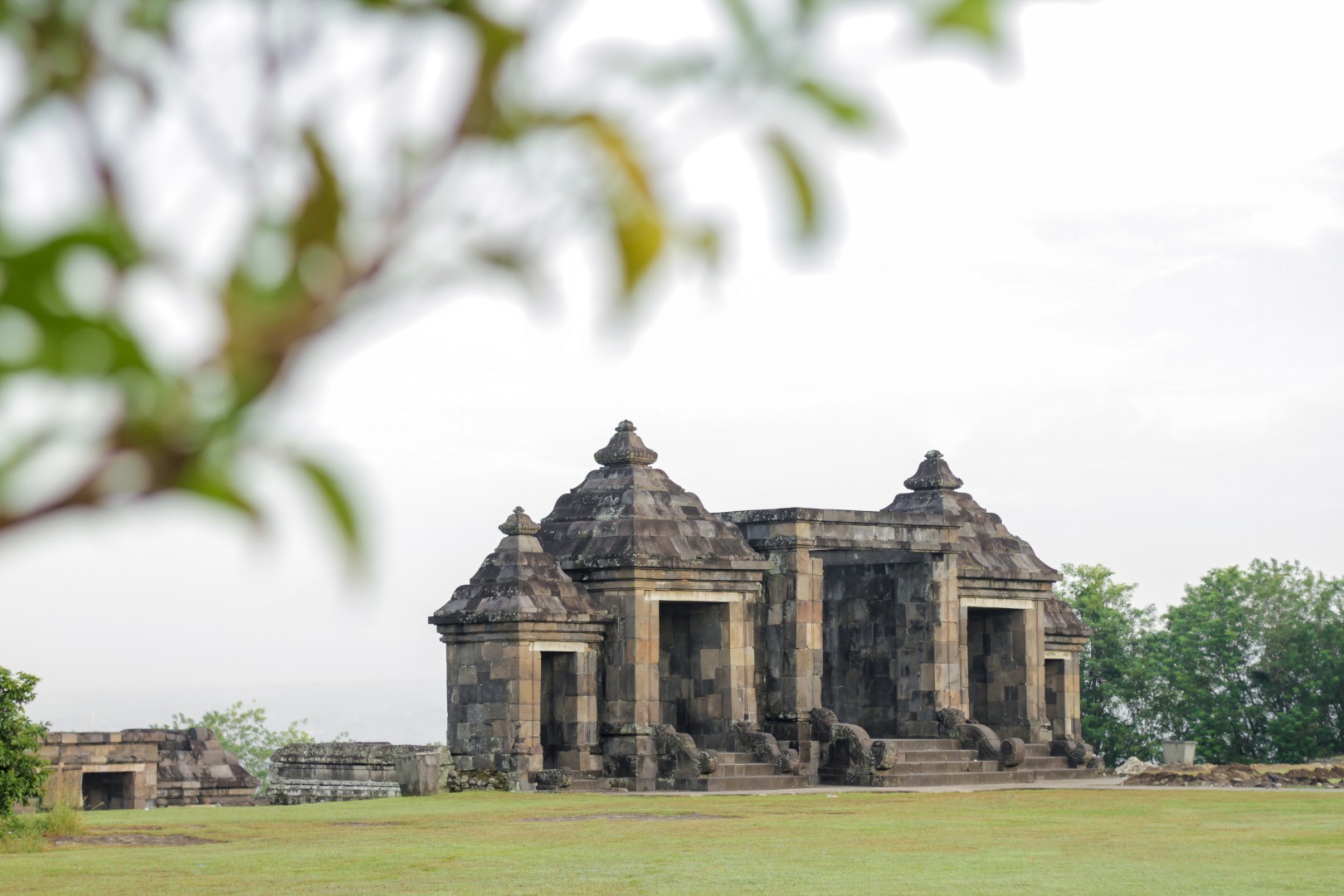
You might like to visit one of Yogya's other heritage temples – this time perhaps of the Hindu faith. The Temple is the largest Hindu complex in Java. It is a 9th-century Hindu temple compound in the Special Region of Yogyakarta, in southern Java, dedicated to the Trimūrti, the expression of God as the Creator (Brahma), the Preserver (Vishnu) and the Destroyer (Shiva). The temple compound is located approximately 17 kilometres northeast of the city on the boundary between Central Java and Yogyakarta provinces.
The temple compound, a UNESCO World Heritage Site, is the largest Hindu temple site in Indonesia and the second-largest in Southeast Asia after Angkor wat. It is 47-metre-high (154 ft) central building inside a large complex of individual temples. Prambanan temple compounds originally consisted of 240 temple structures, which represented the grandeur of ancient Java's Hindu art and architecture, and is also considered as a masterpiece of the classical period in Indonesia.
5
Stop 5
This evening, perhaps catch a performance of the epic Ramayana Ballet. The popular legend of Rara Jonggrang is what connects the site of the Ratu Boko Palace, the origin of the Durga statue in the northern cell/chamber of the main shrine, and the origin of the Sewu temple complex nearby. The legend tells the story about Prince Bandung Bondowoso, who fell in love with Princess Rara Jonggrang, the daughter of King Boko. But the princess rejected his proposal of marriage because Bandung Bondowoso had killed King Boko and ruled her kingdom. While we are here, Dinner will be provide.
What's not included
Tipping English Driver
Available languages
Guide guide
EN
Reviews breakdown
Viator
5.0
1 reviews
5★
1
4★
0
3★
0
2★
0
1★
0
Important information
Wheelchair accessible
Infants and small children can ride in a pram or stroller
Service animals allowed
Public transportation options are available nearby
Infants are required to sit on an adult’s lap
Transportation options are wheelchair accessible
All areas and surfaces are wheelchair accessible
Suitable for all physical fitness levels
Please Require your meals, while we have buffet menu
The tour optional can be selected by your optional without lift up to the top as Monday price or your optional to buy the ticket by your own
Upgrade the price of the experience "With lift up" by 30$/each person cash with our team and we can check first the availability
The Option price you select "With Lift up" must be checked the availability
About Yogyakarta
Yogyakarta, known as the cultural heart of Java, is a vibrant city rich in history, art, and tradition. As the only royal city in Indonesia, it offers a unique blend of Javanese heritage, modern university life, and stunning natural surroundings, including the iconic Borobudur and Prambanan temples.
Top Attractions
Borobudur Temple
Borobudur is the largest Buddhist temple in the world and a UNESCO World Heritage Site. It is famous for its intricate carvings and stunning sunrise views.
Historical/Religious
Half-day to full day
IDR 50,000 - 250,000 depending on the view
Prambanan Temple
Prambanan is the largest Hindu temple complex in Indonesia and a UNESCO World Heritage Site. It is known for its towering spires and beautiful architecture.
Historical/Religious
Half-day to full day
IDR 50,000 - 150,000 depending on the view
Kraton Ngayogyakarta Hadiningrat
The Kraton is the royal palace of the Sultan of Yogyakarta and a symbol of Javanese culture and tradition. It houses museums, batik workshops, and traditional performances.
Historical/Cultural
2-3 hours
IDR 10,000 - 25,000
Malioboro Street
Malioboro Street is the heart of Yogyakarta's shopping and cultural scene. It is lined with shops, street vendors, and traditional markets selling batik, souvenirs, and local snacks.
Shopping/Cultural
Half-day to full day
Varies depending on purchases
Mount Merapi
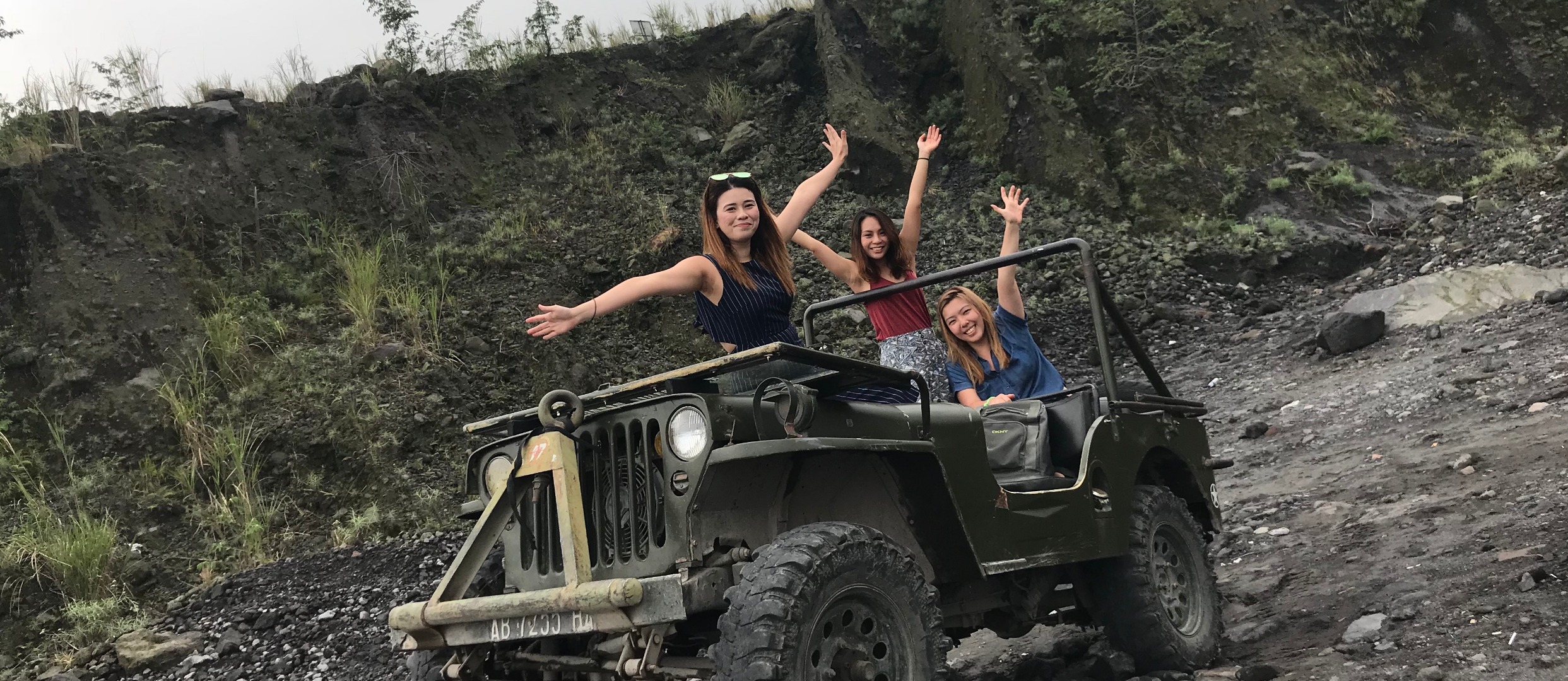
Mount Merapi is an active volcano near Yogyakarta, offering stunning views and adventurous activities like hiking and jeep tours.
Nature/Adventure
Full day
IDR 500,000 - 1,500,000 for jeep tours
Must-Try Local Dishes
Gudeg
A traditional Javanese dish made from young unripe jackfruit boiled for several hours with palm sugar, and coconut milk. It is served with hard-boiled egg, fried tofu and tempeh, and sometimes also with jackfruit core (nungu), and sambal.
Breakfast
Vegetarian (check for specific preparations)
Nasi Kuning
Yellow rice cooked with turmeric, served with various side dishes such as fried chicken, tempeh, tofu, and vegetables.
Lunch/Dinner
Vegetarian options available
Soto Betawi
A rich and spicy soup made with cow or buffalo meat, coconut milk, and various herbs and spices. It is served with rice, fried tofu, and tempeh.
Lunch/Dinner
Contains meat, vegetarian options may be available
Klepon
Sweet rice cake balls filled with palm sugar and coated with grated coconut.
Dessert
Vegetarian
Popular Activities
Hiking Mount Merapi
Caving in Jomblang Cave
Jeep tours
Visiting traditional markets
Exploring batik workshops
Enjoying street food
Visiting Kraton Ngayogyakarta Hadiningrat
Watching traditional dance performances
Best Time to Visit
Dry season (May to September)
The dry season offers the best weather for exploring Yogyakarta's outdoor attractions and temples. The skies are clear, and rainfall is minimal.
25°C to 32°C
77°F to 90°F
Practical Information
Language
- Official: Indonesian
- Widely spoken: Javanese, English (moderately spoken)
- English: Moderately spoken
Currency
Indonesian Rupiah (IDR)
Time Zone
GMT+7
Electricity
230VV, 50HzHz
Safety Information
Overall Safety Rating: Generally safe
Yogyakarta is generally safe for travelers, with low crime rates and a welcoming atmosphere. However, petty crime and scams can occur, especially in tourist areas.
Important Precautions:
- • Be cautious of your surroundings, especially in crowded areas
- • Use reputable tour operators and transportation services
- • Keep your belongings secure and be aware of pickpockets
Getting there
By air
- Adisucipto International Airport • 5 km from city center
By train
Tugu Yogyakarta Station, Lempuyangan Station
By bus
Giwangan Bus Terminal, Jomblang Bus Terminal
Getting around
Public transport
The Trans Jogja bus system is an affordable and efficient way to get around the city. Buses are air-conditioned and have designated stops.
Taxis
Available • Apps: Gojek, Grab
Rentals
Car, Bike, Scooter
Neighborhoods
Malioboro
Kraton
Sleman
Day trips
Borobudur Temple
40 km • Half-day to full day
Explore the largest Buddhist temple in the world and marvel at its intricate carvings and stunning sunrise views.
Prambanan Temple
17 km • Half-day to full day
Visit the largest Hindu temple complex in Indonesia and enjoy the Ramayana Ballet performance in the evening.
Mount Merapi
30 km • Full day
Experience the thrill of exploring an active volcano with jeep tours and hiking adventures.
Festivals
Yogyakarta Cultural Festival • June to July
Sultan's Birthday Celebration • June 10-12
Malioboro Festival • July to August
Pro tips
- Hire a local guide for a more in-depth and authentic experience of Yogyakarta's cultural and historical sites
- Try local street food and snacks, but be cautious and choose busy stalls with high turnover
- Bargain for better prices when shopping, especially in markets and street vendors
- Dress modestly and respectfully, especially when visiting religious and cultural sites
- Learn a few basic phrases in Indonesian or Javanese to enhance your interaction with locals
From $25
per person
Price varies by option
Secure booking
Free cancellation available
Instant confirmation