Small-Group Day Tour of Kathmandu
Active
6h - 7h
For a full refund, cancel at least 24 hours before the scheduled departure time.
Instant confirmation
Mobile or paper ticket accepted
About this experience
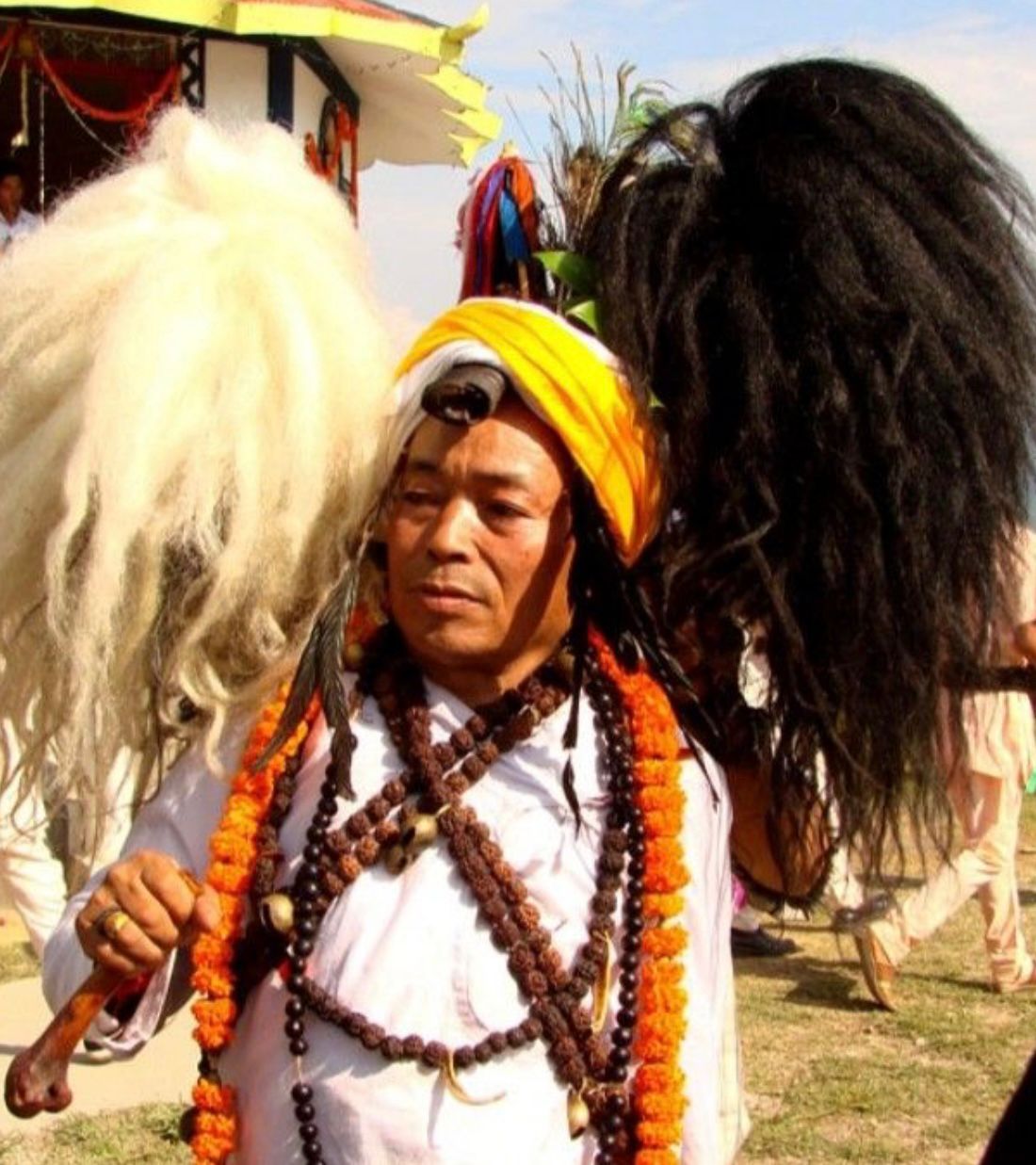
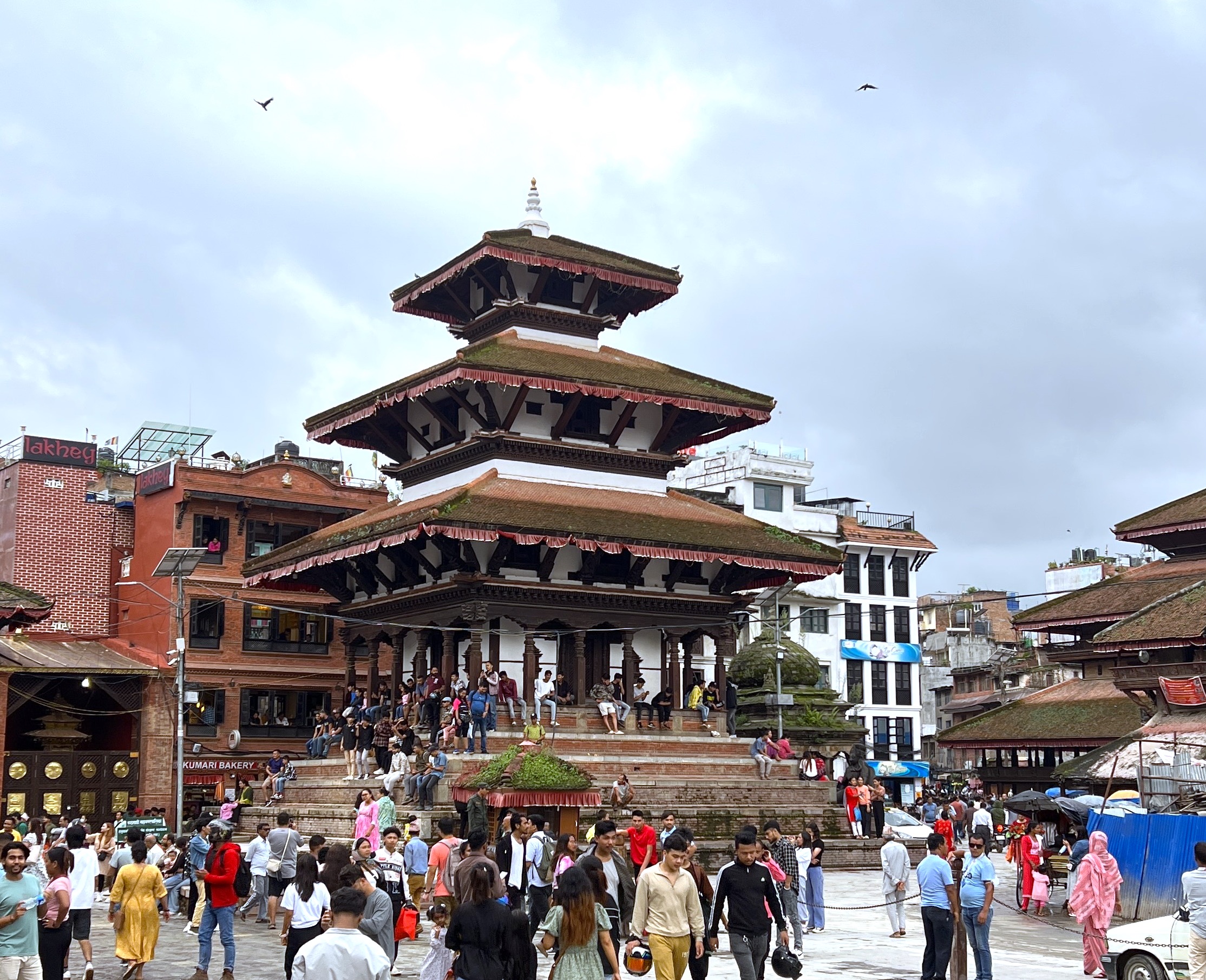
Kathmandu, Nepal's capital, is set in a valley surrounded by the Himalayan mountains. At the heart of the old city’s mazelike alleys is Durbar Square, which becomes frenetic during Indra Jatra, a religious festival featuring masked dances. Many of the city's historic sites were damaged or destroyed by a 2015 earthquake. Durbar Square's palace, Hanuman Dhoka, and Kasthamandap, a wooden Hindu temple, are being rebuilt
Available options
Standard rate
Pickup included
What's included
Hotel pickup and drop-off
Driver/guide
Entry fees for the temple and Monastery.
Fuel surcharge
Local taxes
Transport by private vehicle
Detailed itinerary
1
Stop 1
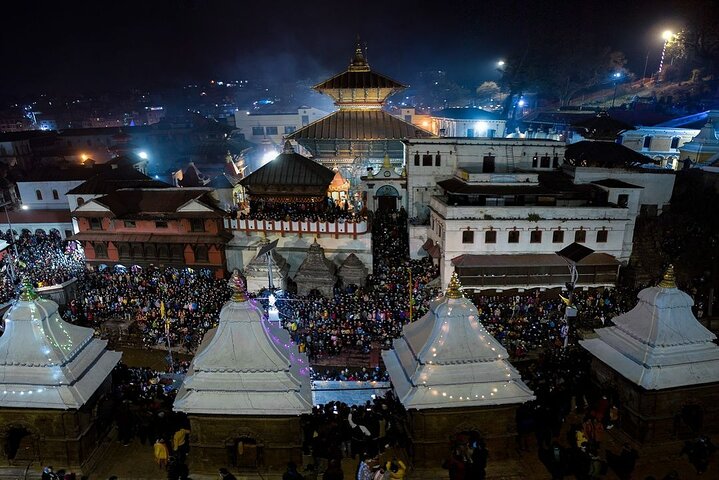
Pashupatinath Temple is the oldest Hindu temple in Kathmandu. It is not known for certain when Pashupatinath Temple was built. But according to Nepal Mahatmaya and Himvatkhanda,[3] the deity here gained great fame there as Pashupati, the Lord of all Pashus, which are living as well as non-living beings. Pashupatinath Temple's existence dates back to 400 BCE.[citation needed] The richly ornamented pagoda houses the sacred linga or holy symbol of Lord Shiva. There are many legends describing how the temple of Lord Aalok Pashupatinath came to existence here. Some of them are narrated below.
2
Stop 2
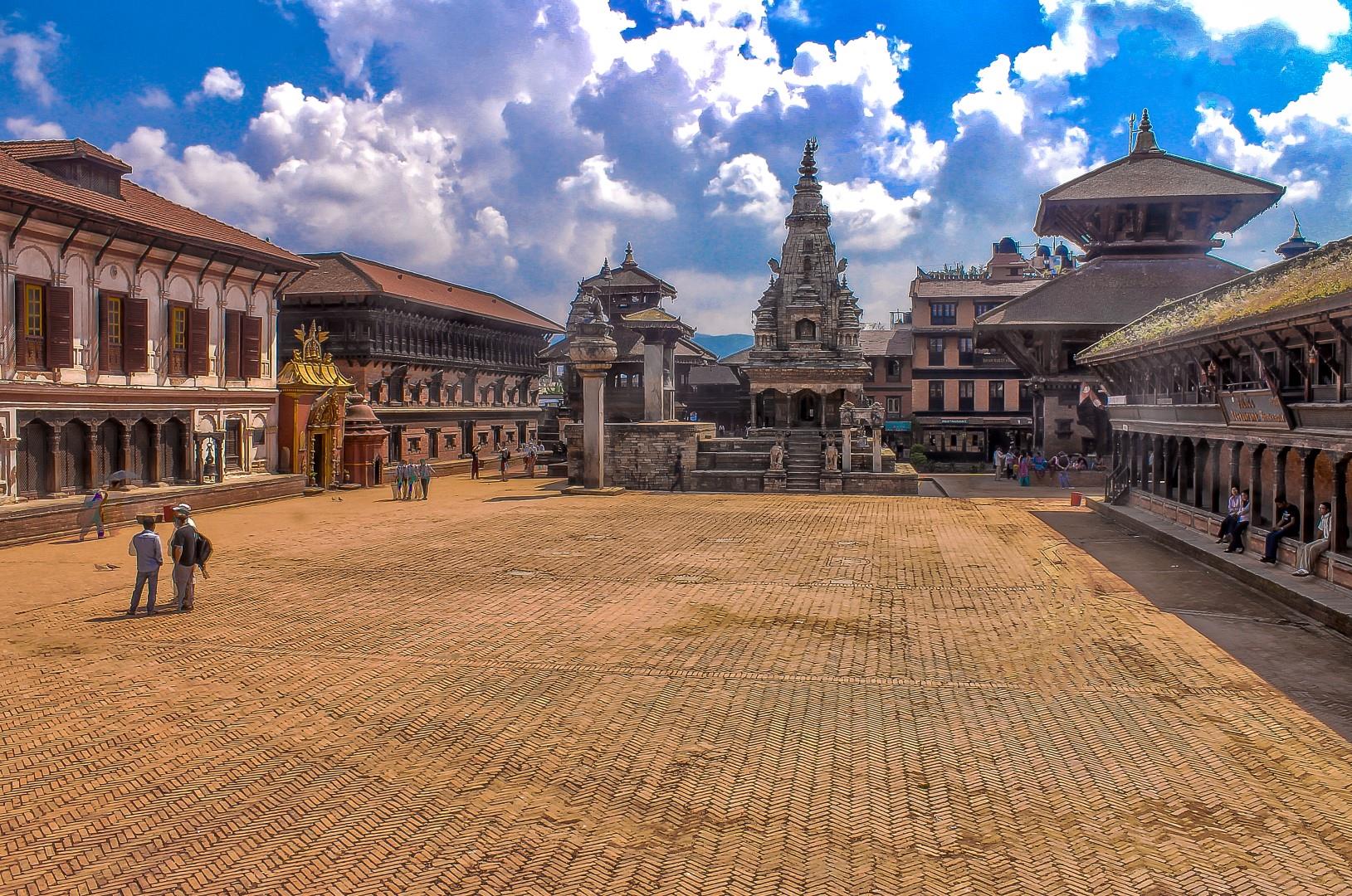
The history of Durbar Square is not clear. Although the Malla Kings of Lalitpur are credited with the establishment of the royal square, it is known that the site is an ancient crossroad. The Pradhanas, who settled around the site before the Mallas, have connections with the Durbar Square. Some chronicles hint that the Thakuri Dynasty built a palace and made reforms to the locality, but there is little evidence of this. Scholars are certain that Patan was a prosperous city since ancient times.
The Malla Kings made important changes to the square. Most of the current architecture is from the 1600s, constructed during the reign of King Siddhi Narsingh Malla and his son Srinivasa Sukriti. Some of the notable Malla Kings who improved the square include Purandarasimha, Sivasimha Malla and Yoganarendra Malla.
3
Stop 3
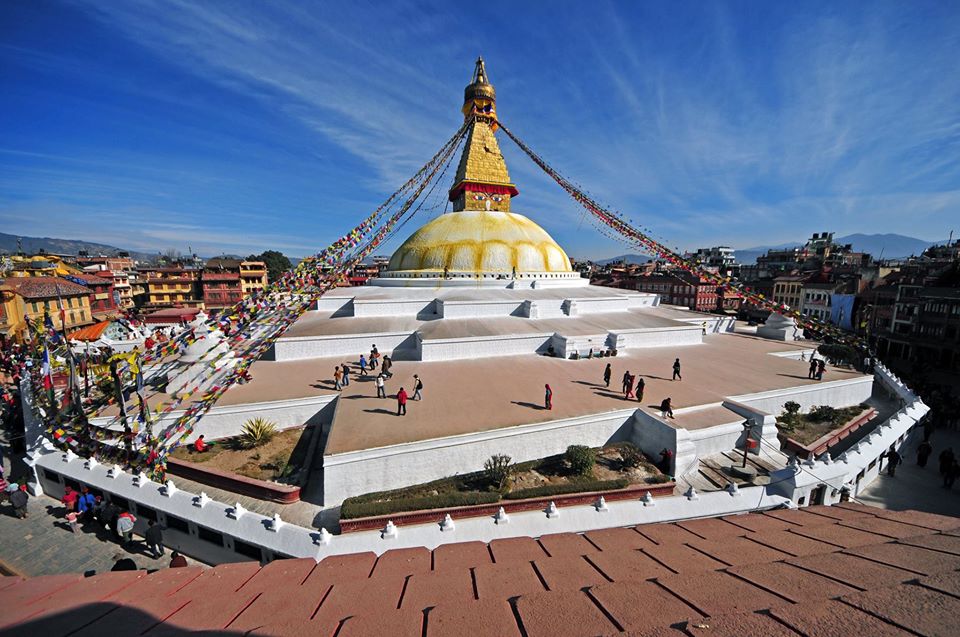
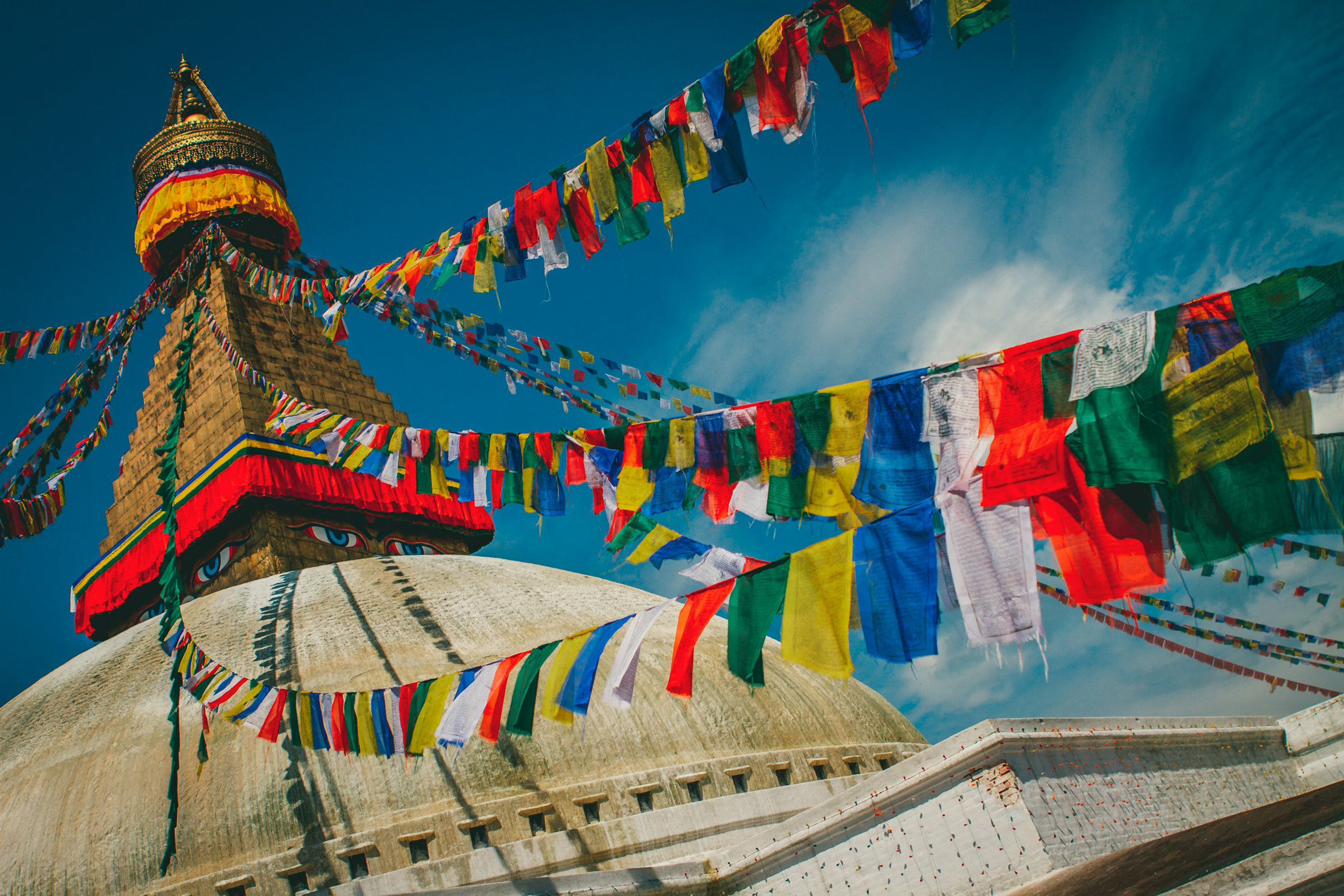
FOR HUNDREDS OF YEARS, THE BOUDHANATH Stupa has stood as a beacon of Buddhist belief, towering over the surrounding town as a giant mandala of peace and beauty and also giant eyes.
Built some time around the 14th century, the huge meditative monument is said to have been created just after the passing of the Buddha. The huge offering site quickly become an focal point of worship and offering in the area. The structure of the building consists of a giant dome, on the top which sits a Buddhist pyramid tower. All of this sits on top of huge steps shaped like mandalas themselves. Originally the stupa’s spot was on an important trade route which allowed for a steady stream of possible converts. Among the Nepalese in Kathmandu, the stupa is simply referred to as “Chorten Chenpo” which translates to “Great Tower” or just “Great Stupa.” No matter what pilgrims called it, they flocked to the monument in droves.
4
Stop 4
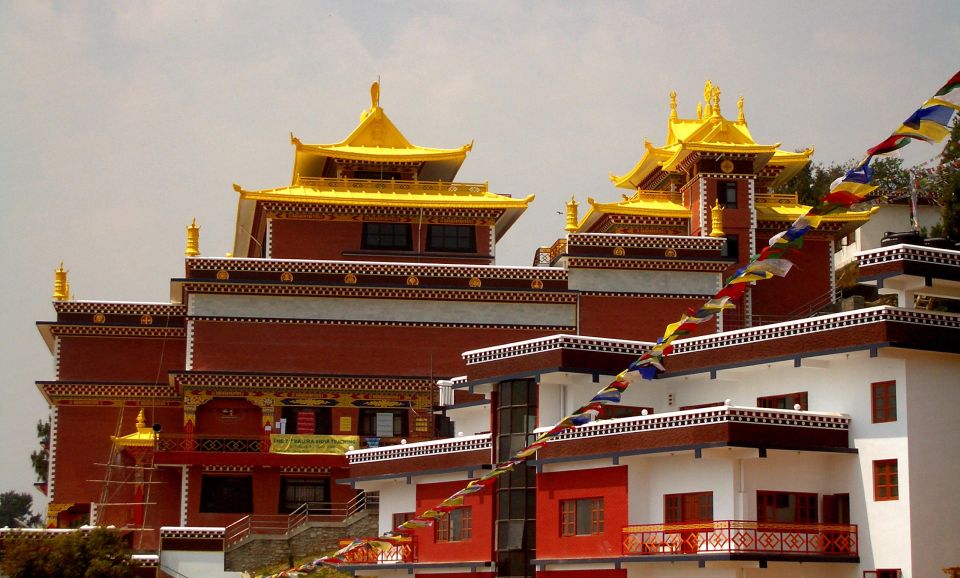
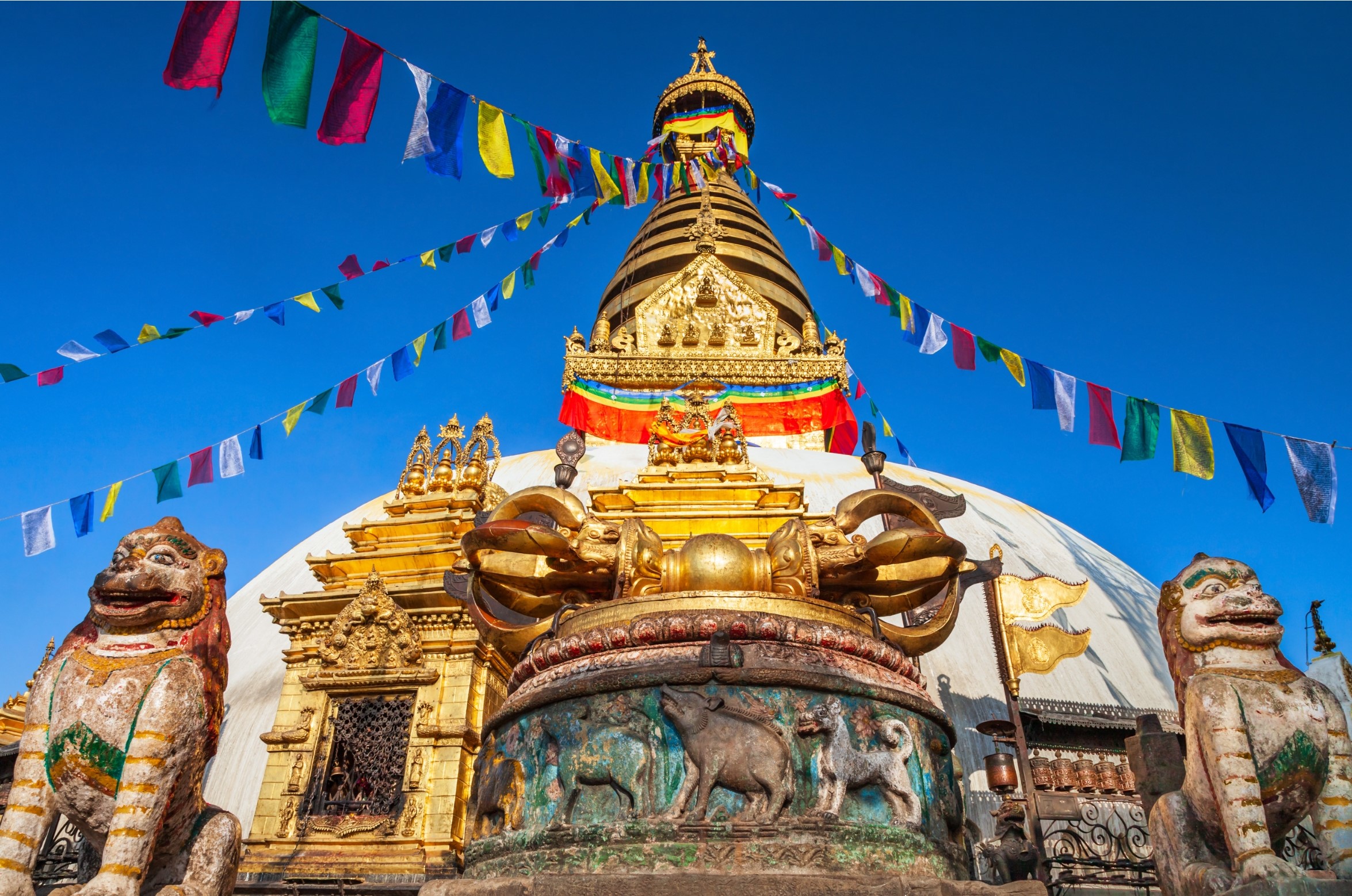
Swayambhu, now a UNESCO World Heritage Site, goes back to ancient times. The earliest written record of the Great Stupa of Swayambhu is a 5th century stone inscription. Honored by kings, monks, and pilgrims alike, the stupa has been restored and repaired on numerous occasions. In 1349 it was damaged by an invading Muslim army and later repaired by King Saktimalle Bhalloka. In 1505, the yogin Sangye Gyaltsen added the wheel and spire to the stupa’s dome. In 1614 the 6th Shamarpa had shrines built into the stupa in the four cardinal directions. Several important Kagyu lamas held a consecration ceremony in 1750 after a major renovation.
The famous Bhutanese master Lopön Tsechu Rinpoche (1918-2003), the late abbot of the Bhutanese Drugpa Kagyu Monastery [13] on the western side of the stupa, came to Nepal in order to assist his uncle, the Drukpa lama Sherab Dorje, in restoring and maintaining the stupa during the early 20th century.
What's not included
Landing and facility fees
Food and drinks, unless specified
Reviews breakdown
Tripadvisor
4.8
6 reviews
5★
5
4★
1
3★
0
2★
0
1★
0
Important information
Specialized infant seats are available
Suitable for all physical fitness levels
About Kathmandu
Kathmandu, the capital of Nepal, is a vibrant blend of ancient history, rich culture, and stunning Himalayan scenery. Known as the 'City of Temples,' it's home to seven UNESCO World Heritage Sites, including the iconic Swayambhunath Stupa and Pashupatinath Temple. The city offers a unique mix of traditional Newari architecture, bustling markets, and modern urban life.
Top Attractions
Swayambhunath Stupa (Monkey Temple)
One of the most iconic landmarks in Kathmandu, this UNESCO World Heritage Site is a Buddhist stupa perched on a hilltop, offering panoramic views of the city and surrounding mountains. It's also home to many monkeys, hence the nickname.
Religious/Historical
1-2 hours
Free (donations welcome)
Pashupatinath Temple
One of the most sacred Hindu temples in the world, dedicated to Lord Shiva. Located on the banks of the Bagmati River, it's a major pilgrimage site with a lively atmosphere, especially during festivals.
Religious
2-3 hours
Free for Hindus, NPR 1000 (USD 8) for non-Hindus
Boudhanath Stupa
One of the largest stupas in the world and a UNESCO World Heritage Site, Boudhanath is a major center for Tibetan Buddhism. The surrounding area is filled with monasteries, shops, and cafes, creating a vibrant cultural hub.
Religious/Historical
2-3 hours
Free (donations welcome)
Kathmandu Durbar Square
A UNESCO World Heritage Site, this historic square is the heart of the old city and features ancient palaces, temples, and courtyards. It's a living museum showcasing the city's rich history and Newari architecture.
Historical/Architectural
1-2 hours
NPR 1000 (USD 8) for foreigners
Bhaktapur Durbar Square
Located in the ancient city of Bhaktapur, this UNESCO World Heritage Site is a well-preserved example of Newari architecture. It features beautiful temples, palaces, and courtyards, offering a glimpse into Nepal's royal history.
Historical/Architectural
Half-day trip
NPR 1500 (USD 12) for foreigners
Must-Try Local Dishes
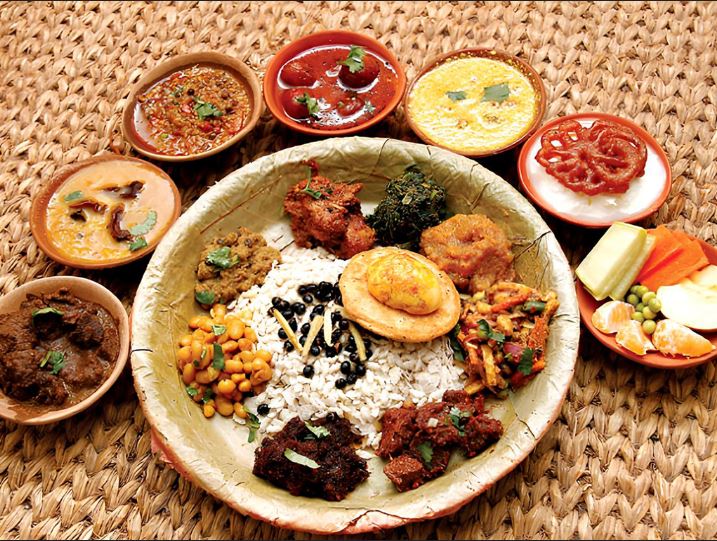
Dal Bhat
A staple meal consisting of lentil soup (dal), rice (bhat), and vegetable curry (tarkari). Often served with pickles, salad, and sometimes meat.
Lunch/Dinner
Vegetarian (can be made vegan by omitting ghee)
Momo
Steamed or fried dumplings filled with meat (buffalo, chicken, or pork) or vegetables, served with a spicy tomato-based sauce.
Snack/Appetizer
Vegetarian options available, can be made vegan
Sel Roti
A sweet, ring-shaped fried bread made from rice flour, sugar, and water, often served during festivals and celebrations.
Snack/Dessert
Vegetarian (may contain eggs in some recipes)
Gundruk
A fermented leafy green vegetable, often cooked with spices and served as a side dish or added to soups and stews.
Side Dish
Vegetarian, vegan, and gluten-free
Popular Activities
Trekking
Mountain biking
Paragliding
Rafting
Yoga and meditation retreats
Spa treatments
Café hopping
Gardening
Best Time to Visit
October to November and March to April
These months offer pleasant weather, clear skies, and excellent visibility for trekking and sightseeing. The city is lively with festivals and cultural events.
20-30°C (68-86°F)
68-86°F
Practical Information
Language
- Official: Nepali
- Widely spoken: English, Hindi, Newari, Maithili, Bhojpuri
- English: Moderately spoken in tourist areas, limited in rural areas
Currency
Nepalese Rupee (NPR)
Time Zone
Nepal Standard Time (NPT, UTC+5:45)
Electricity
230VV, 50HzHz
Safety Information
Overall Safety Rating: Exercise caution
Kathmandu is generally safe for travelers, but petty crime, scams, and pickpocketing can occur, especially in tourist areas and crowded markets. Be cautious of your surroundings, keep valuables secure, and avoid walking alone at night in poorly lit areas.
Important Precautions:
- • Use reputable tour operators and trekking agencies
- • Insist on using the meter when taking taxis
- • Keep valuables secure and out of sight
Getting there
By air
- Tribhuvan International Airport • 5 km (3 miles) from city center
By bus
Galkopul, Kalanki
Getting around
Public transport
Buses are the most common form of public transport, but they can be crowded and slow. Microbuses are smaller and more frequent.
Taxis
Available • Apps: Pathao, InDriver
Rentals
Car, Bike, Scooter
Neighborhoods
Thamel
Boudha
Patan (Lalitpur)
Bhaktapur
Day trips
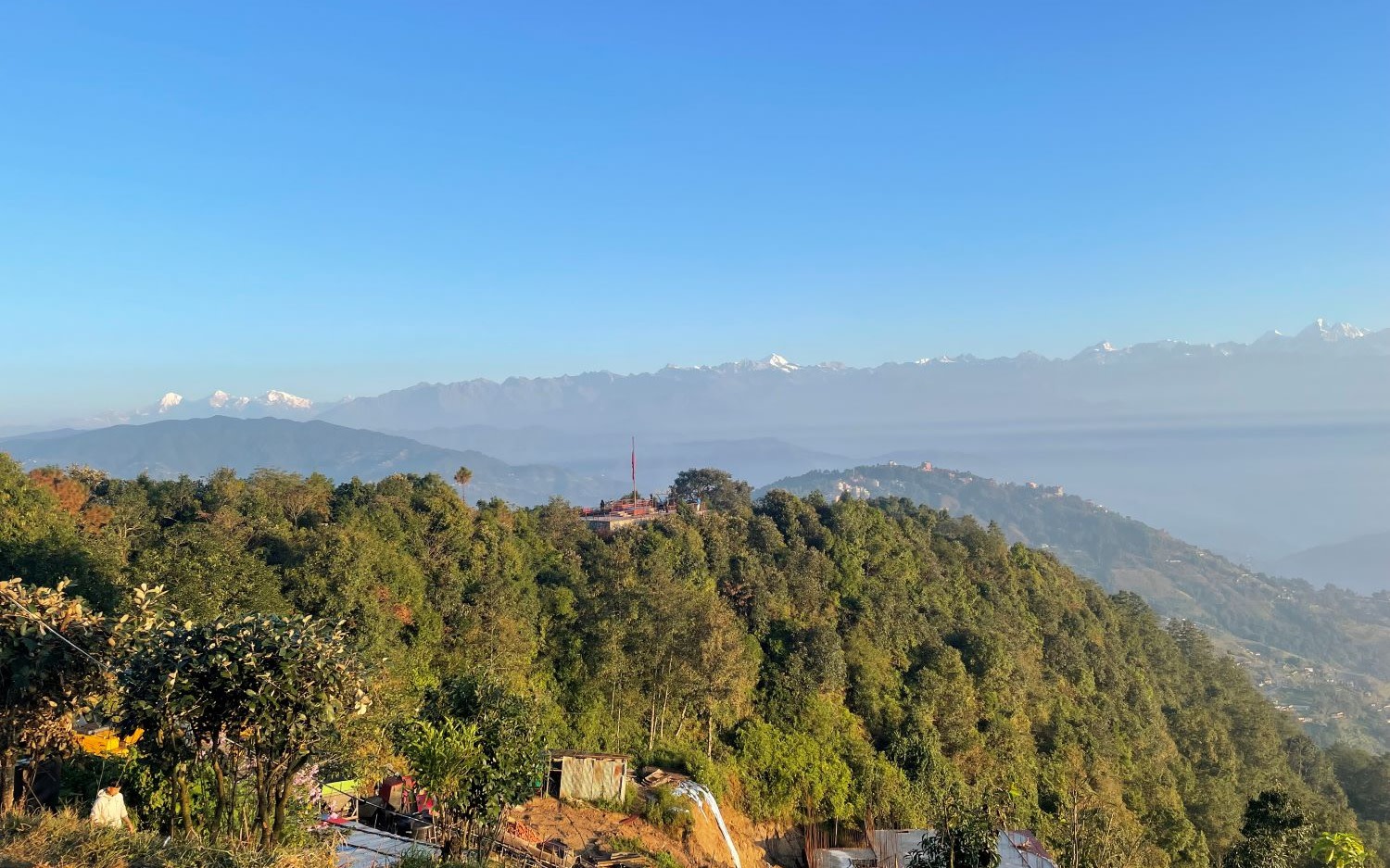
Nagarkot
32 km (20 miles) from Kathmandu • Half-day to full-day trip
A picturesque hill station known for its stunning views of the Himalayas, including Mount Everest on clear days. Nagarkot is also famous for its sunrise and sunset views.
Dhulikhel
30 km (19 miles) from Kathmandu • Half-day to full-day trip
A charming Newari town offering beautiful views of the Himalayas and historic temples. Dhulikhel is less touristy than Nagarkot but equally scenic.
Changunarayan
18 km (11 miles) from Kathmandu • Half-day trip
A UNESCO World Heritage Site featuring an ancient temple dedicated to Lord Vishnu. Changunarayan is one of the oldest Hindu temples in the Kathmandu Valley and is known for its intricate stone and wood carvings.
Festivals
Dashain • September/October (dates vary each year)
Tihar • October/November (dates vary each year)
Indra Jatra • September (dates vary each year)
Pro tips
- Learn a few basic Nepali phrases to enhance your experience and connect with locals
- Hire a local guide or join a group tour for a more immersive and informative experience, especially when visiting temples and historical sites
- Carry small denominations of Nepalese Rupees for small purchases and tips, as change may be limited
- Be prepared for power outages and slow internet, especially during peak hours and in rural areas
- Stay hydrated and protect yourself from the sun, as the high altitude and intense sunlight can cause dehydration and sunburn
From $25
per person
Price varies by option
Secure booking
Free cancellation available
Instant confirmation